-
work /
When he spoke he fired imaginary shots with his gun shaped hands, 2022
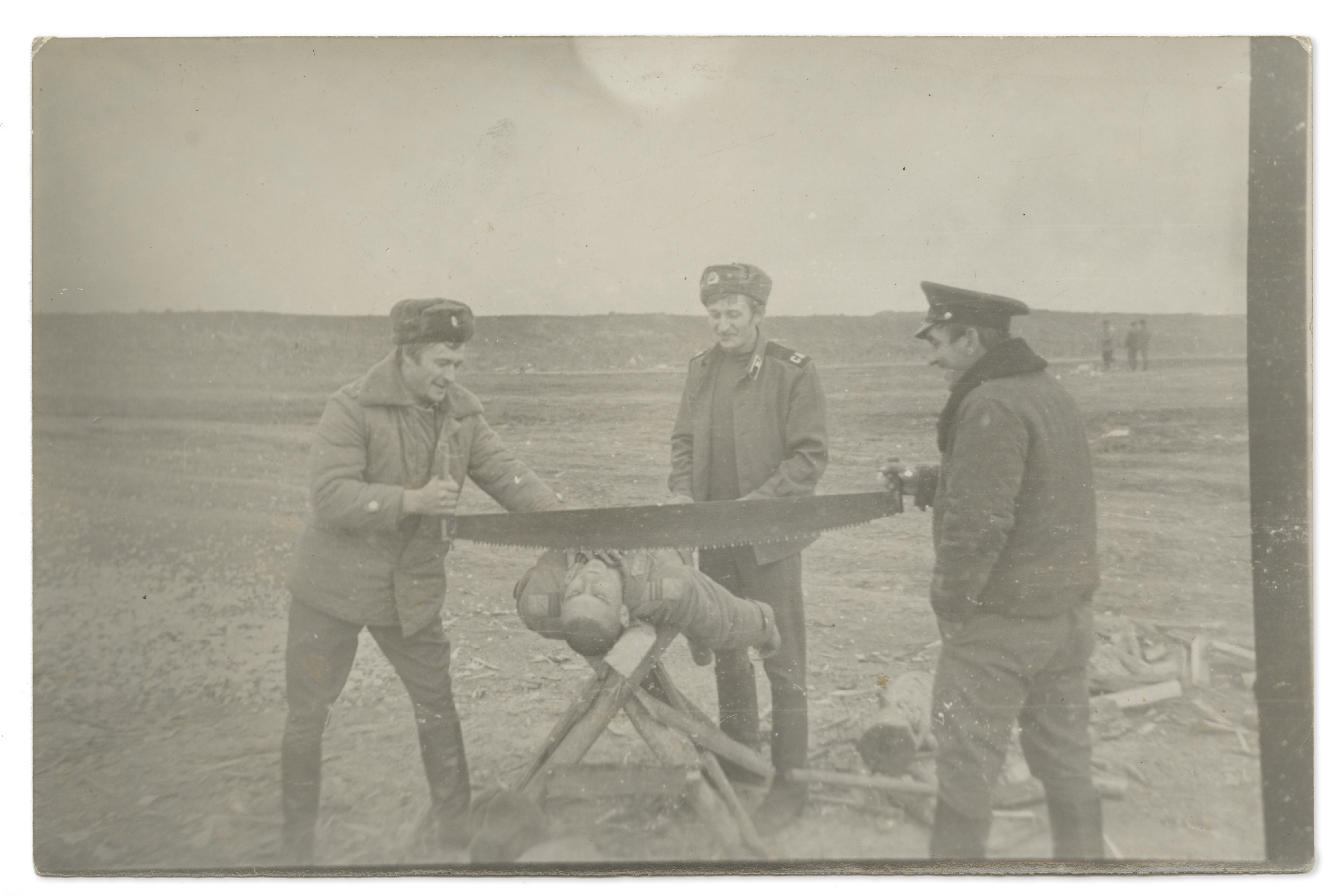
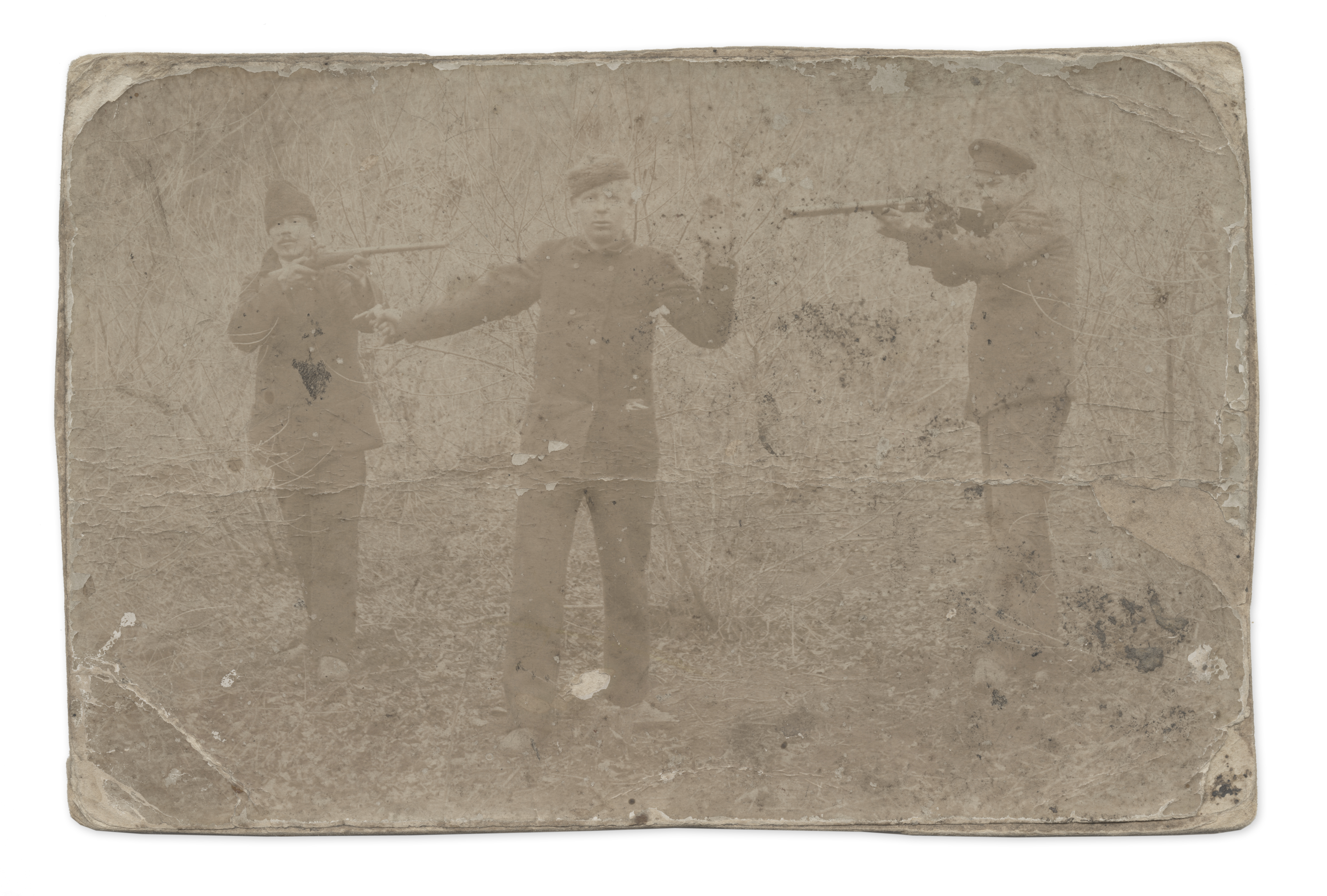
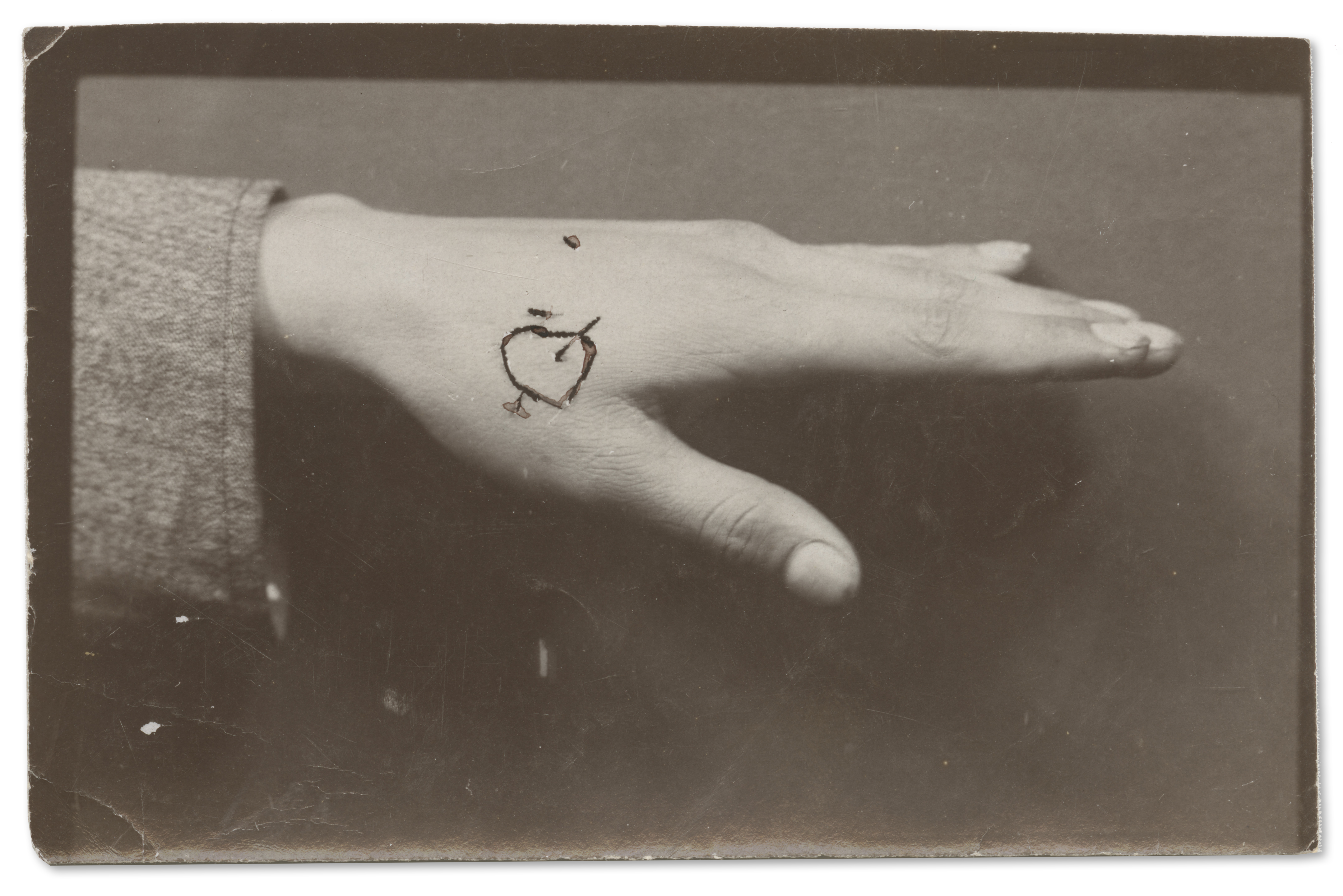
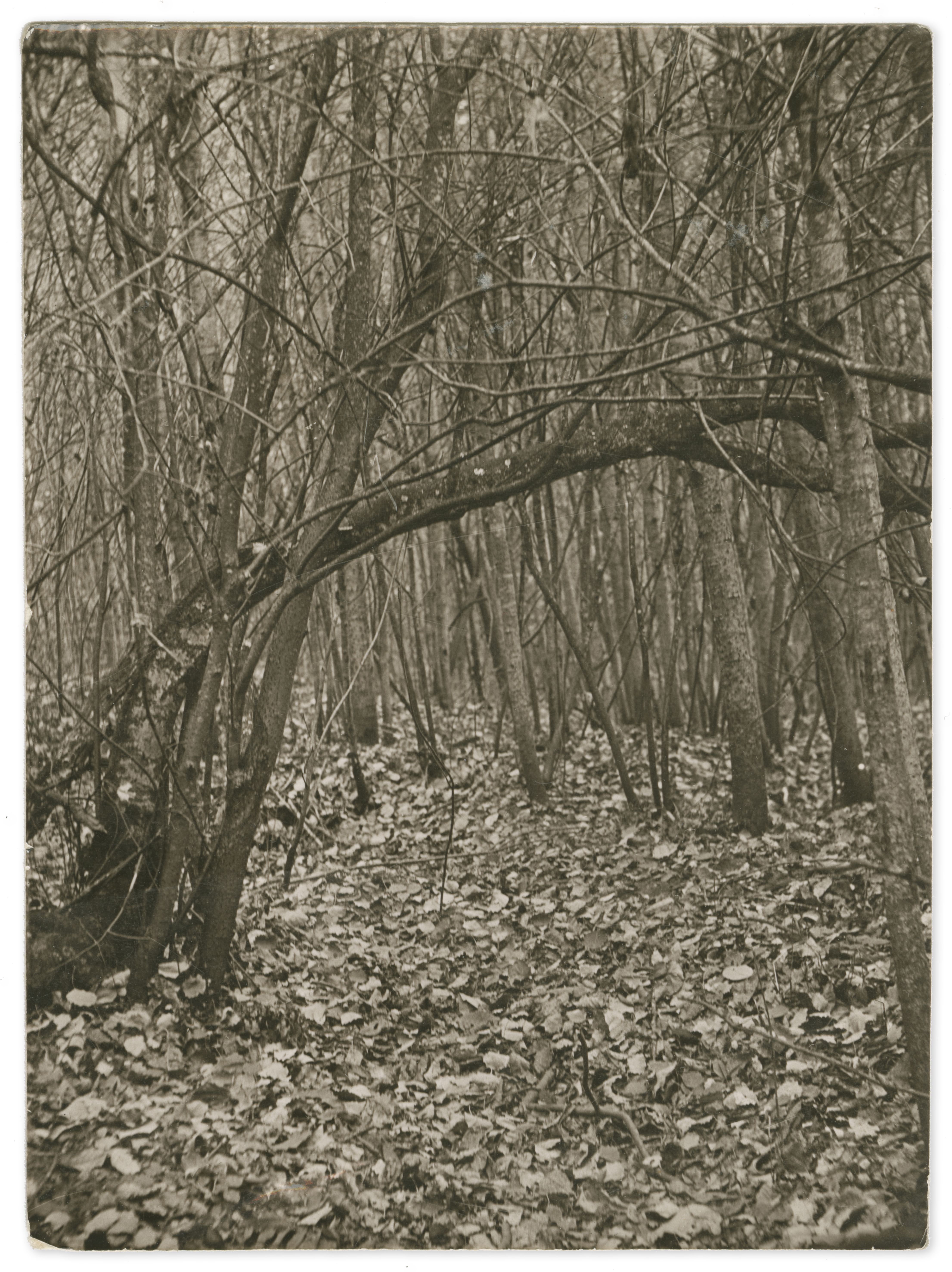
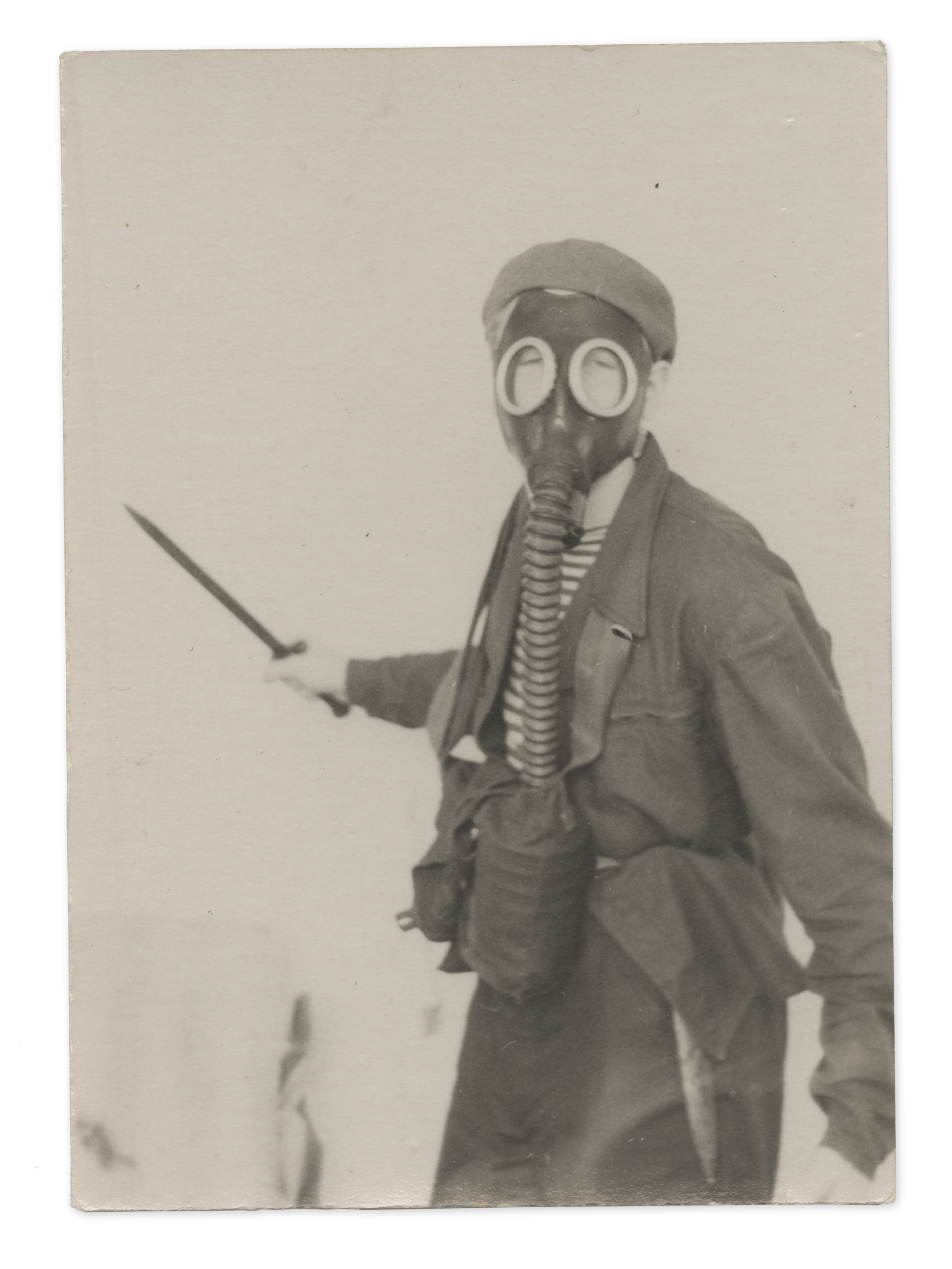
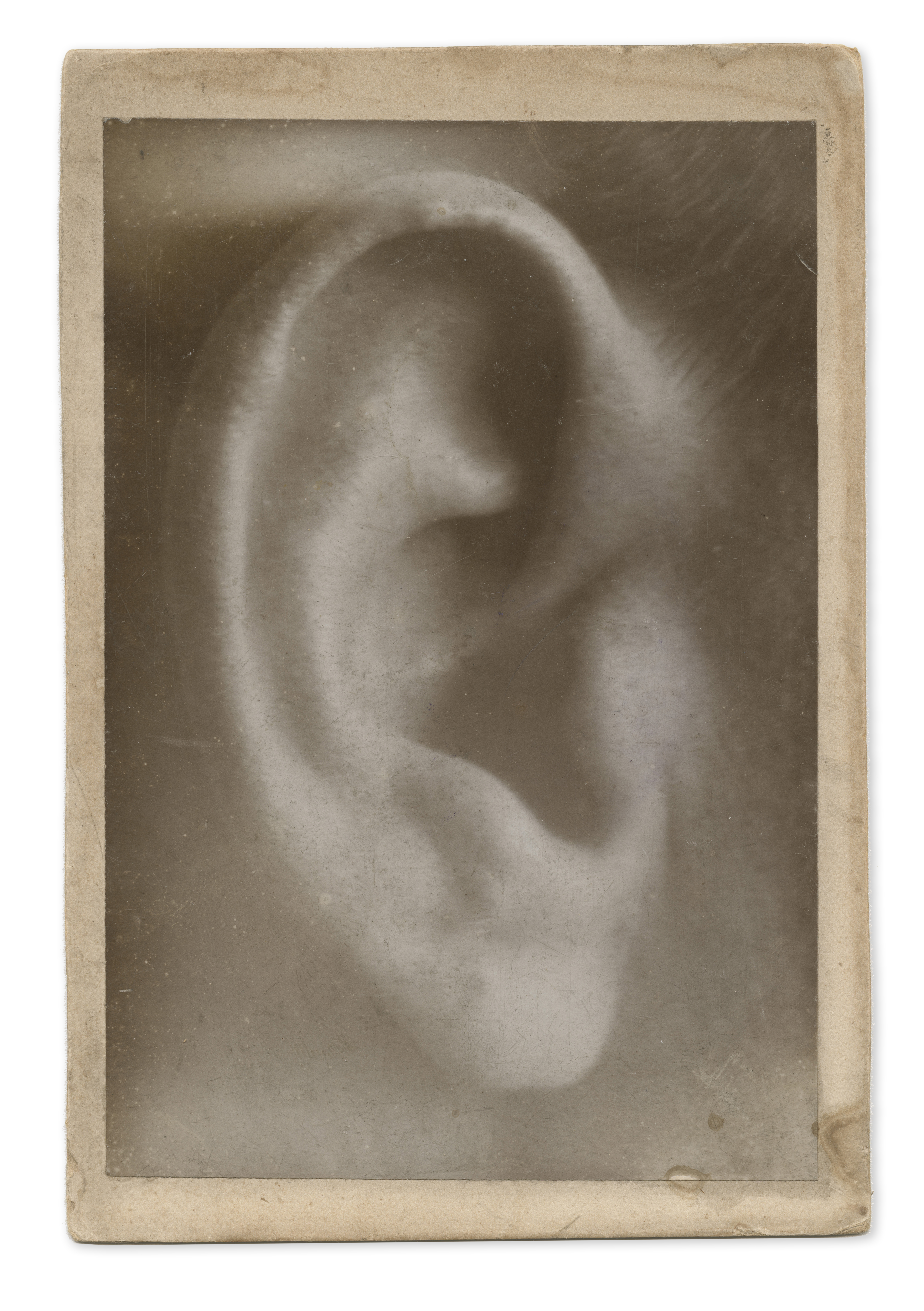
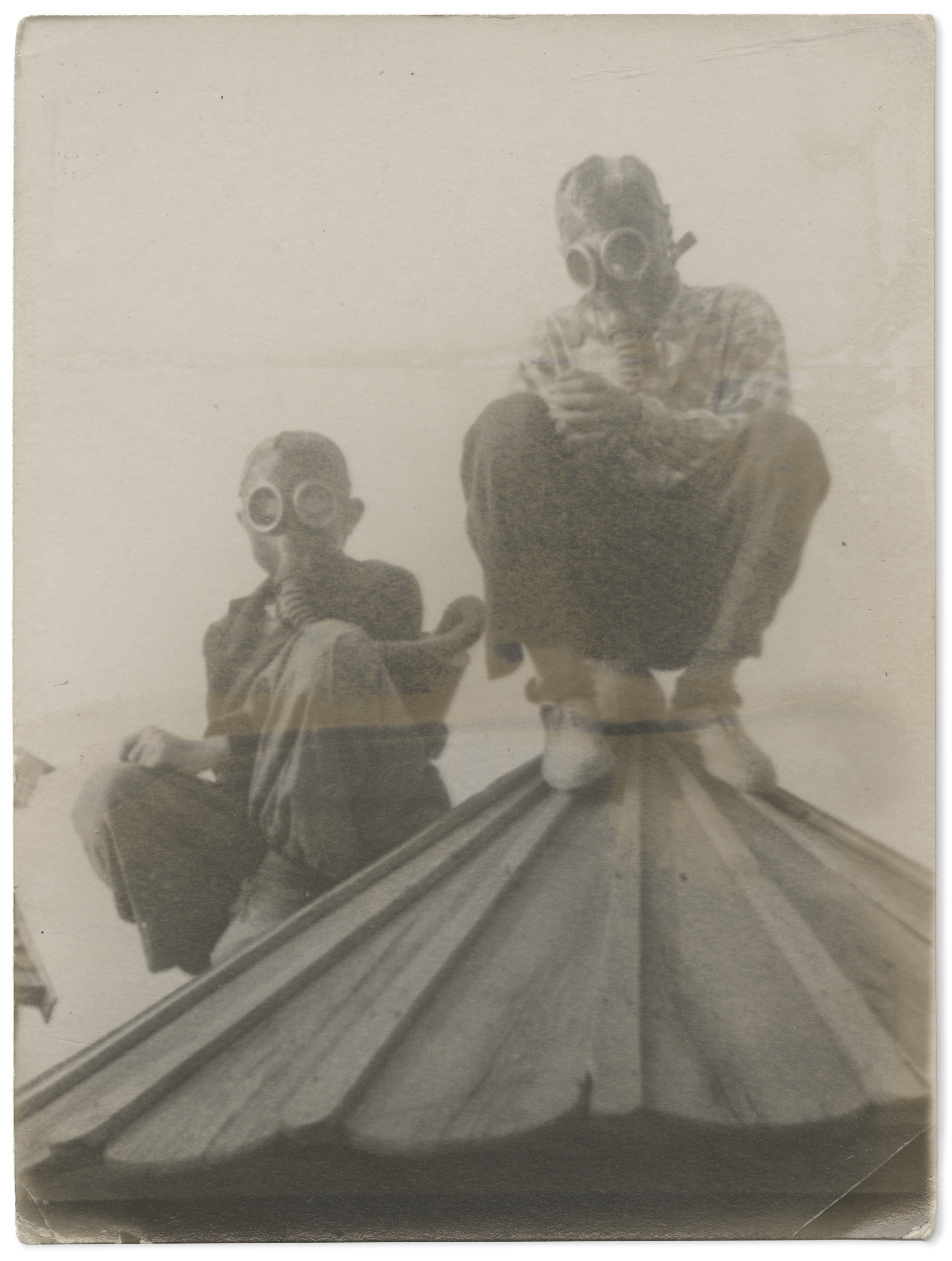
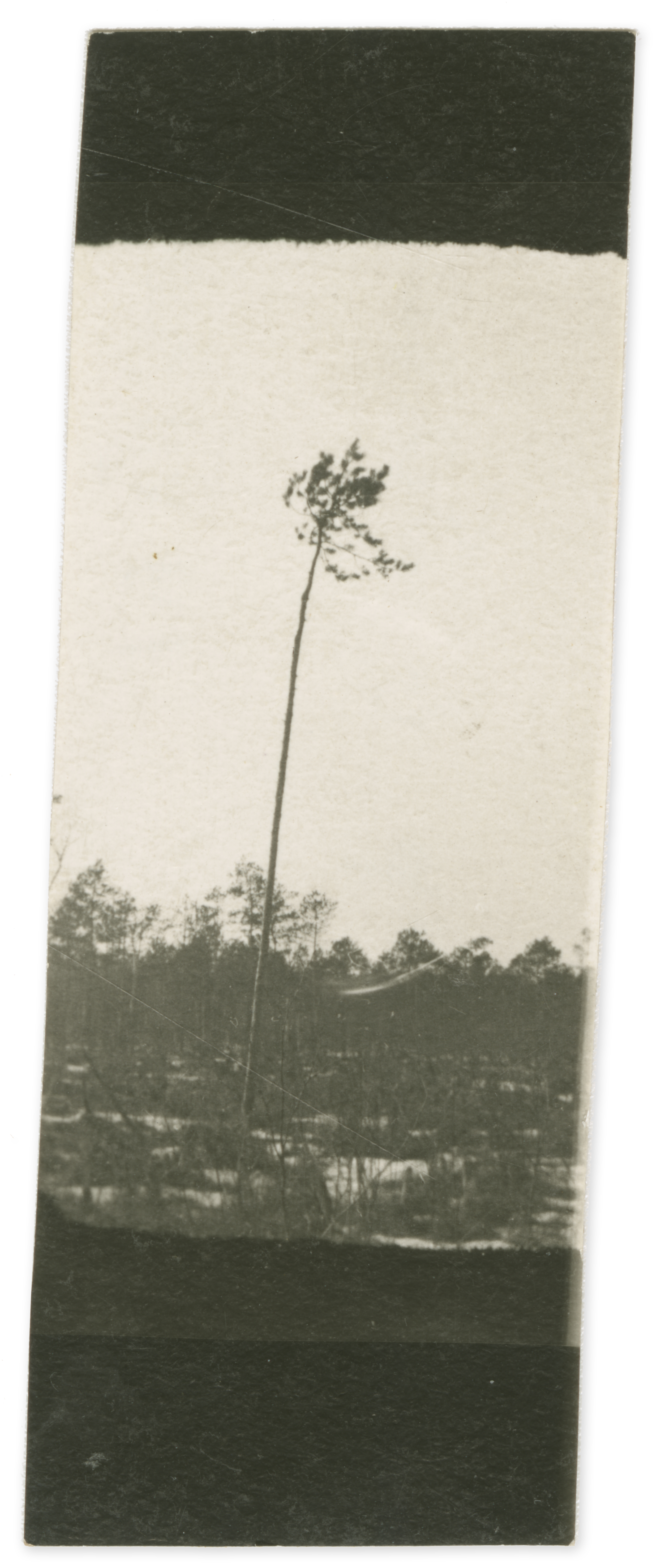
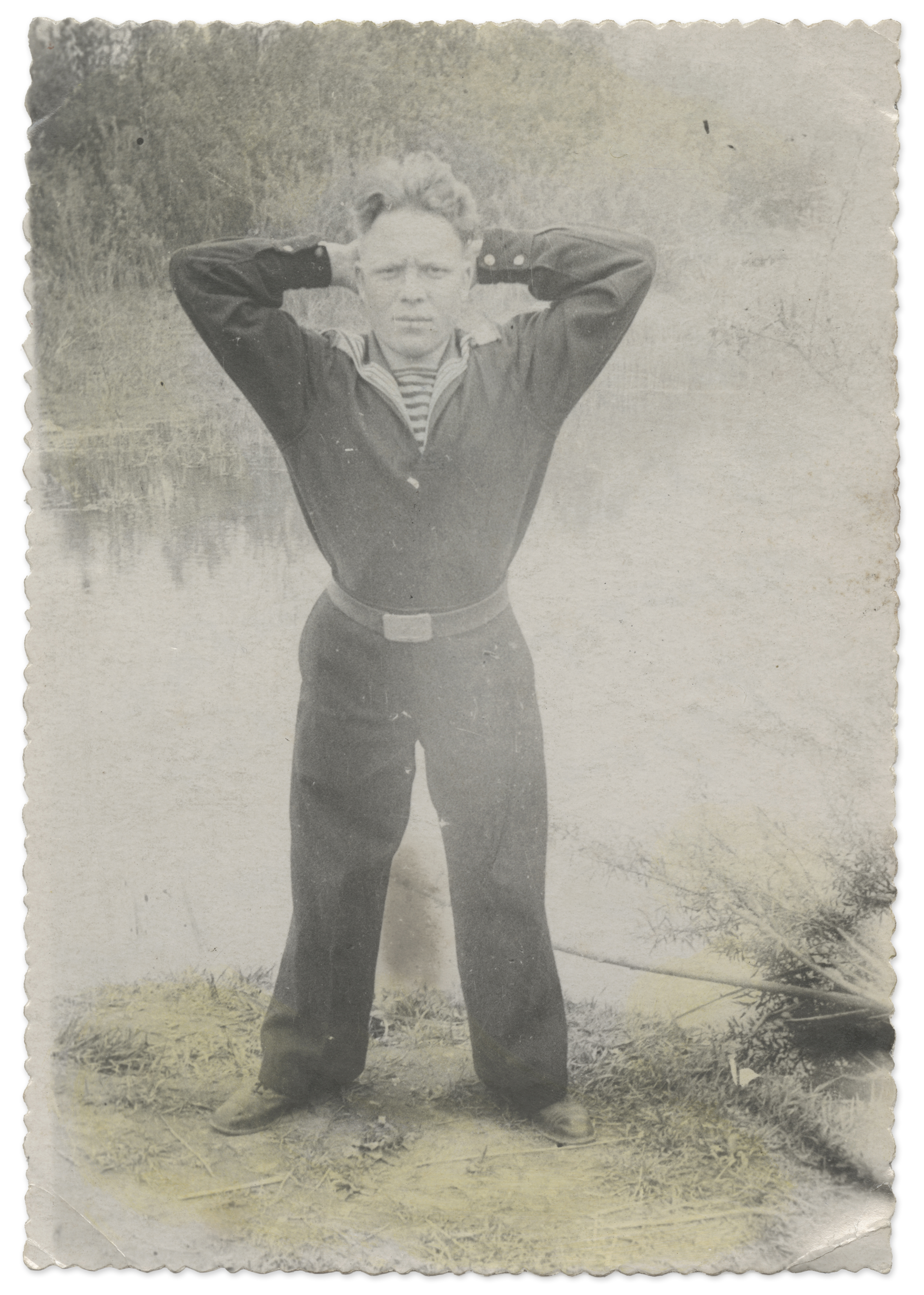
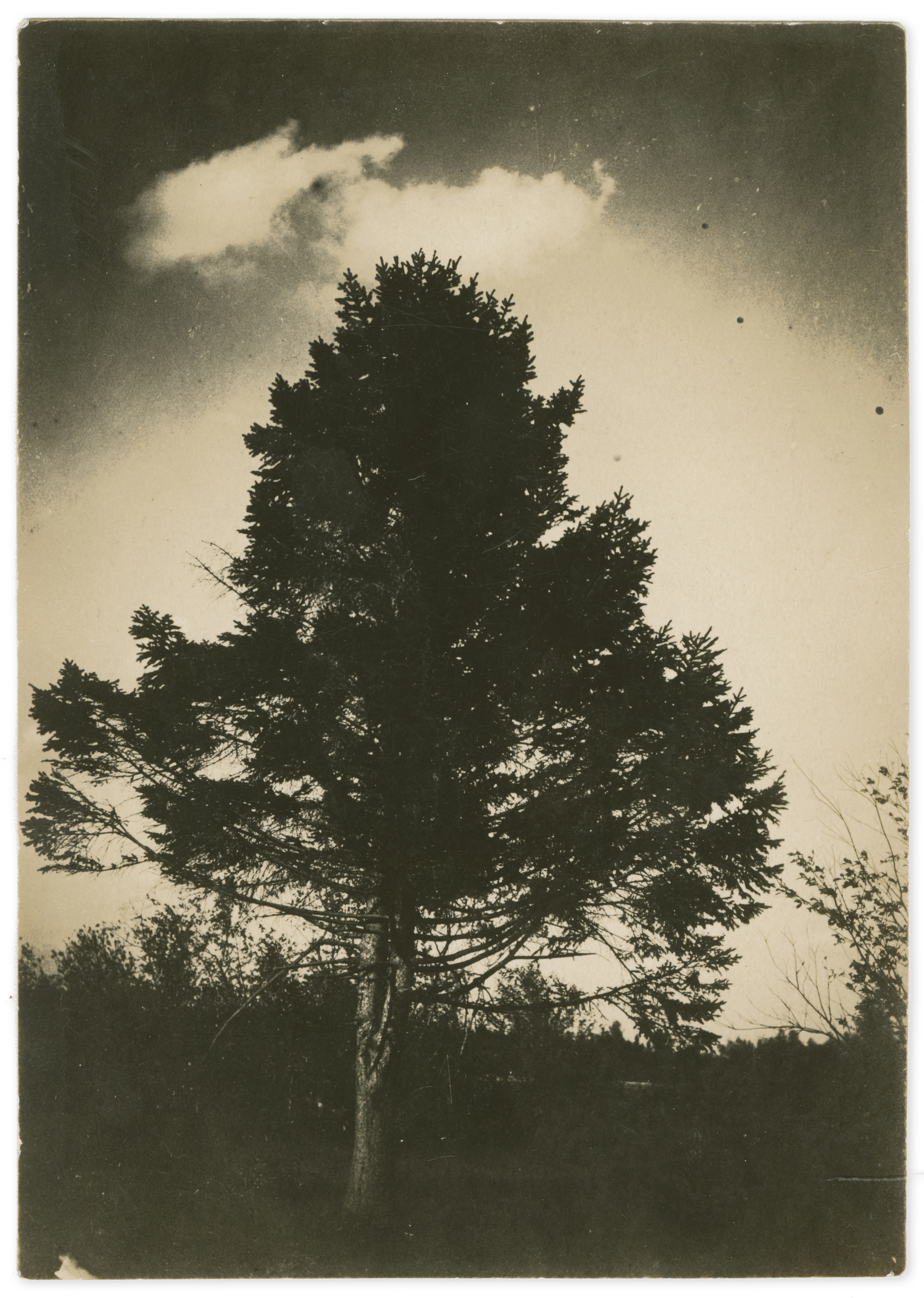
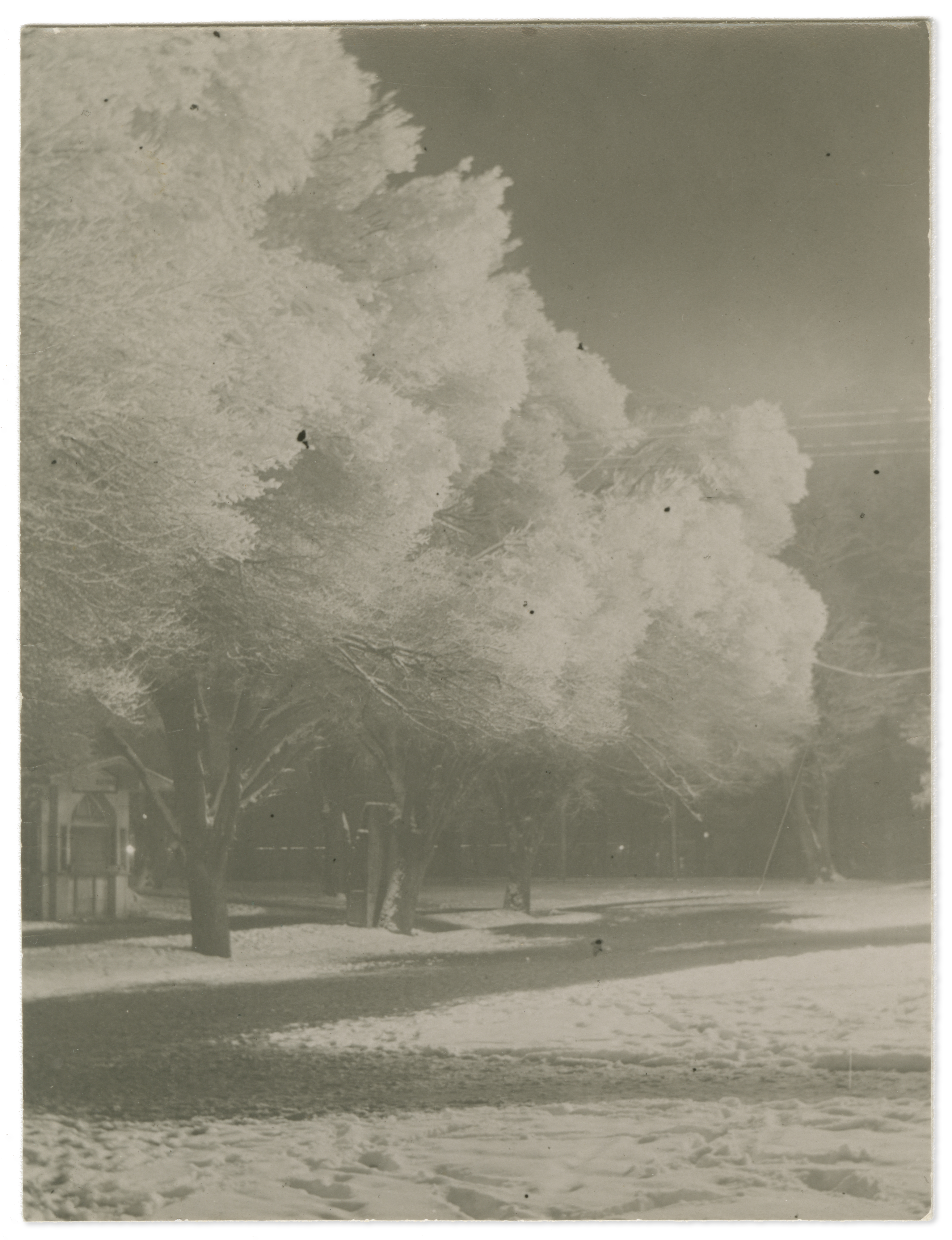
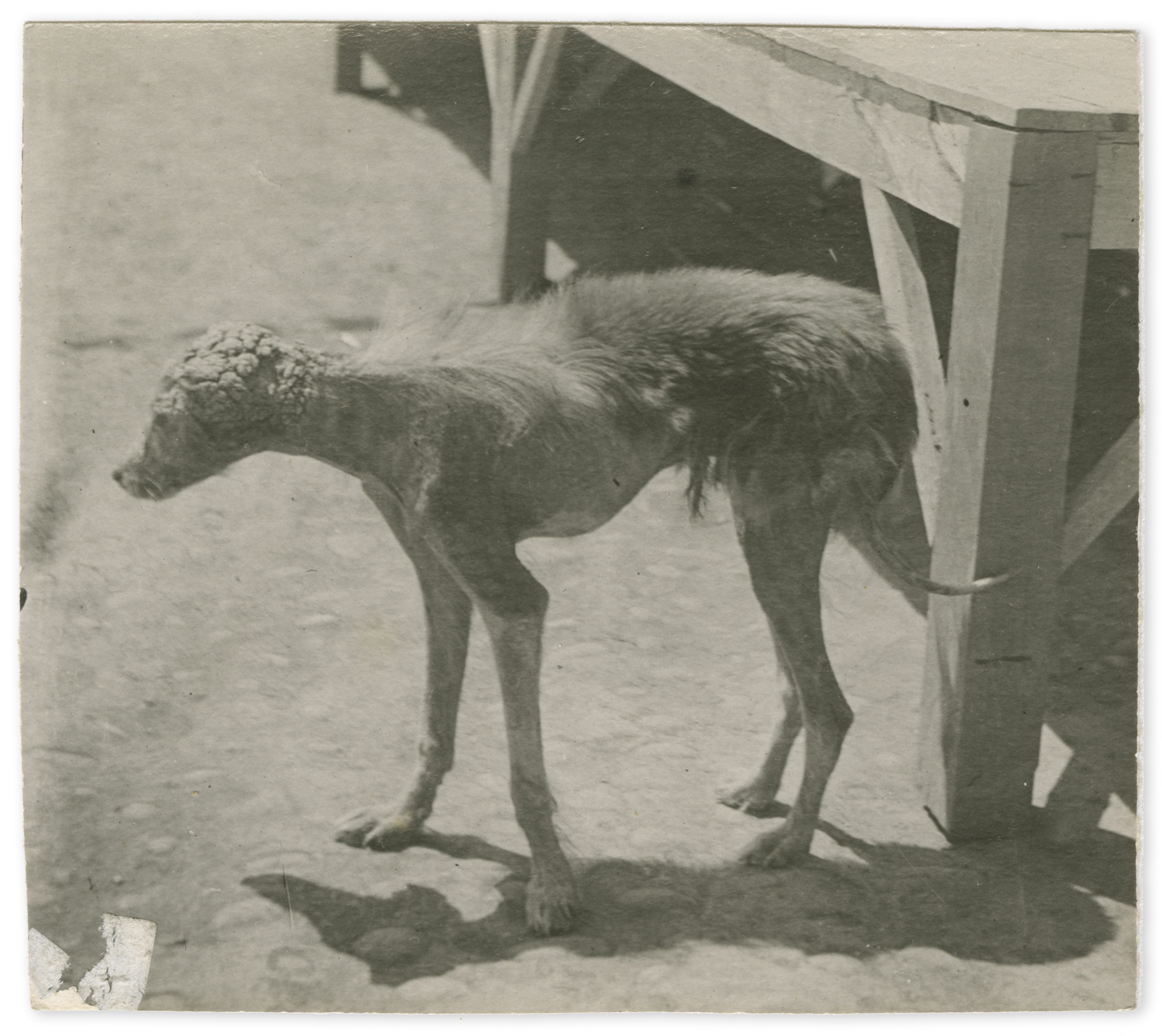
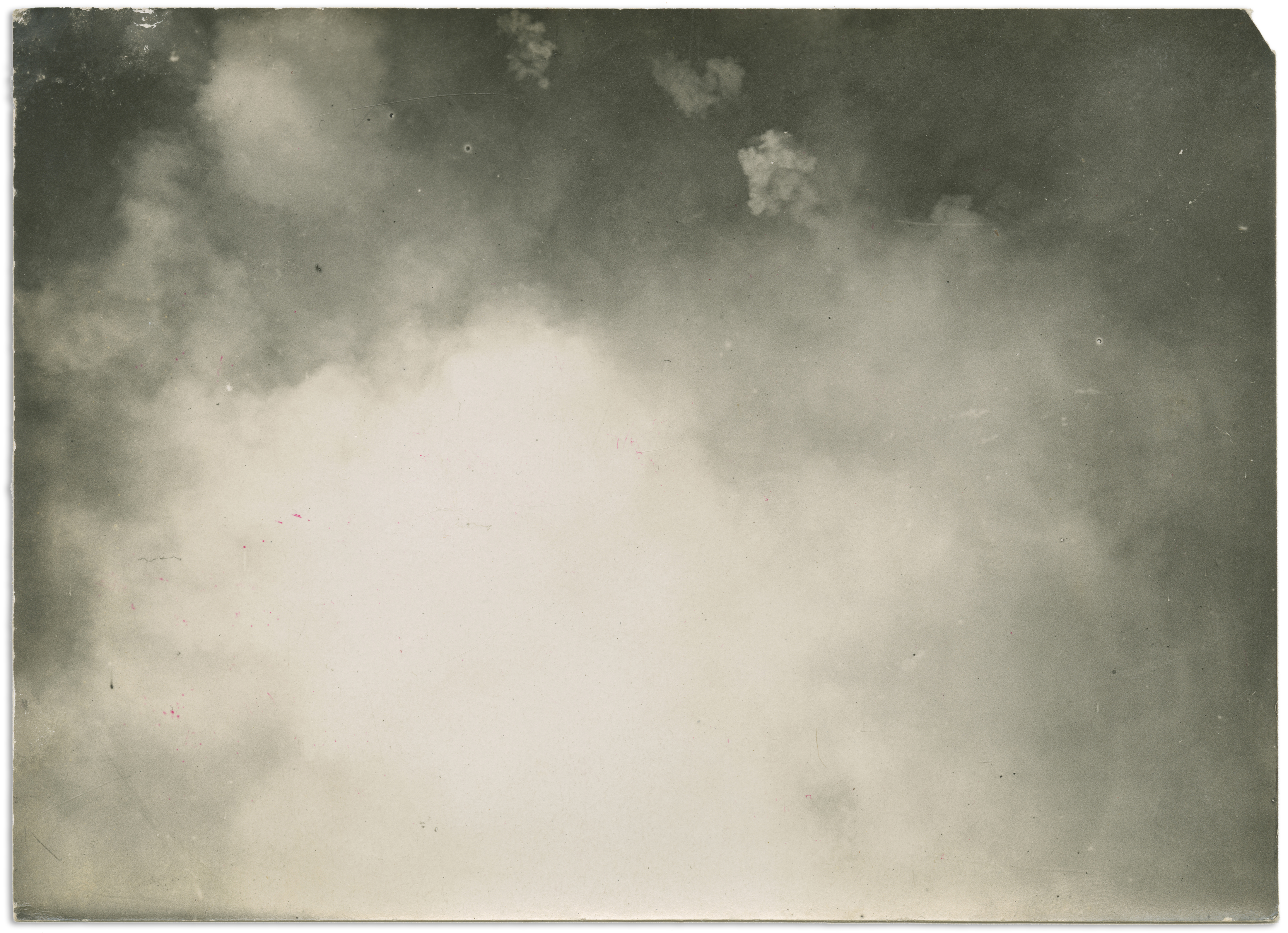
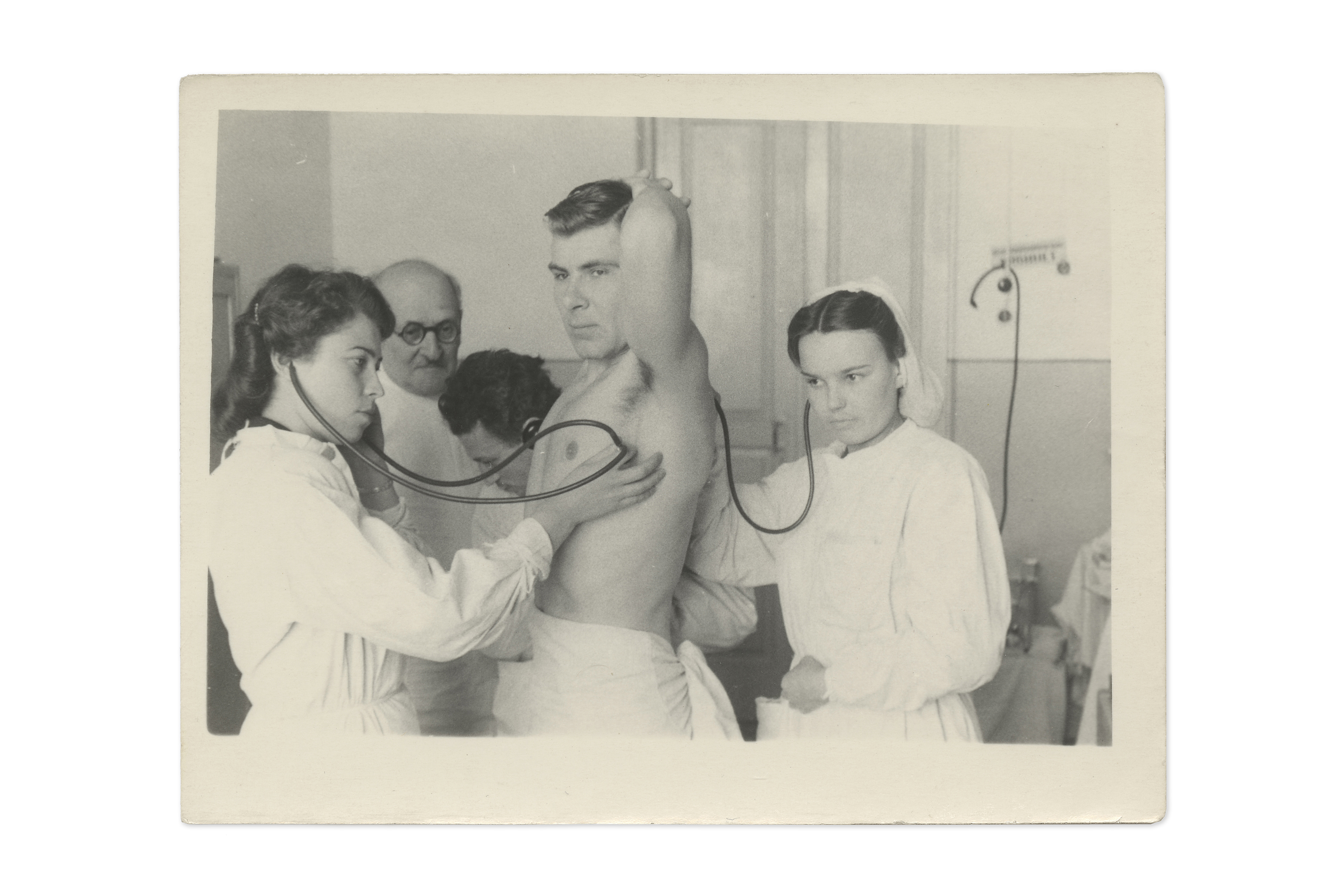
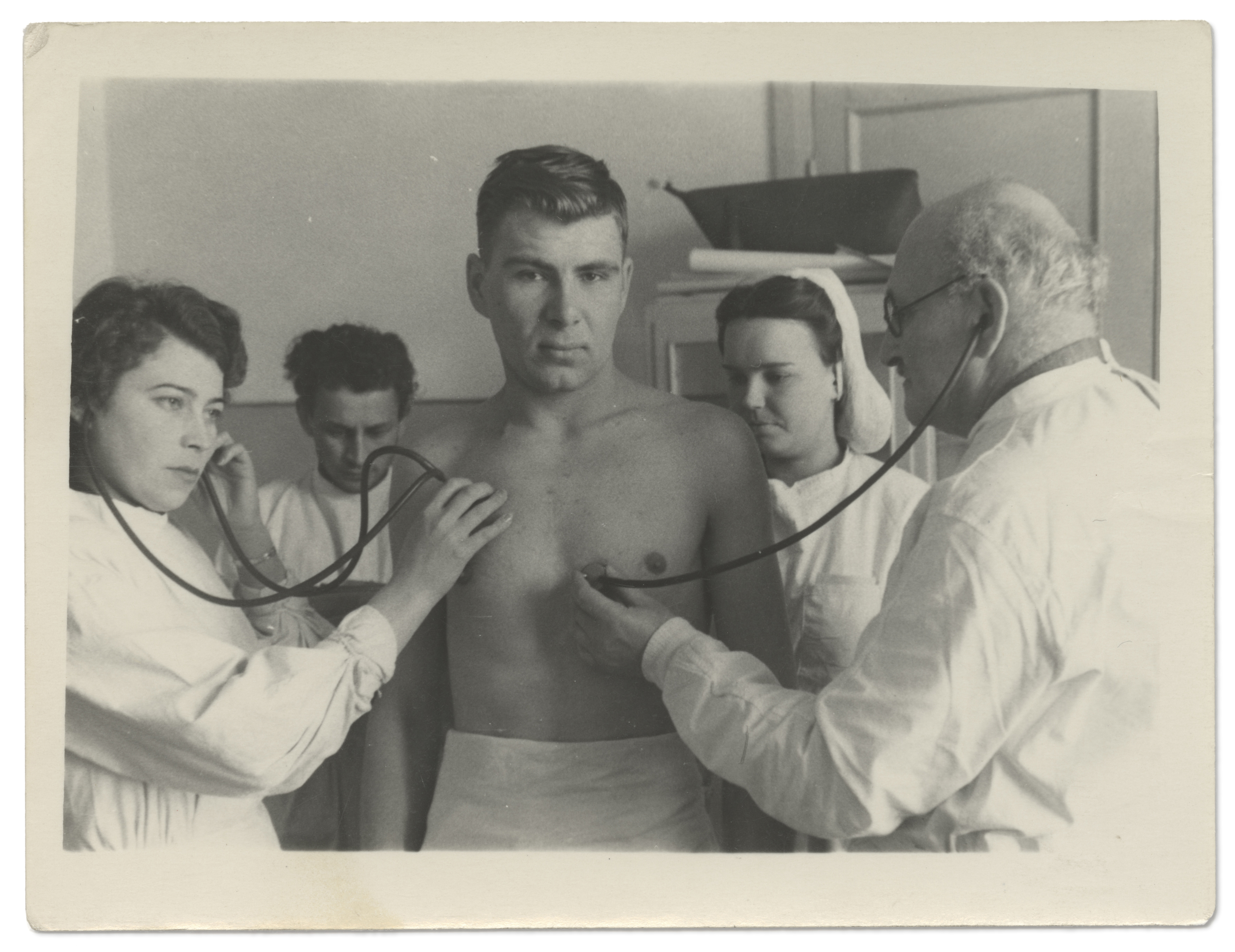
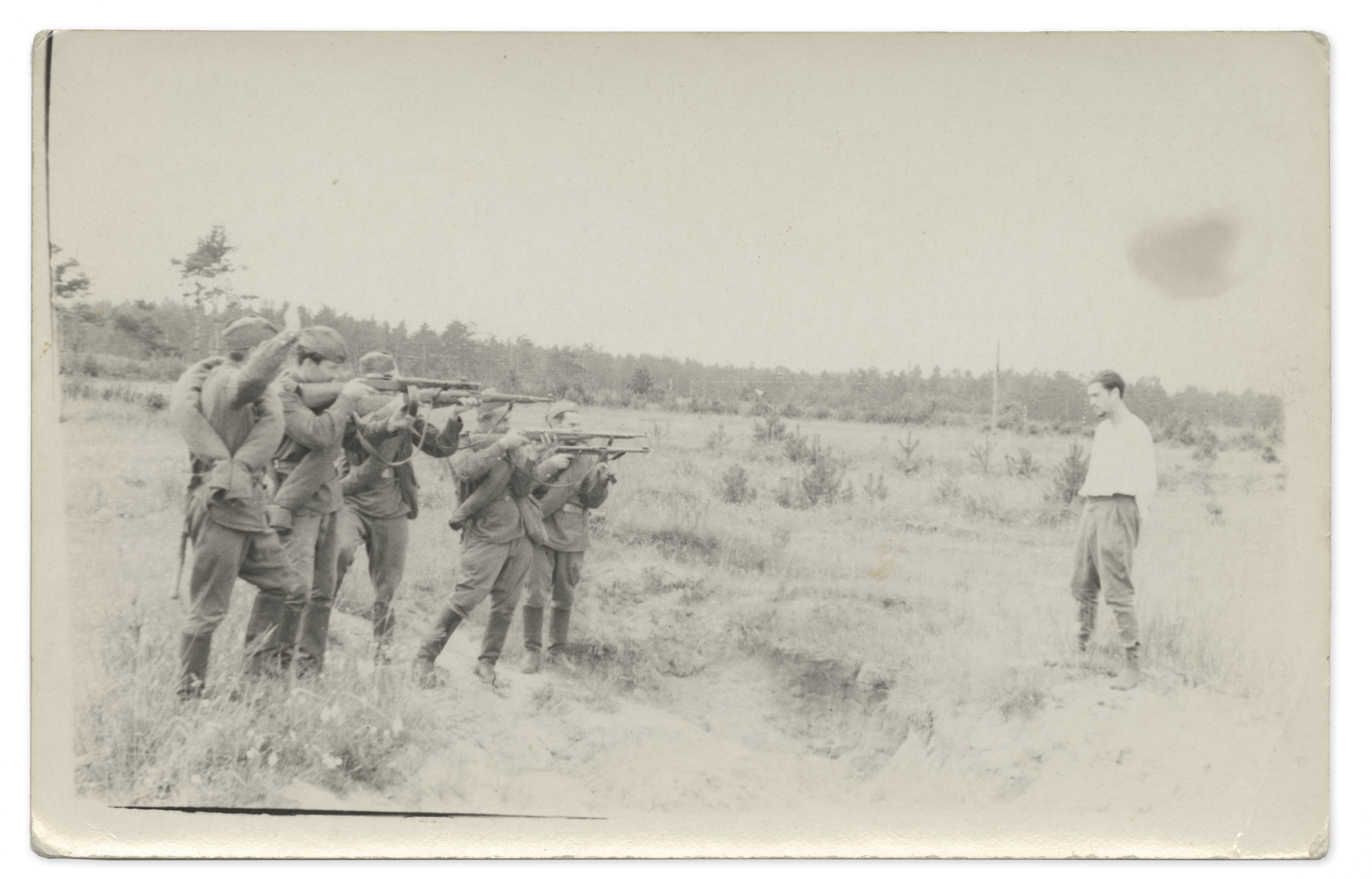
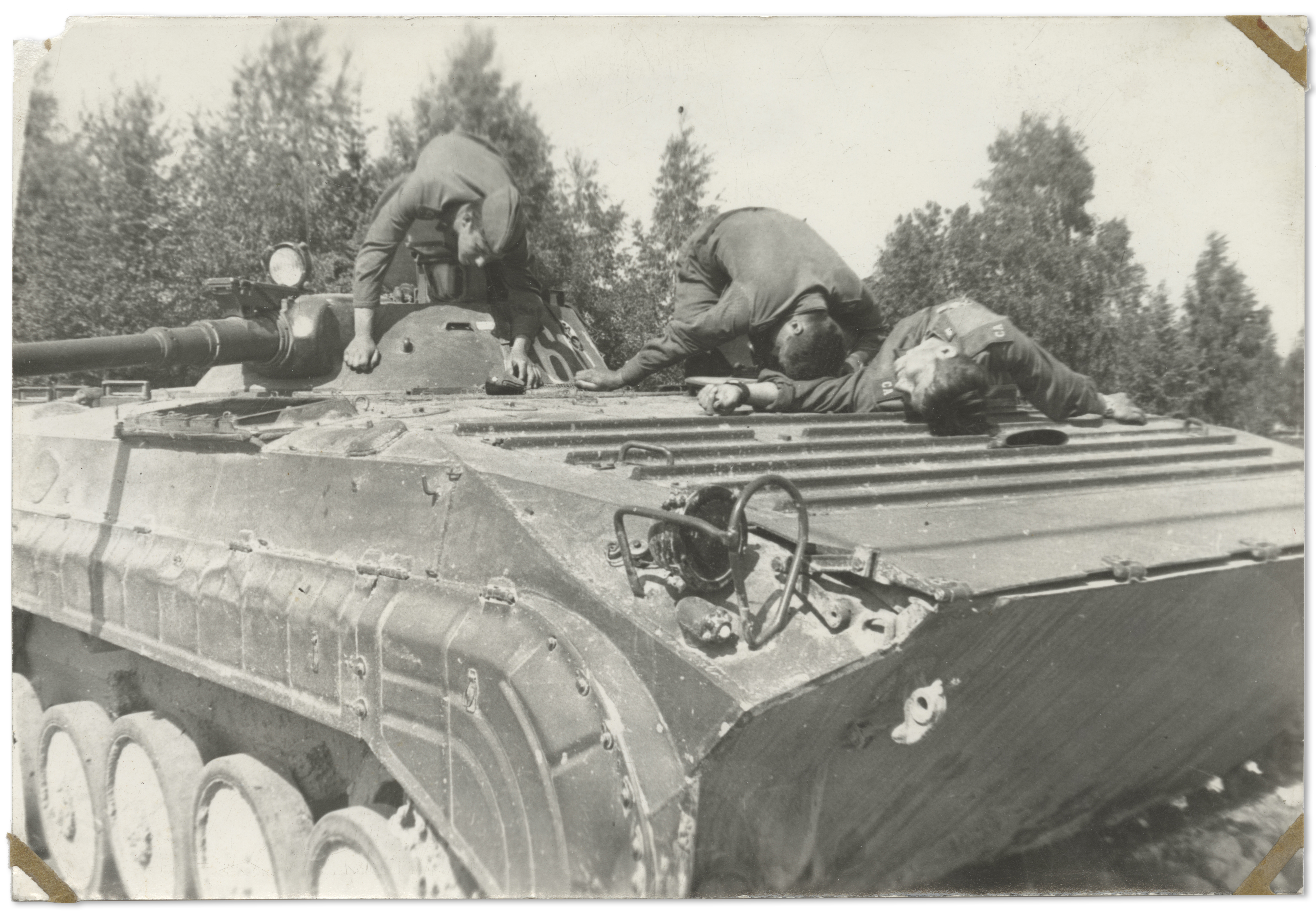
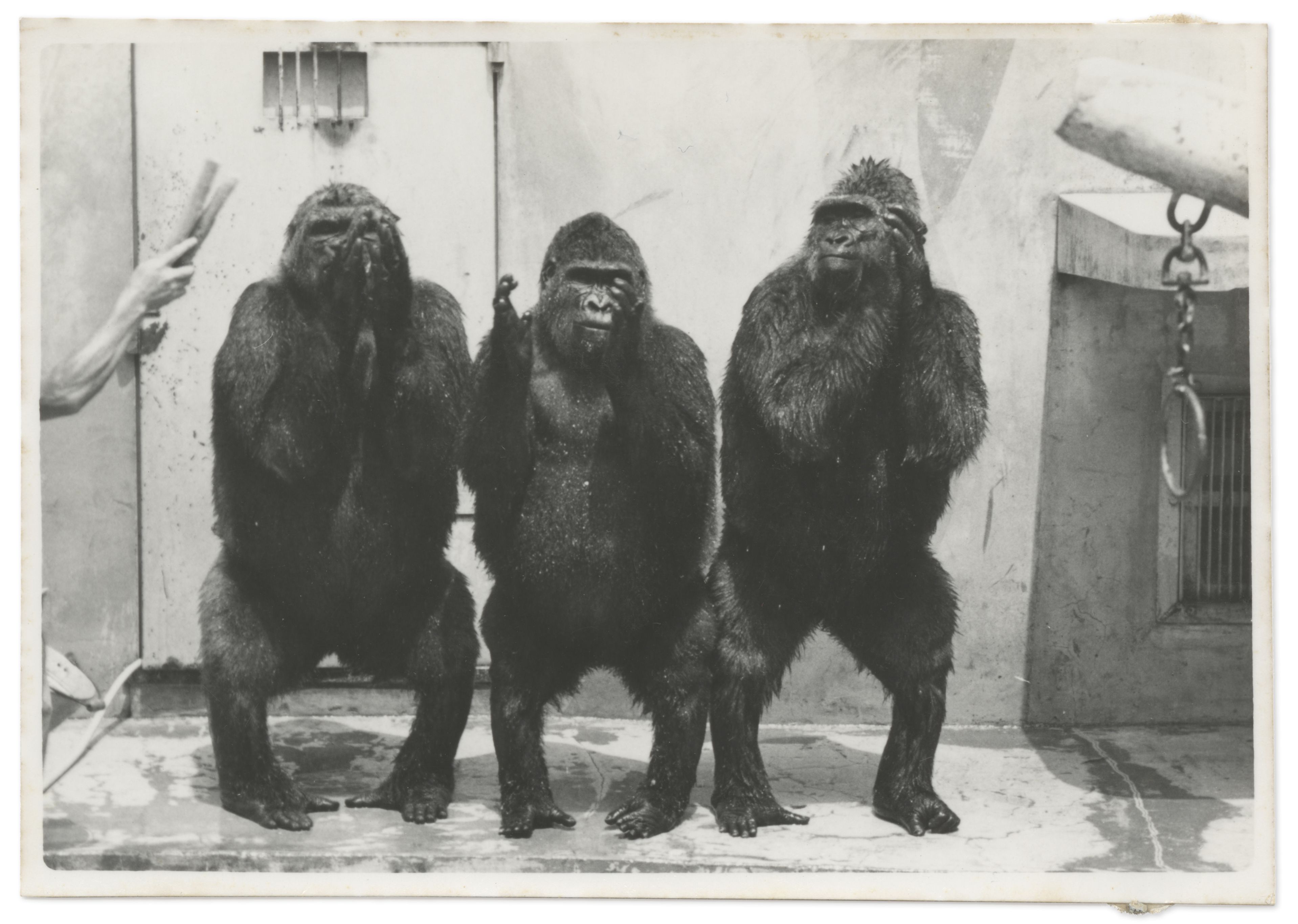
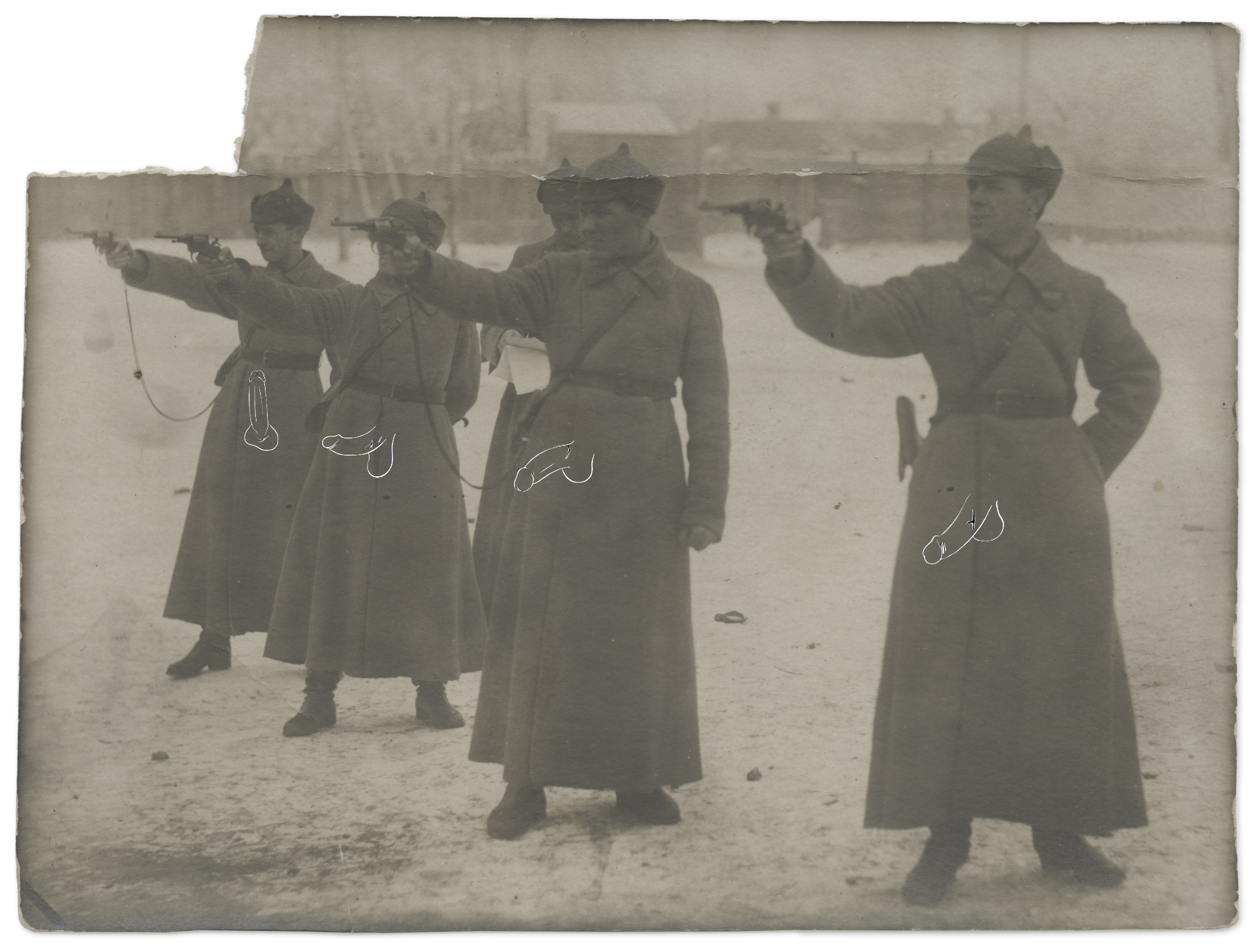
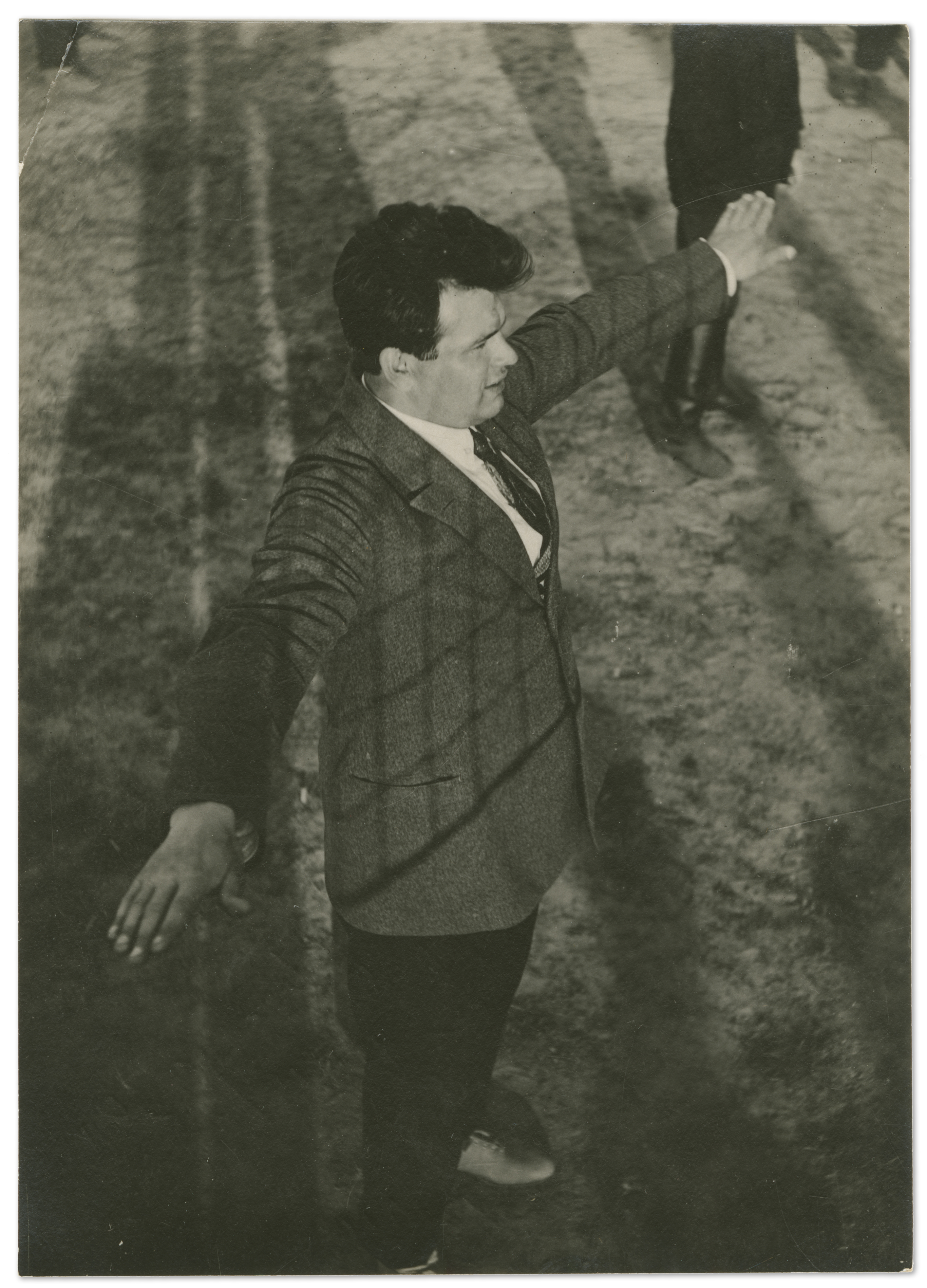
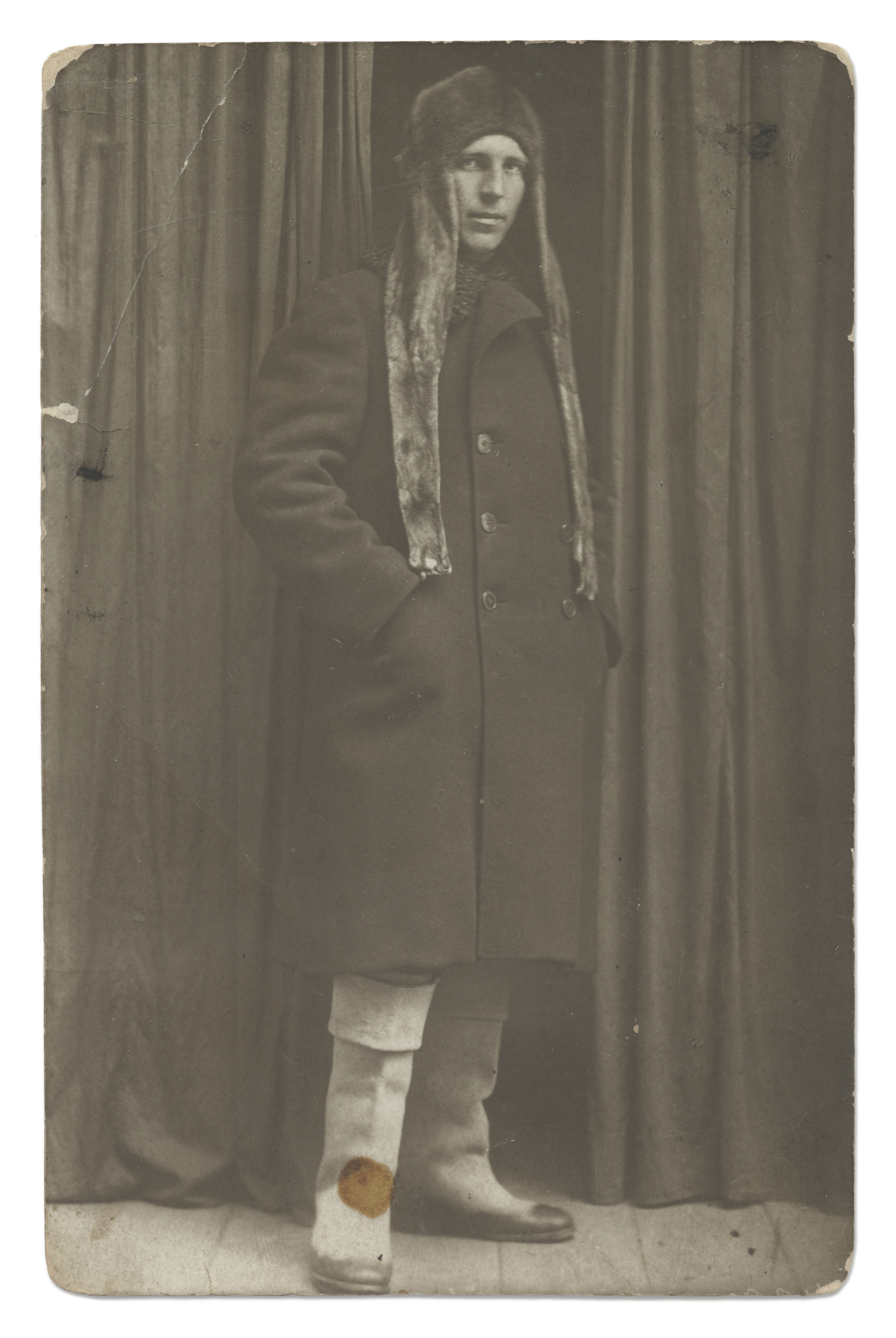
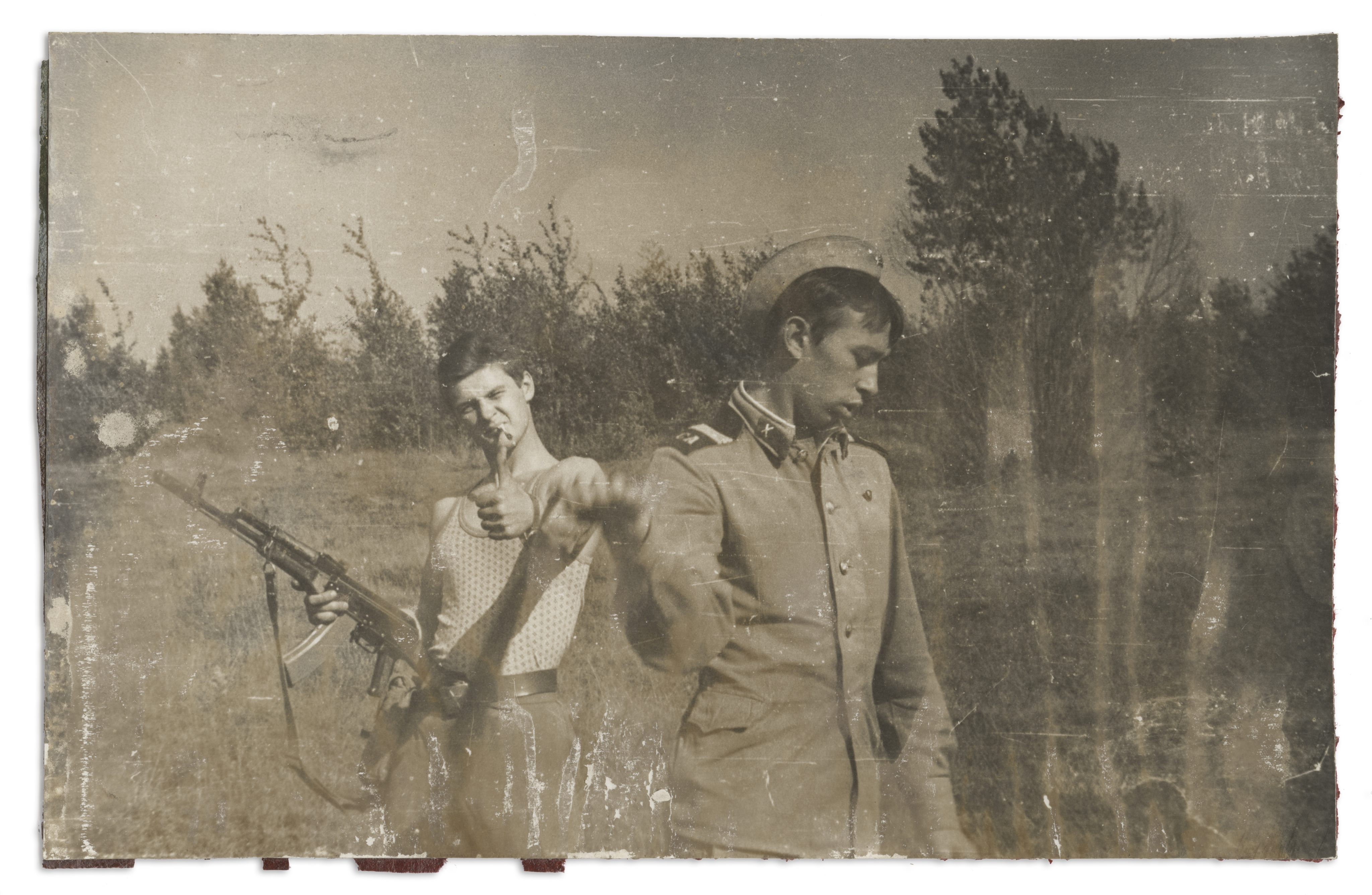
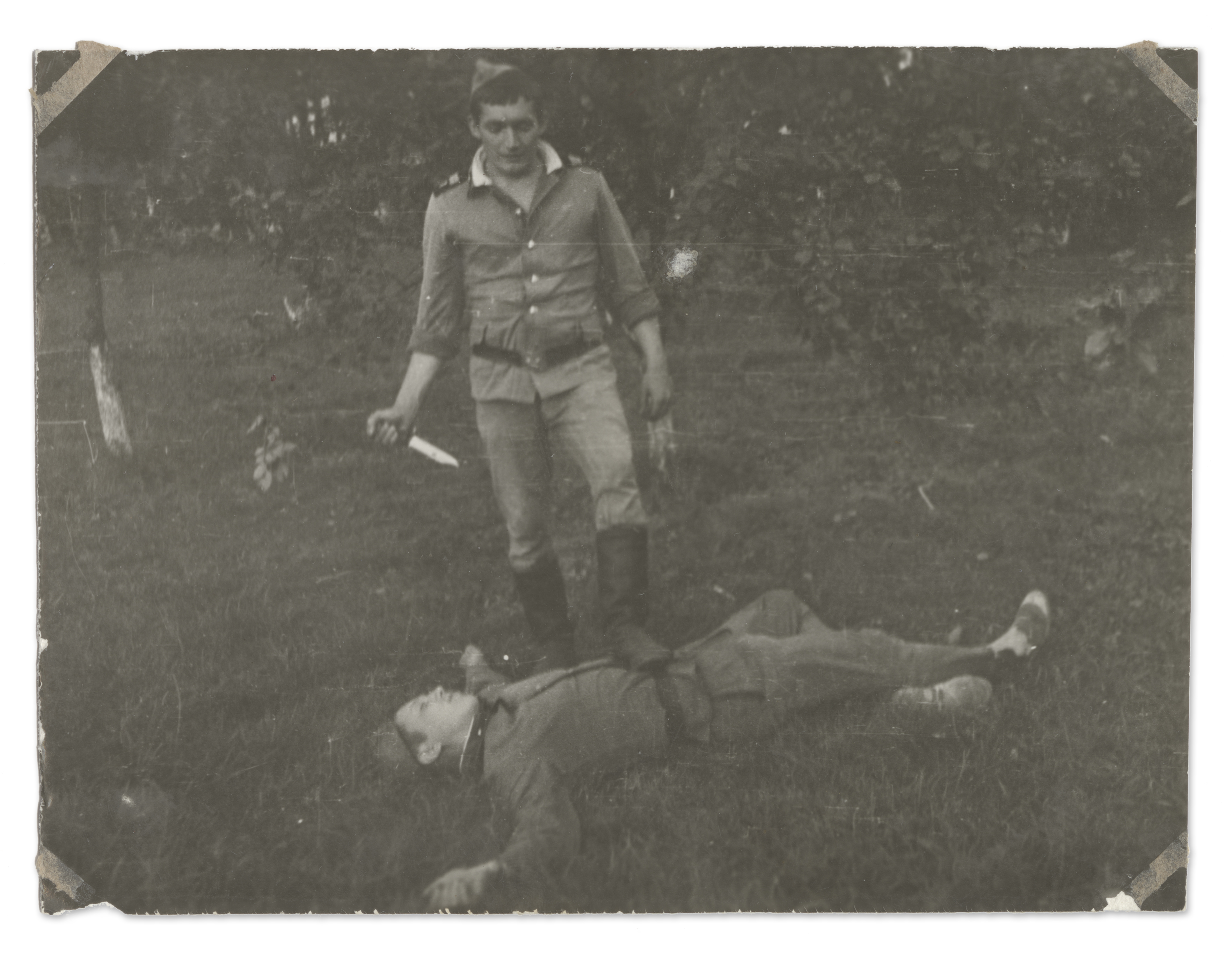
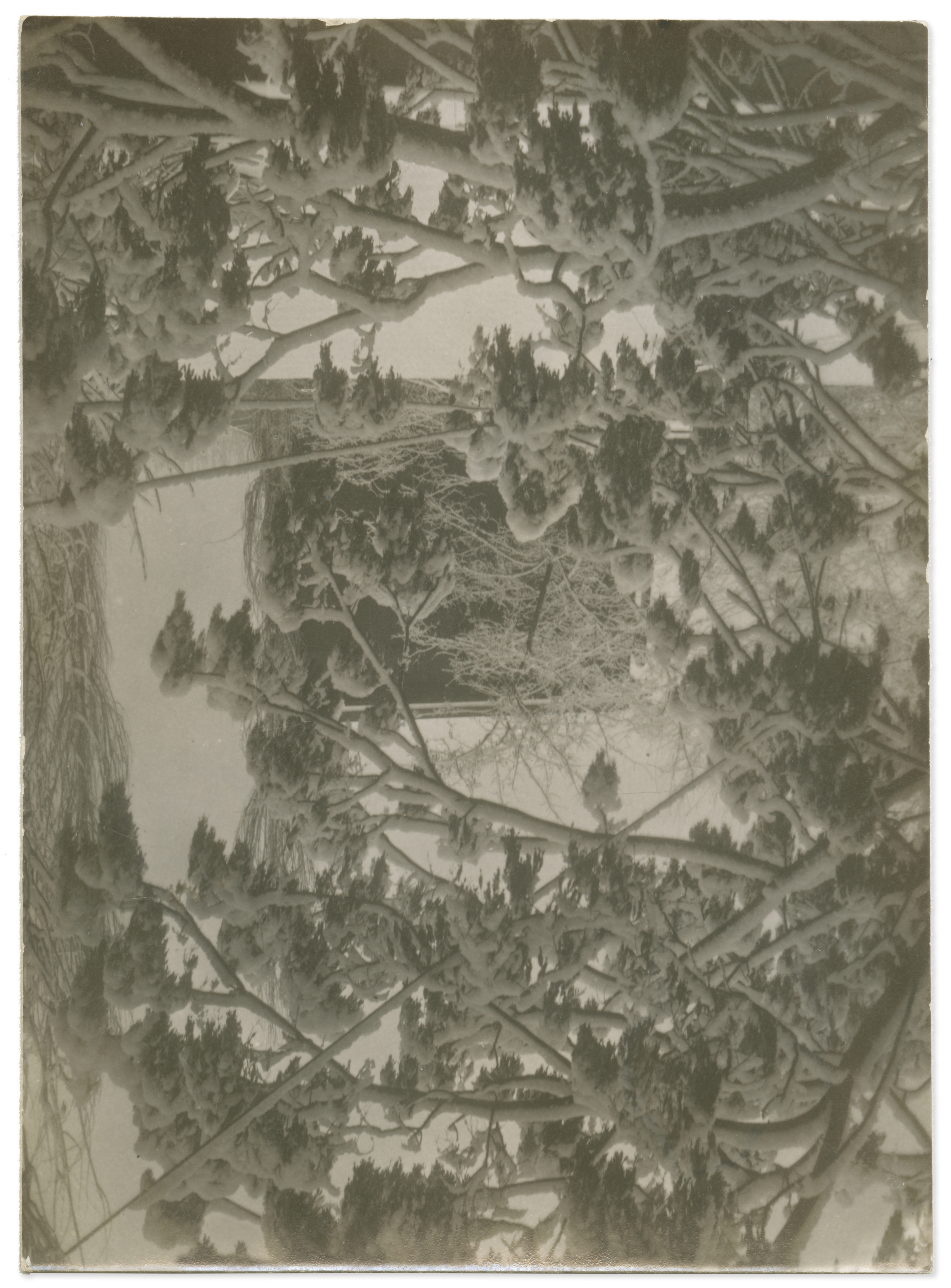
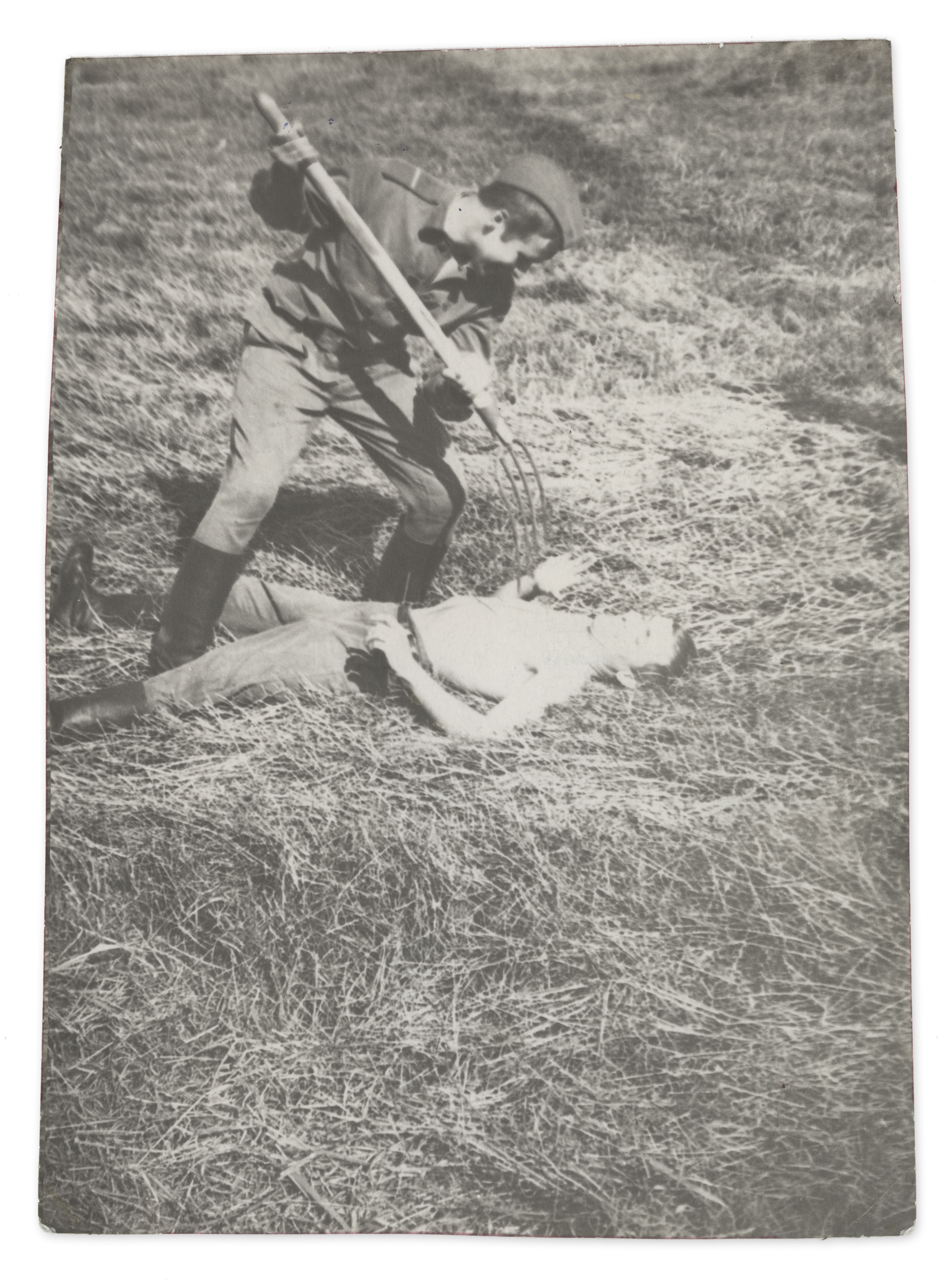
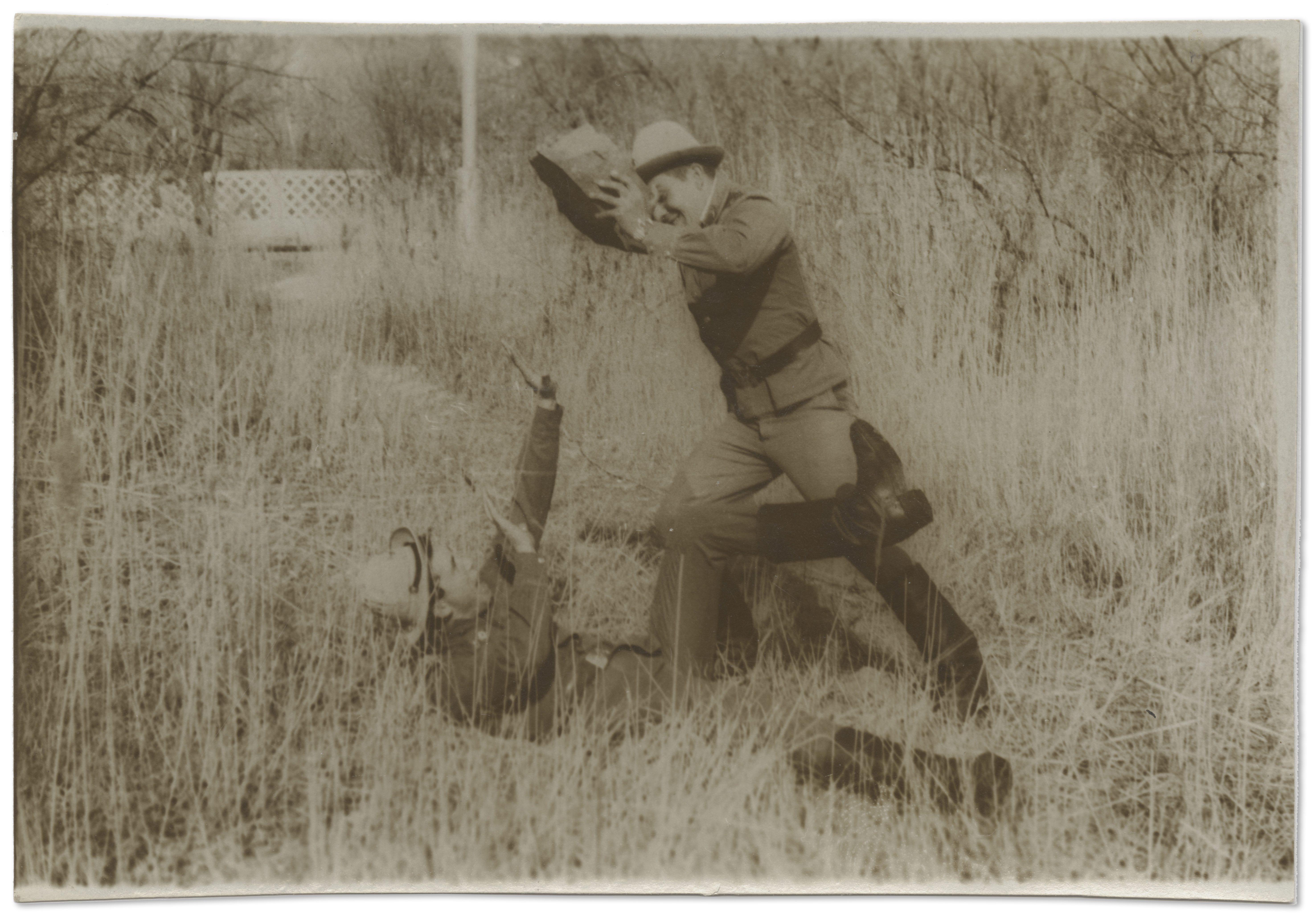
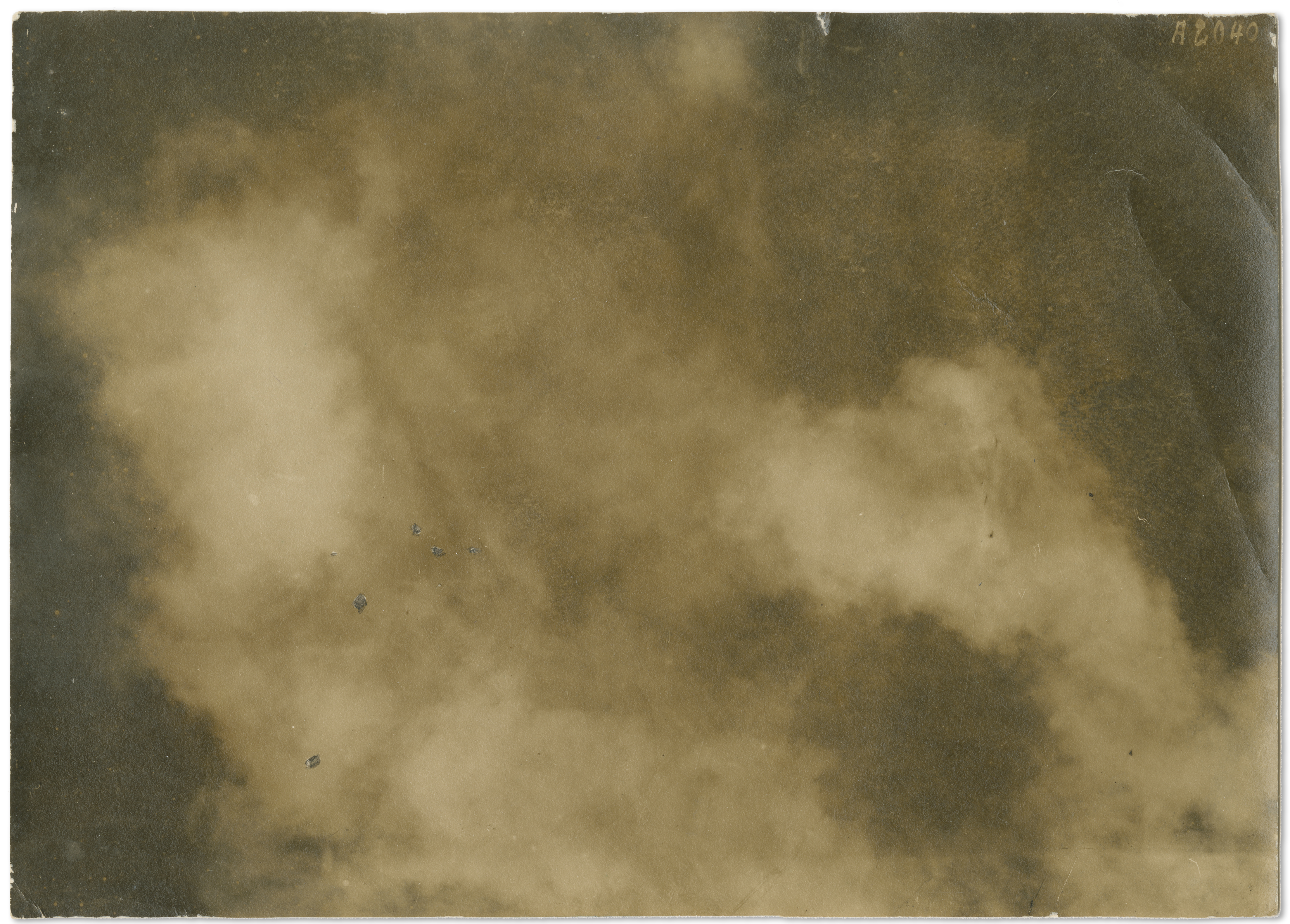
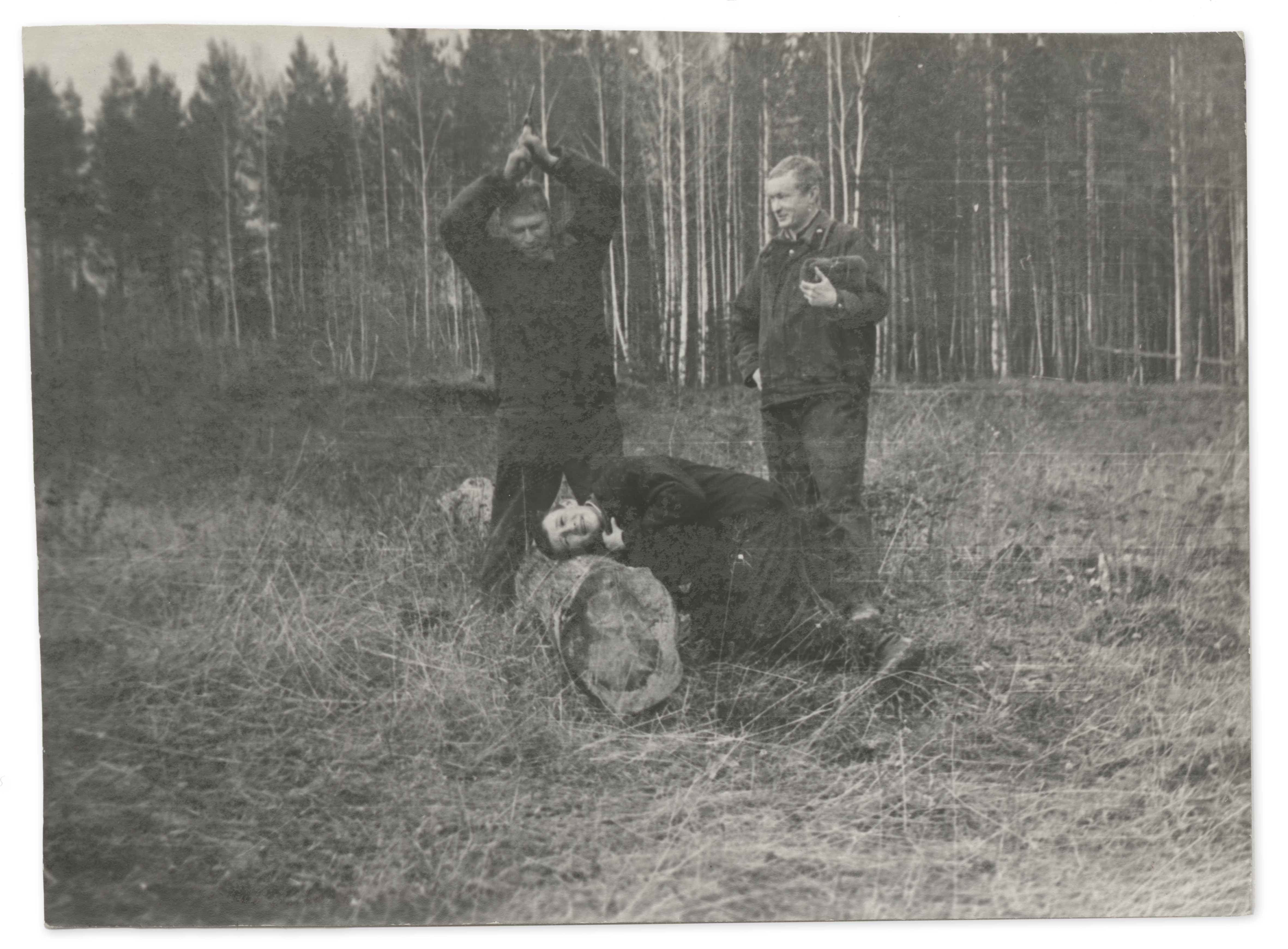
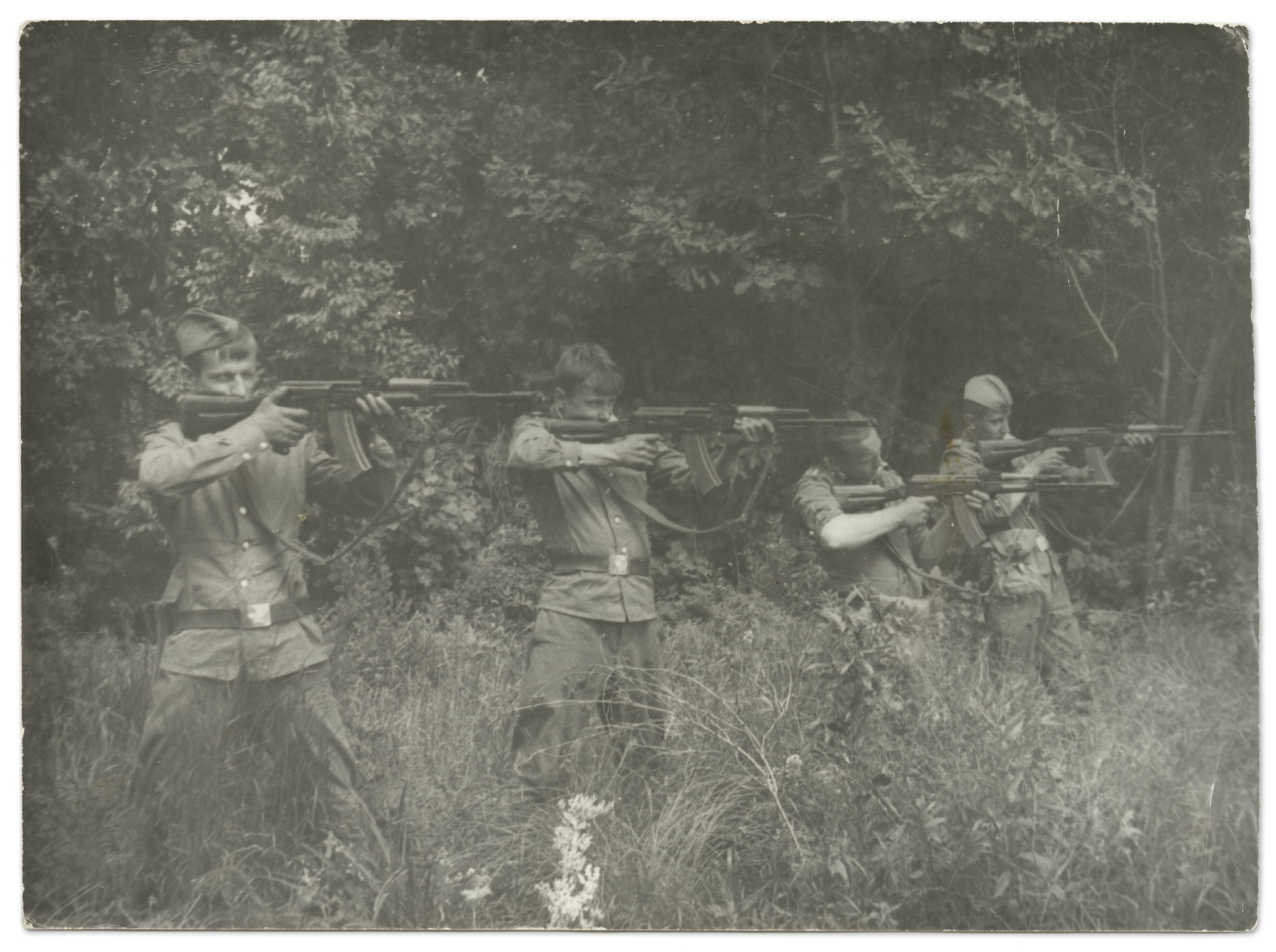
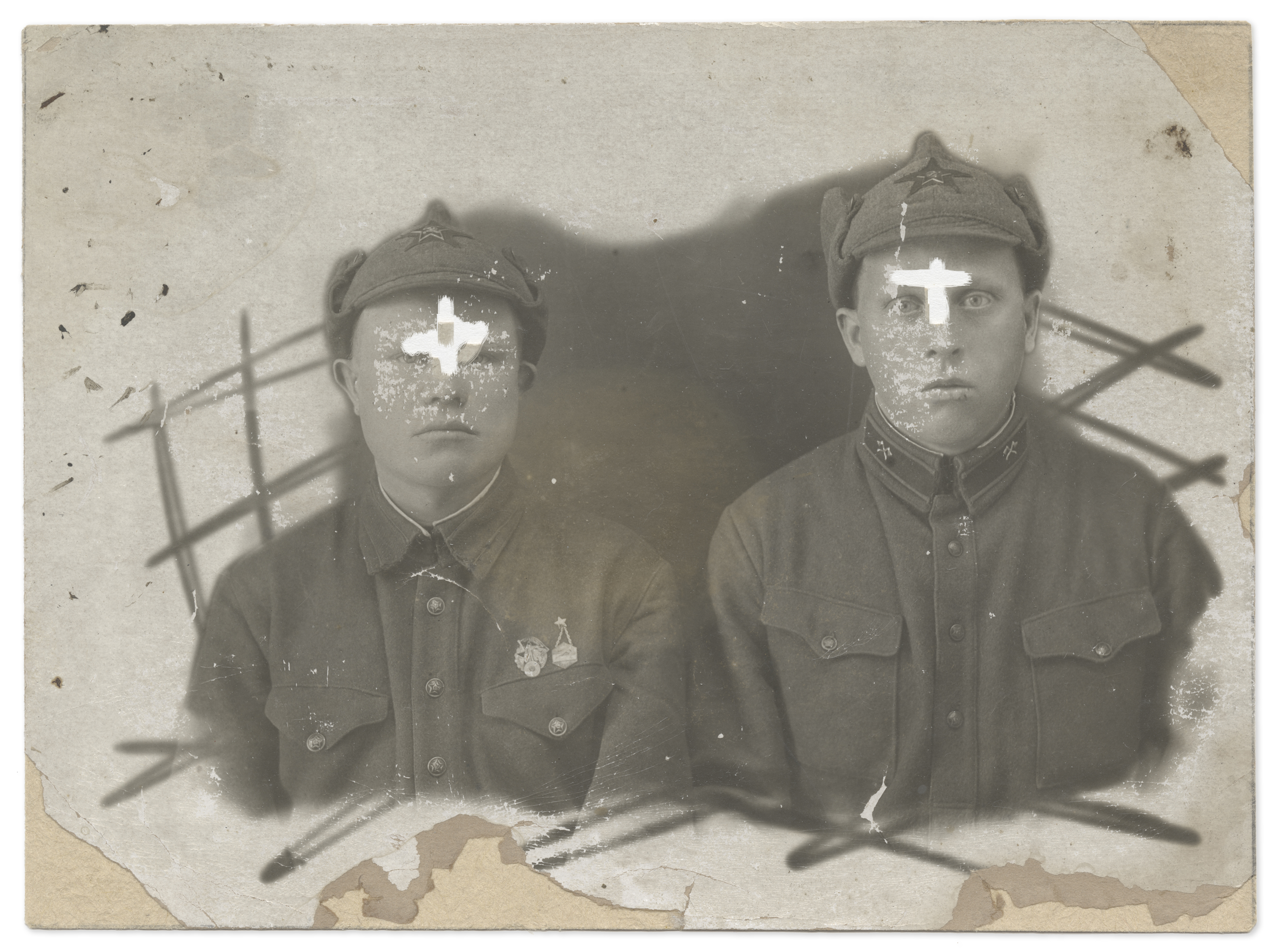
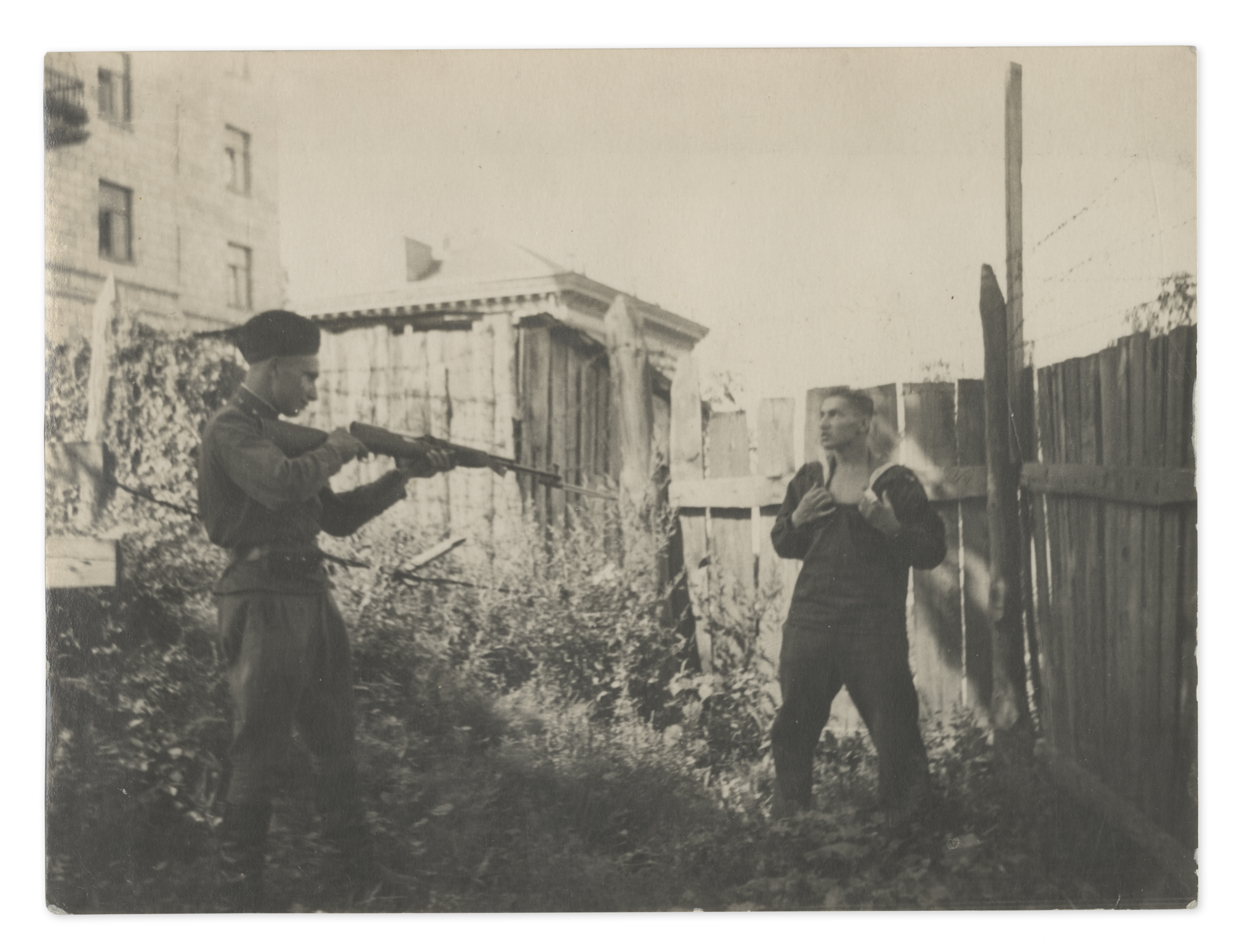
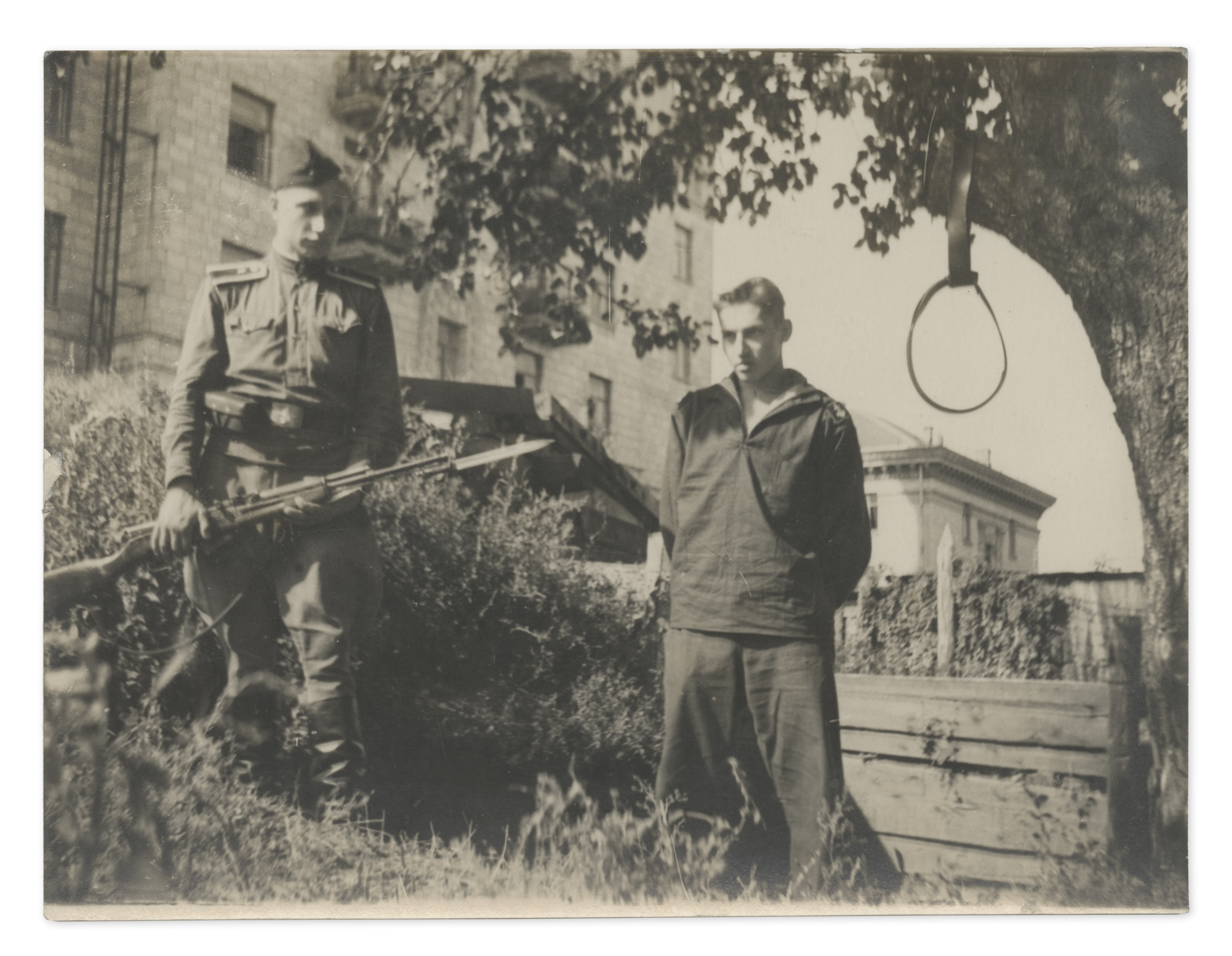
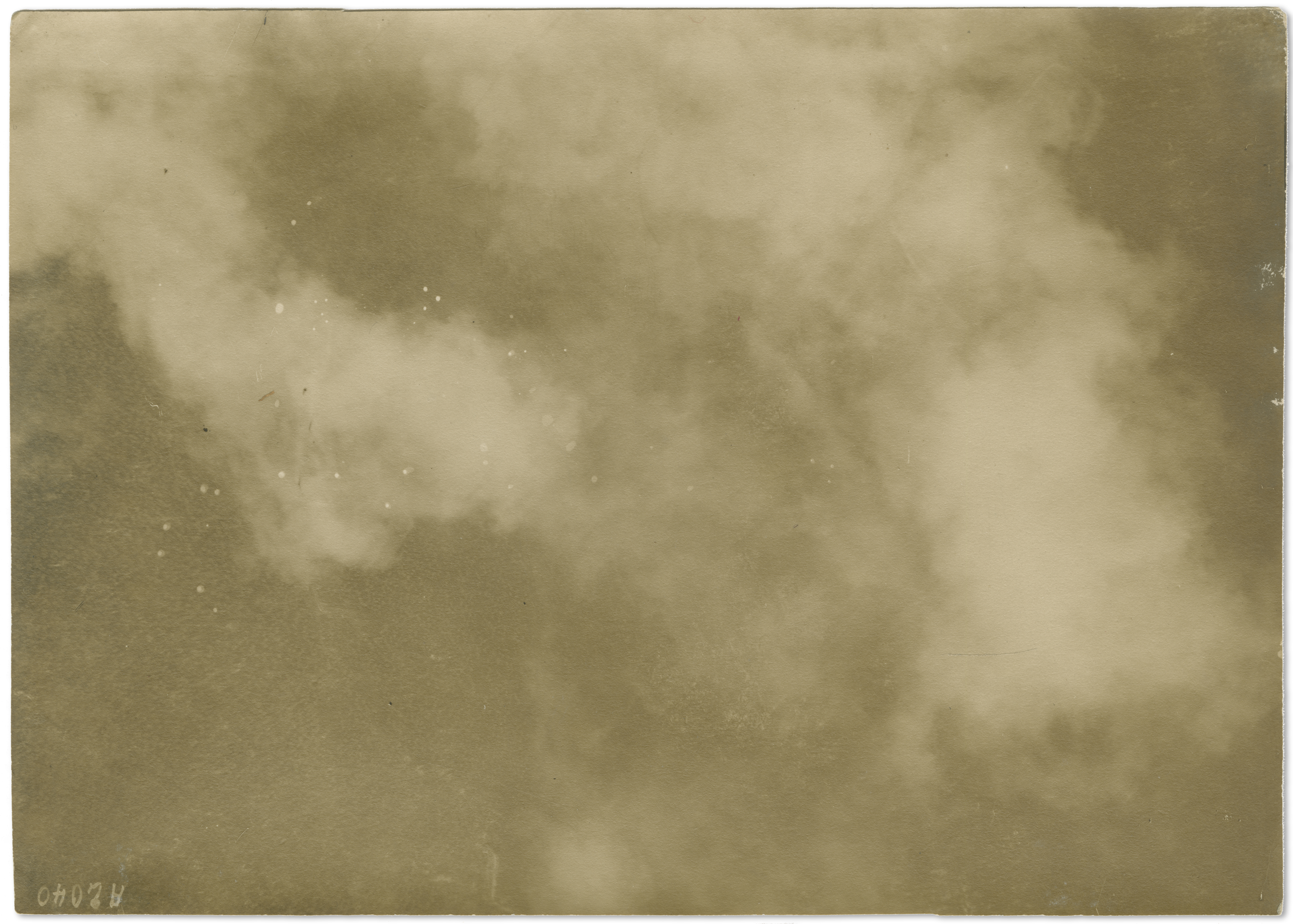
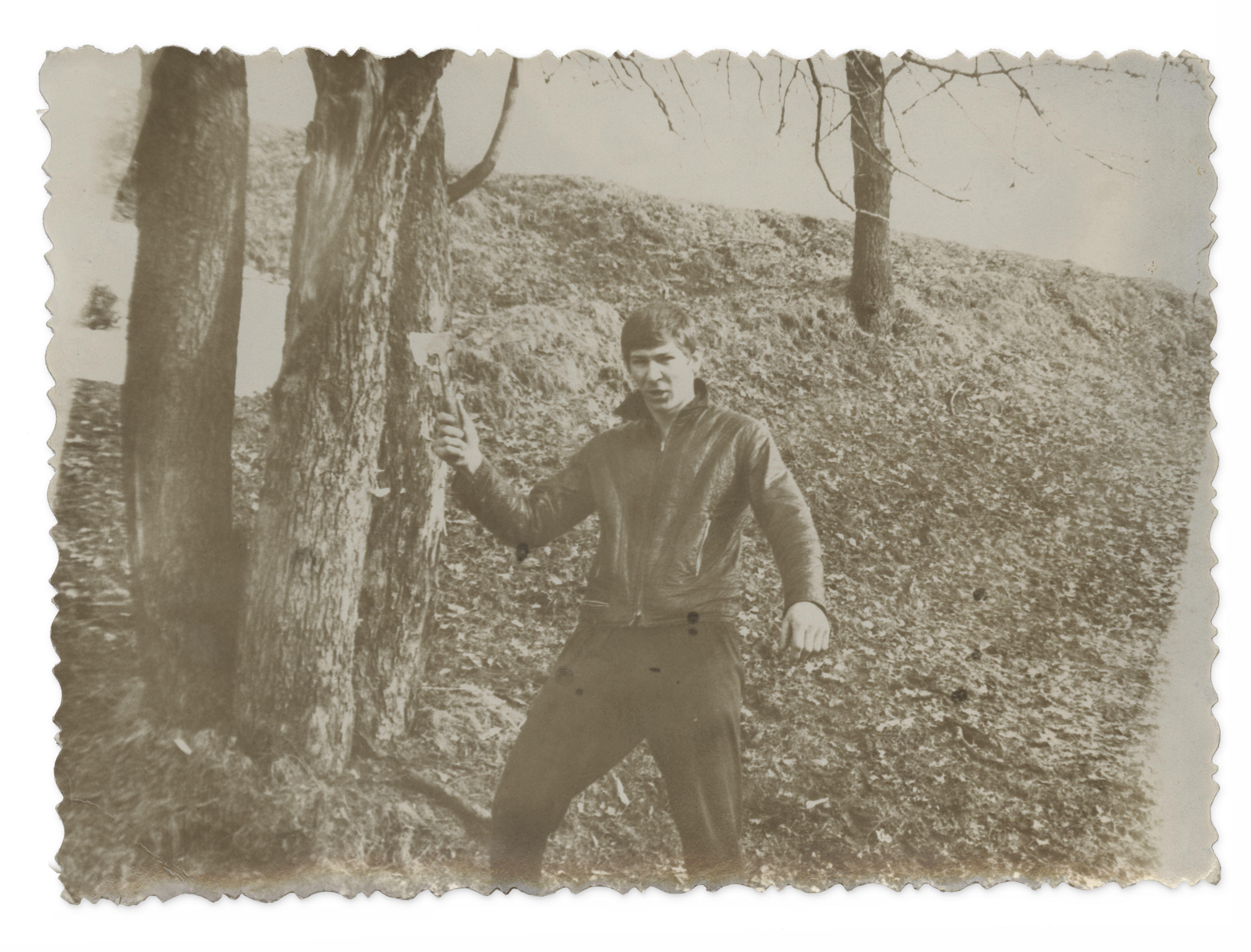
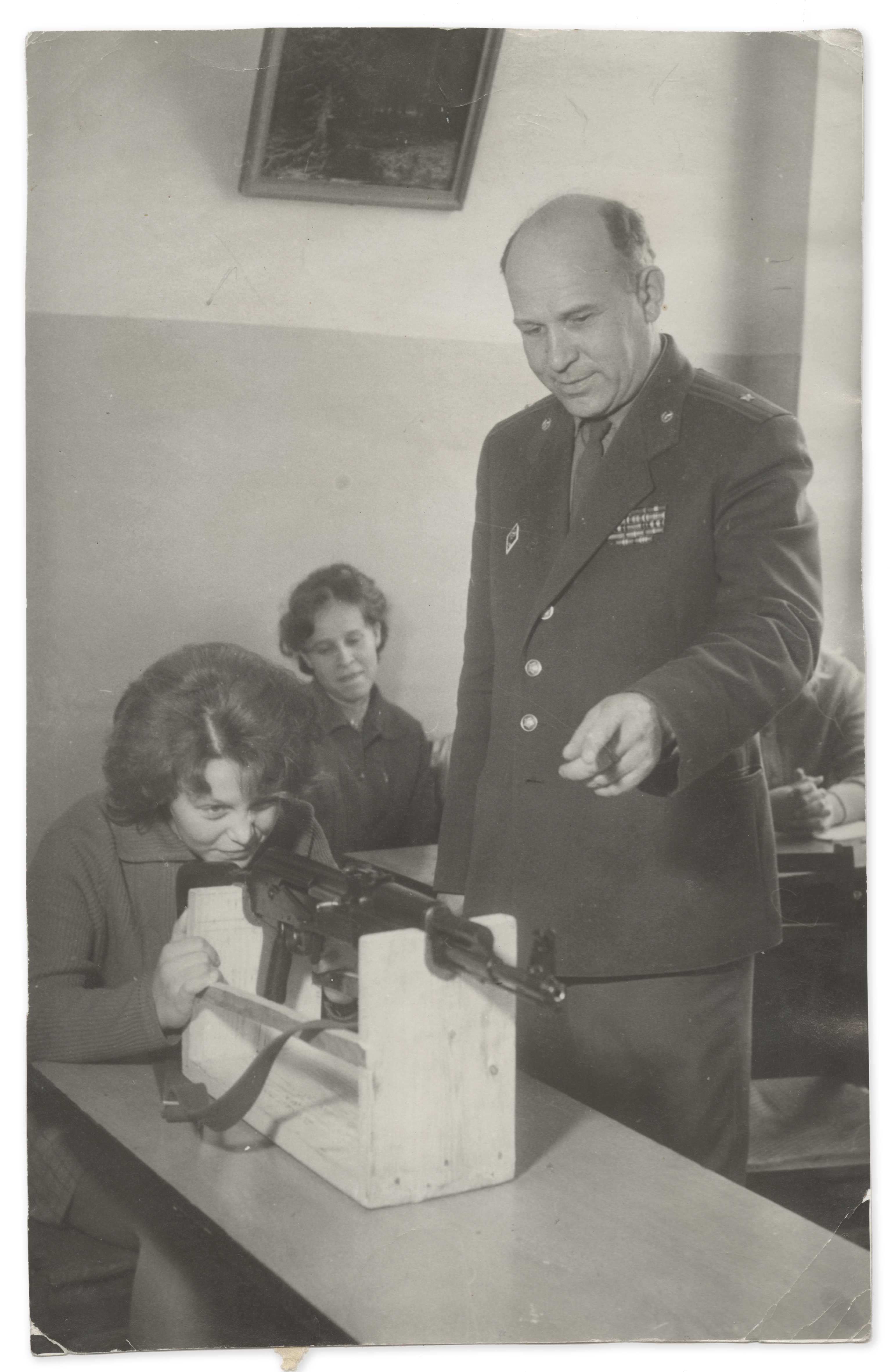
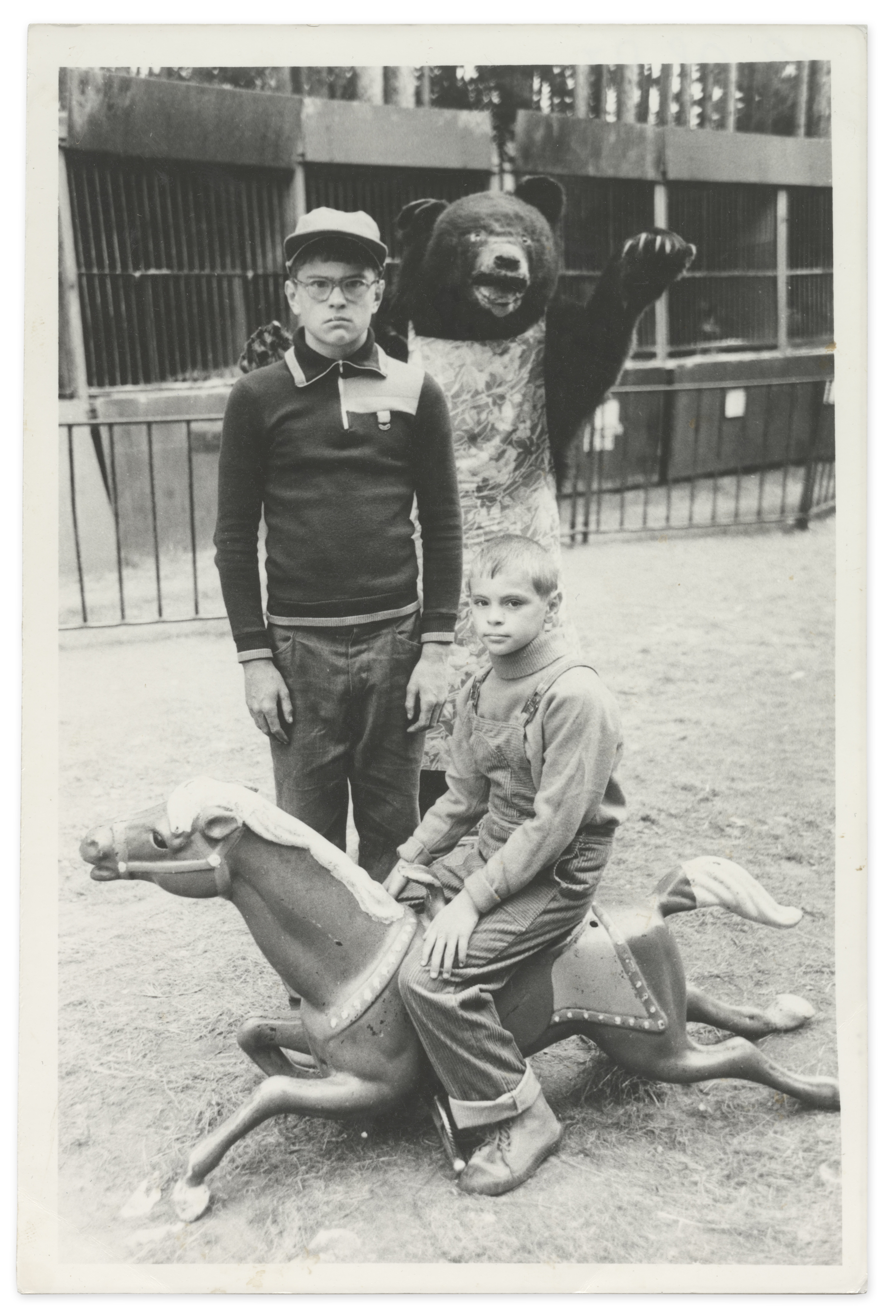
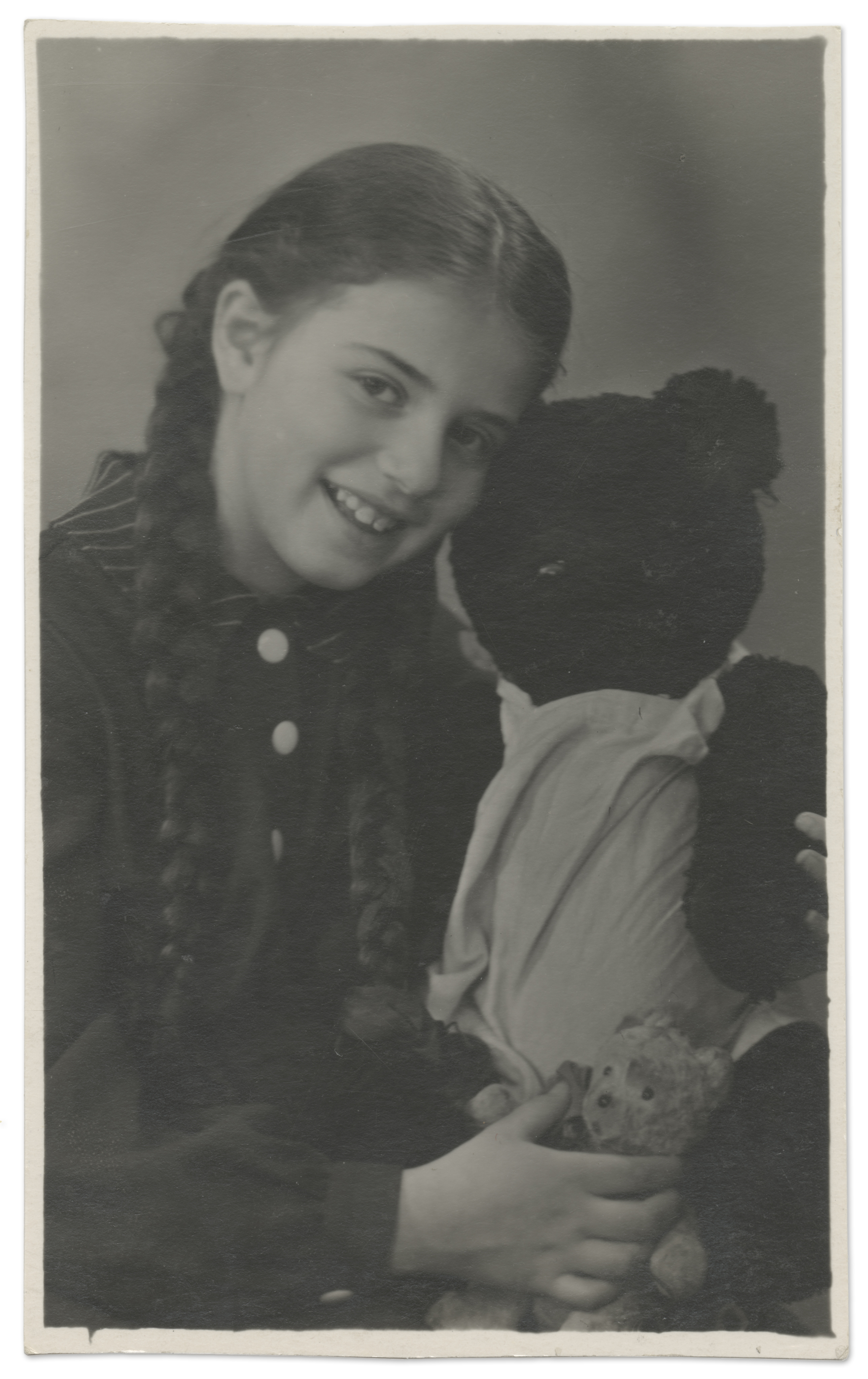
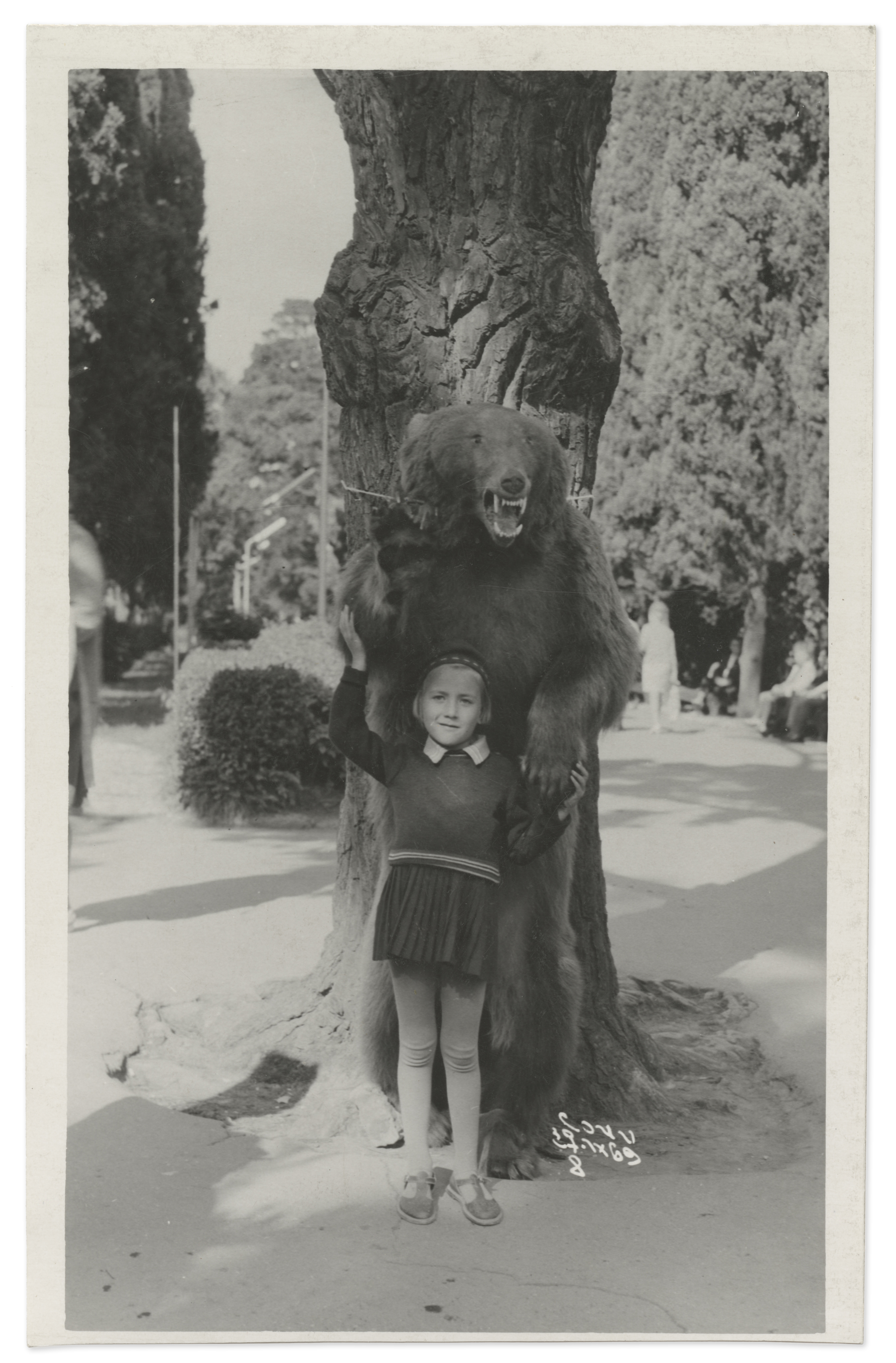
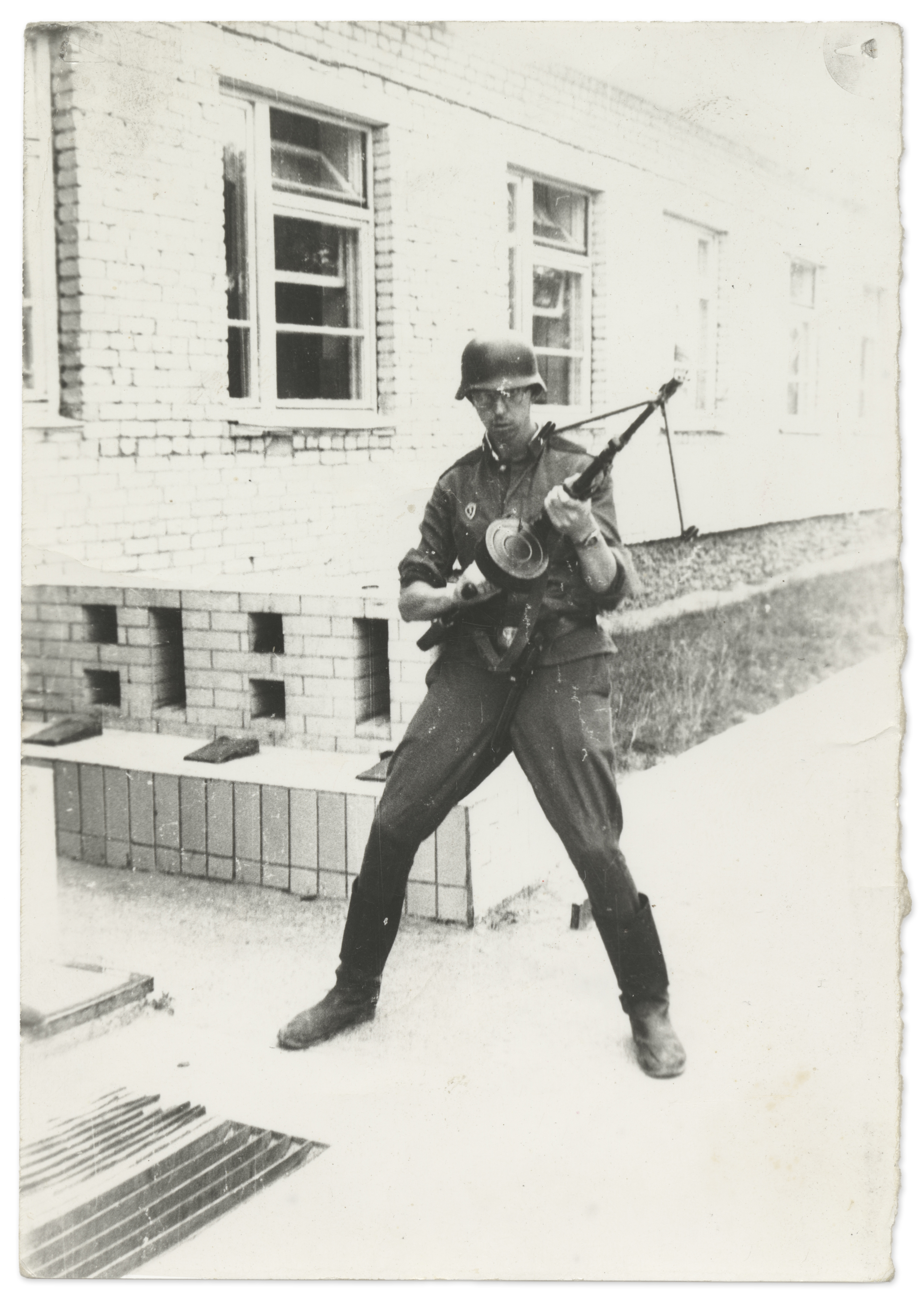
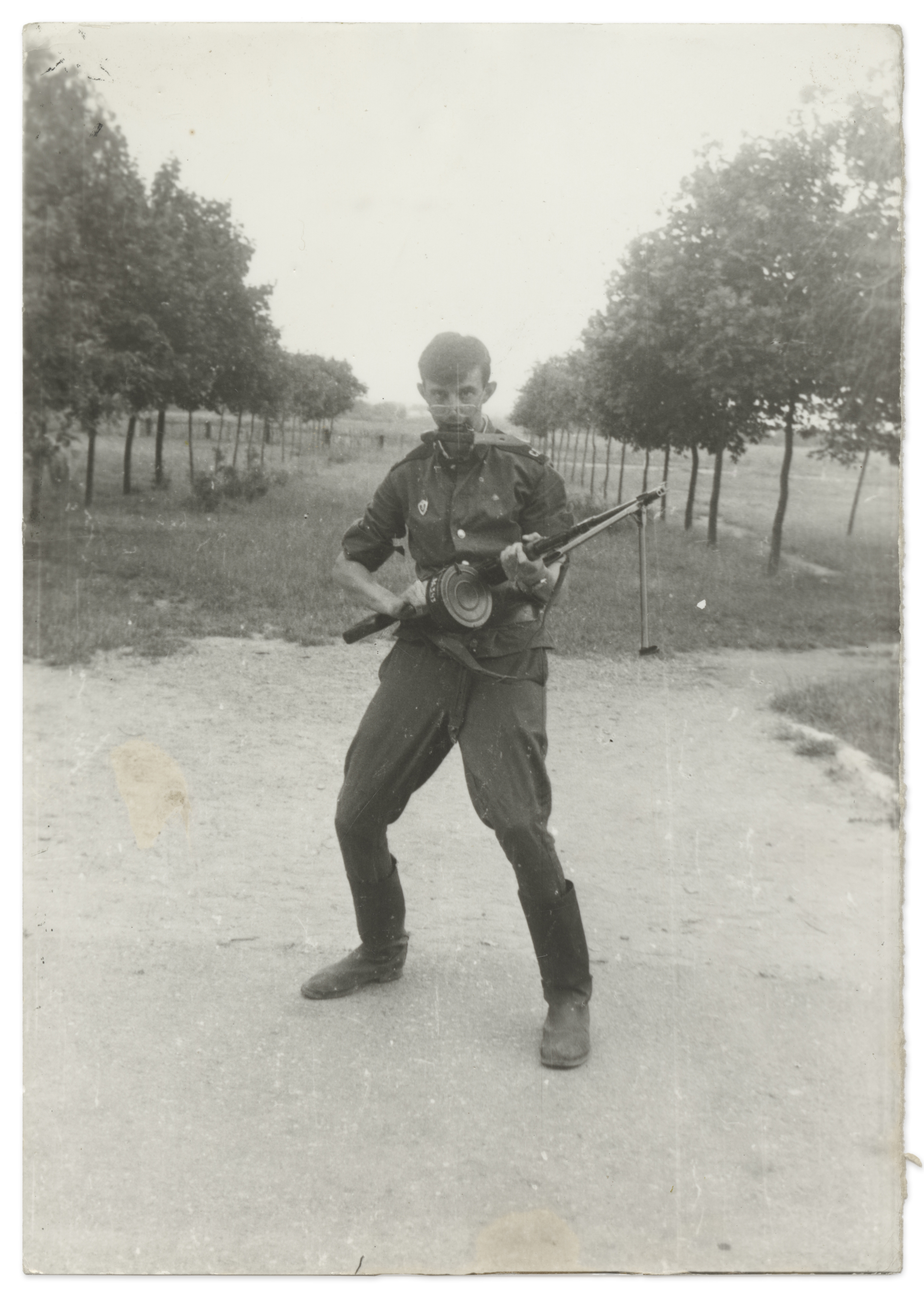
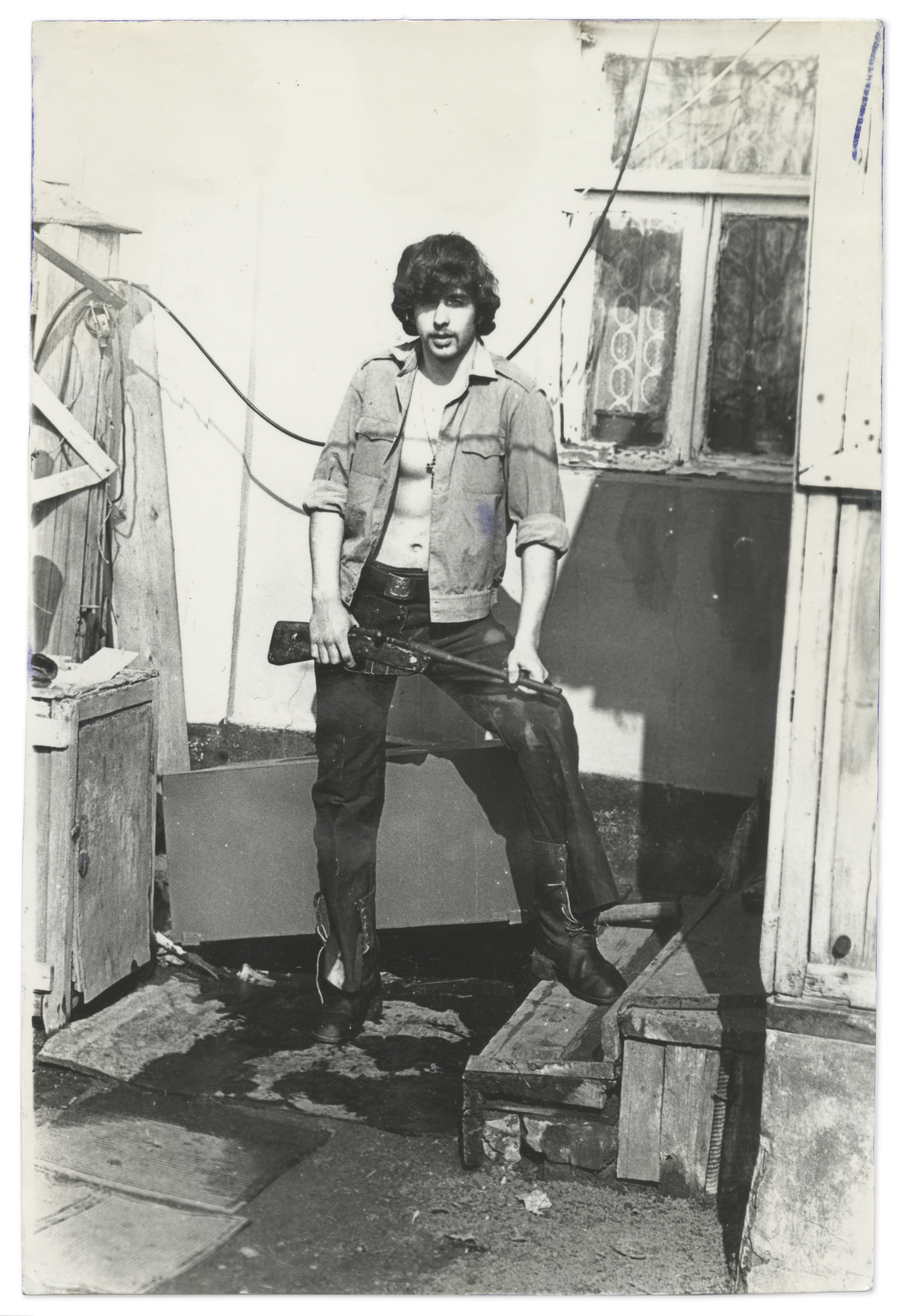
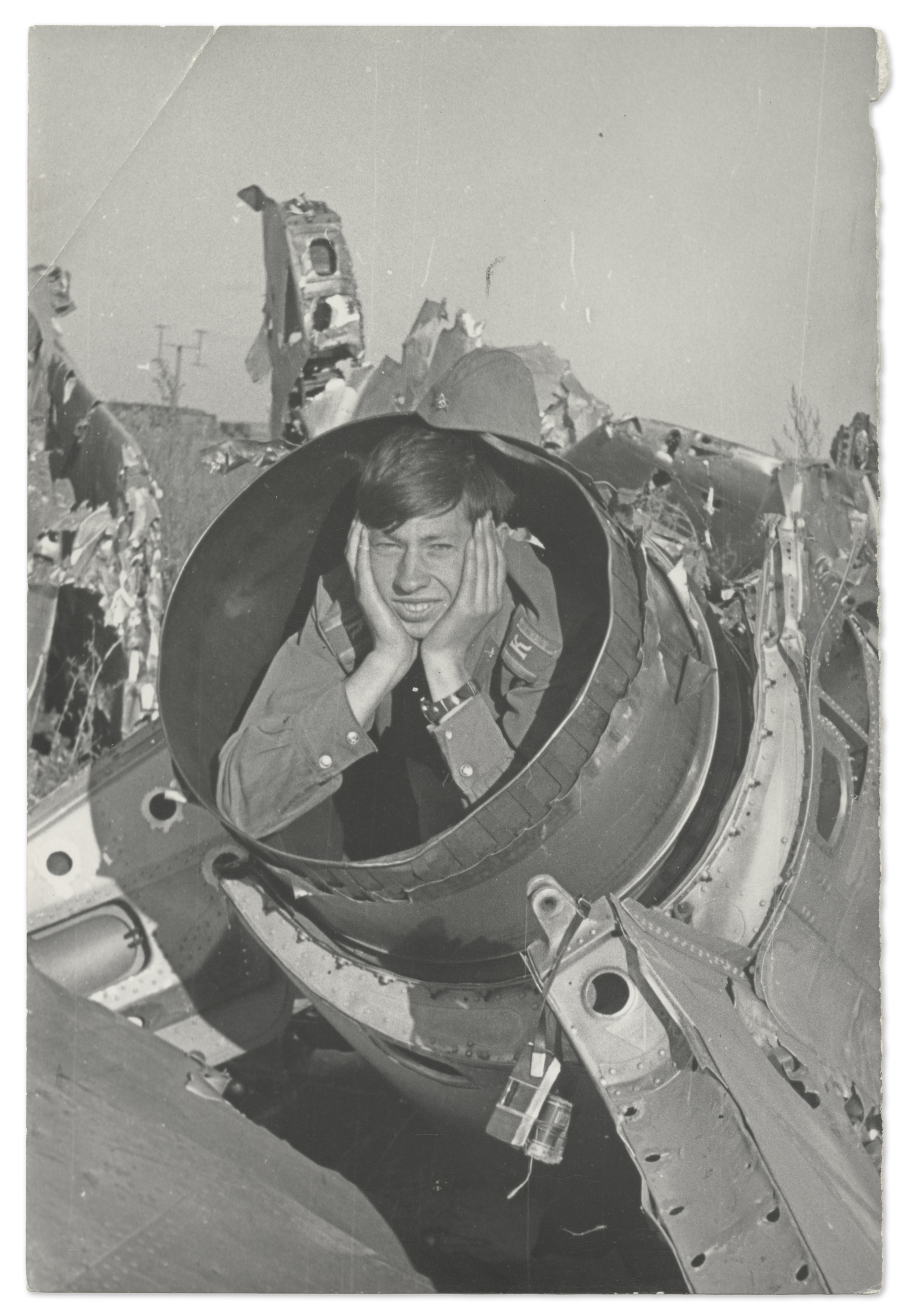
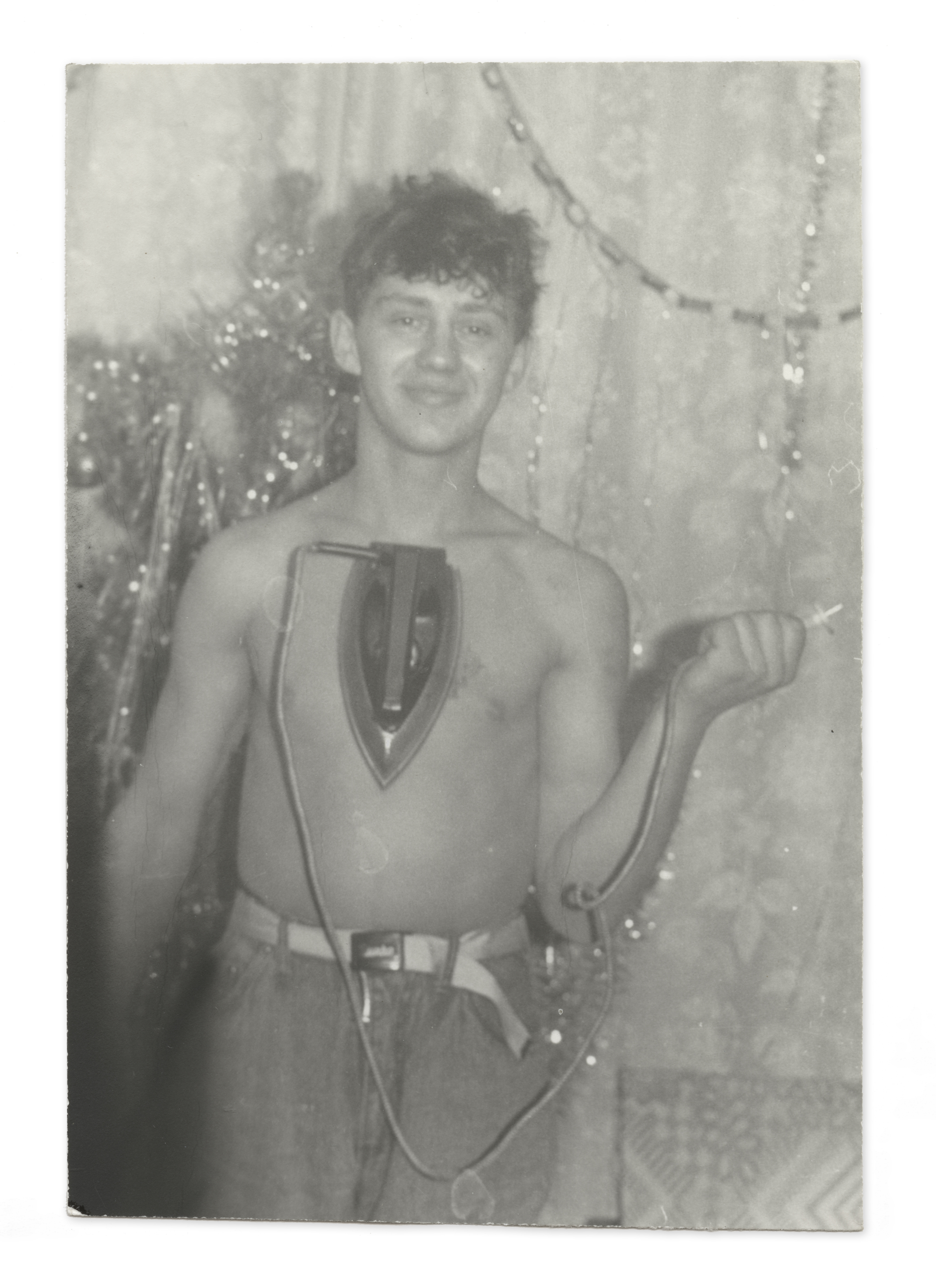
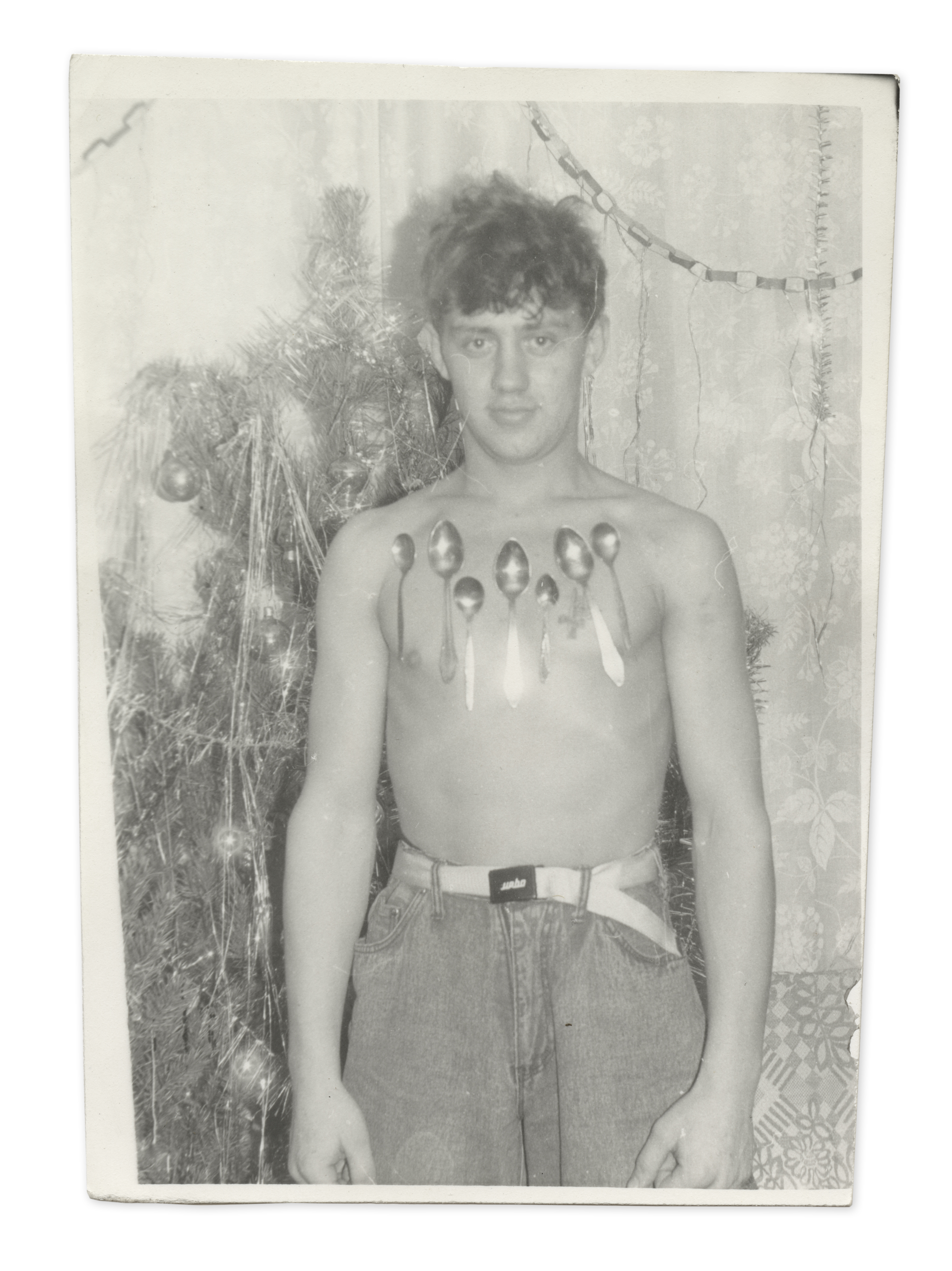
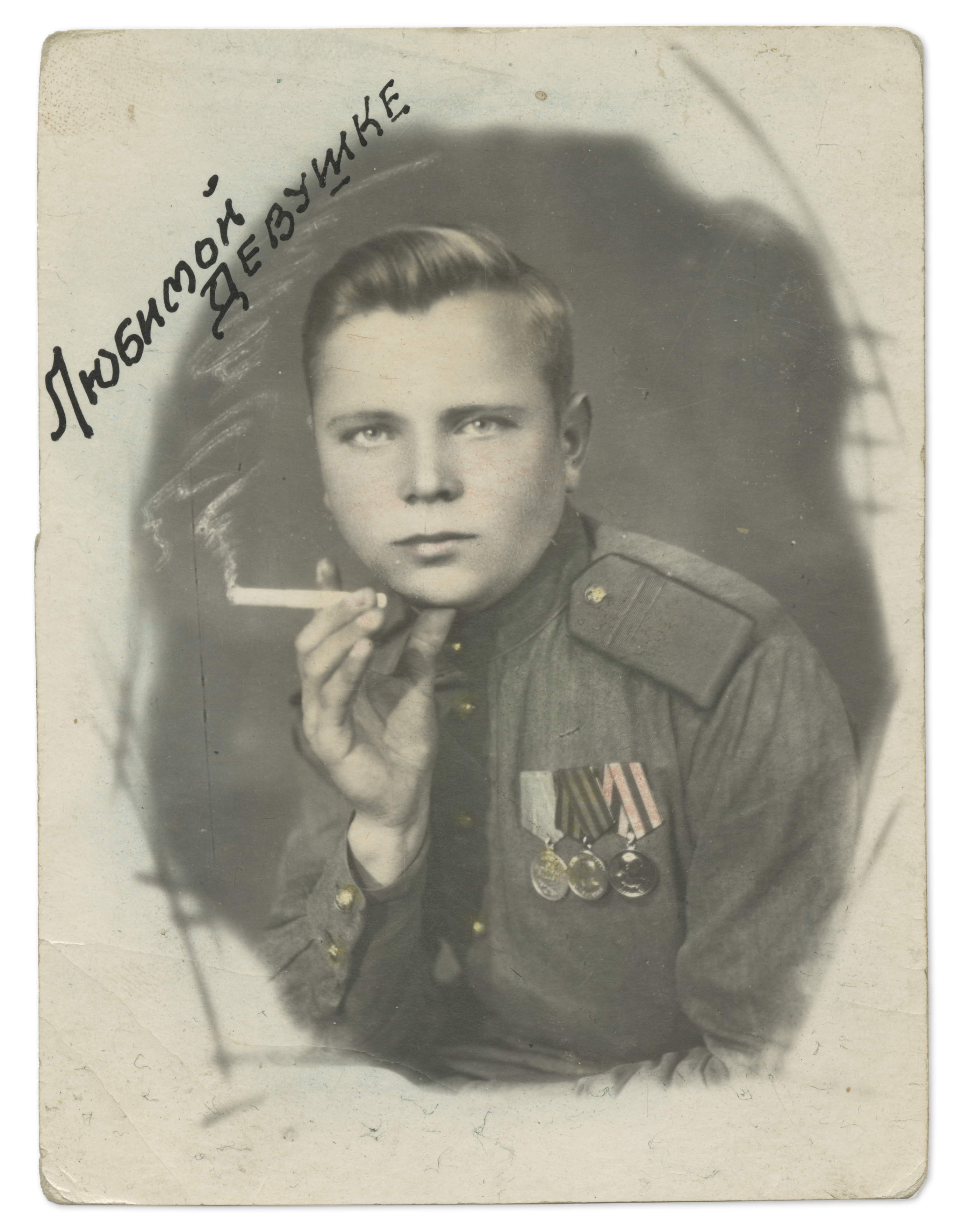
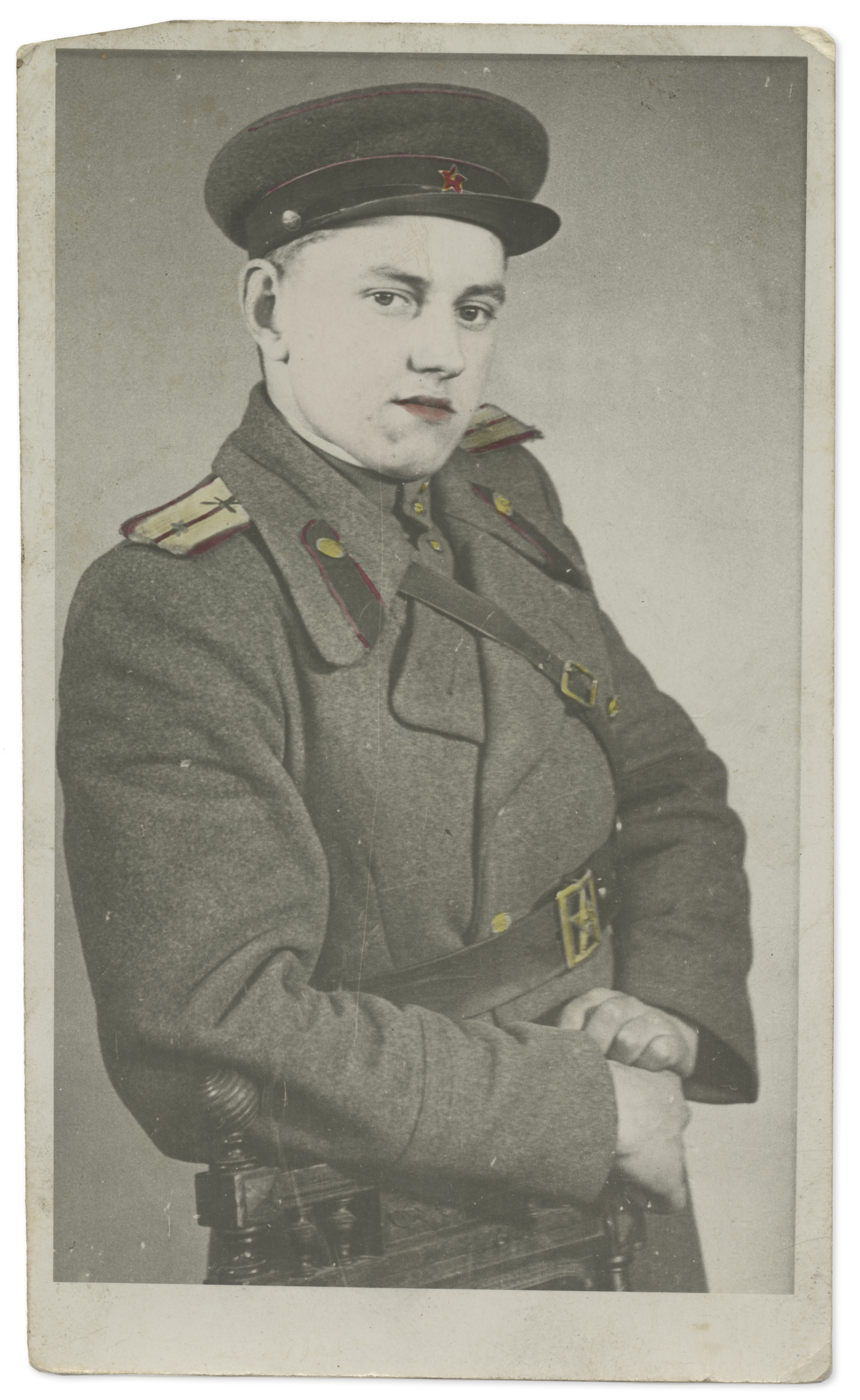
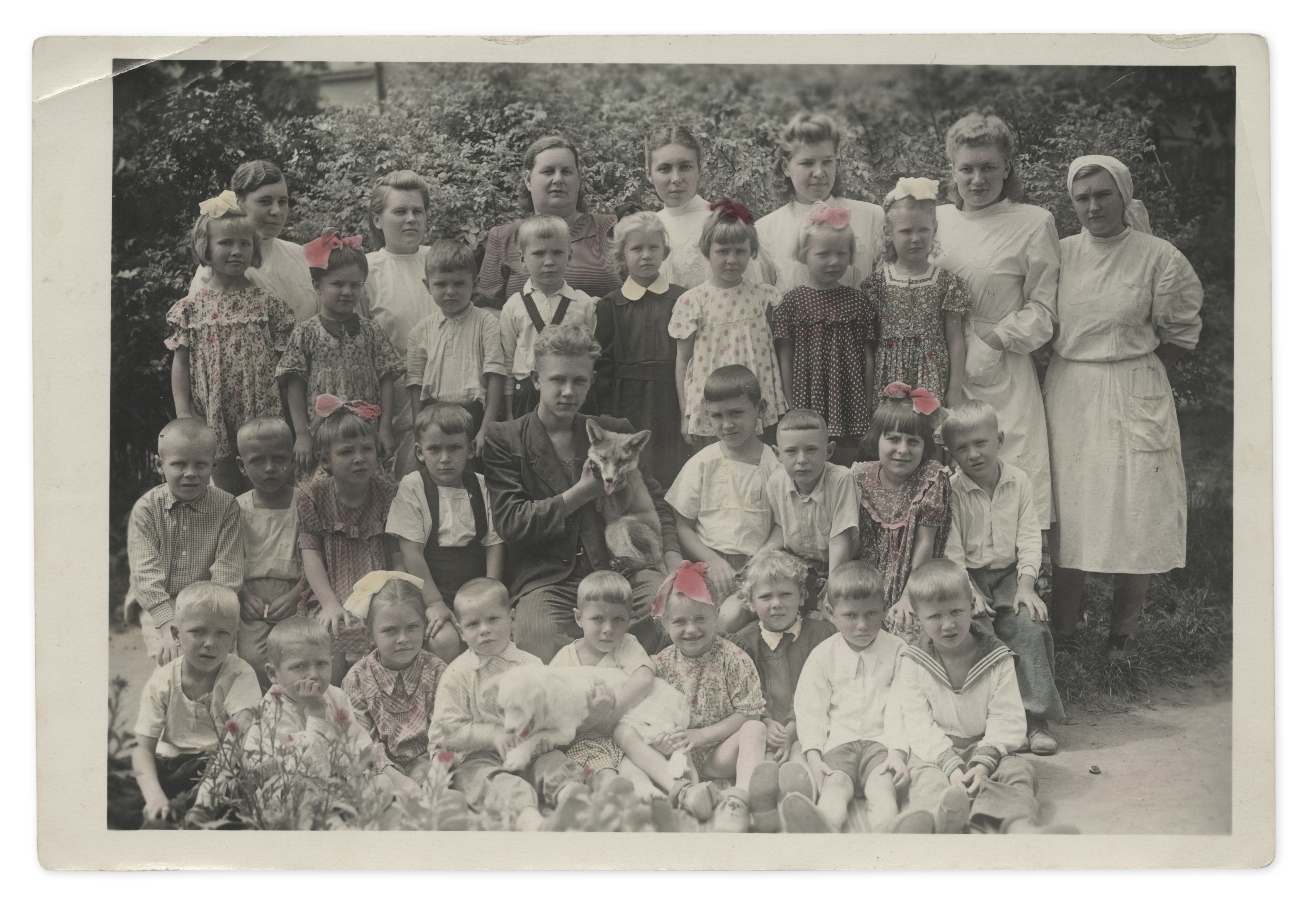
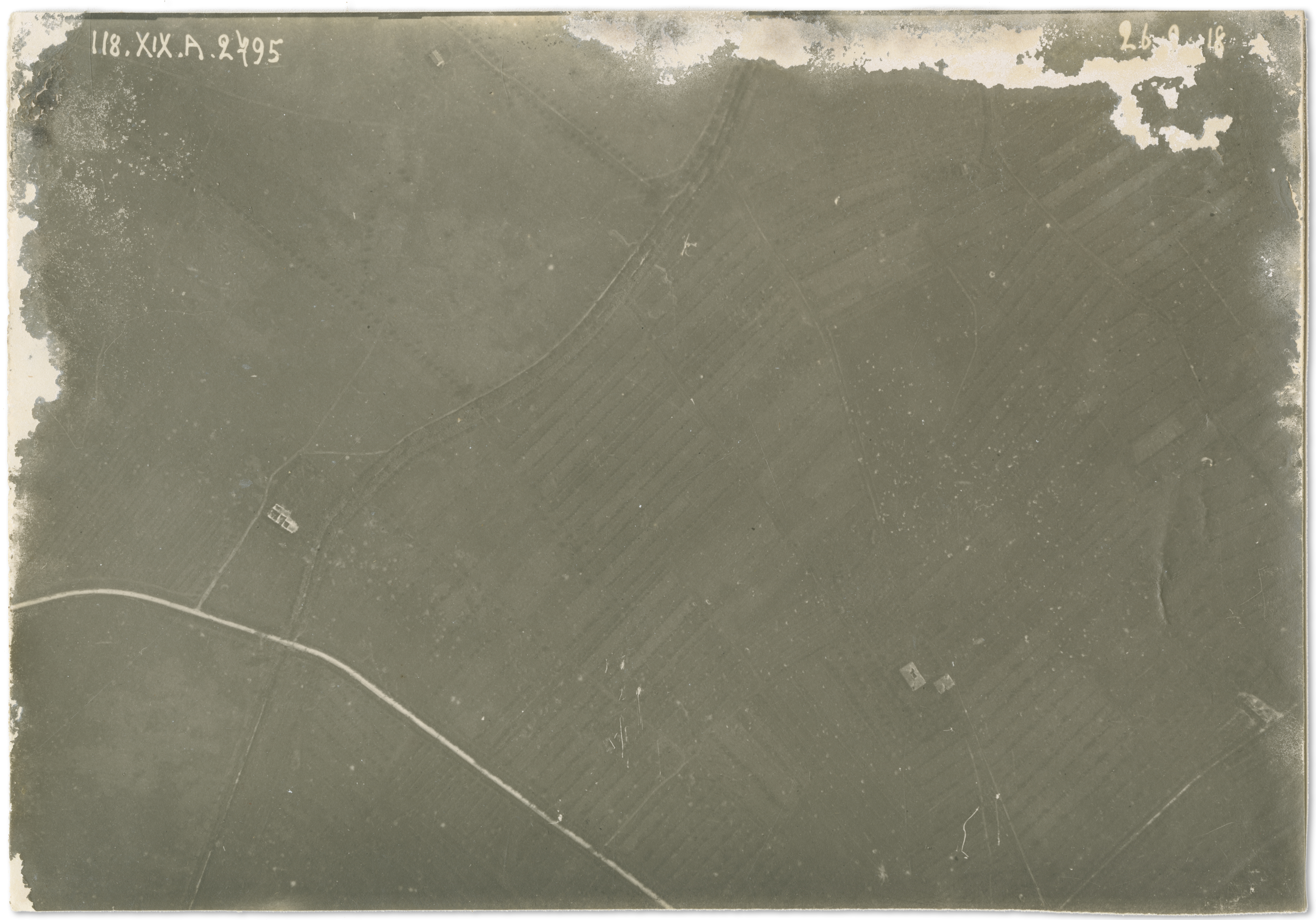
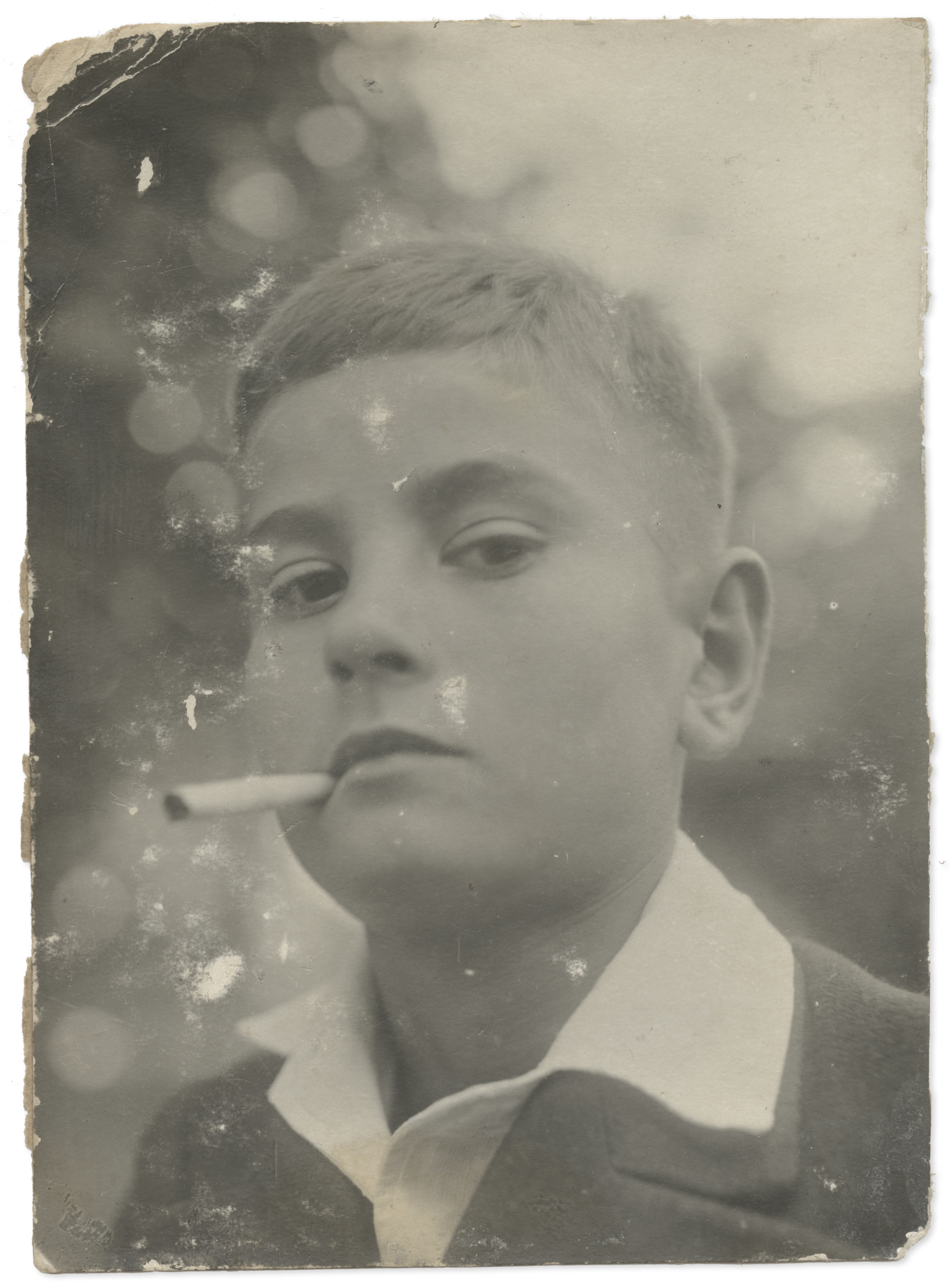
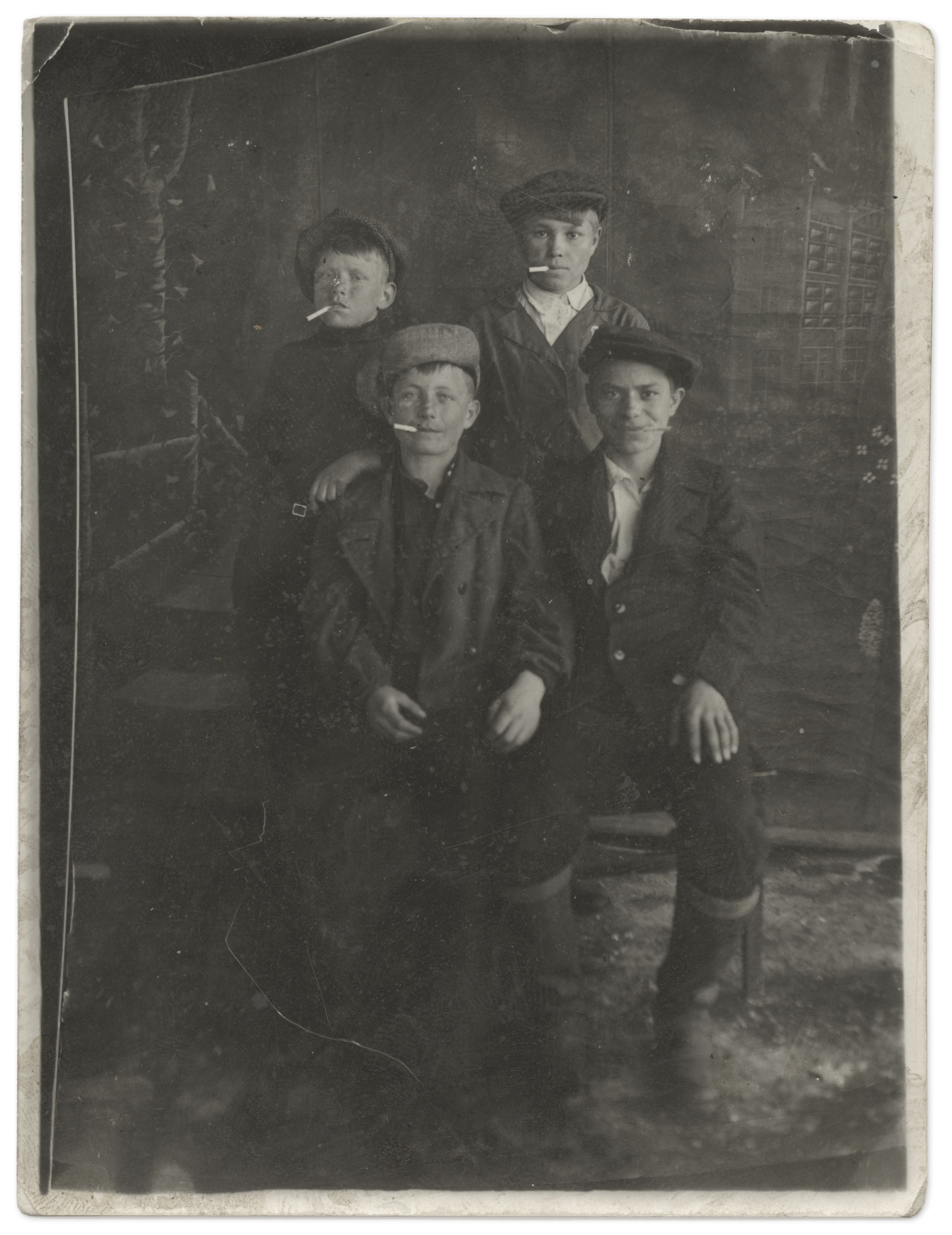
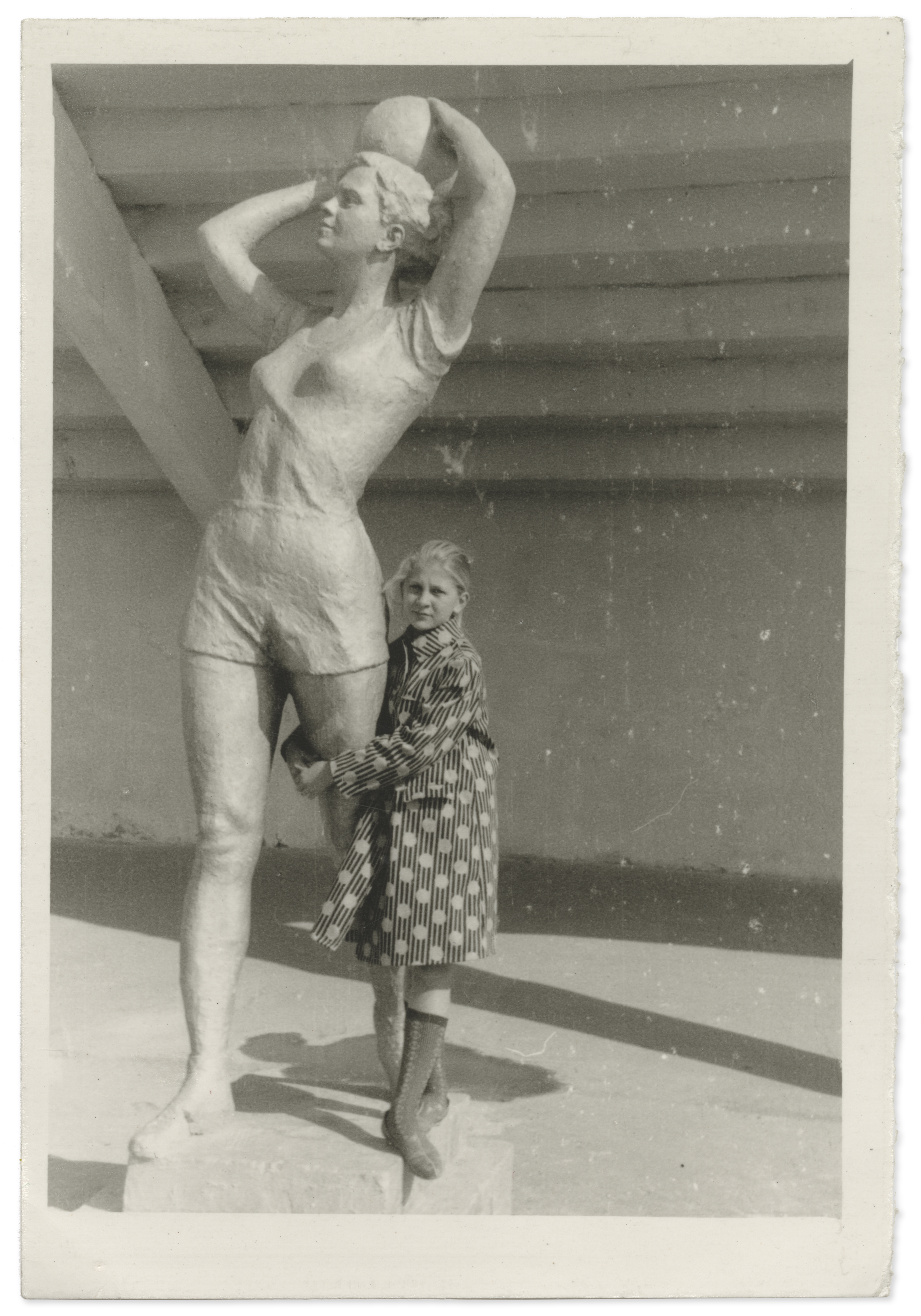
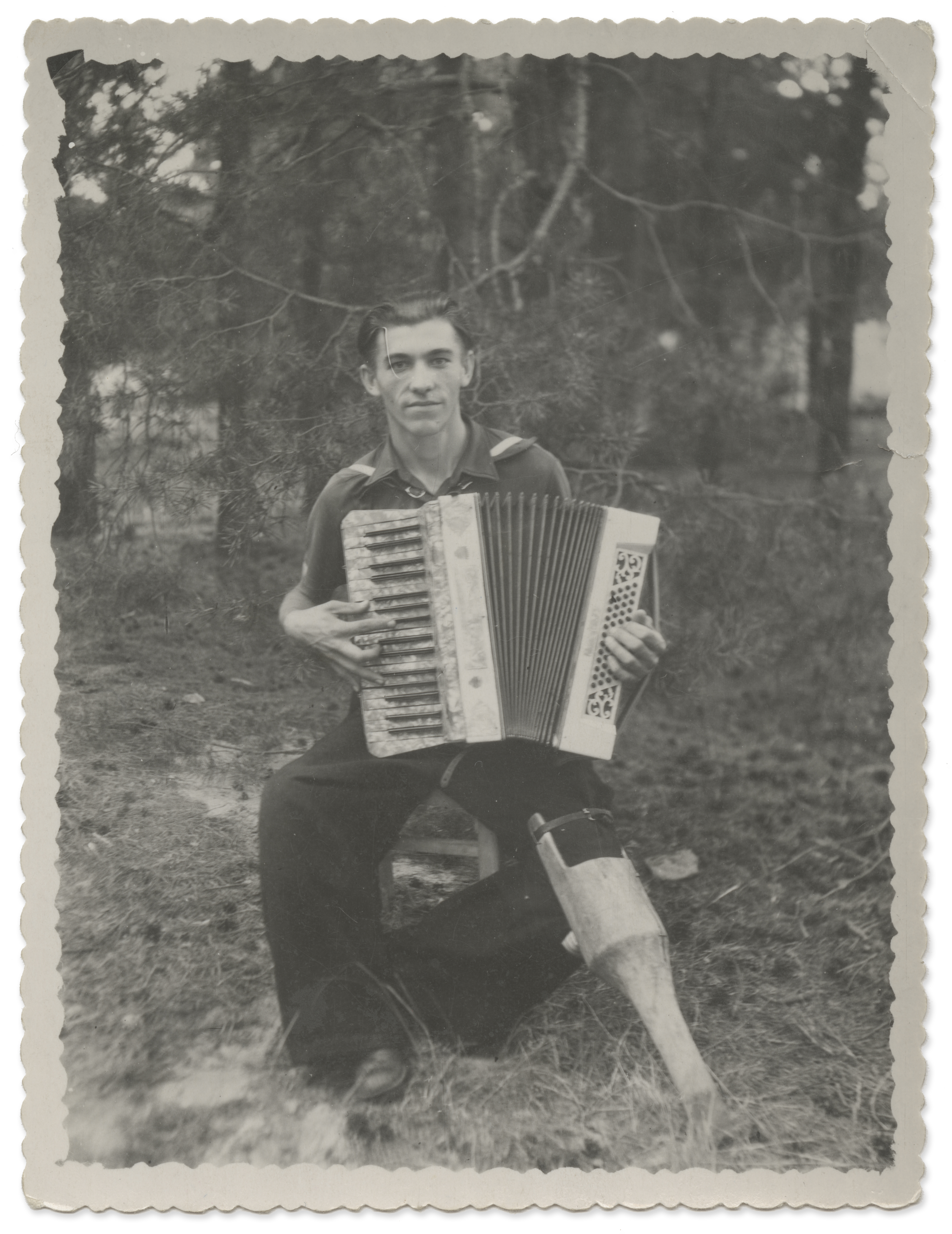
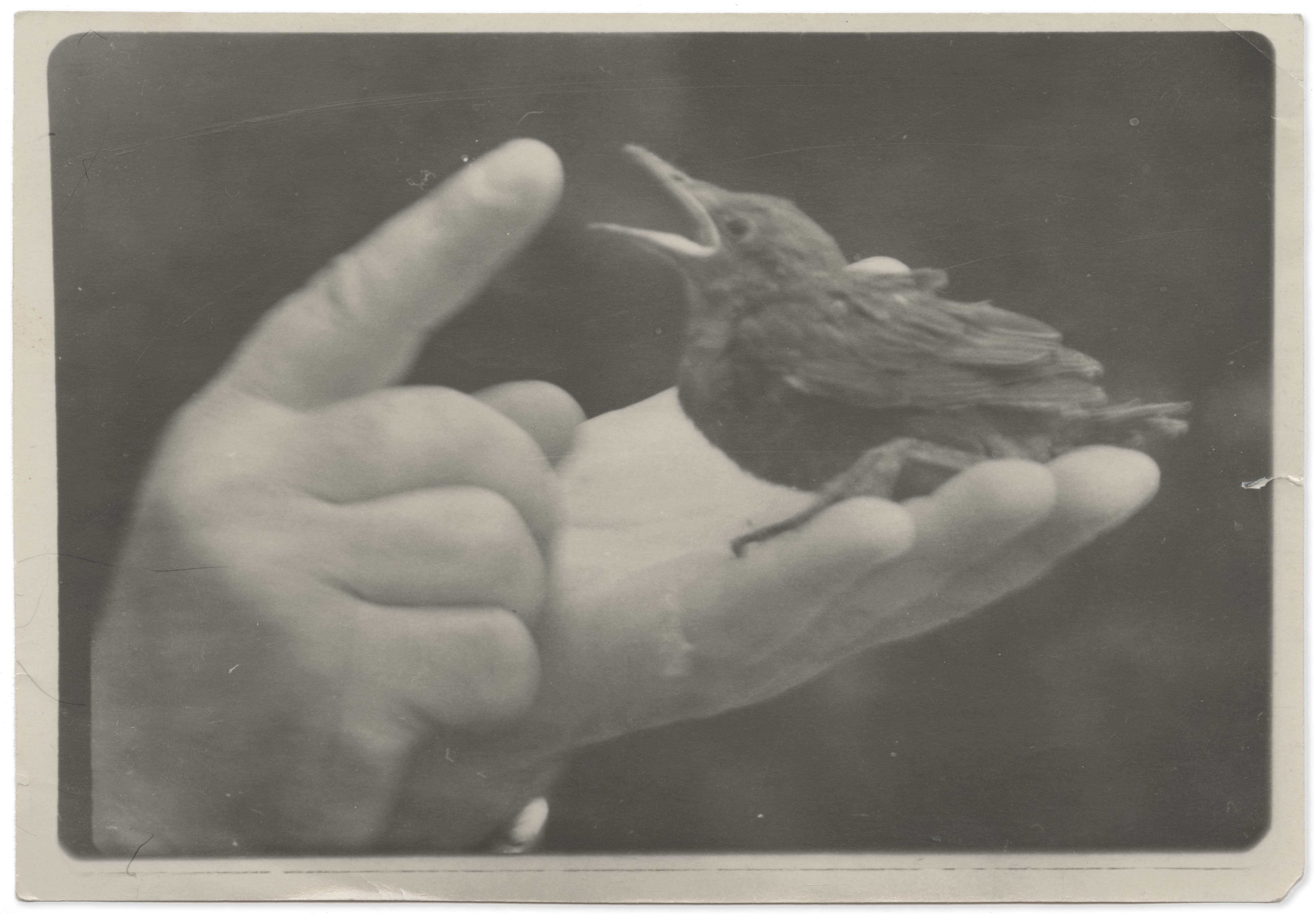
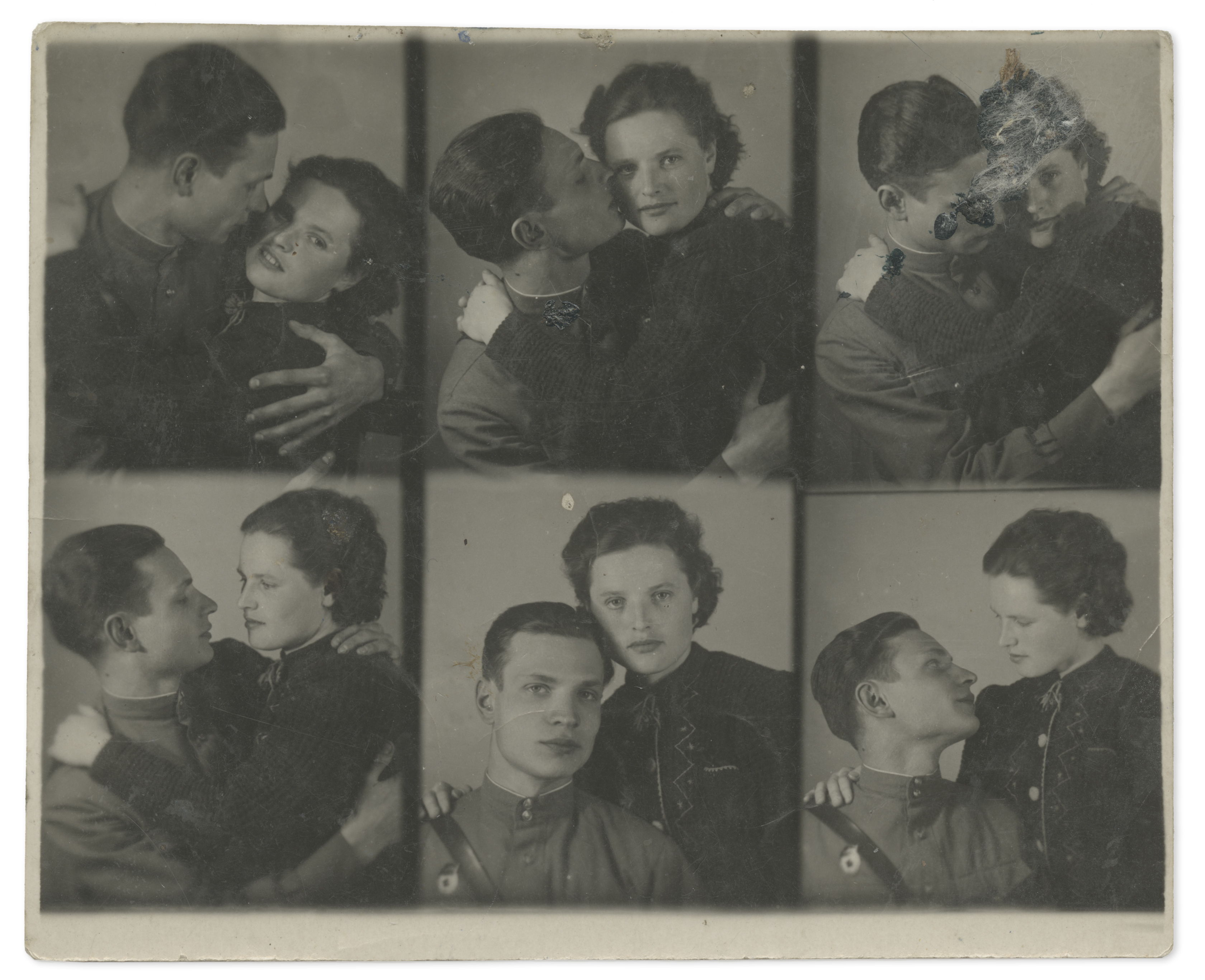
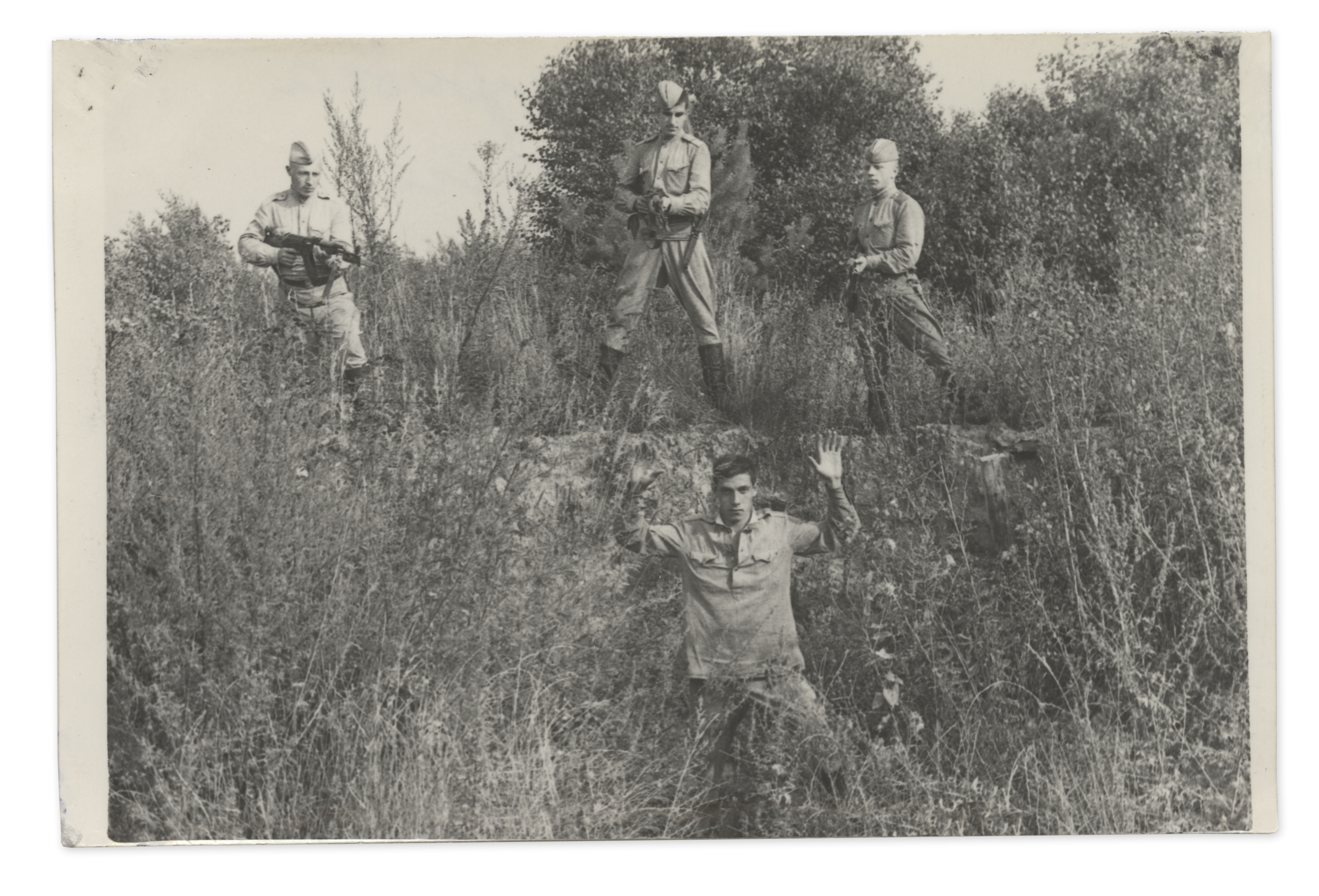
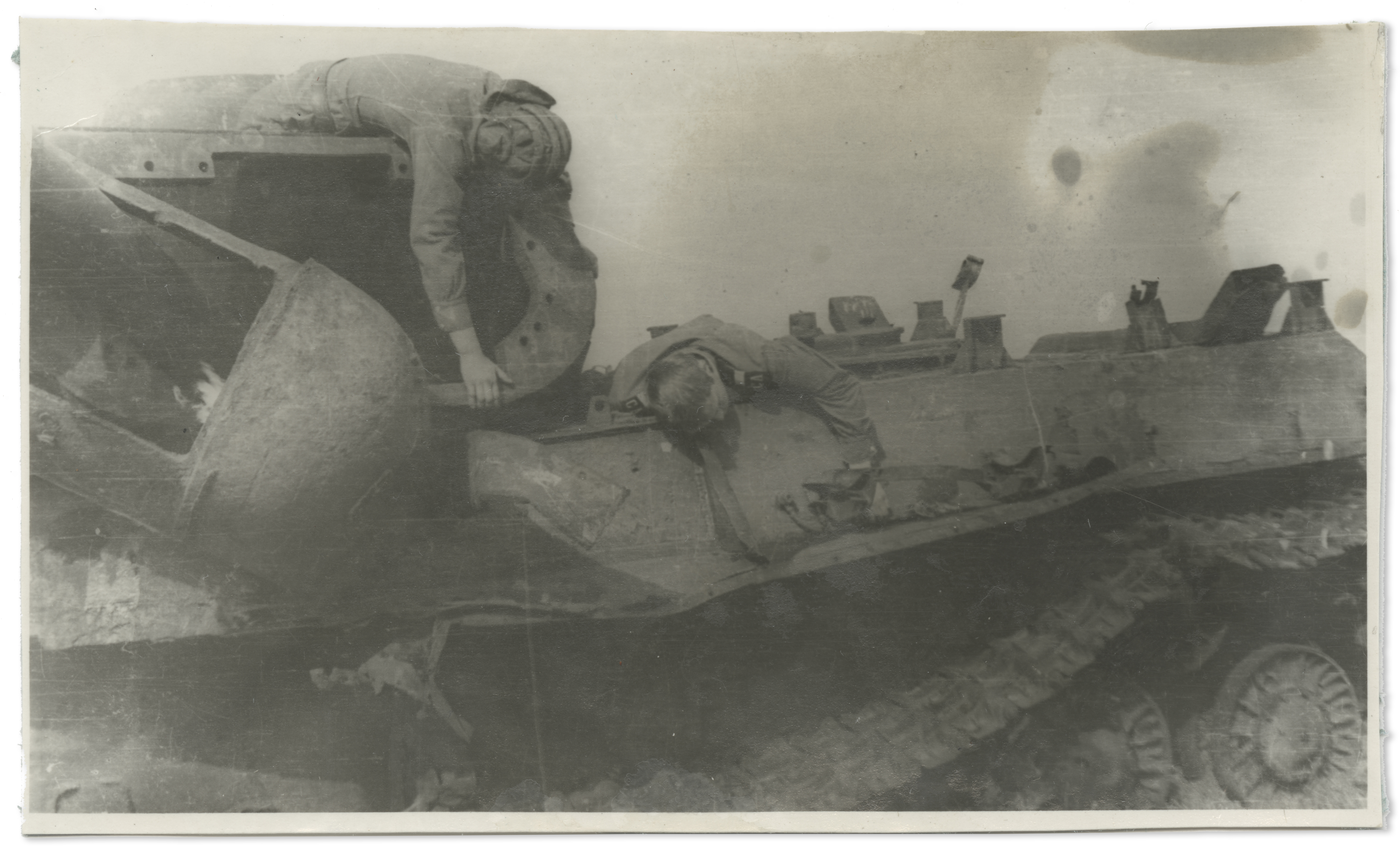
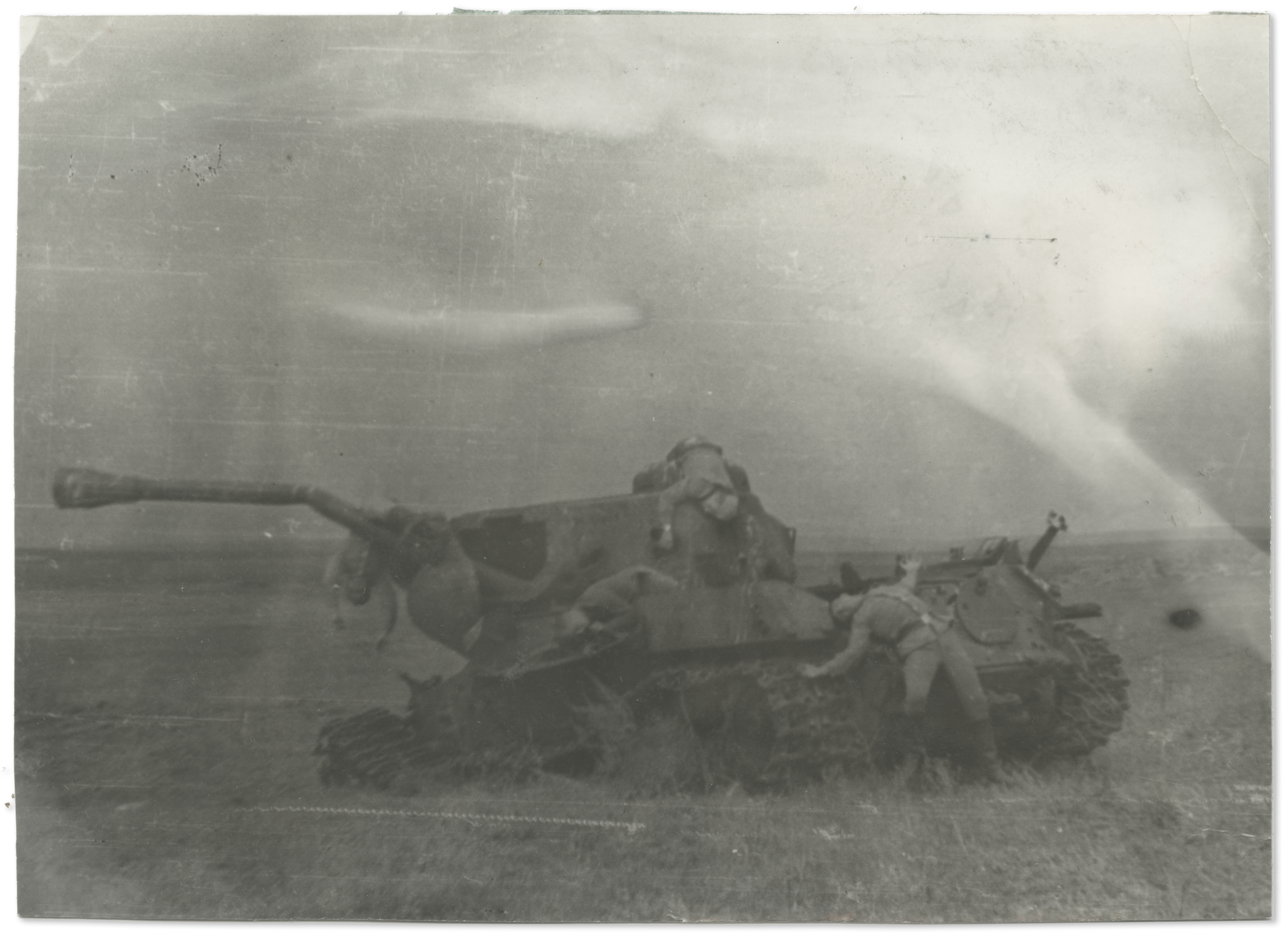
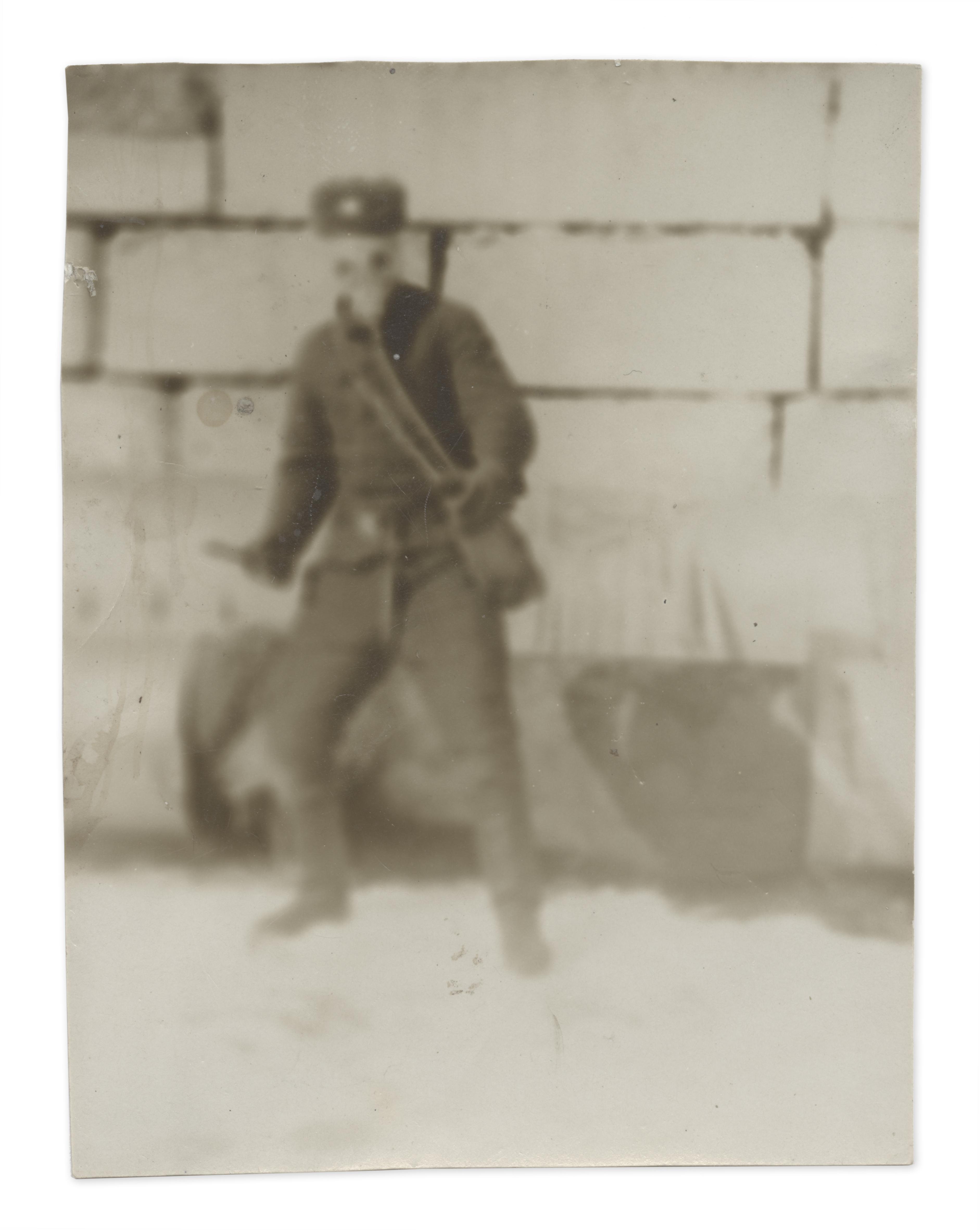
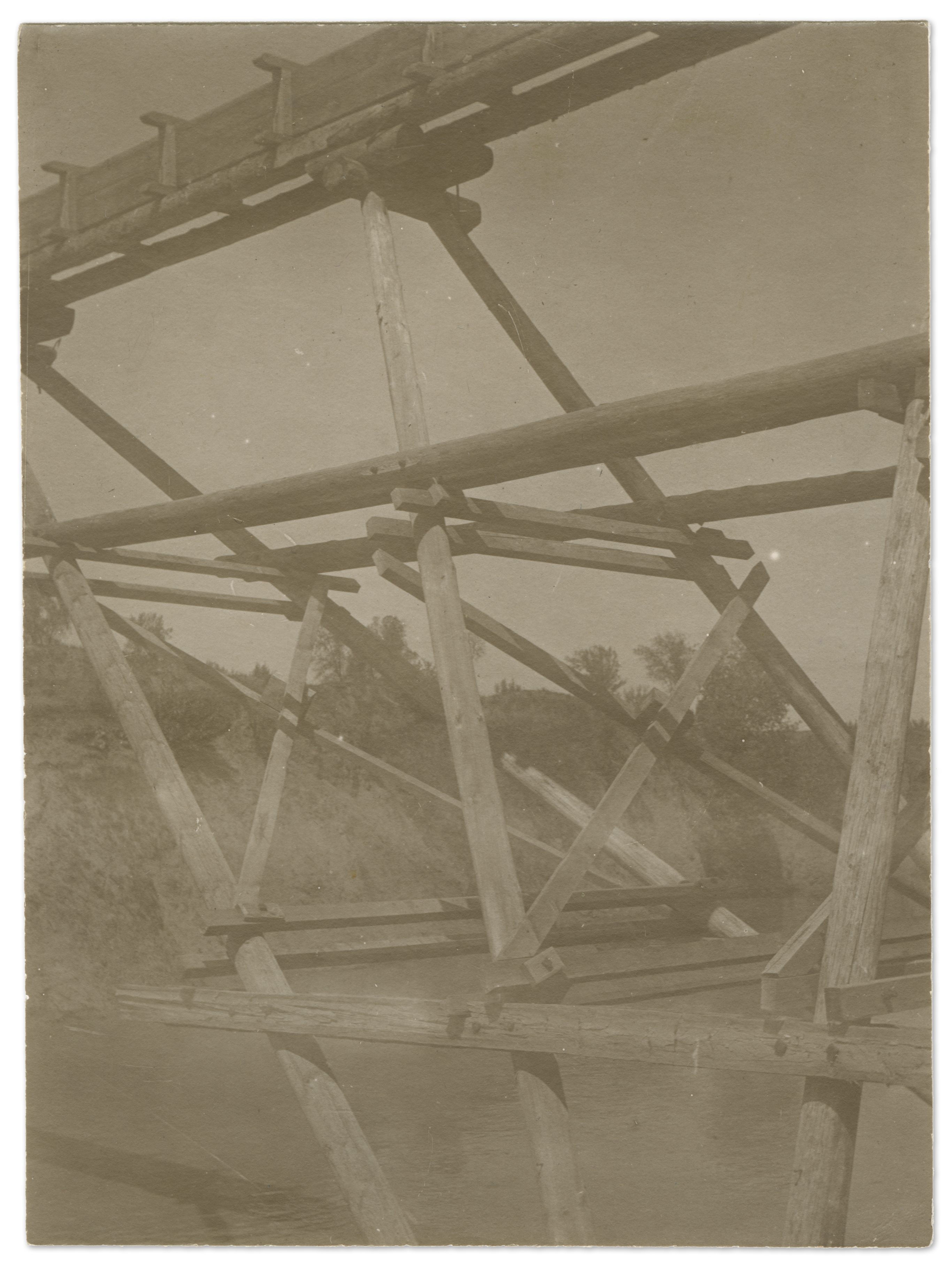
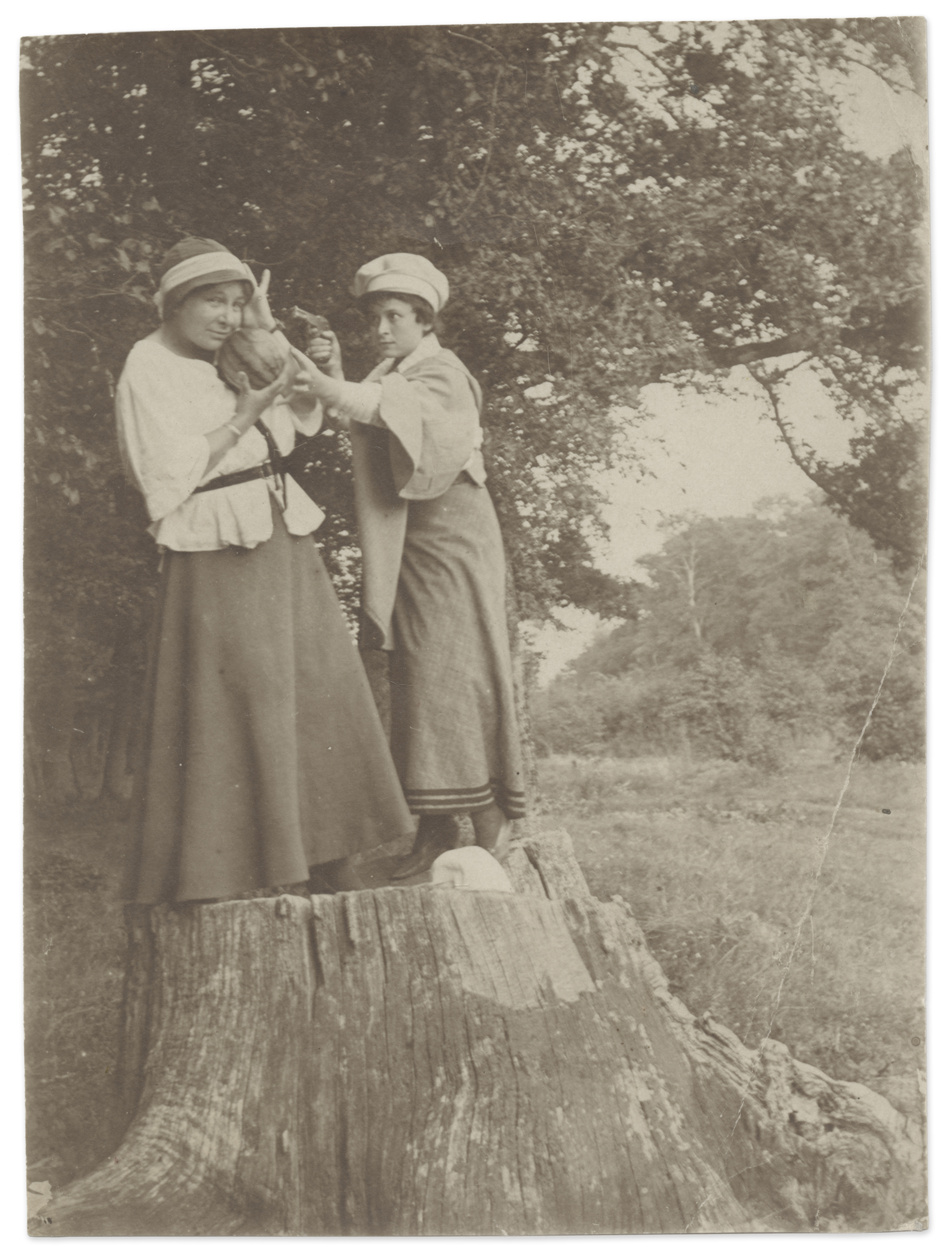
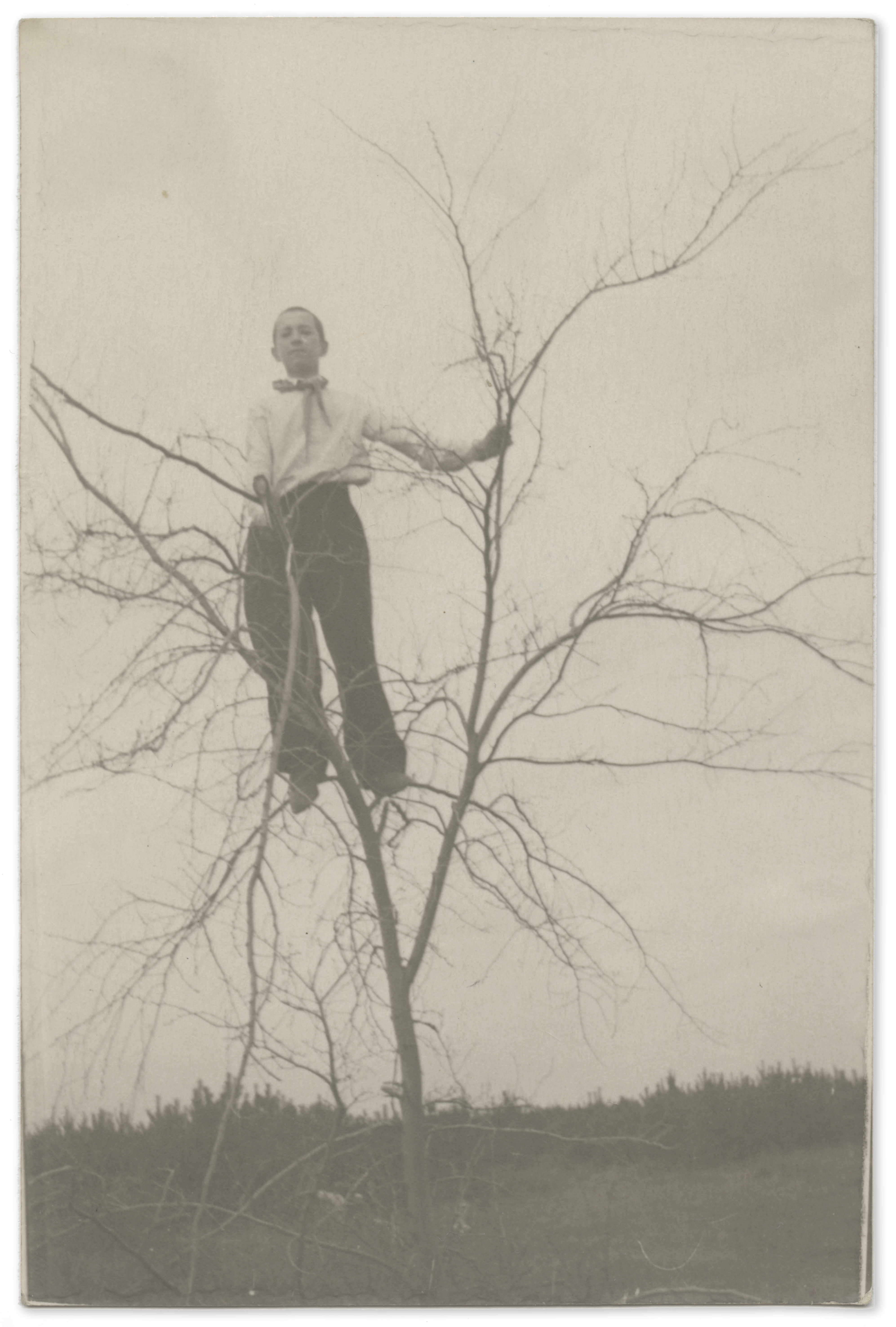
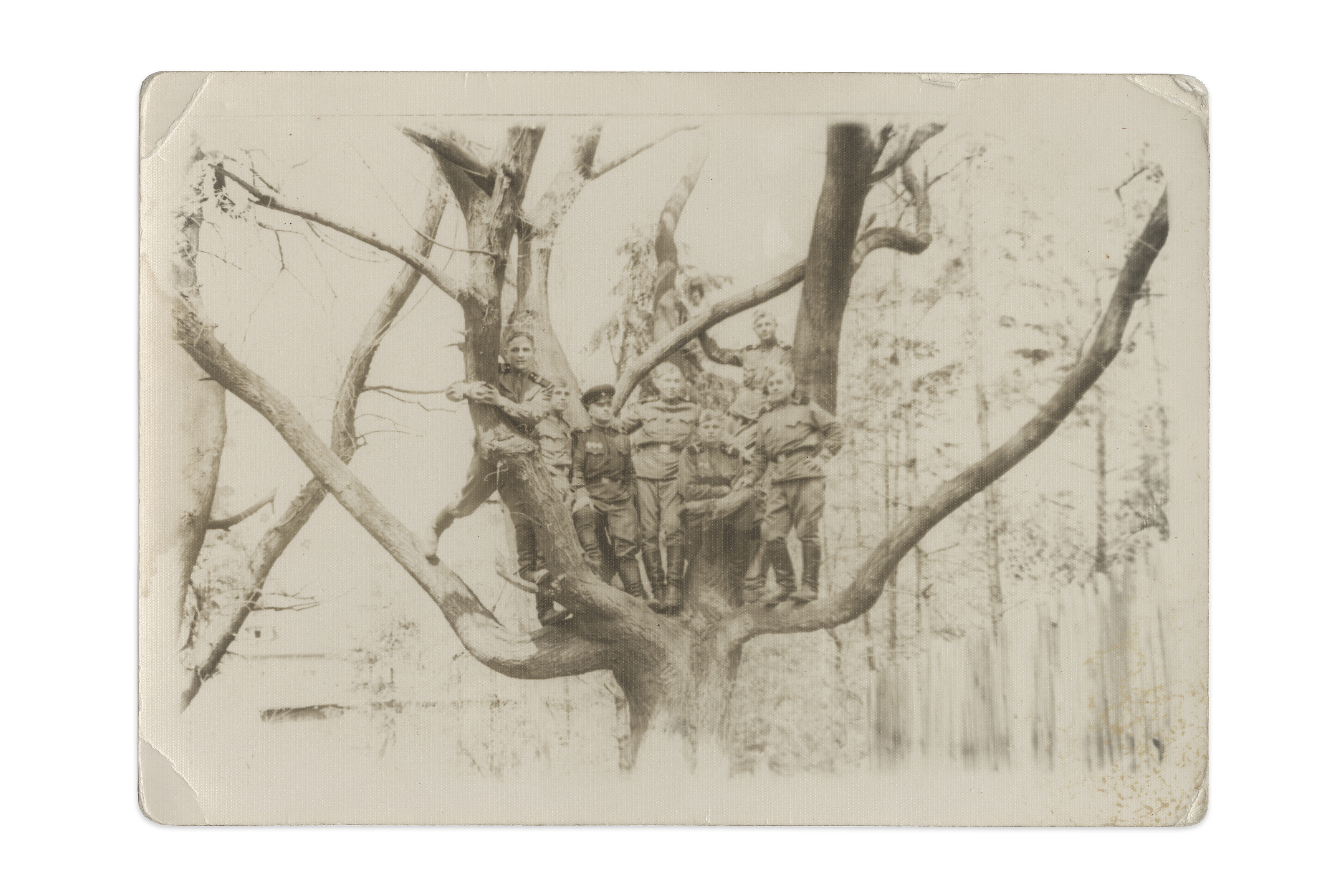
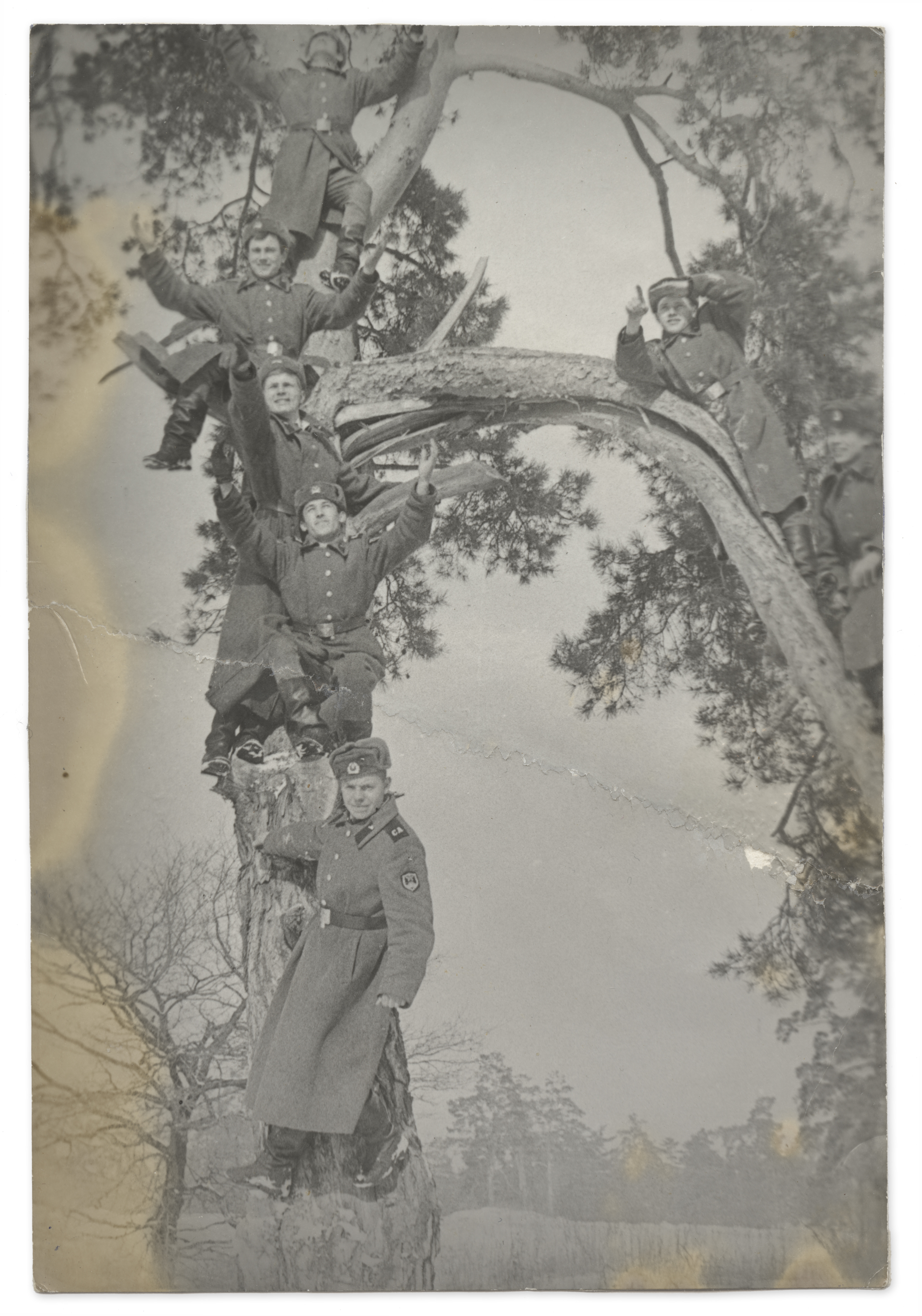
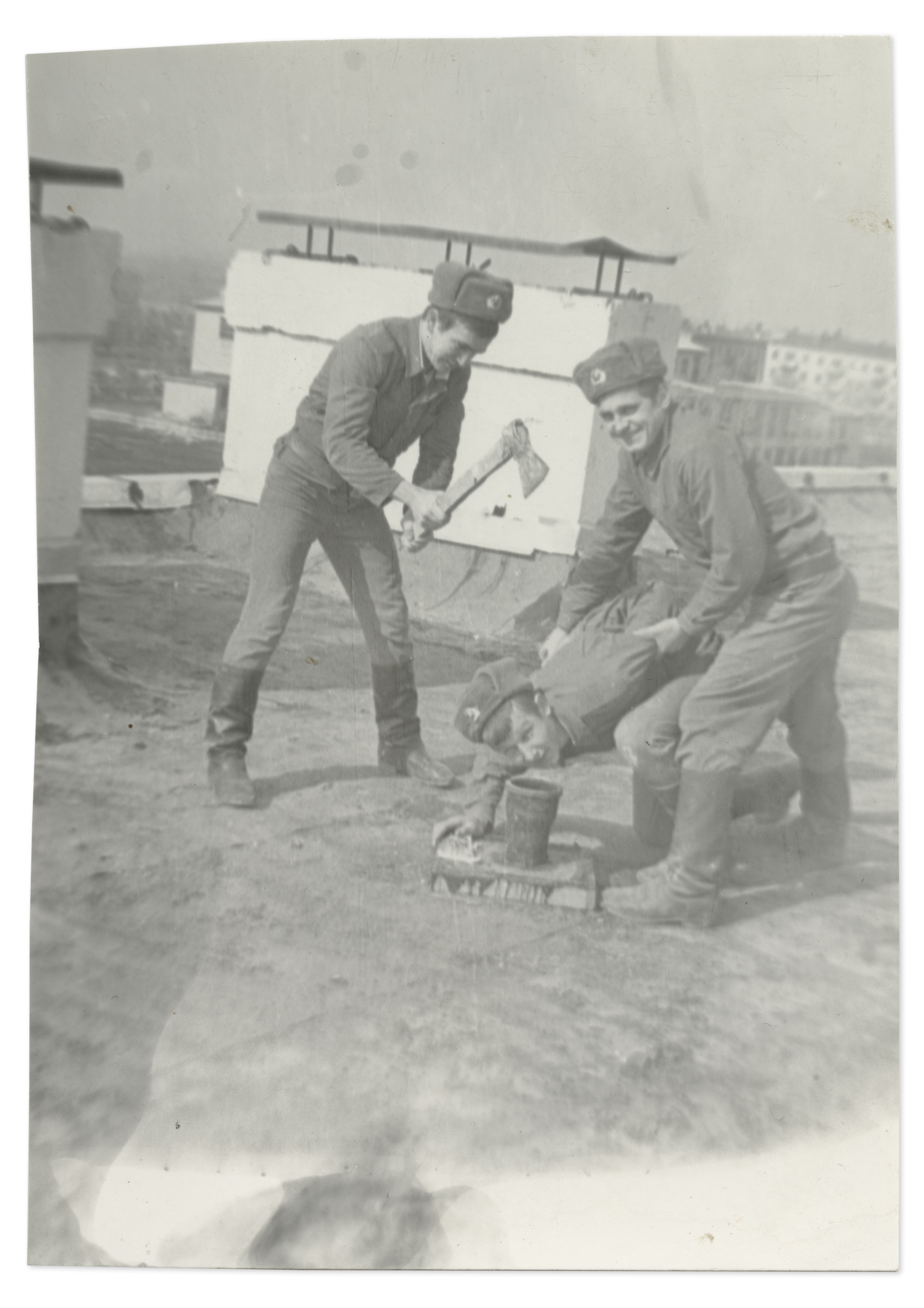
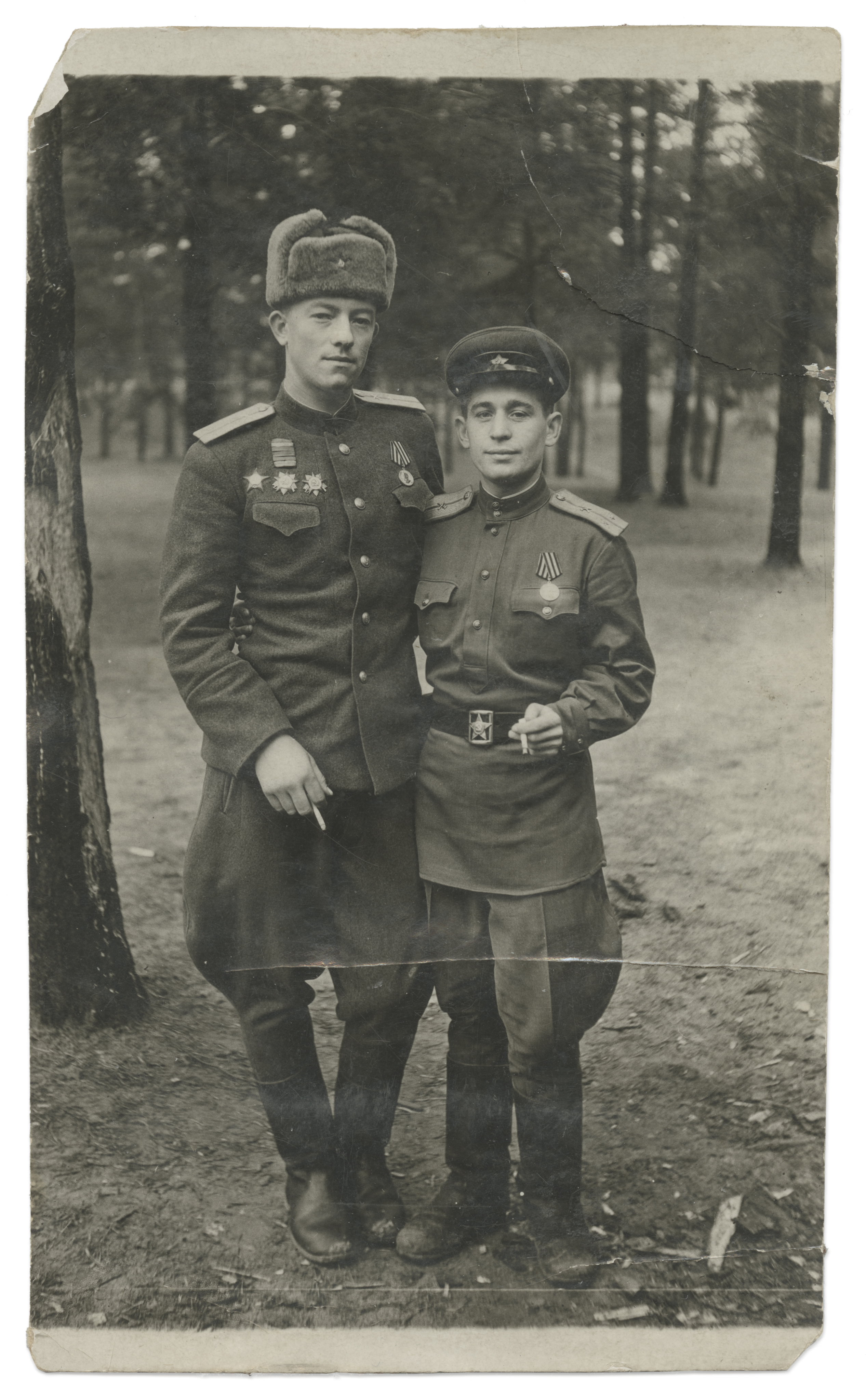
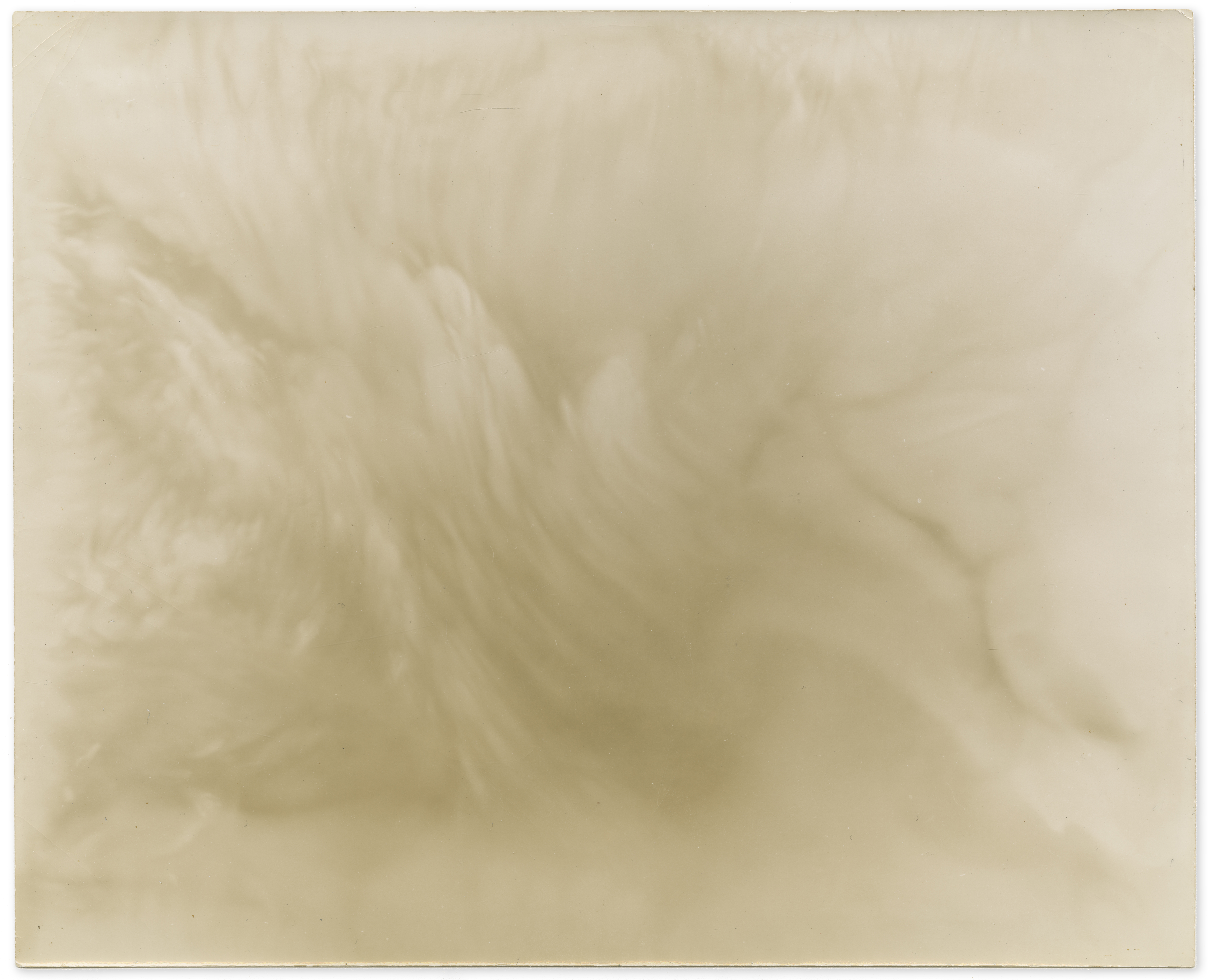
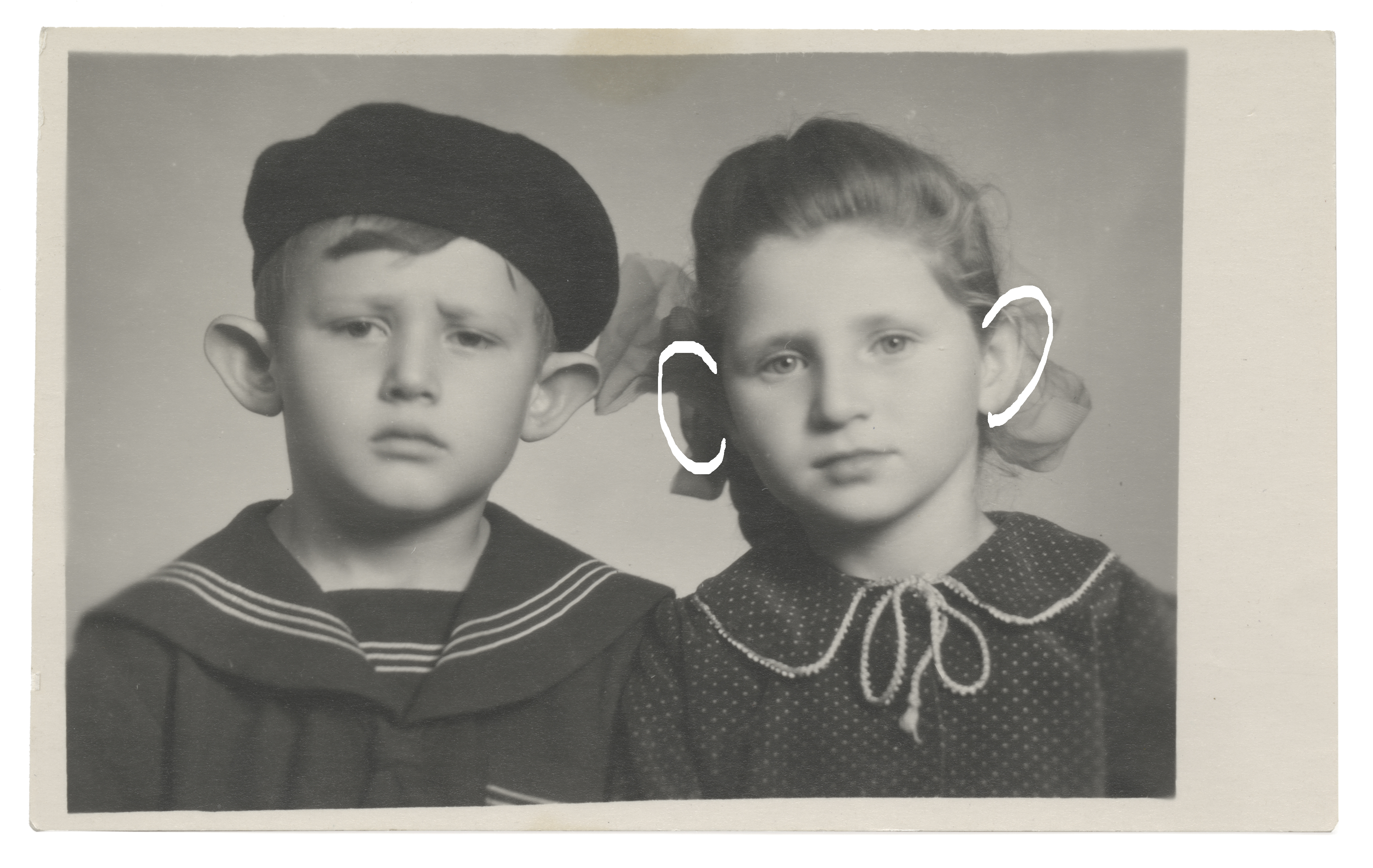
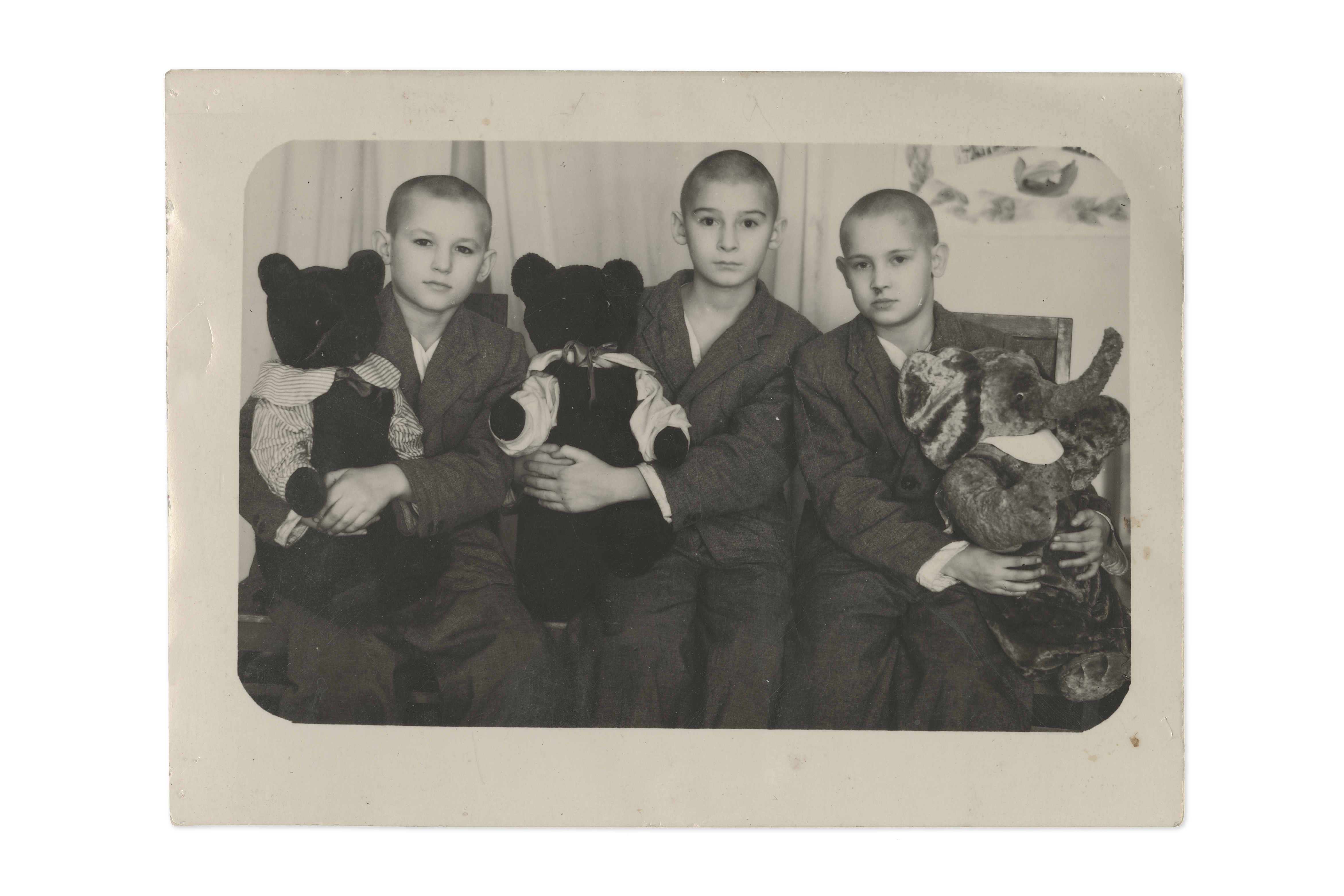
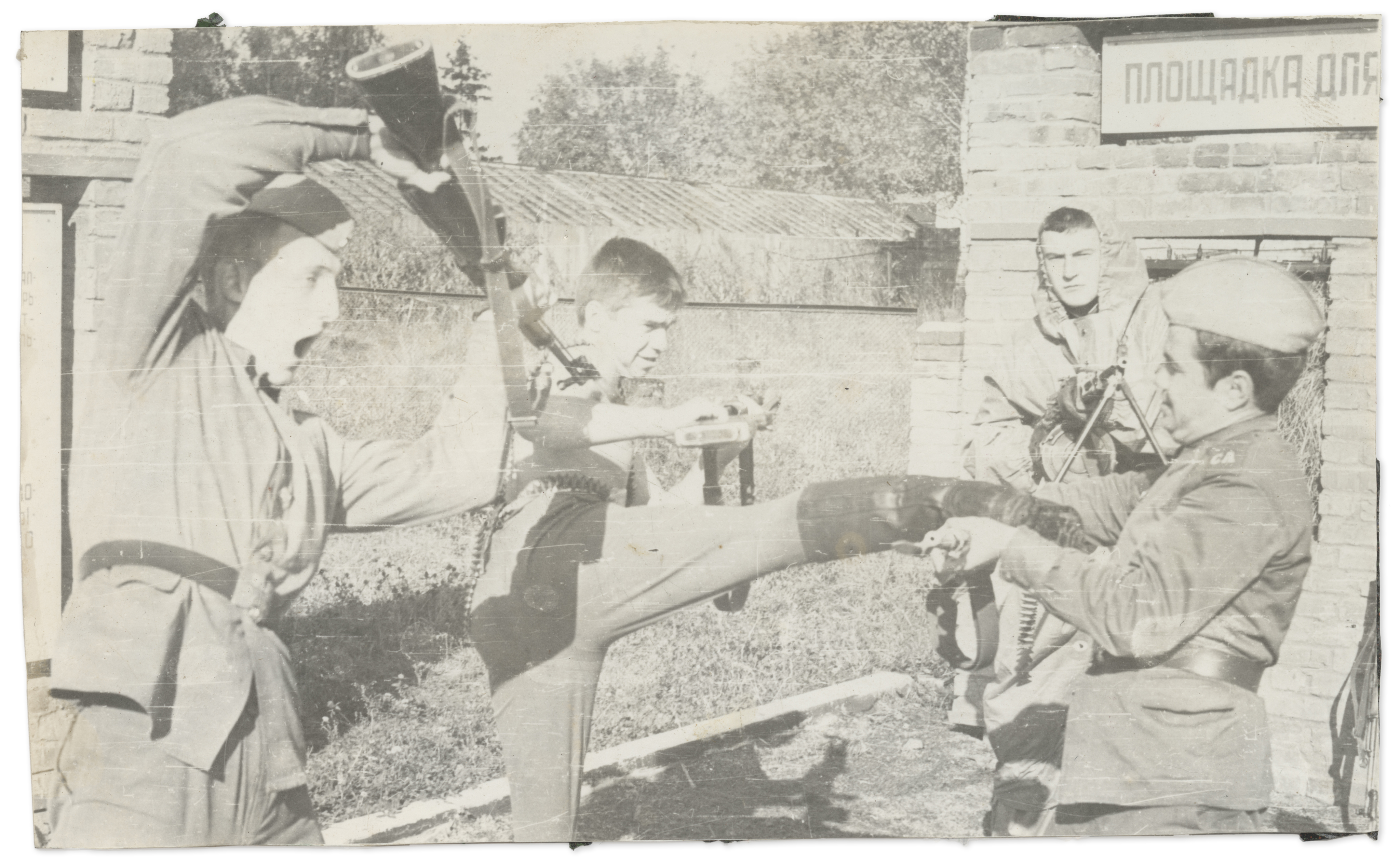
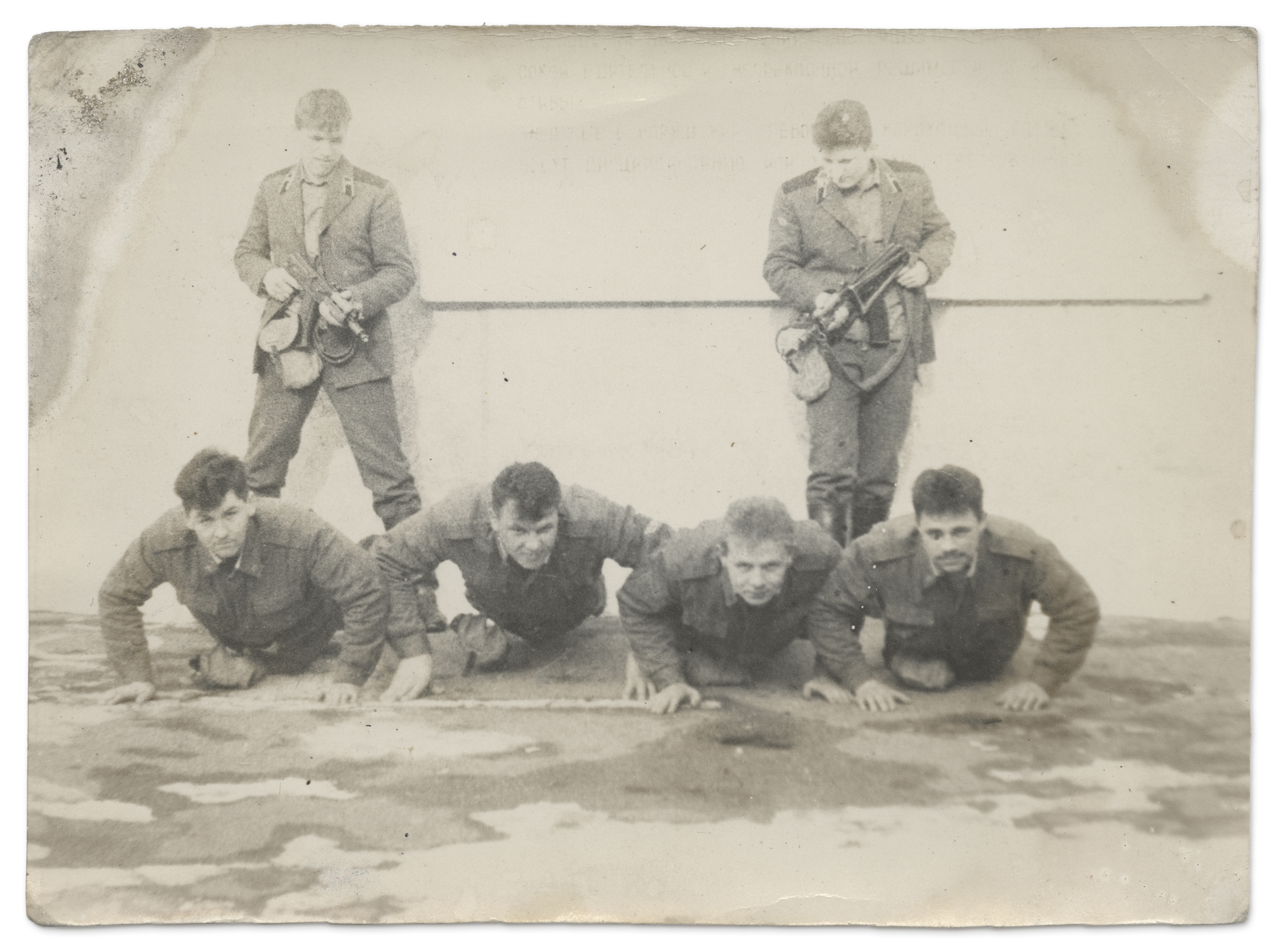
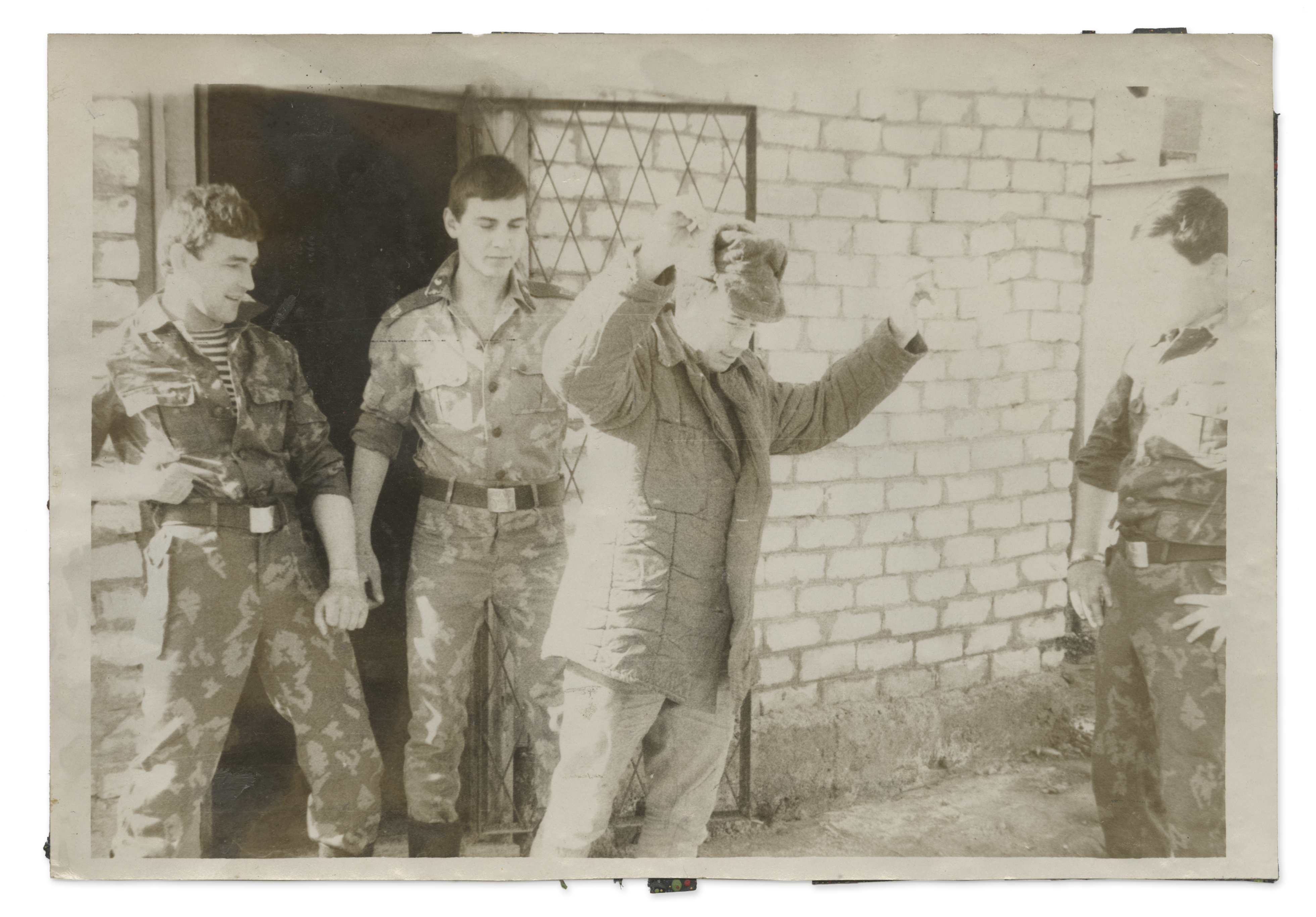
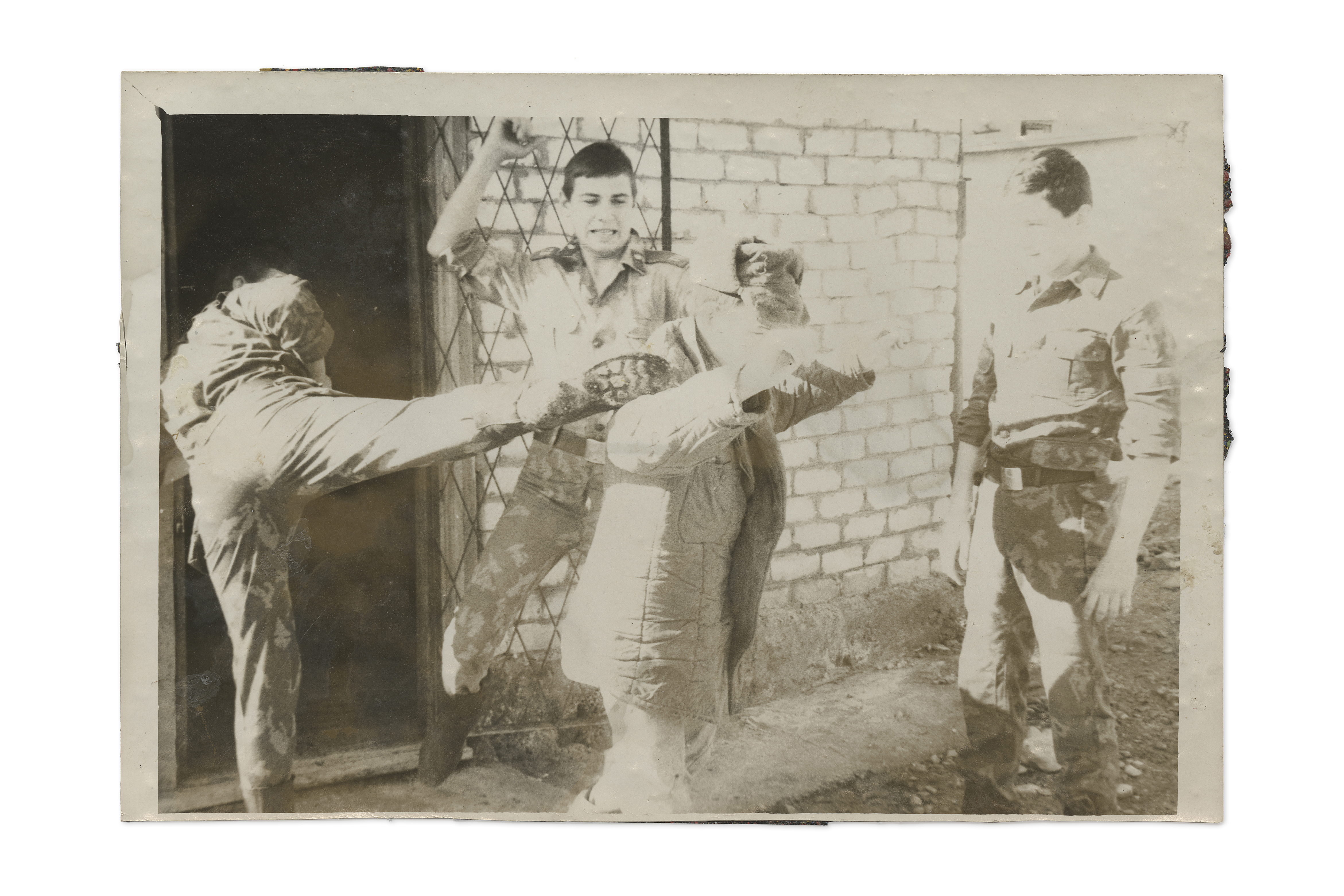
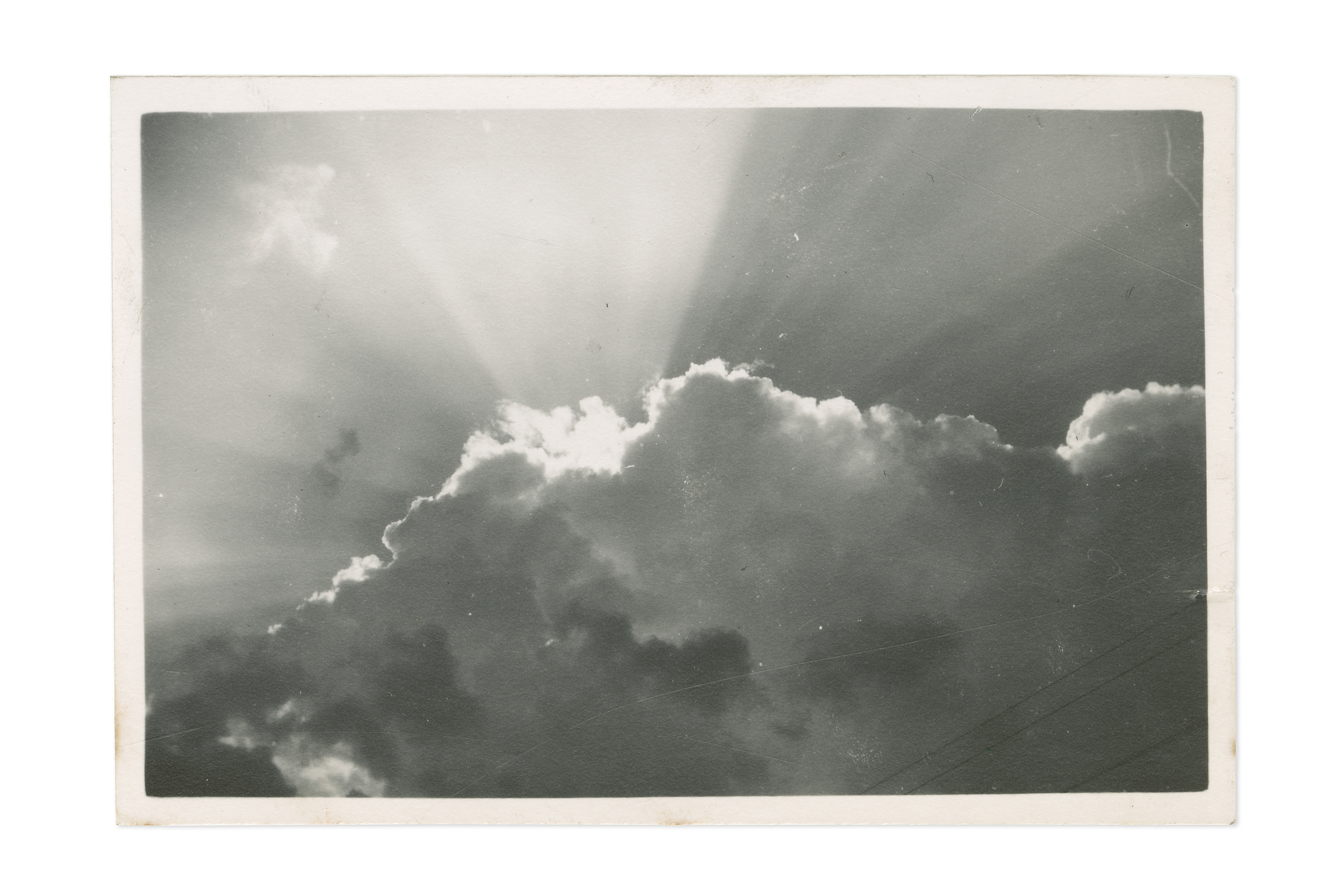
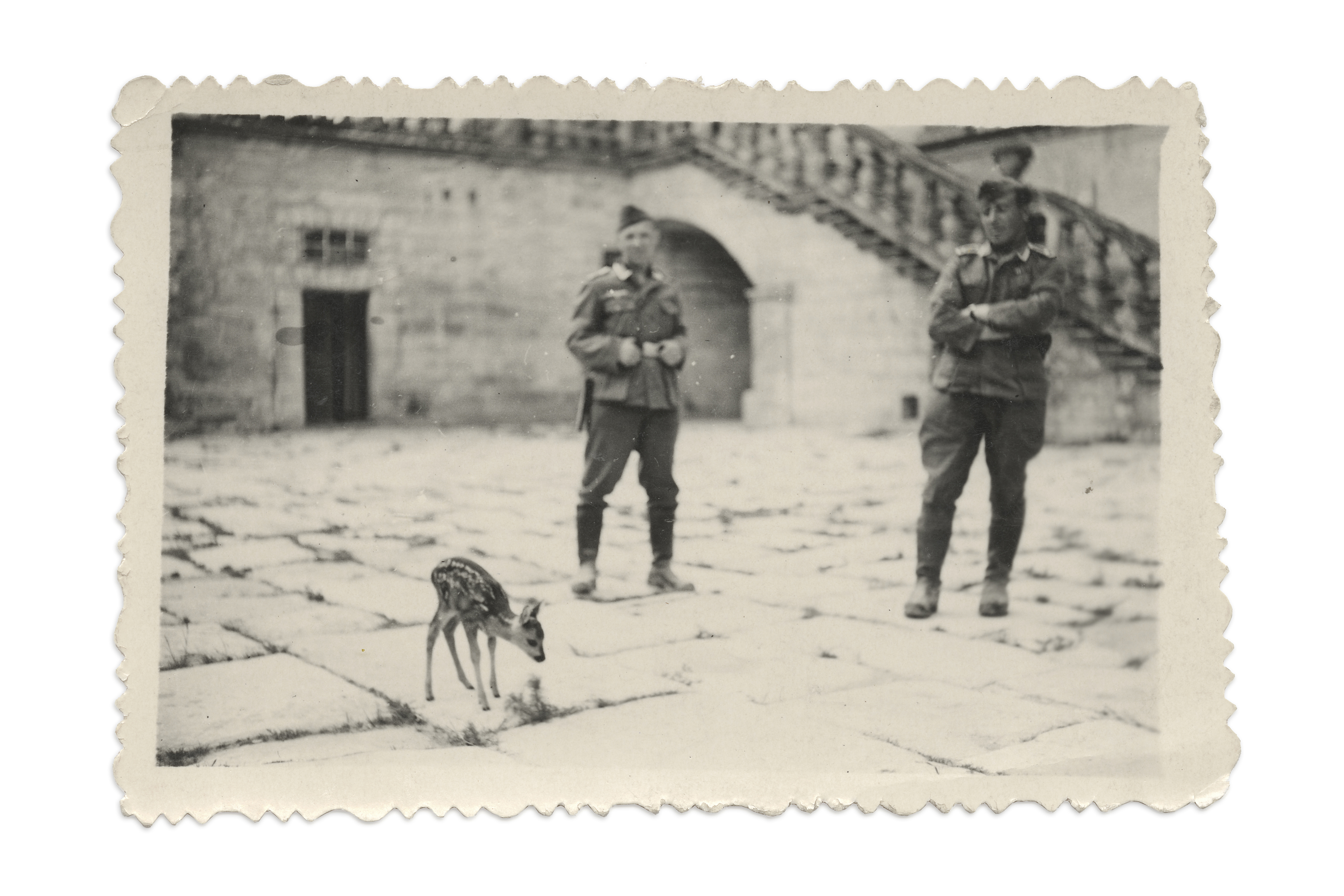
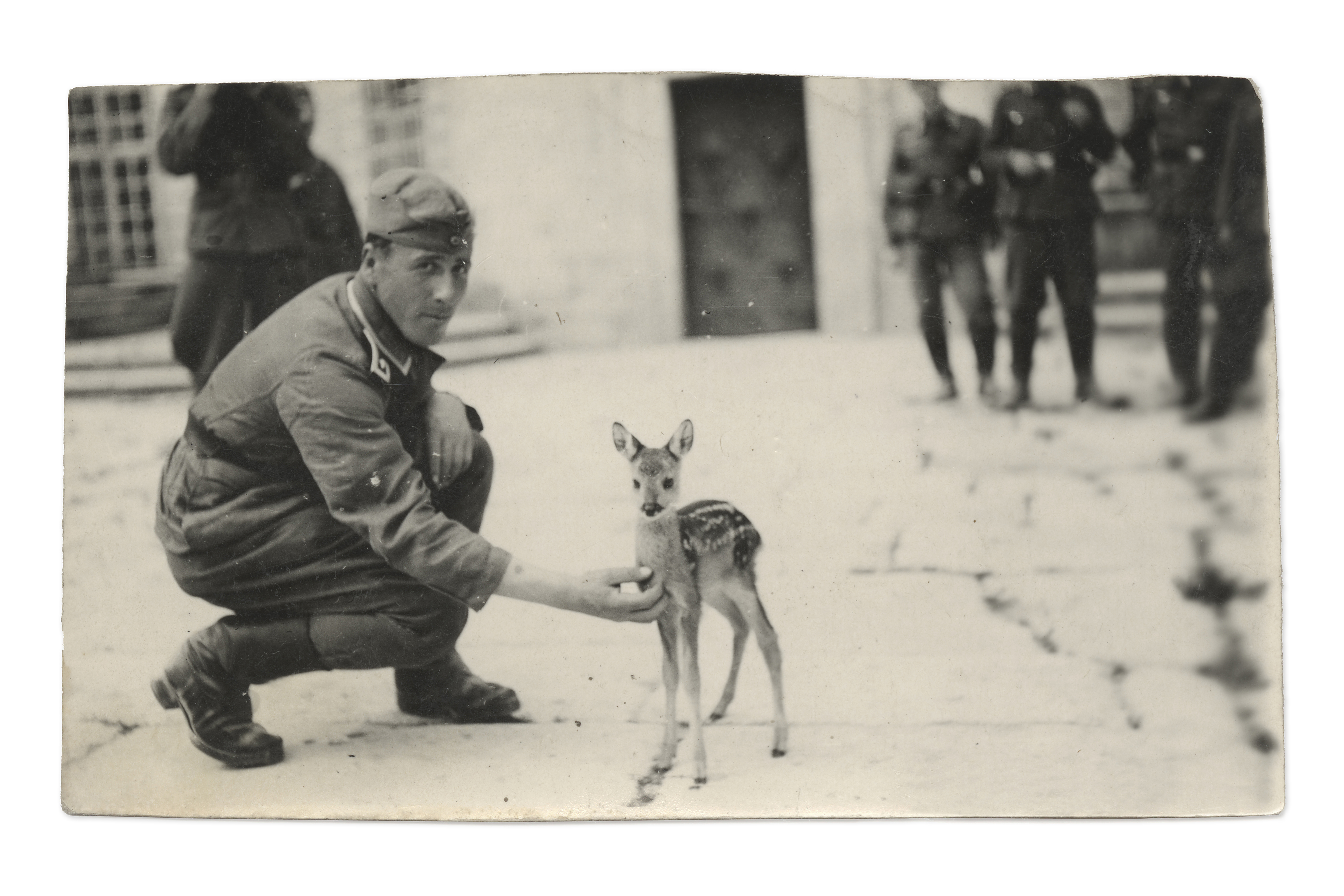
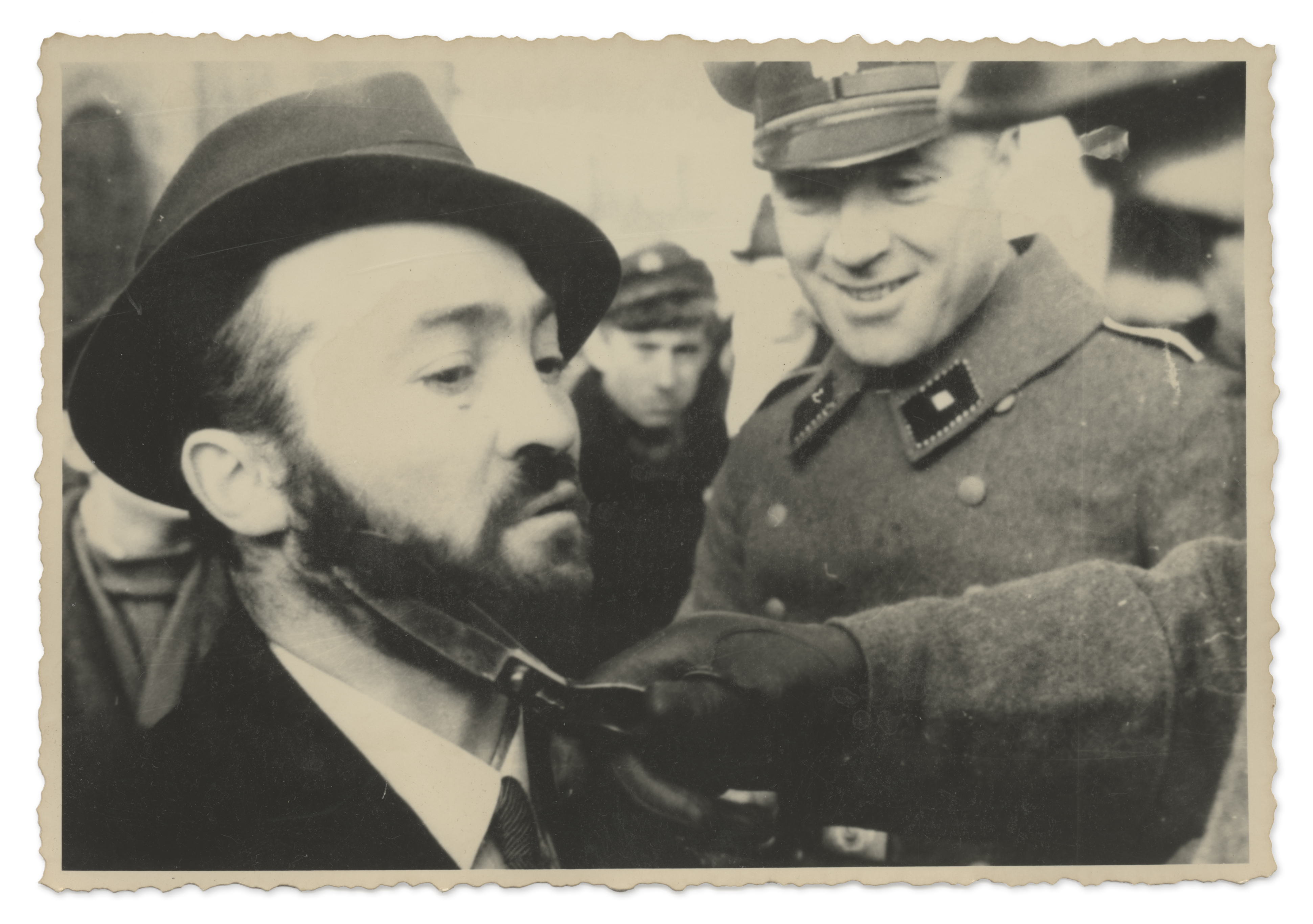
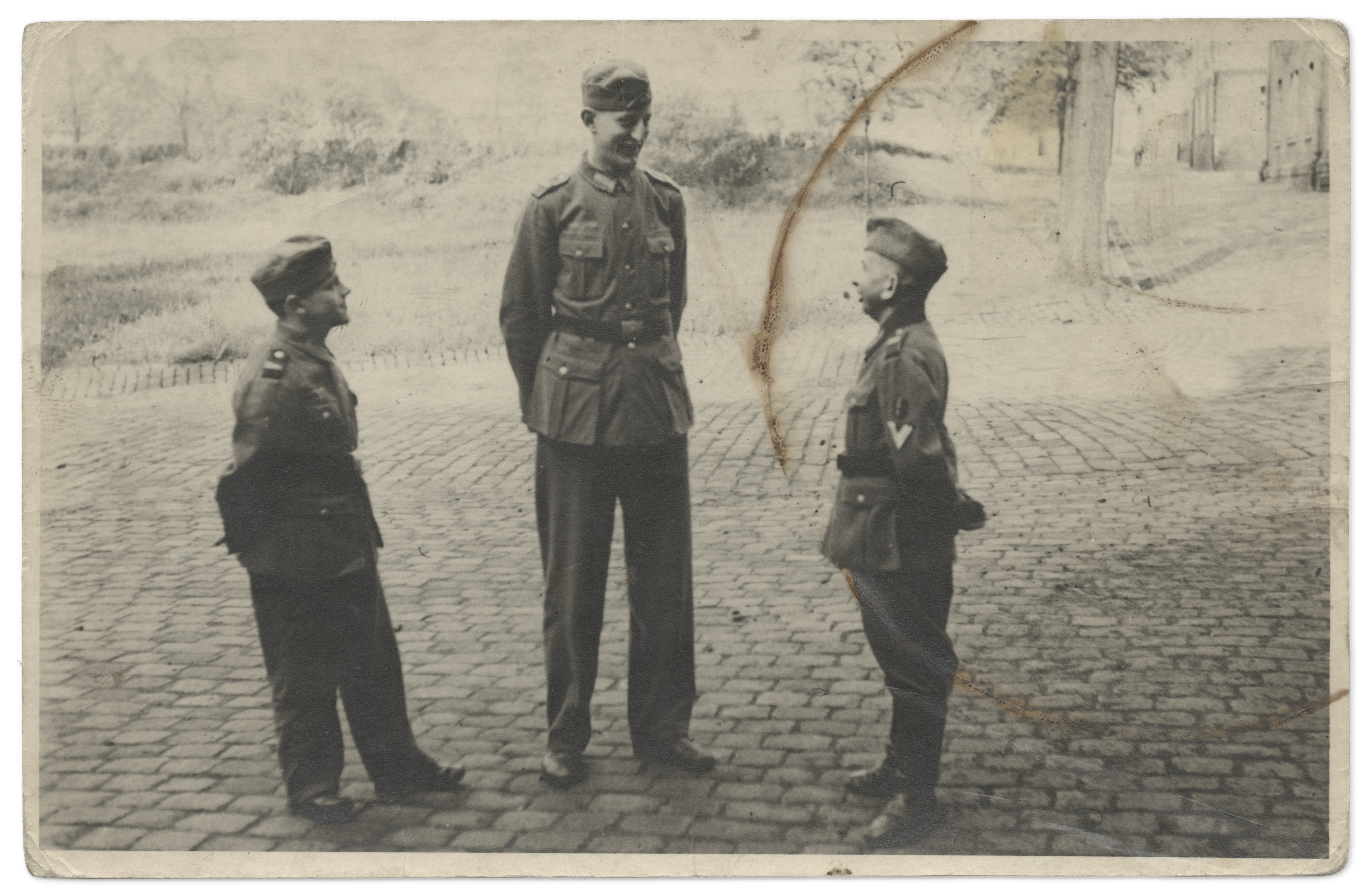
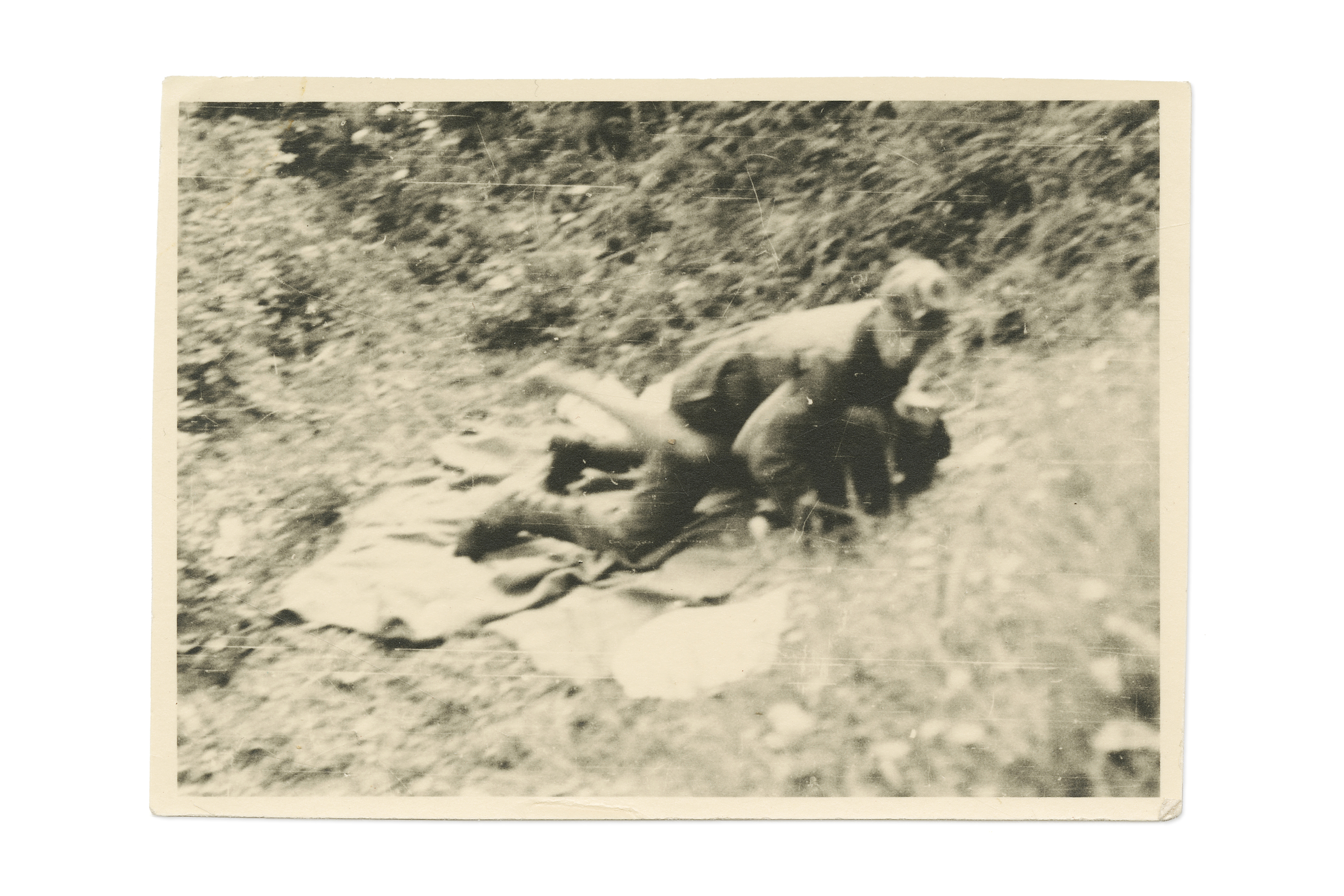
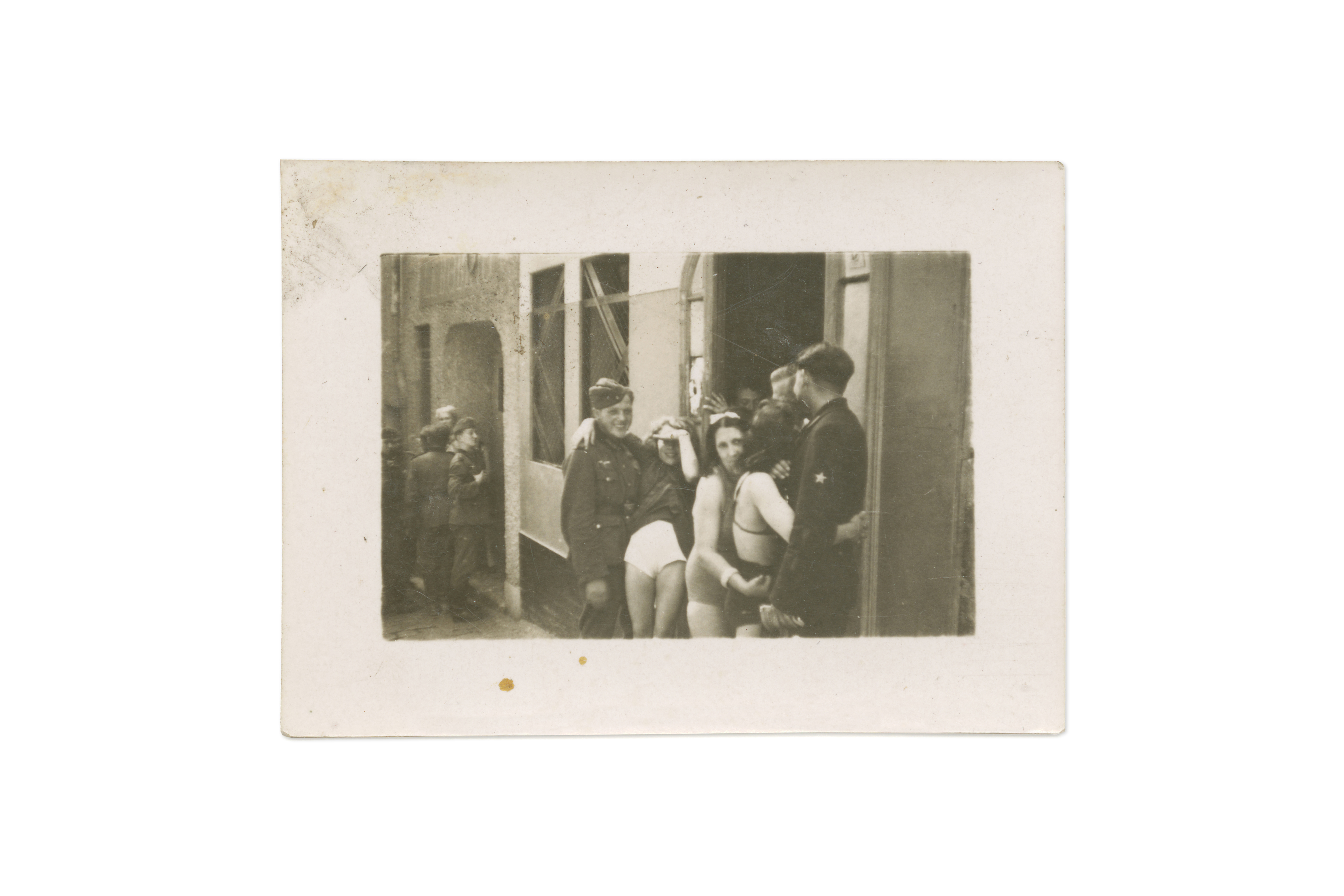
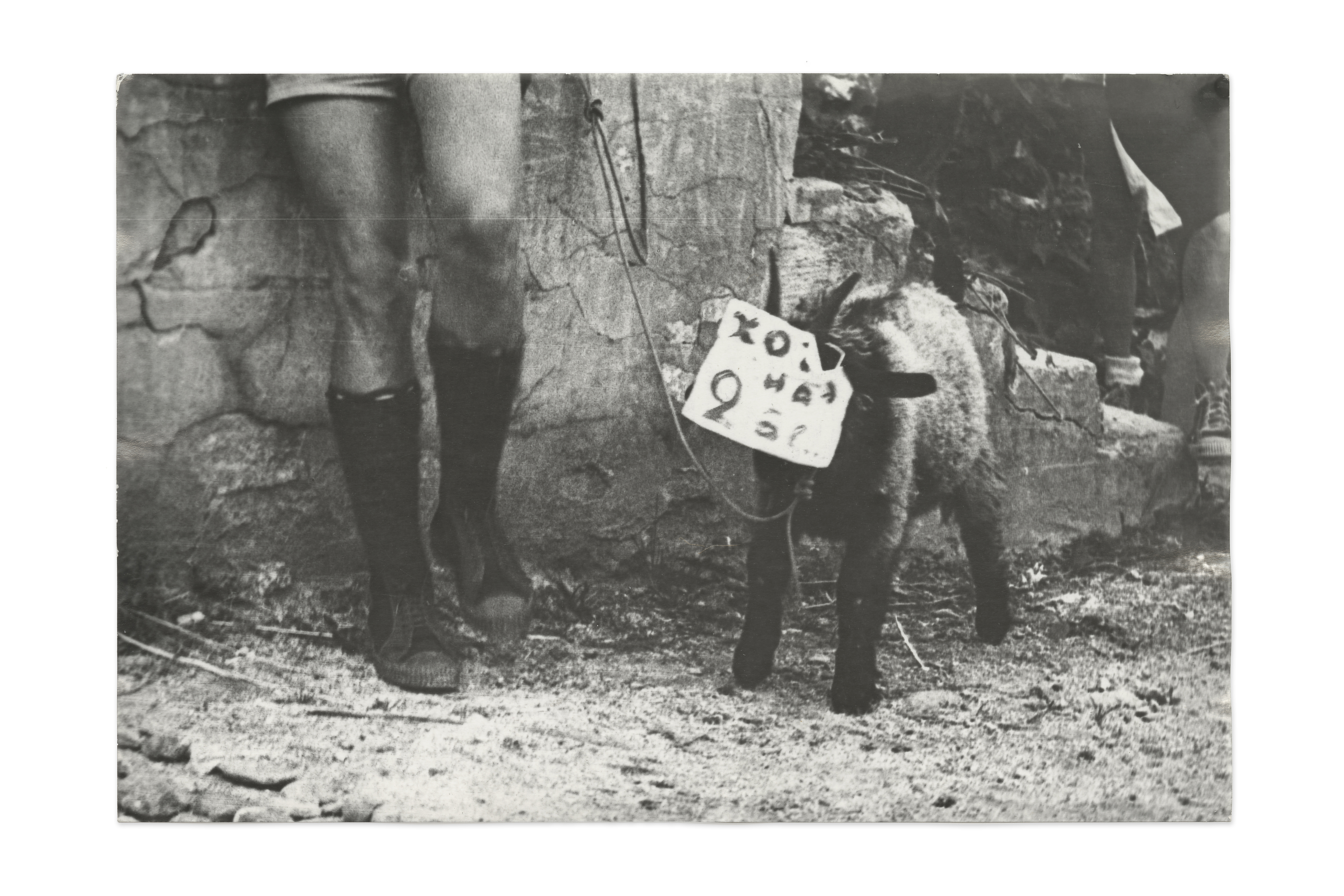
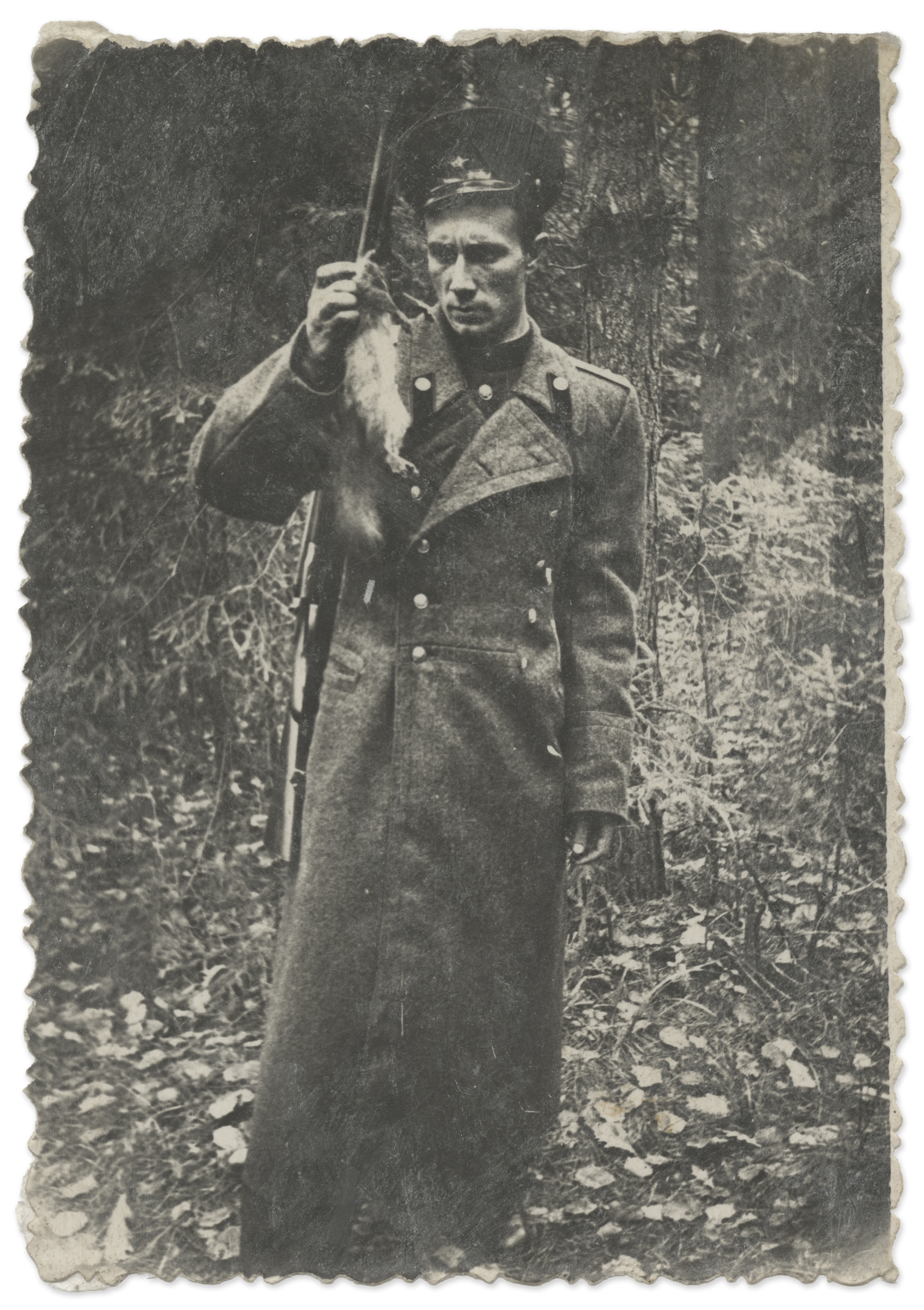
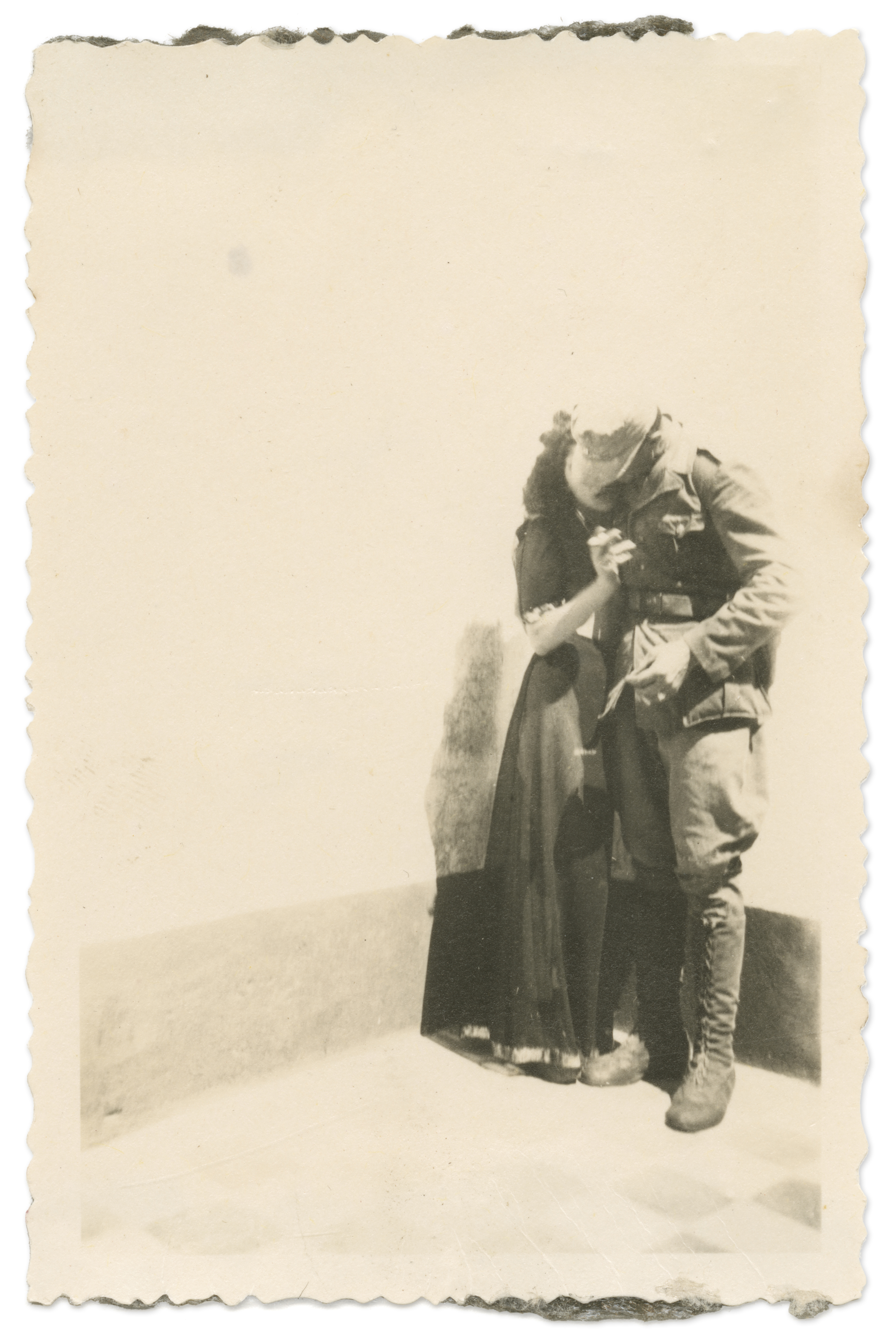
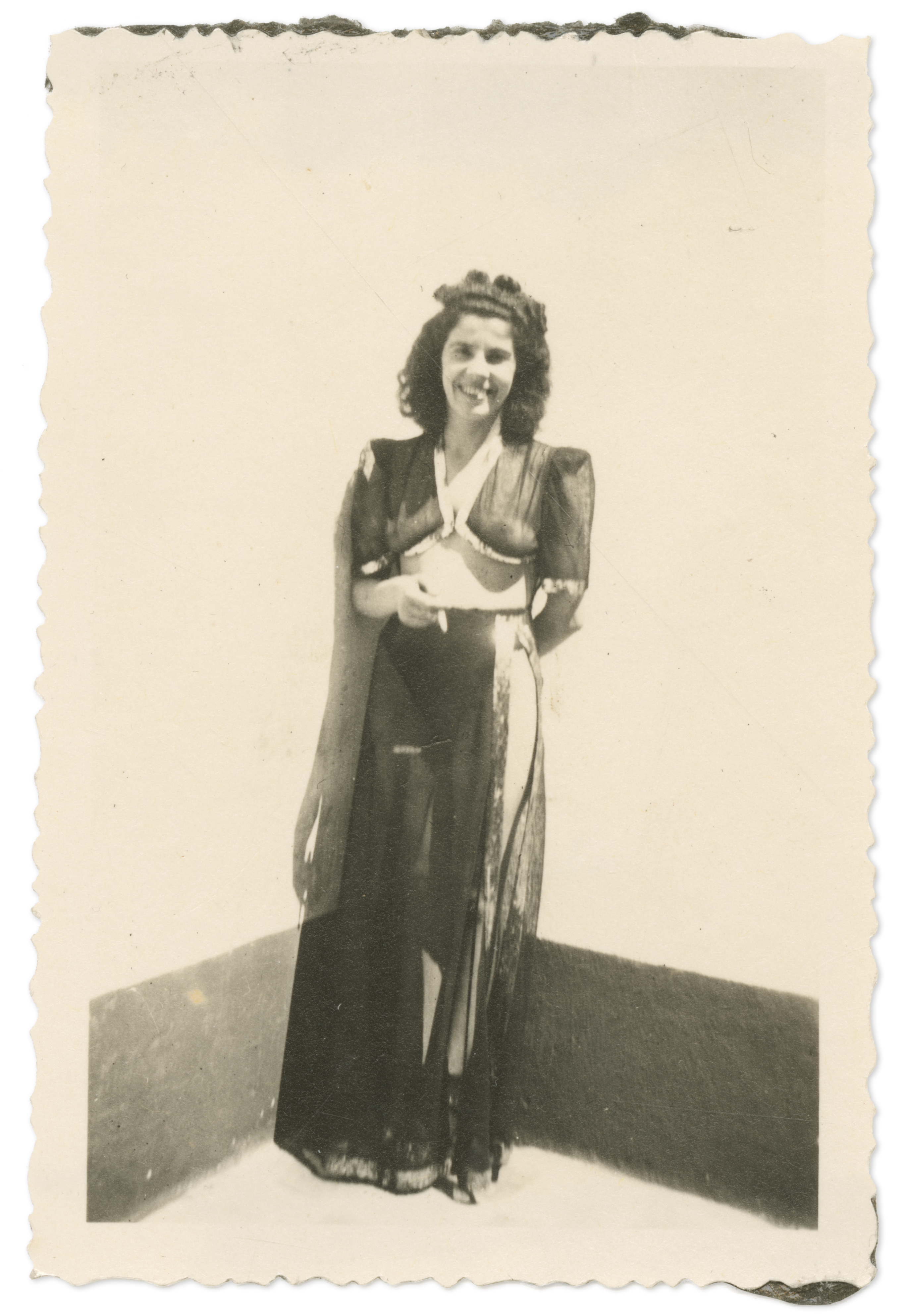
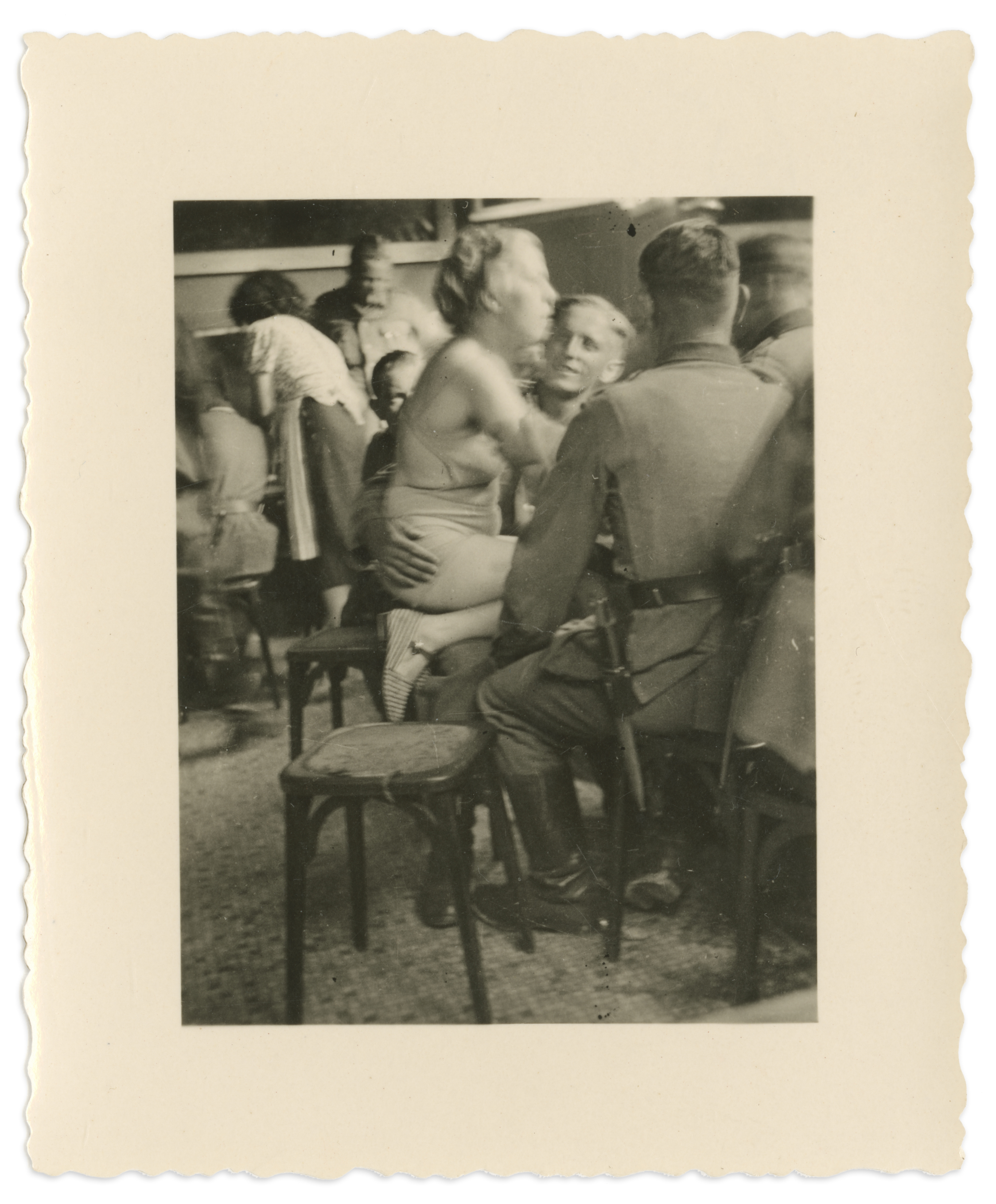
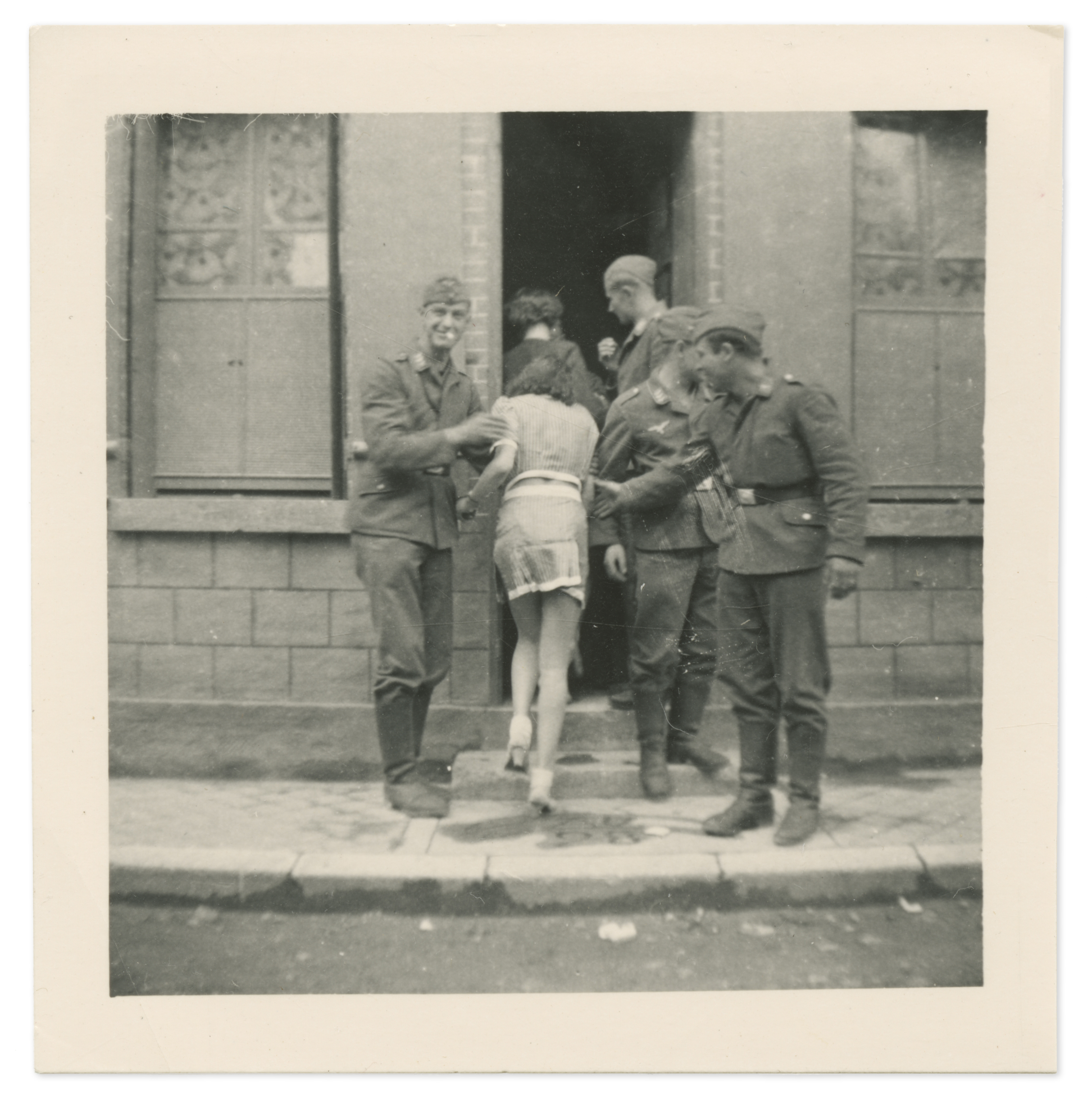
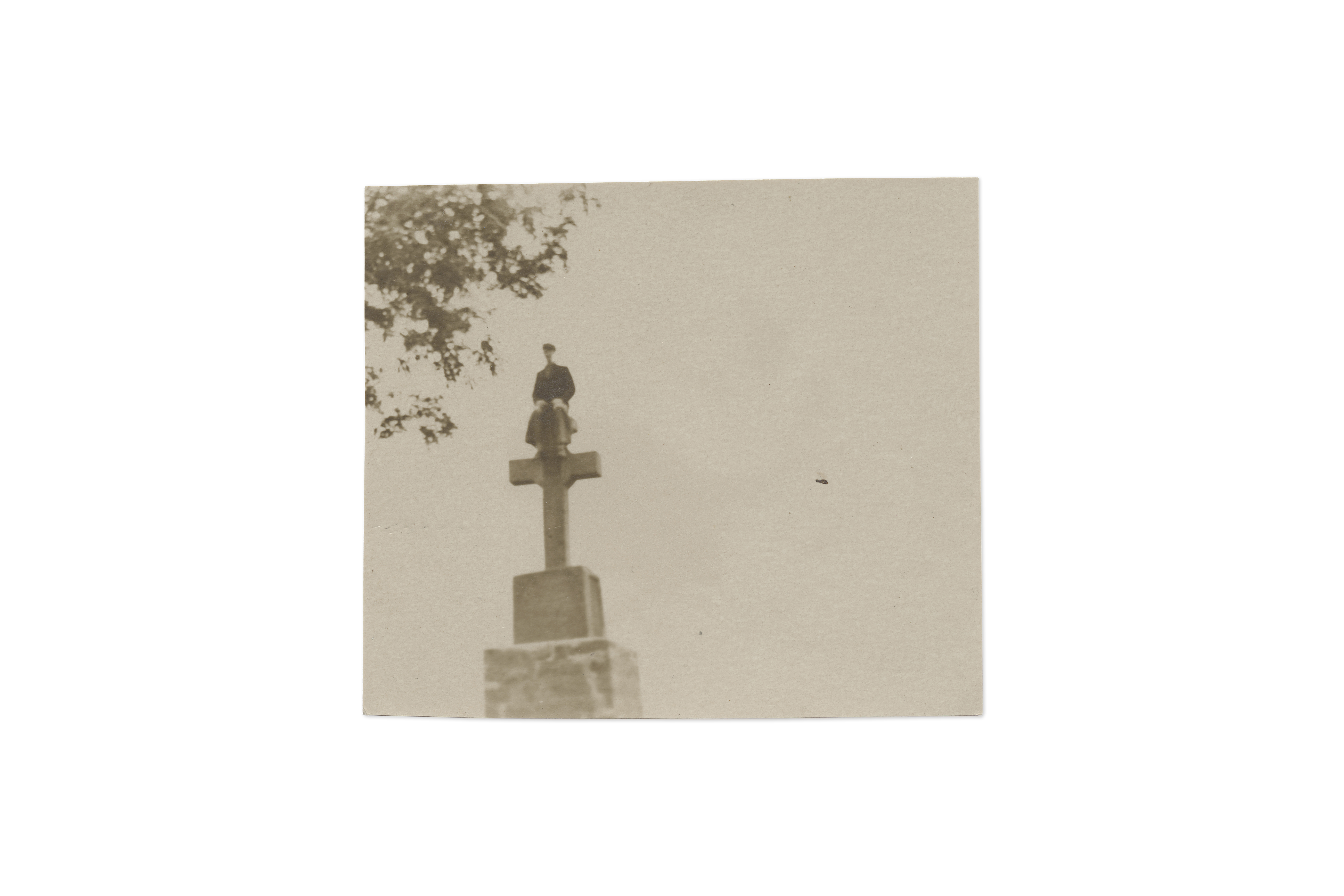
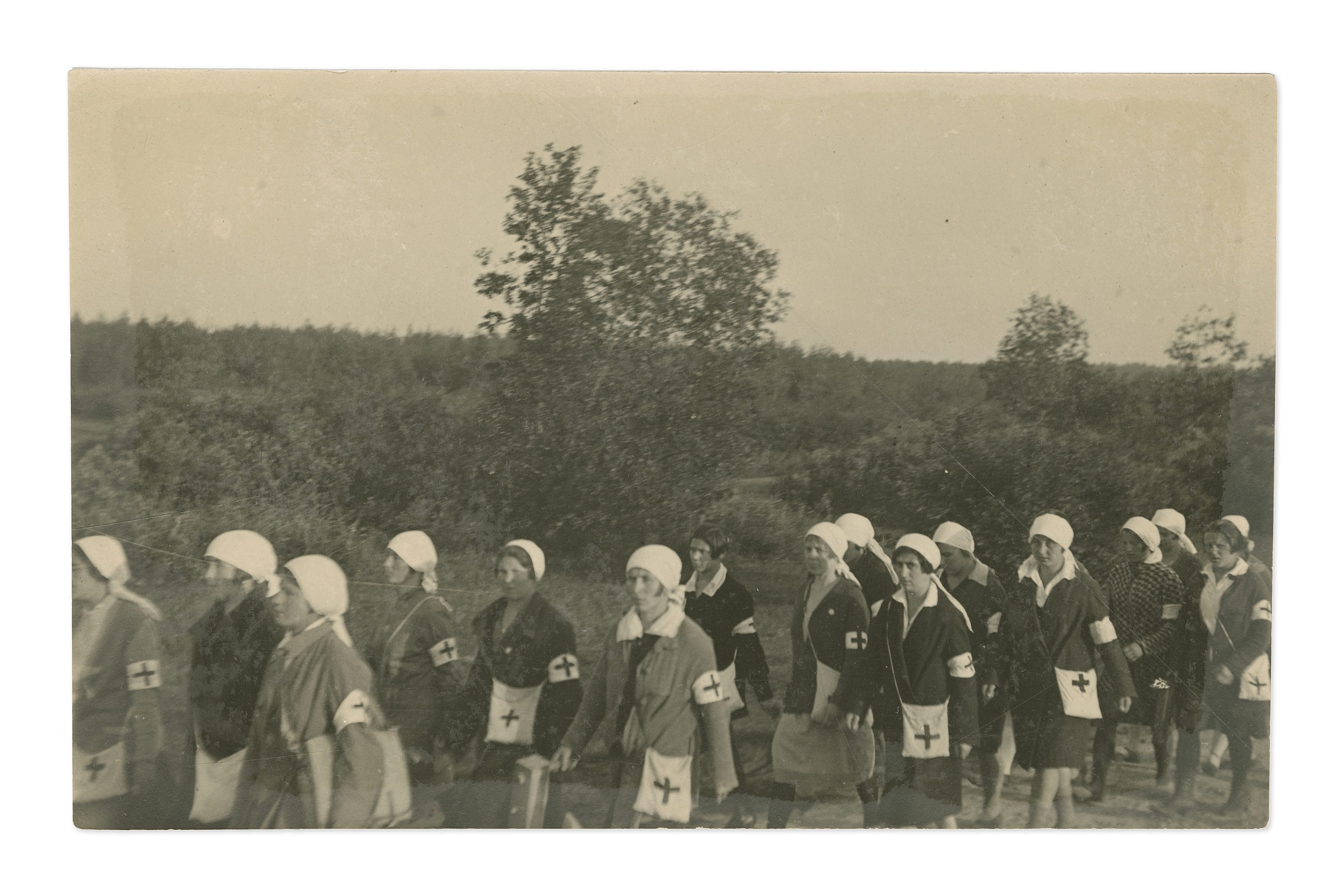
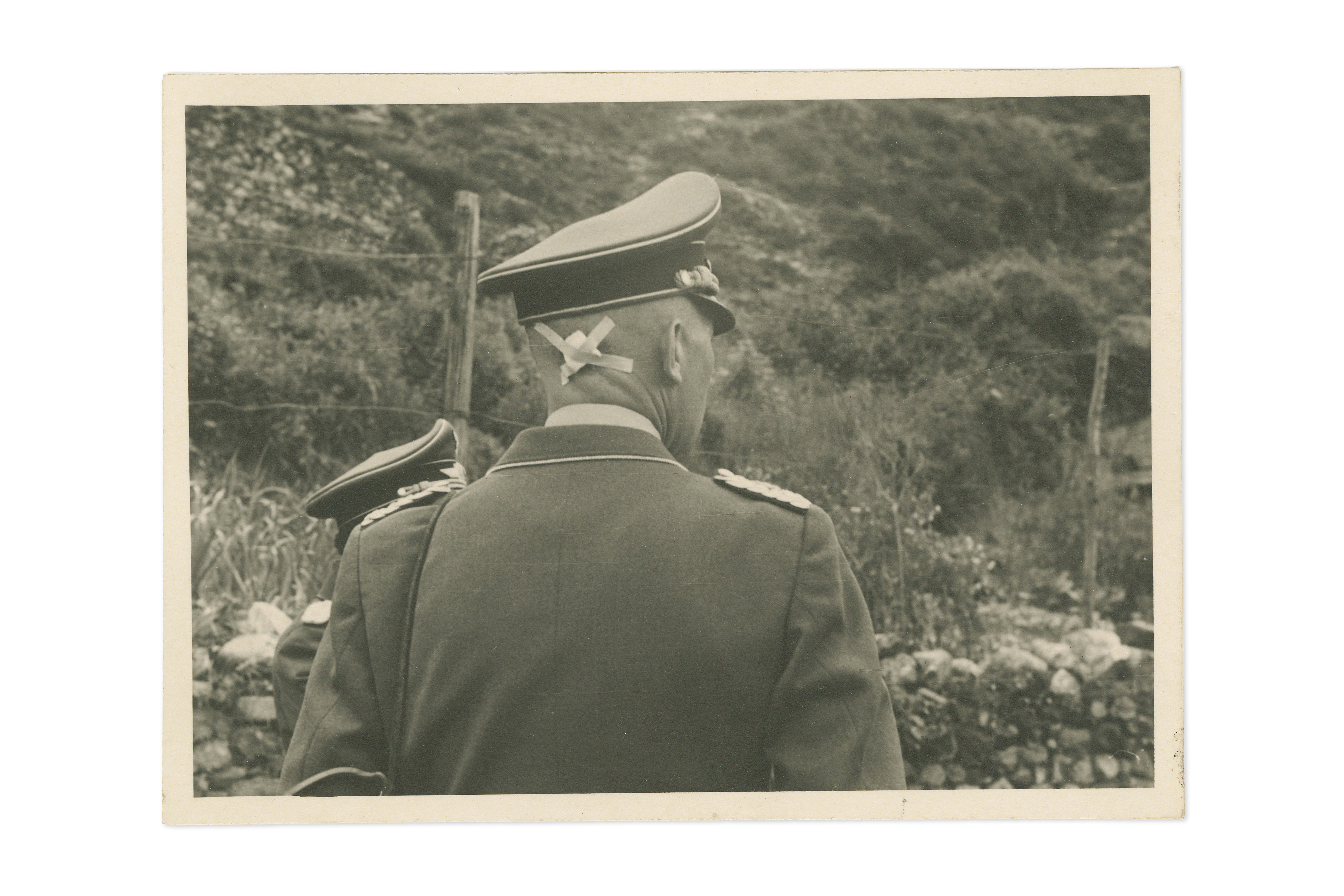
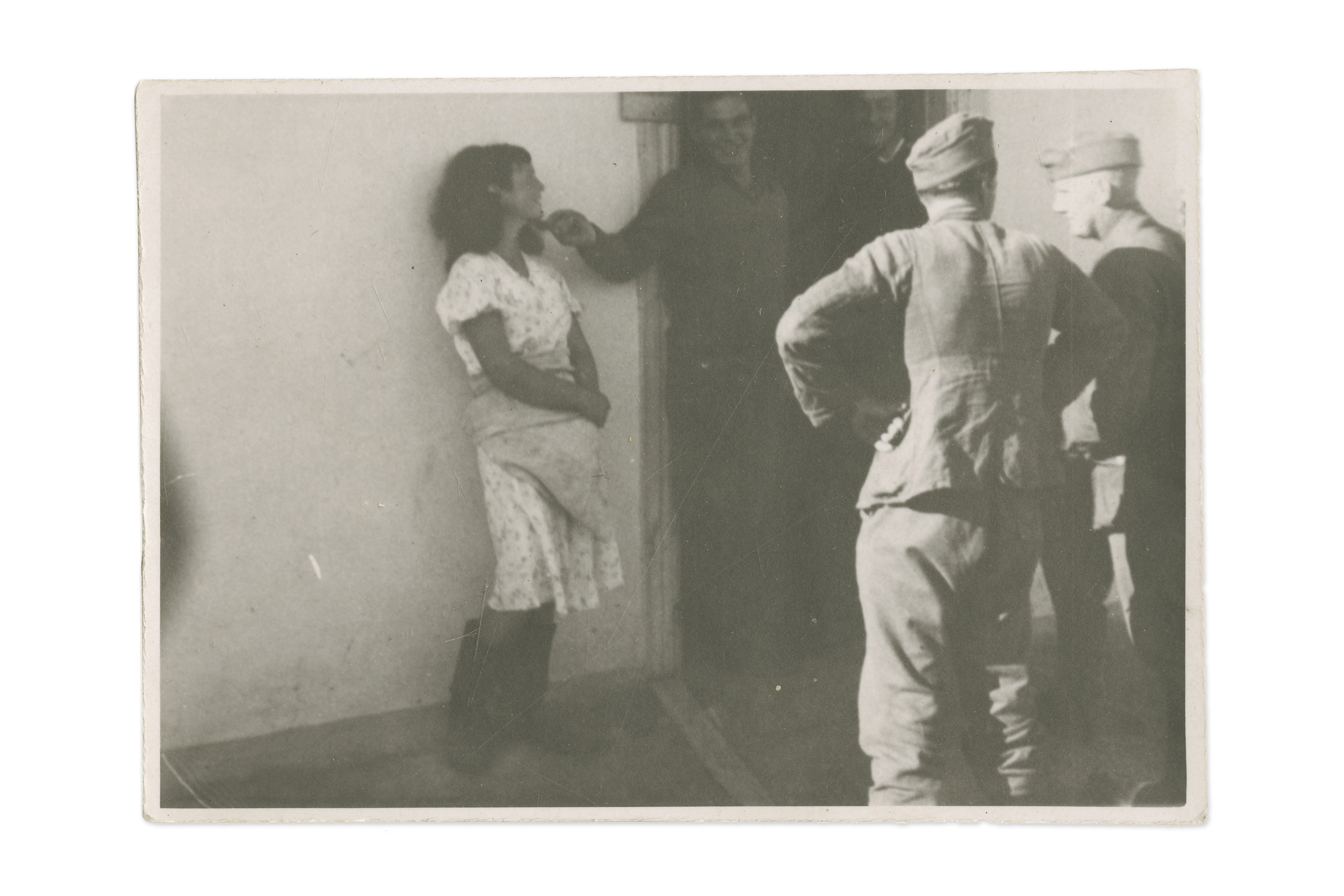
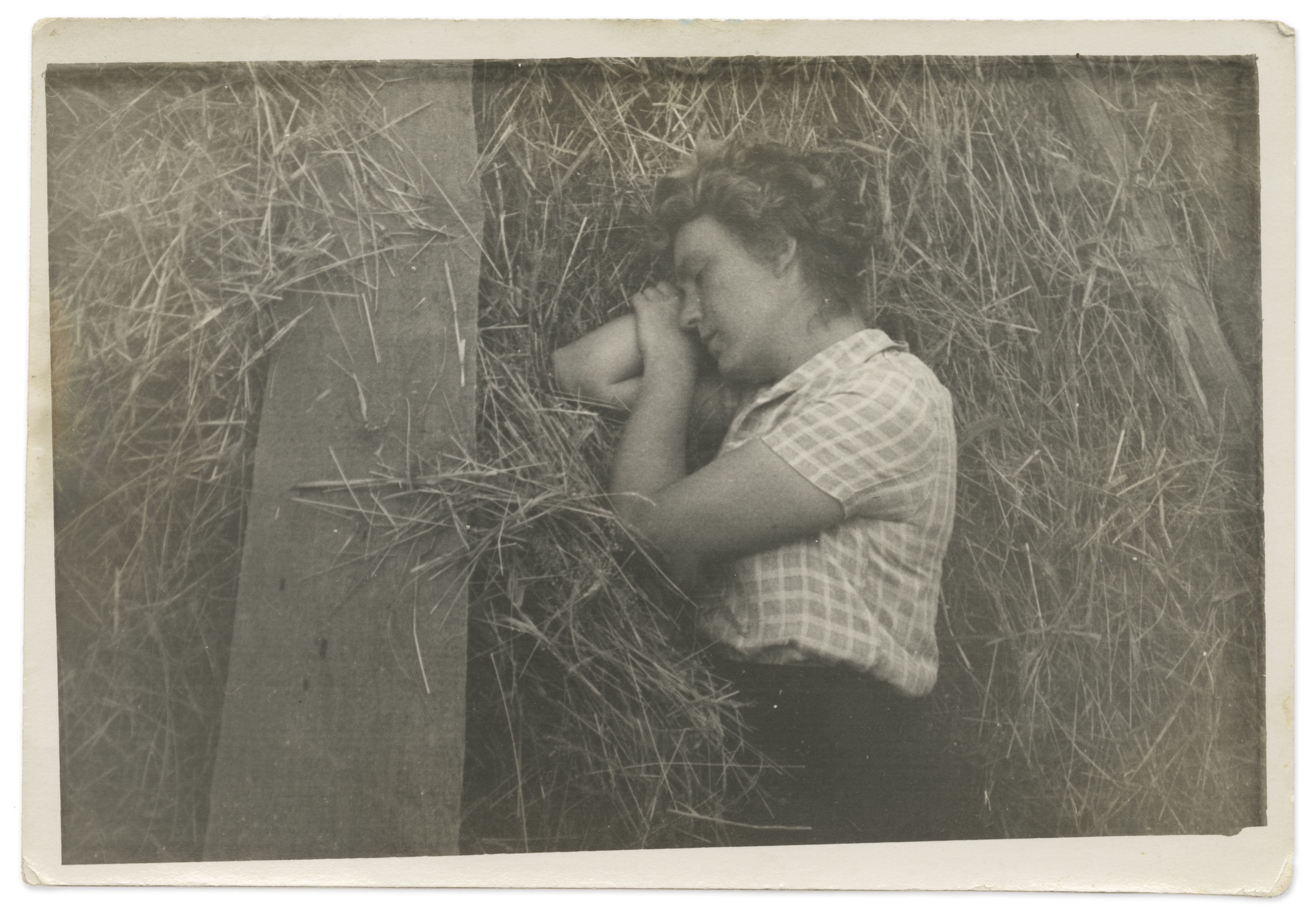
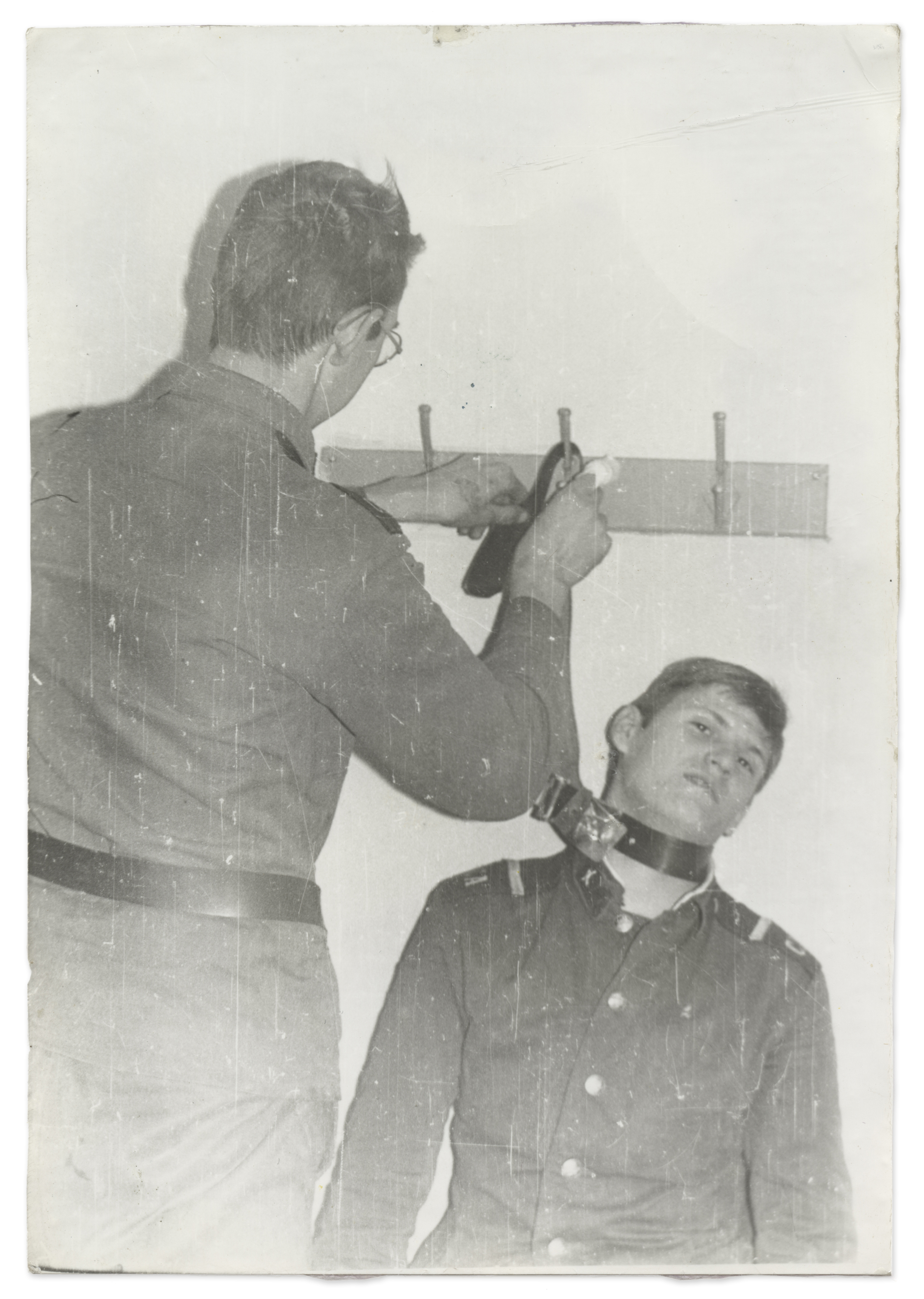
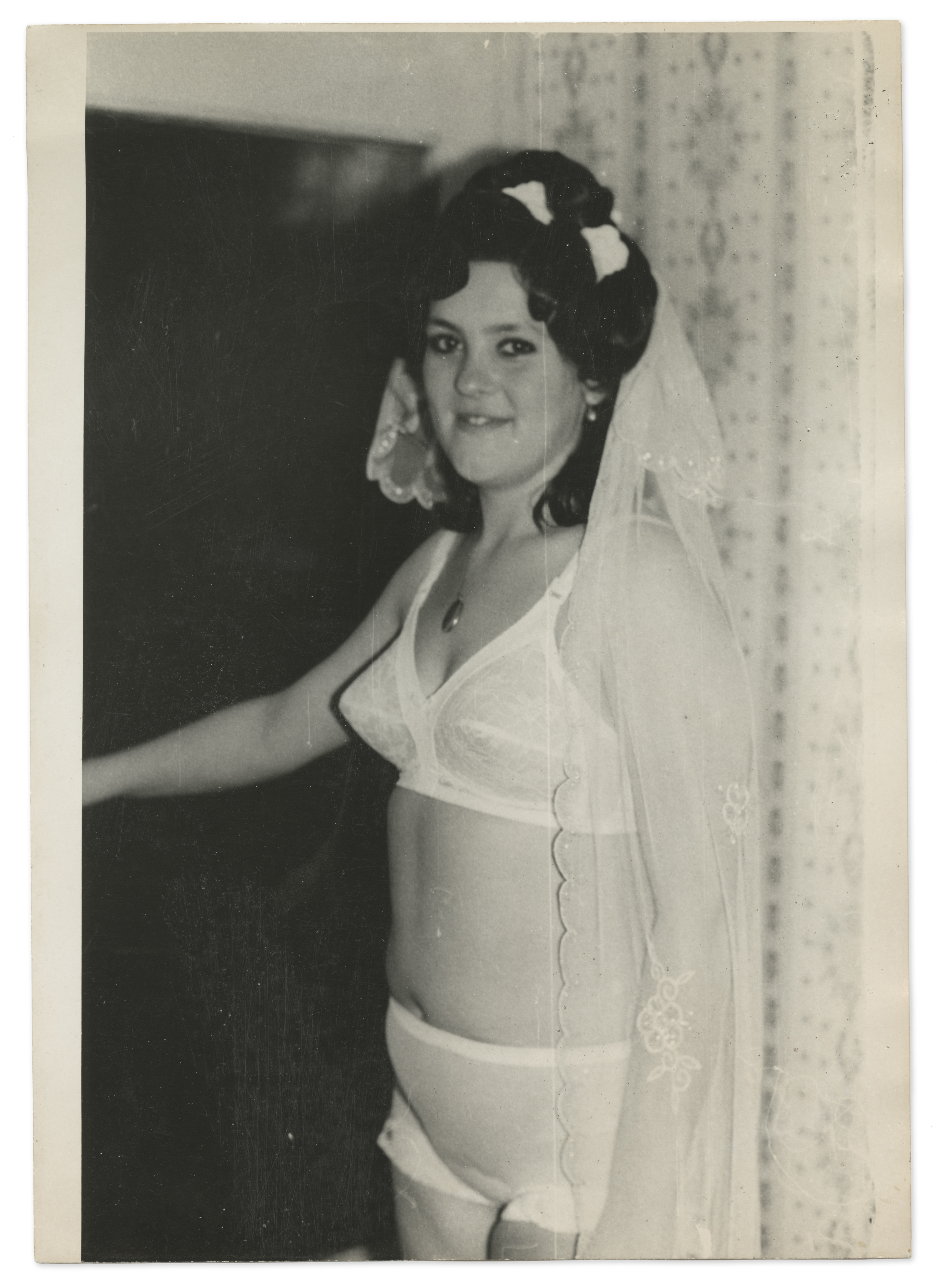
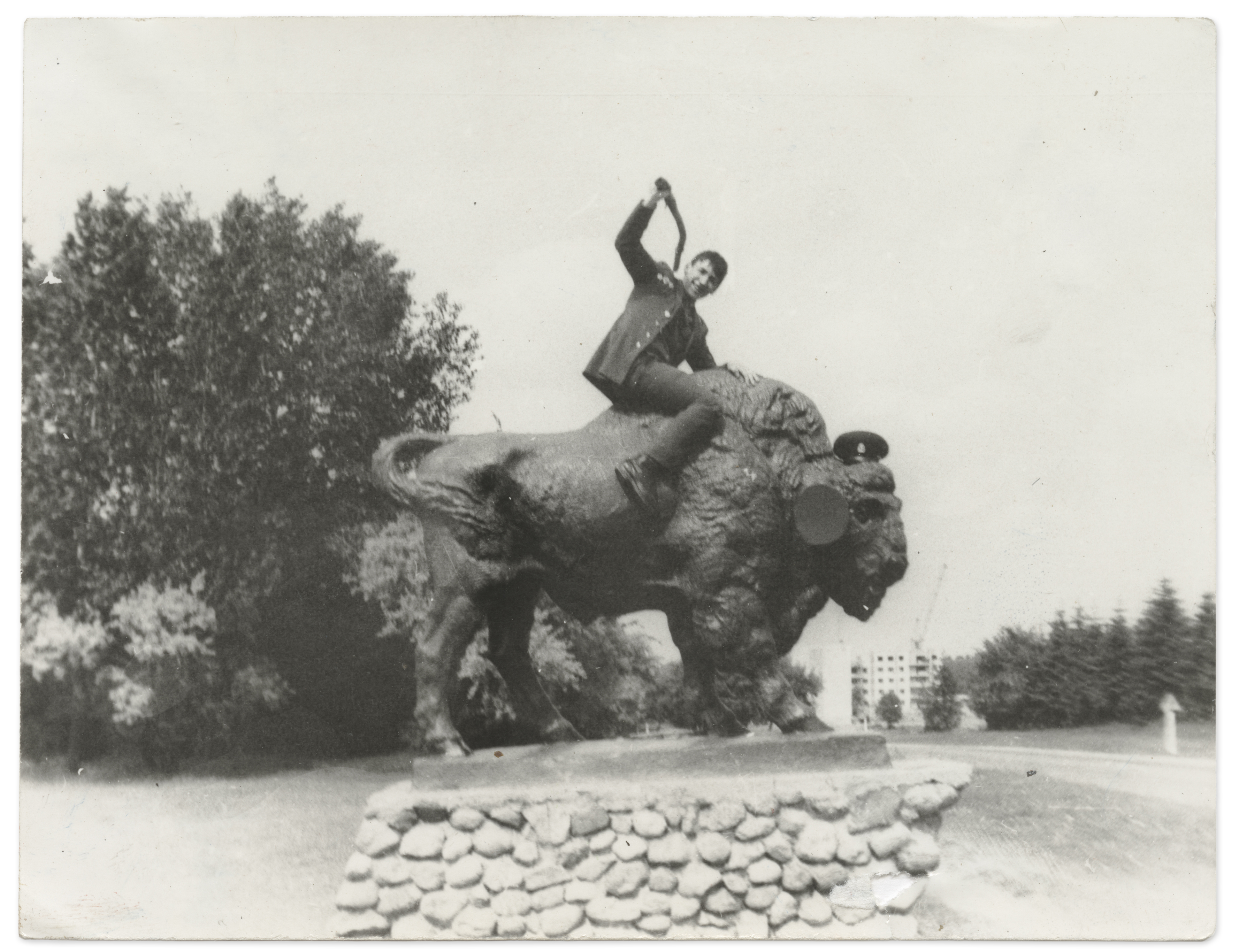
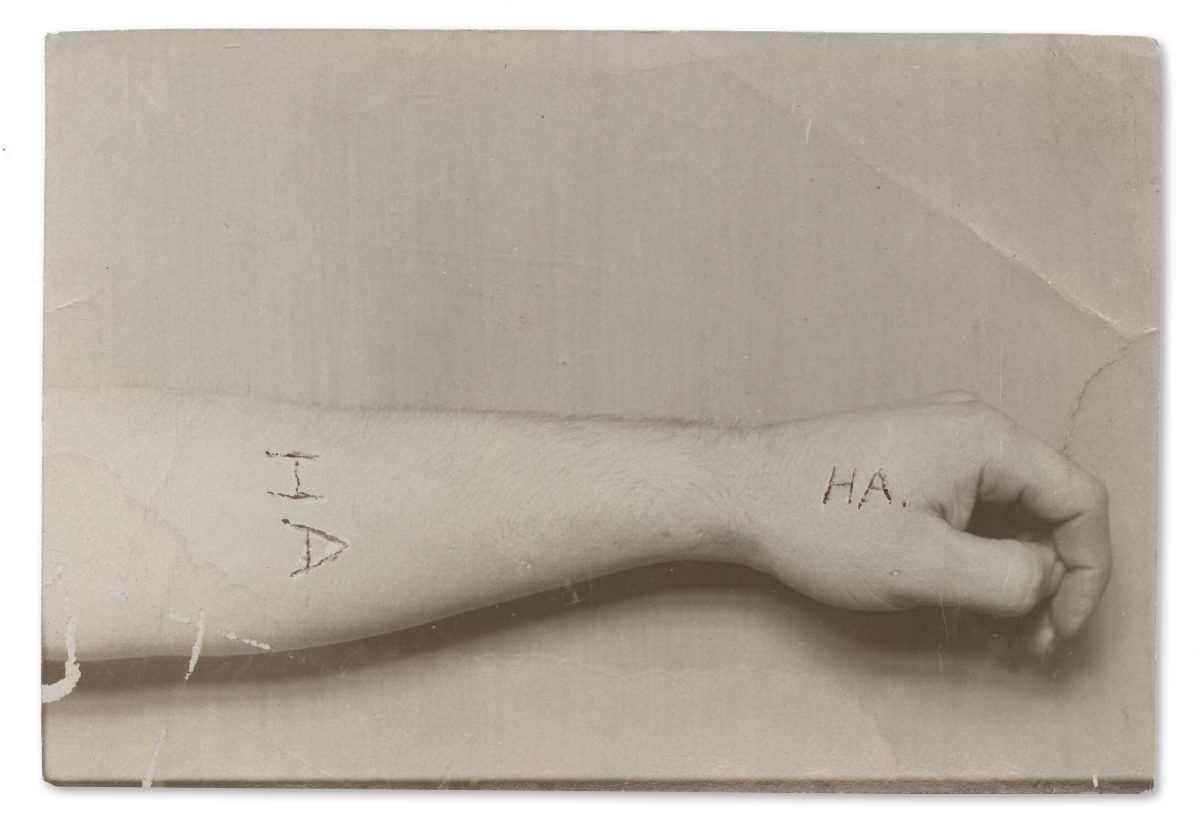
Когда он говорил, он производил воображаемые выстрелы своими руками в форме пистолета or When he spoke he fired imaginary shots with his gun shaped hands, is collection of historical photographs assembled over ten years through a collaboration as singular as the archive it produced: a partnership between Edgar Martins, the Archive of Modern Conflict (UK), and two close friends — a Ukrainian and a Russian soldier, both avid photographers and collectors — who have chosen to remain anonymous, fearing reprisals from their respective communities. That two men whose parents fought on the same side within the Soviet Union should now navigate the shadow of a war that places their nations in direct opposition lends the project a historical irony so acute it becomes, itself, a kind of subject.
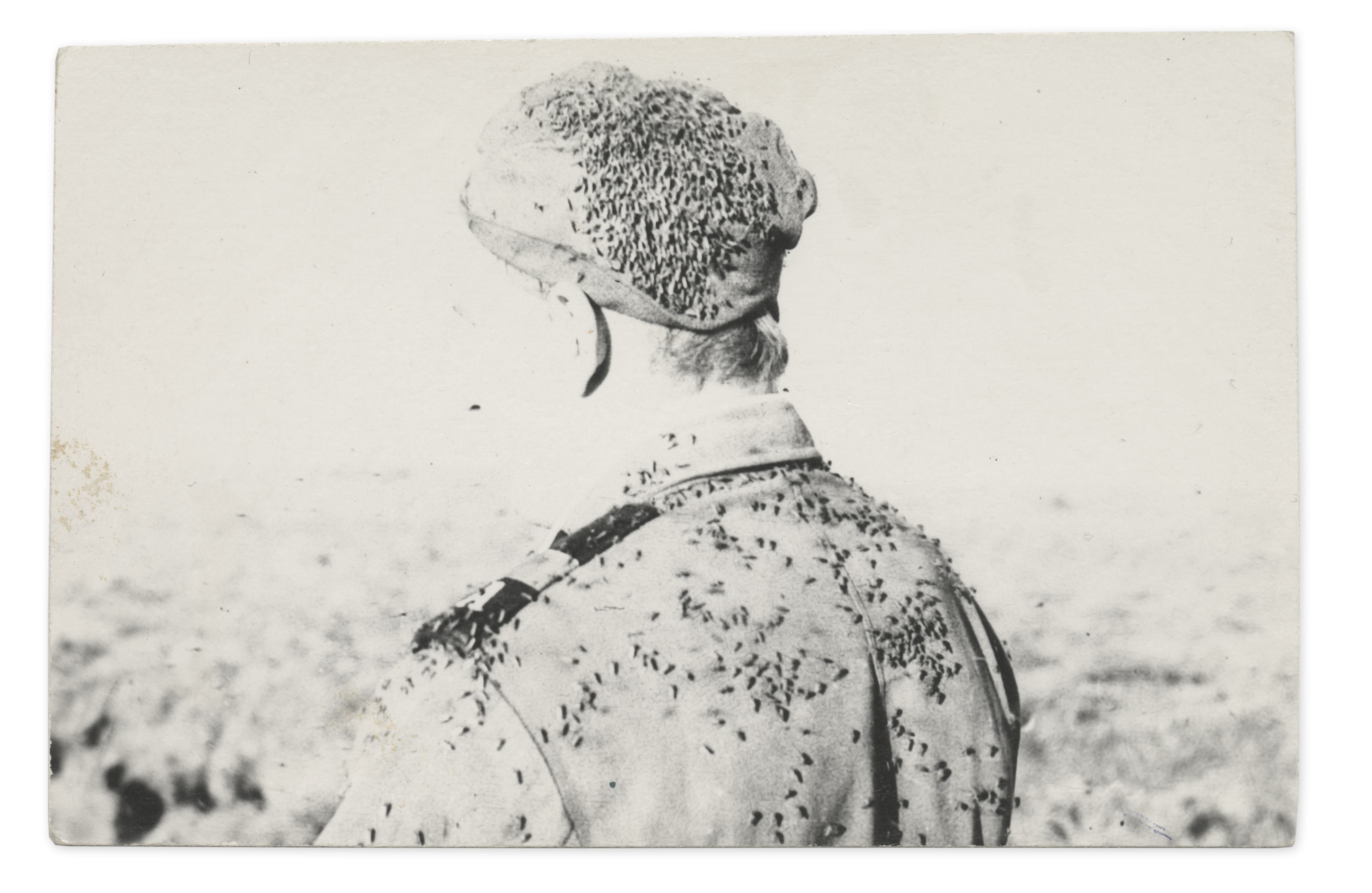
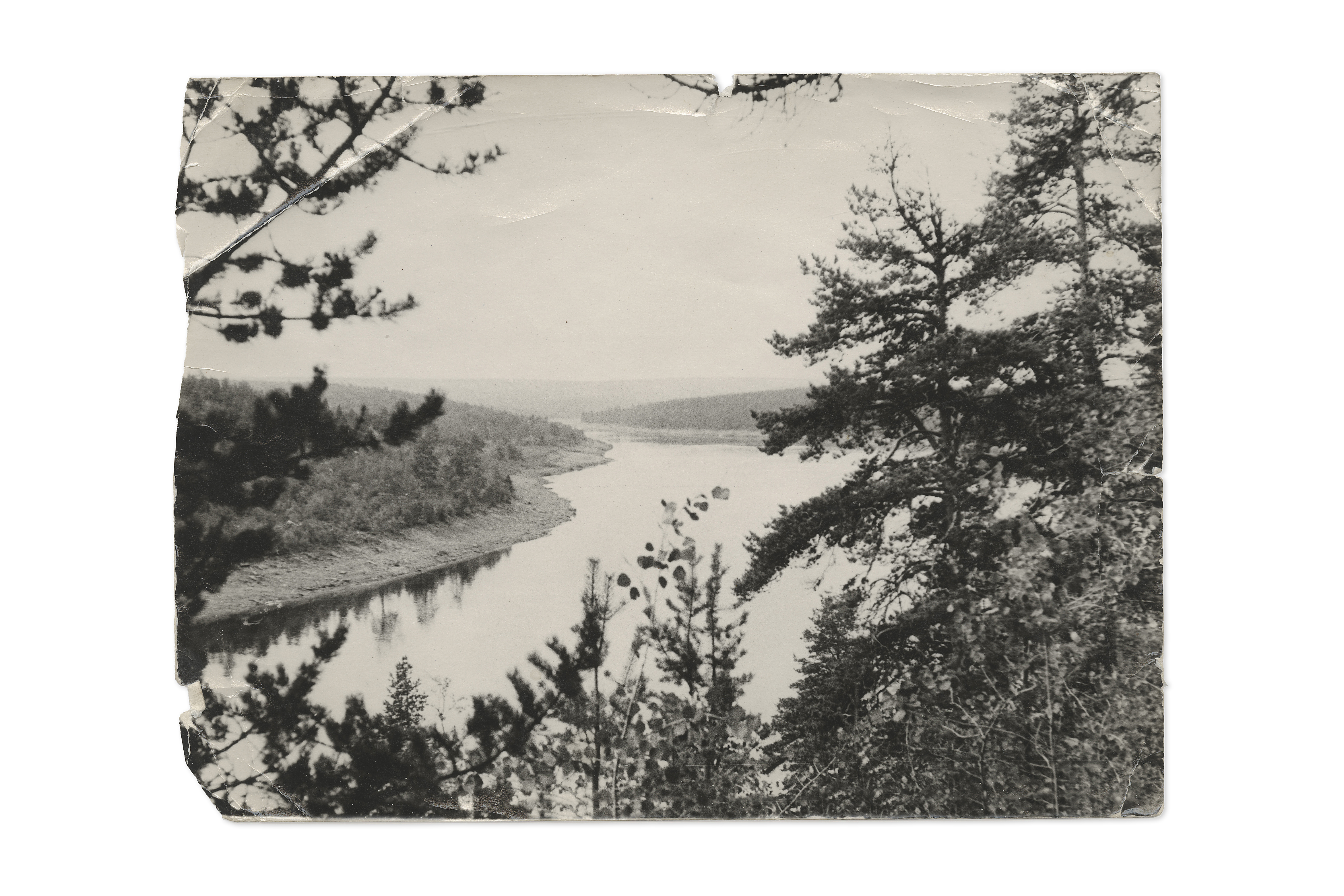
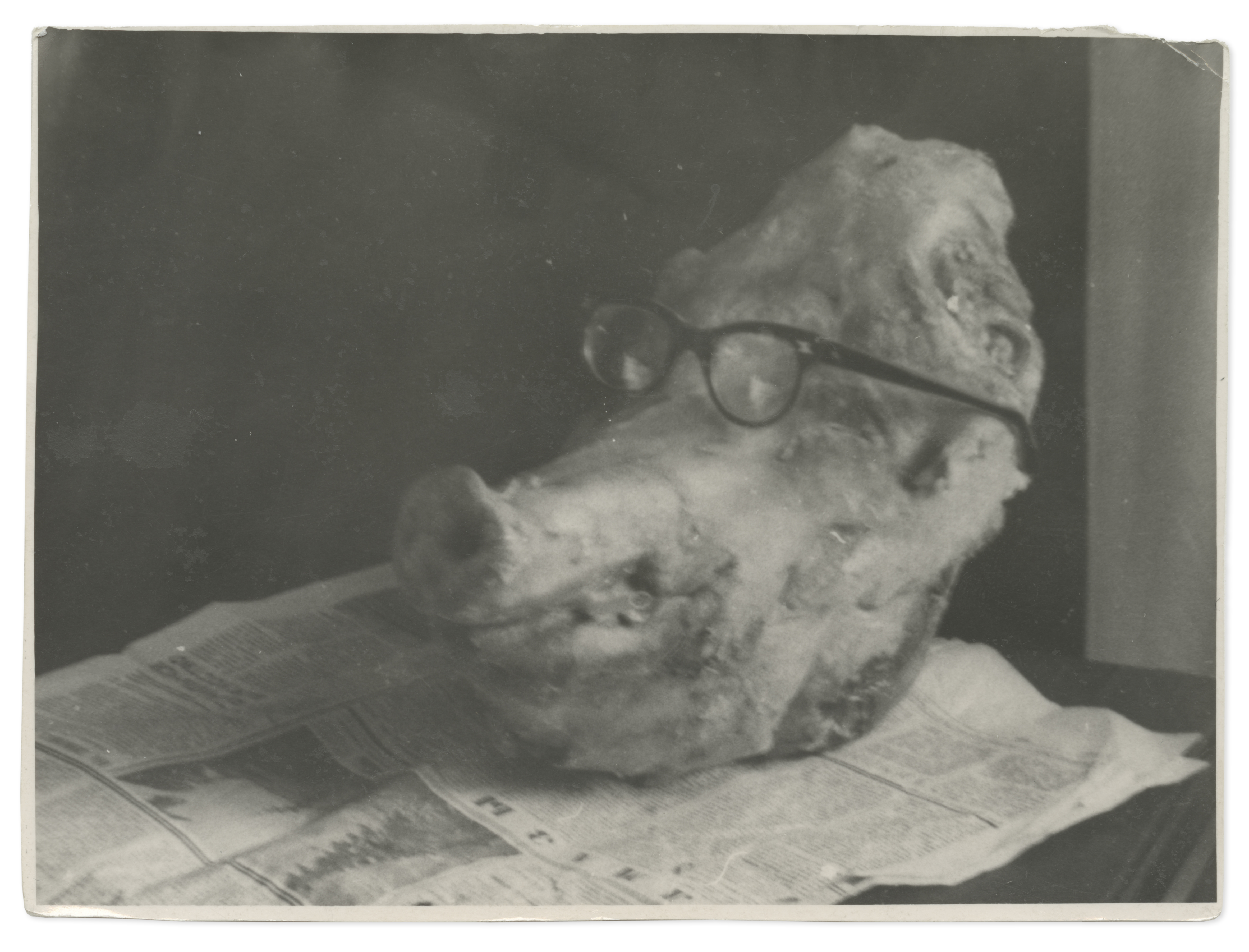
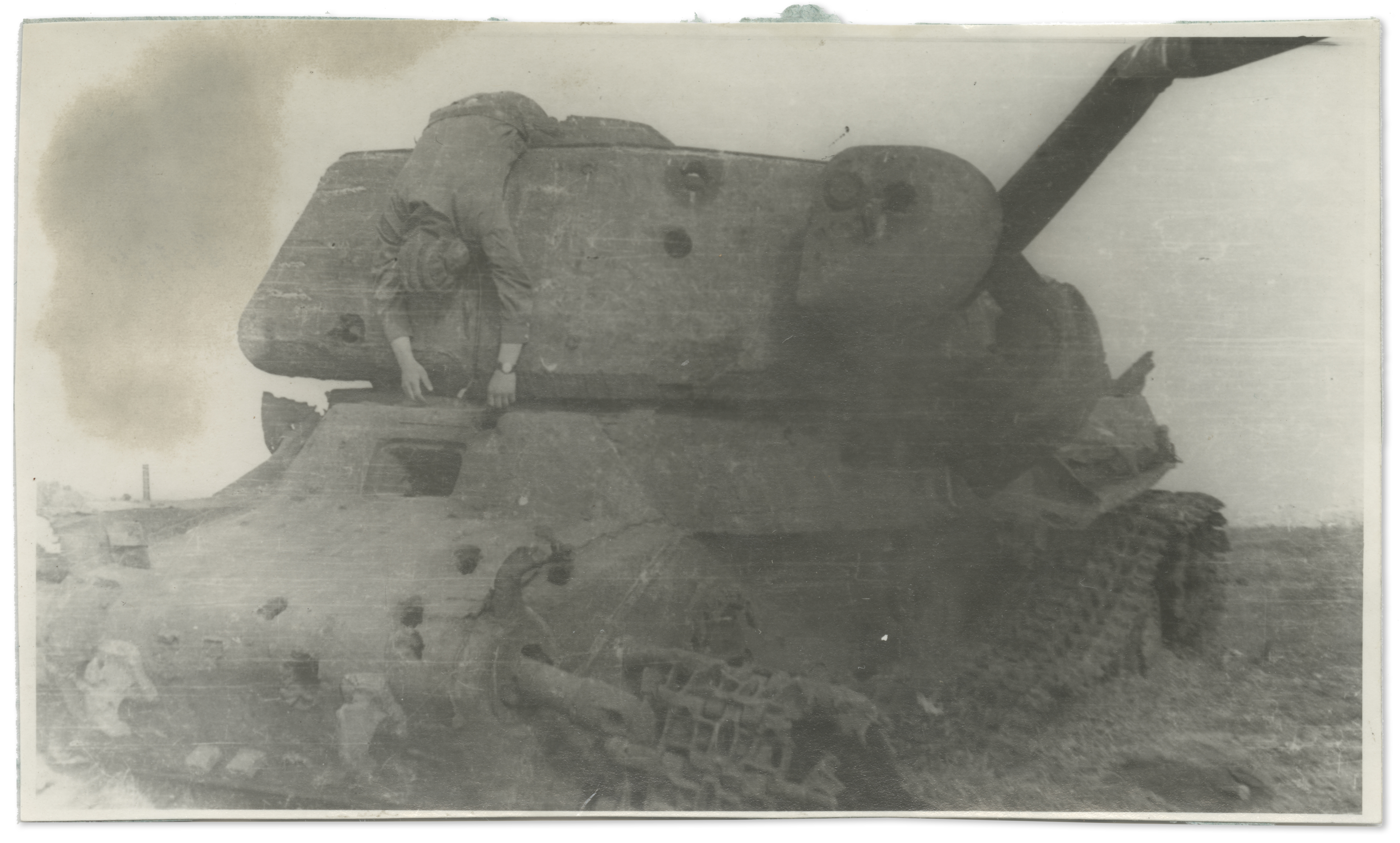
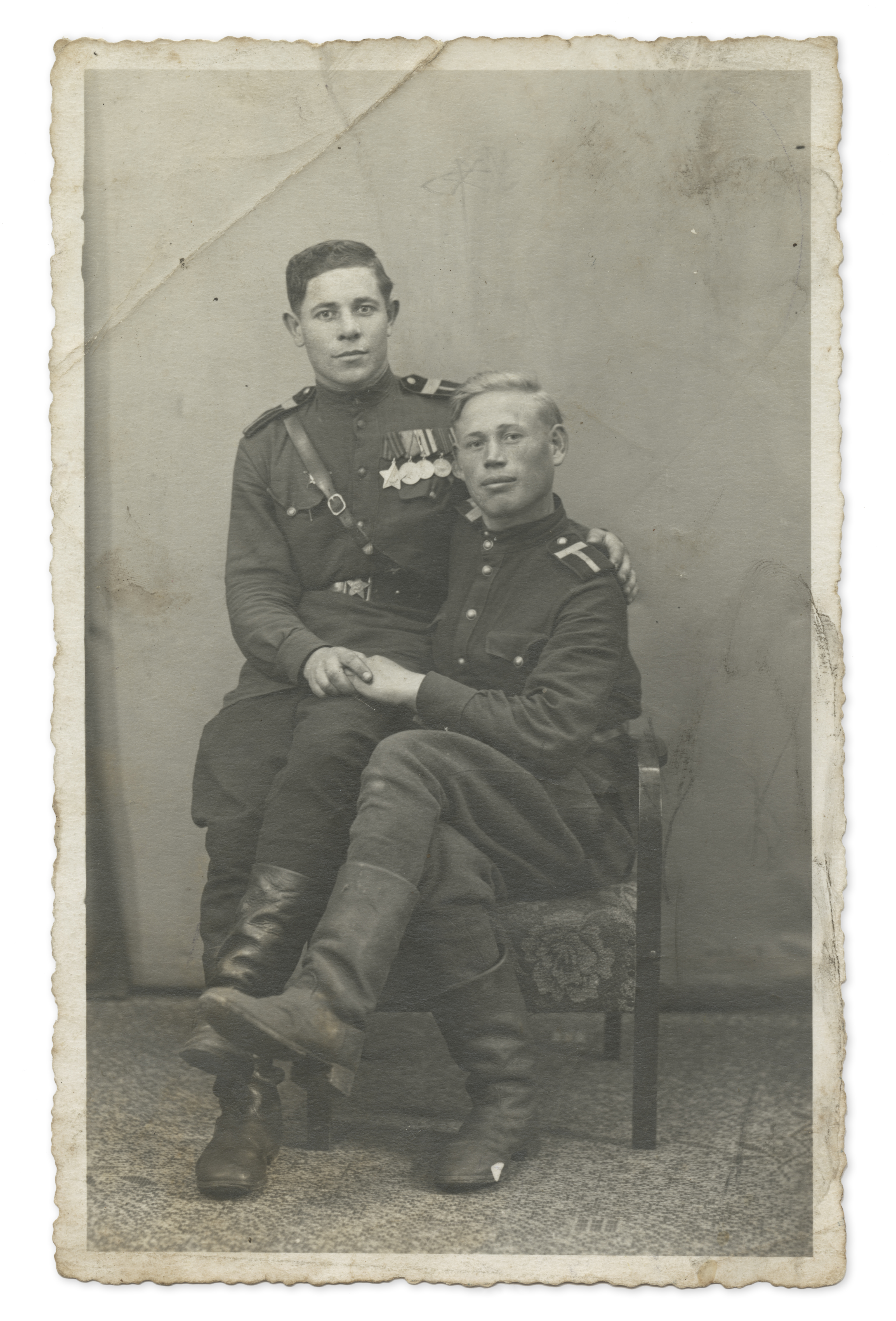
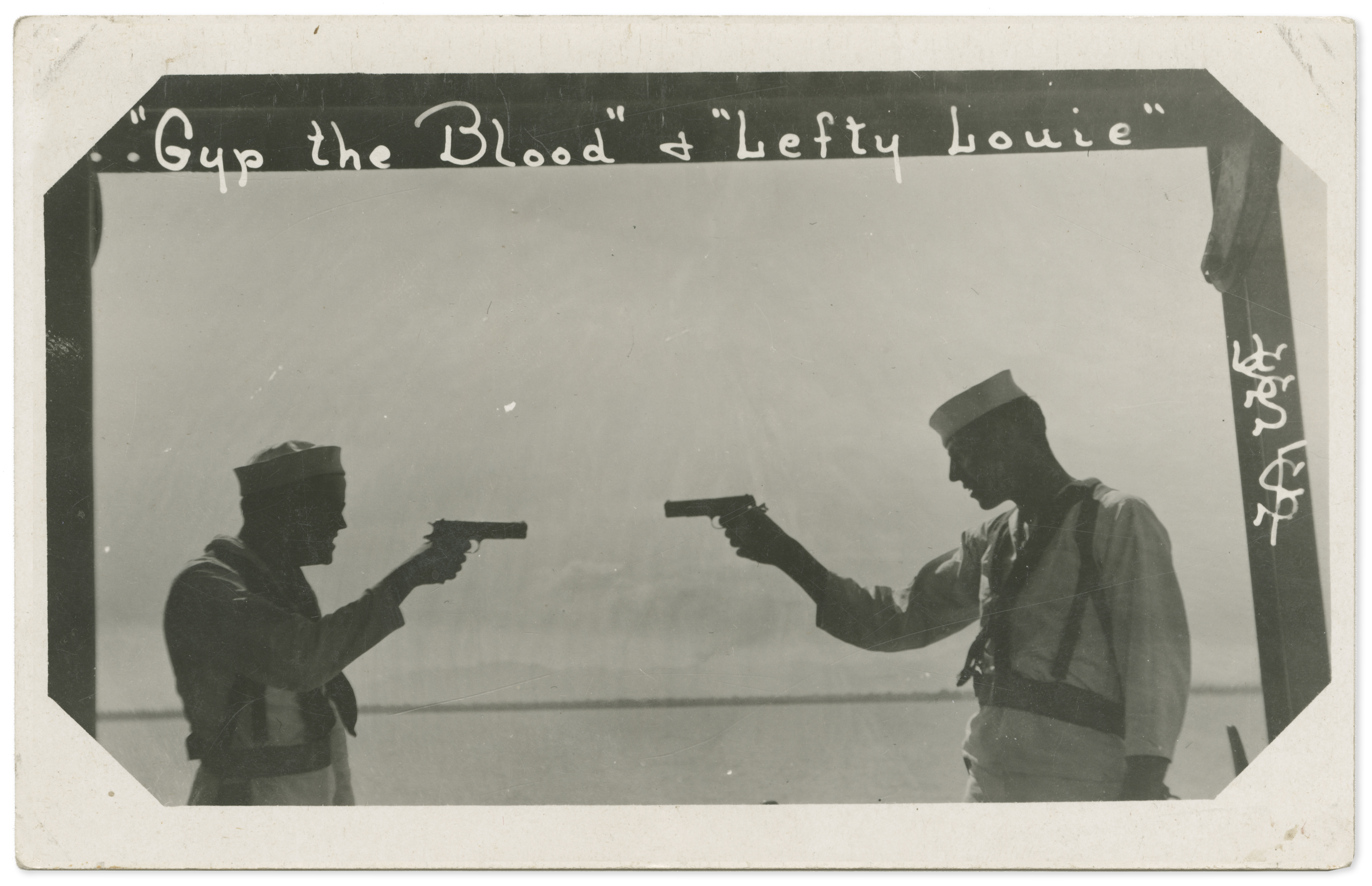
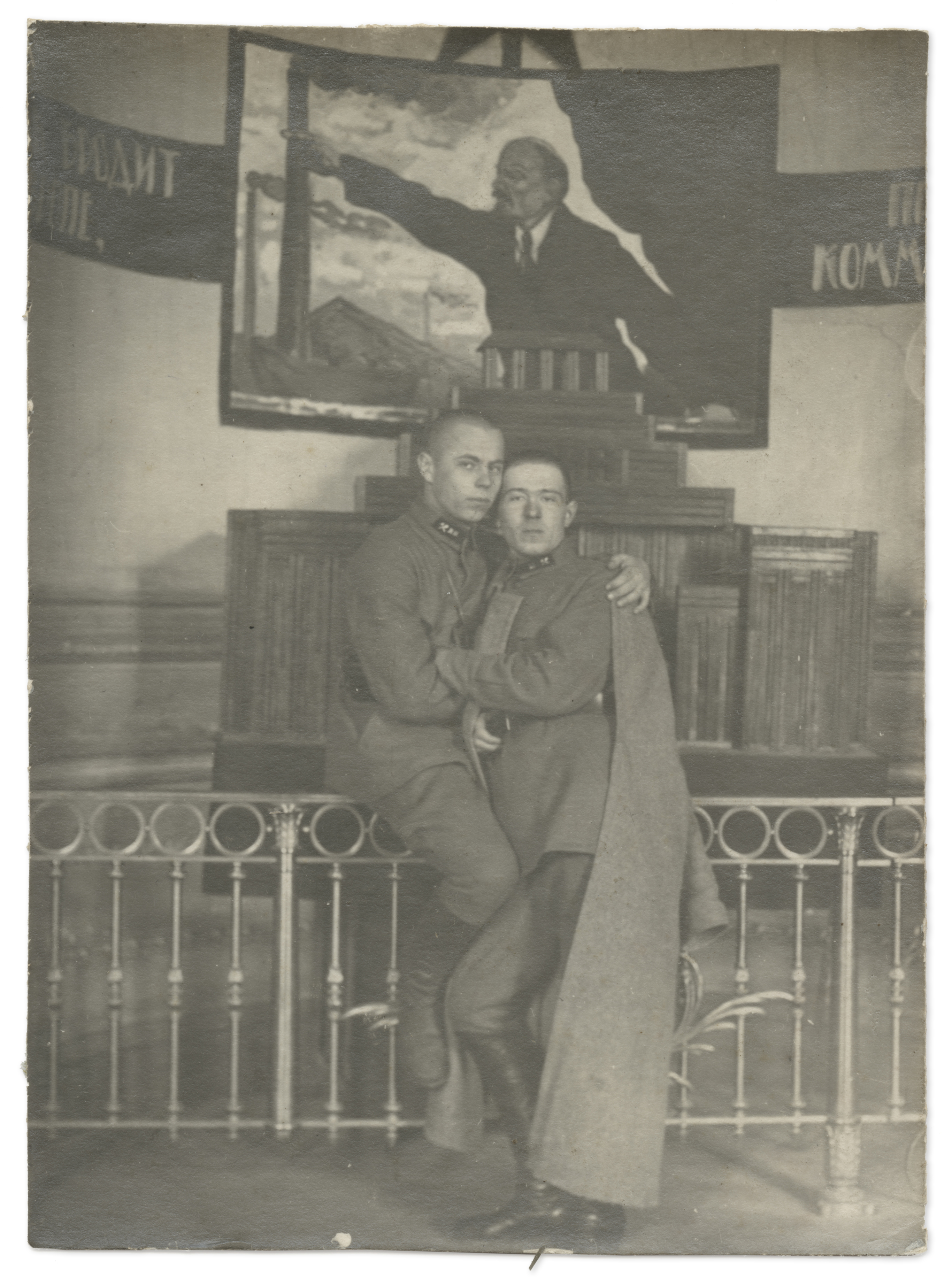
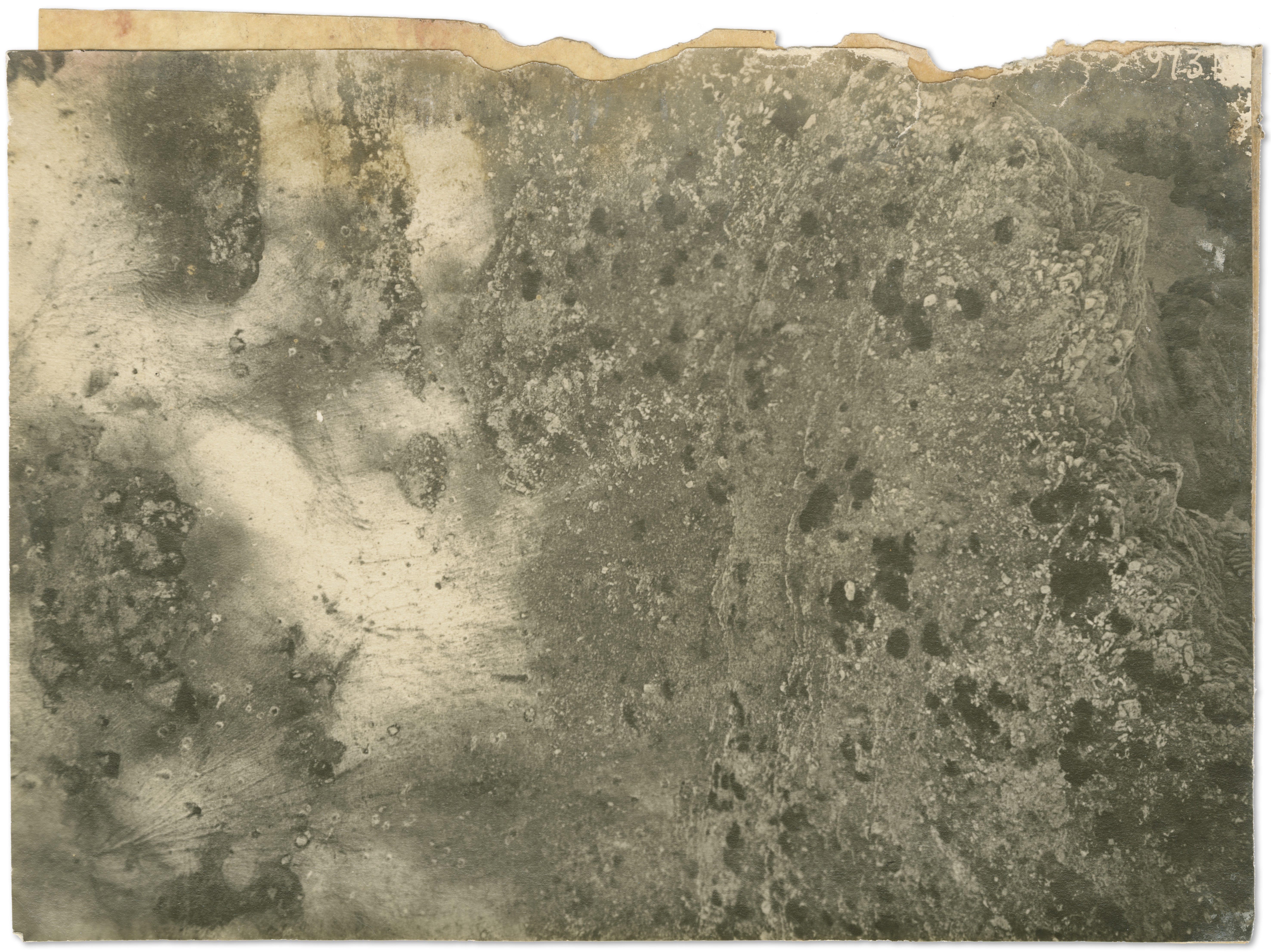
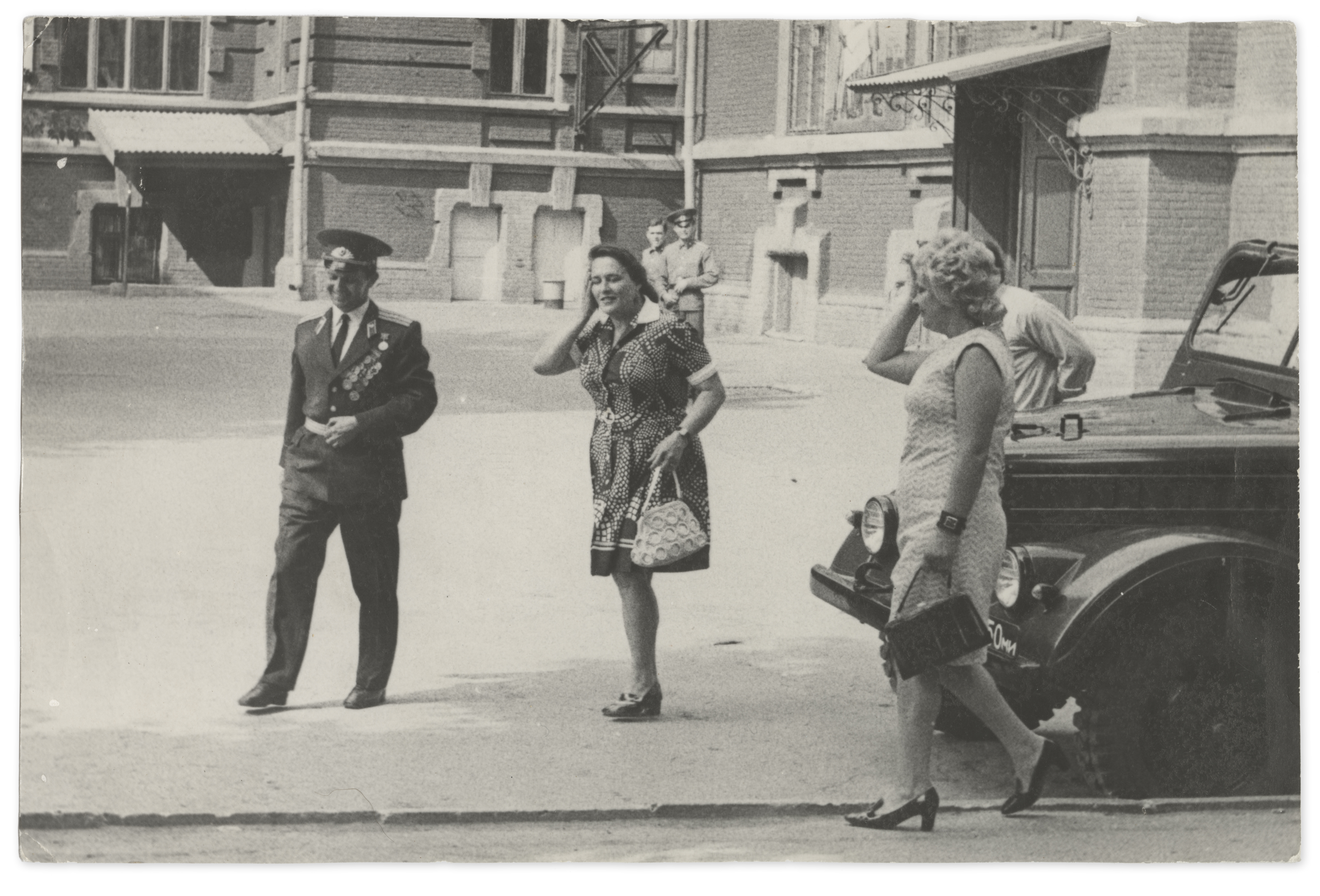
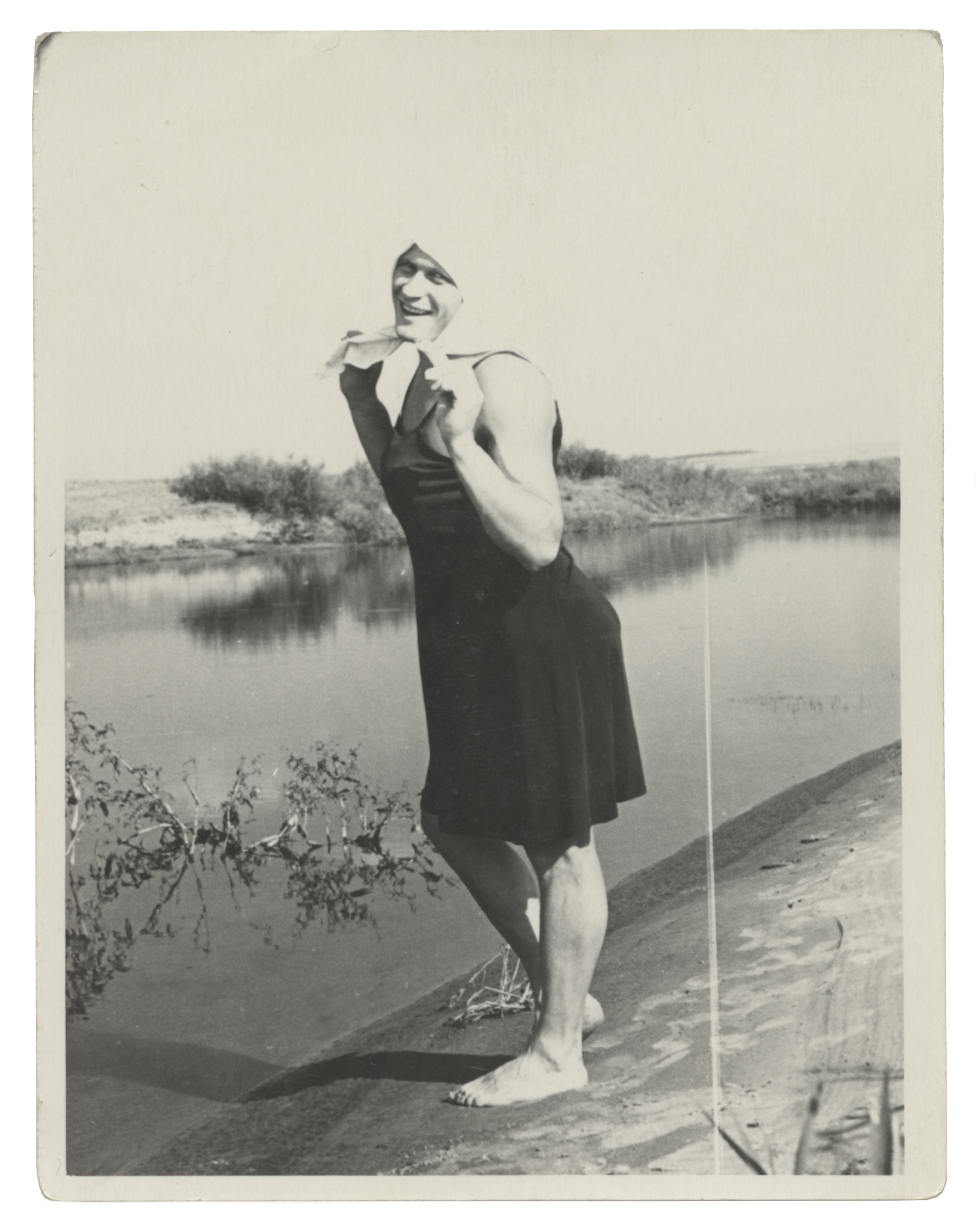
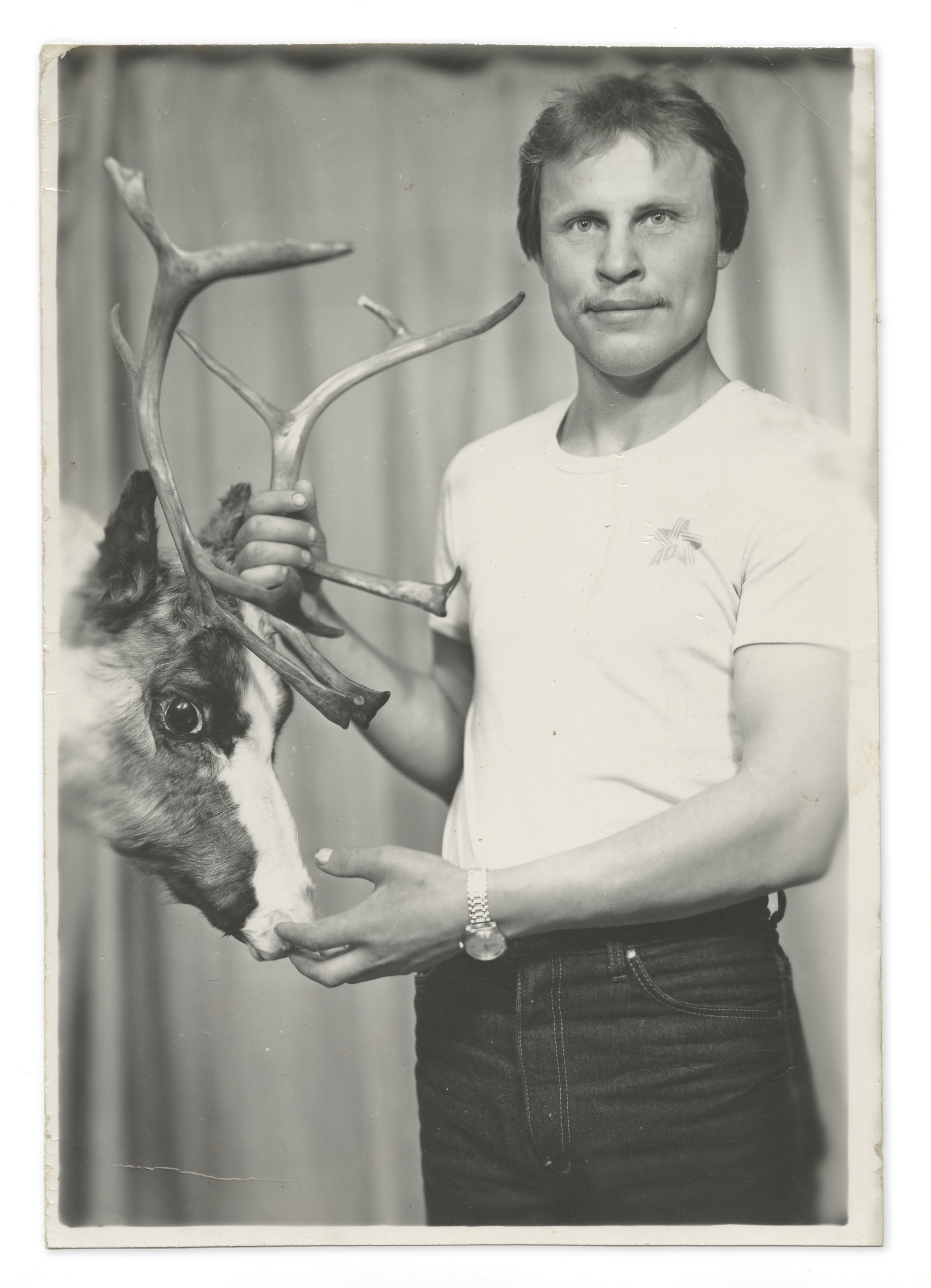
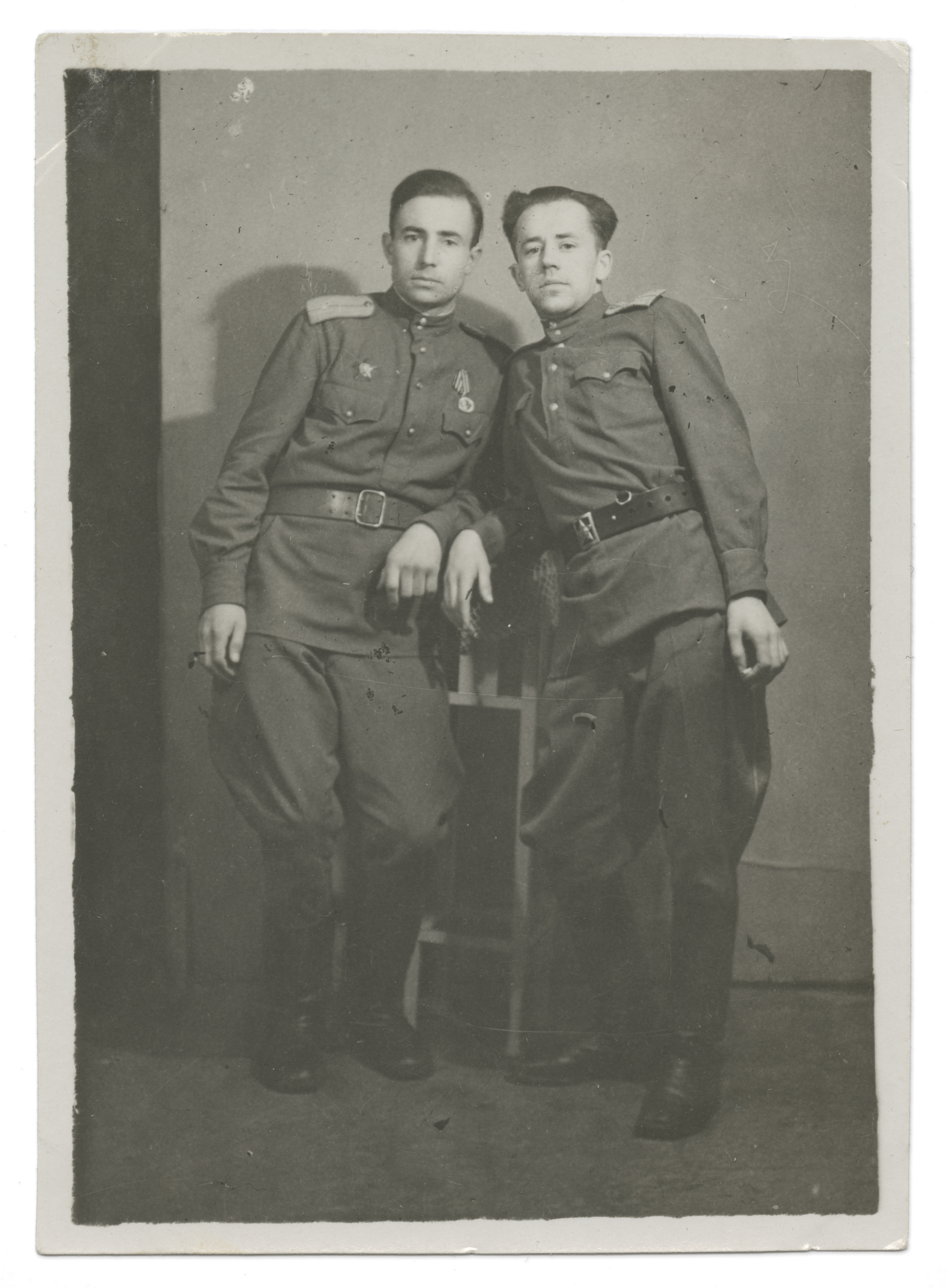
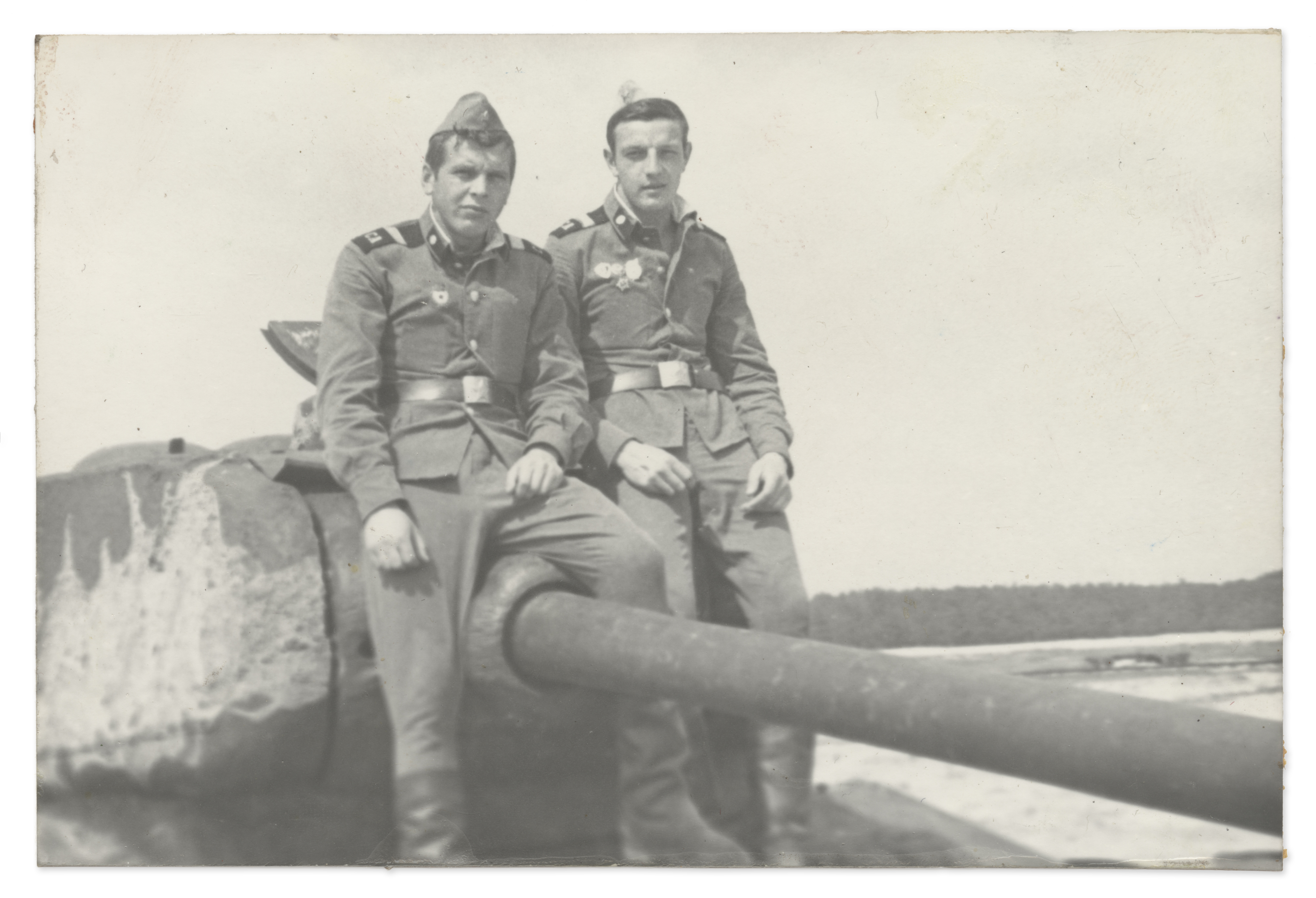
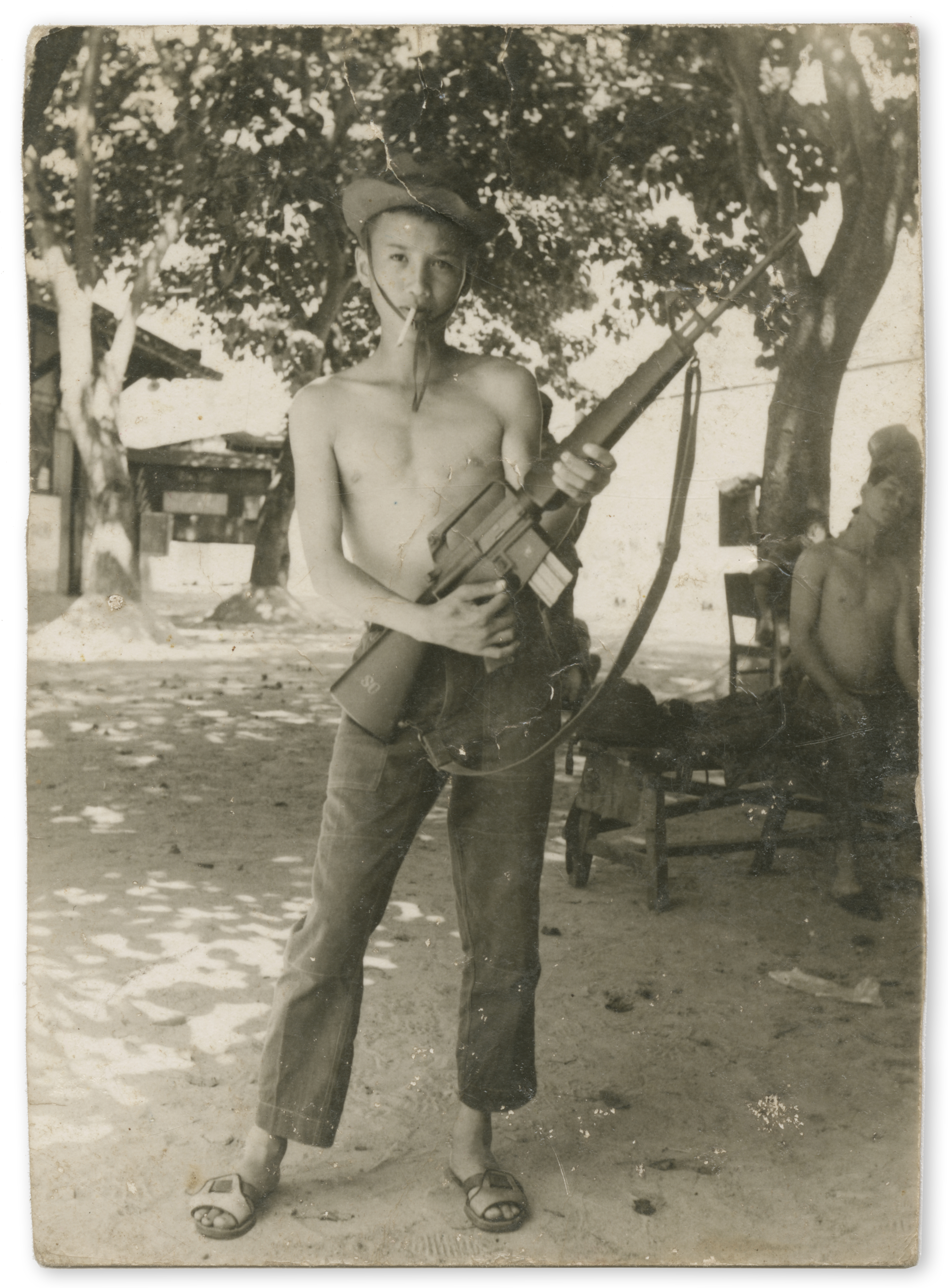
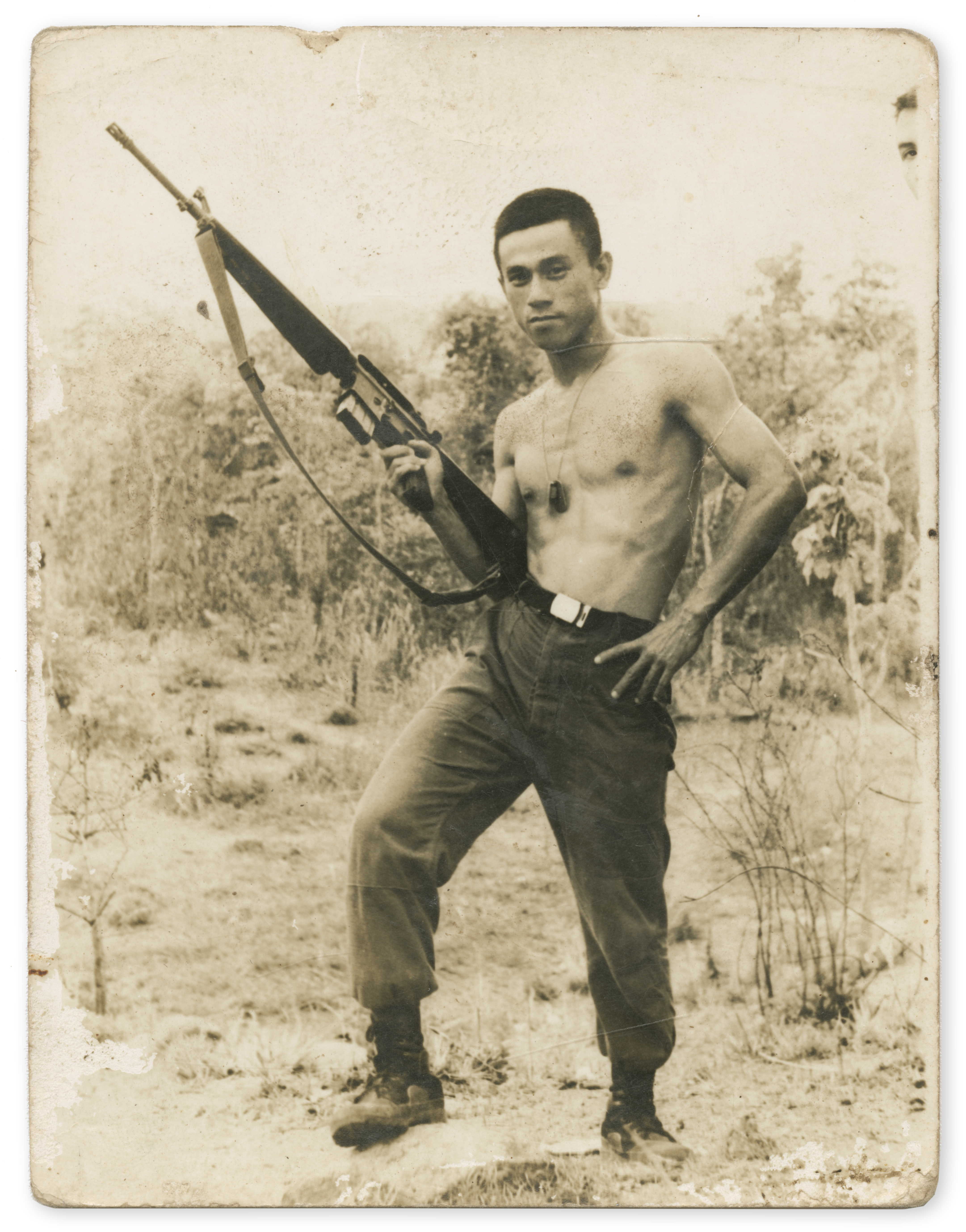
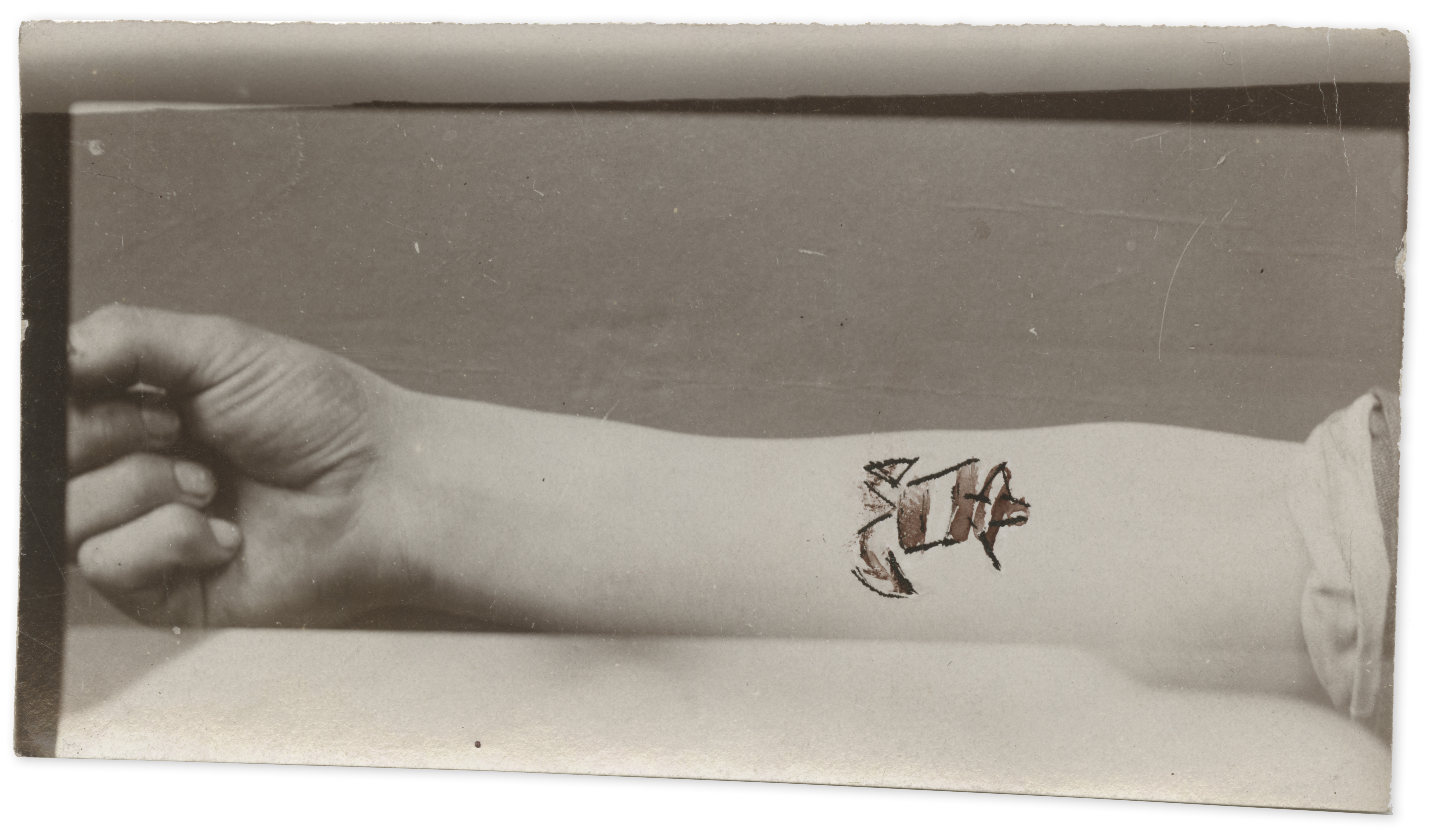
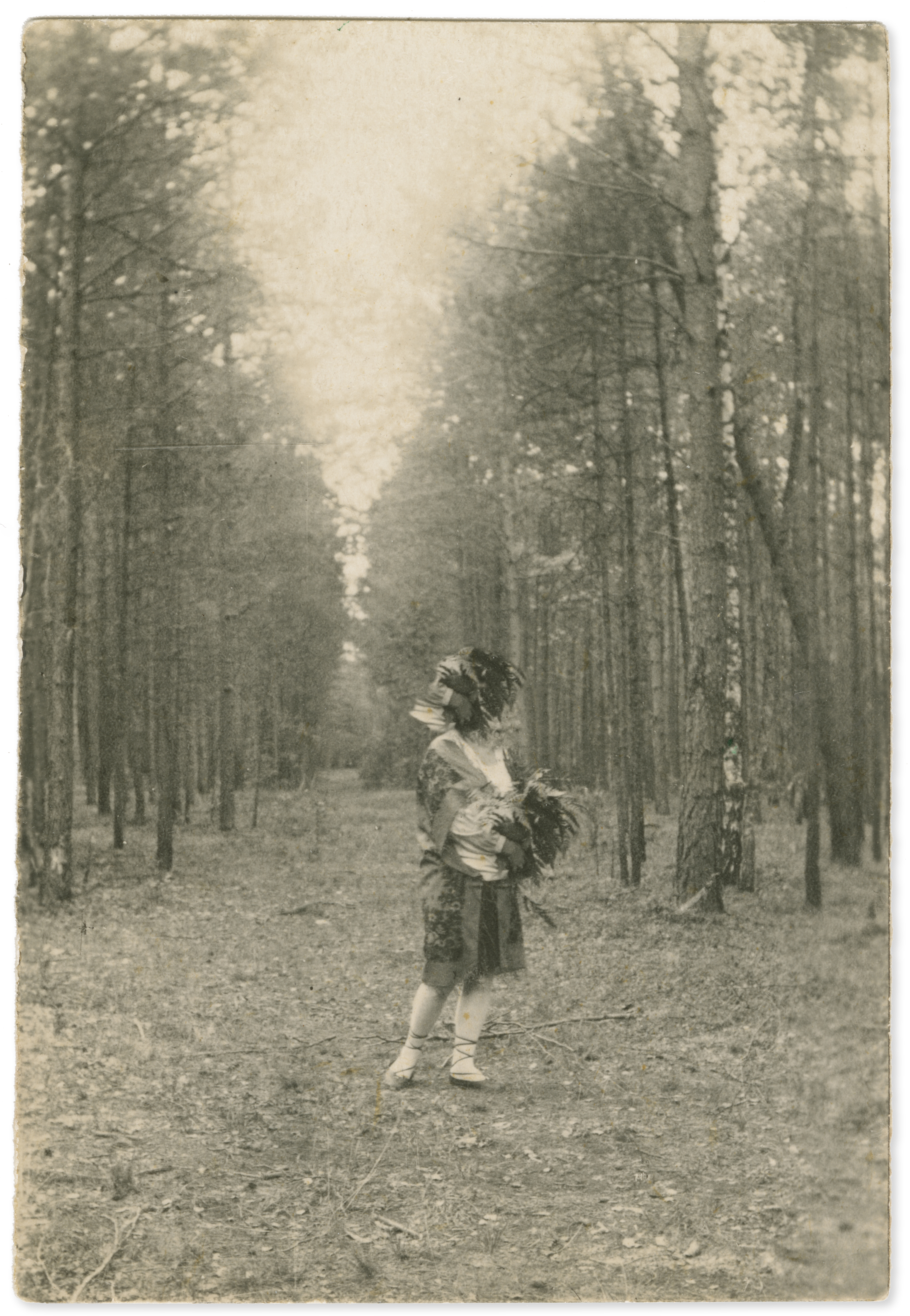
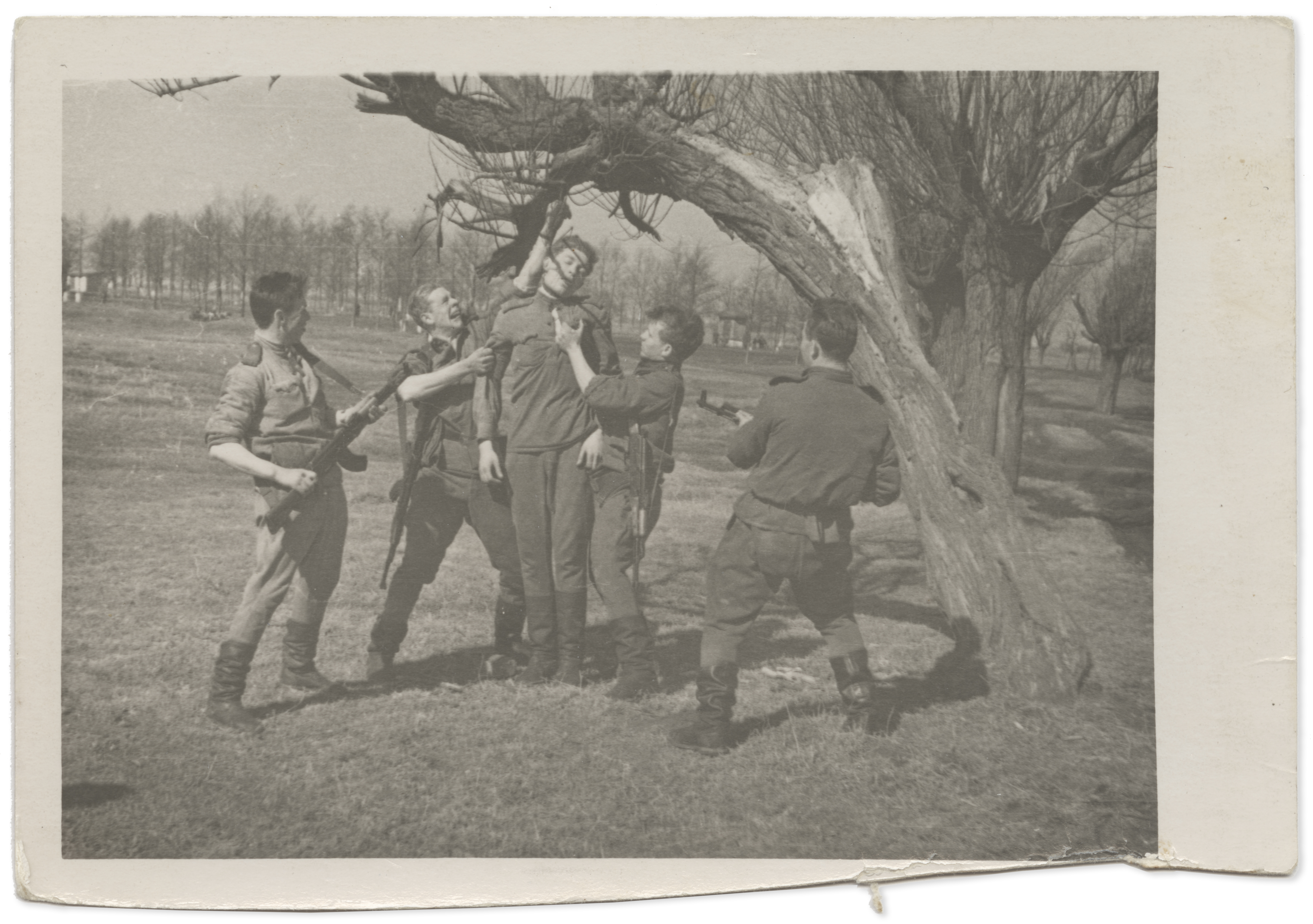
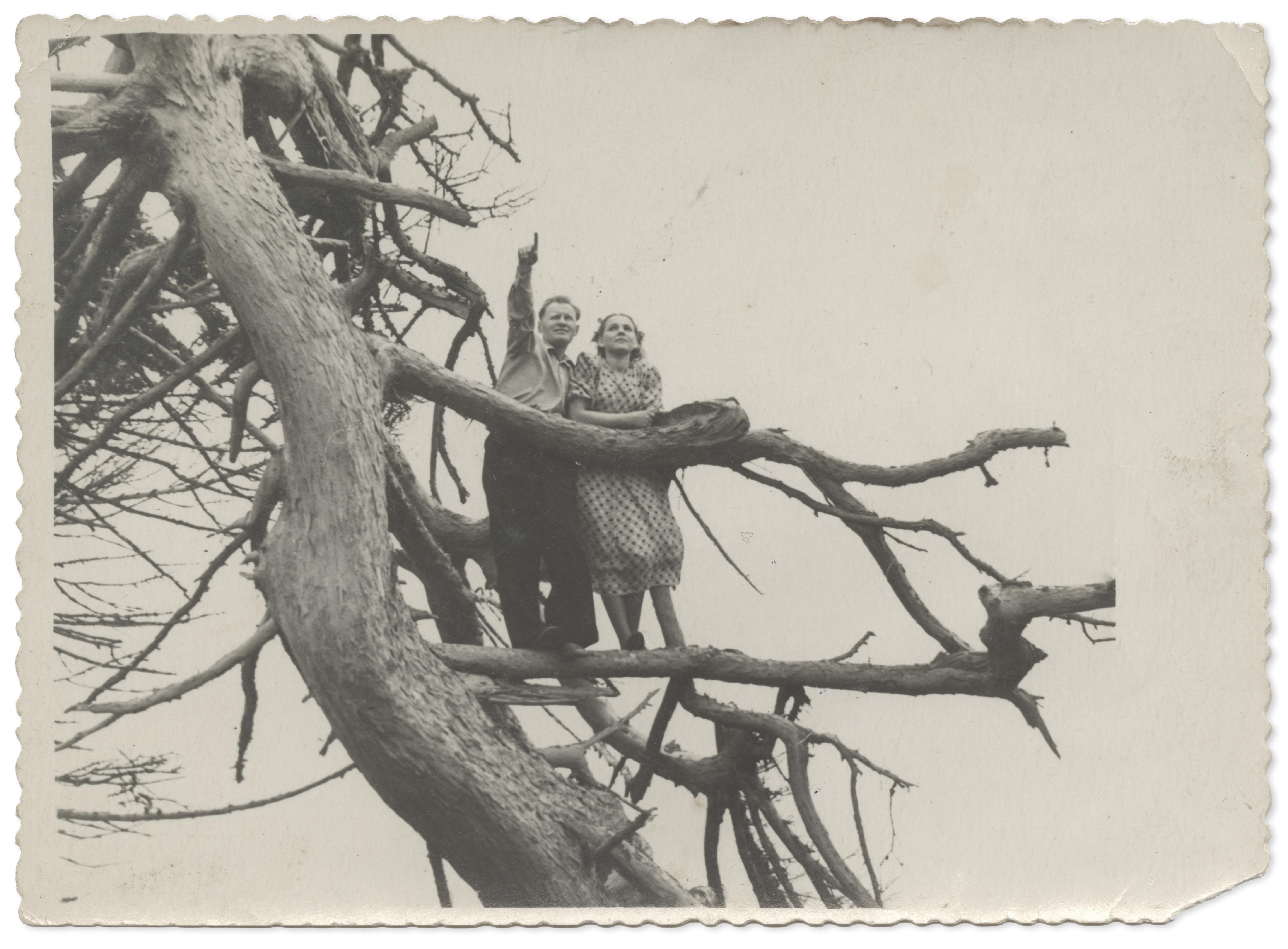
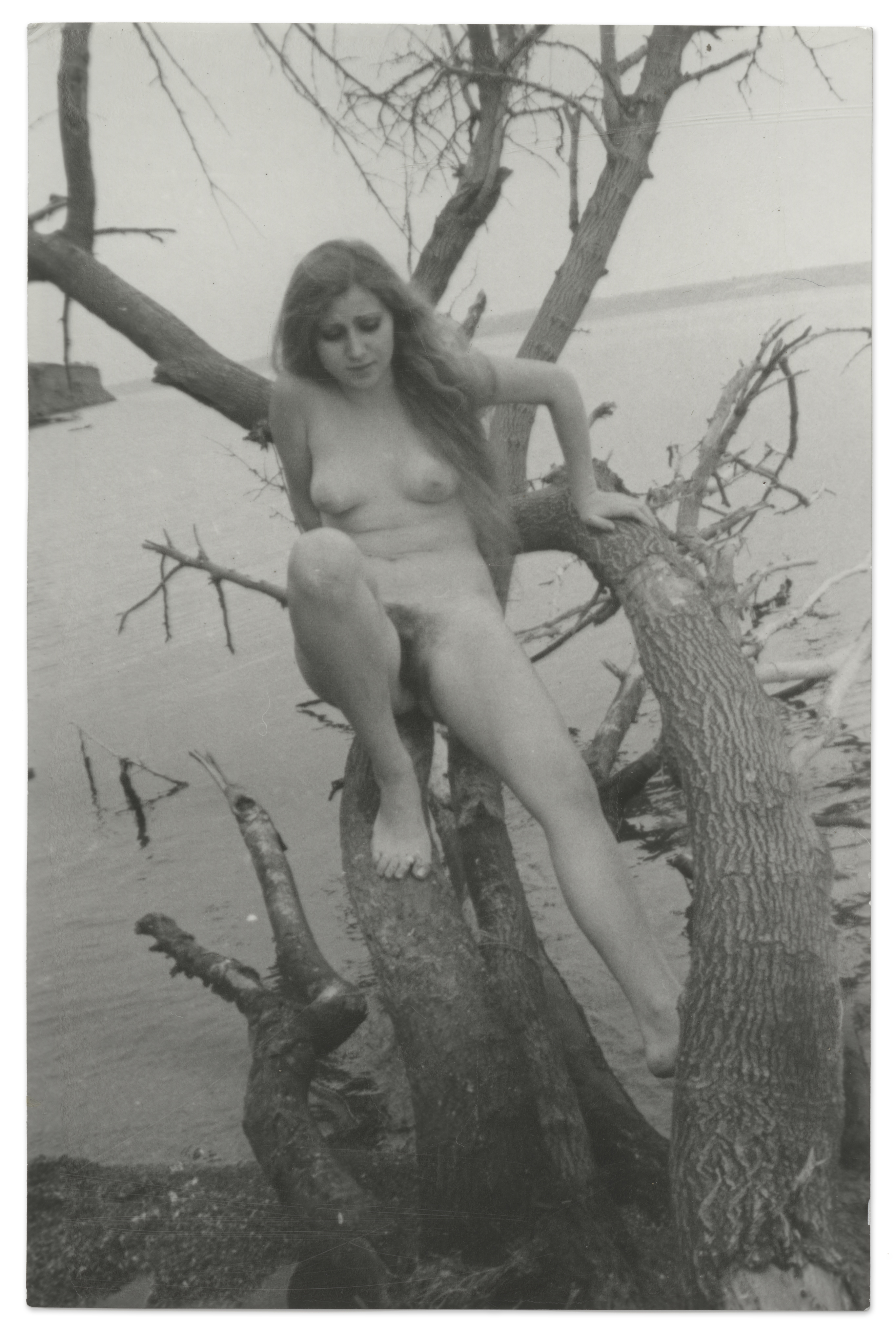
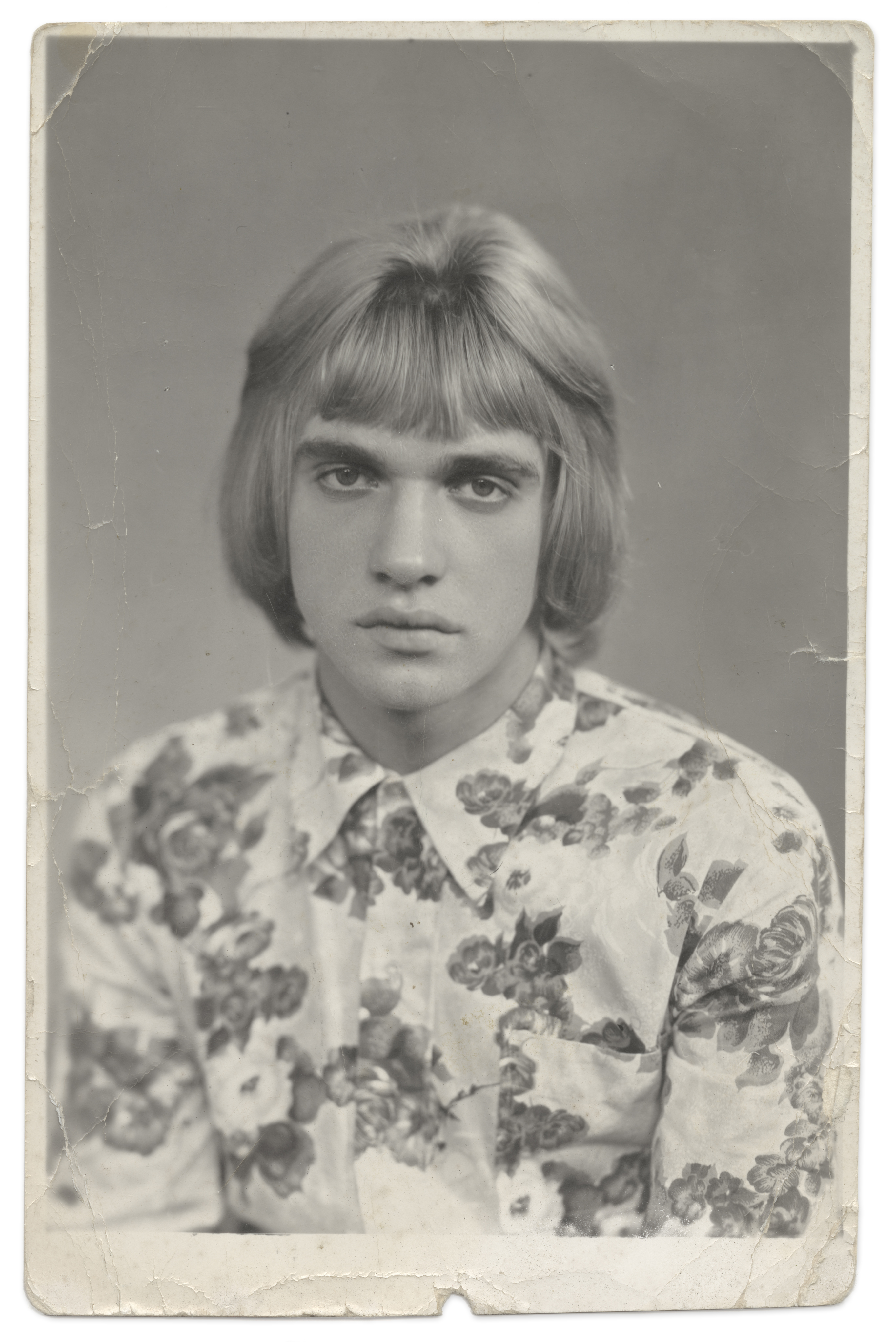
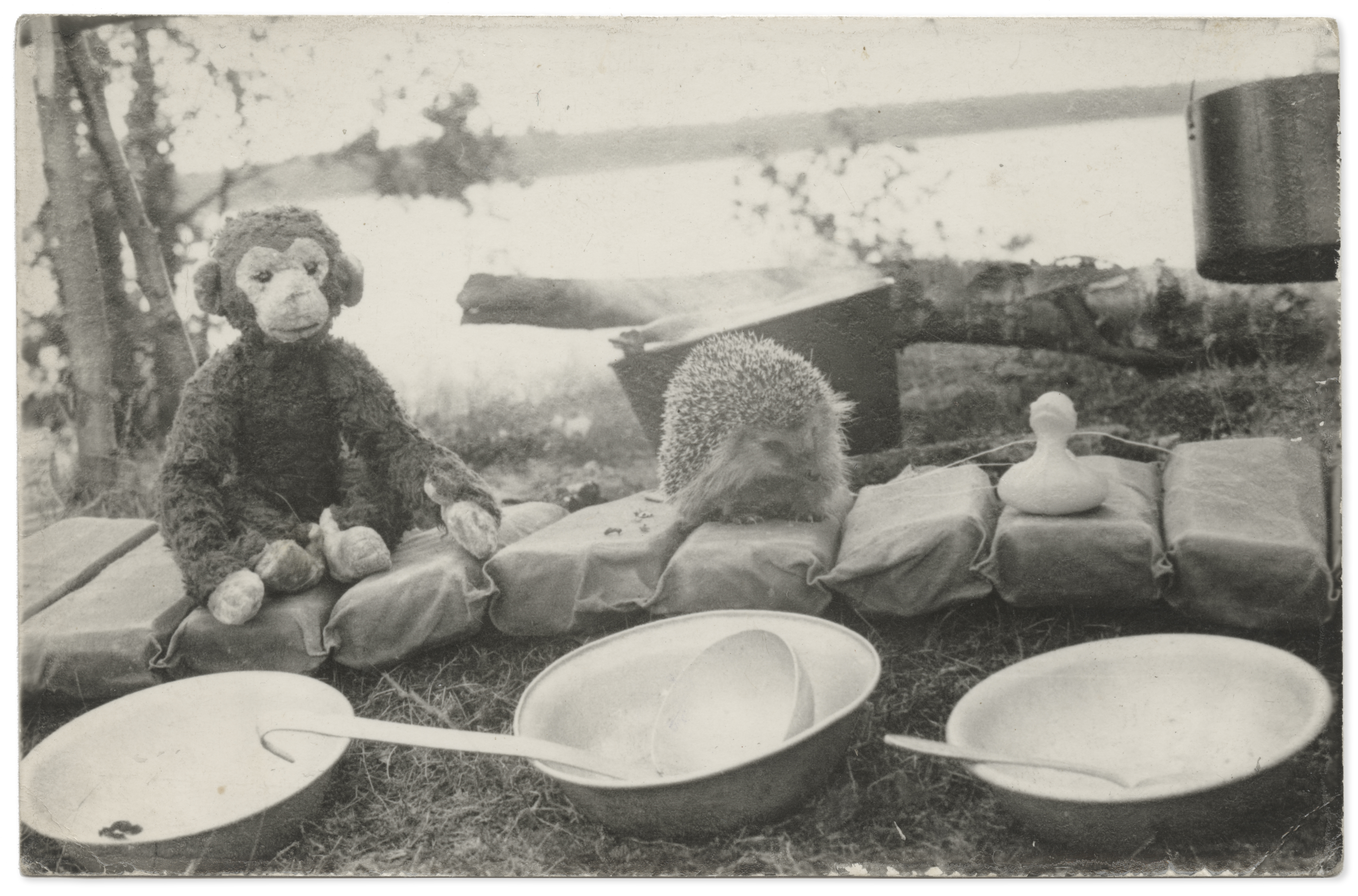
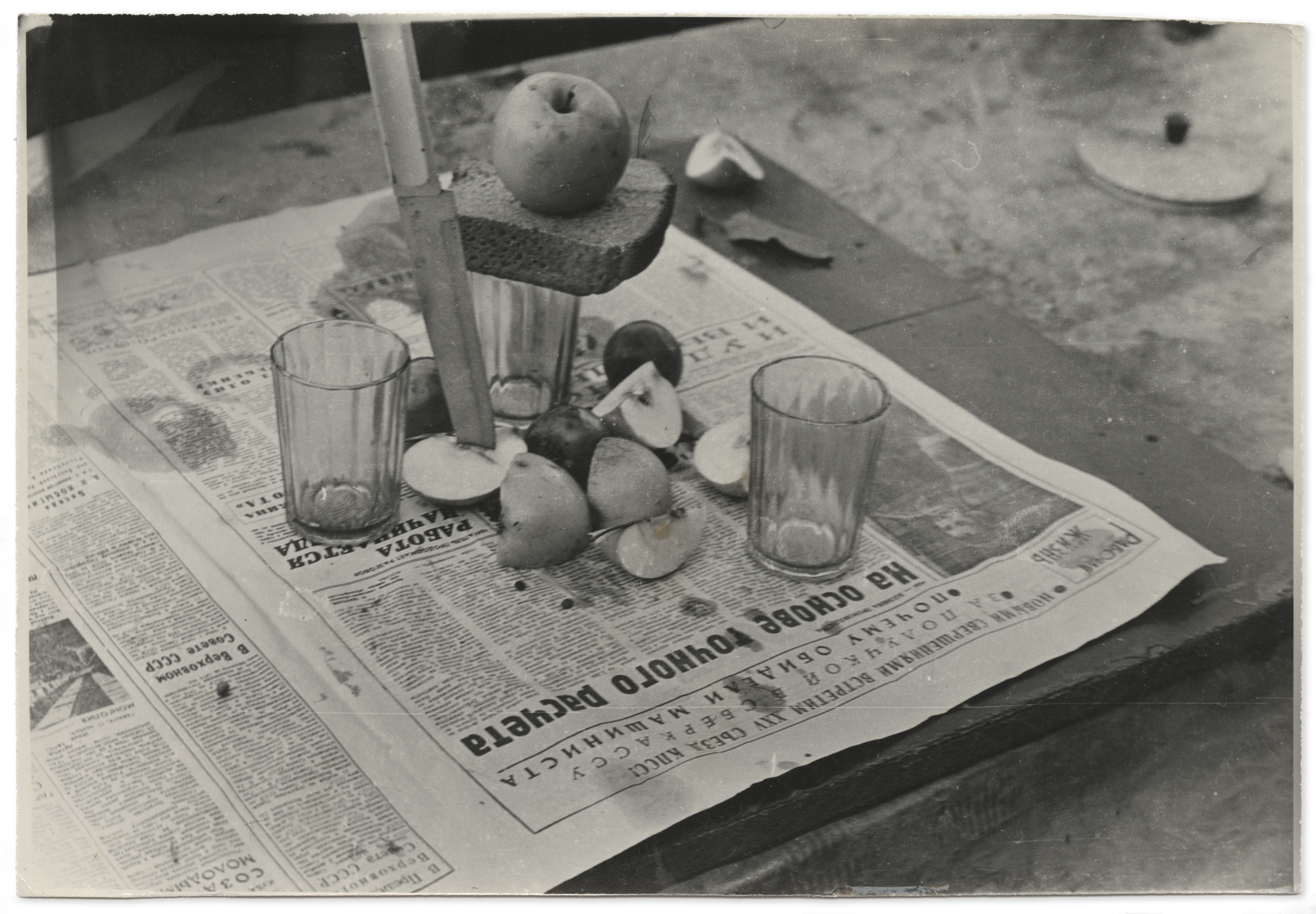
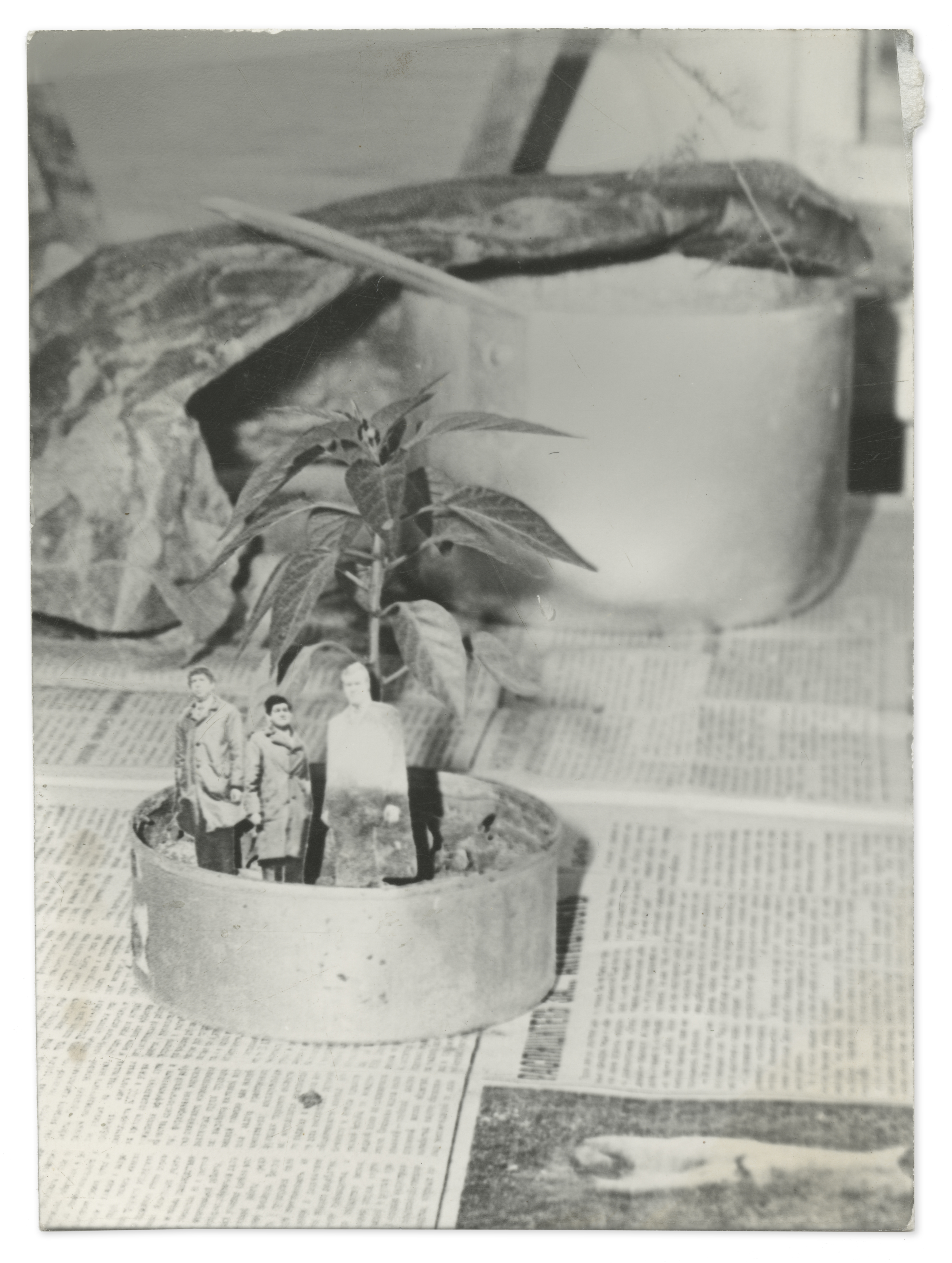
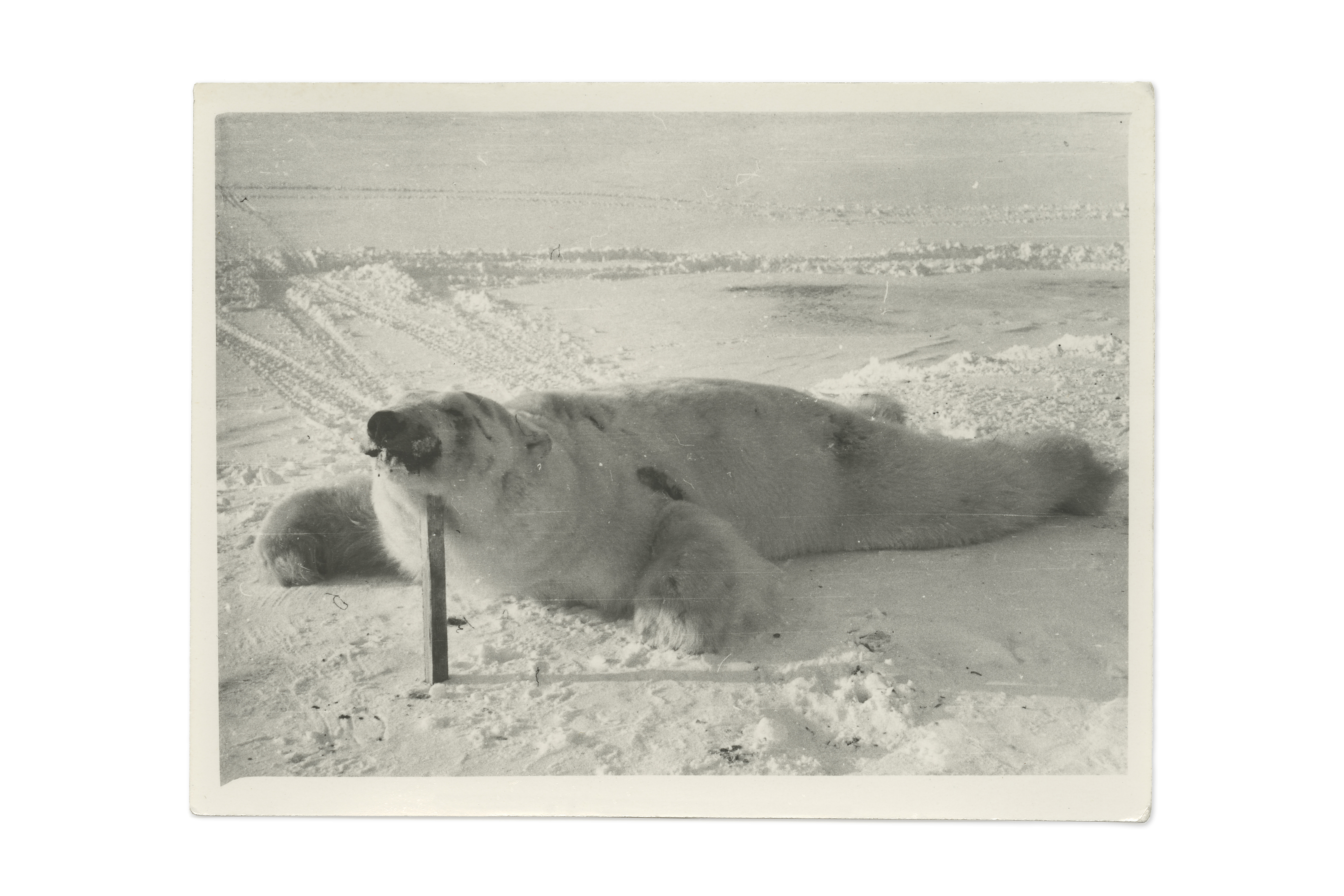
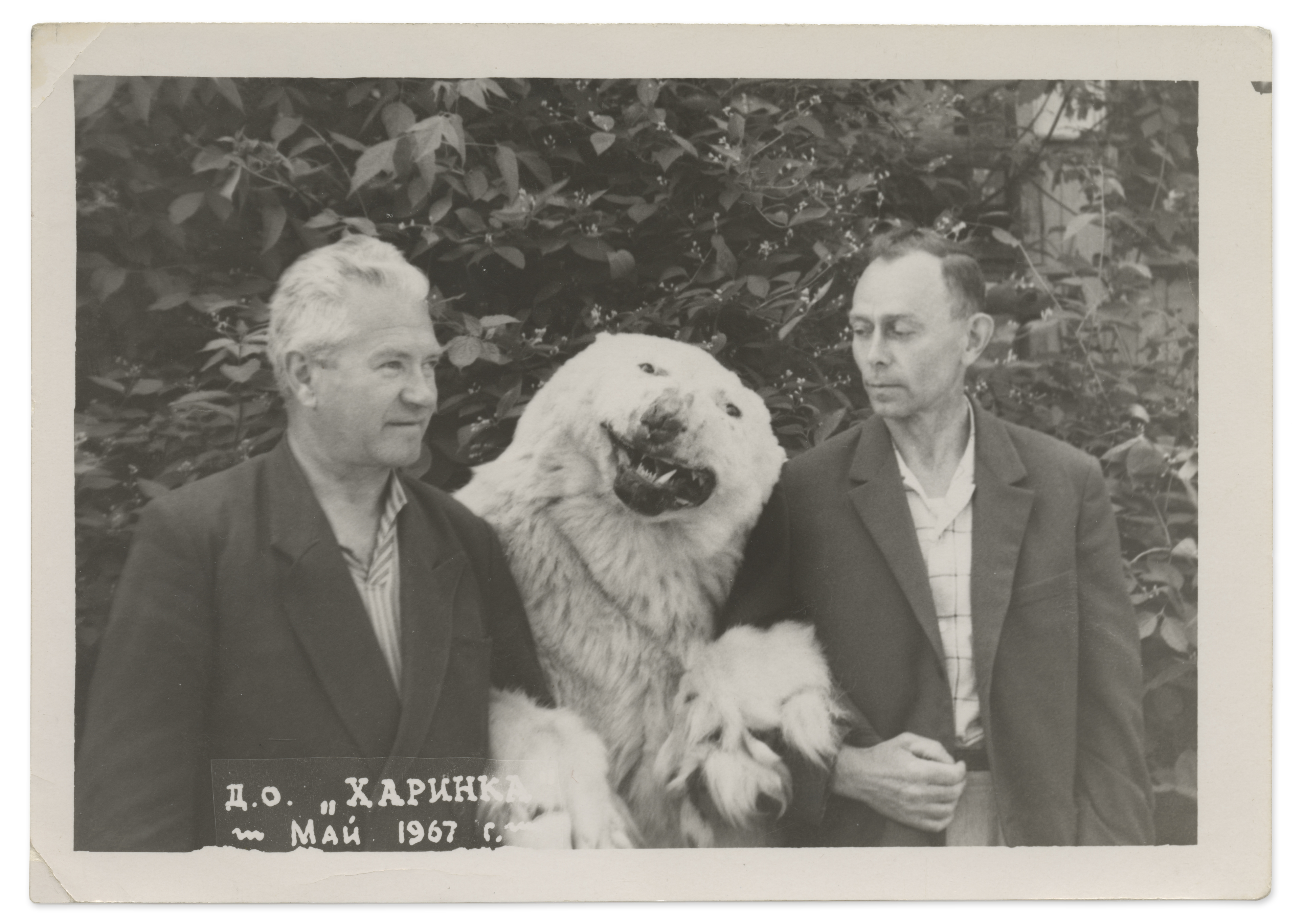
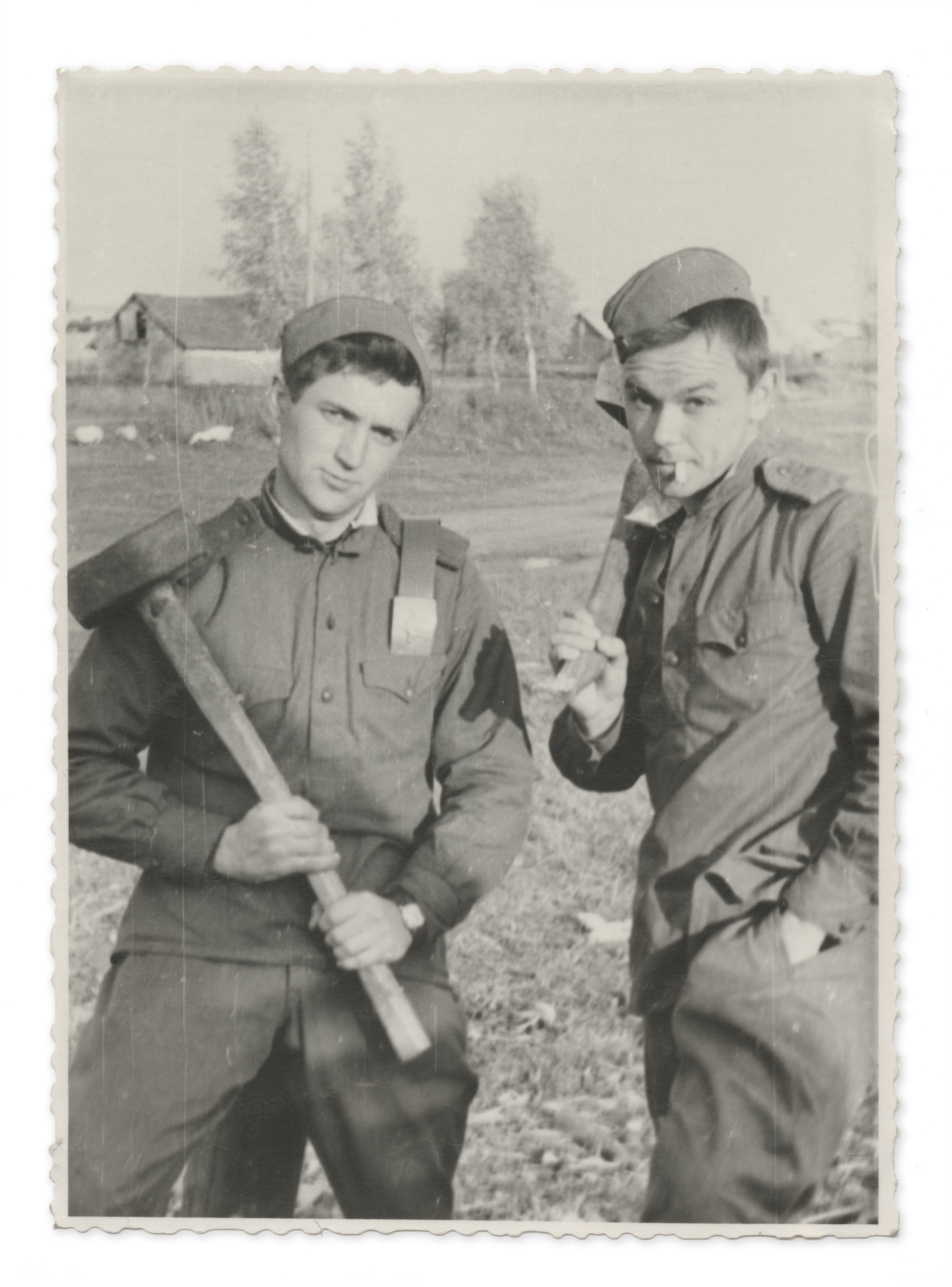
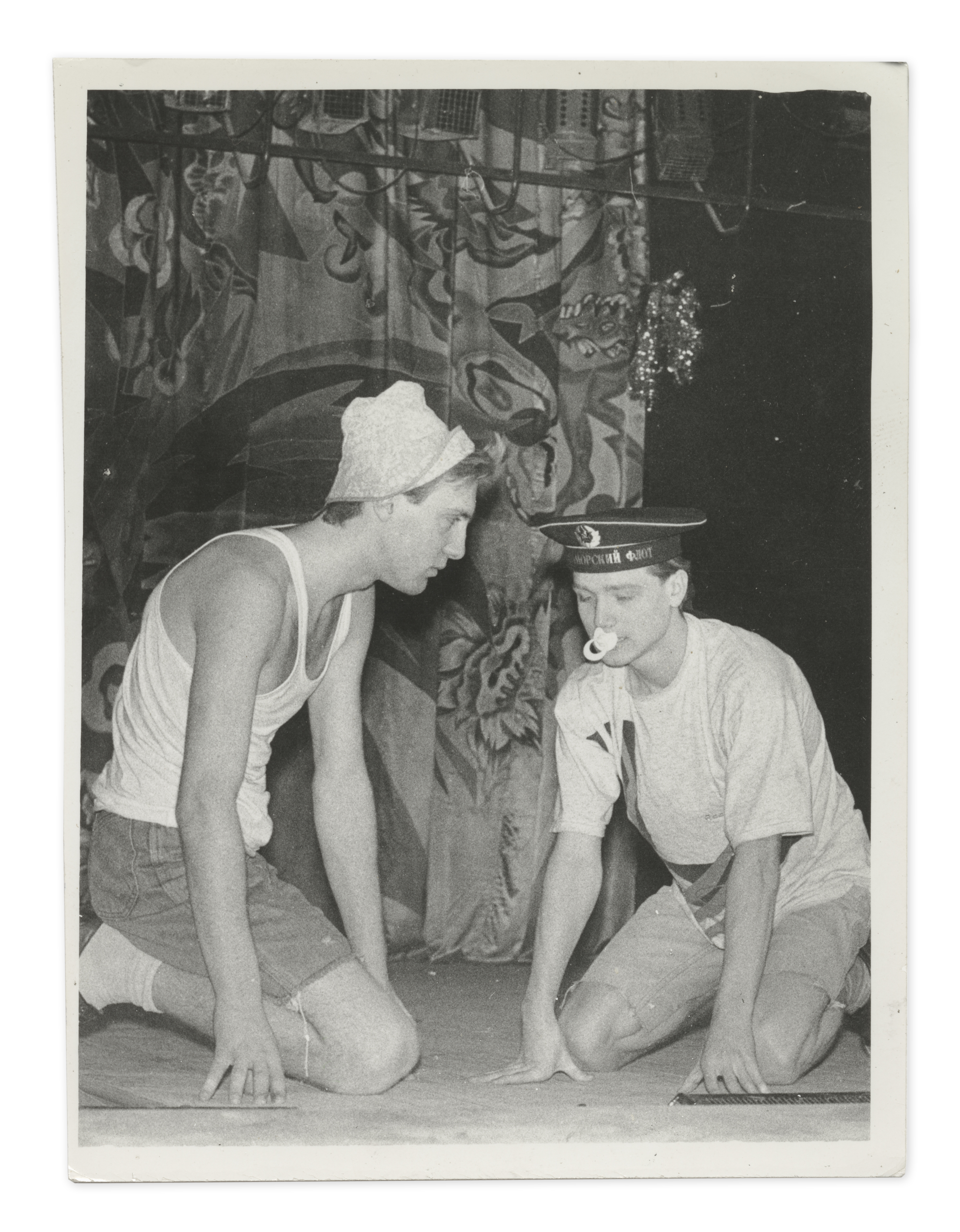
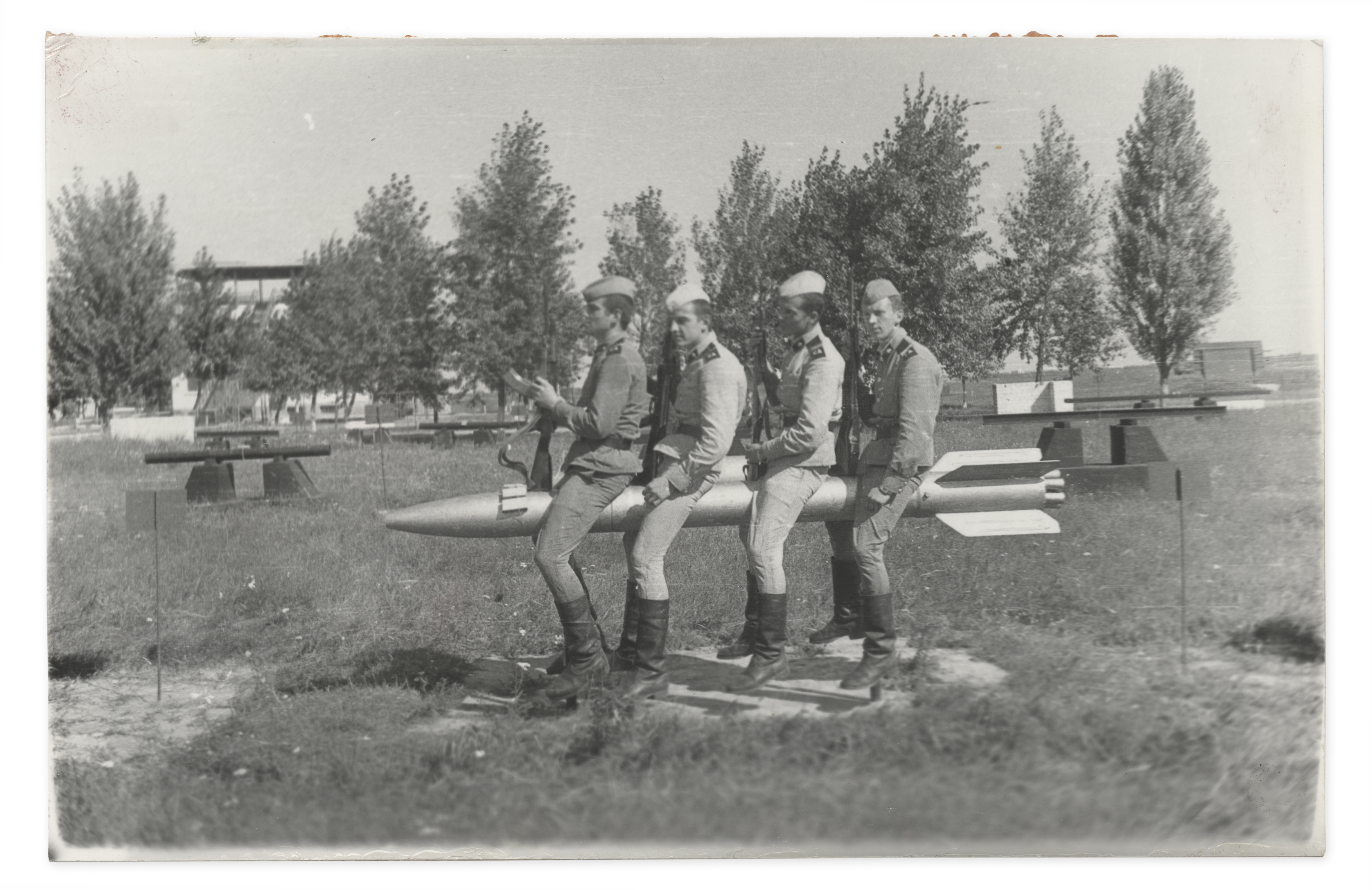
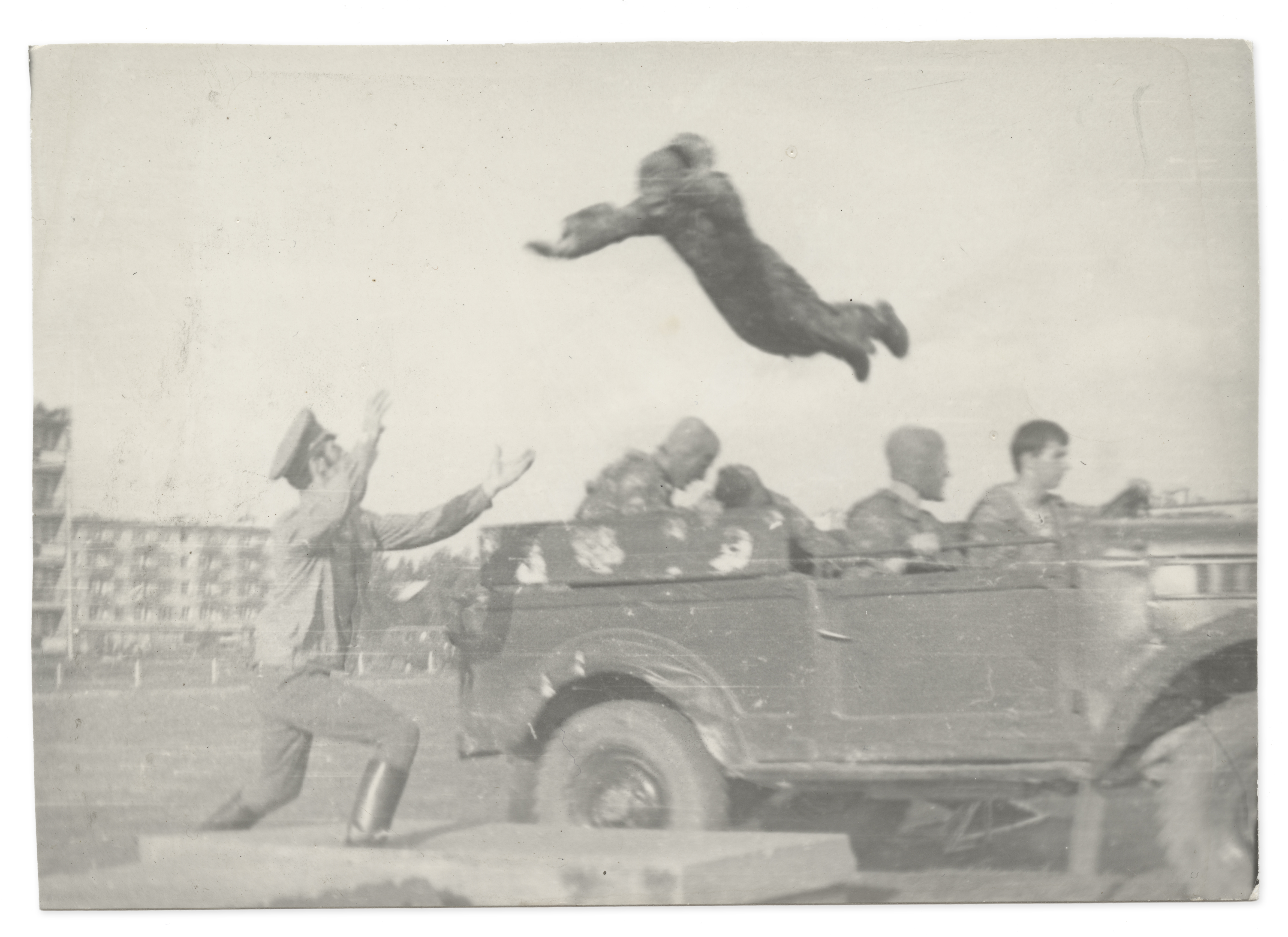
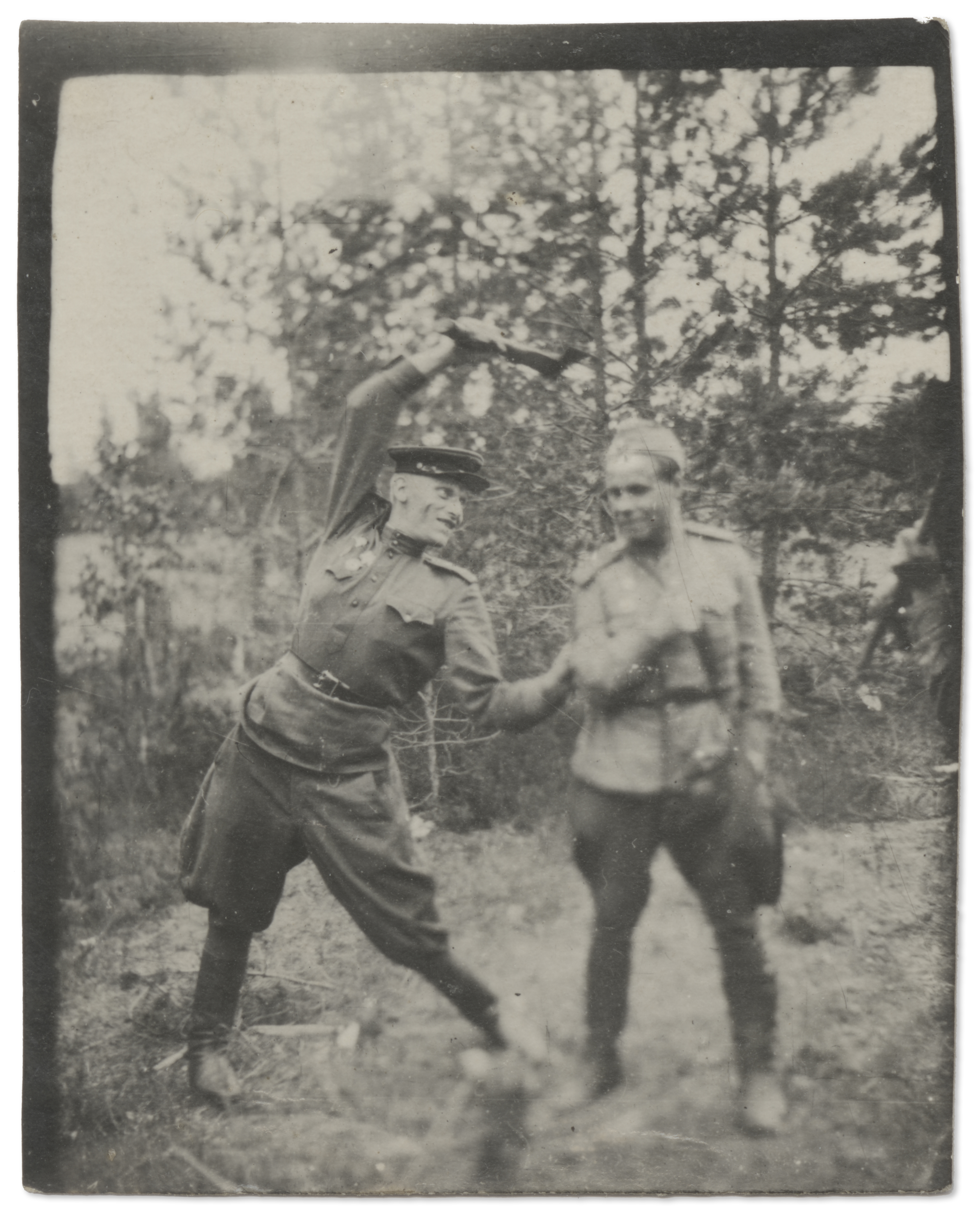
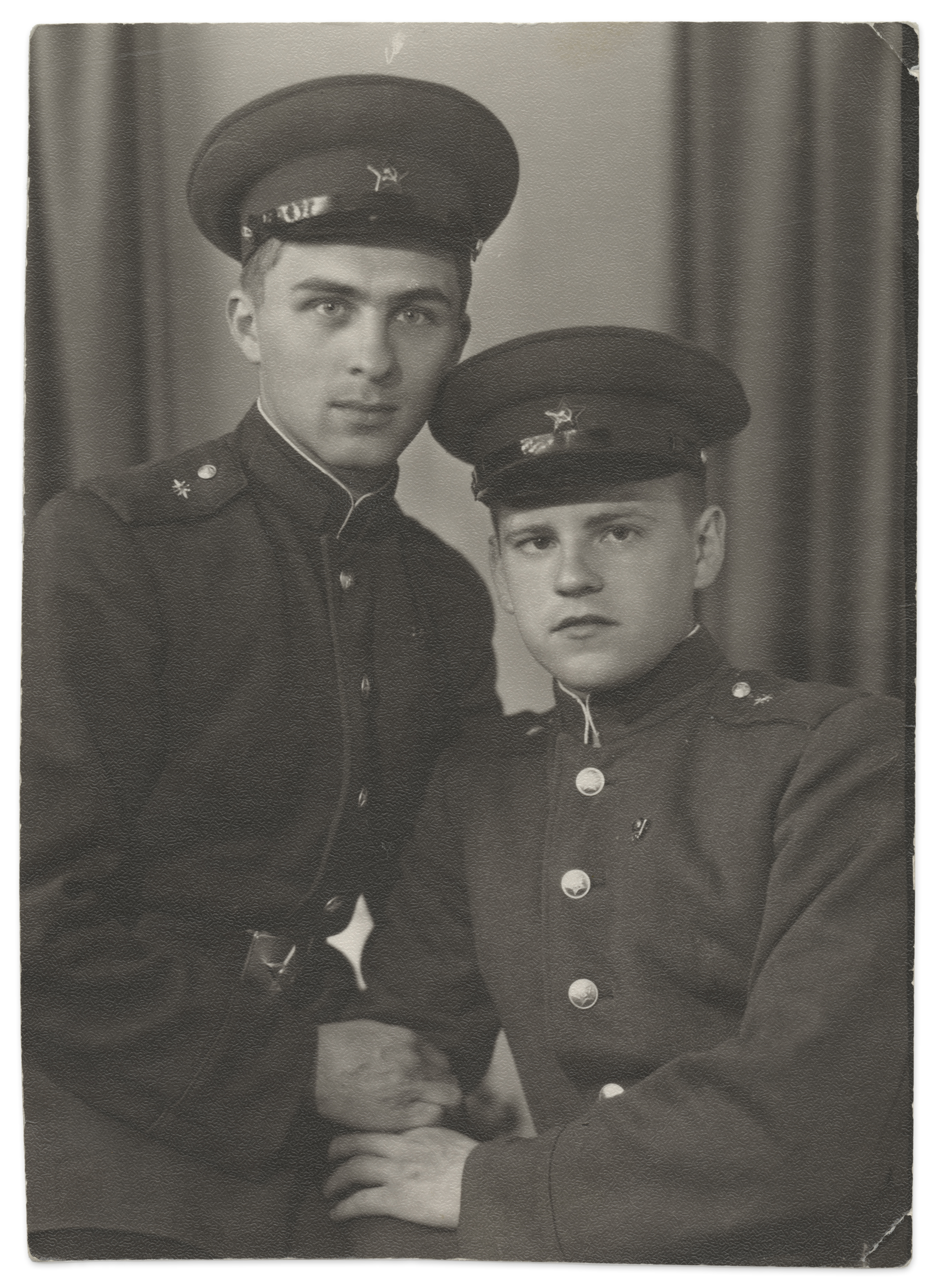
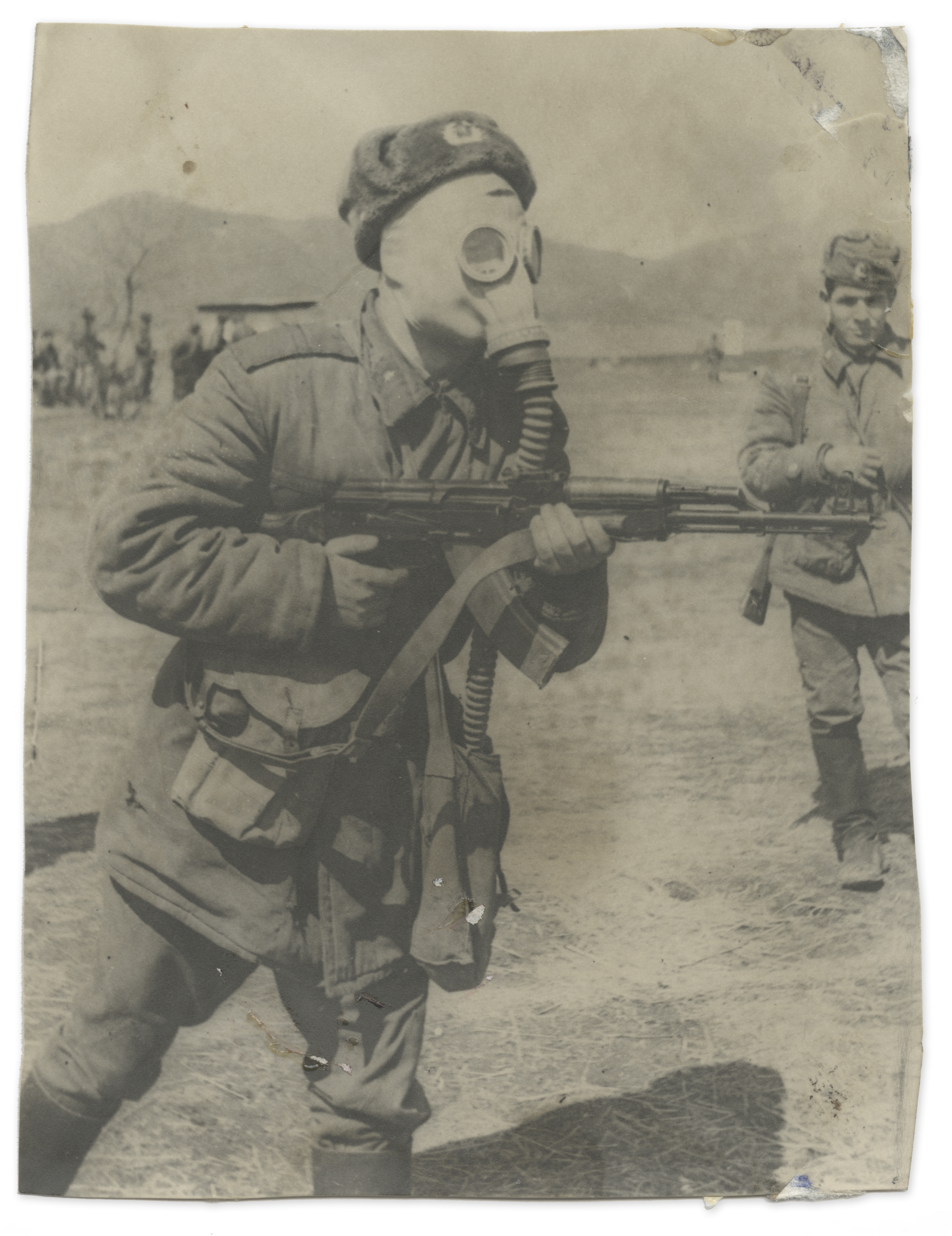
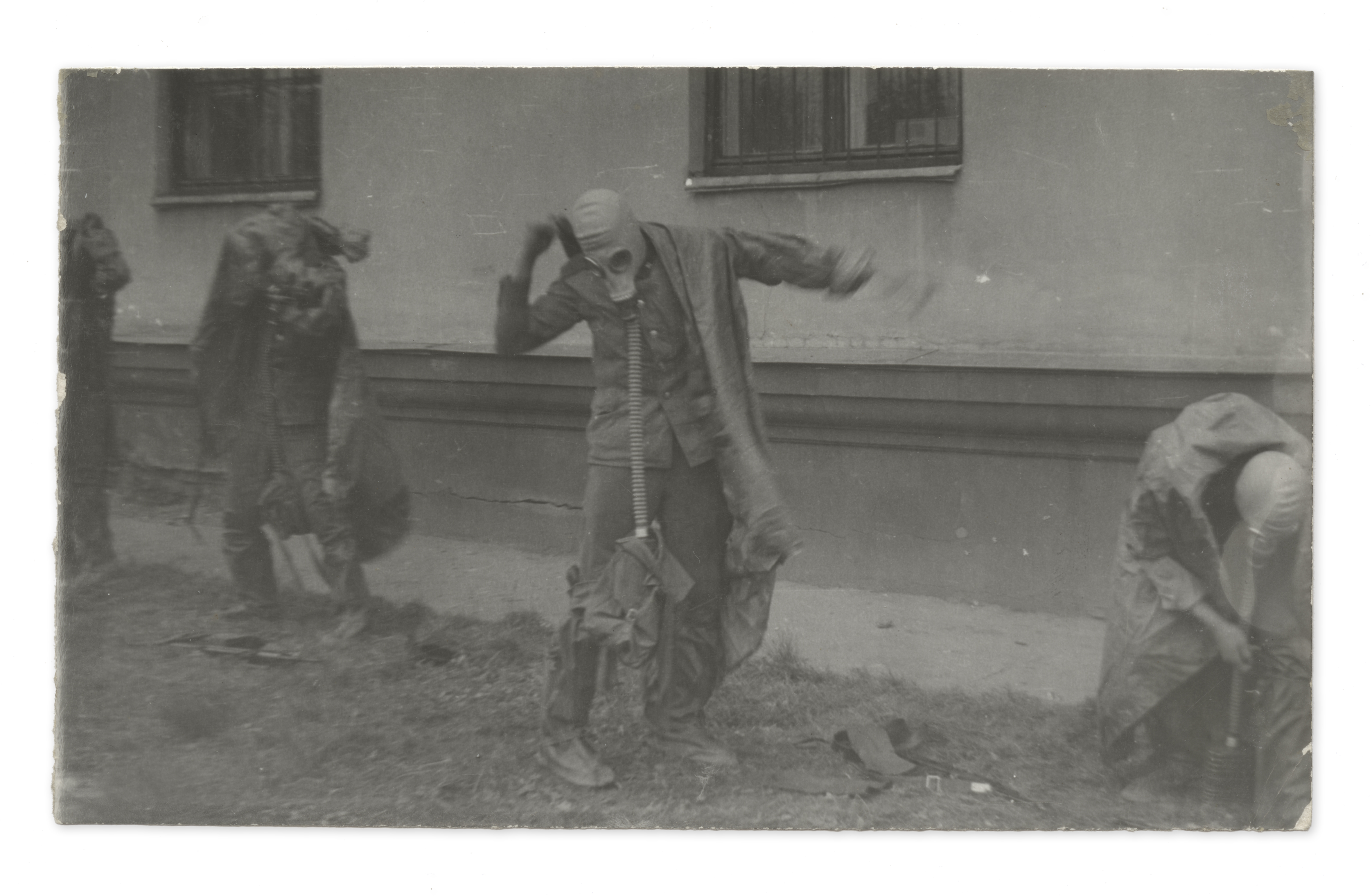
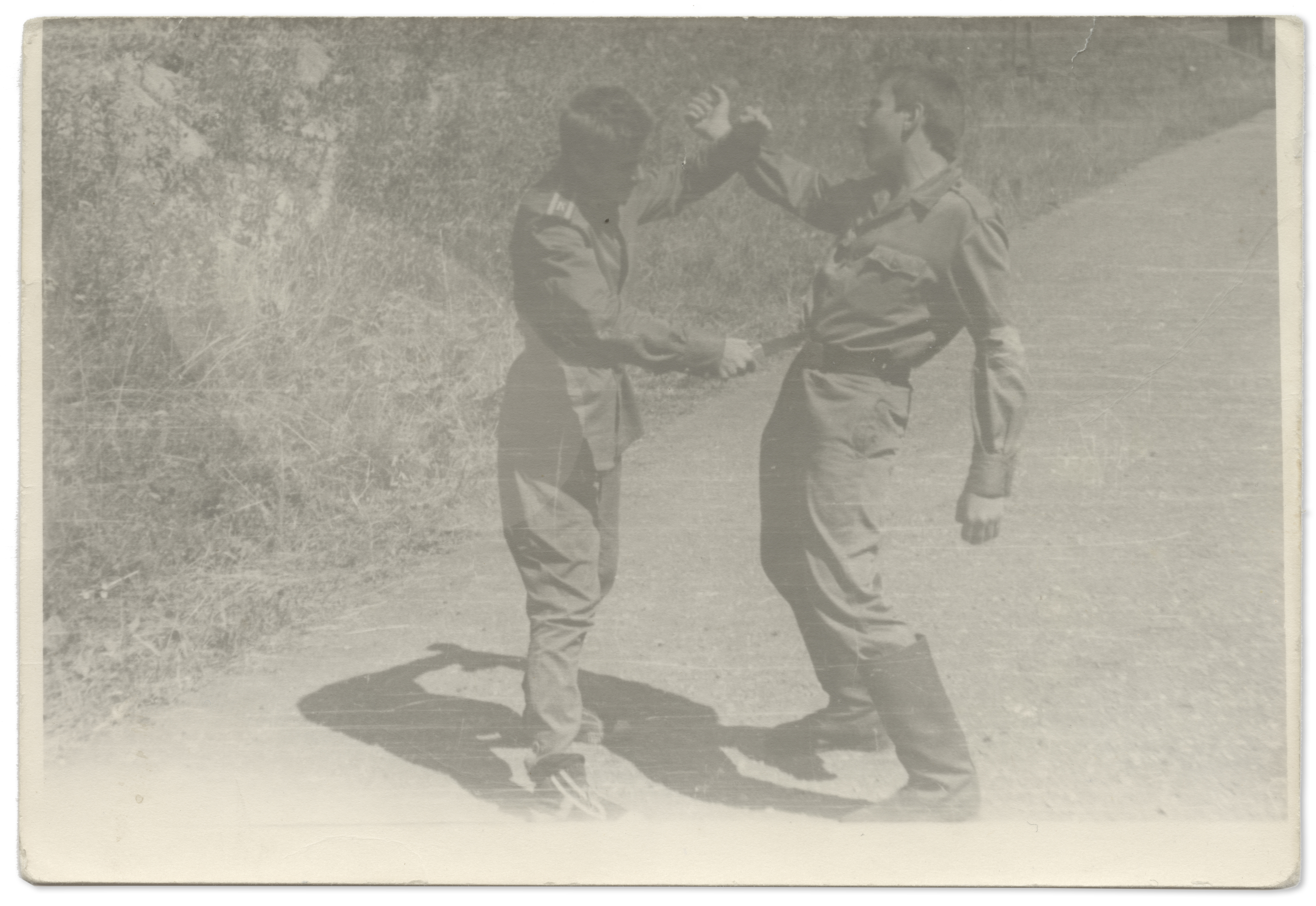
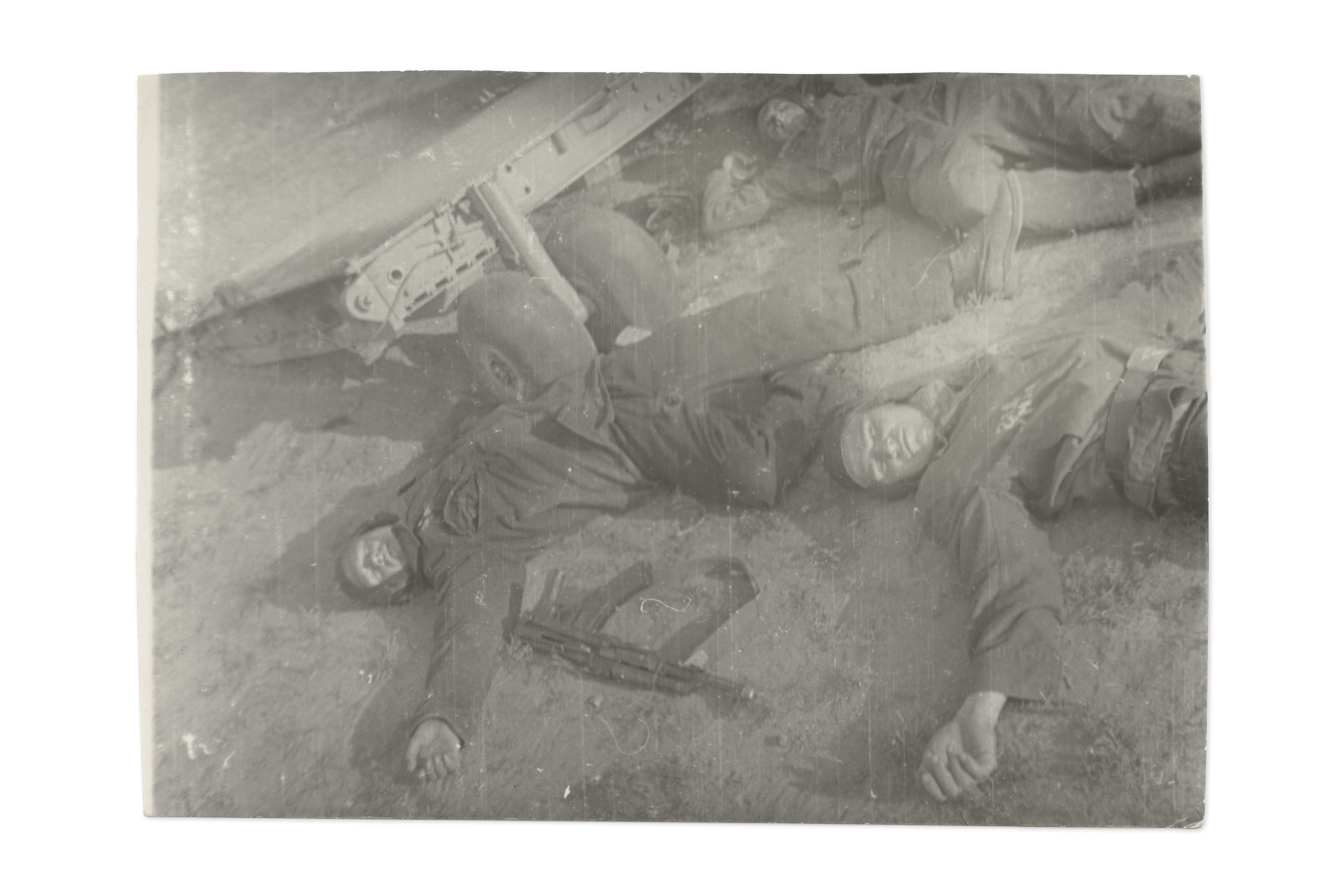
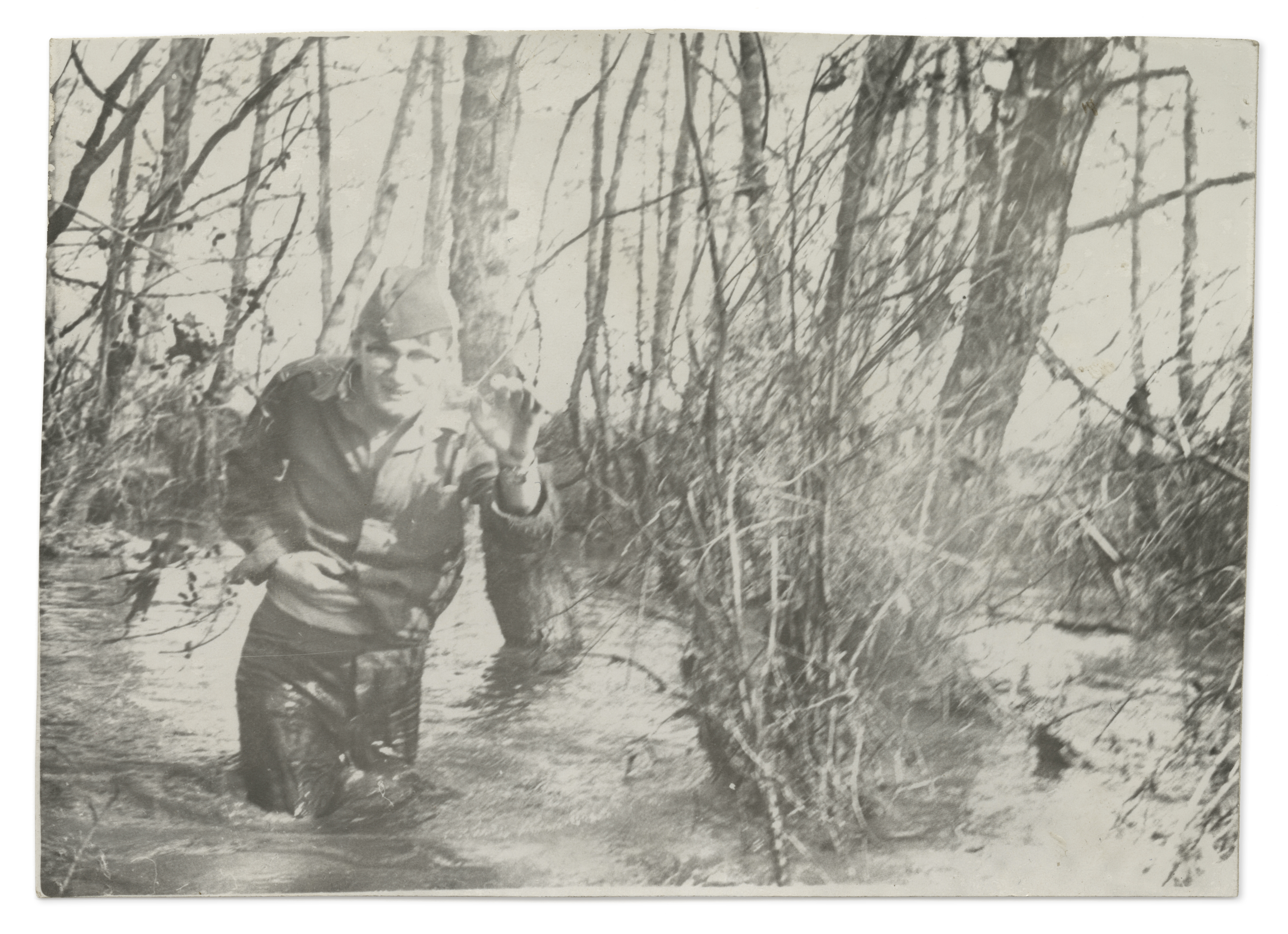
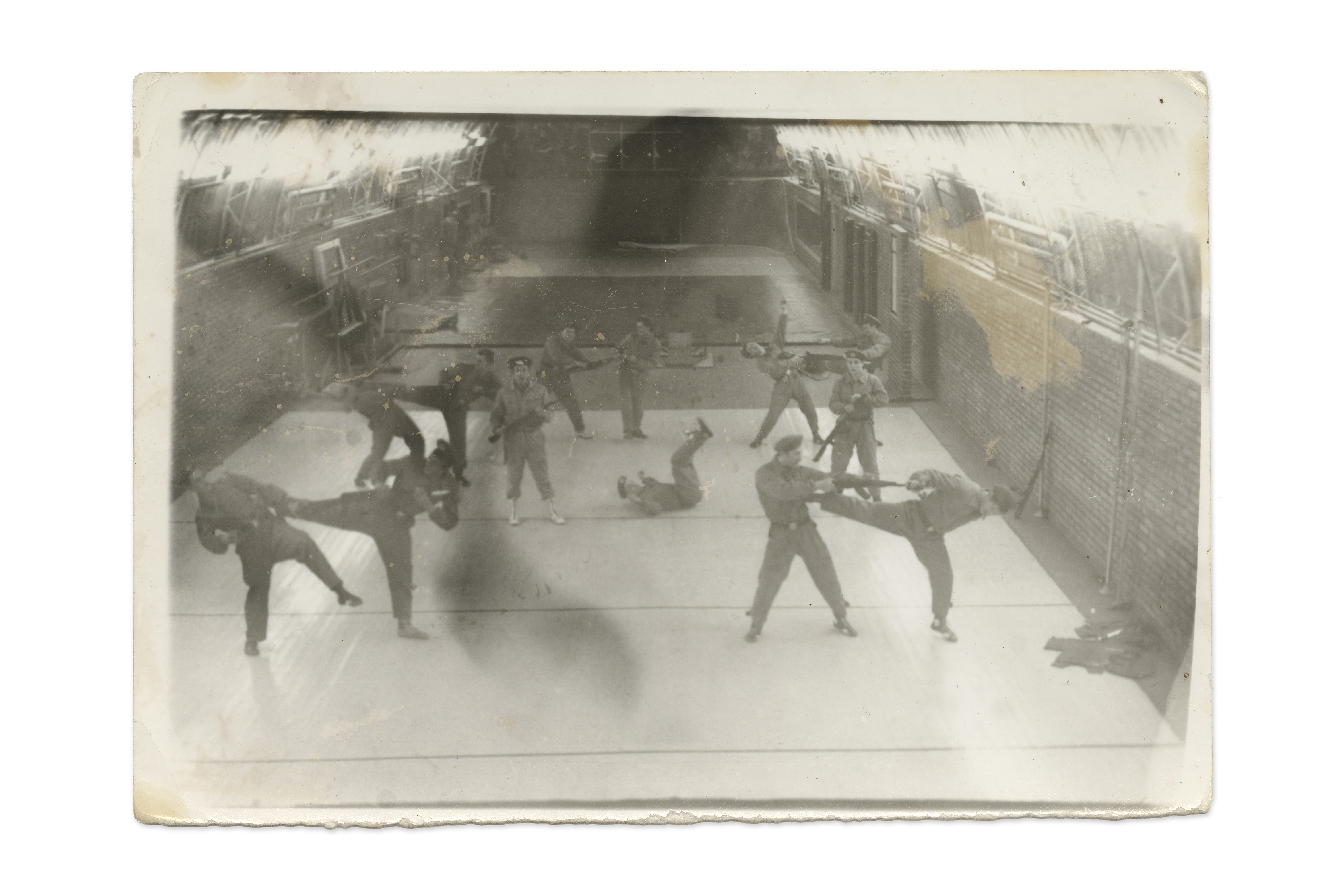
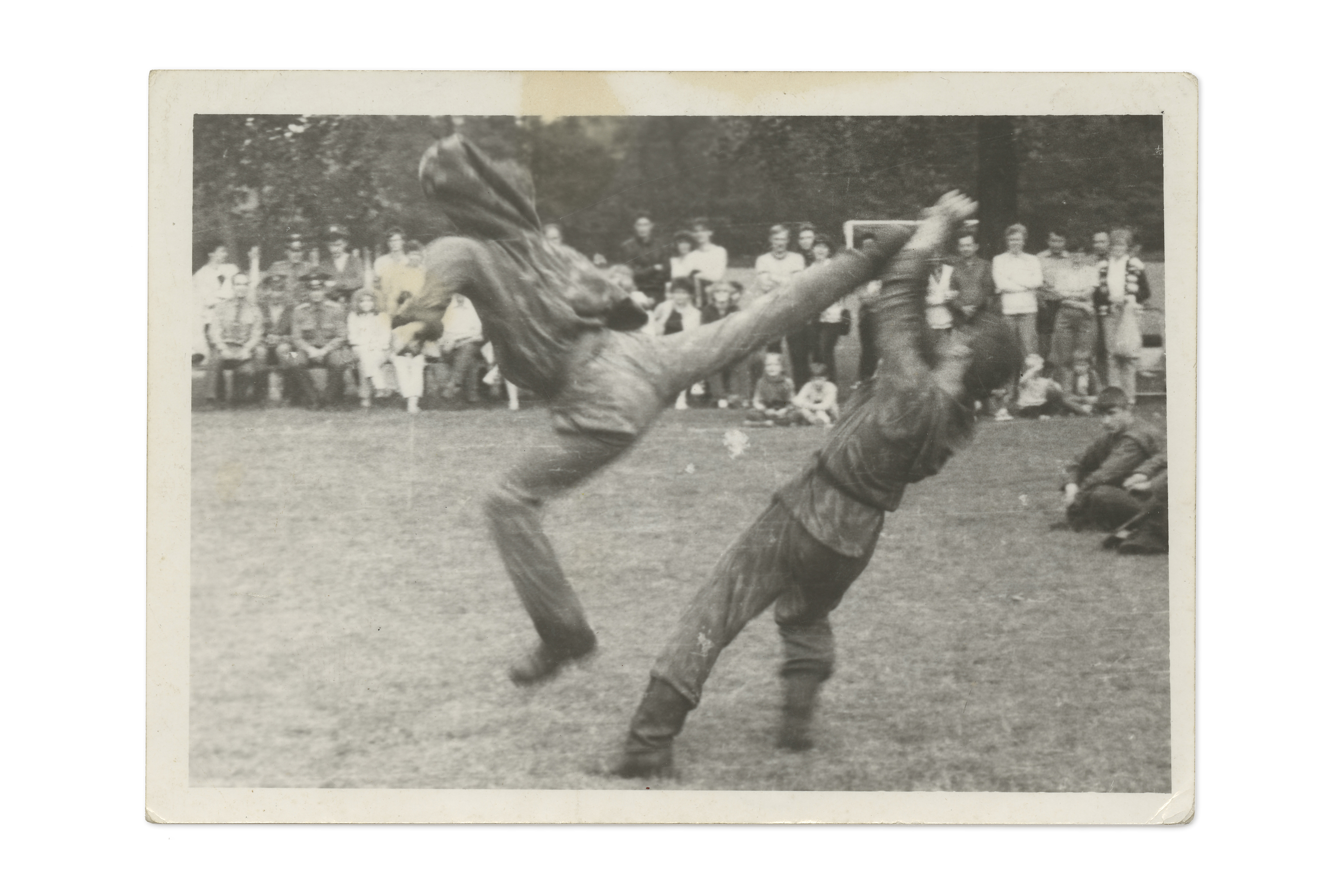
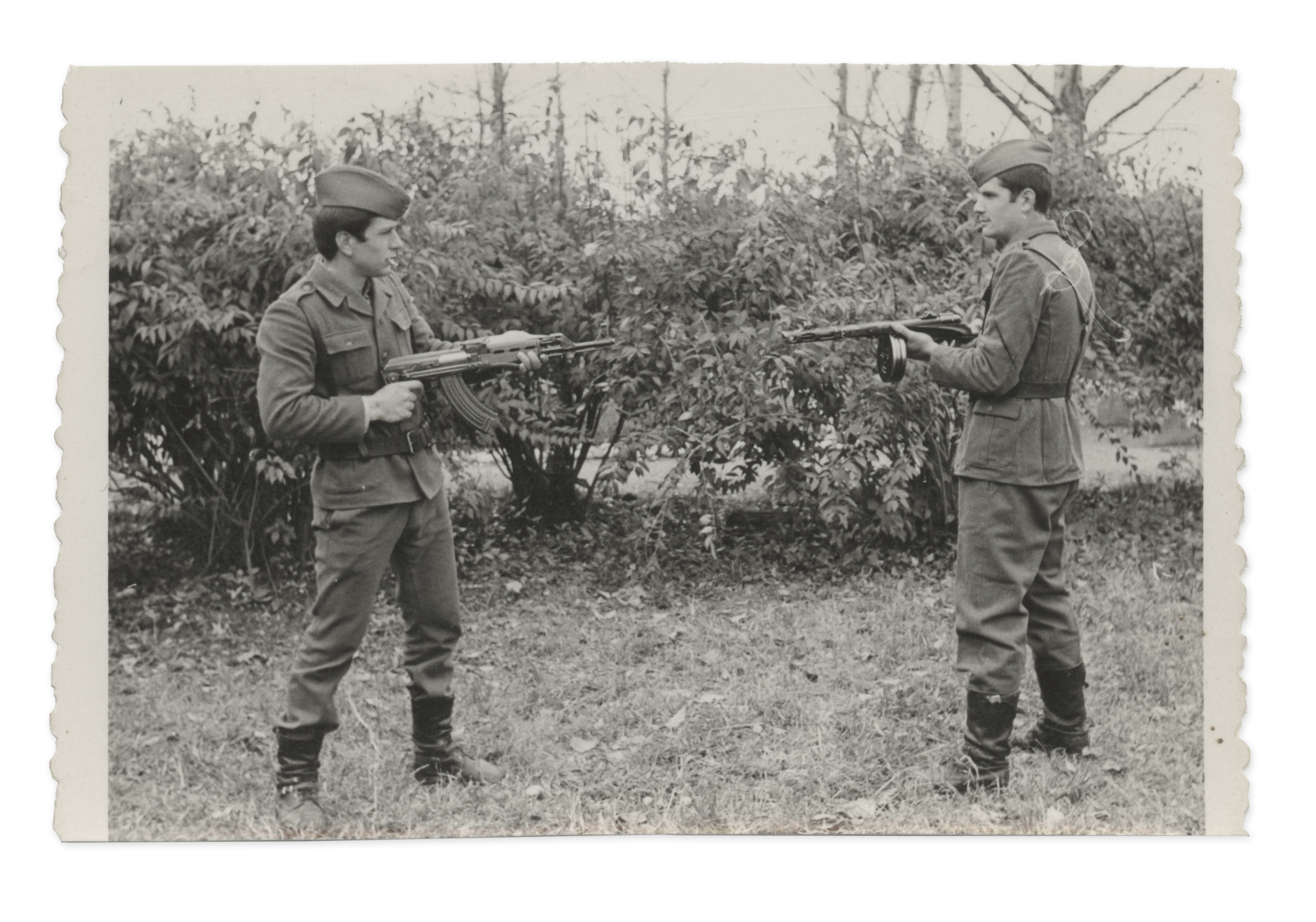
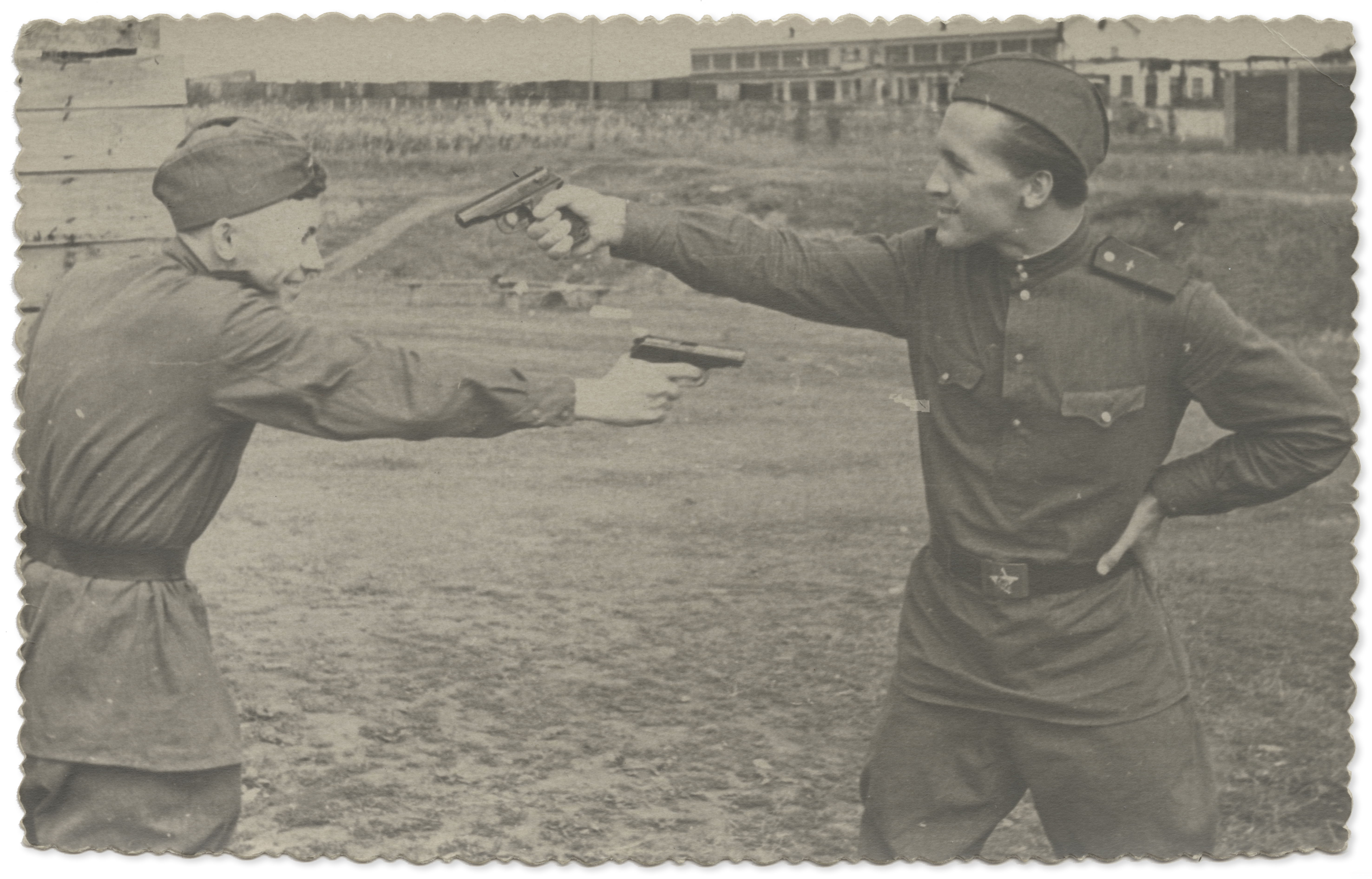
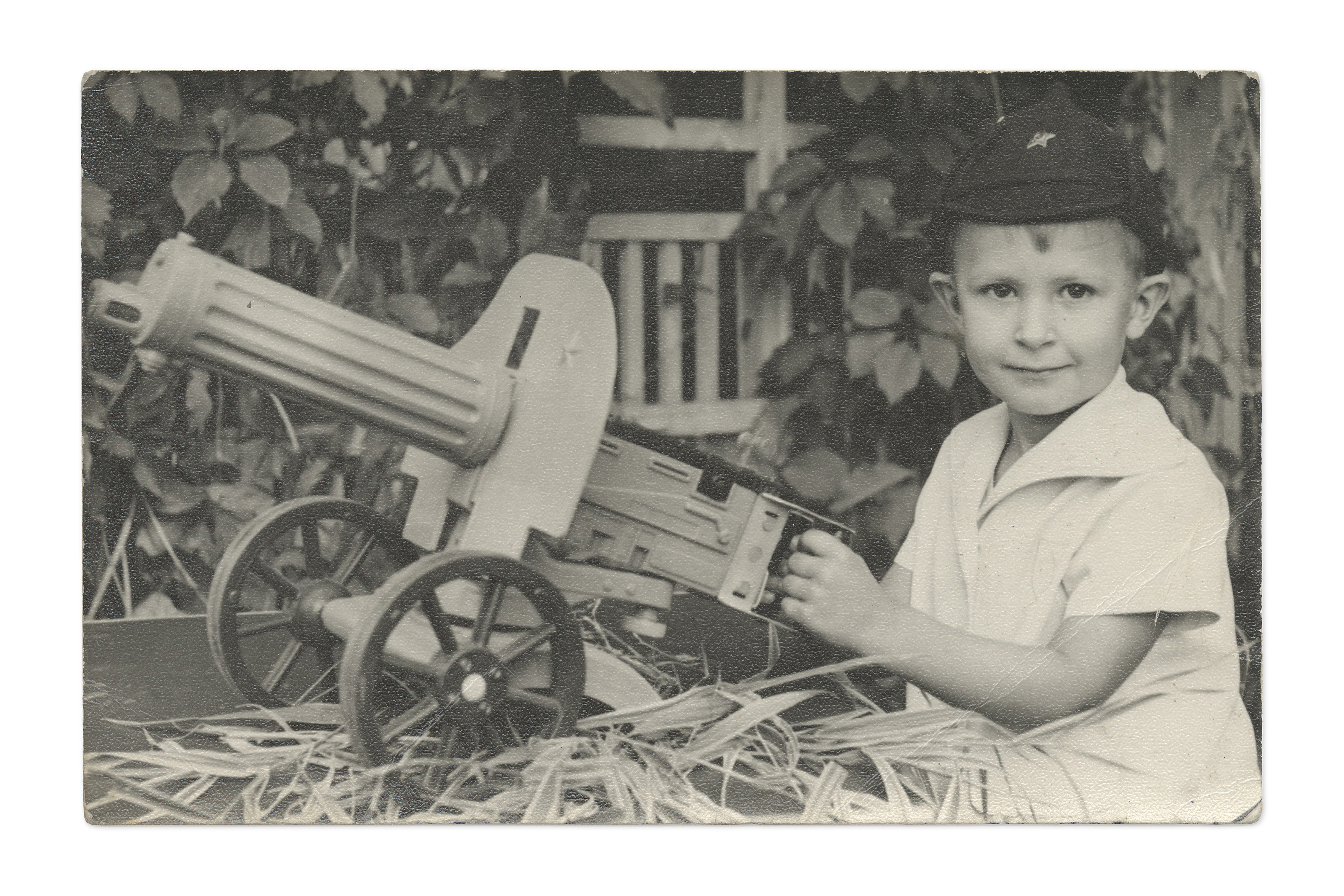
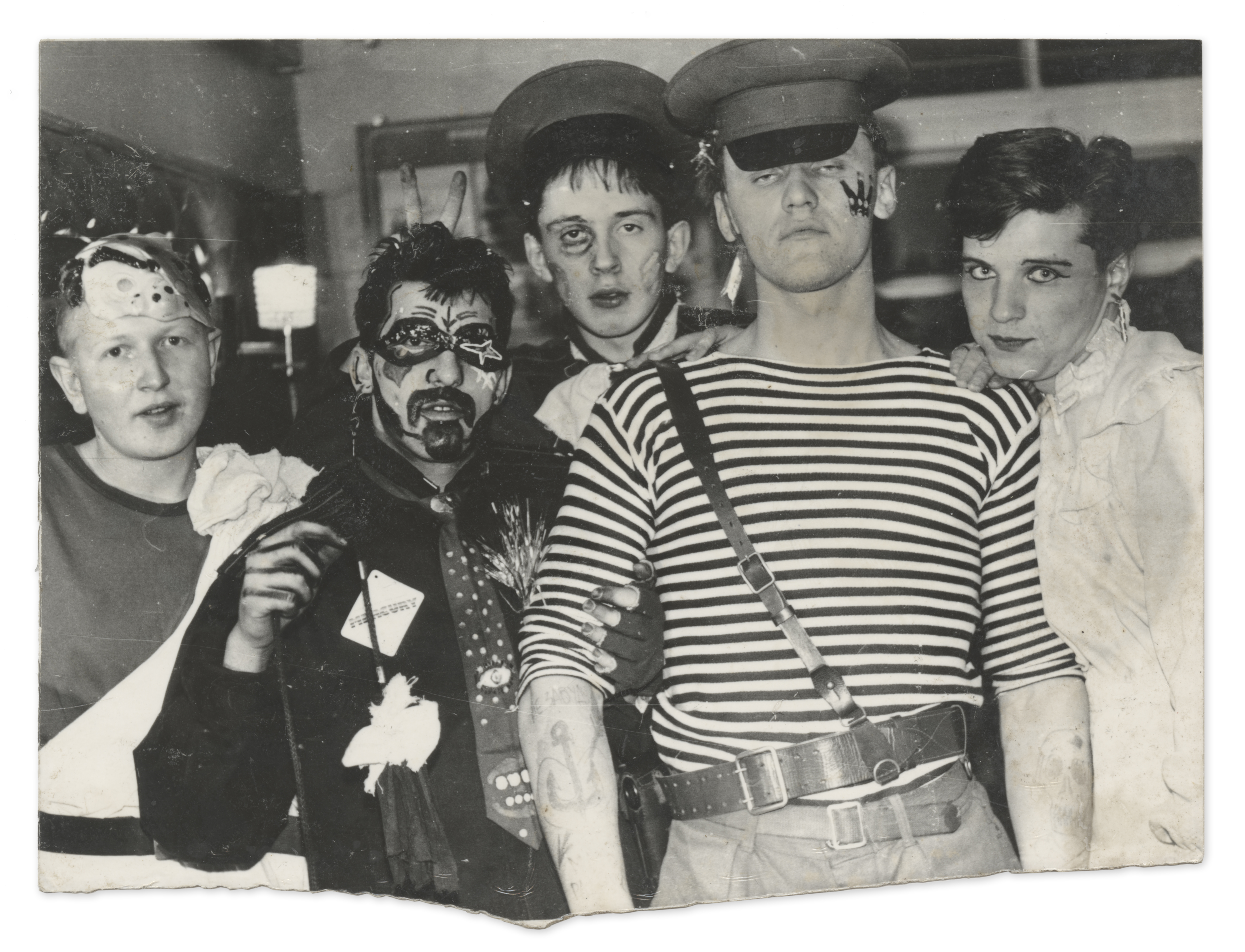
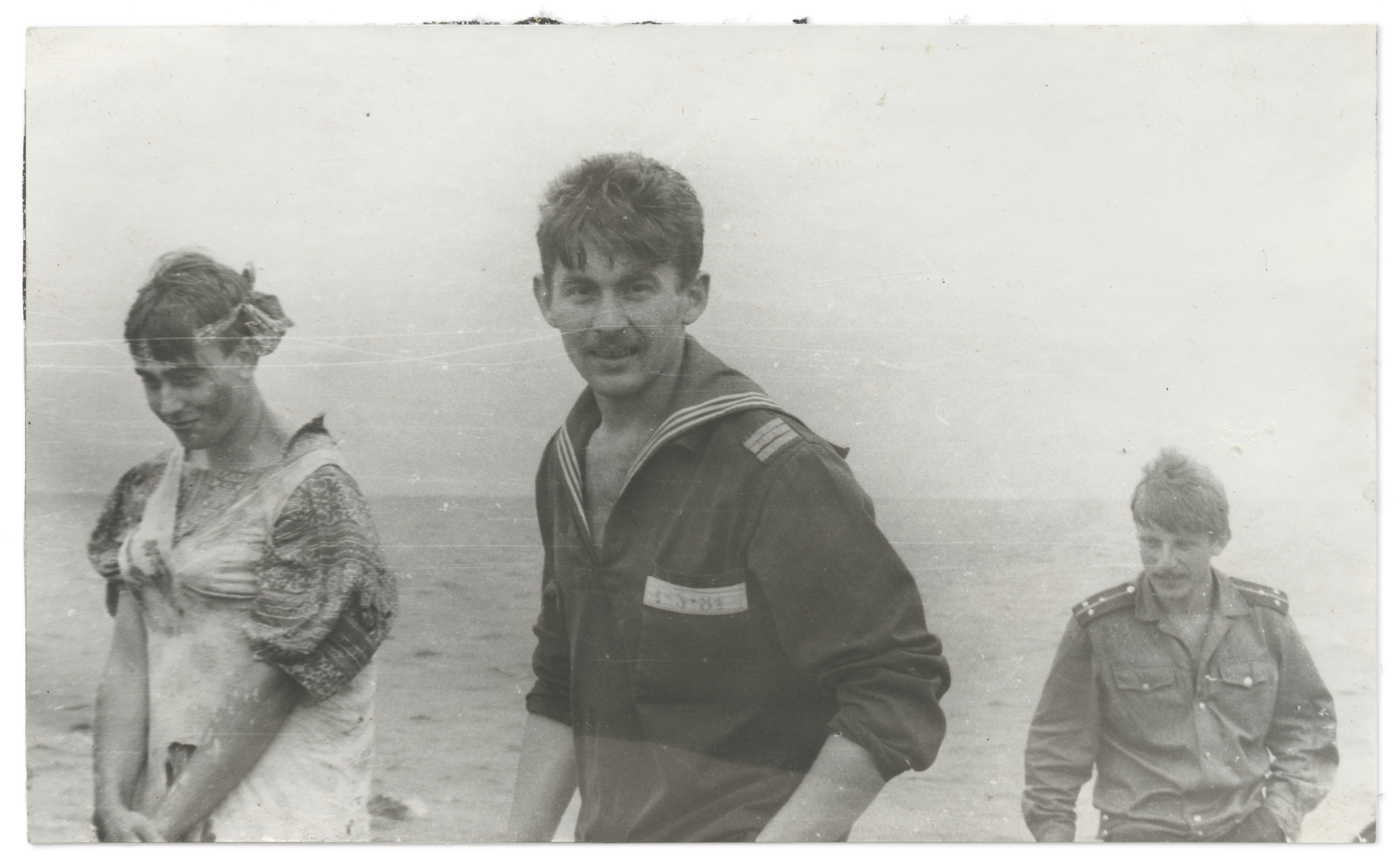
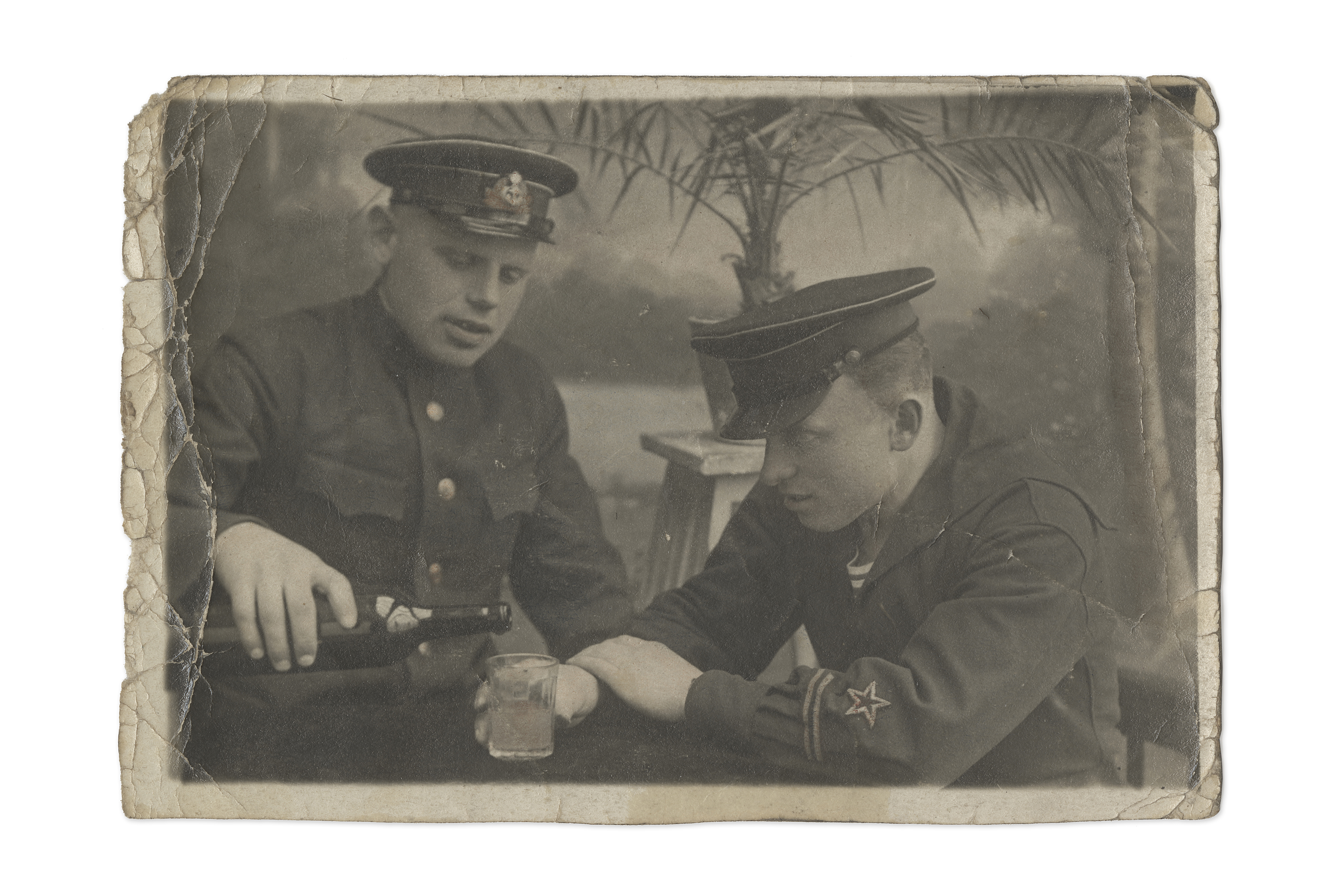
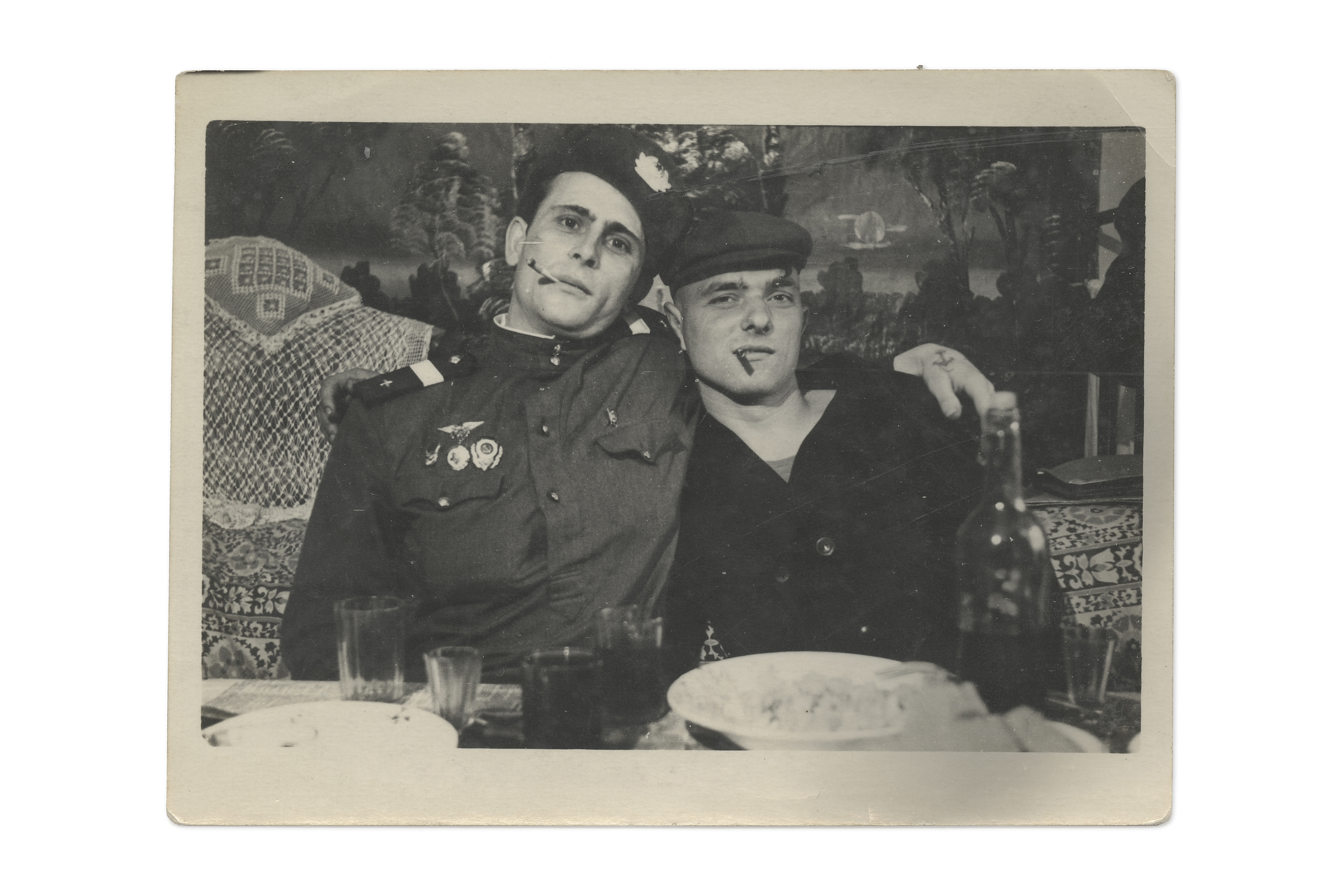
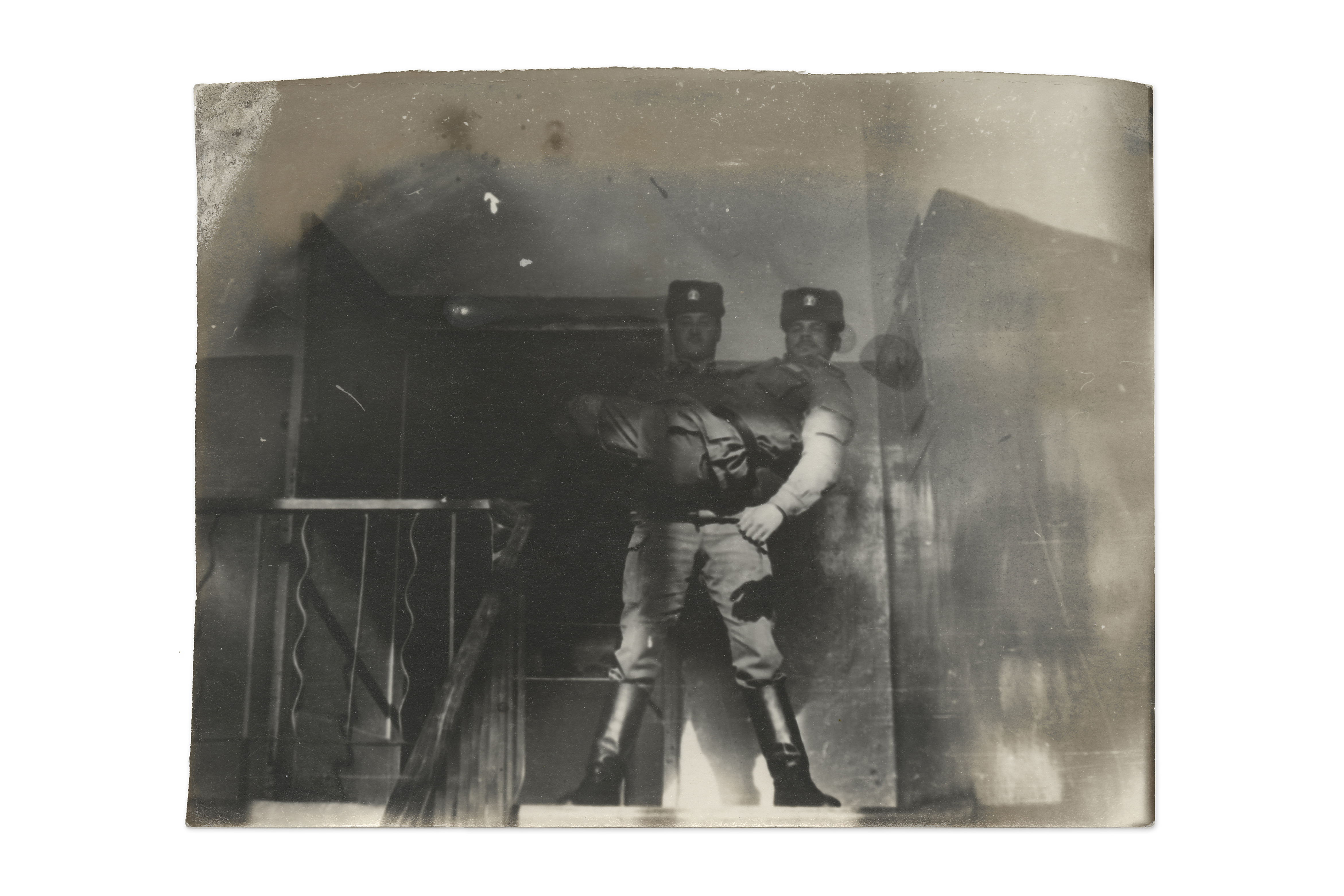
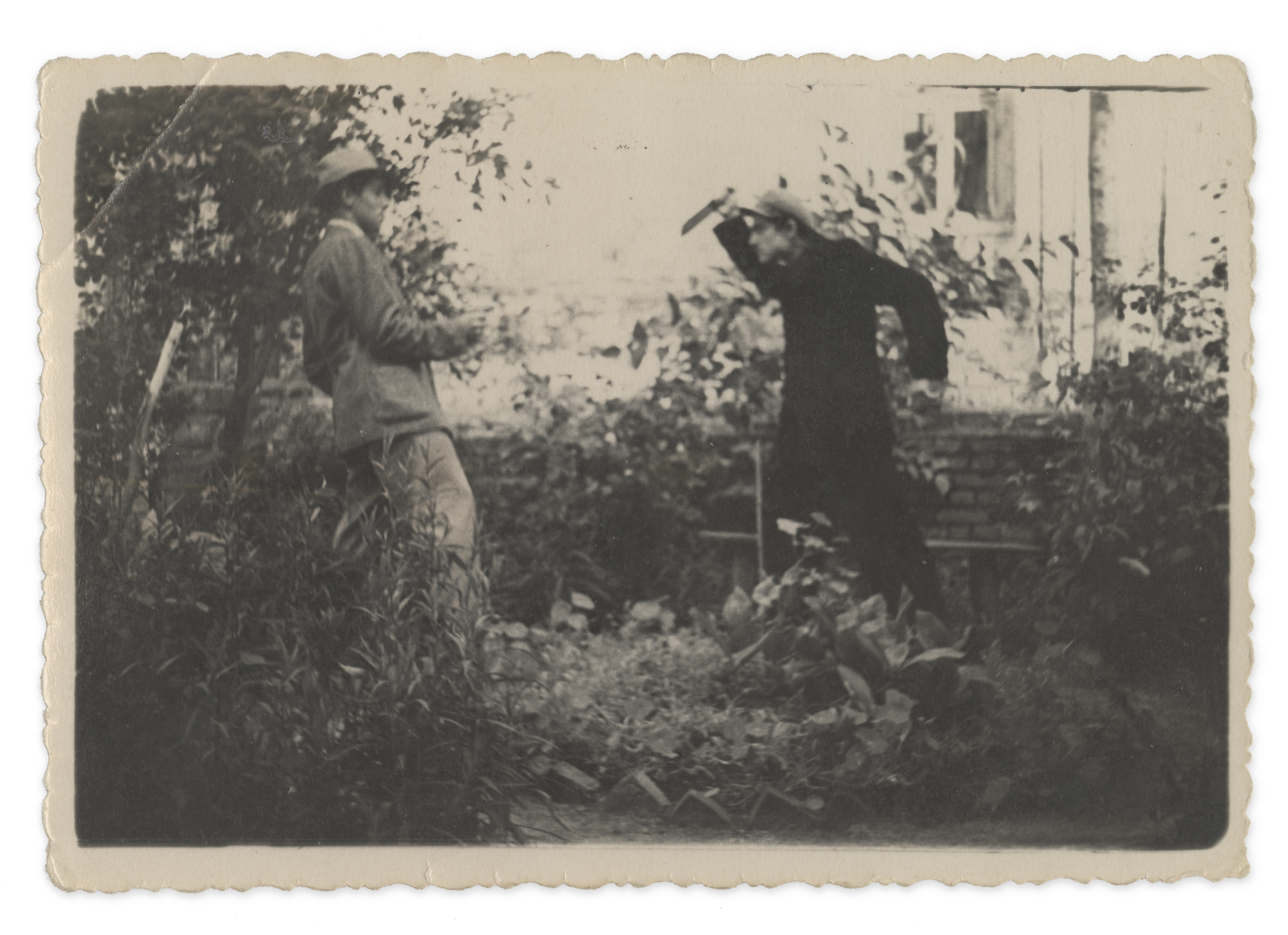
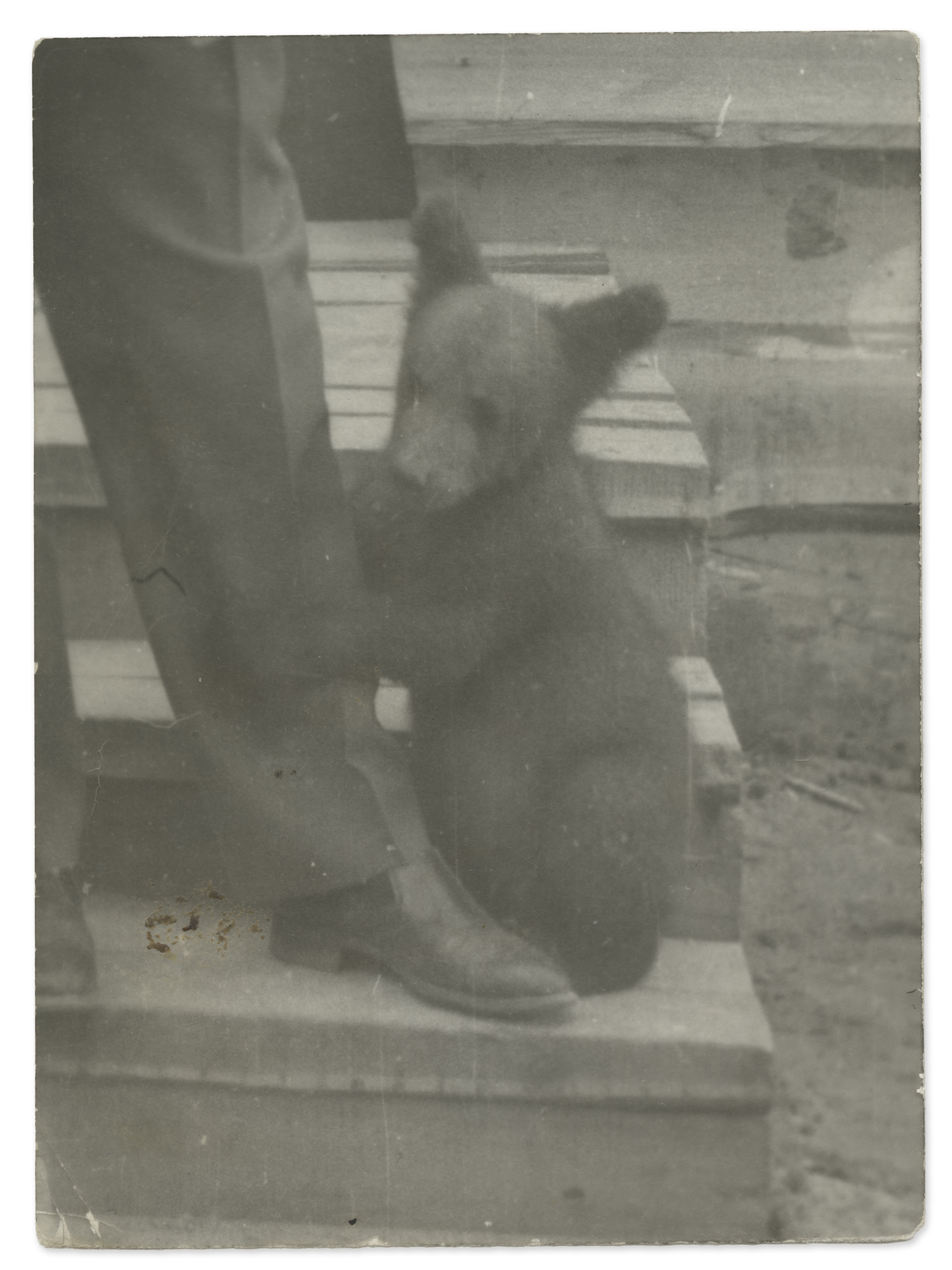
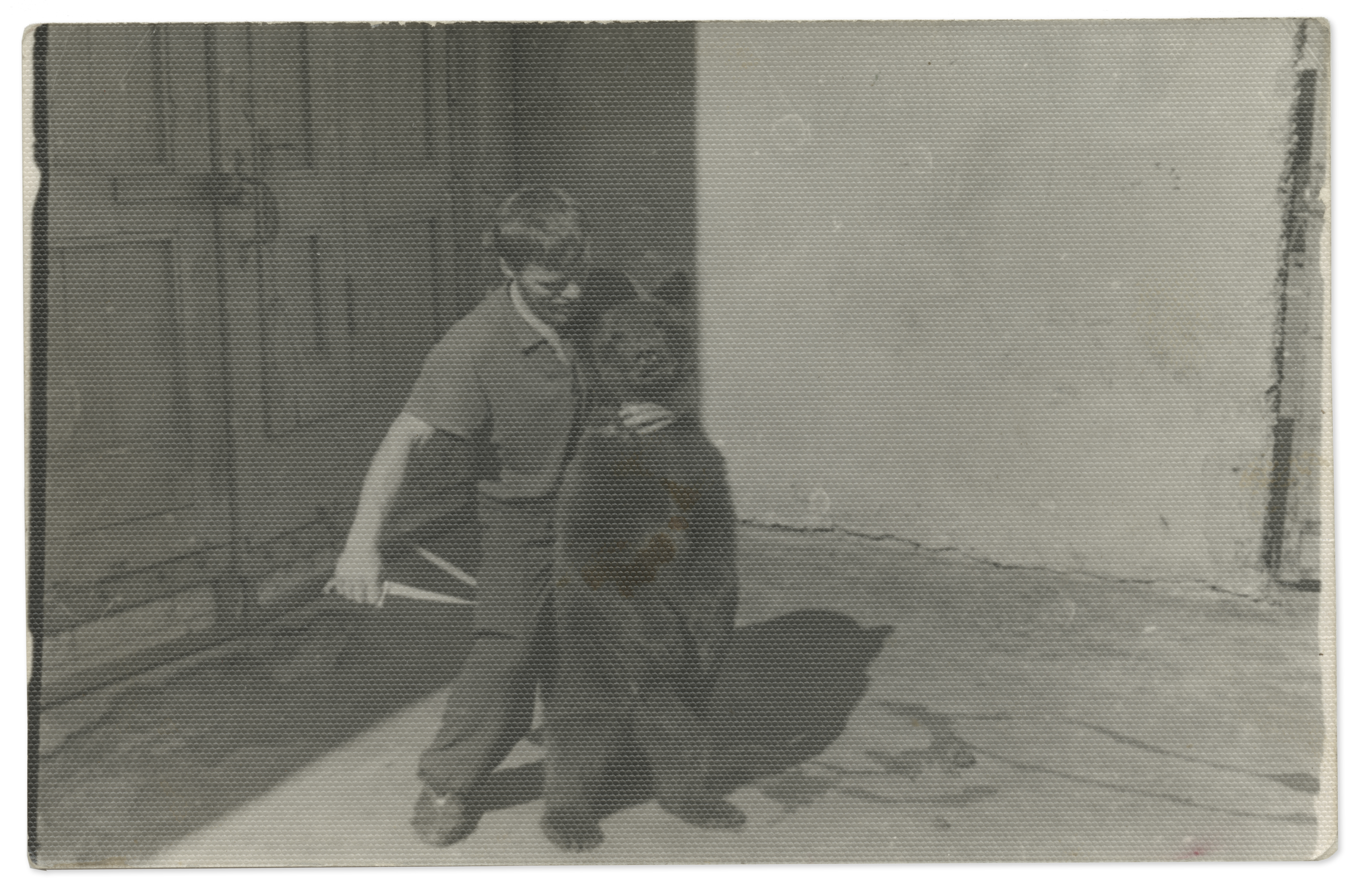
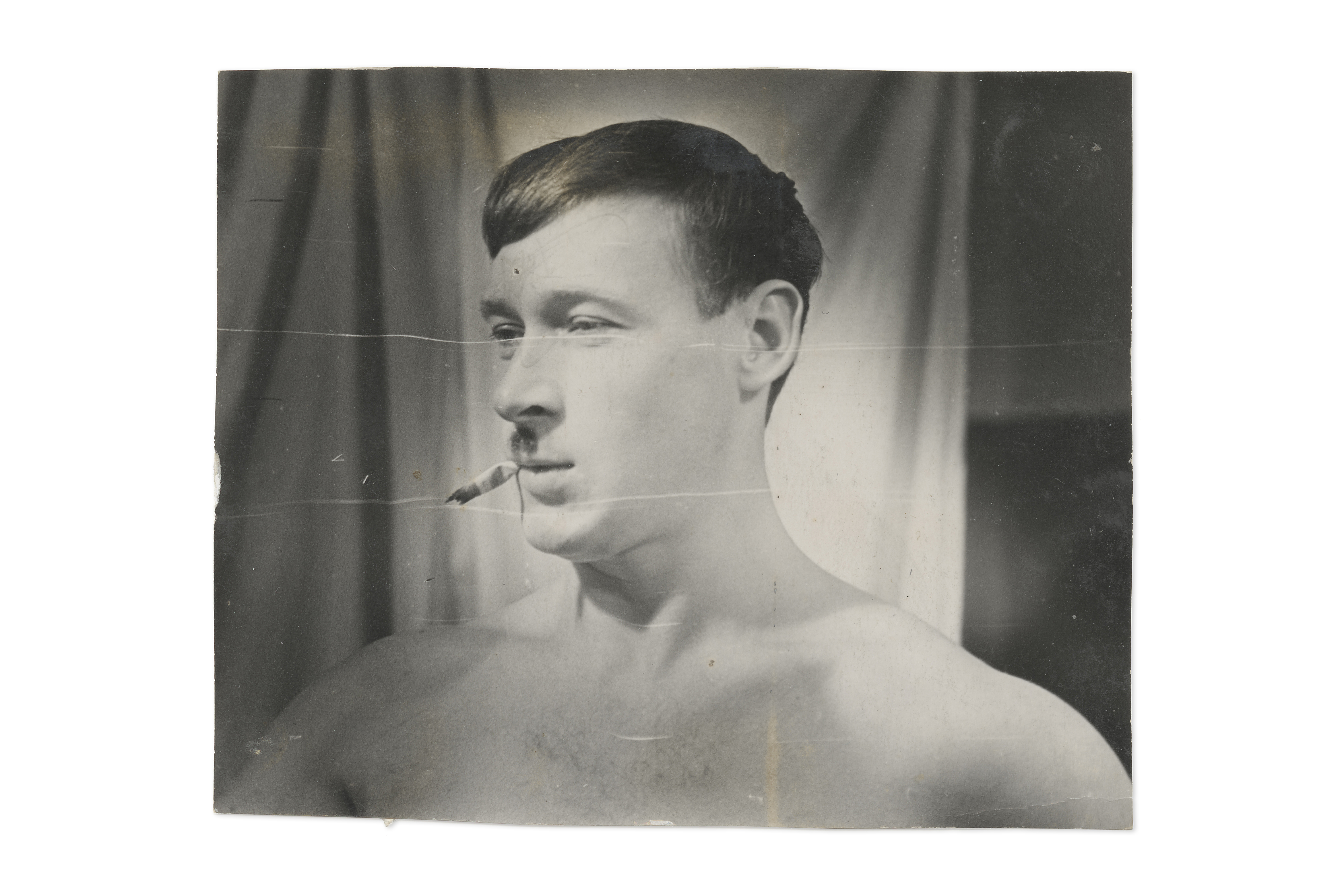
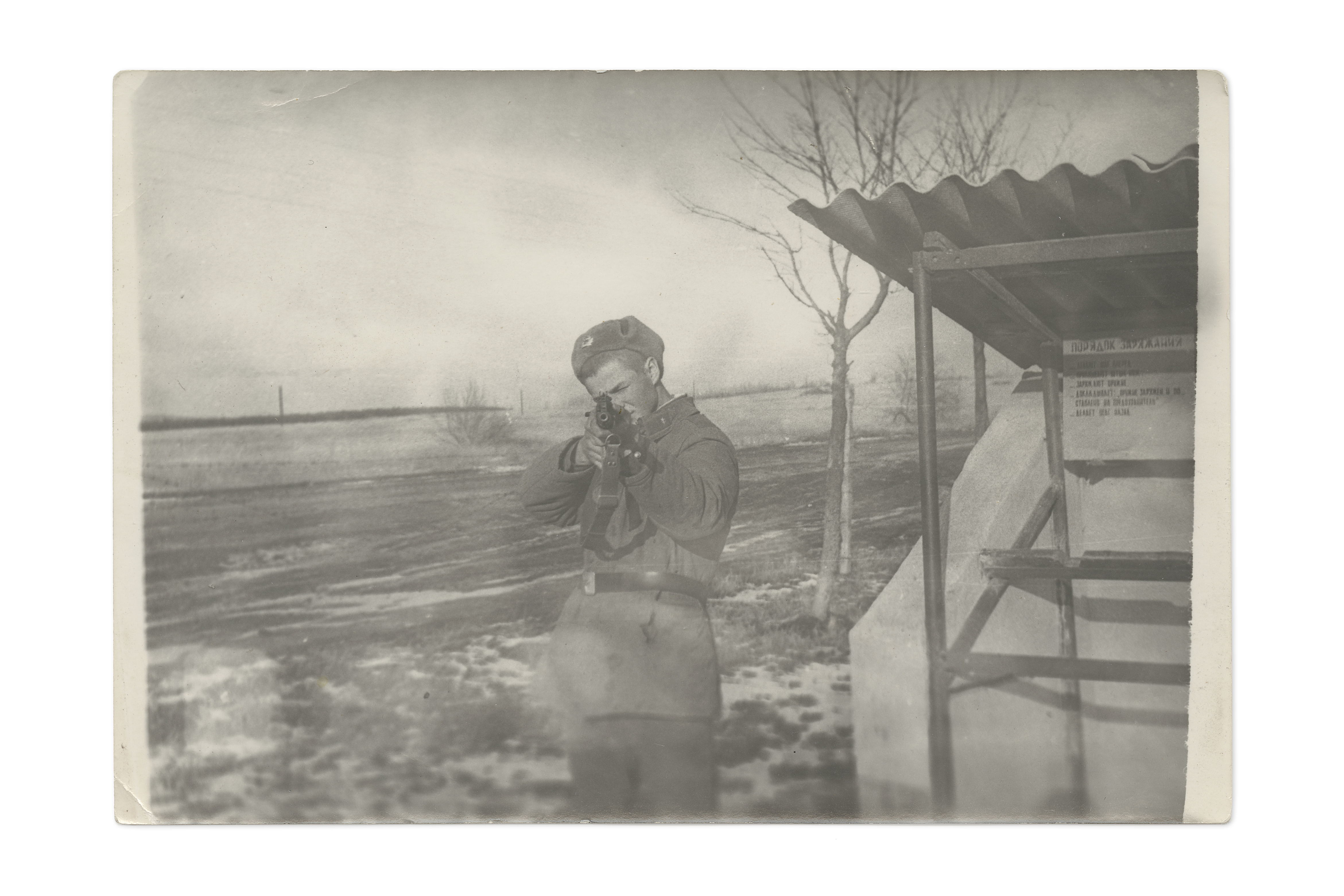
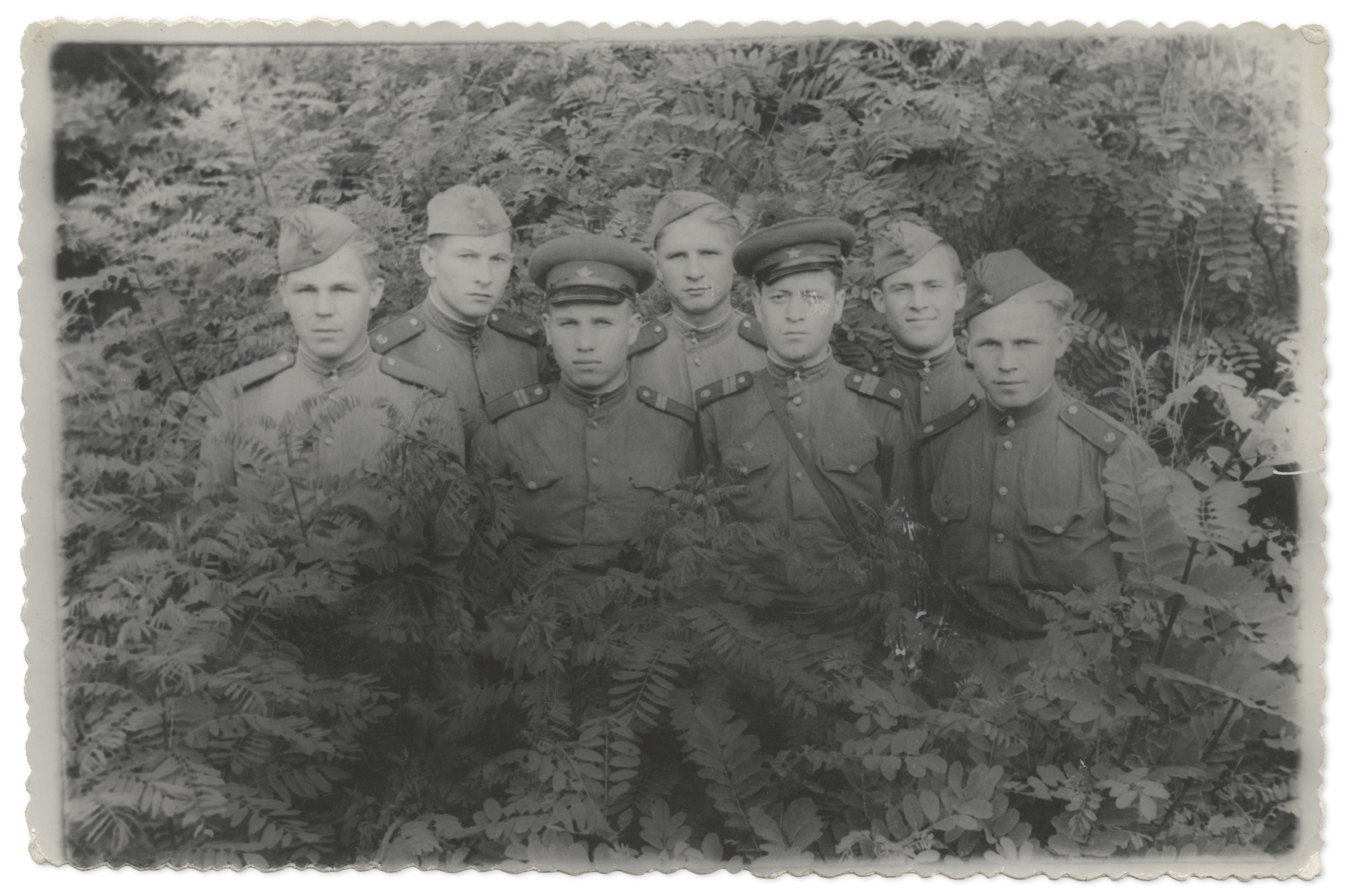
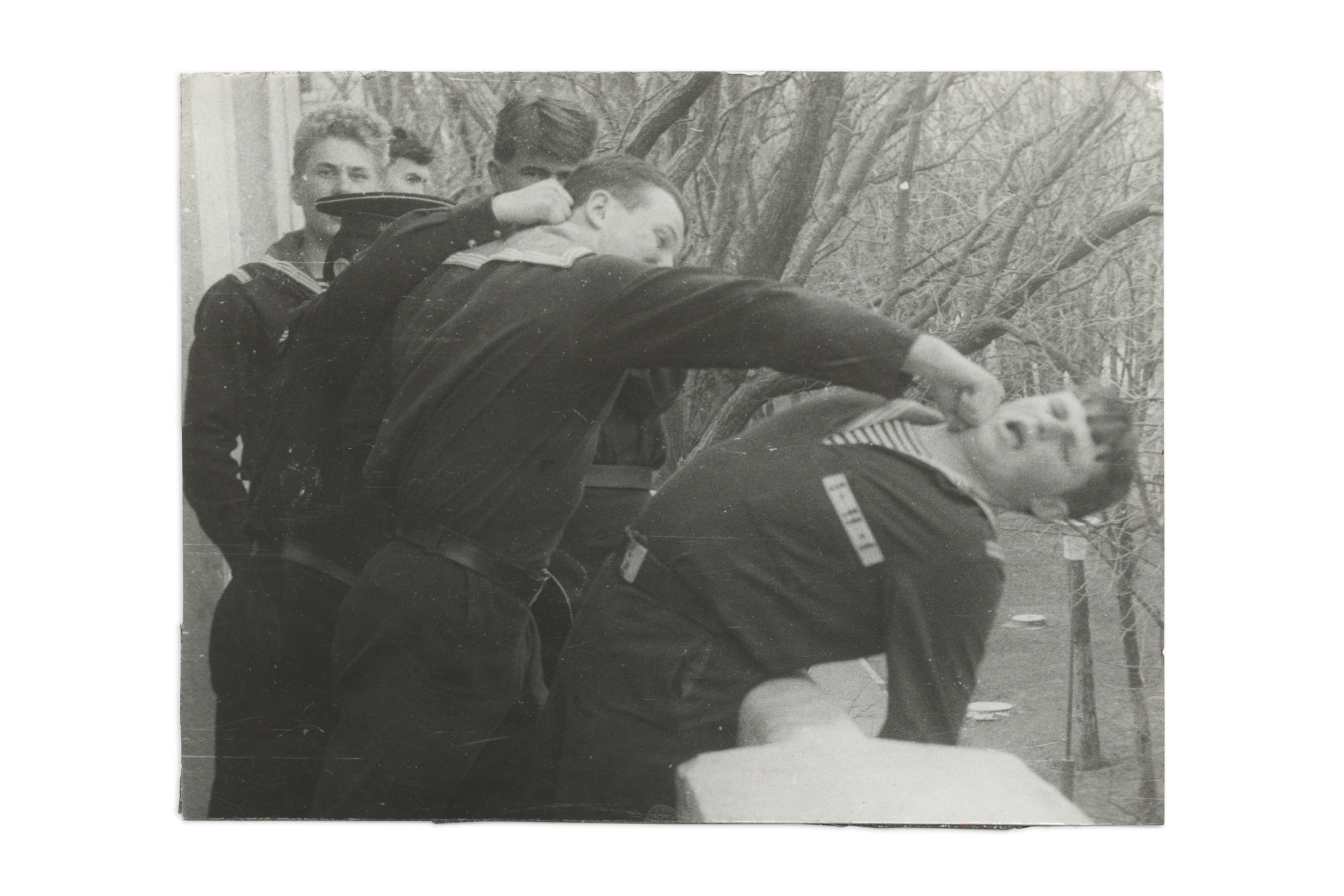
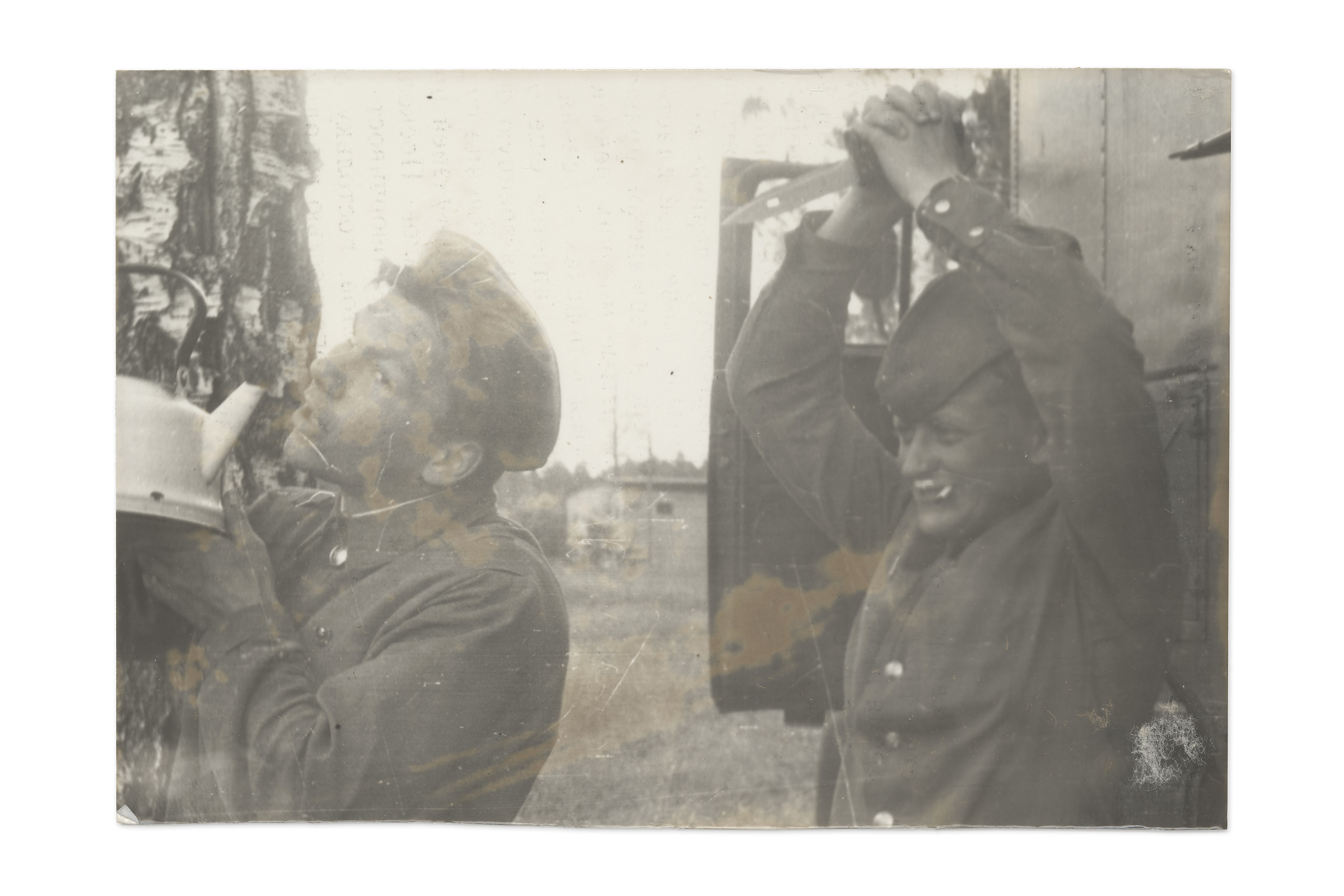
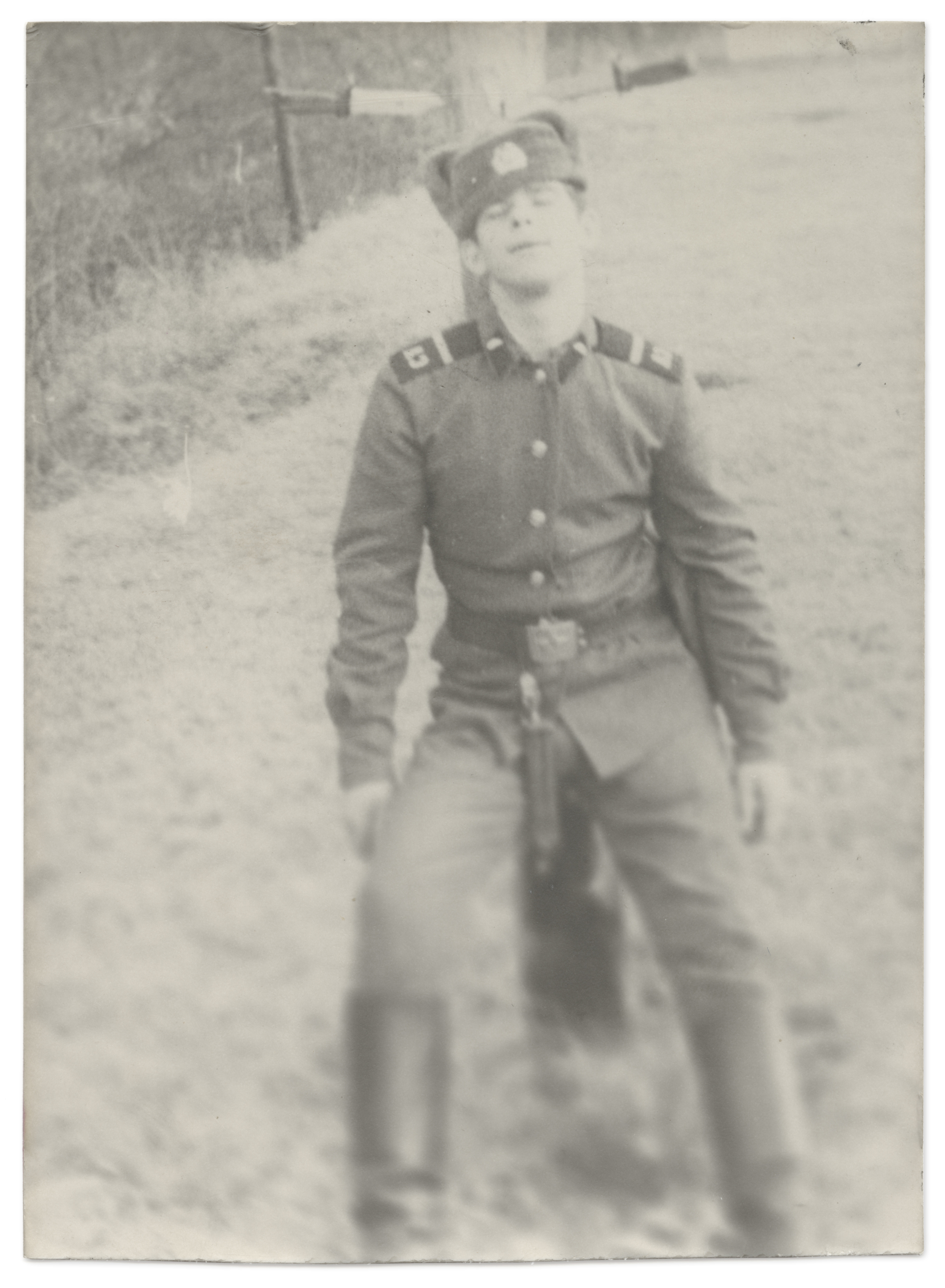
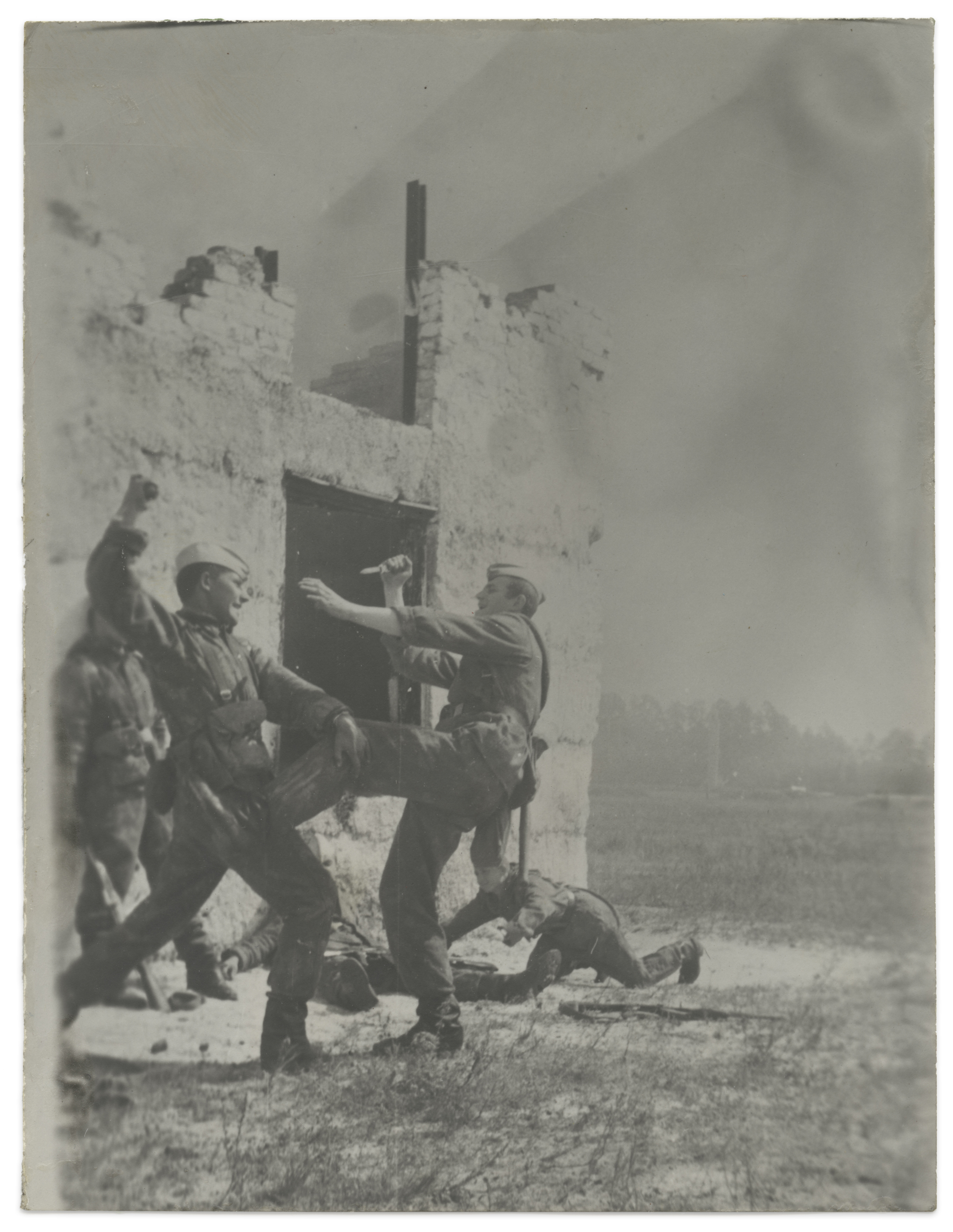
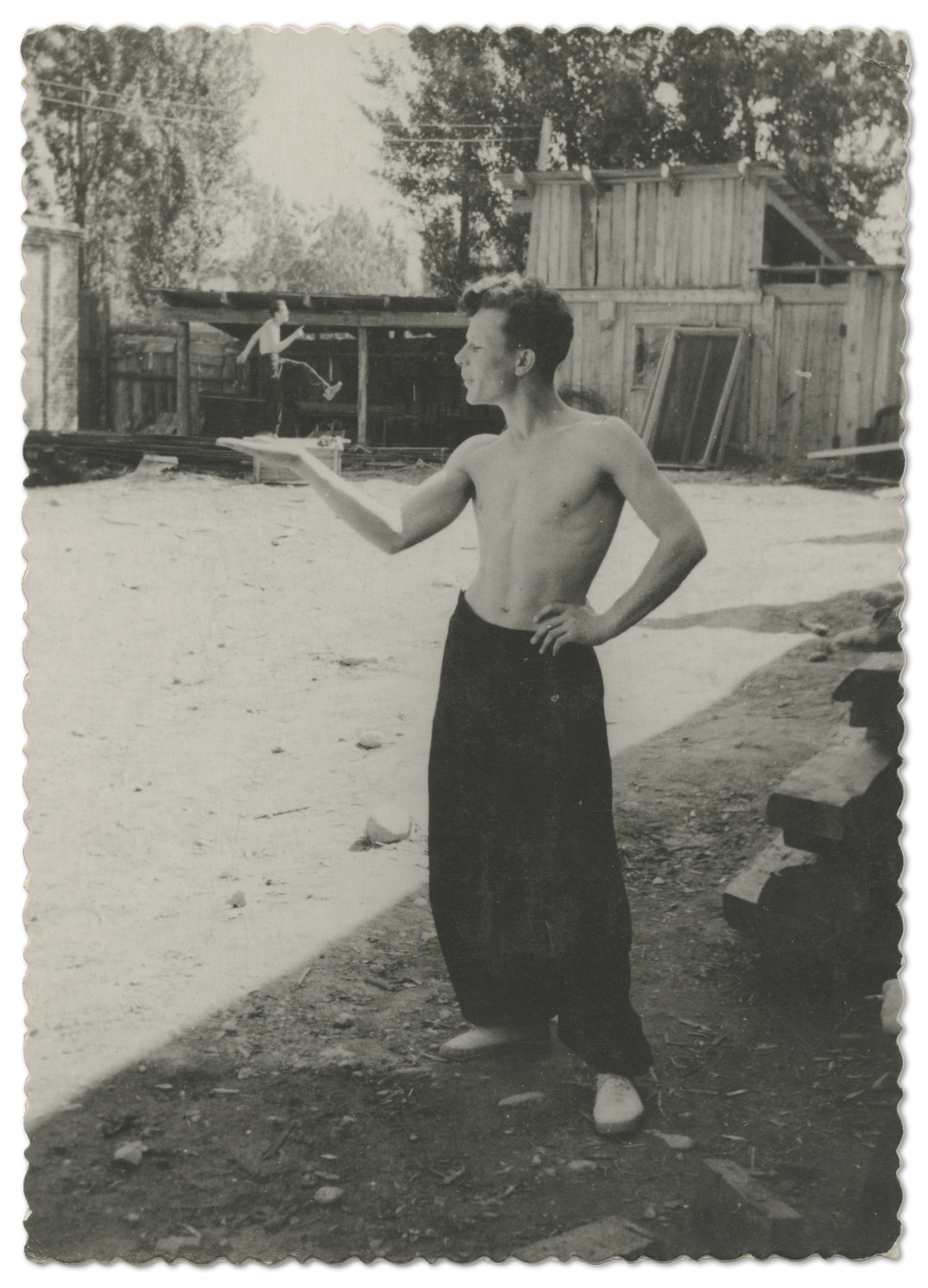
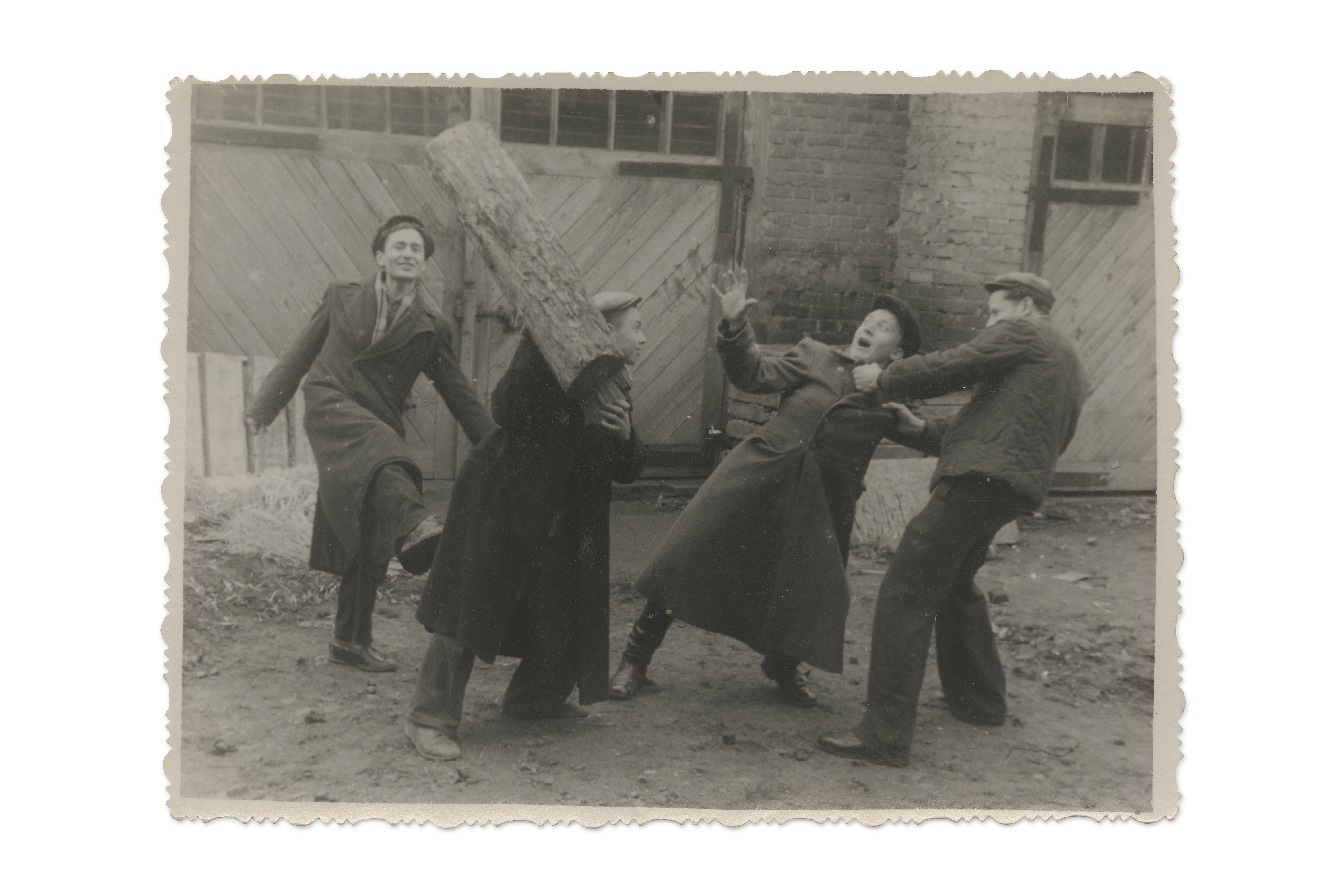
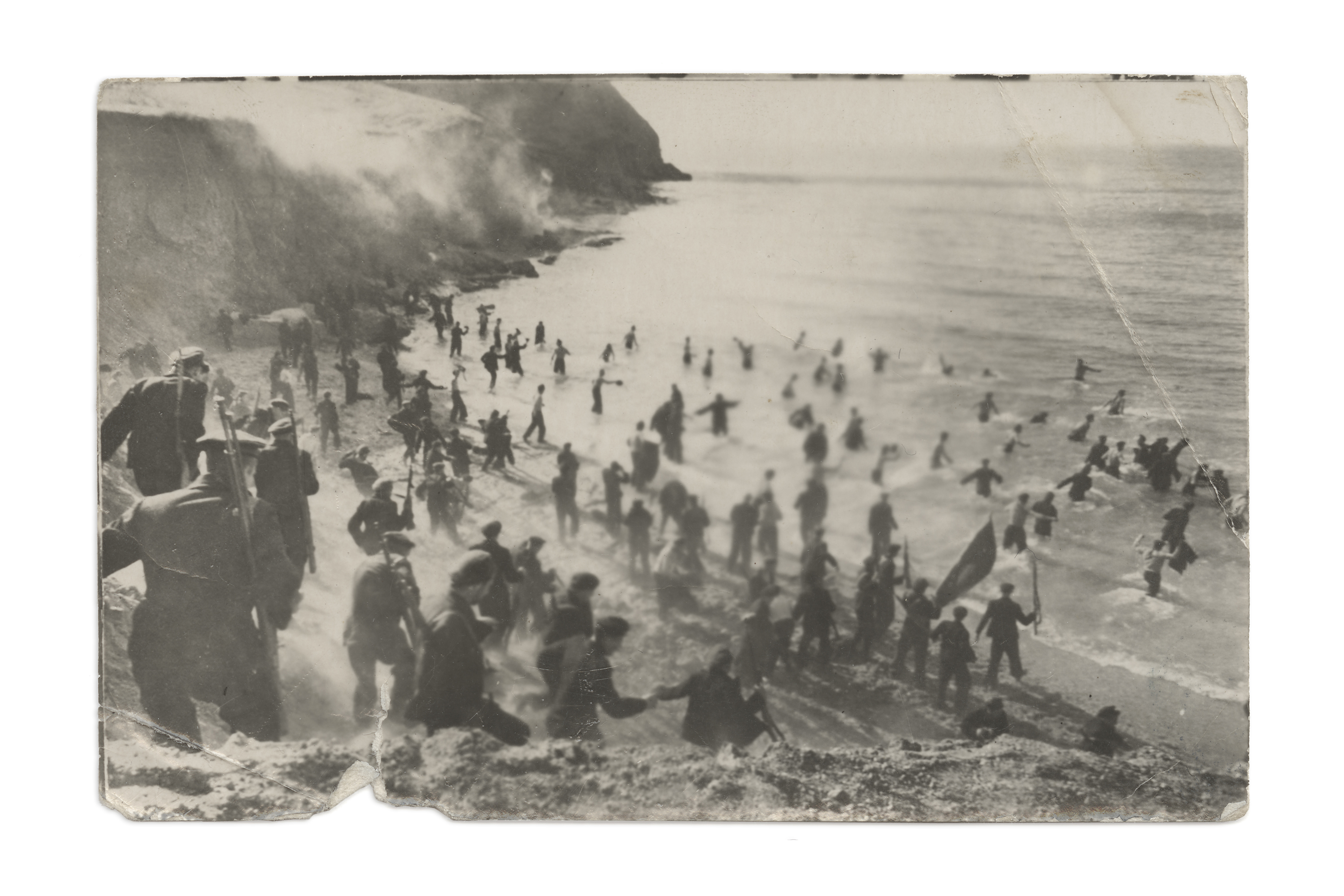
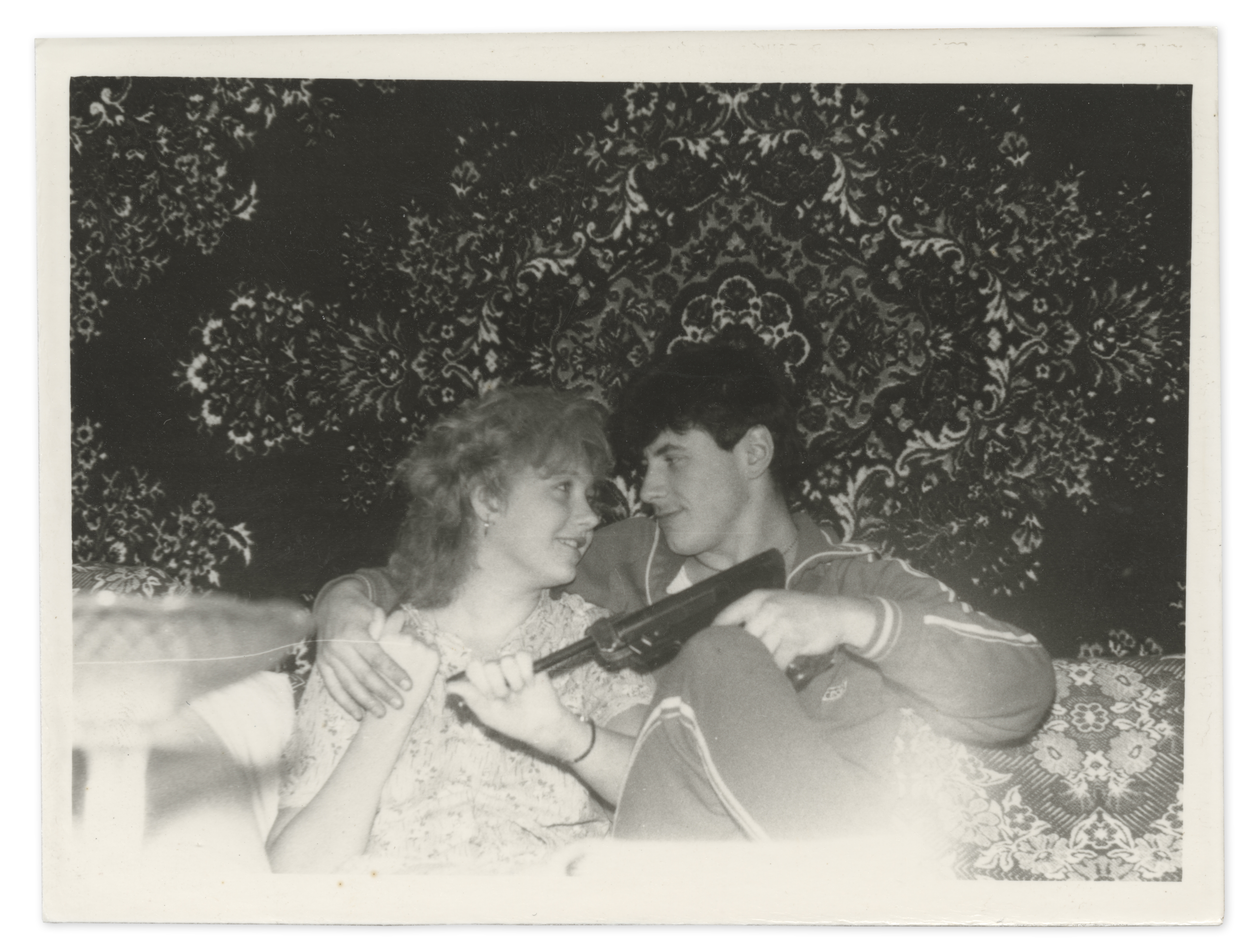
Drawn from these combined holdings alongside Martins’s personal archive, the photographs were taken primarily by Soviet soldiers between the 1940s and 1980s. They document a theatre of conflict that official history rarely stages: not the battlefield, but the interminable waiting before it. What emerges is a portrait of soldiers caught in the long, suspended hours between peace and open war — a condition that breeds its own forms of intensity, its own rituals of release. The images show men at play, but it is a play shot through with danger: bodies performing mock executions, hands shaped into guns, gestures oscillating between jest and genuine menace. Violence, drained of its immediate stakes, becomes spectacle; the game and the act it mimics grow indistinguishable.
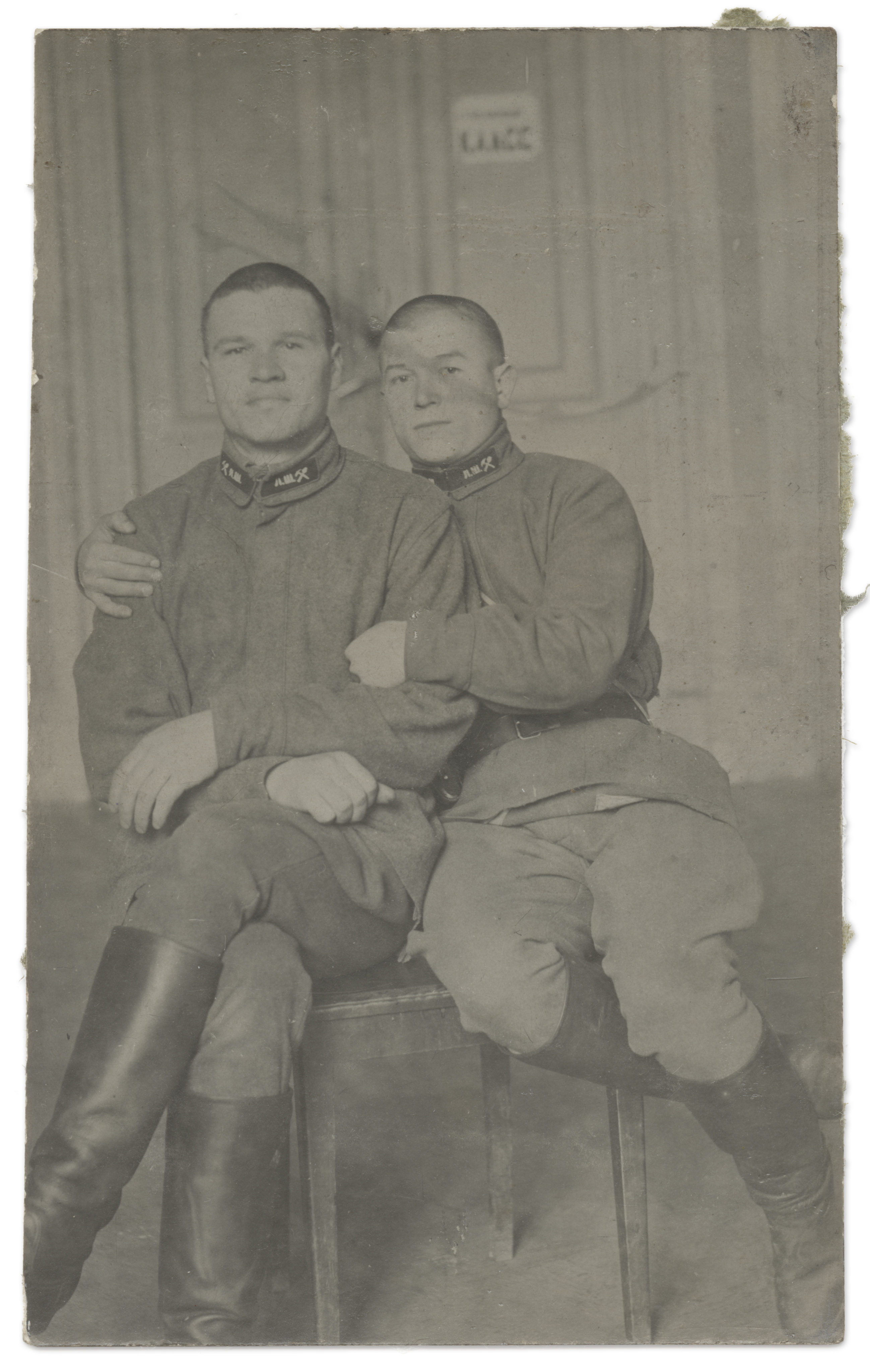
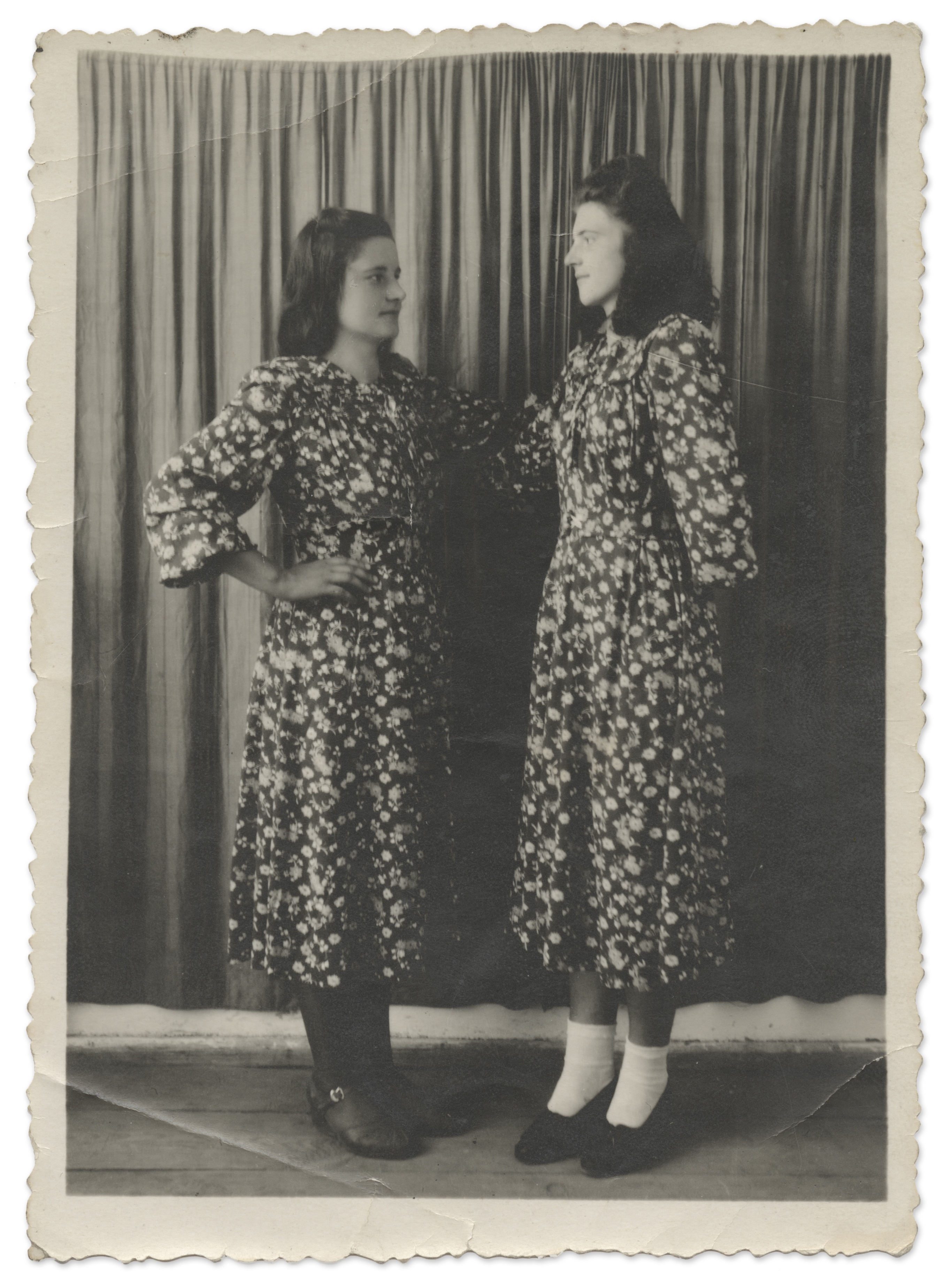
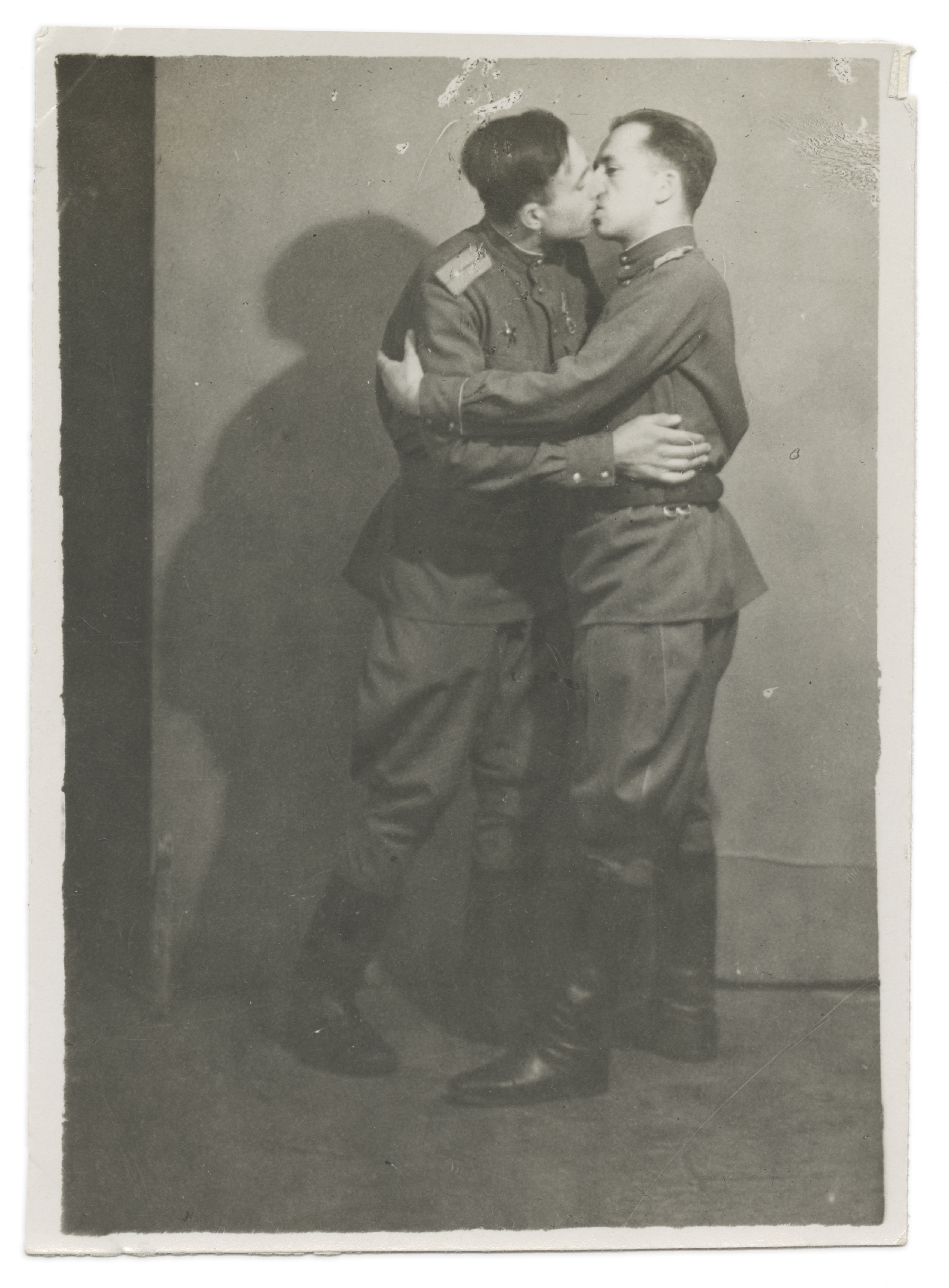
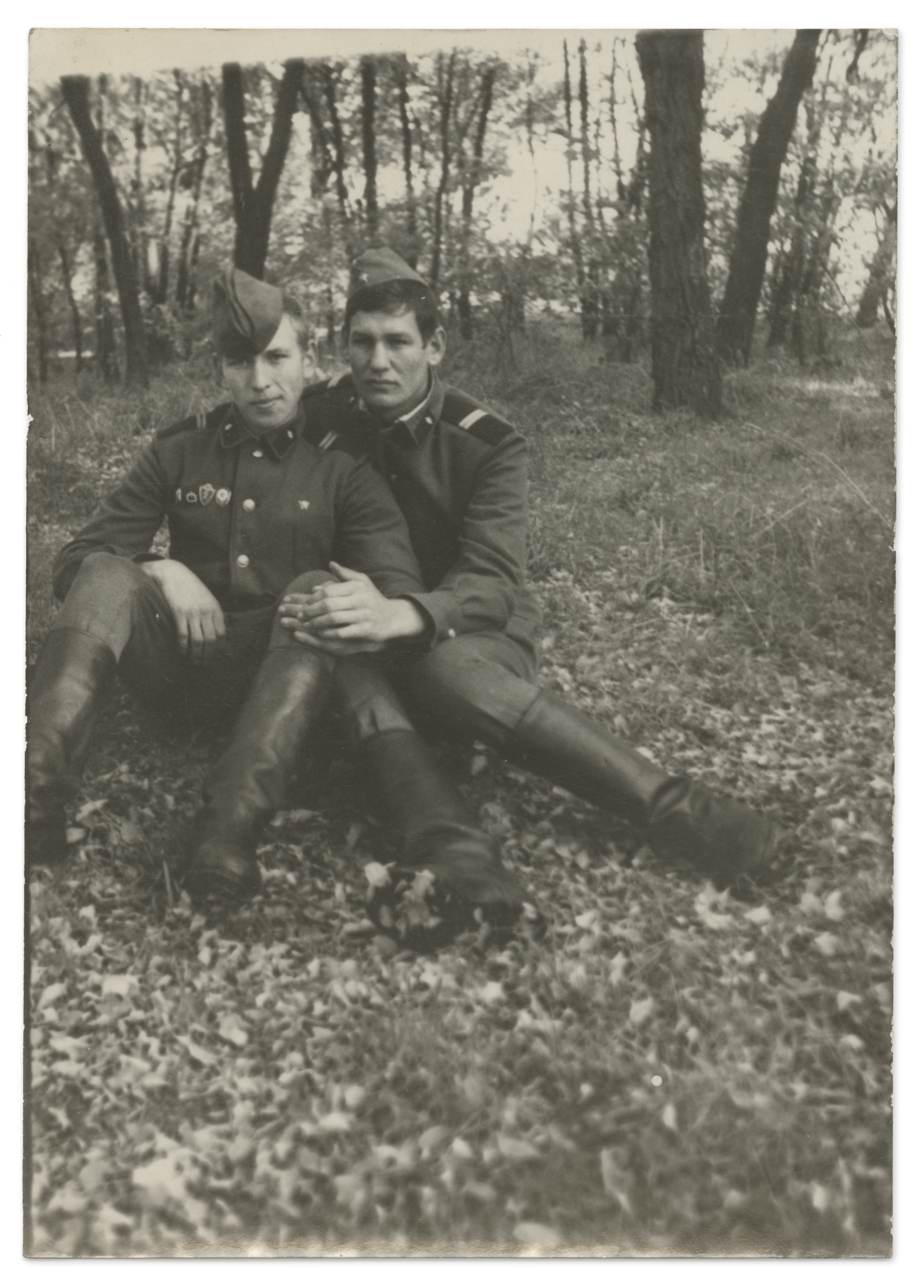
Yet running alongside this performed aggression — and in quiet tension with it — is something more unexpected: moments of startling closeness between men. Hands resting on shoulders with an unlikely tenderness. Bodies arranged in proximity that no official order required. Glances held a beat too long for the camera. In a society where certain forms of intimacy were not merely discouraged but criminalised, these photographs register what could not otherwise be said — desire, care, and longing finding their only permissible expression in the grammar of horseplay, of roughhousing, of the uniform’s enforced fraternity. The latent and the literal coexist in the same frame, each providing cover for the other.
While most of this work was assembled before Russia’s full-scale invasion of Ukraine in 2022, the project reached its completion in the shadow of that ongoing war — a circumstance that transformed the editorial process in ways both practical and profound. Some of the final prints had to be carefully smuggled out of Russia to be included.
The result is an archive that uses the past as a prism for the present: a meditation on the recurring cycles of history, and on the stubbornly human — often darkly comic, sometimes unbearably tender — ways that people inhabit the fragile threshold between peace and catastrophe.
-
-

-
-
-
-
-
-
-
-
-
-
-
-
-
-
-
-
-
-
-
-
-
-
-
-
-
-
-
-
-
-
-
-
-
-
-
-
-
-
-
-
-
-
-
-
-
-
-
-
-
-
-
-
-
-
-
-
-
-
-
-
-
-
-
-
-
-
-
-
-
-
-
-
-
-
-
-
-
-
-
-
-
-
-
-
-
-
-
-
-
-
-
-
-
-
-
-
-
-
-
-
-
-
-
-
-
-
-
-
-
-
-
-
-
-
-
-
-
-
-
-
-
-
-
-
-
-
-
-
-
-
-
-
-
-
-
-
-
-
-
-
-
-
-
-
-
-
-
-
-
-
-
-
-
-
-
-
-
-
-
-
-
-
-
-
-
-
-
-
-
-
-
-
-
-
-
-
-
-