-
work /
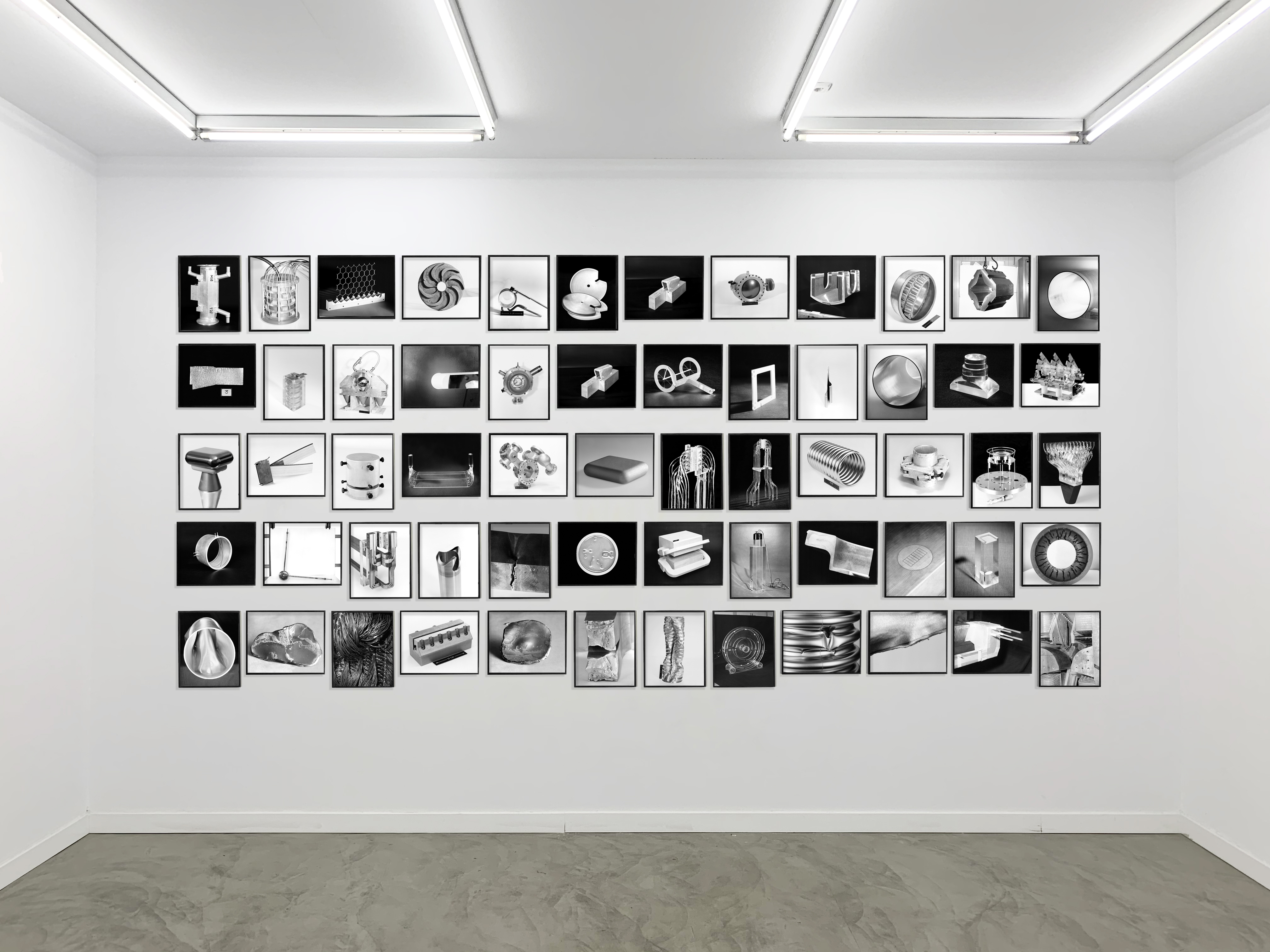
Beauties of the Uncommon Tool, 2015
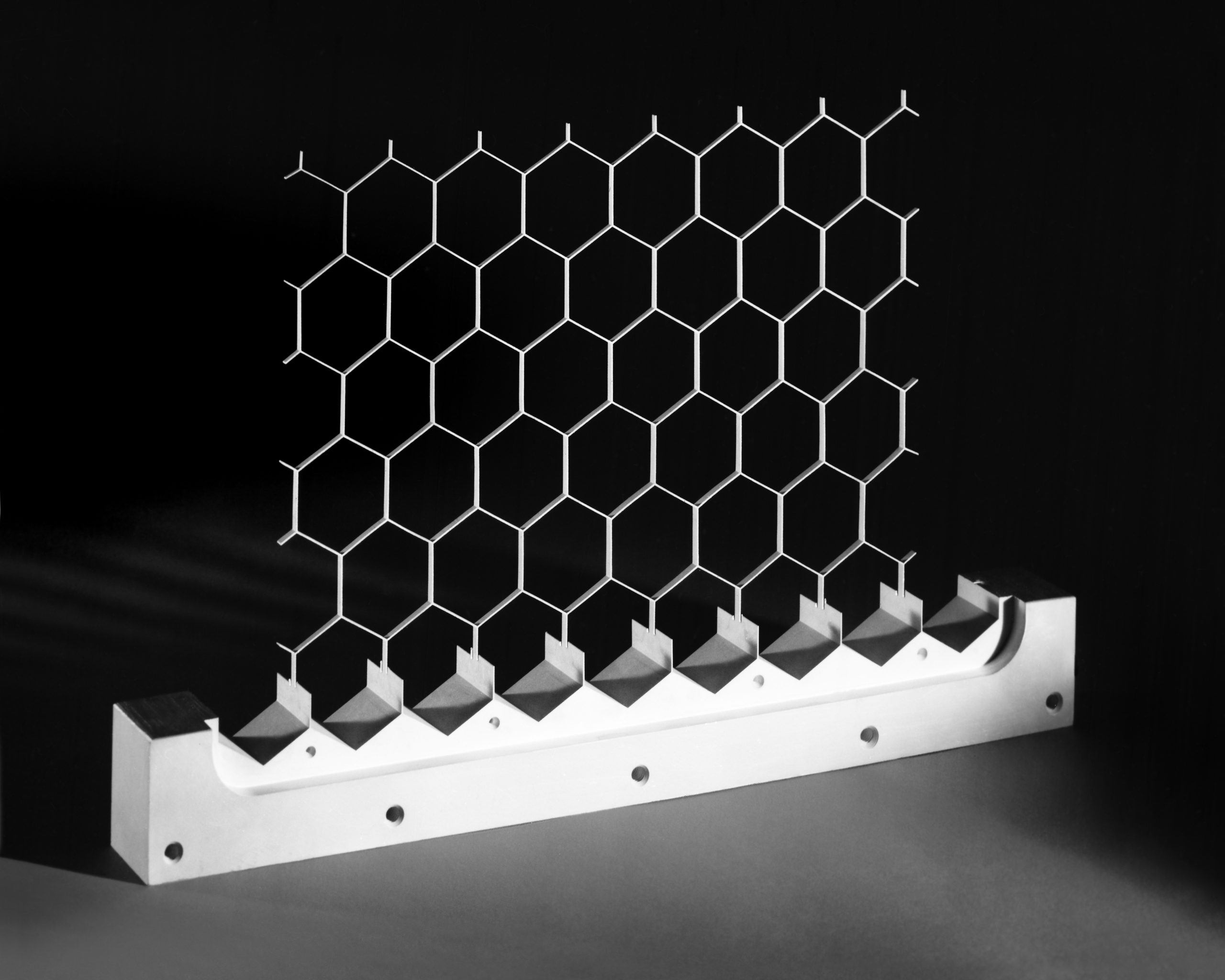
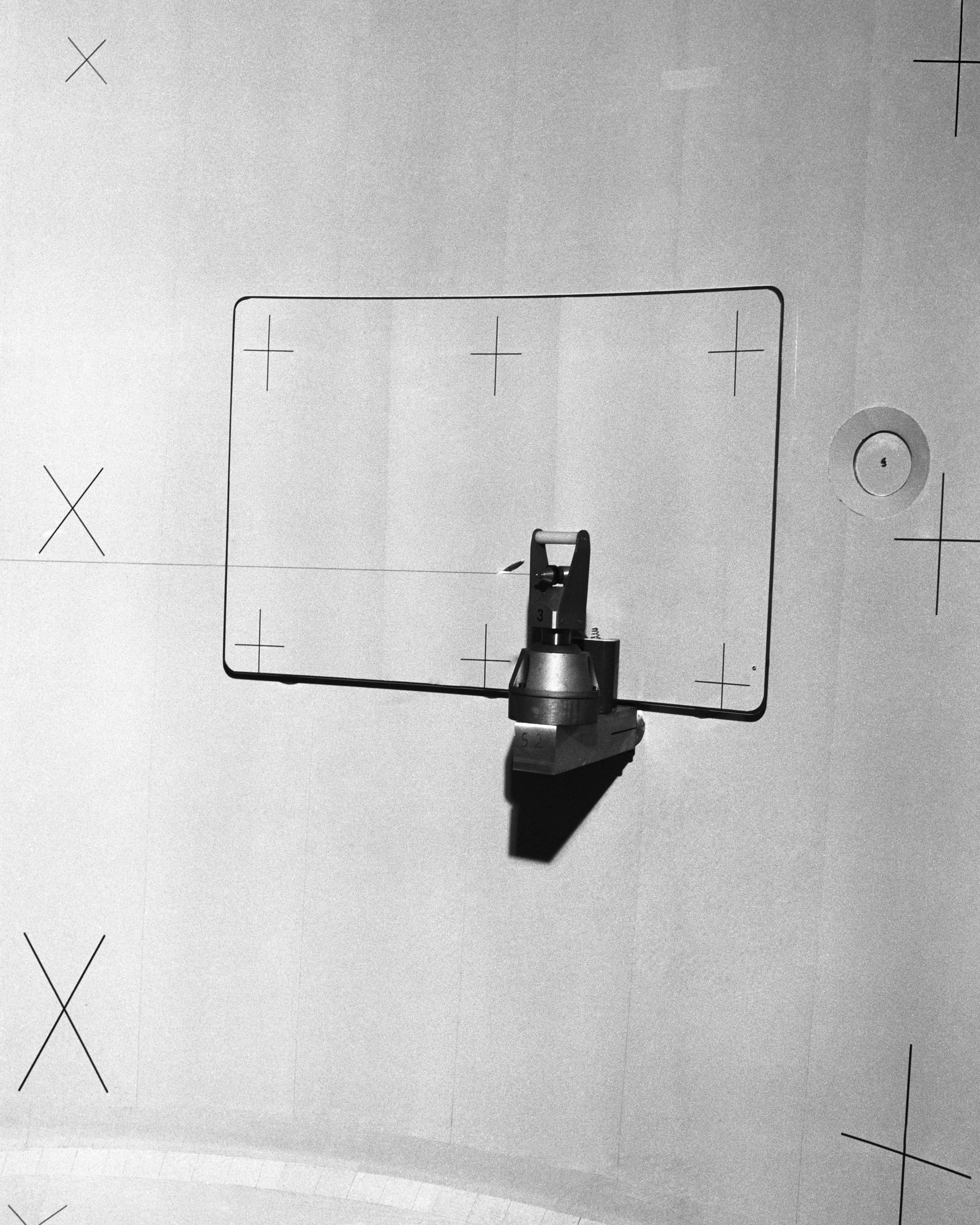
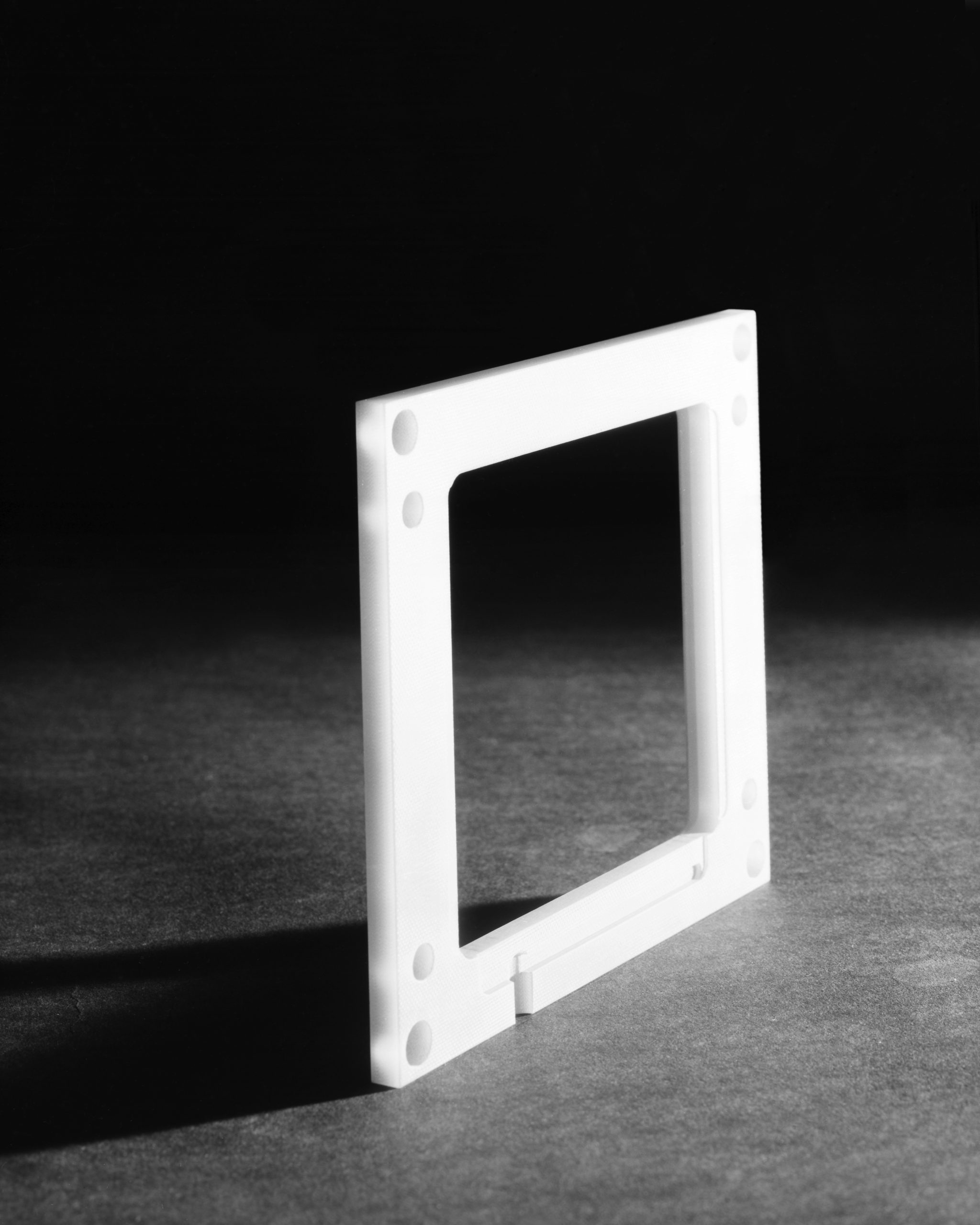
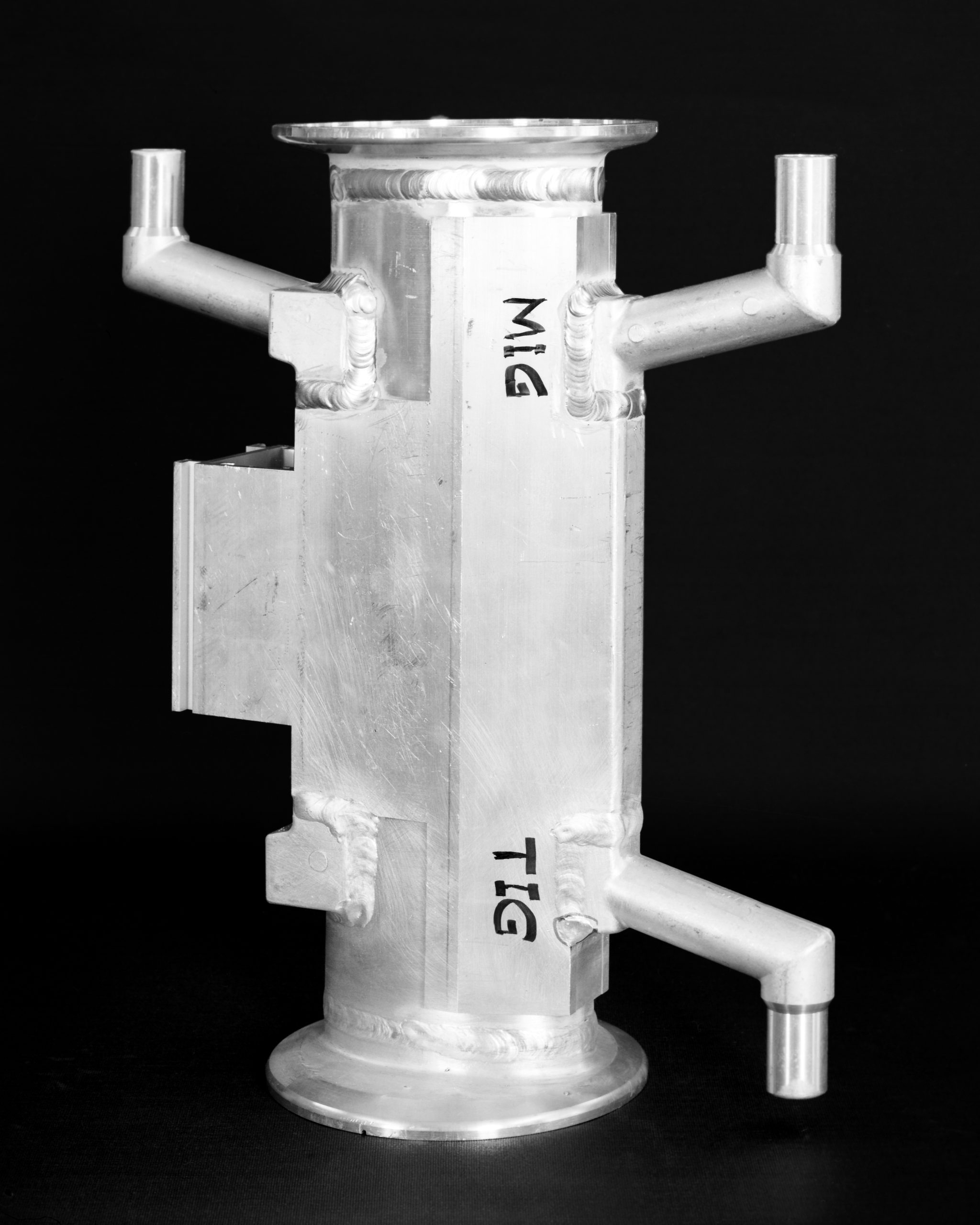
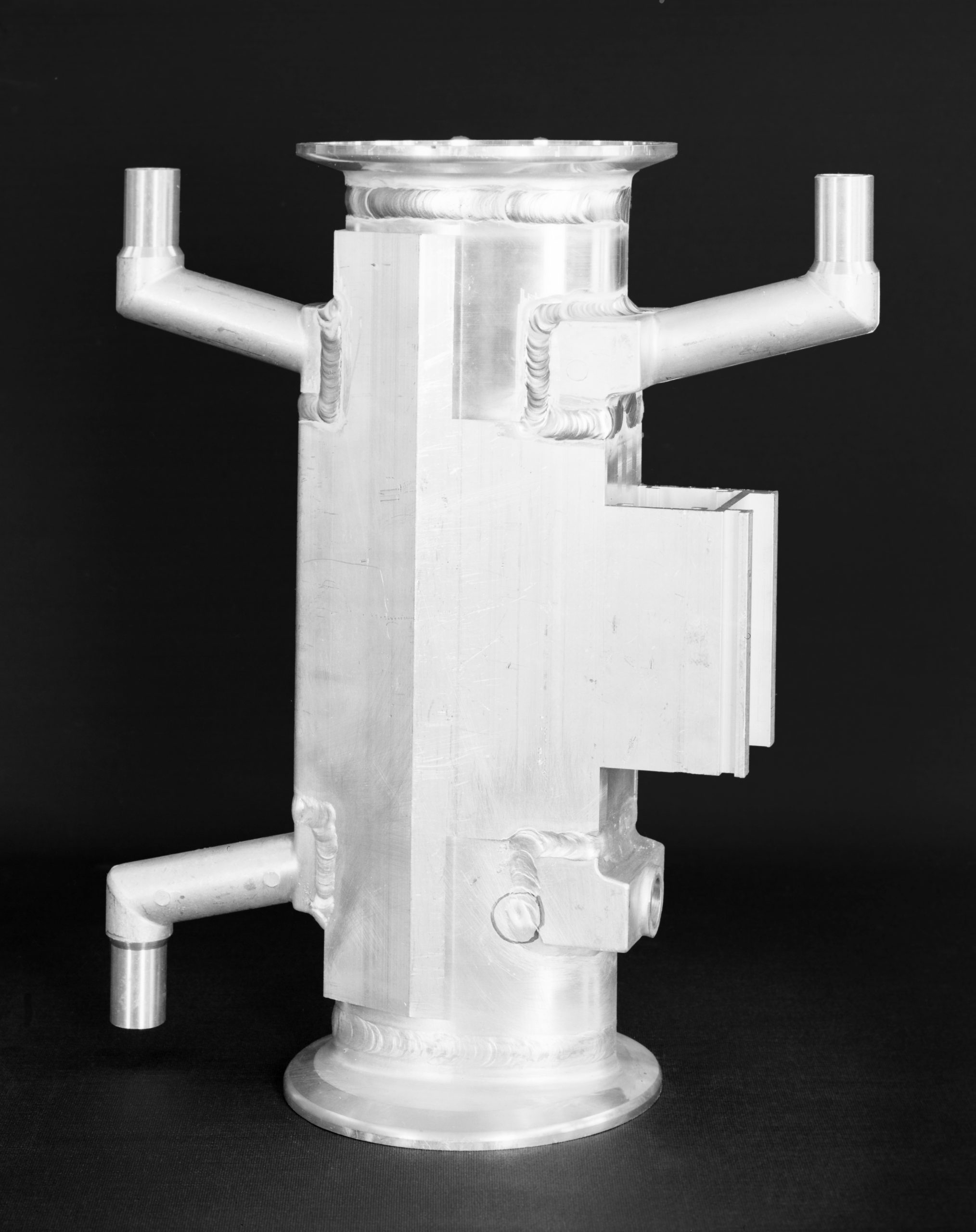
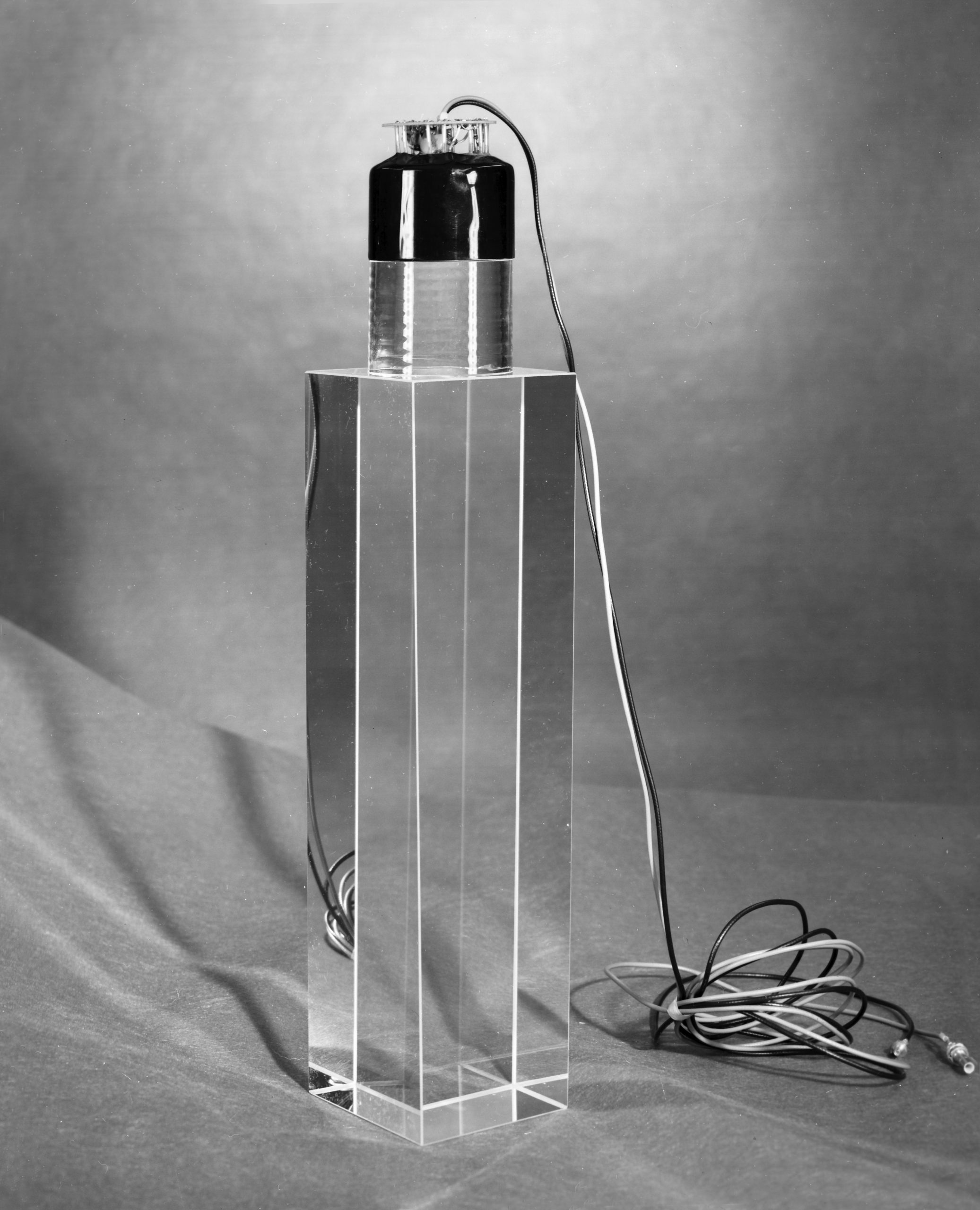
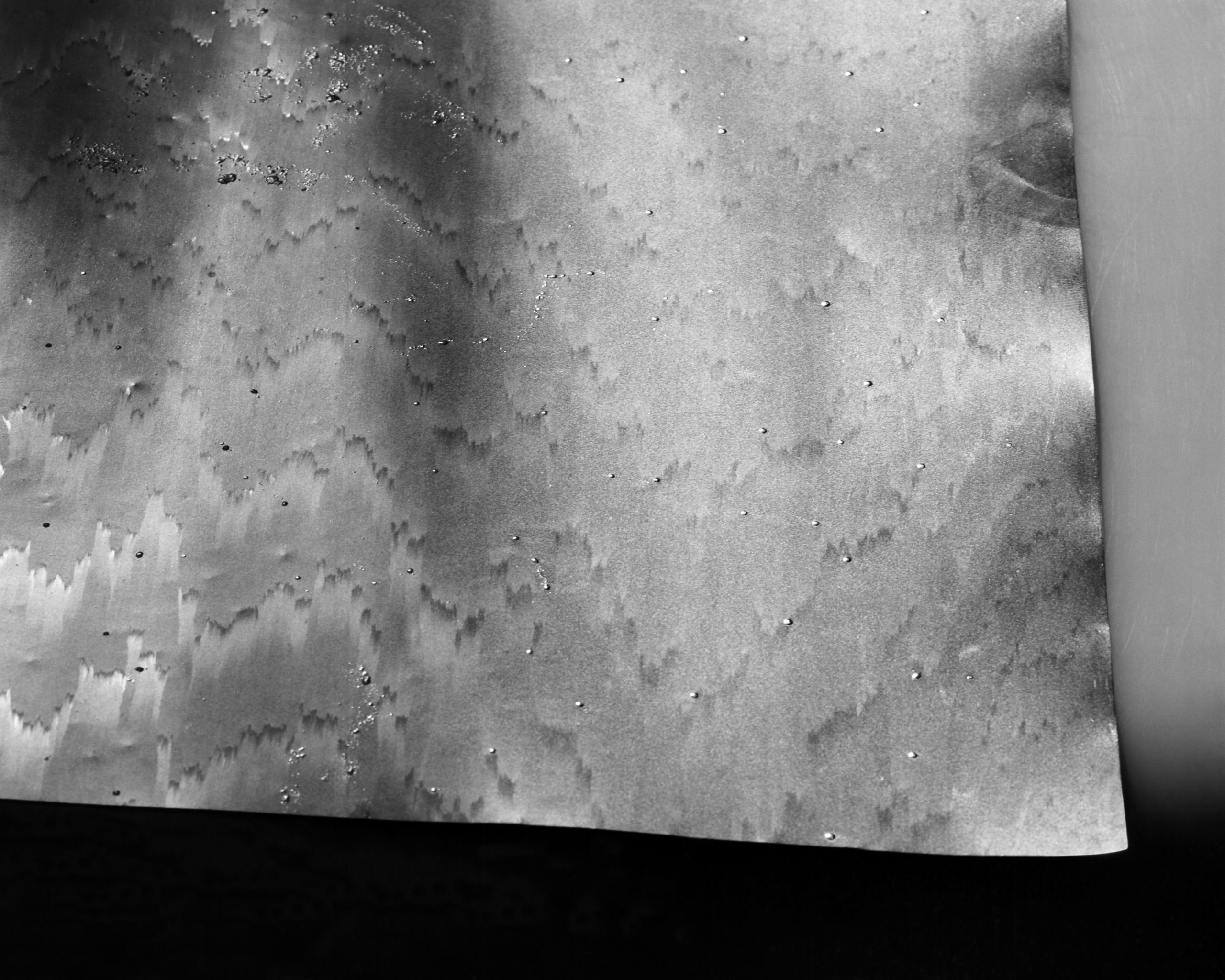
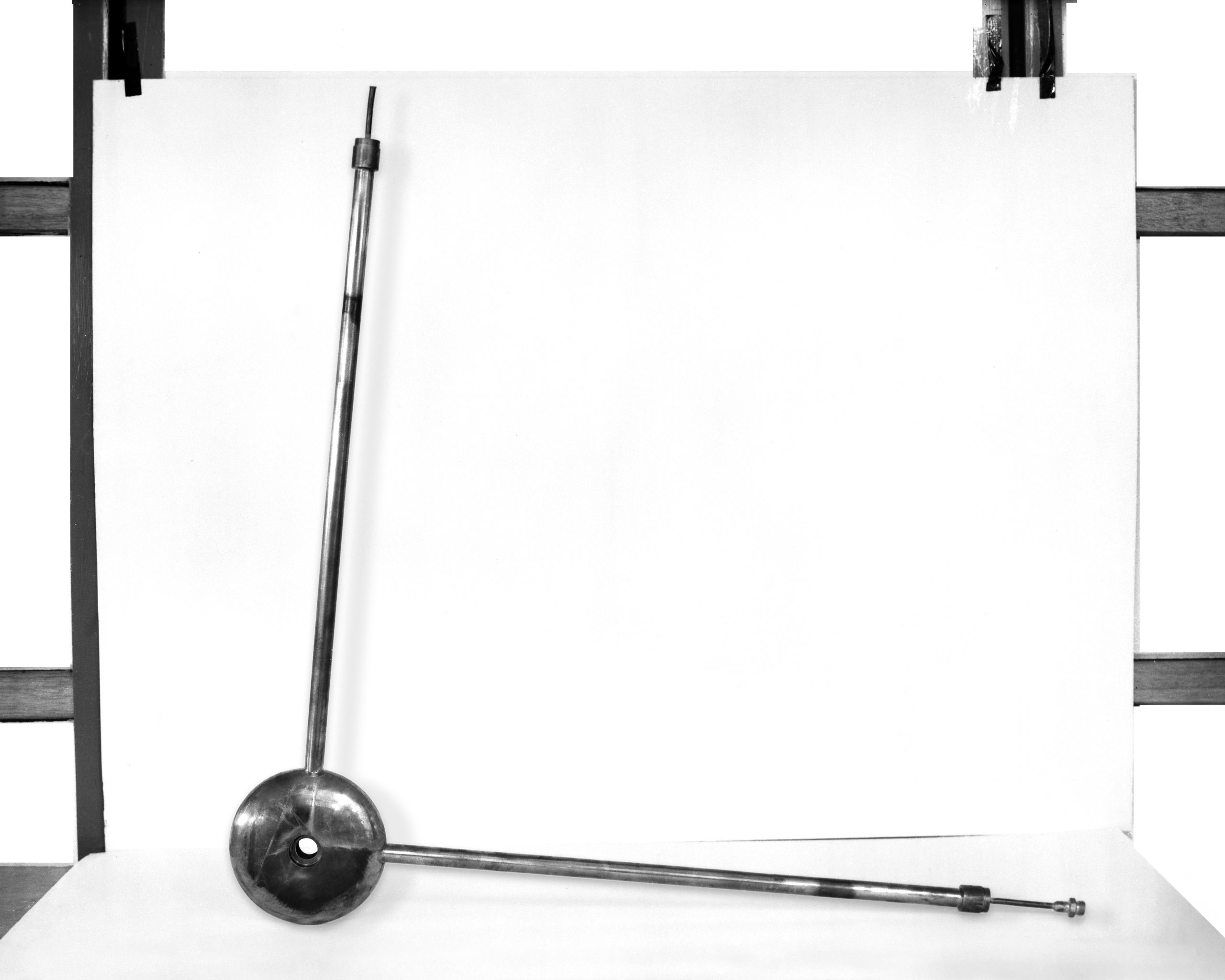
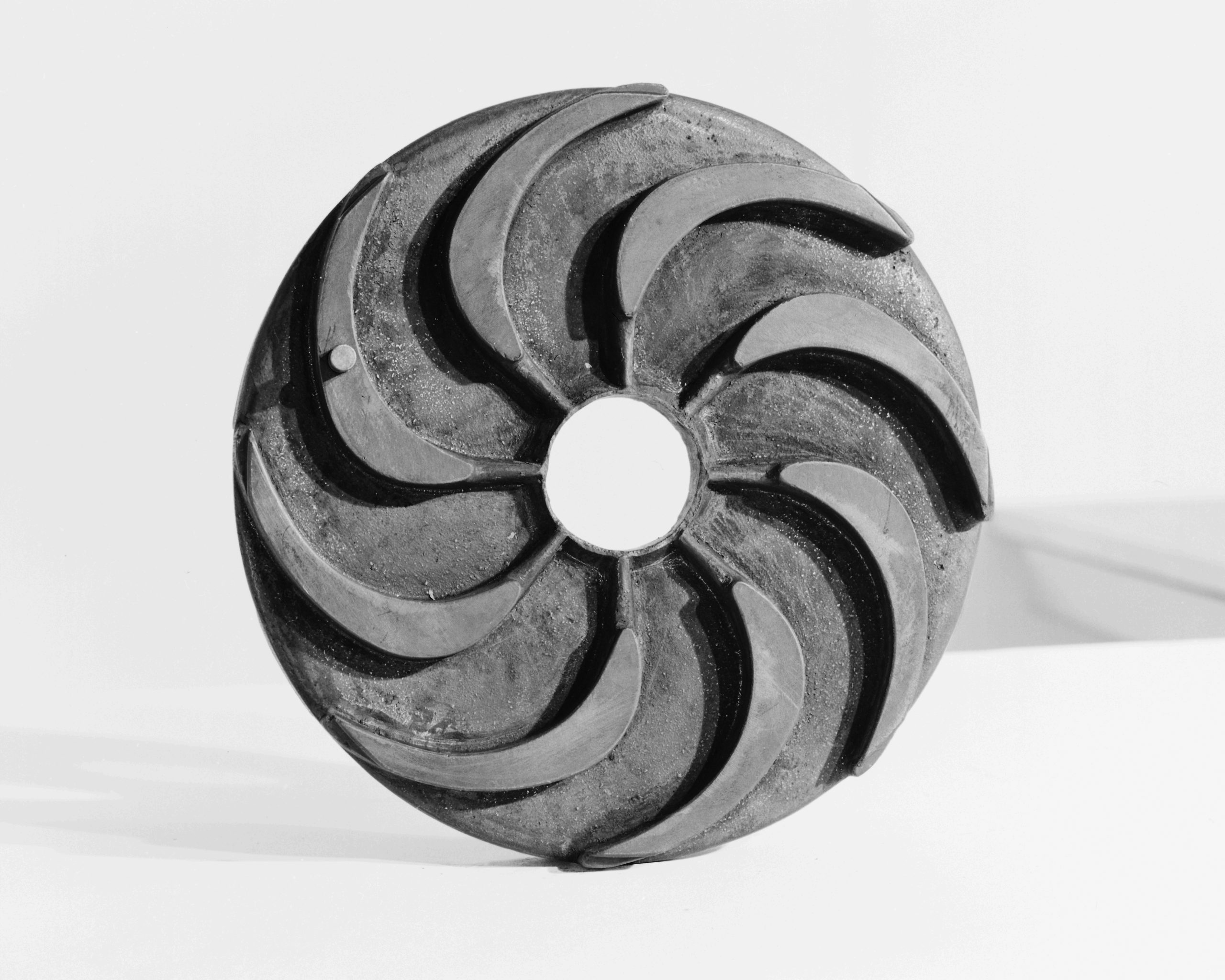
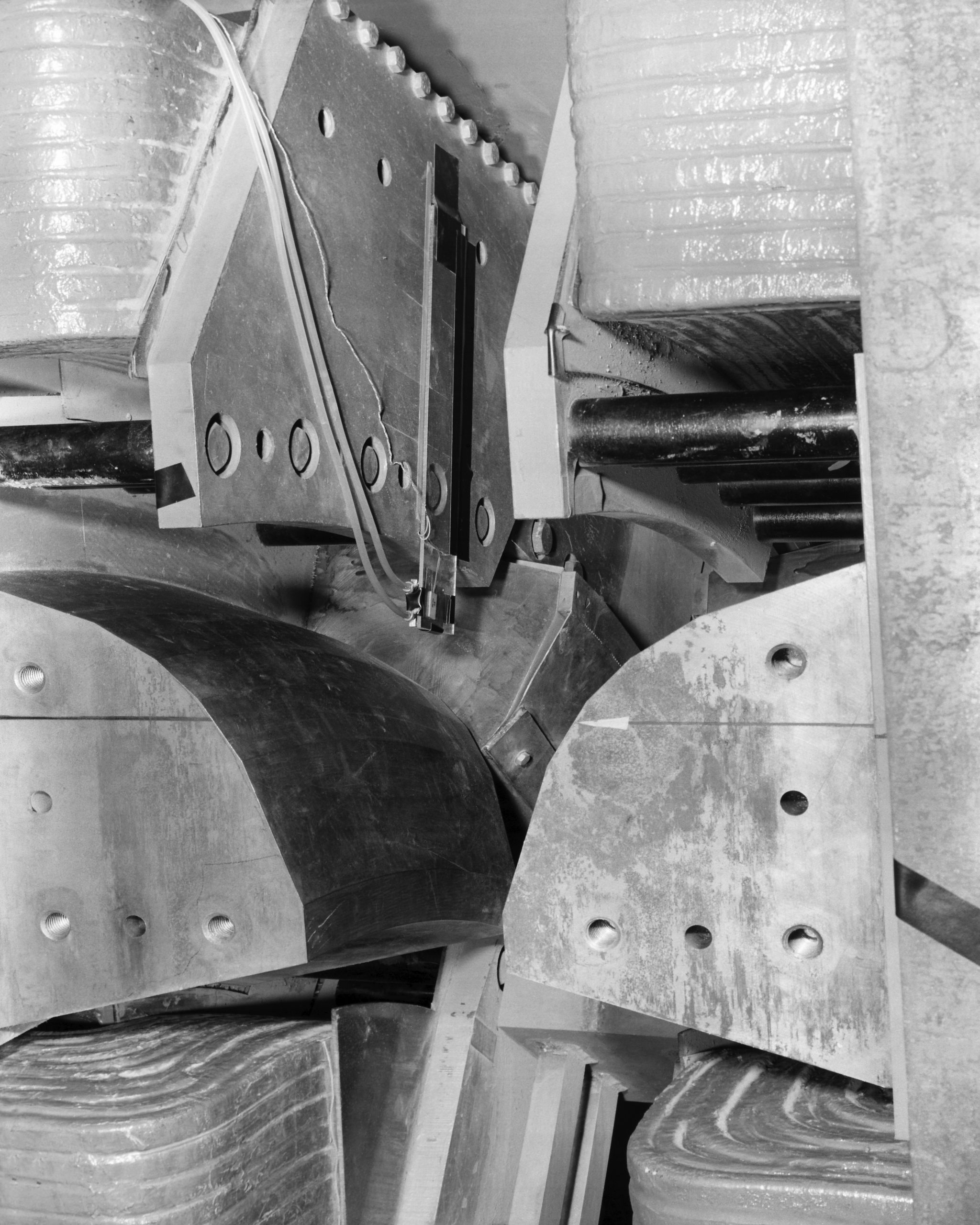
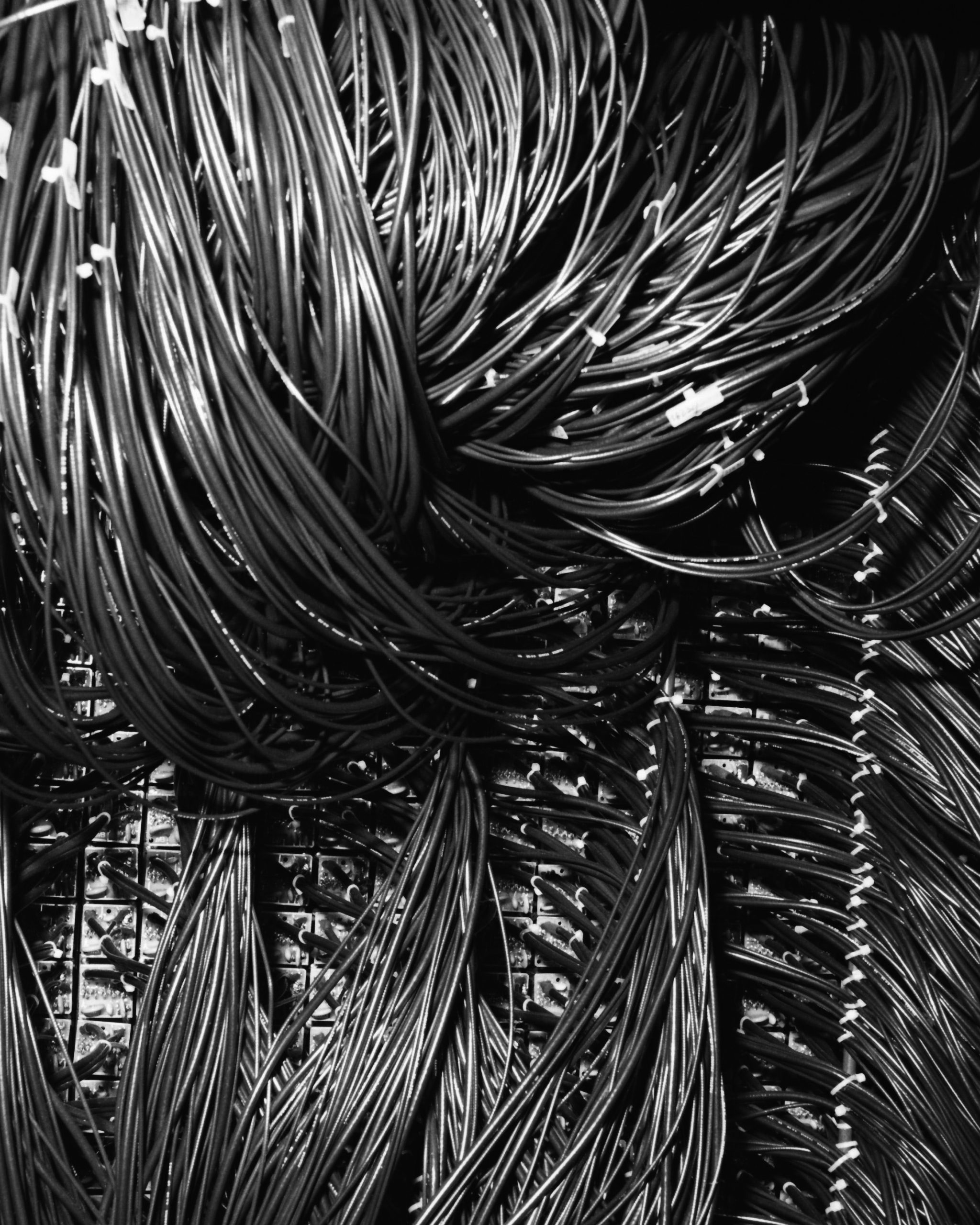
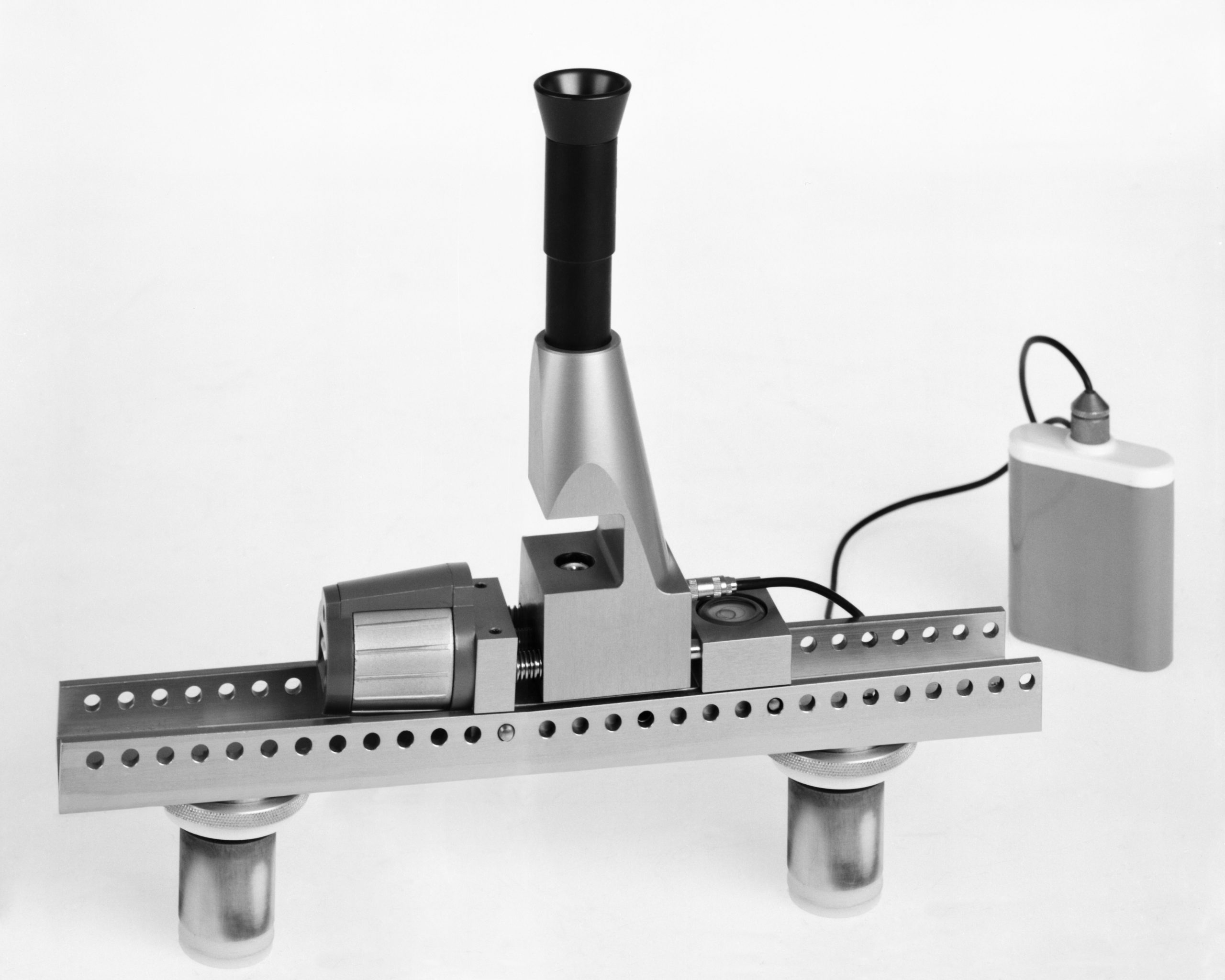
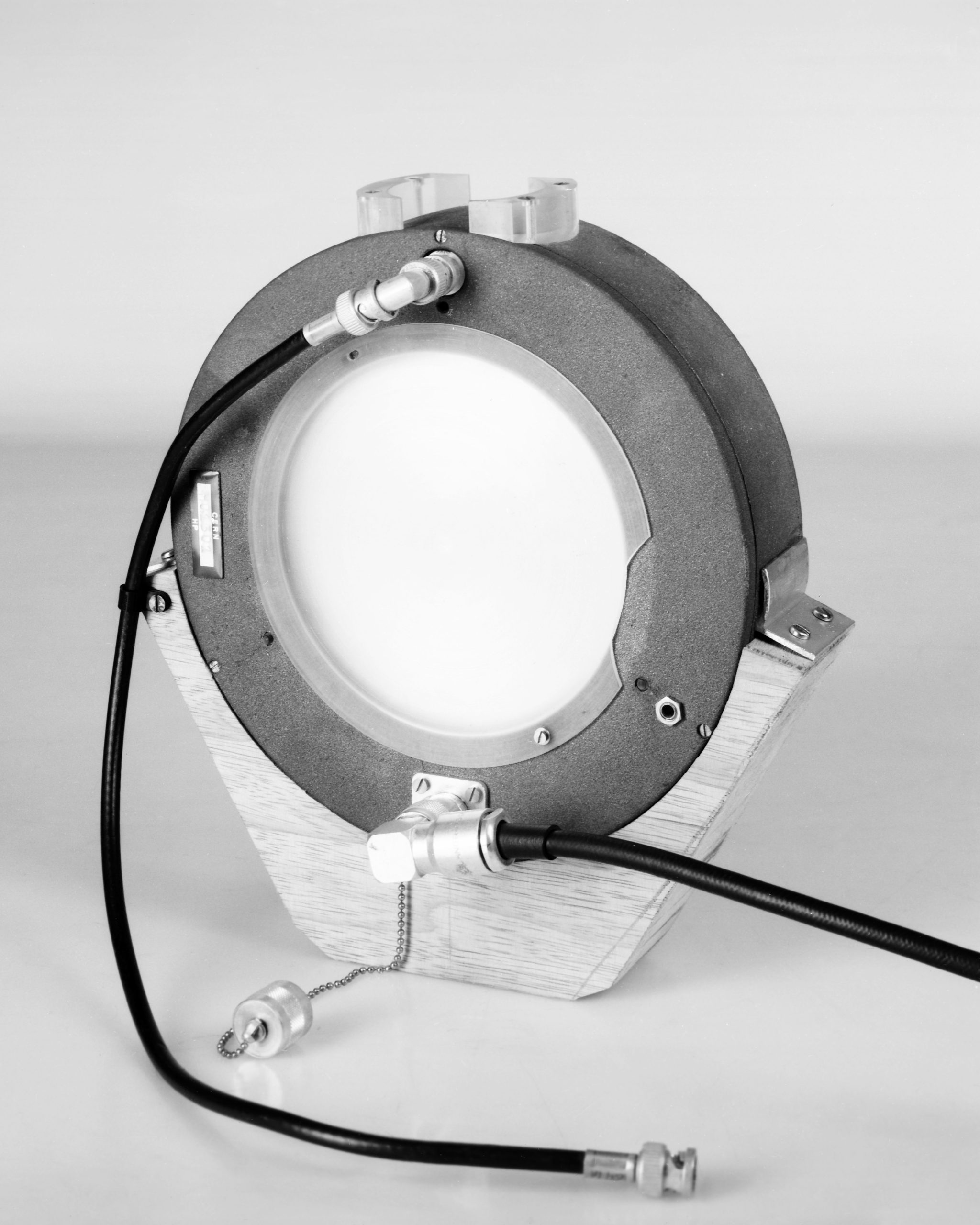
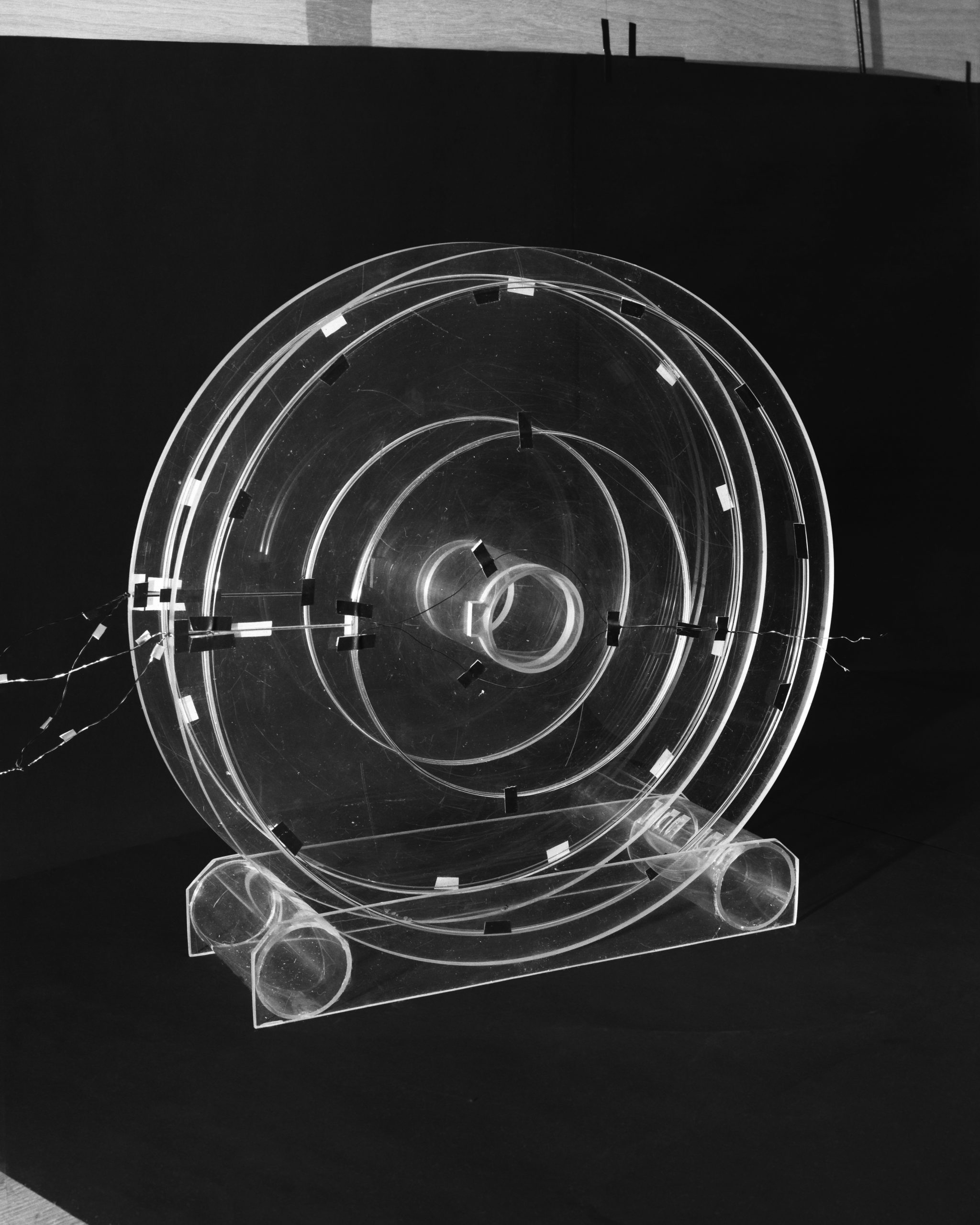
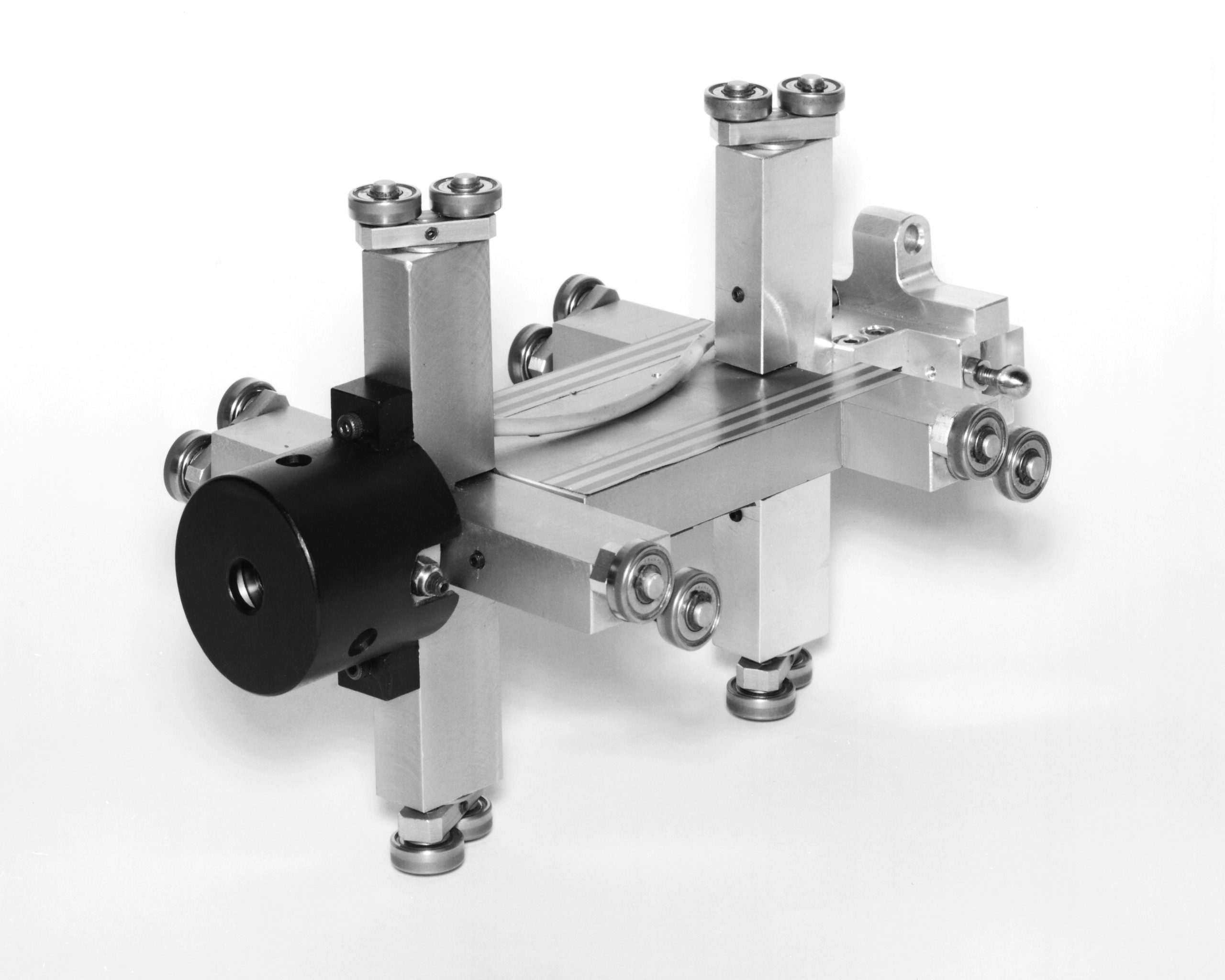
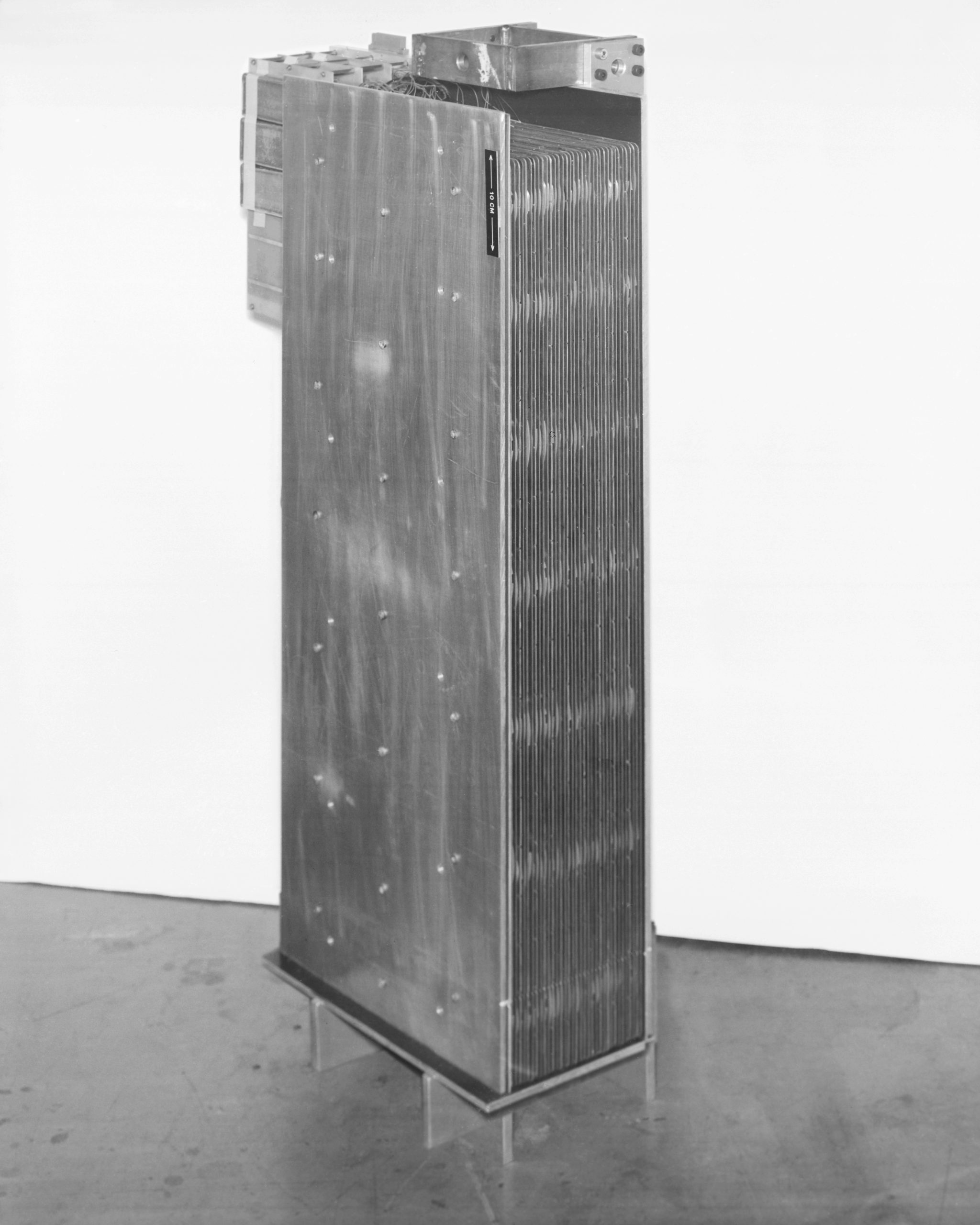
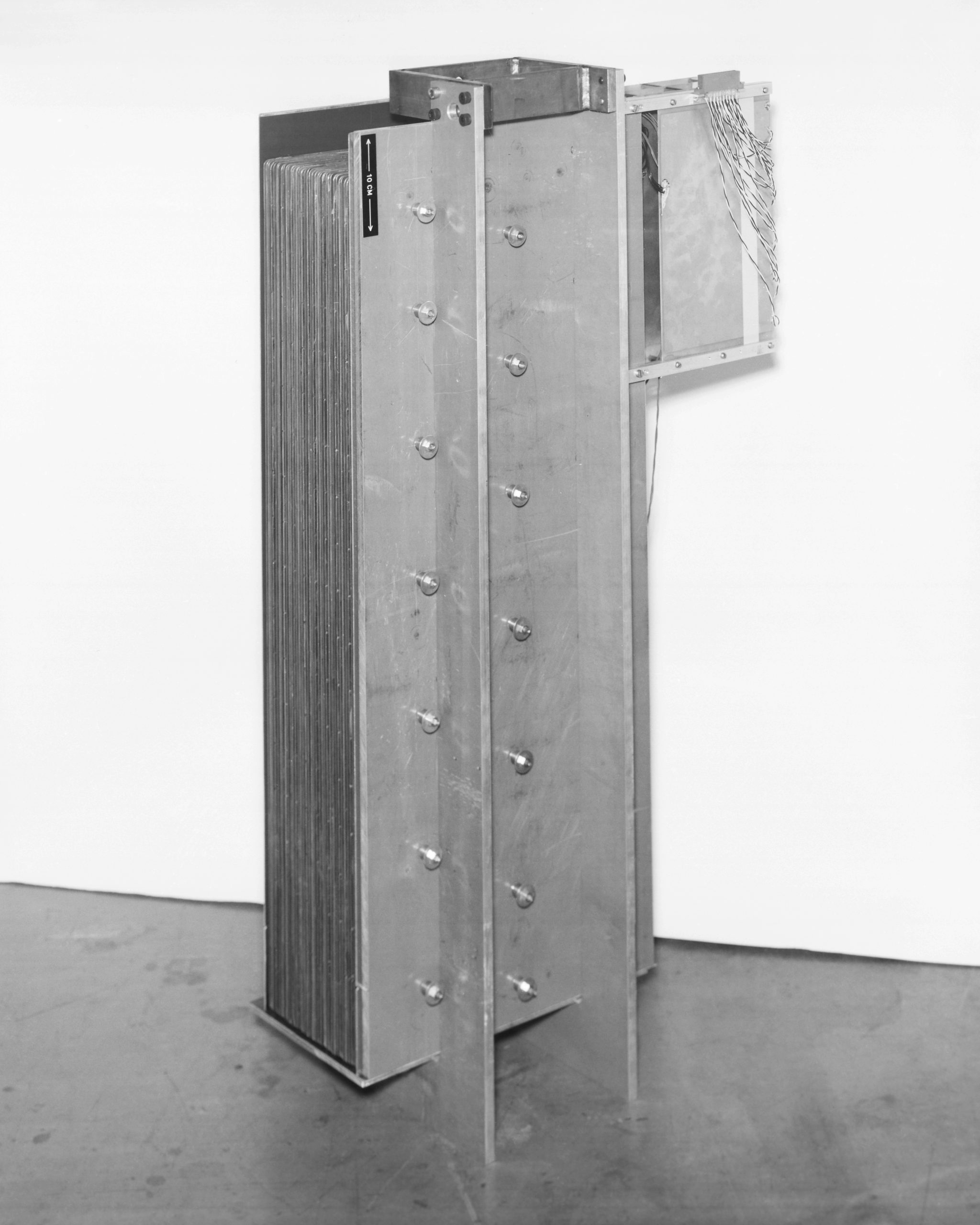
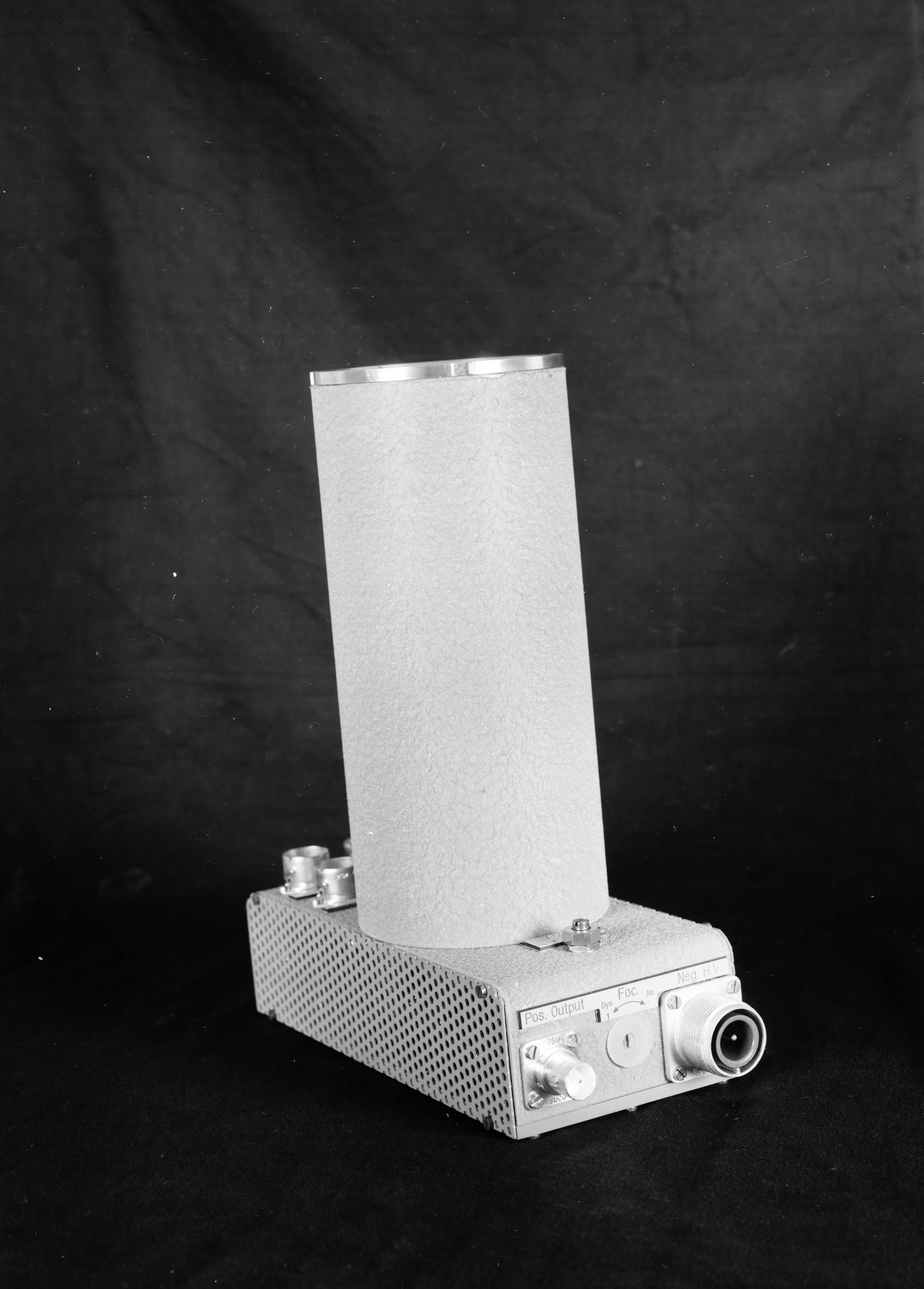
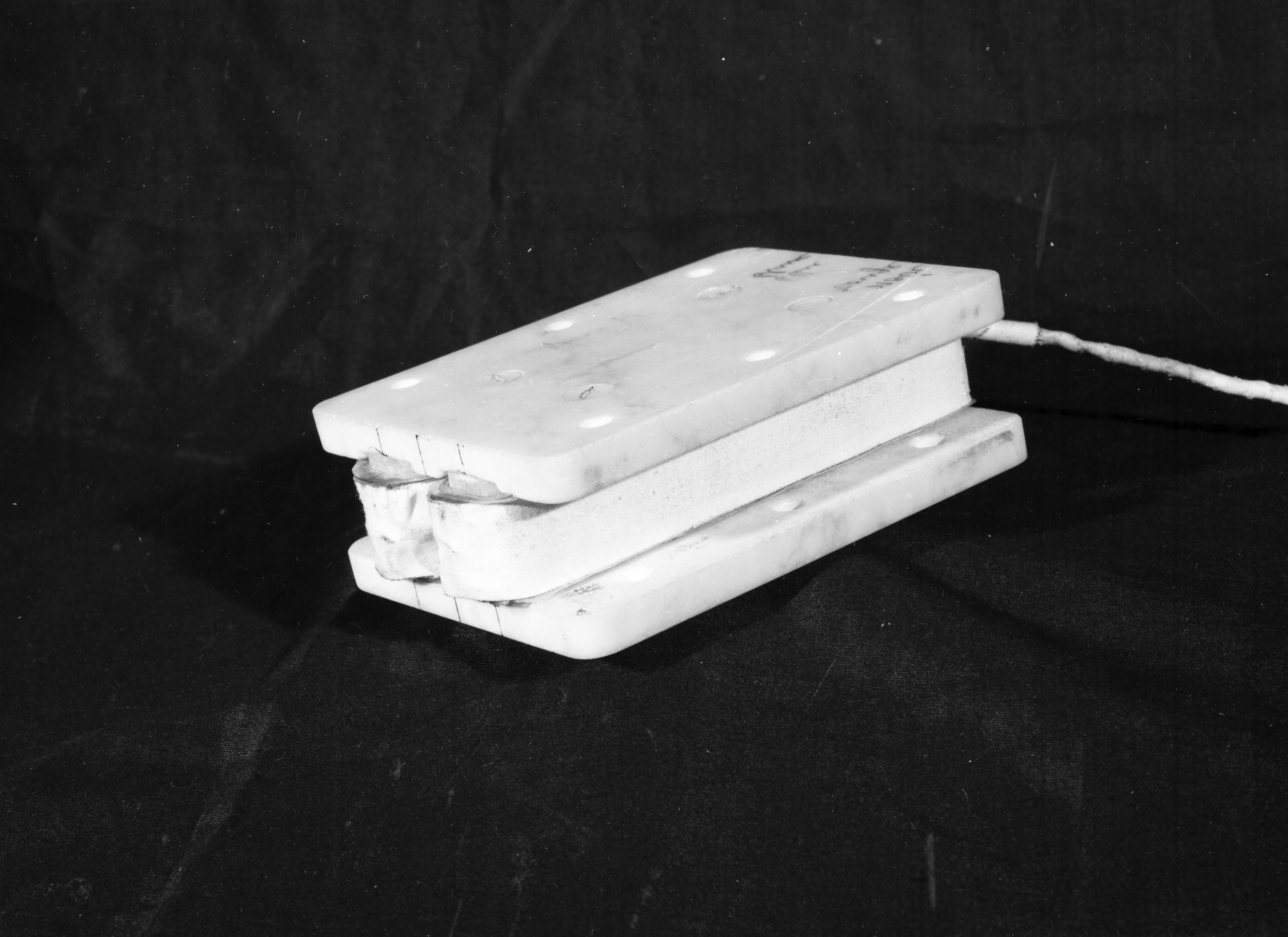
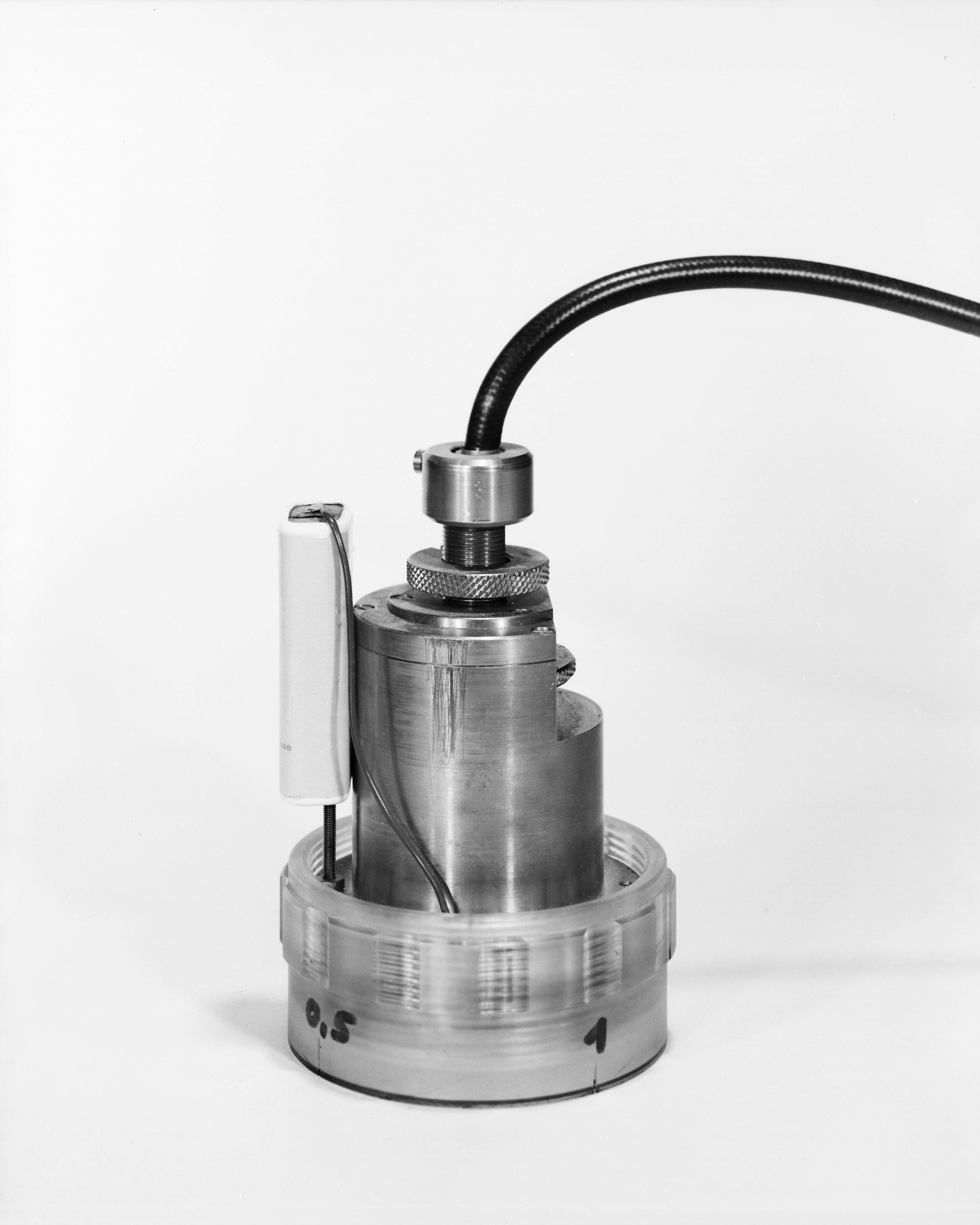
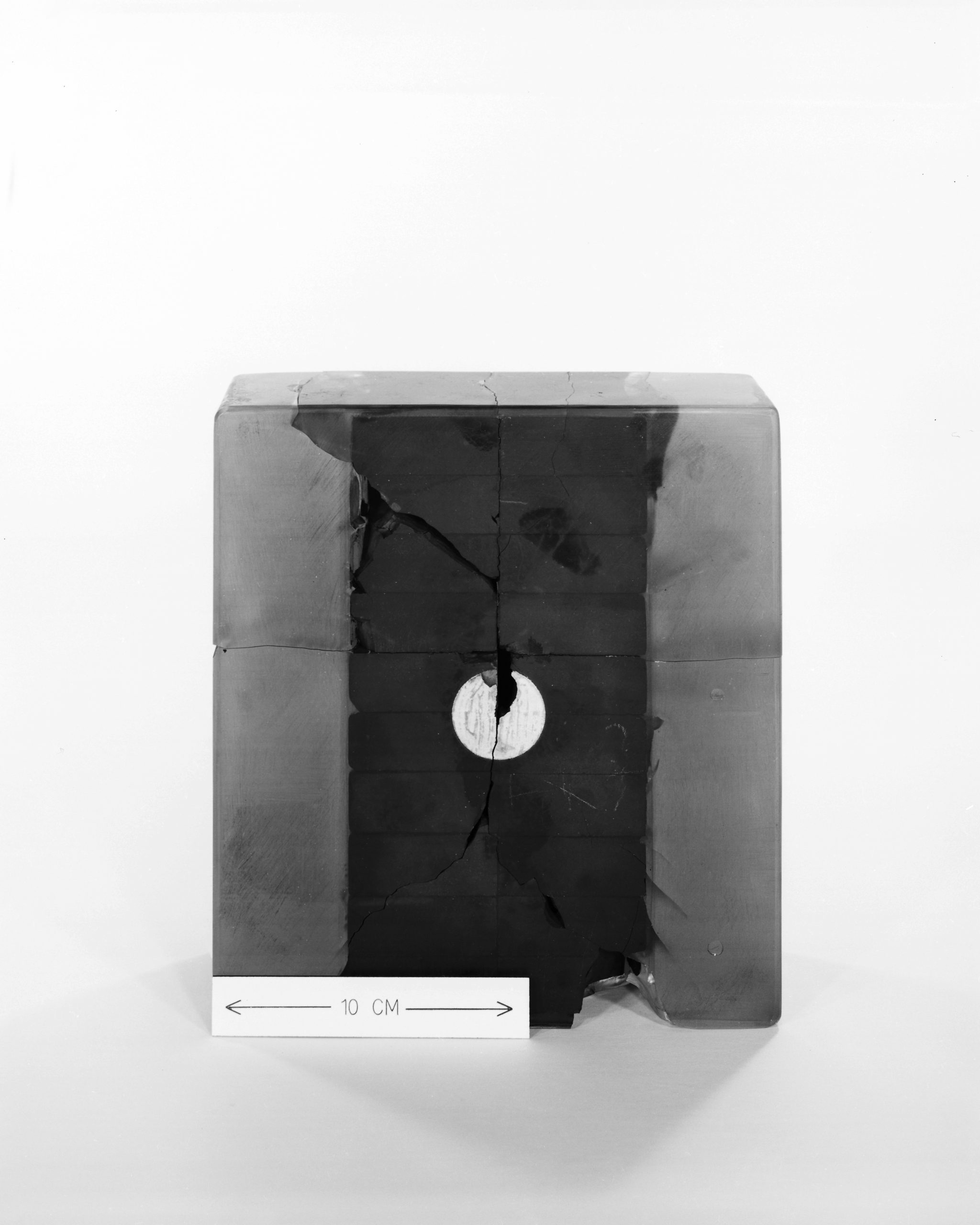
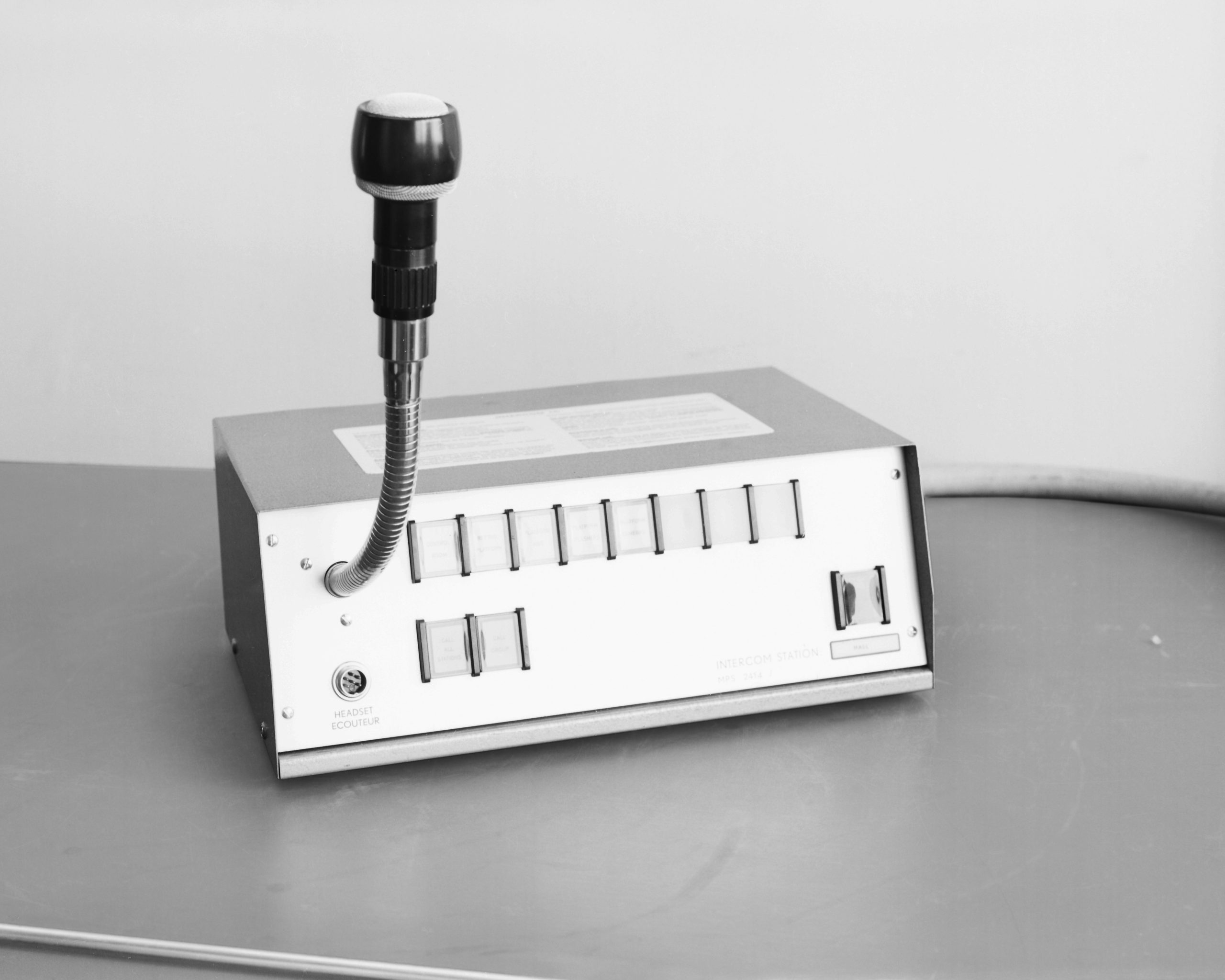
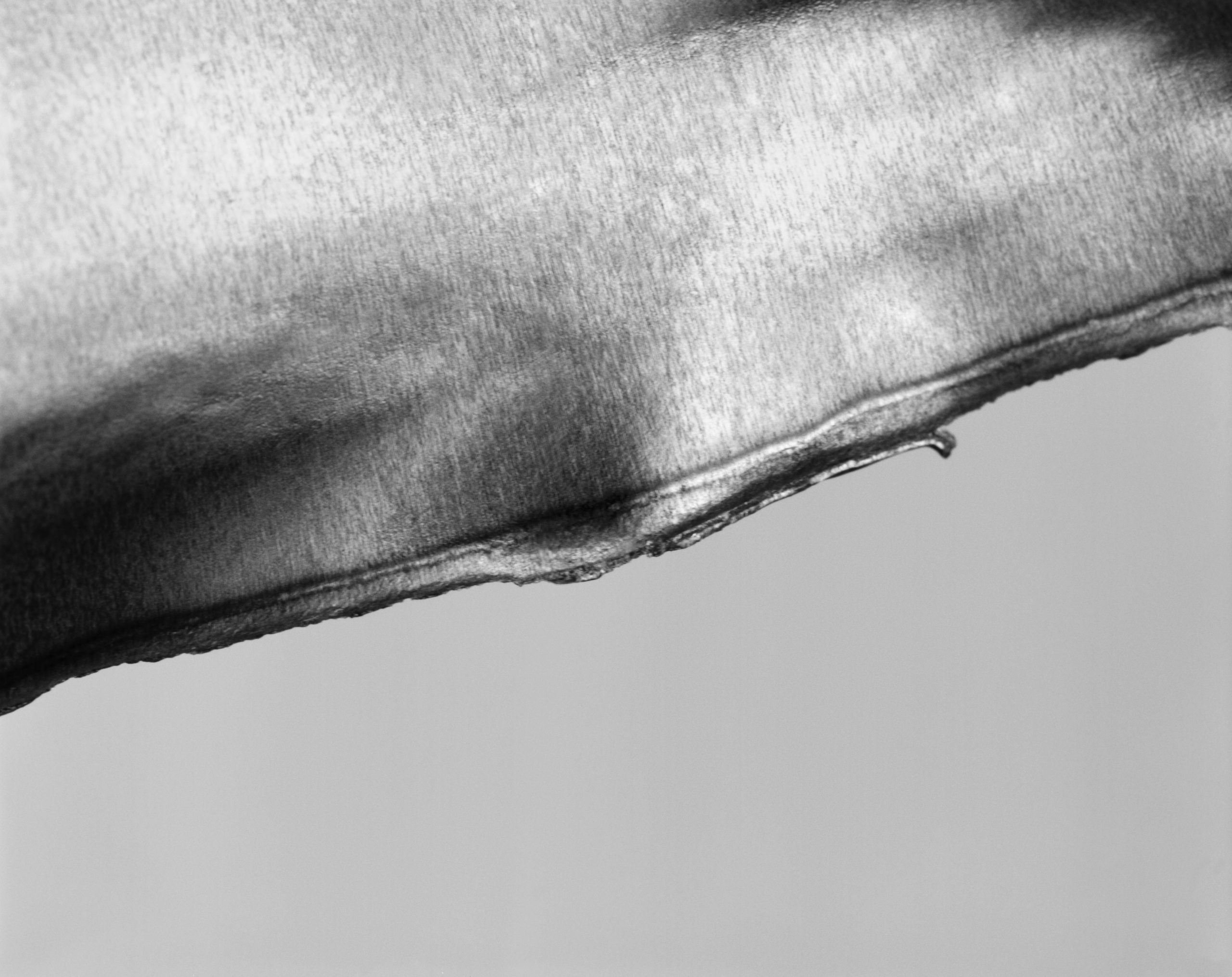
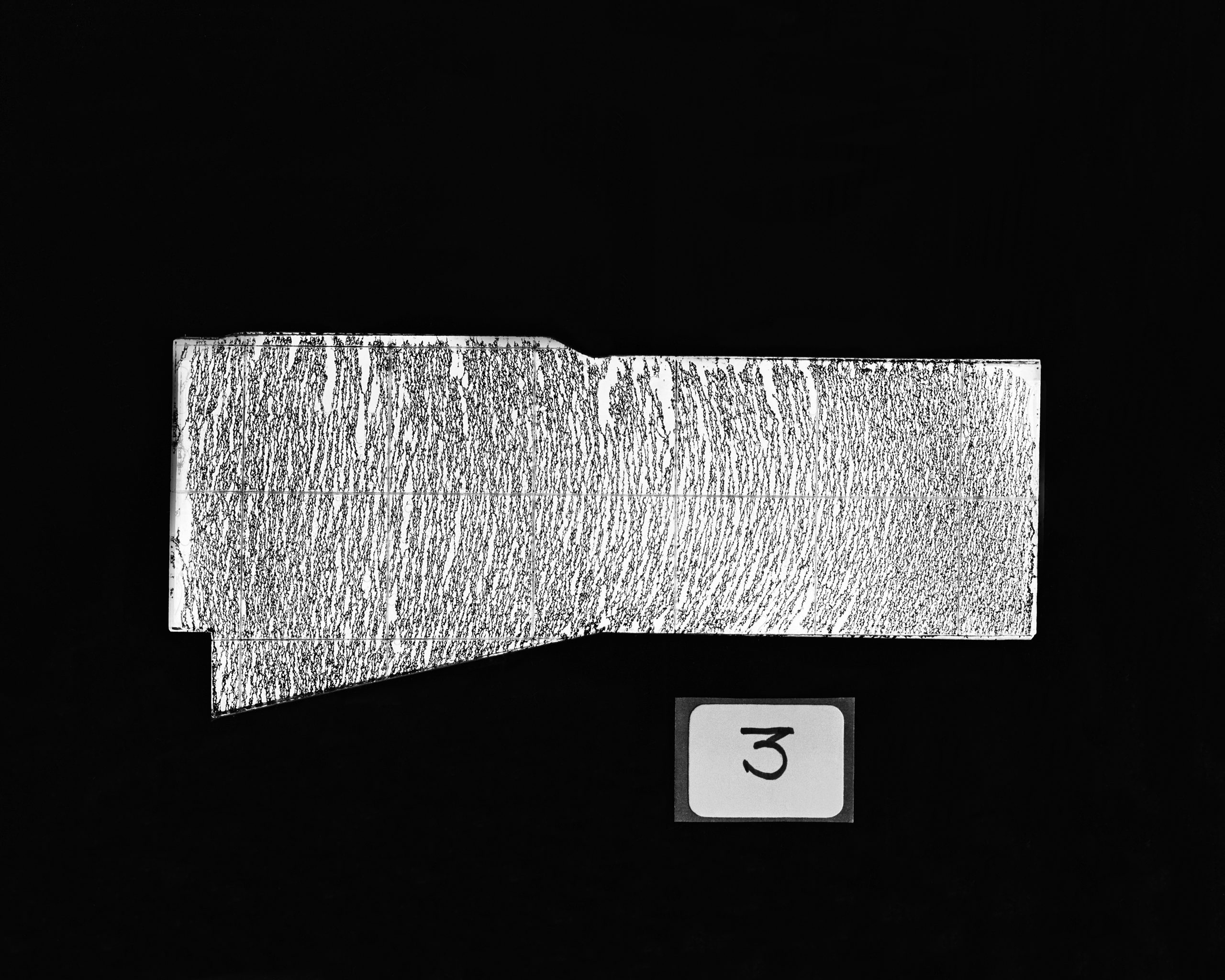
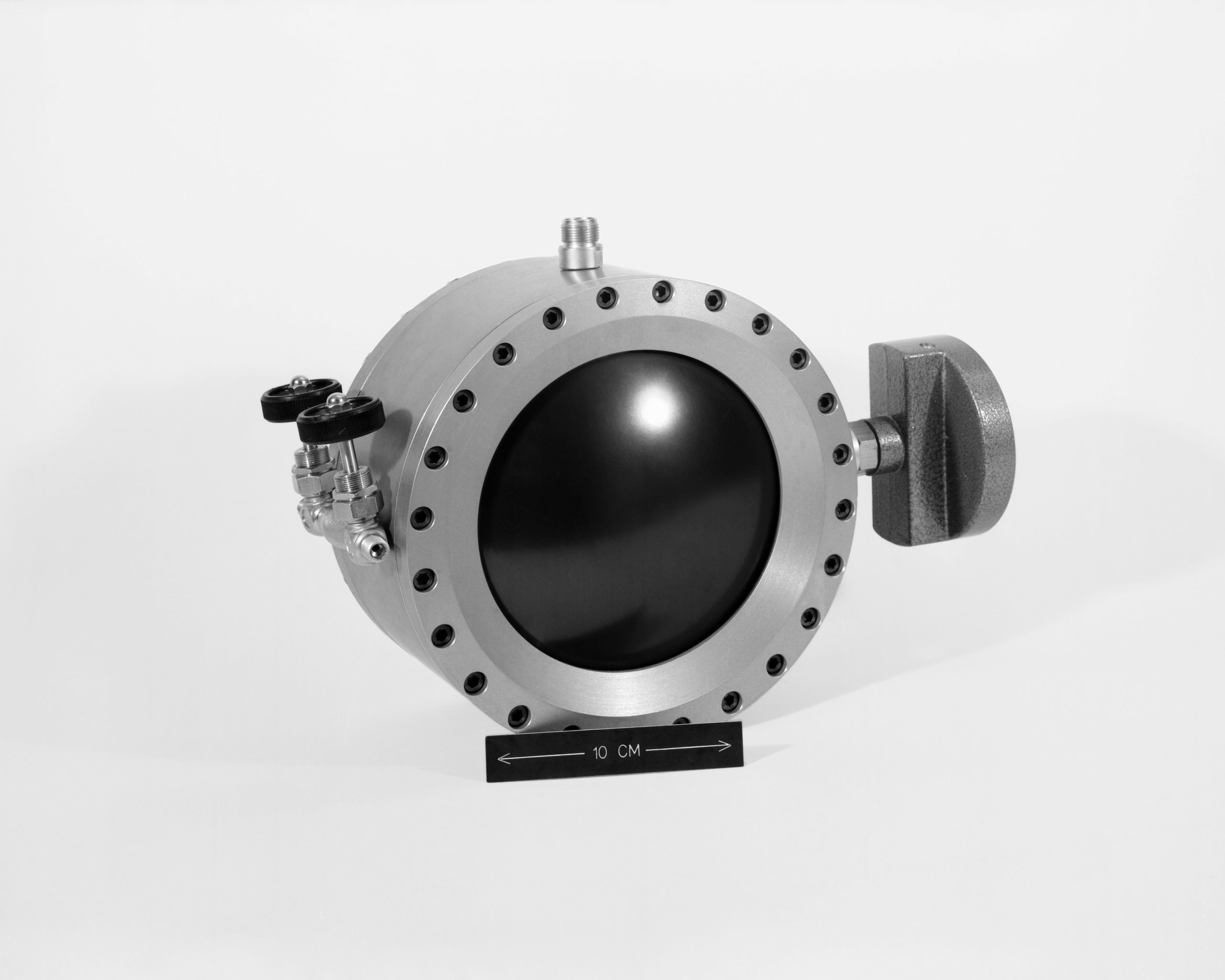
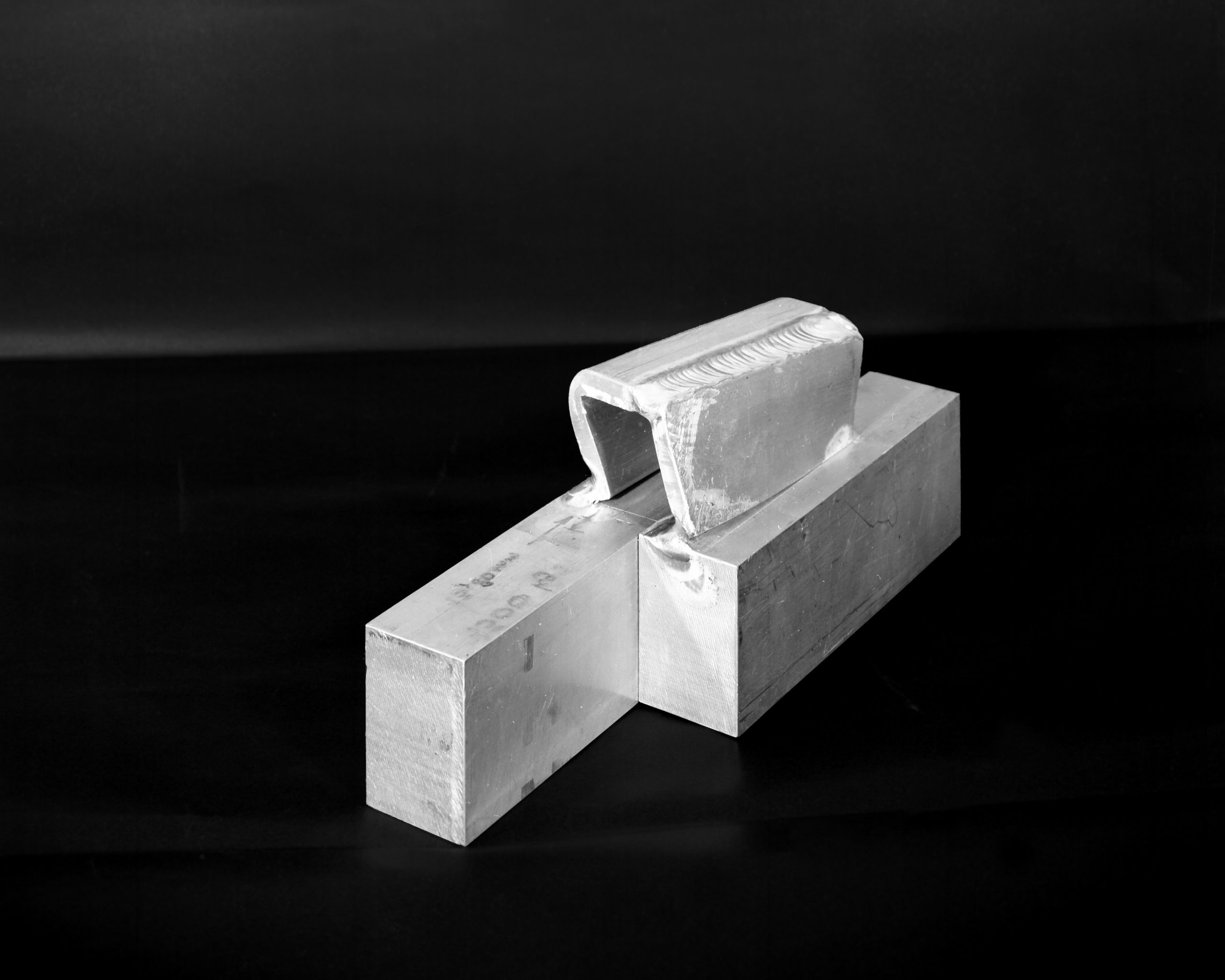
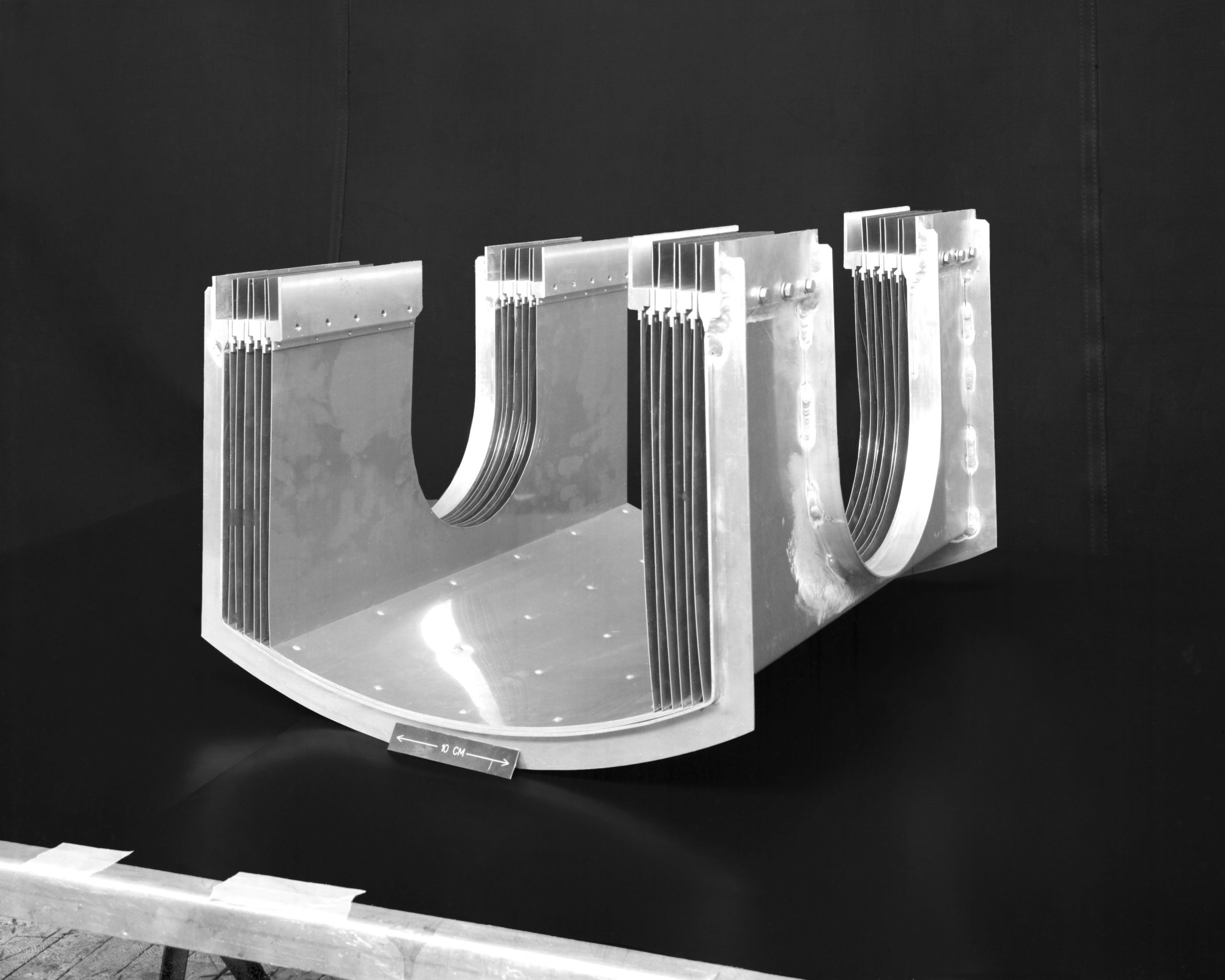
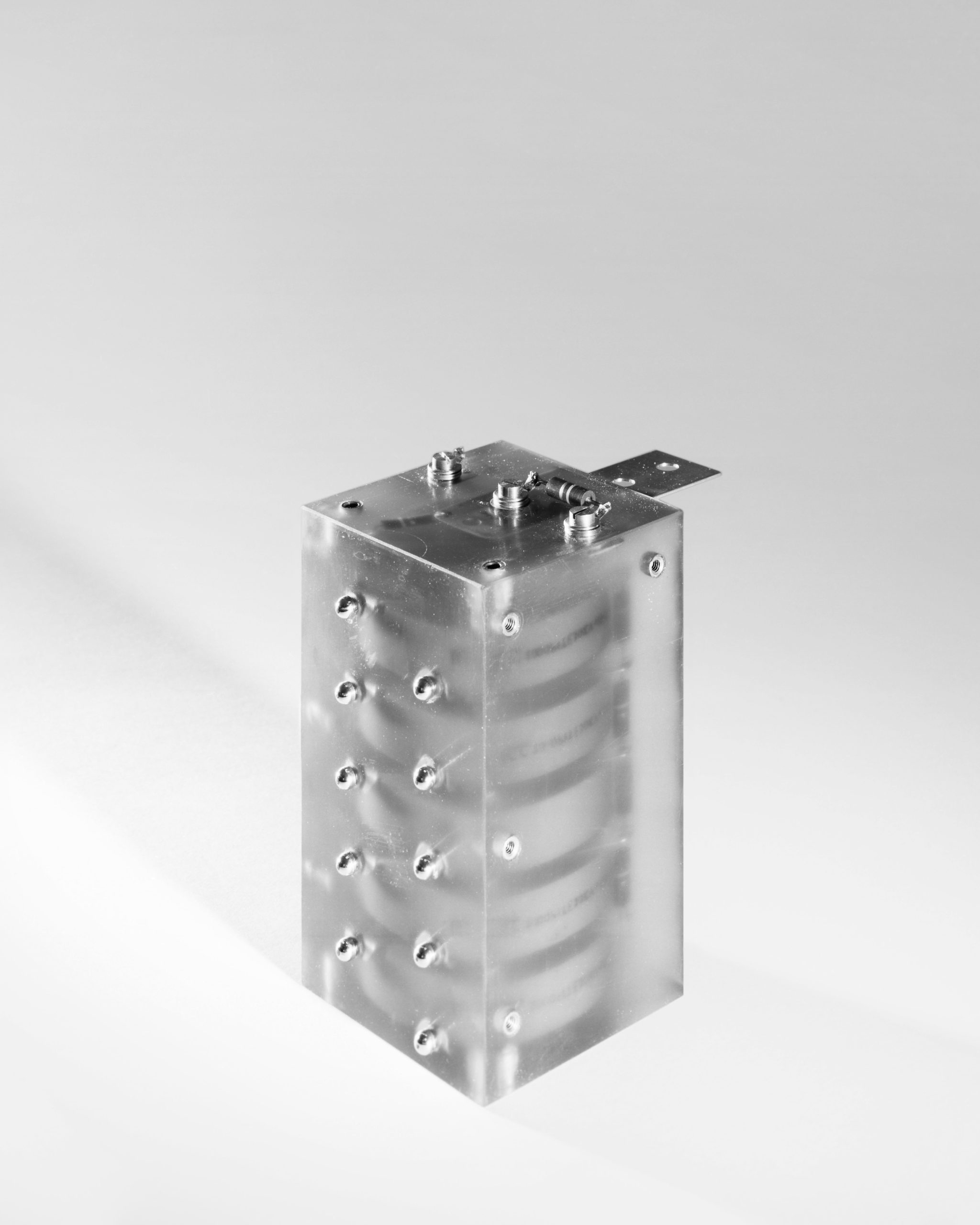
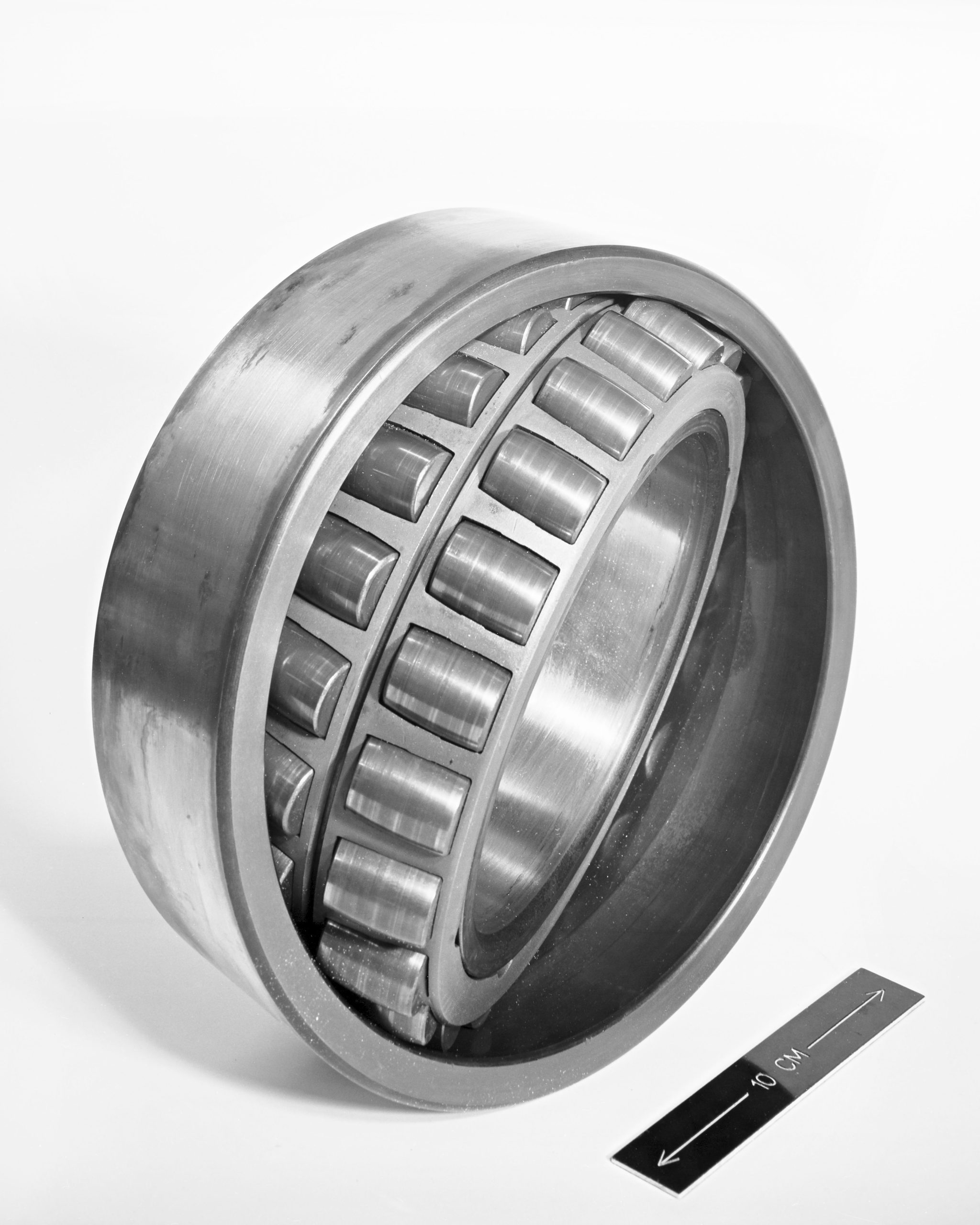
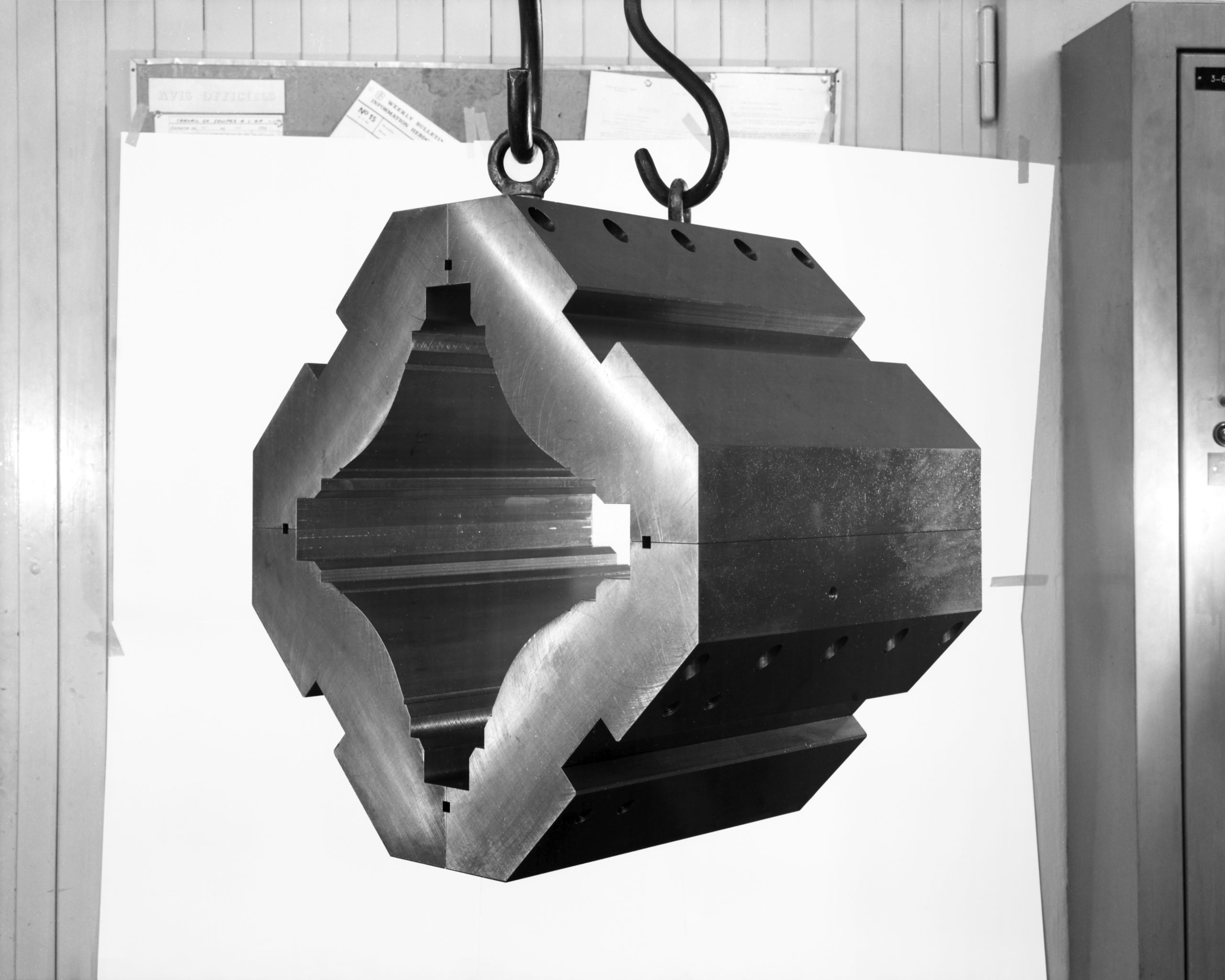
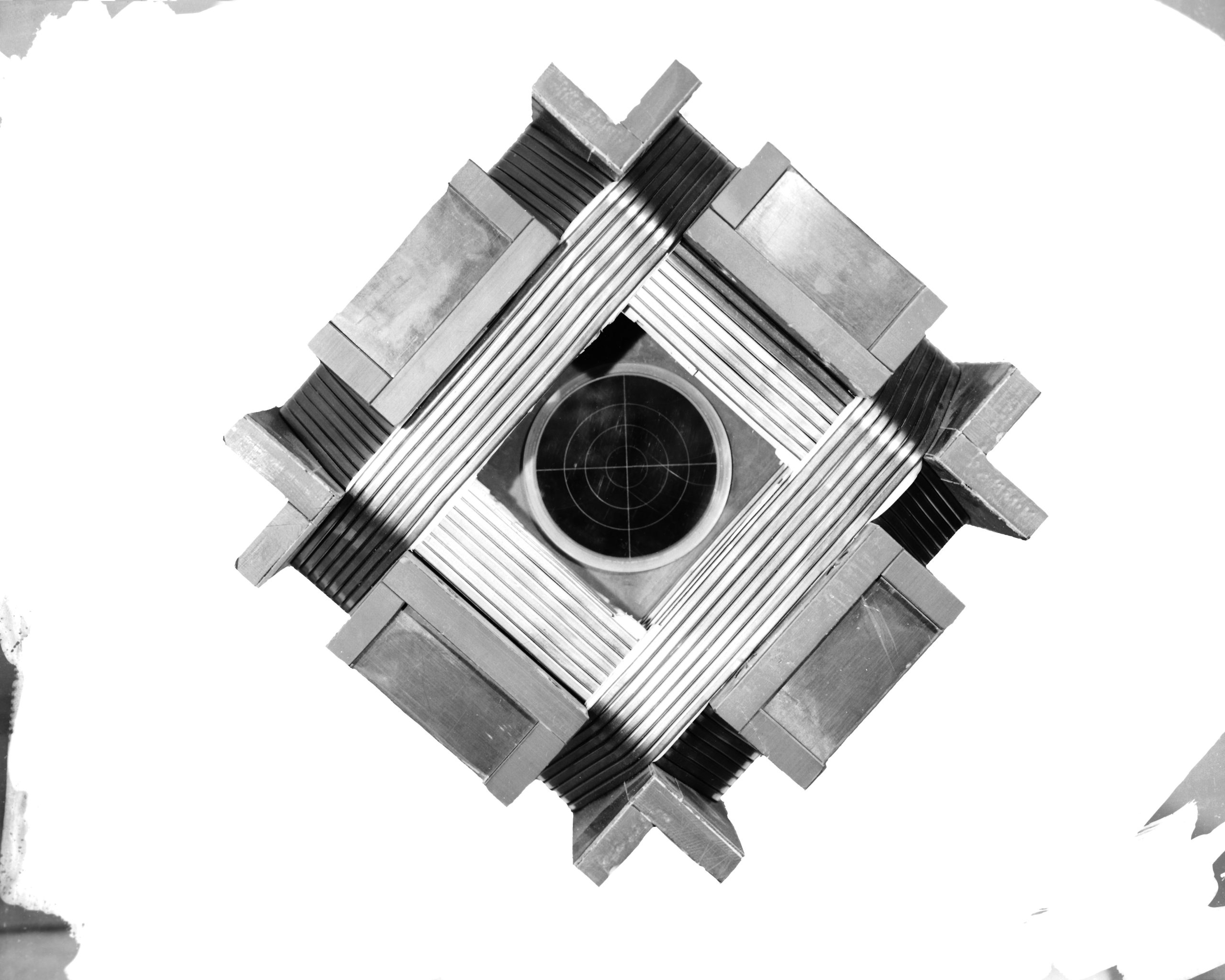
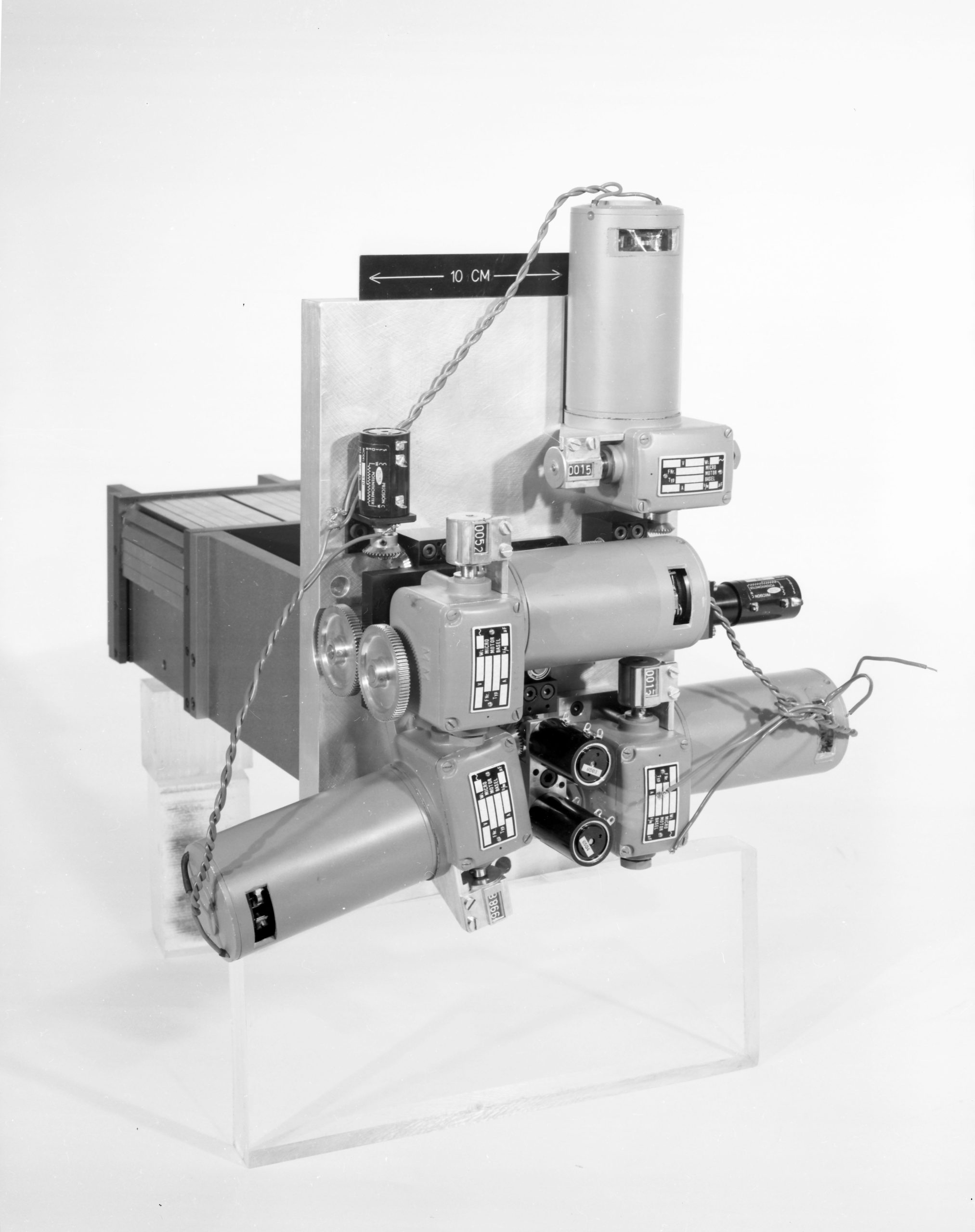
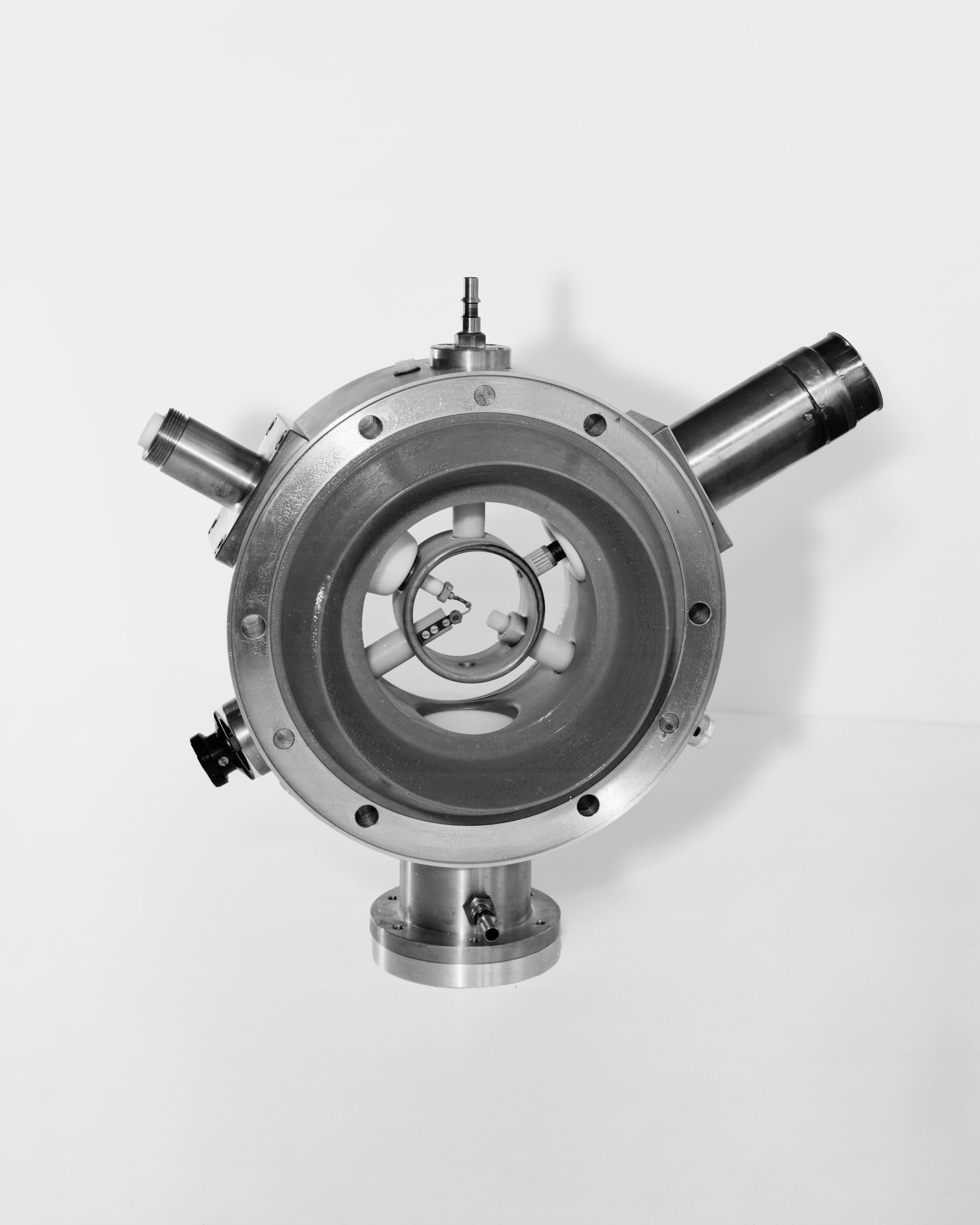
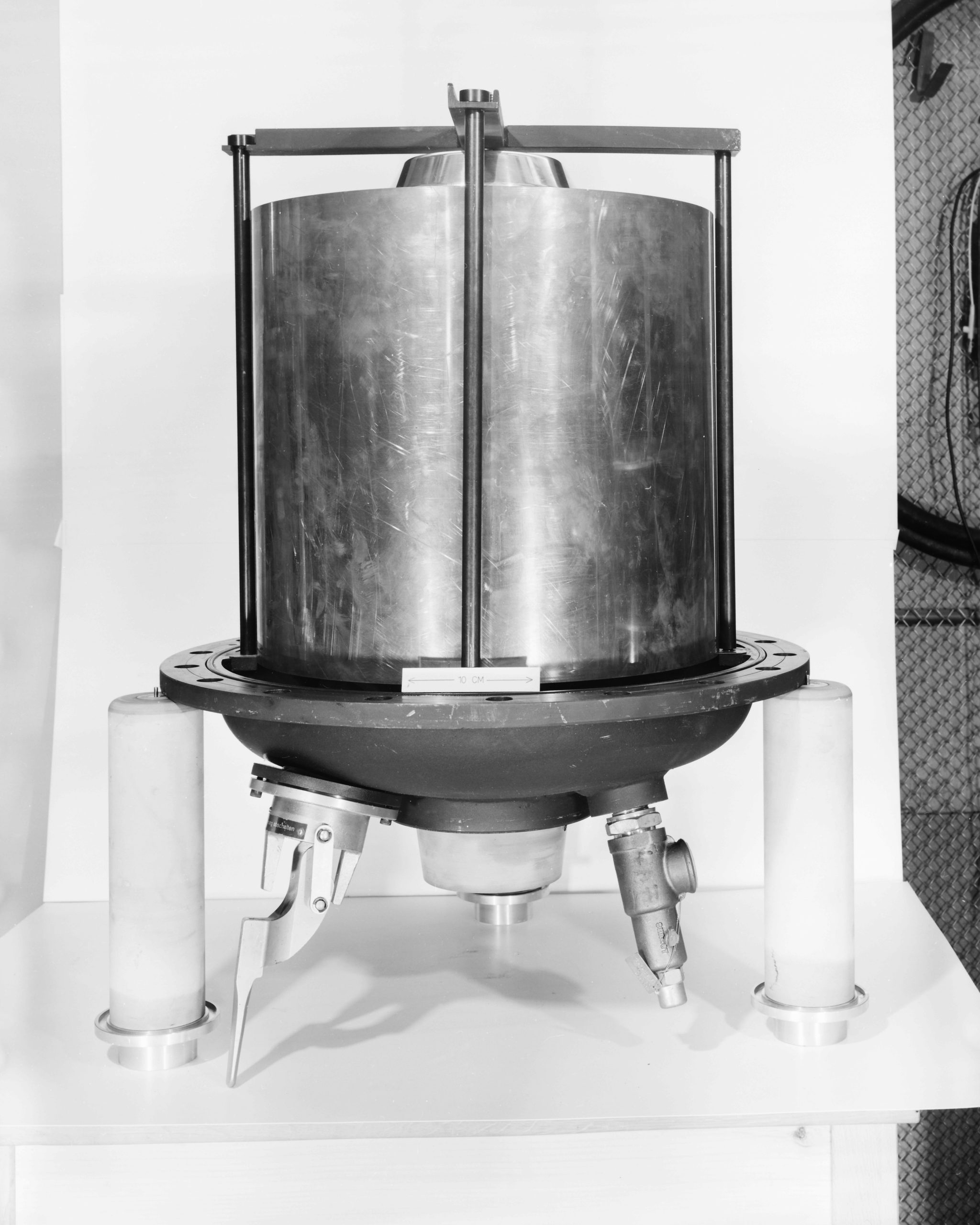
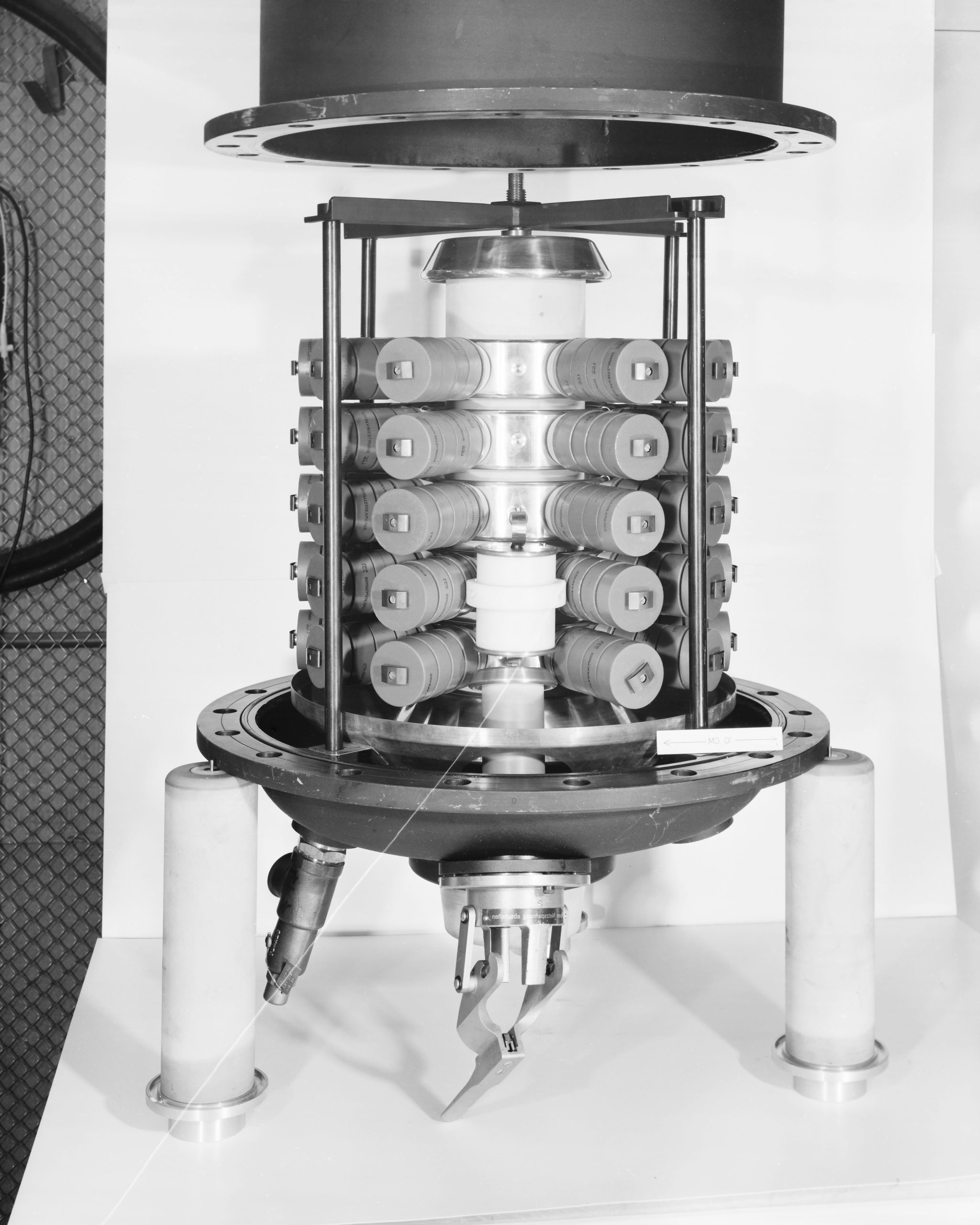
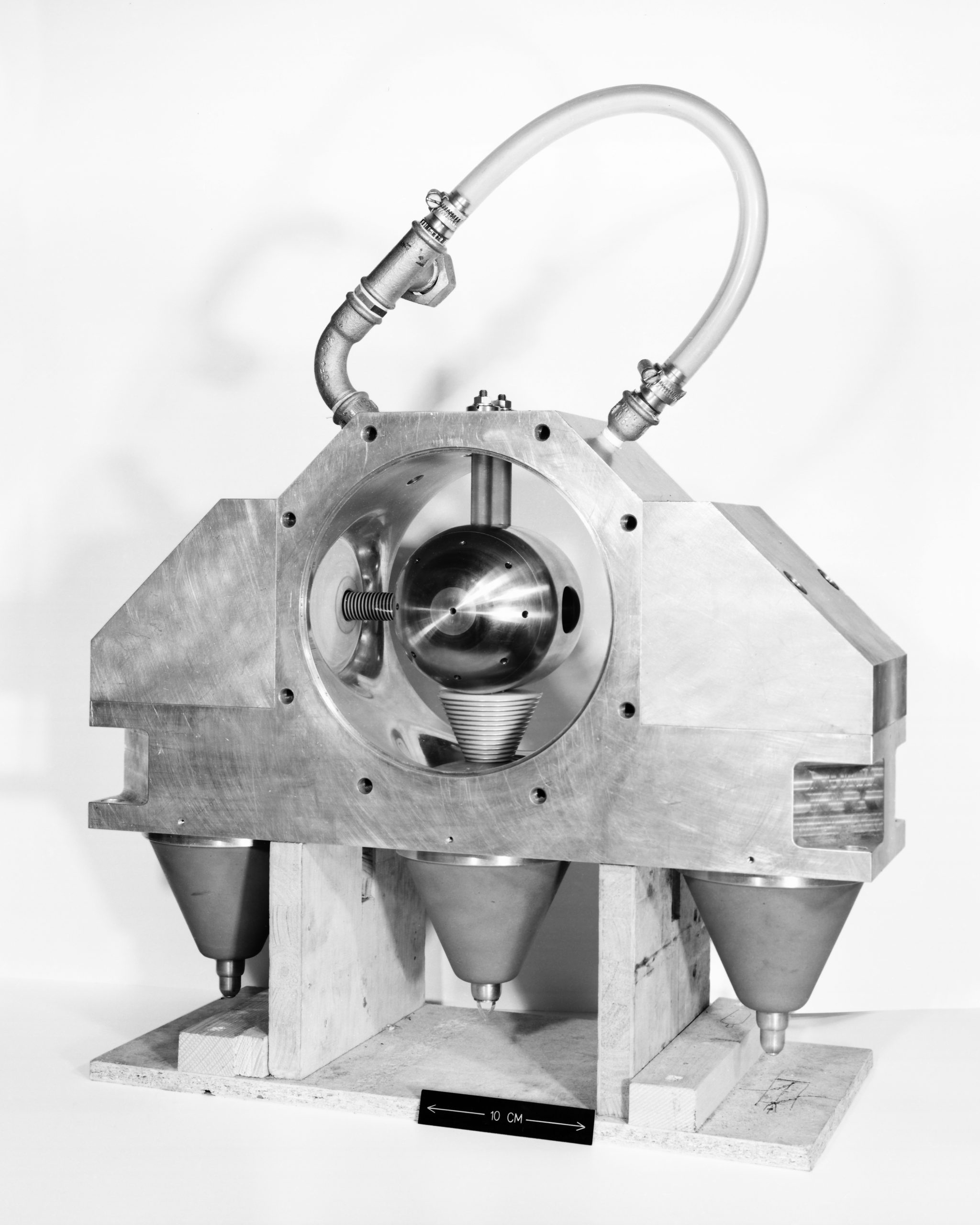
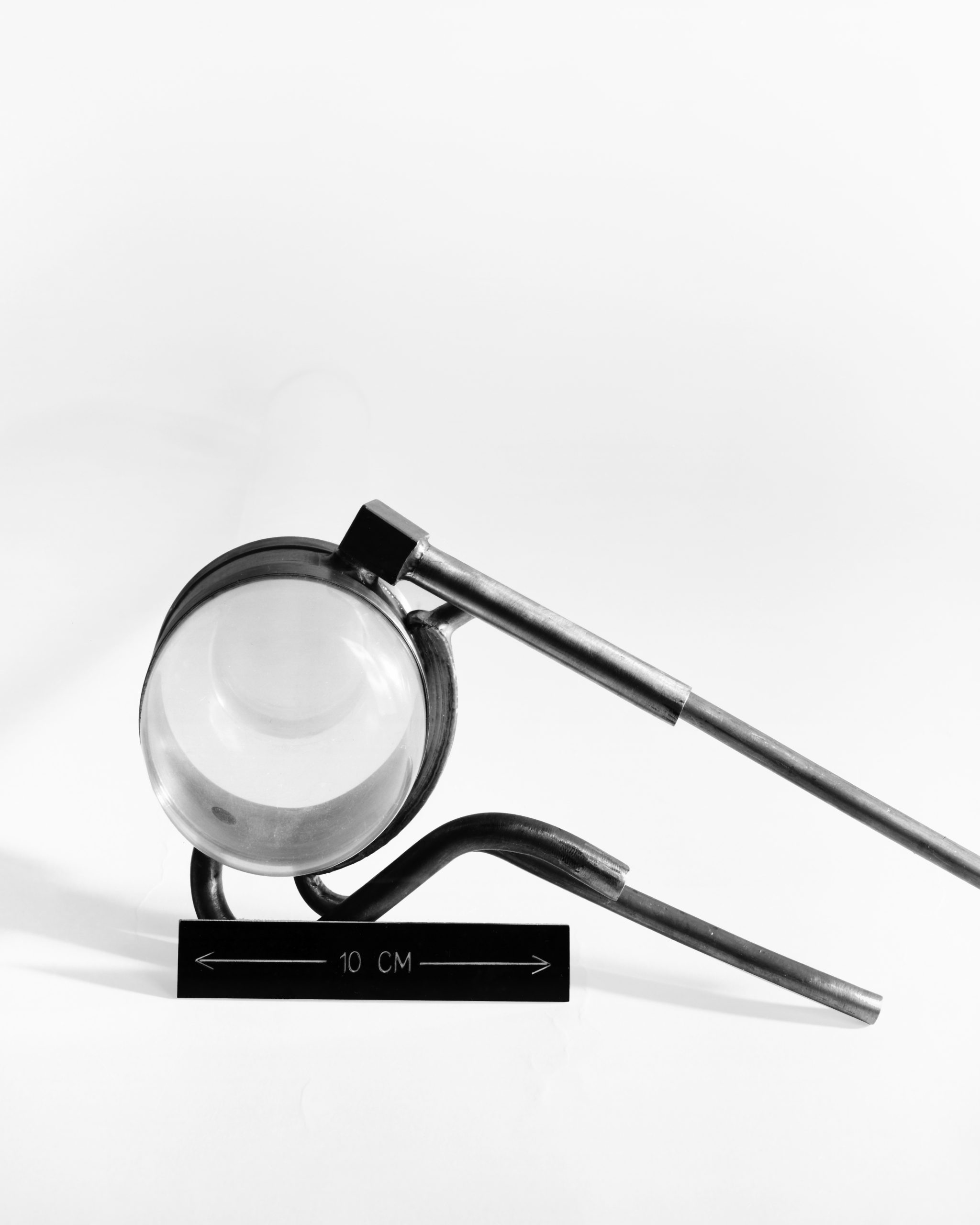
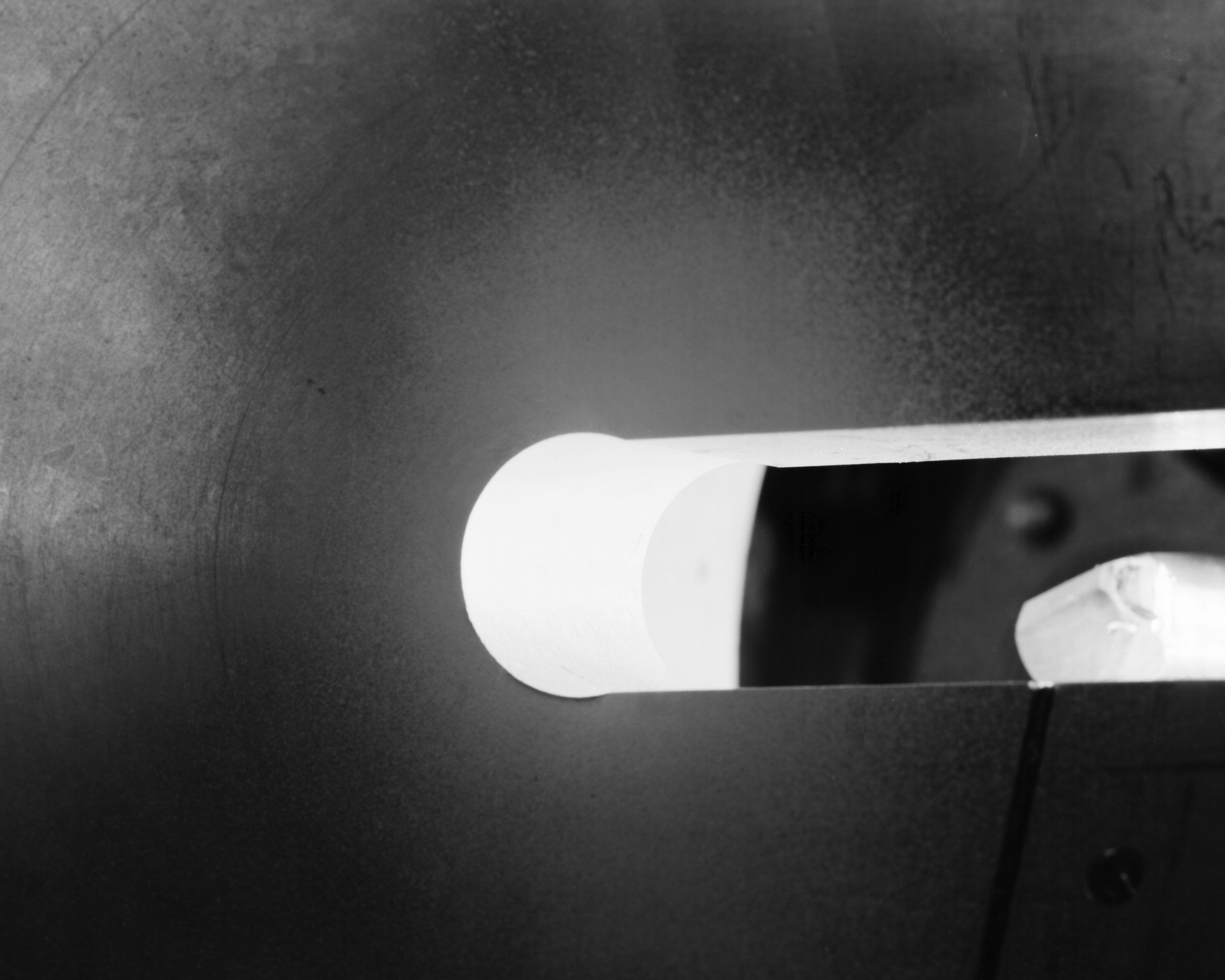
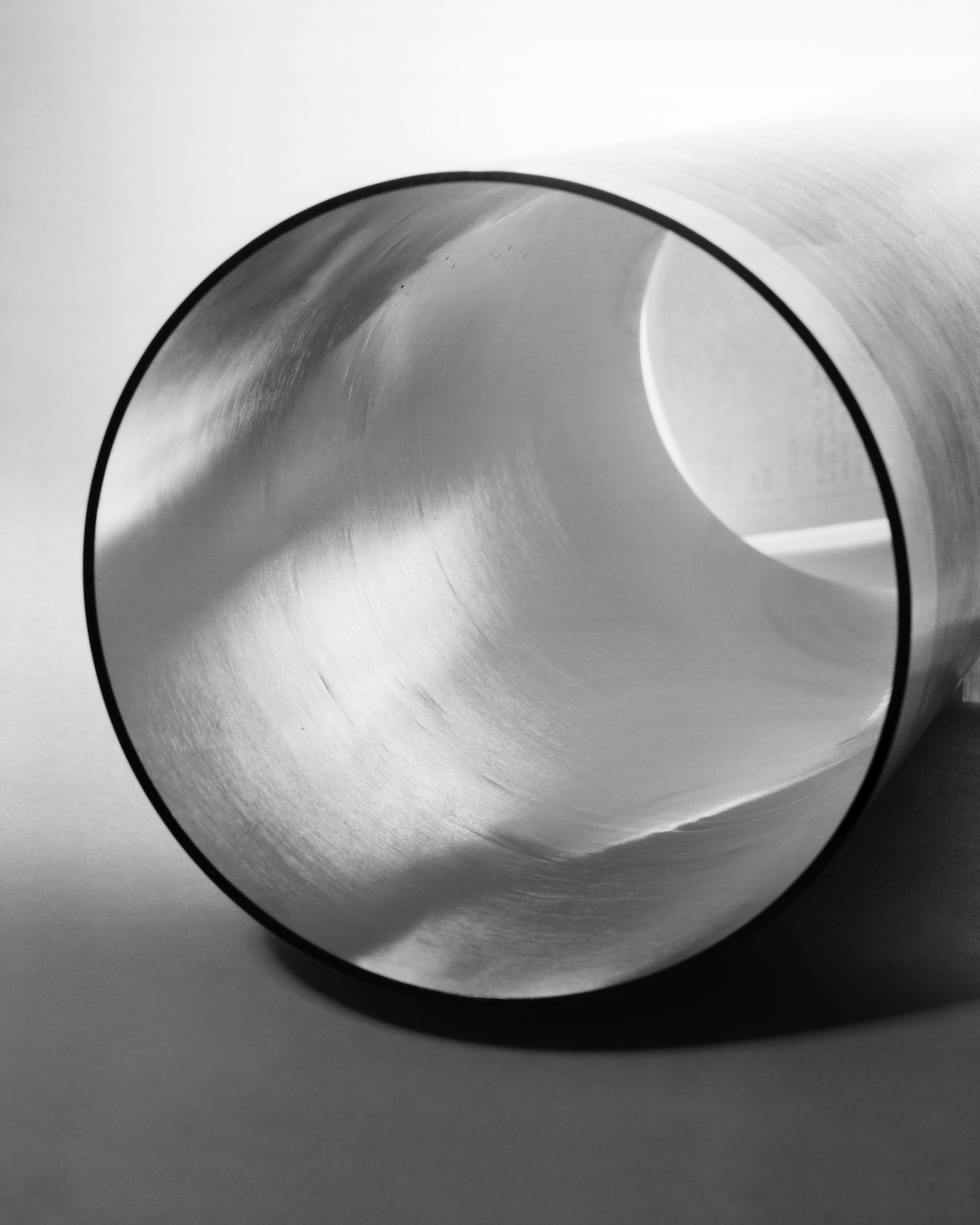
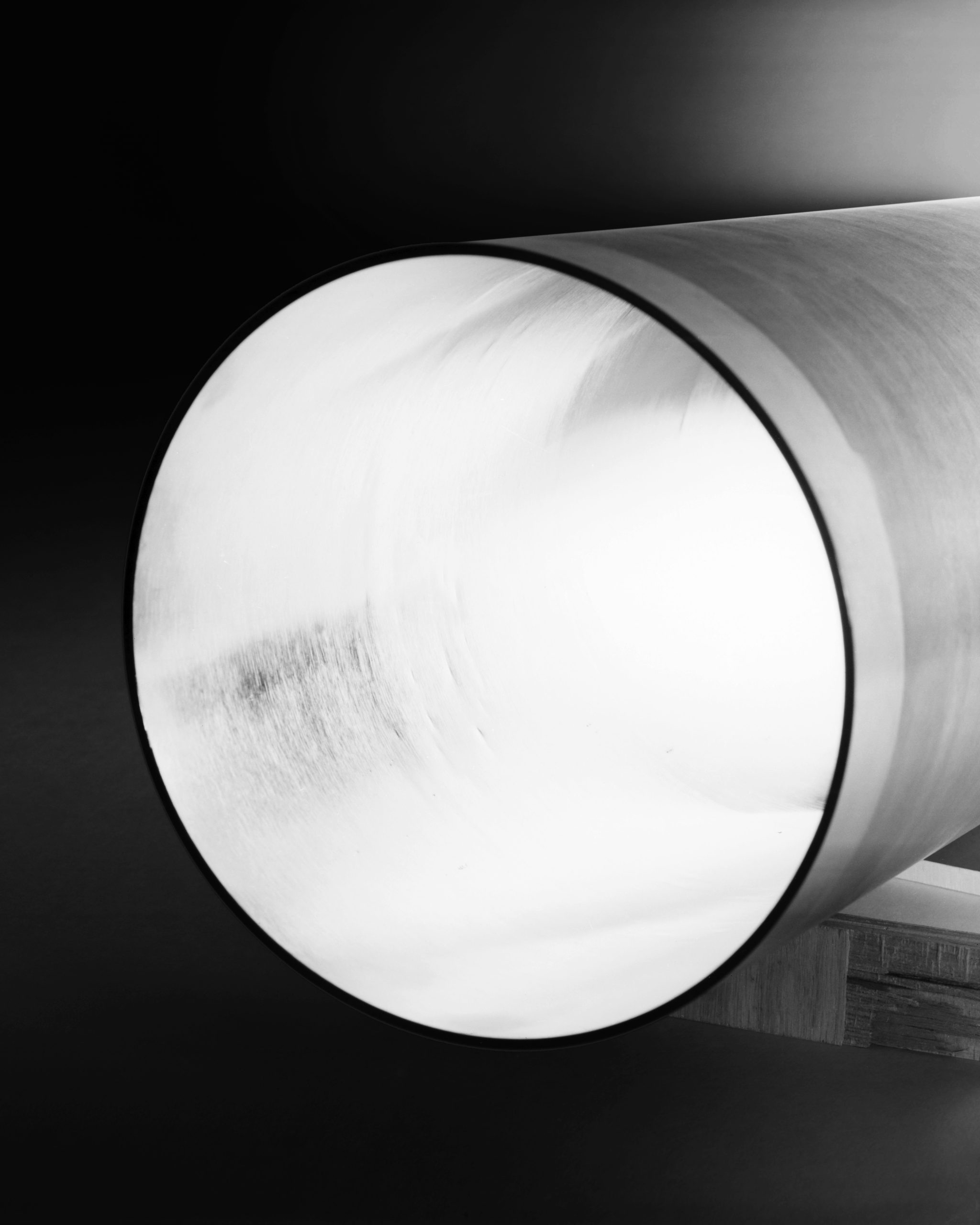
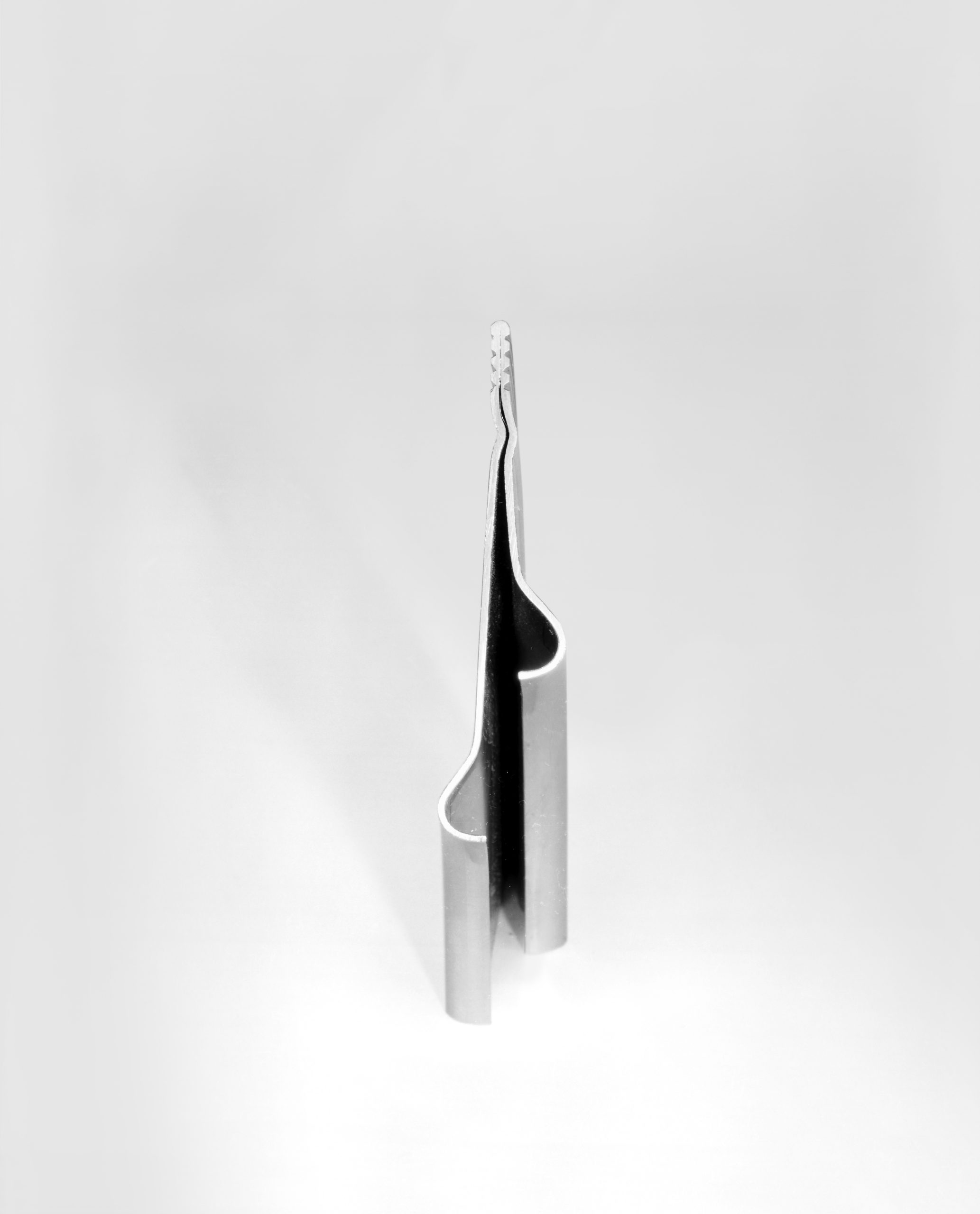
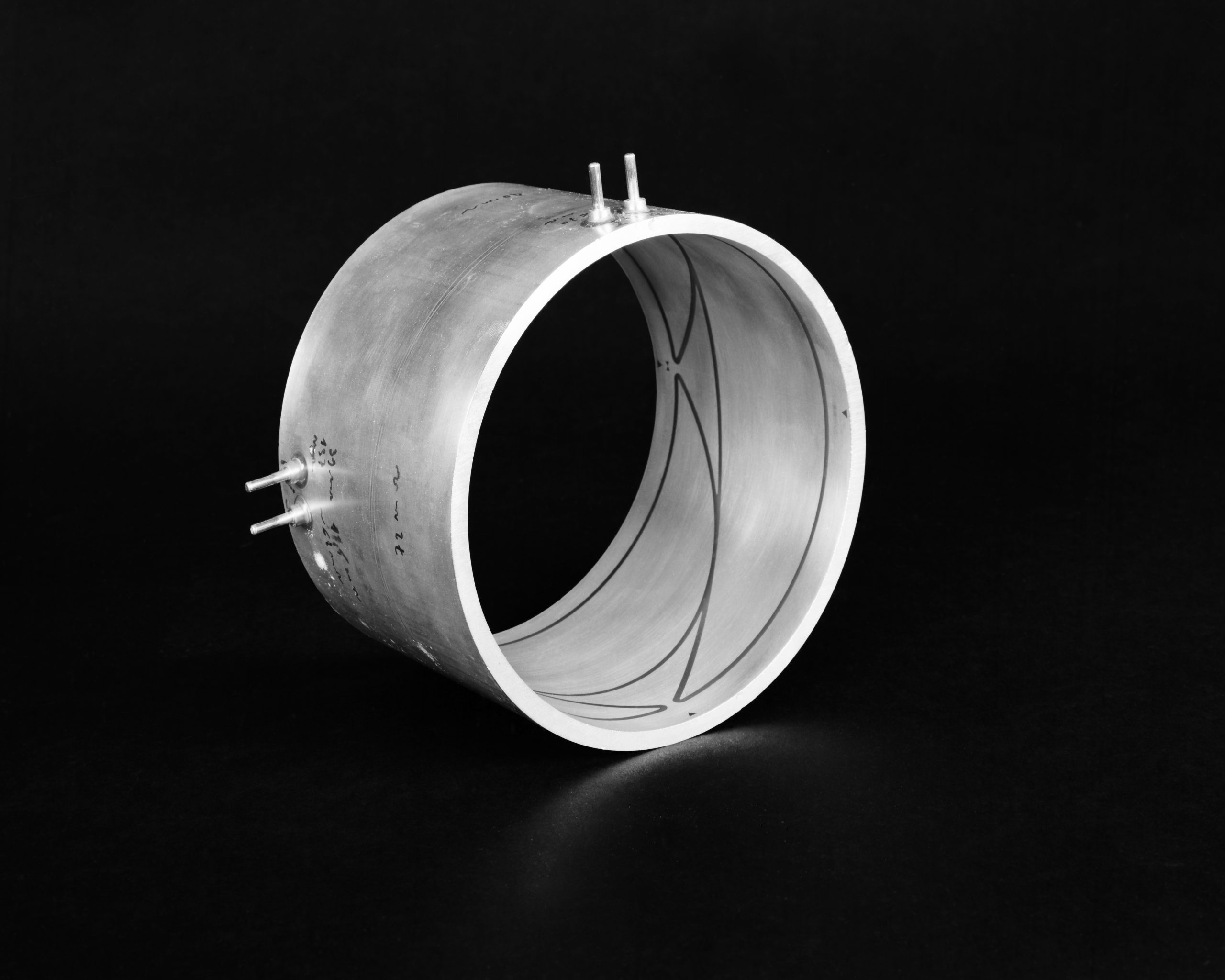
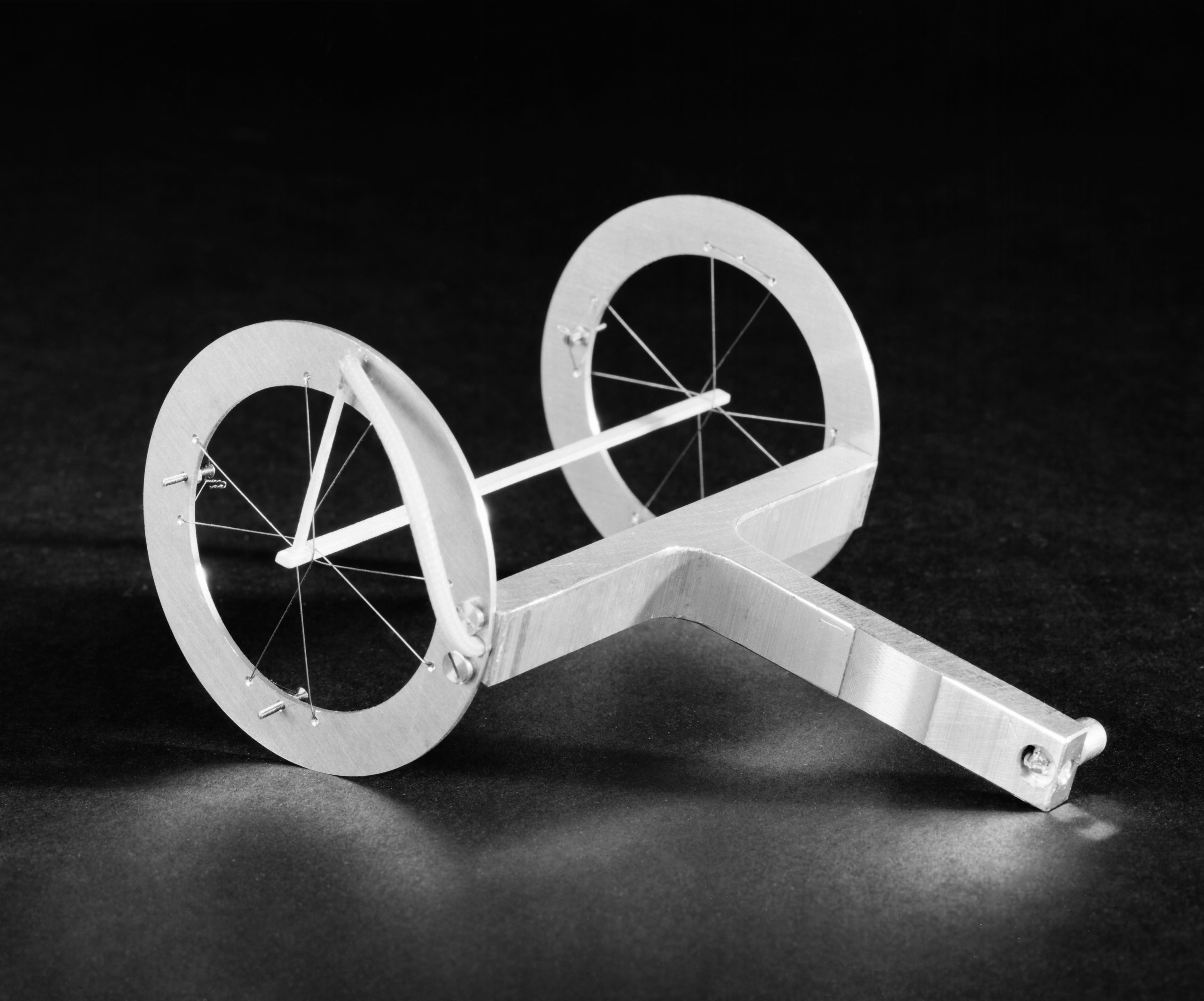
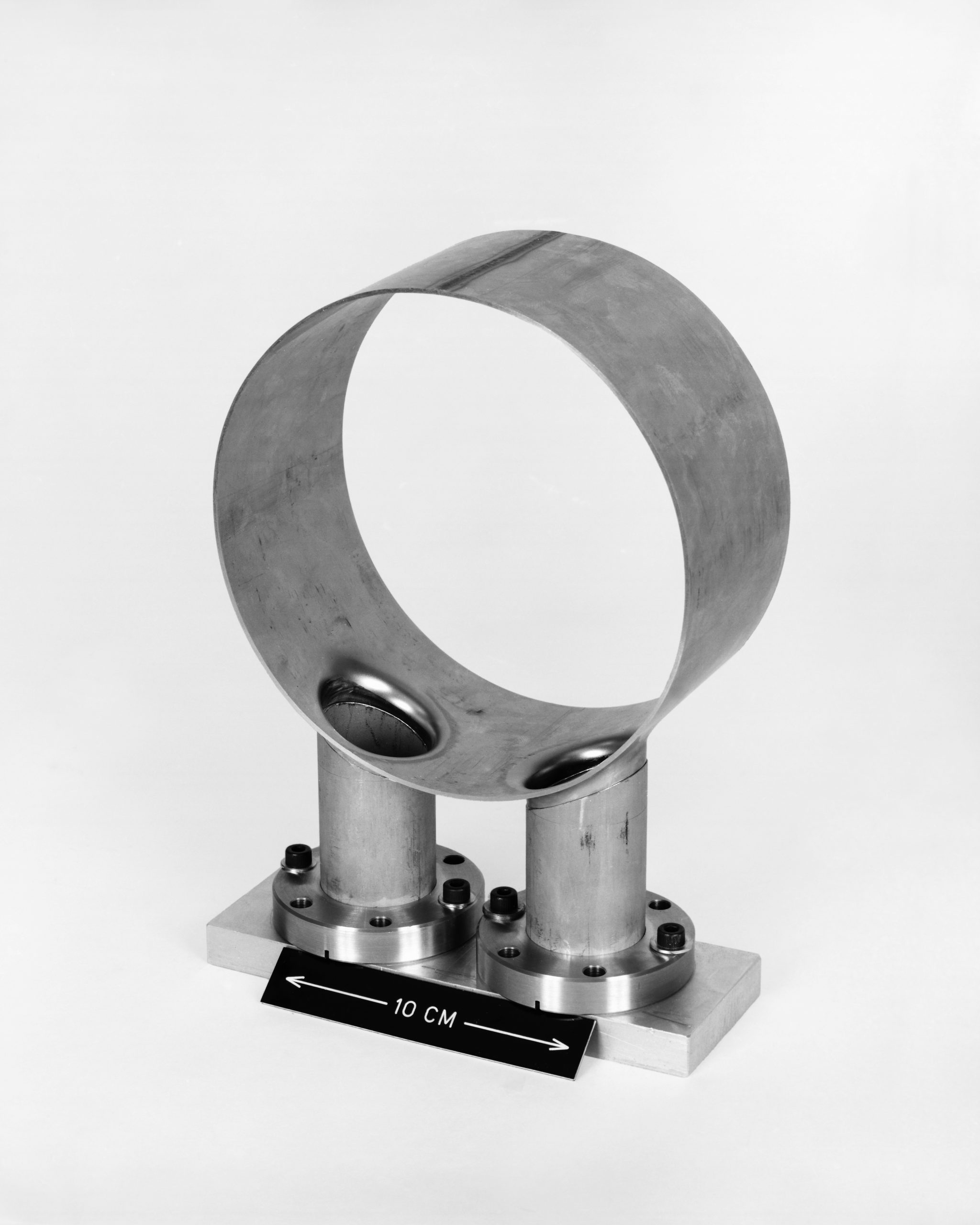
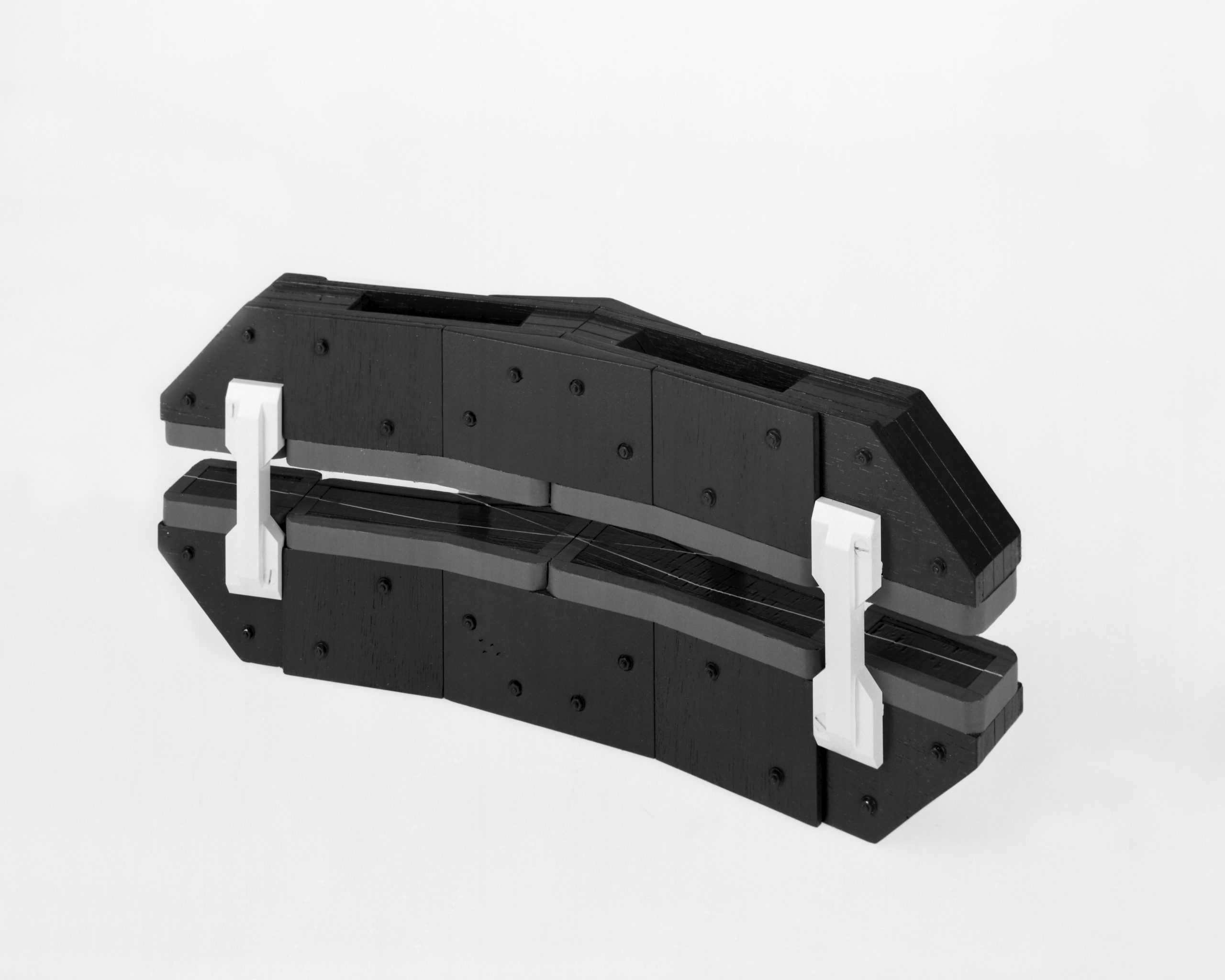
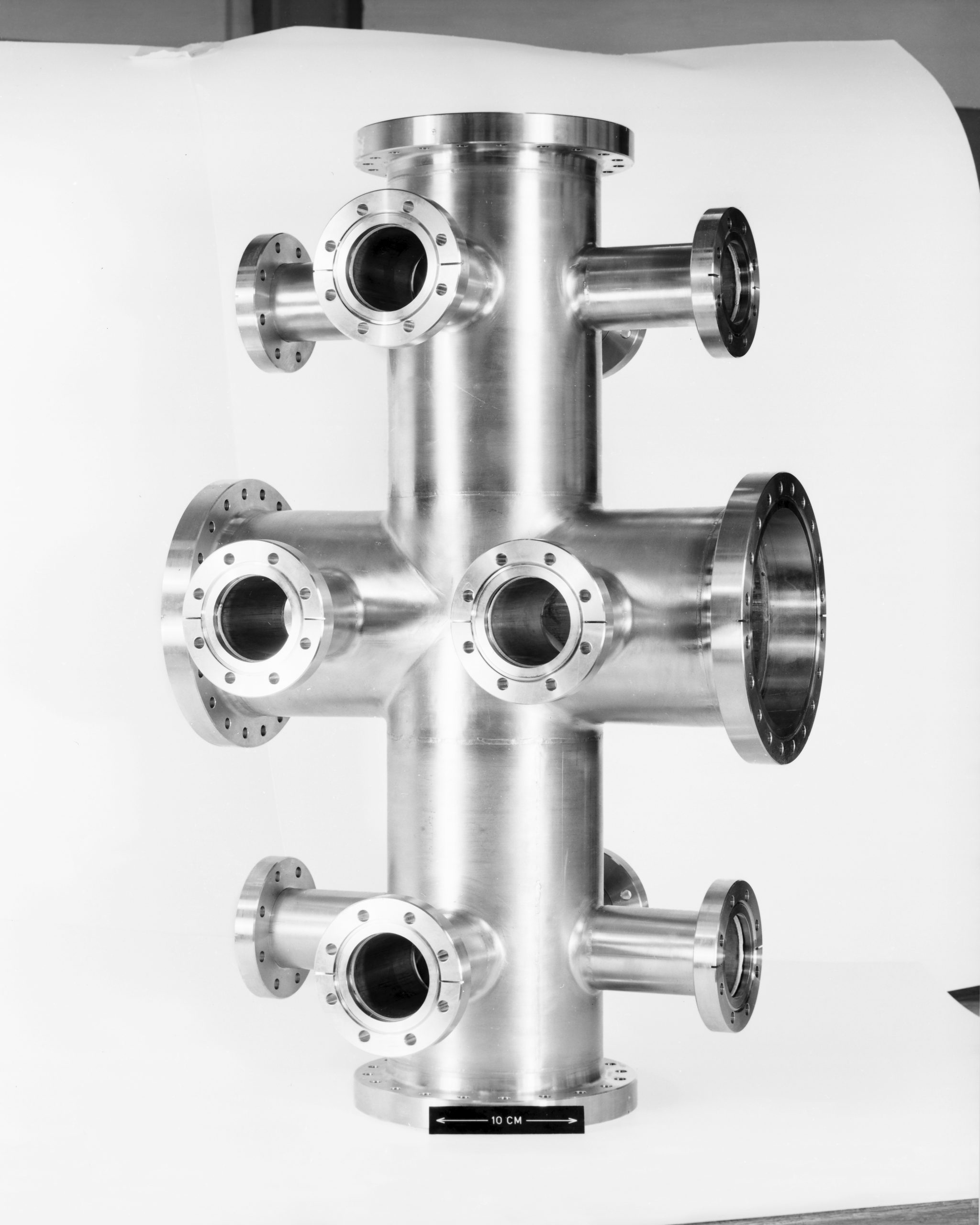
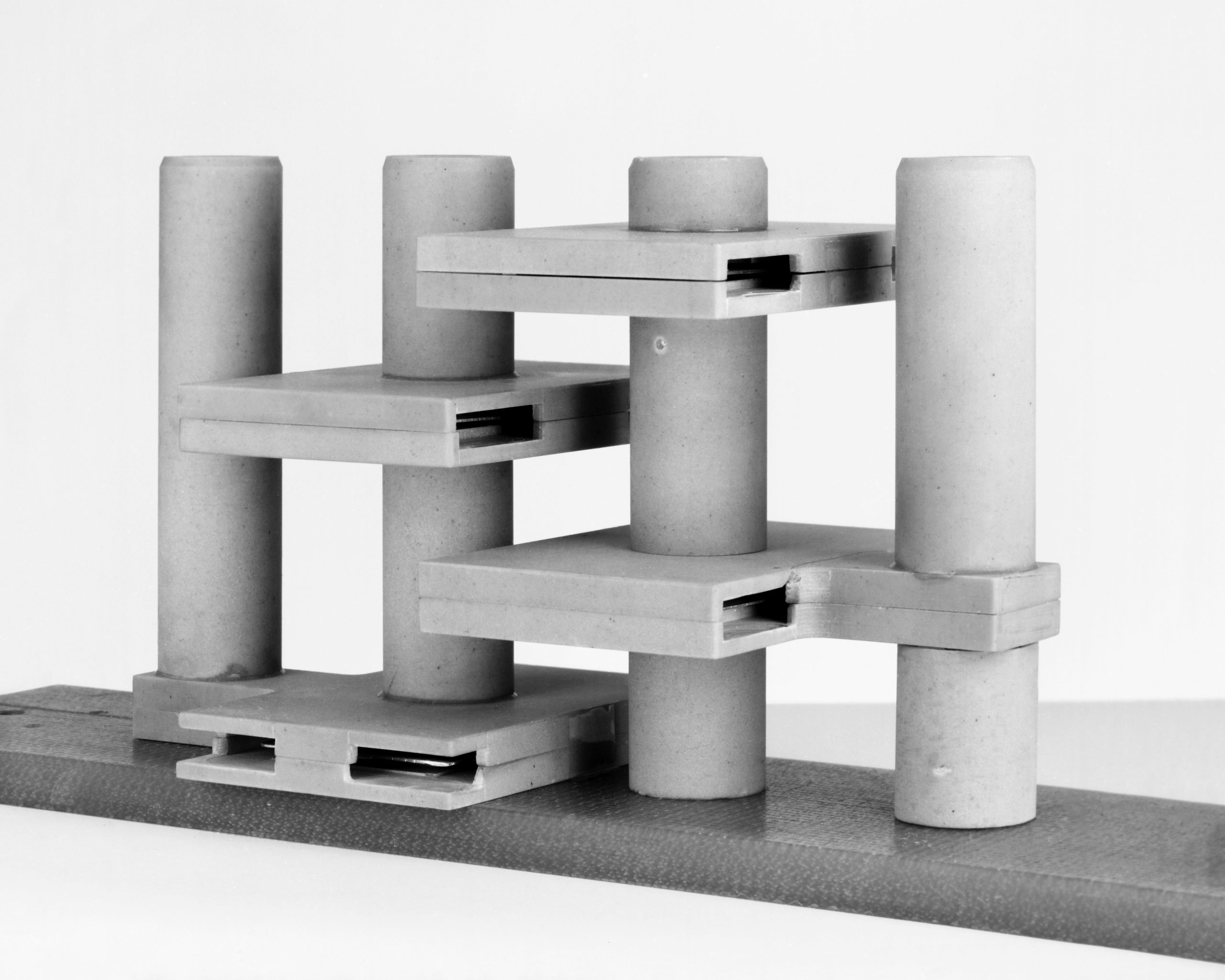
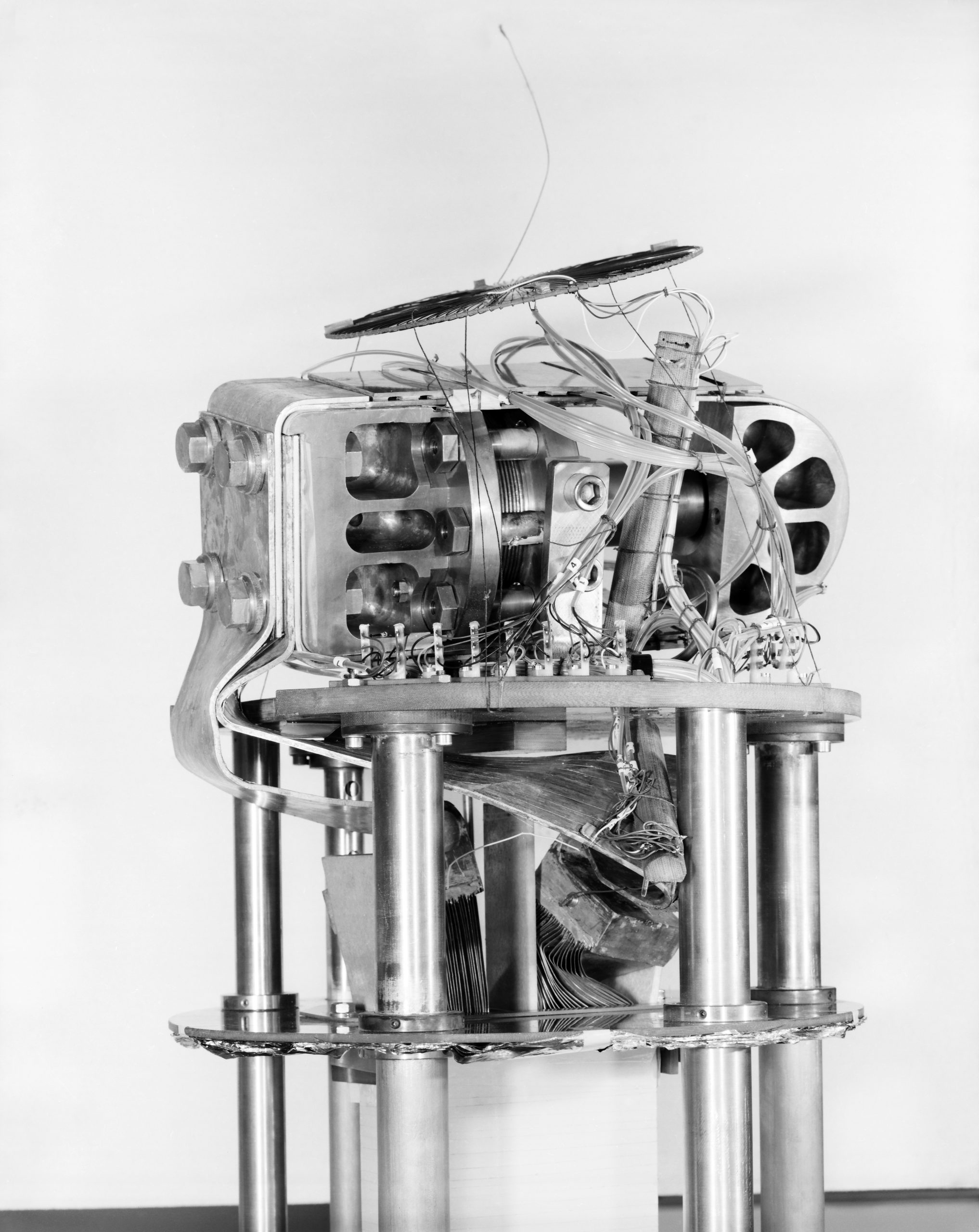
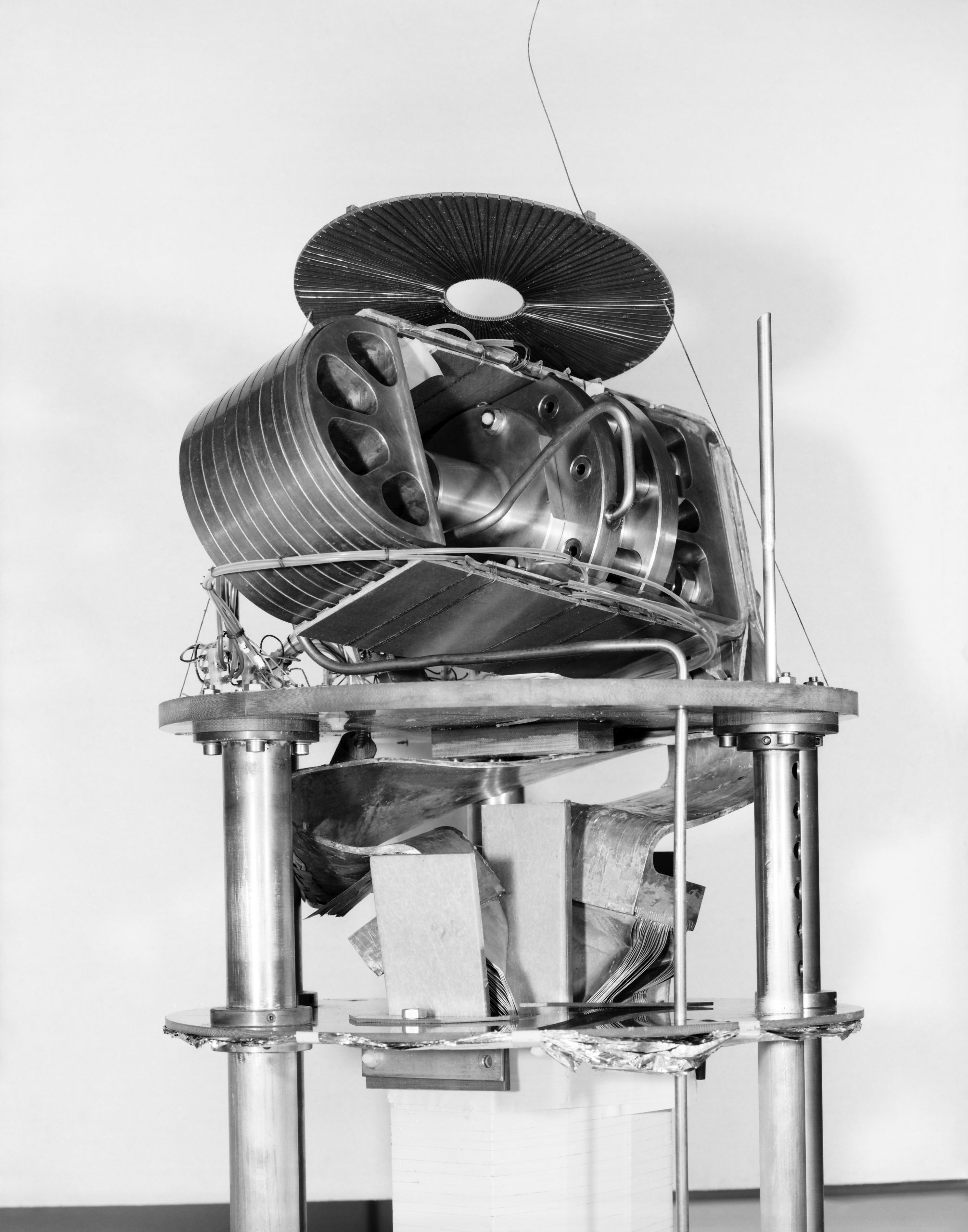
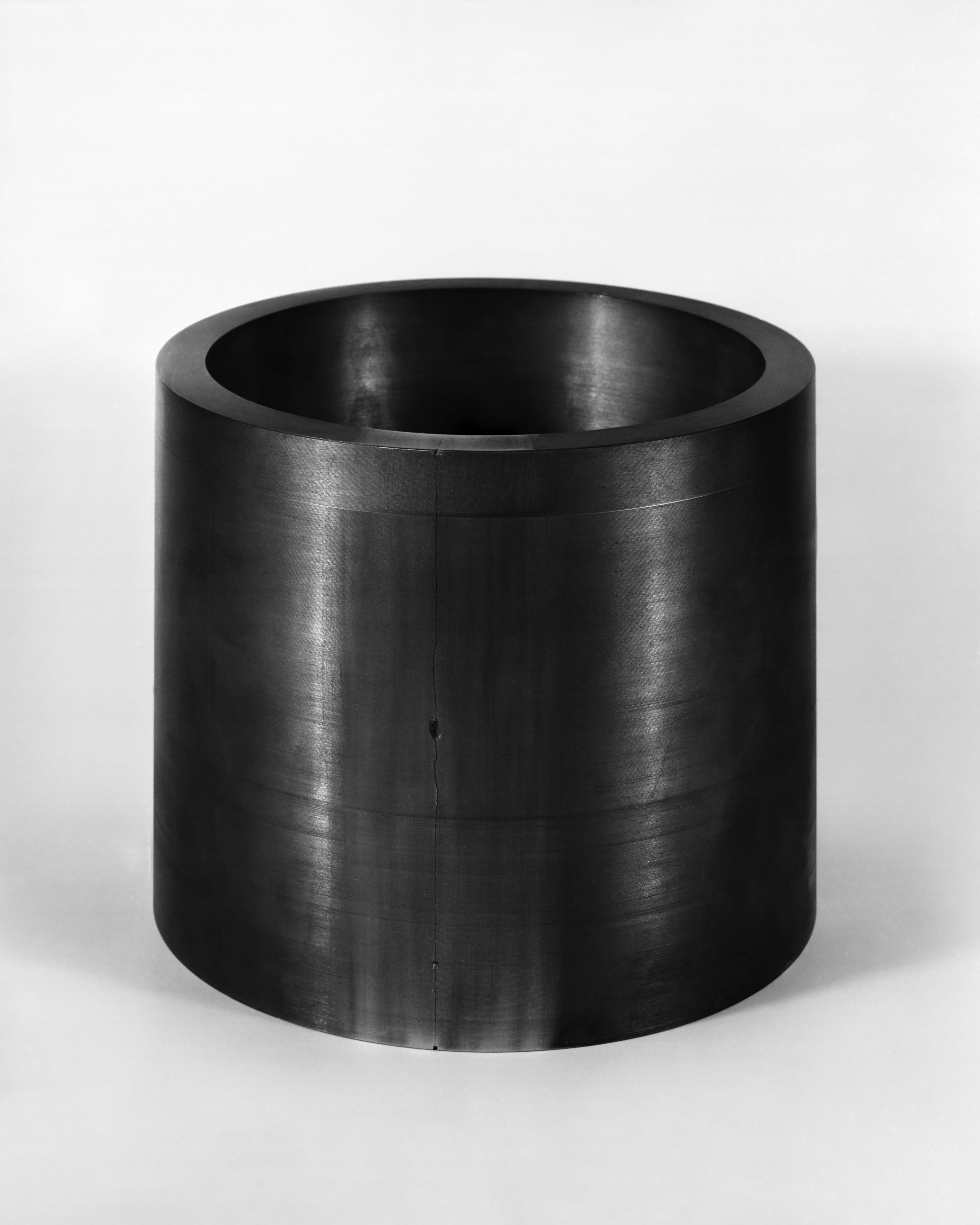
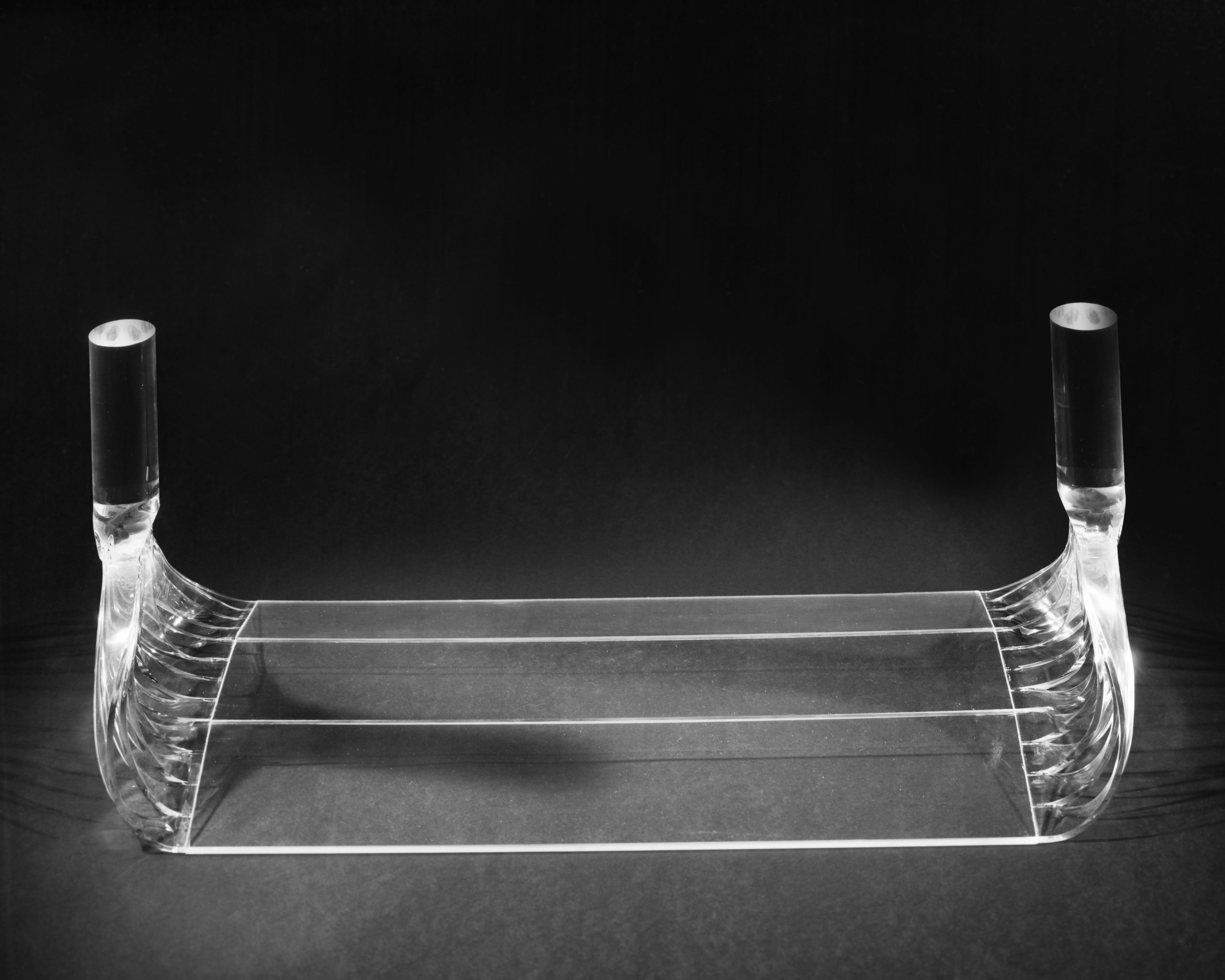
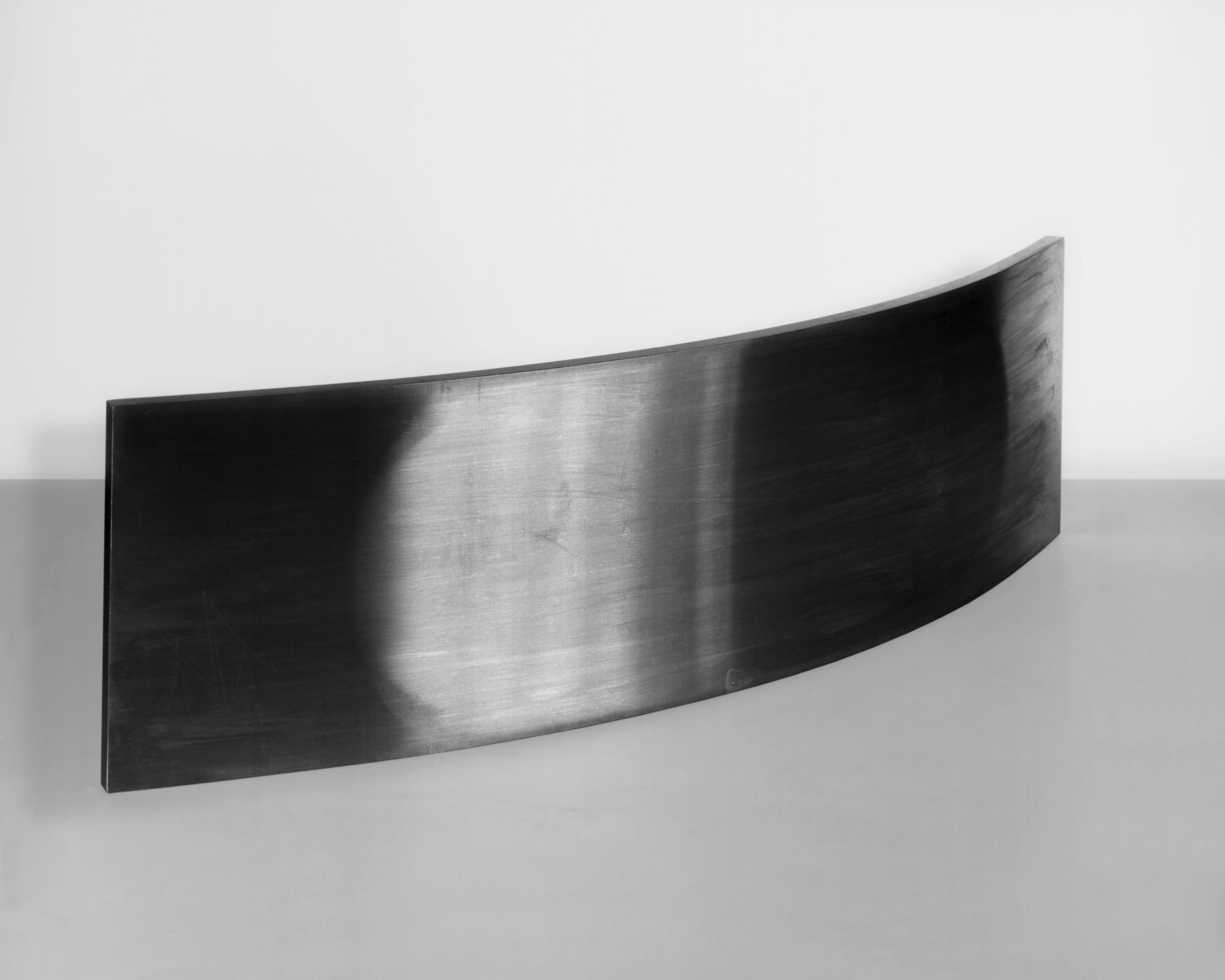
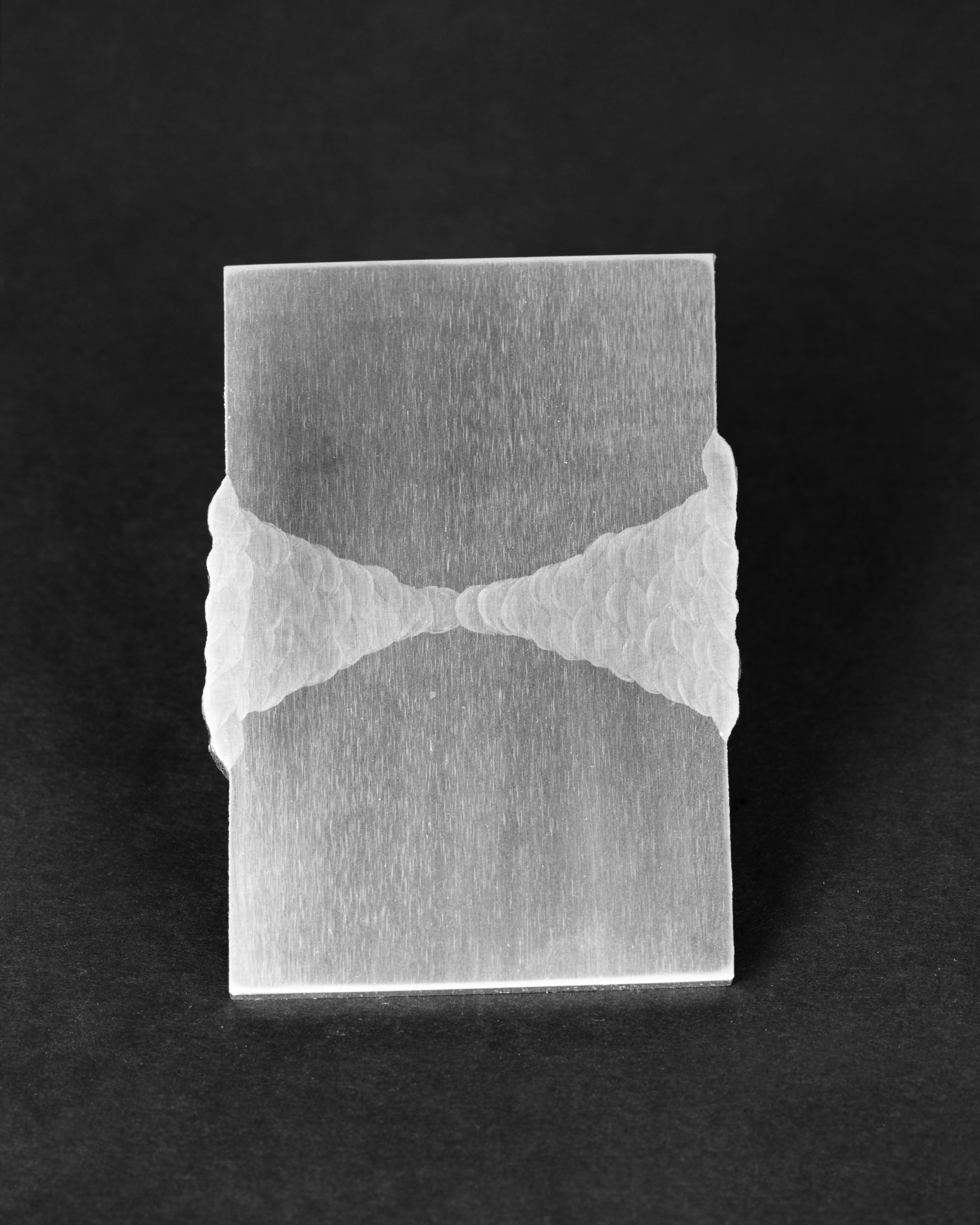
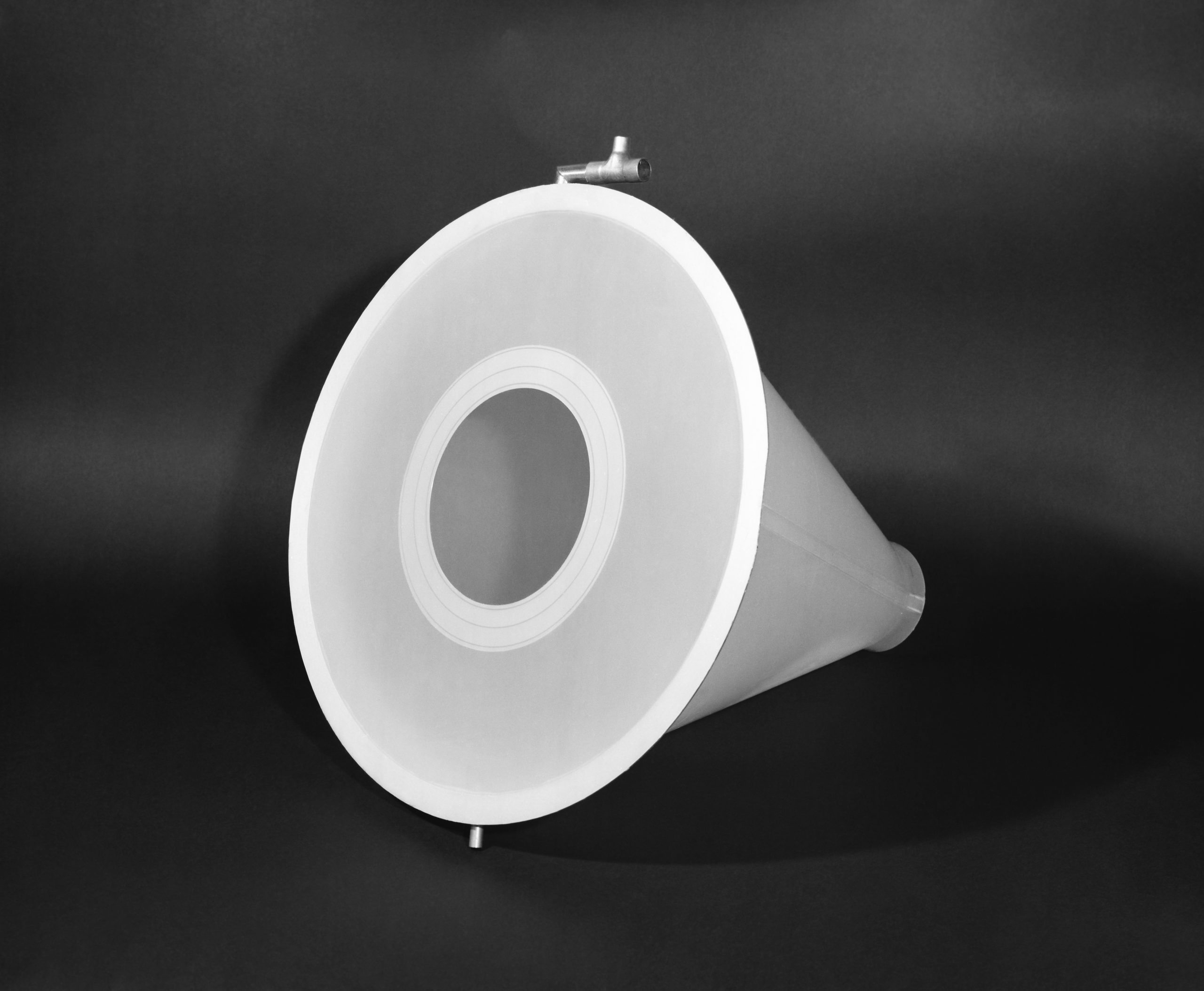
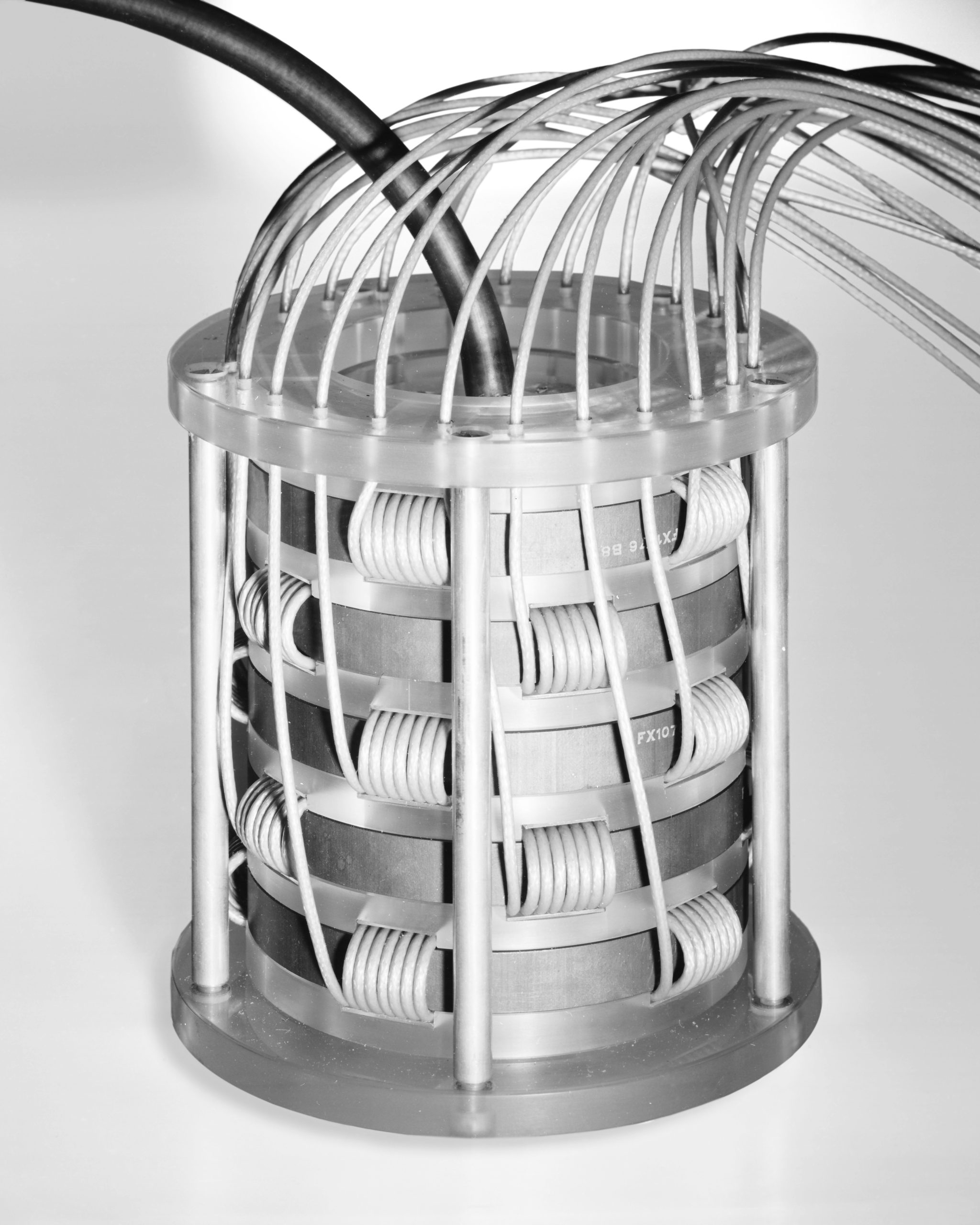
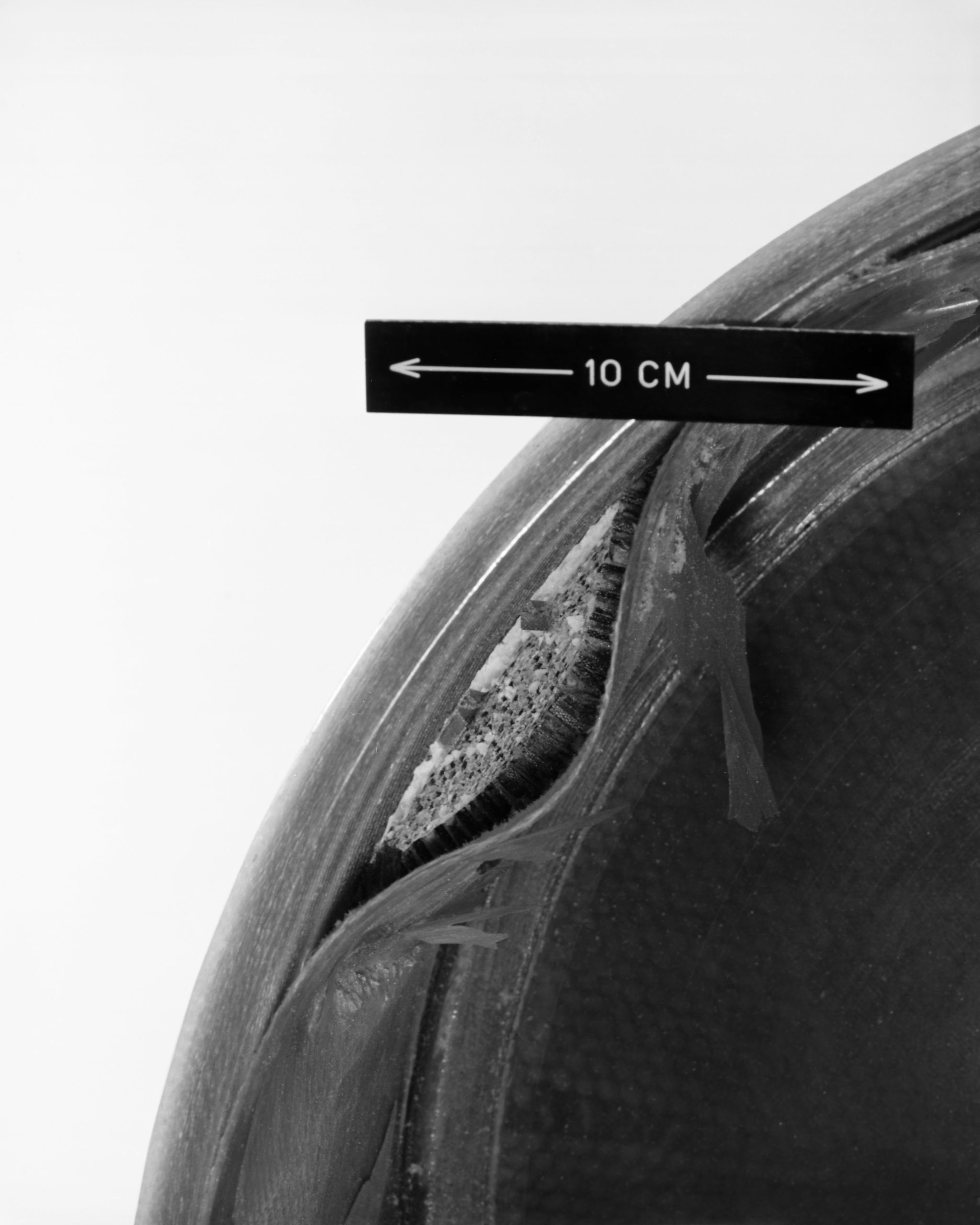
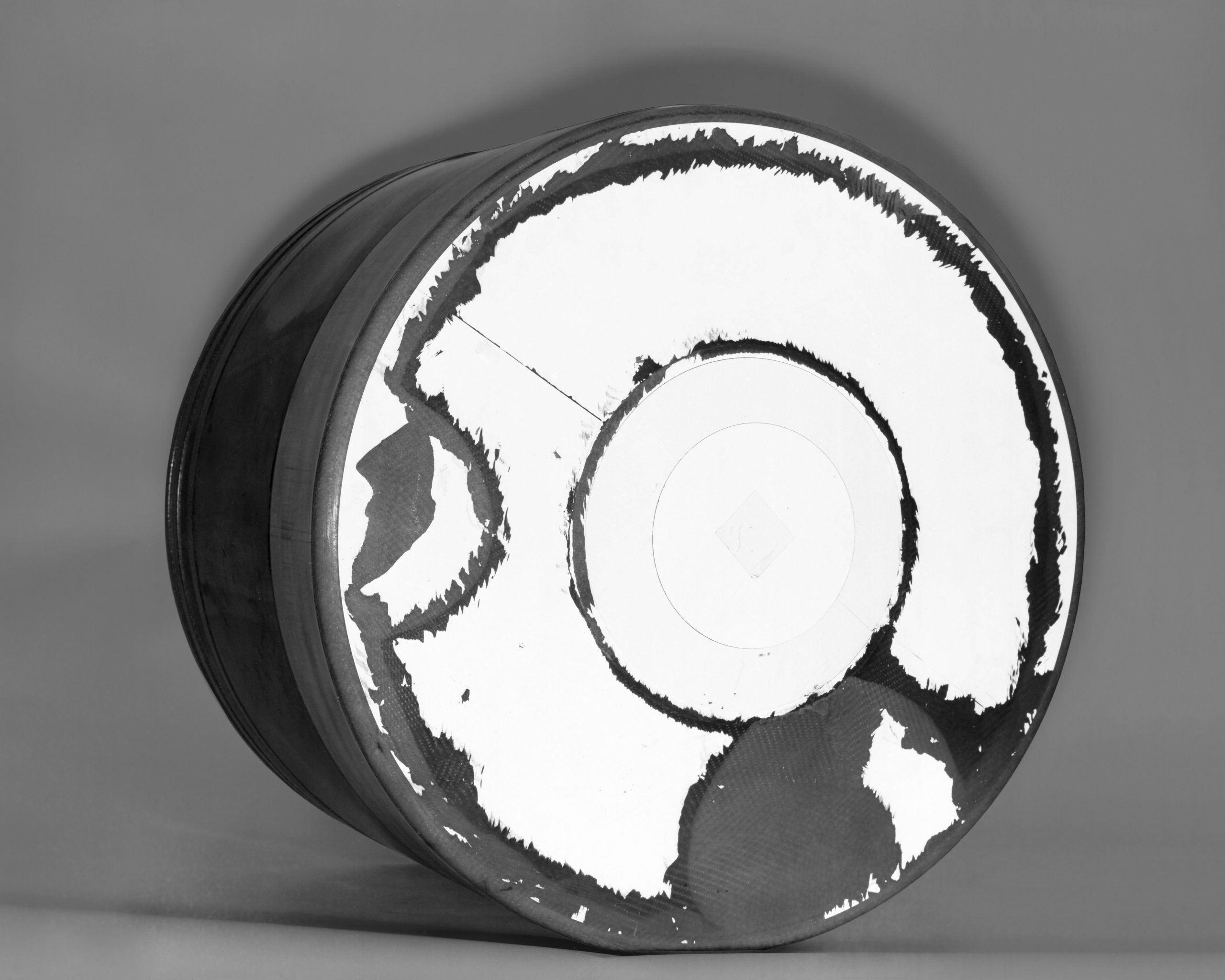
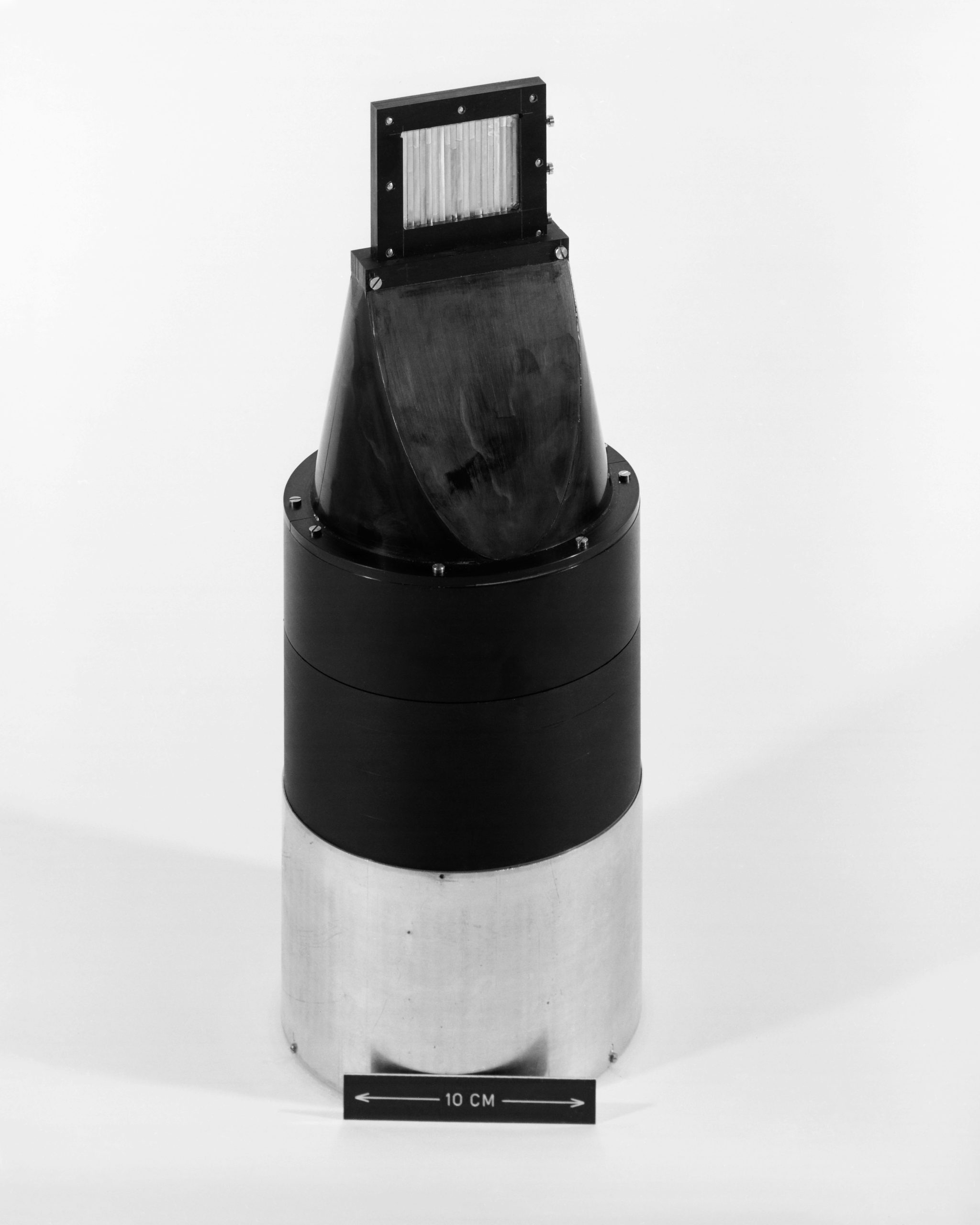
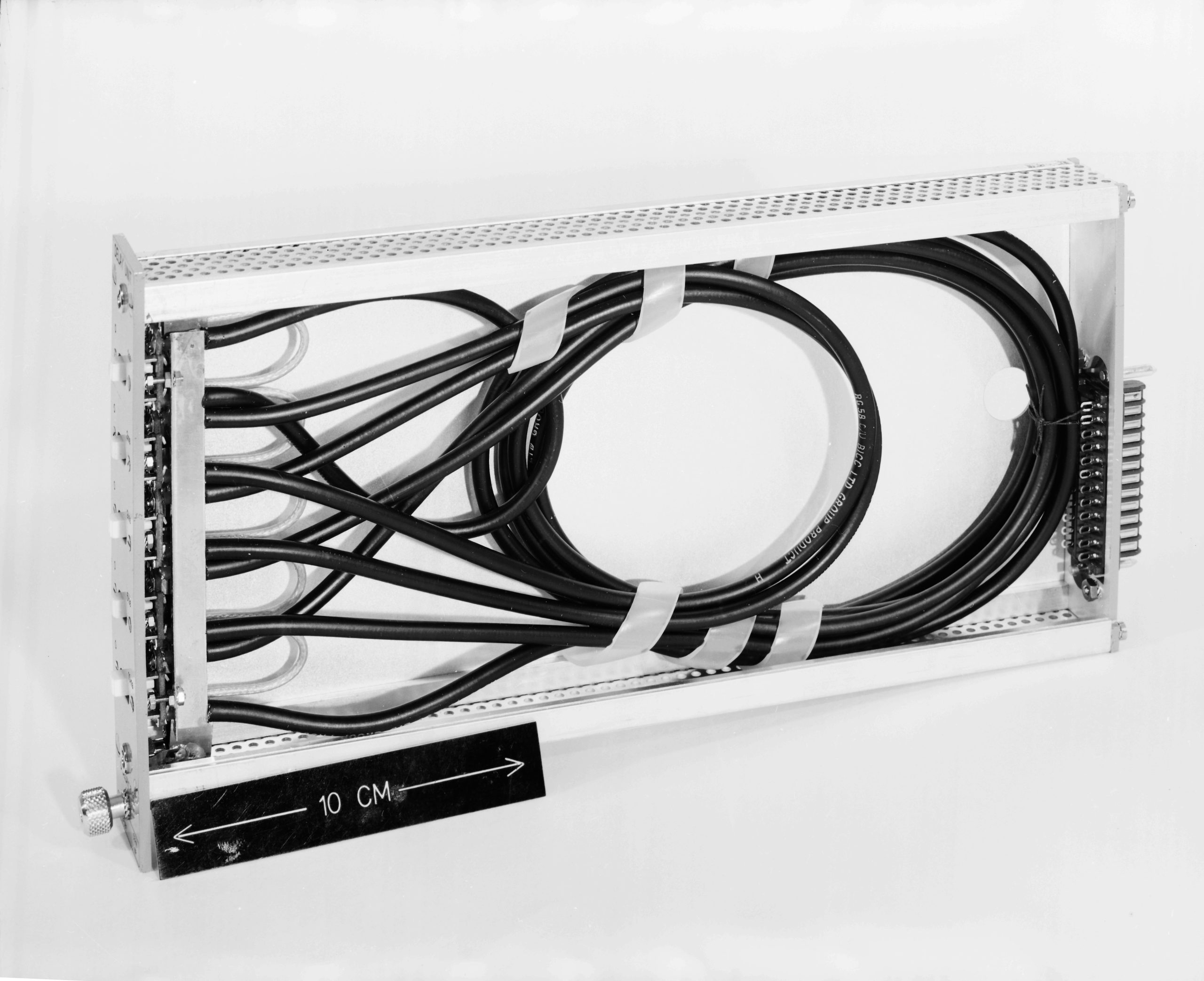
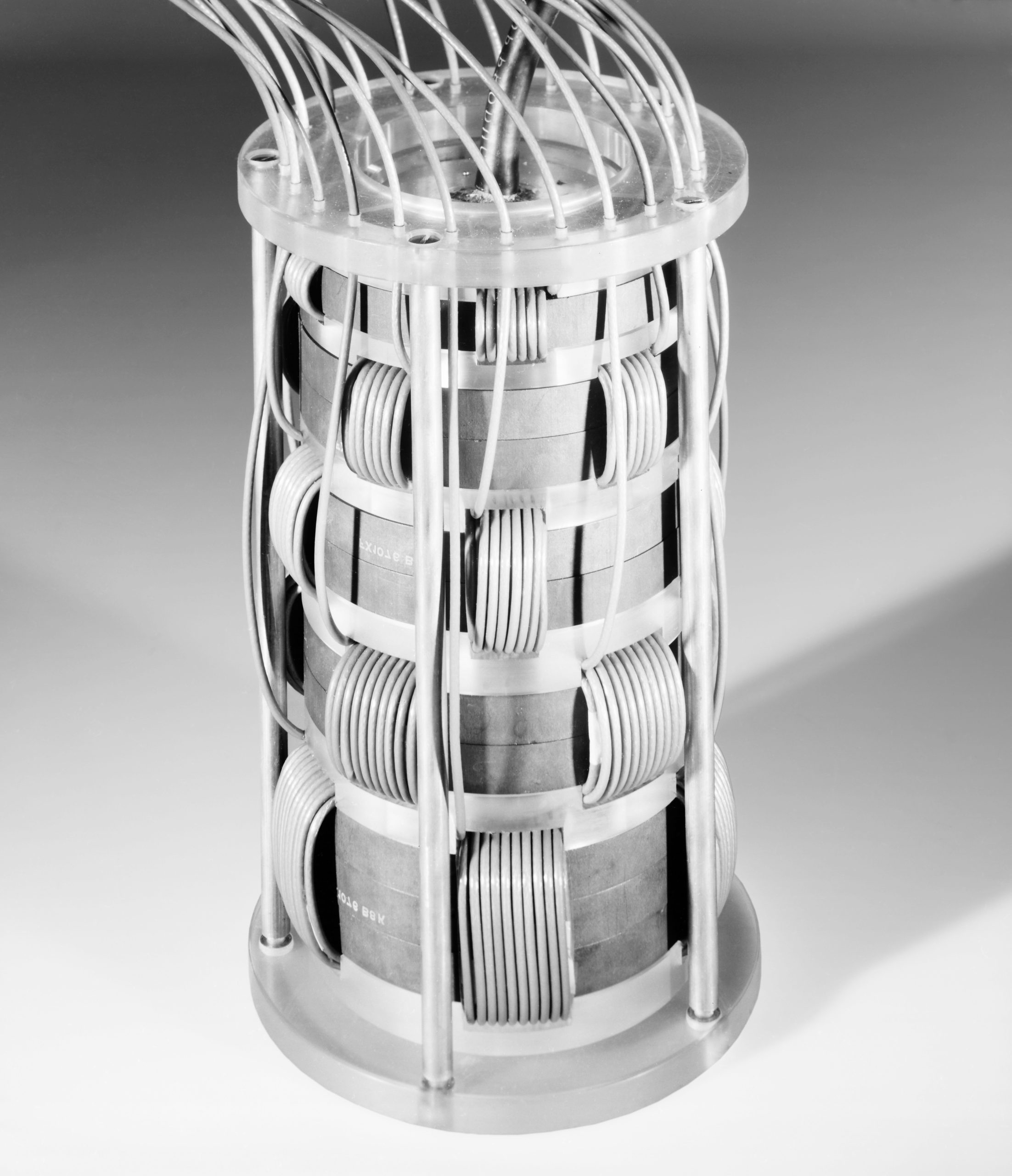
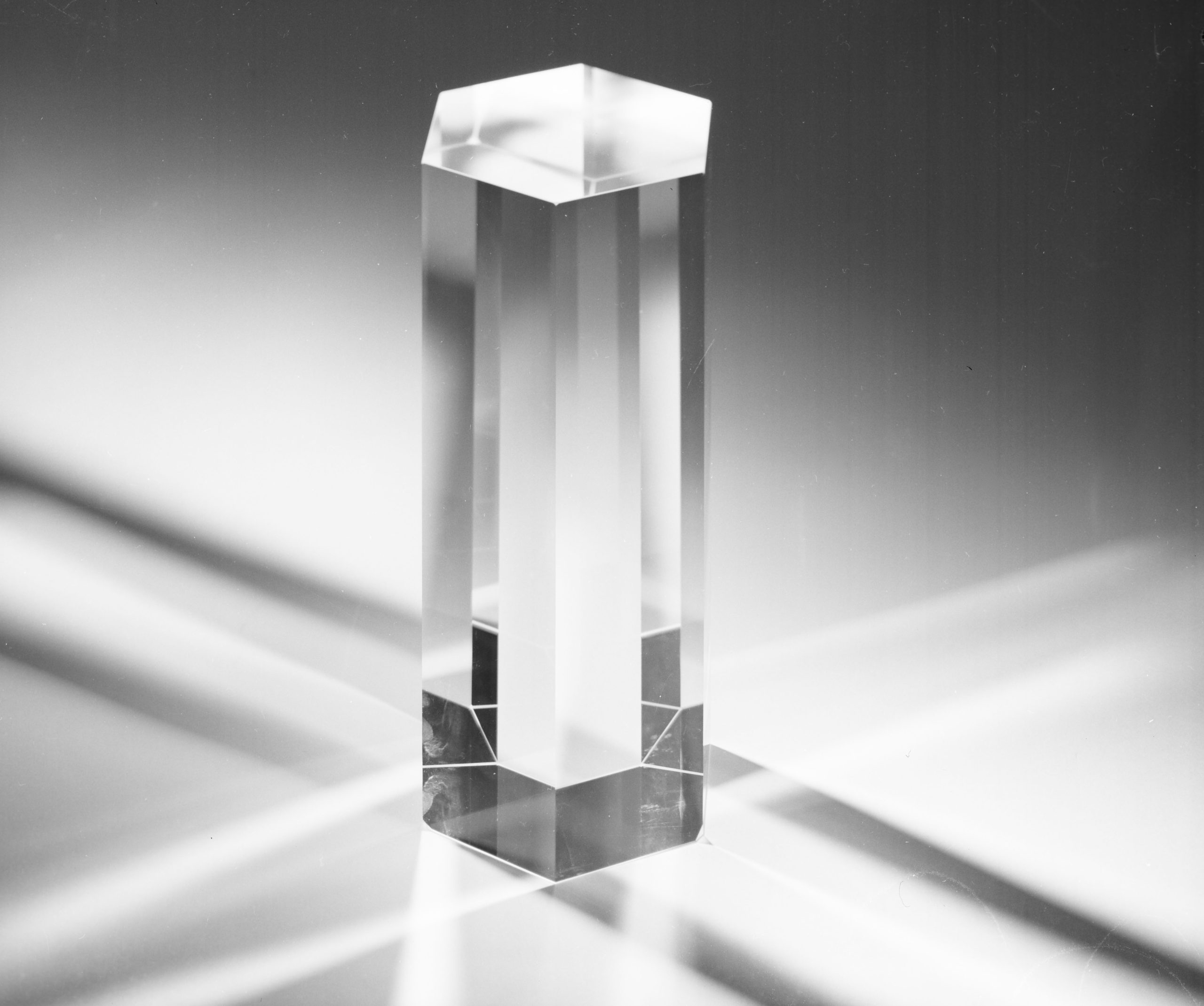
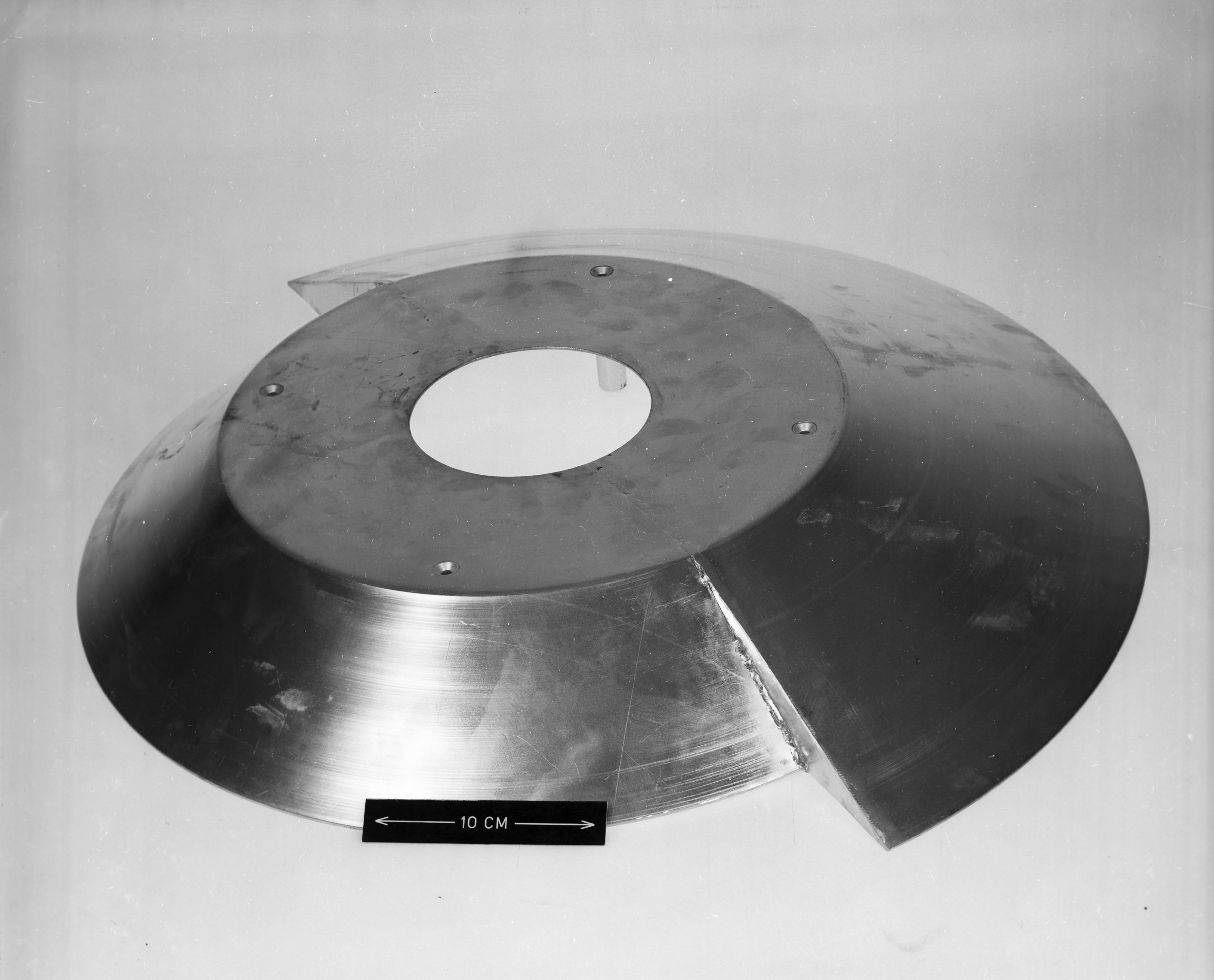
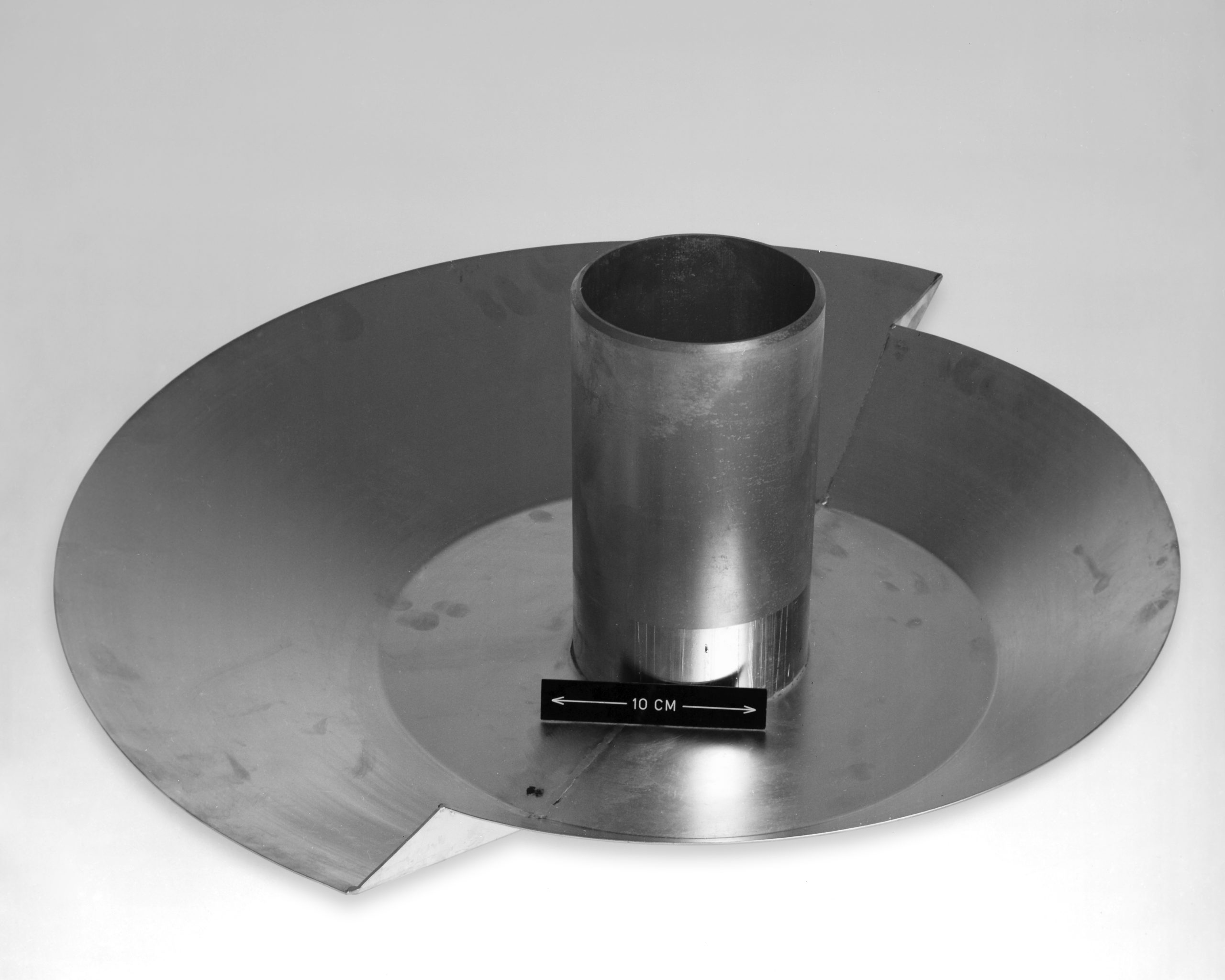
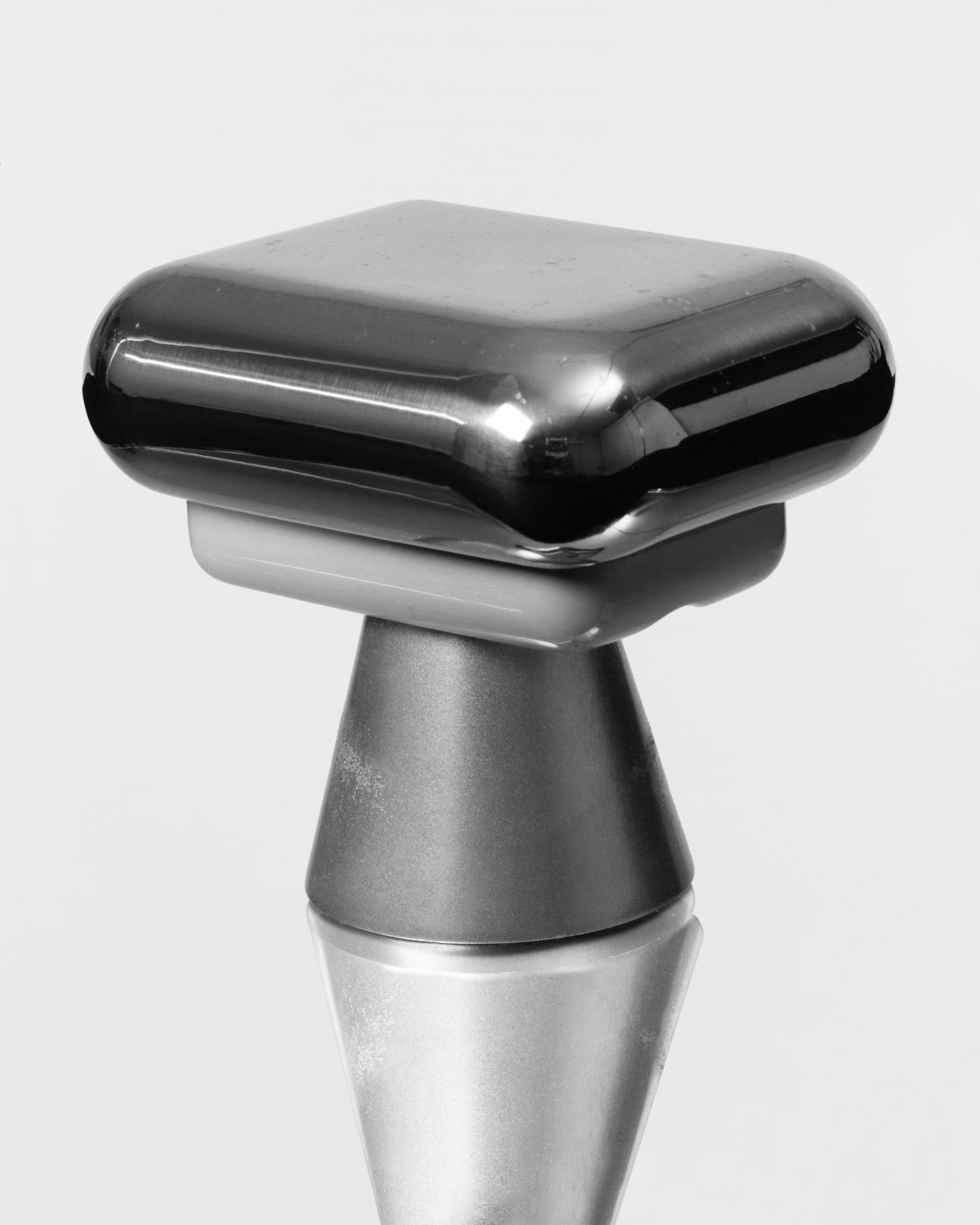
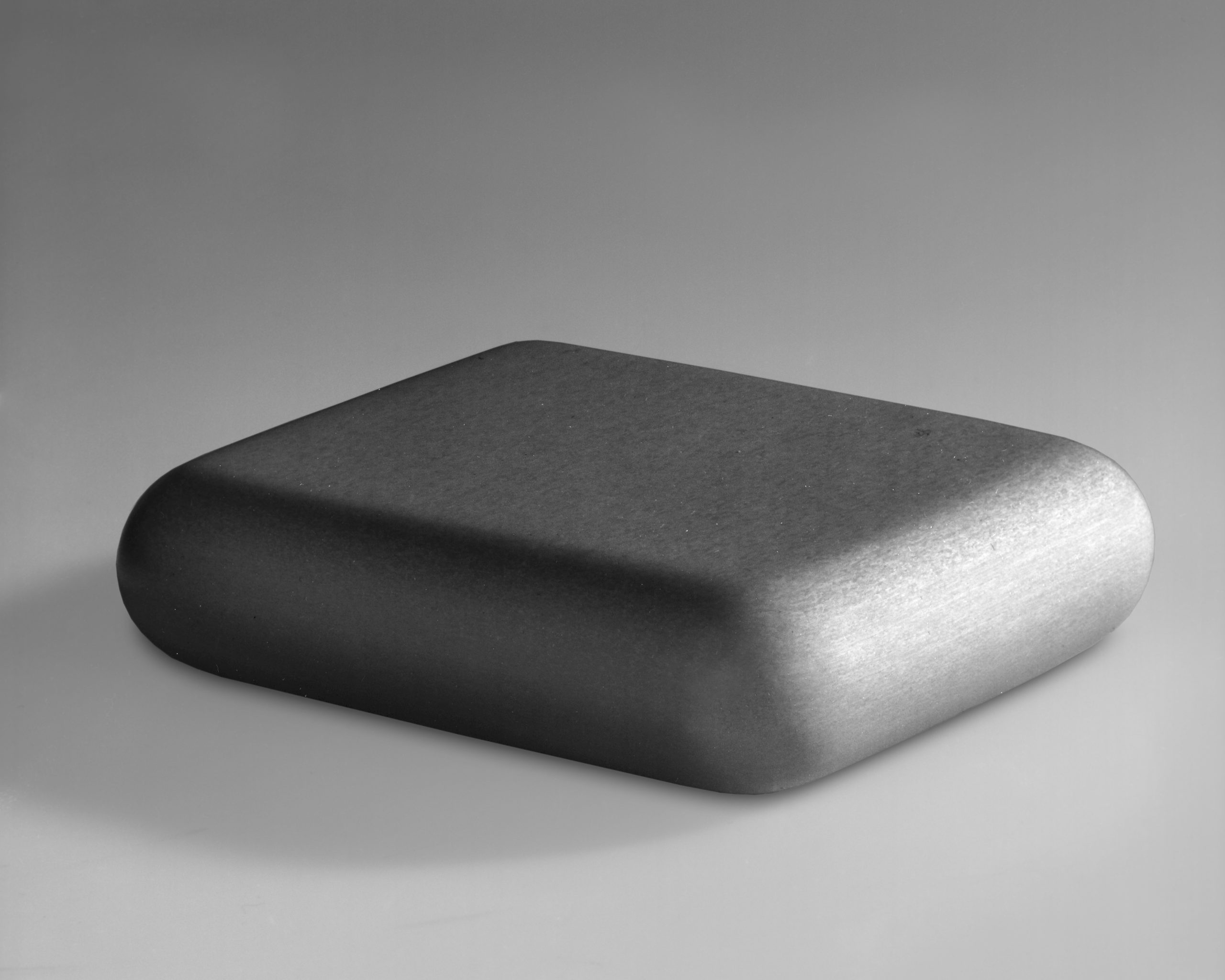
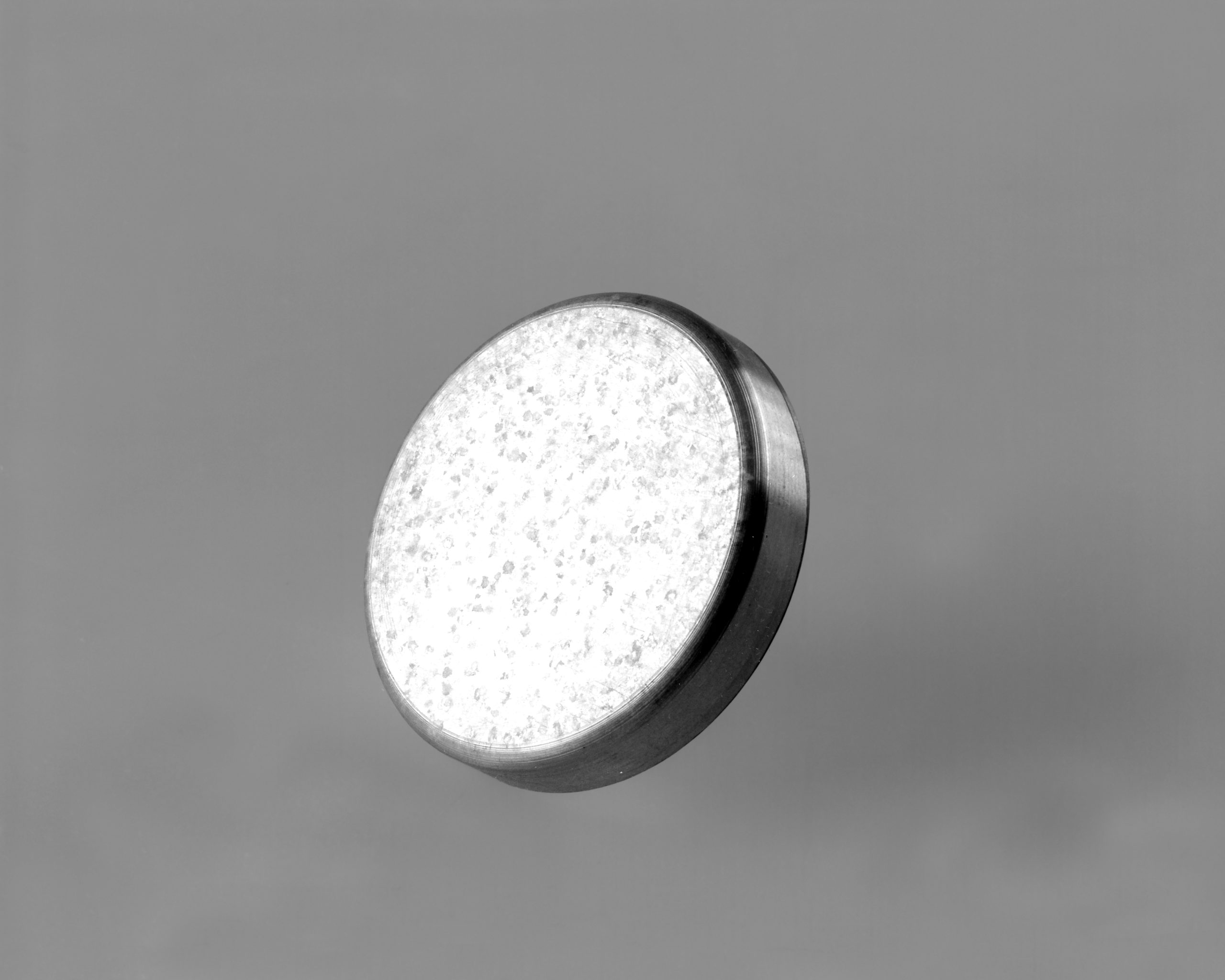
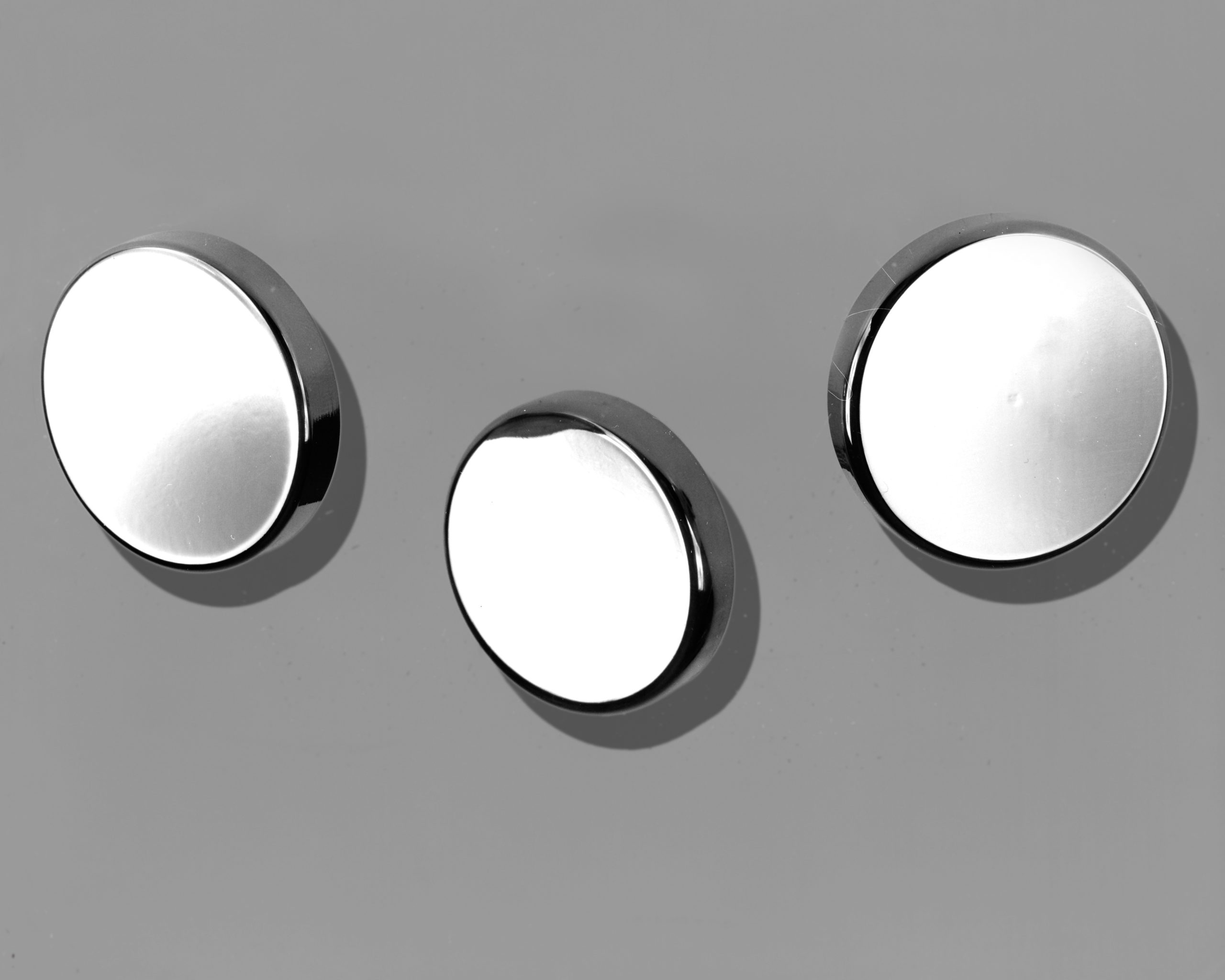
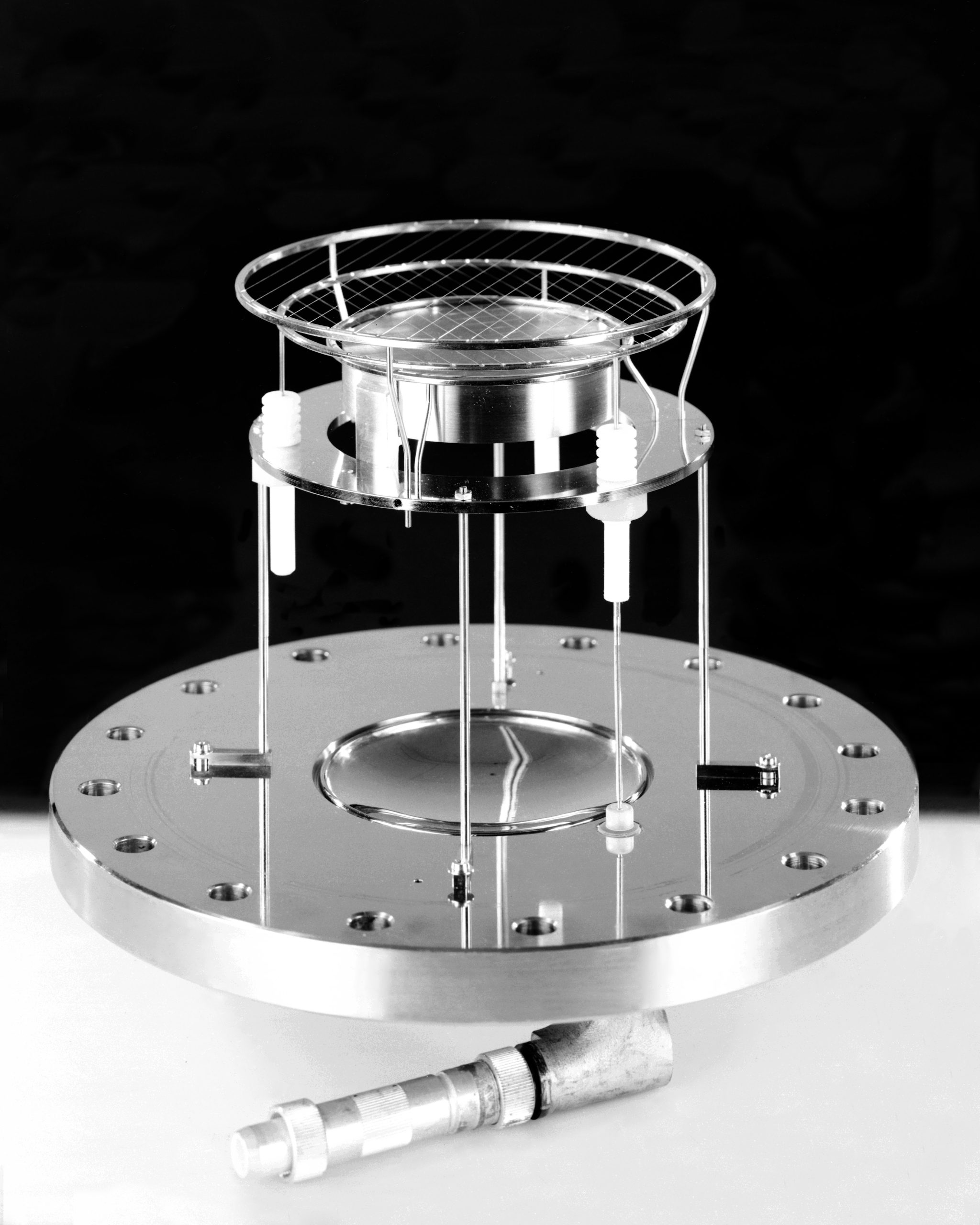
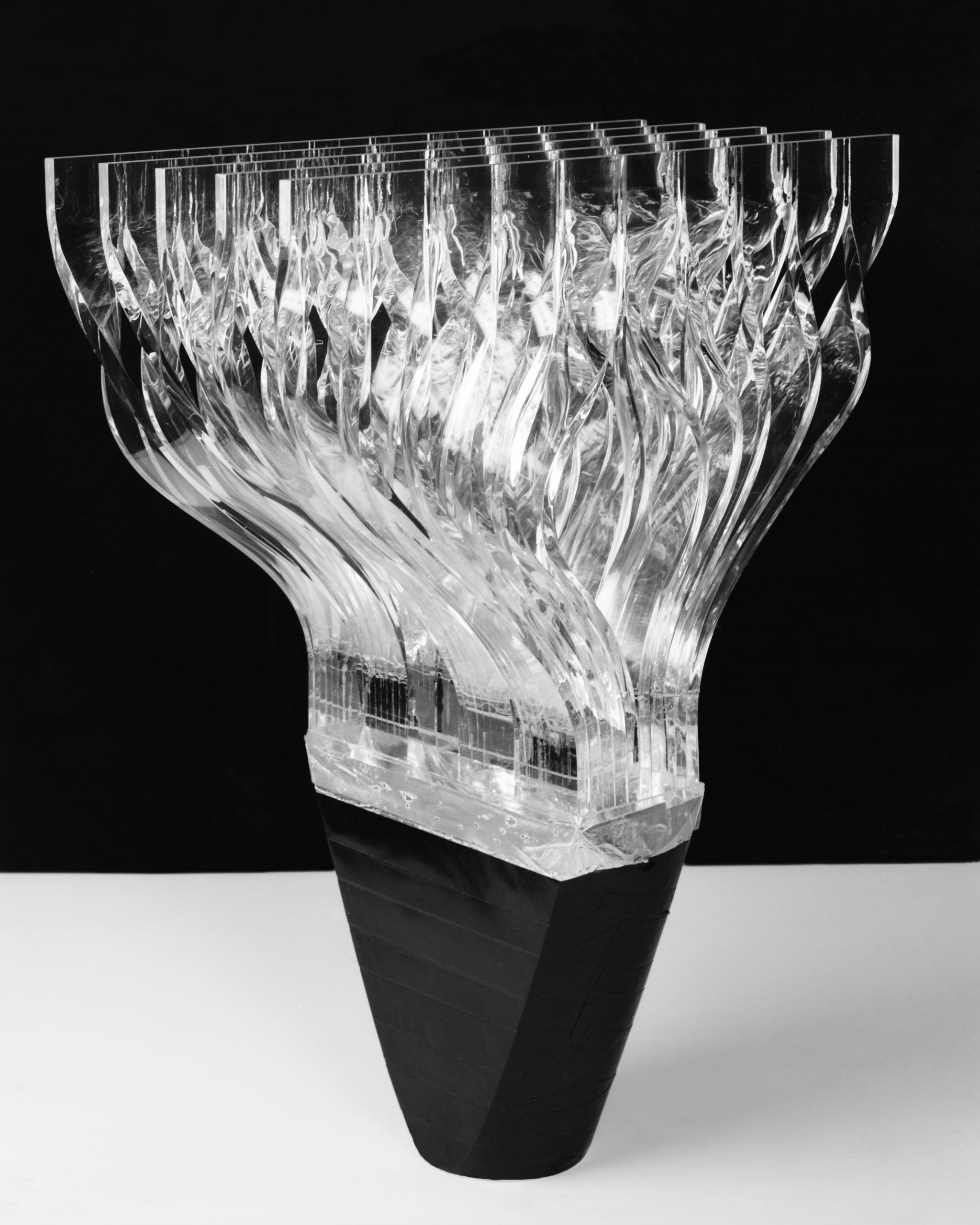
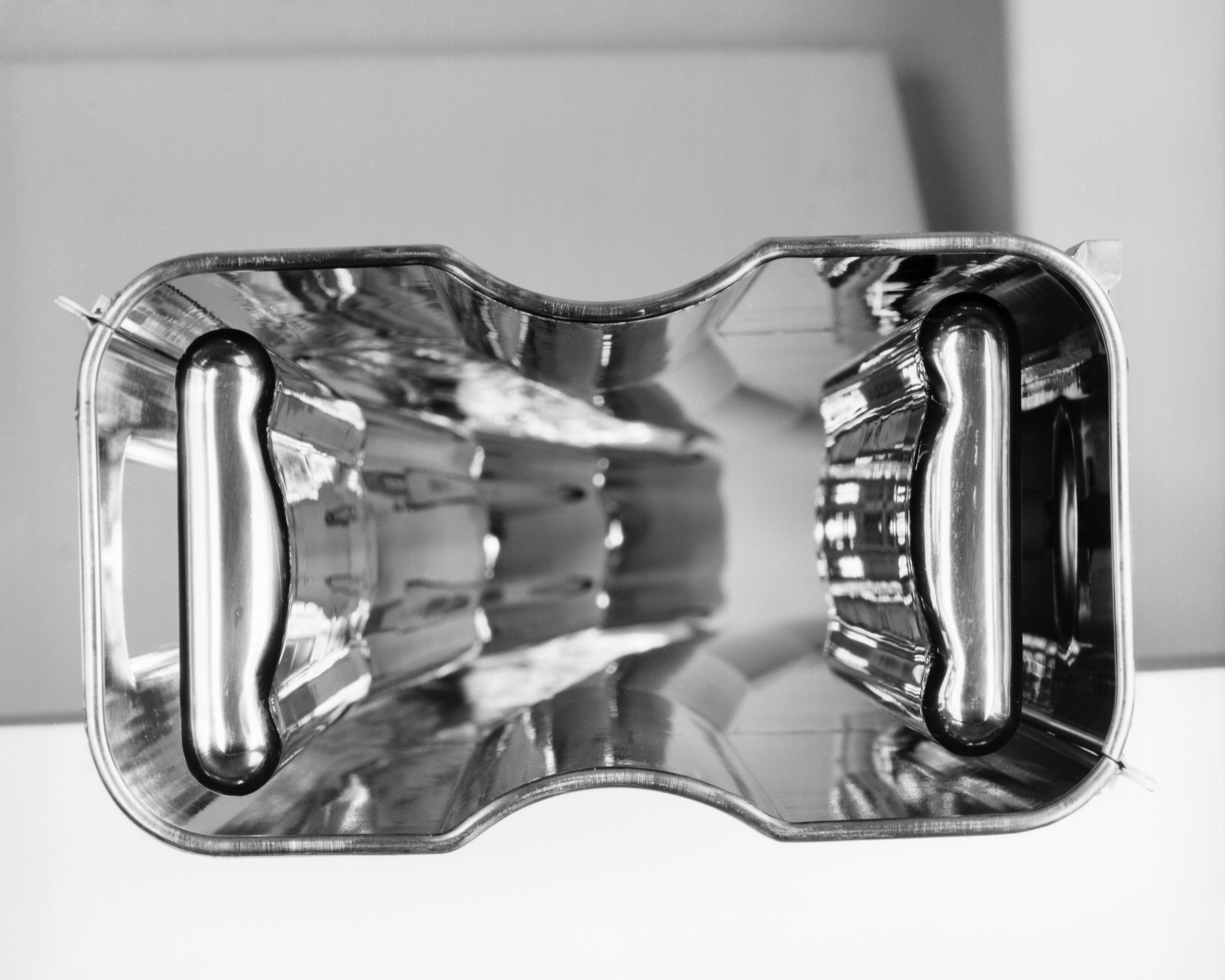
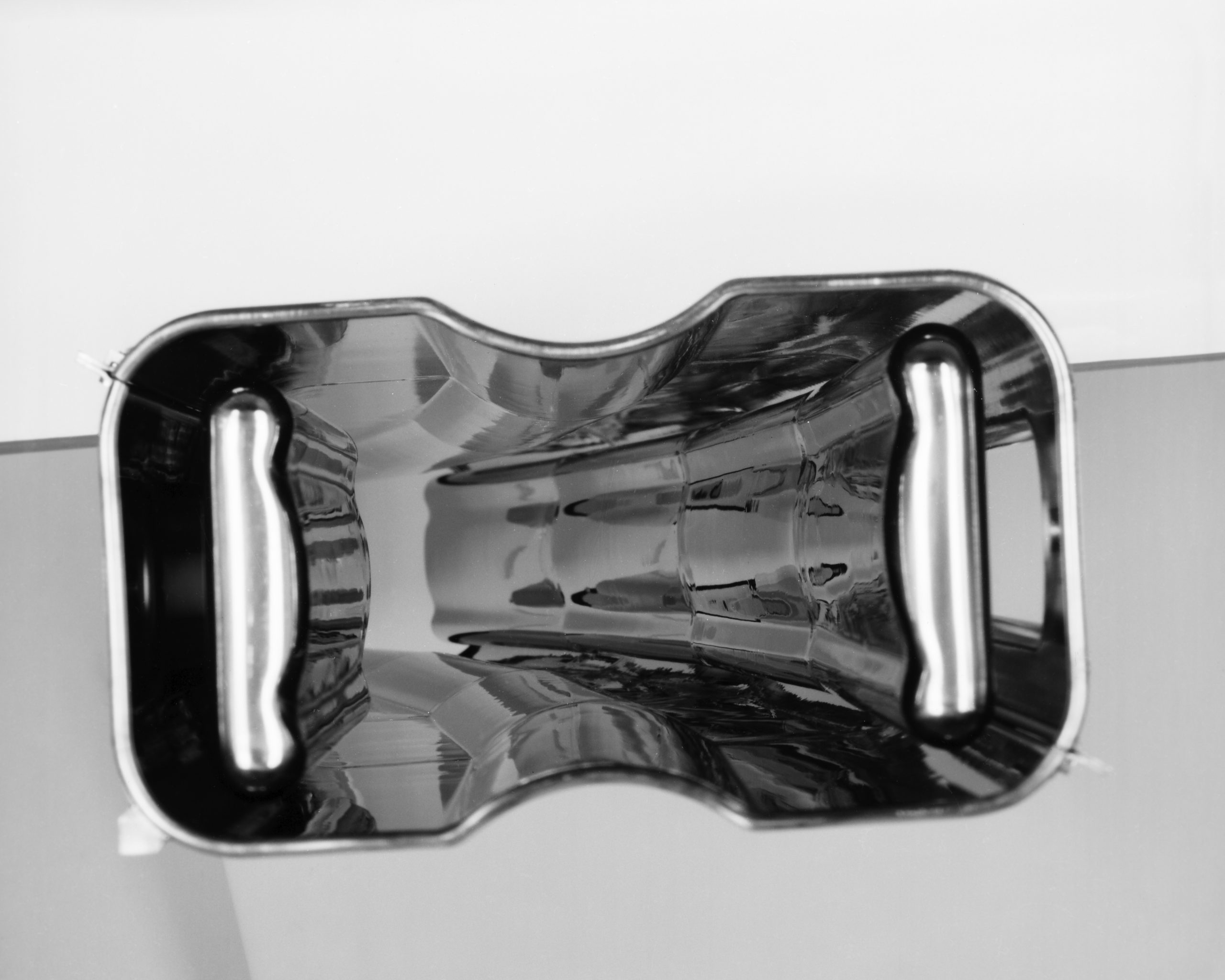
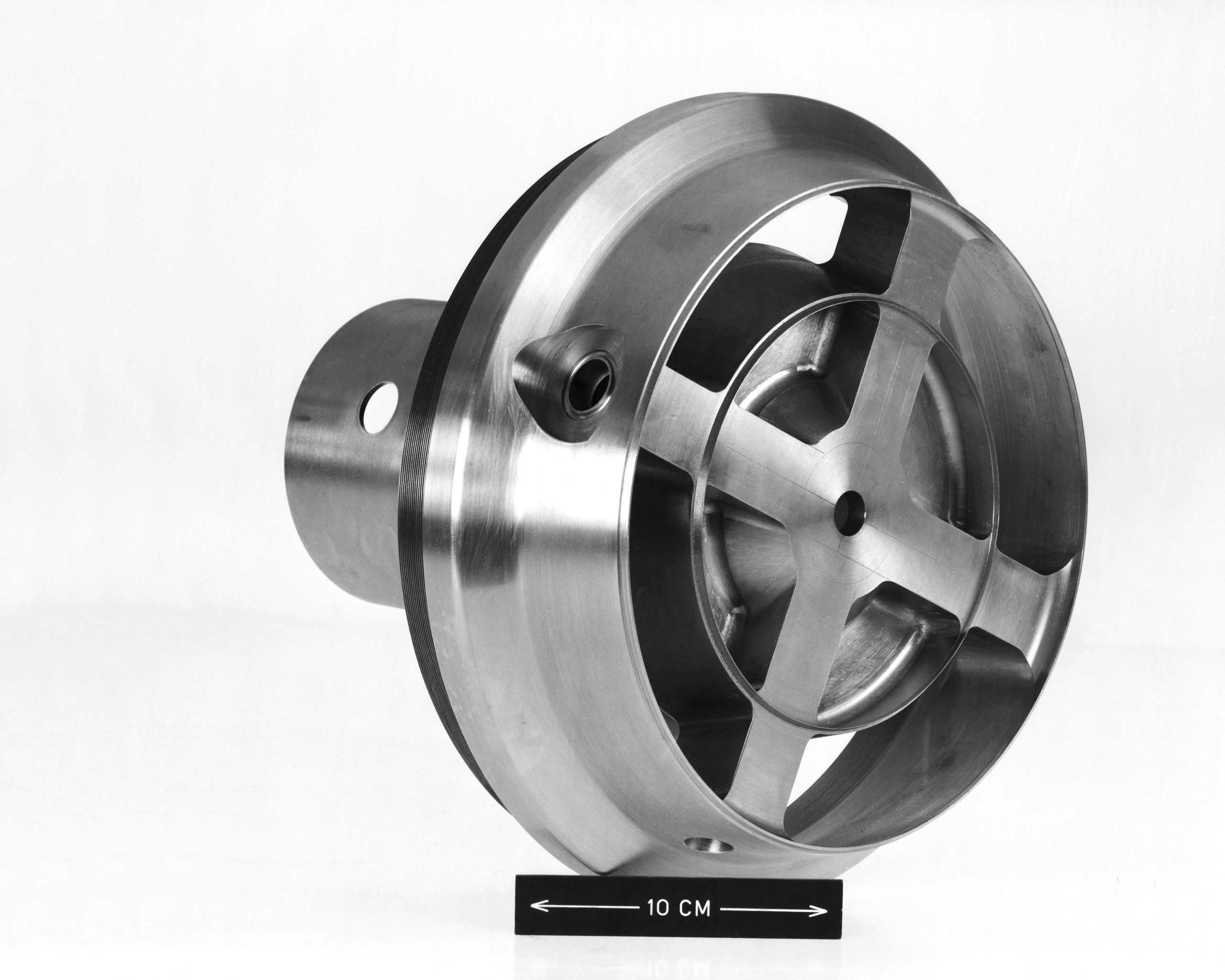
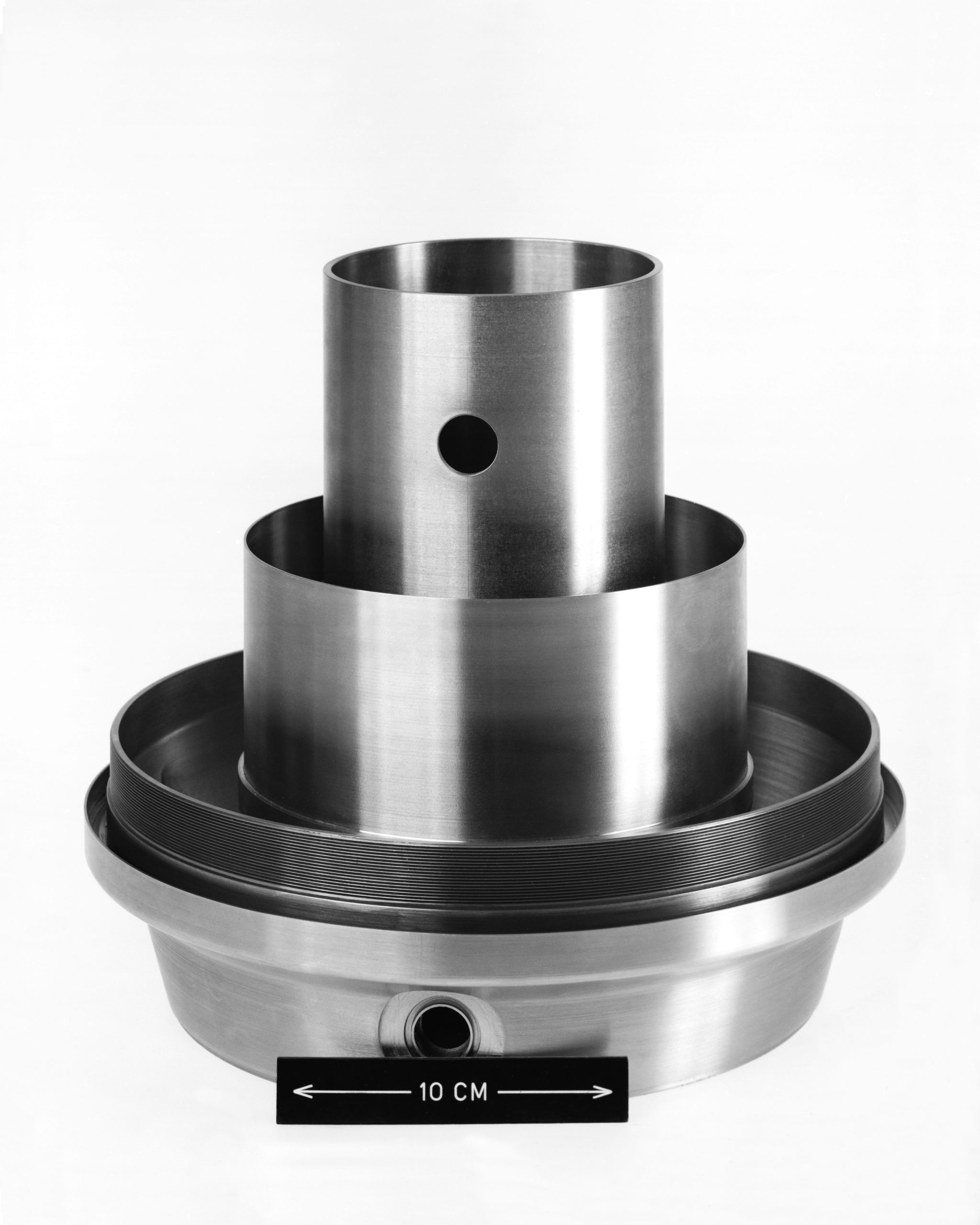
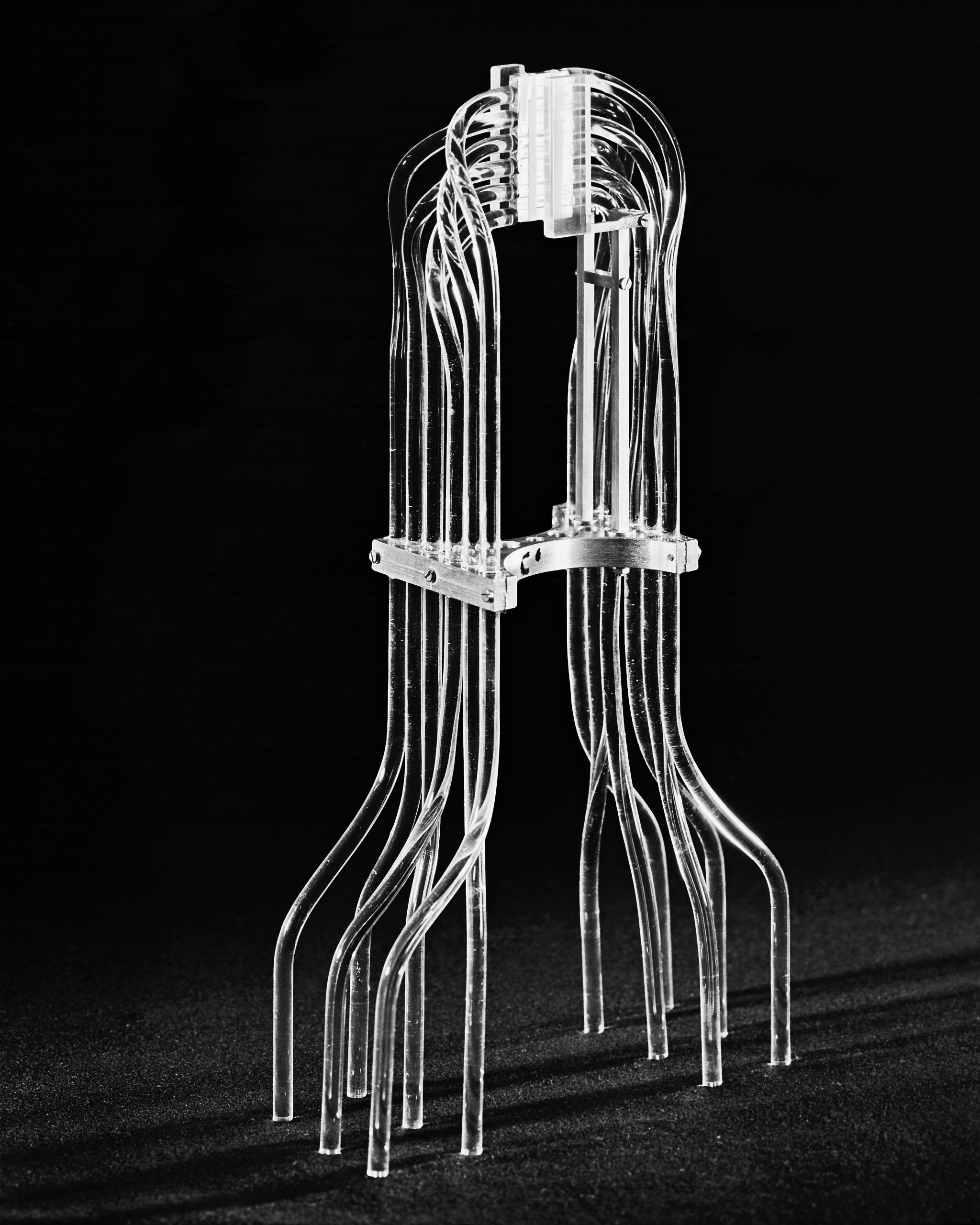
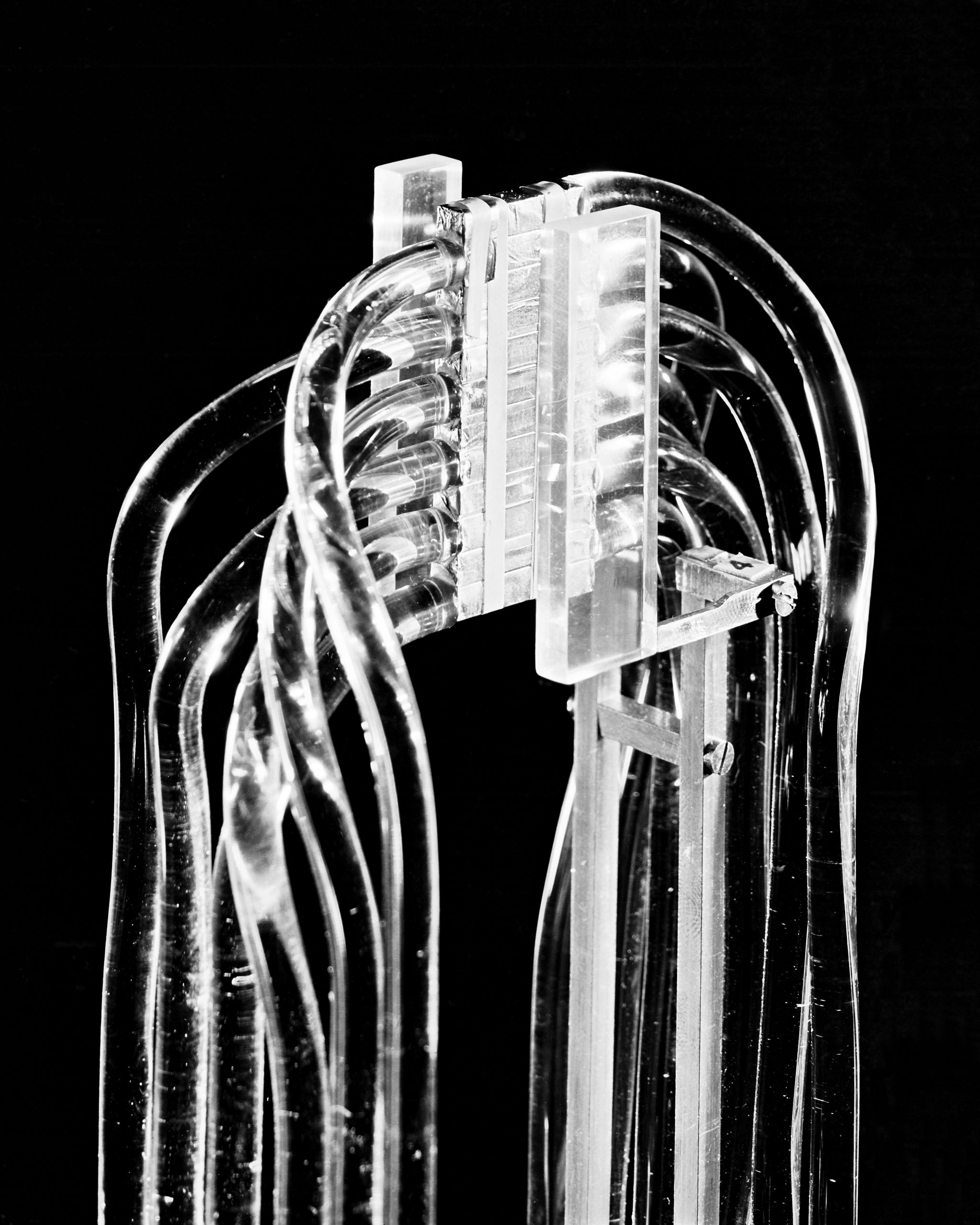
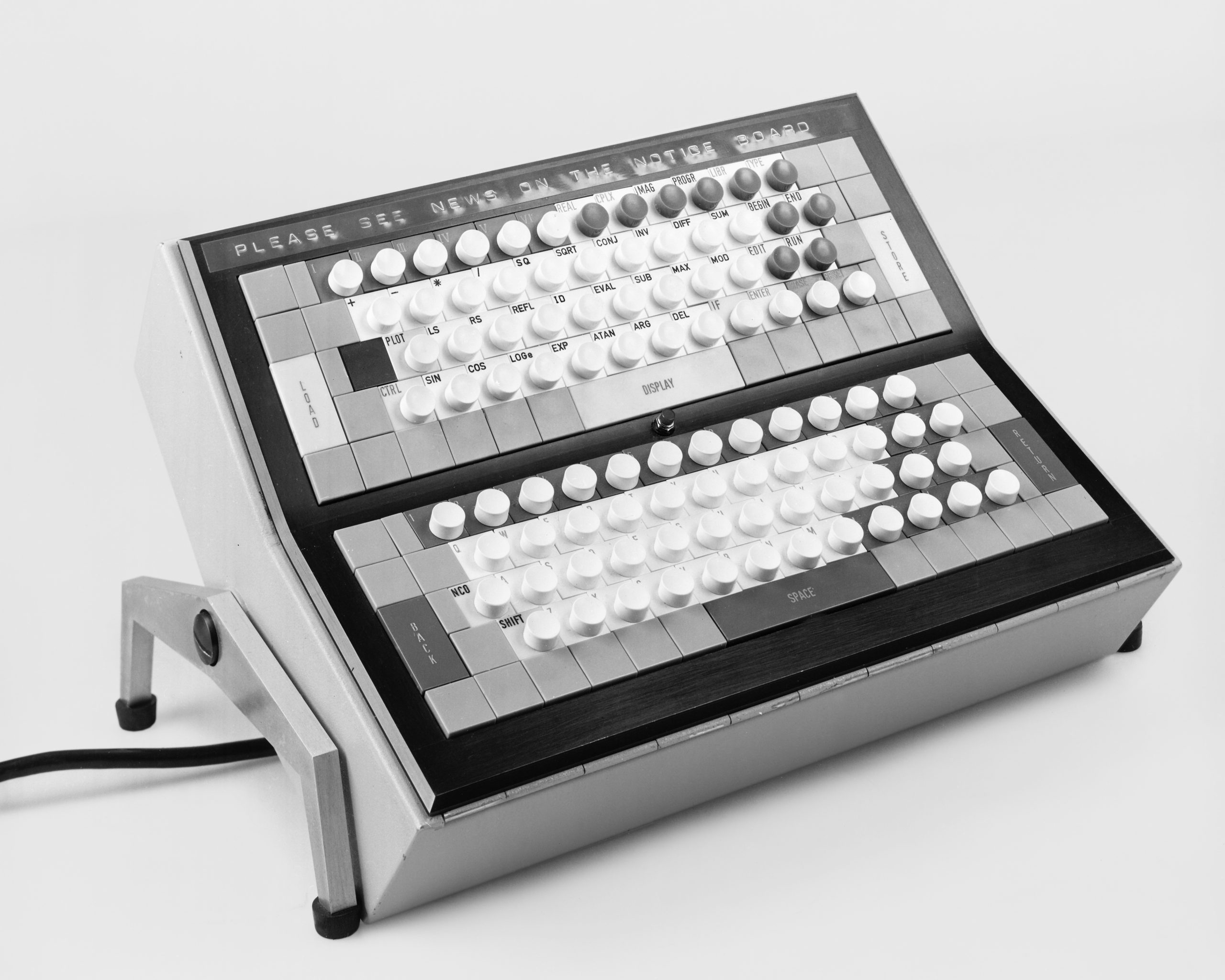
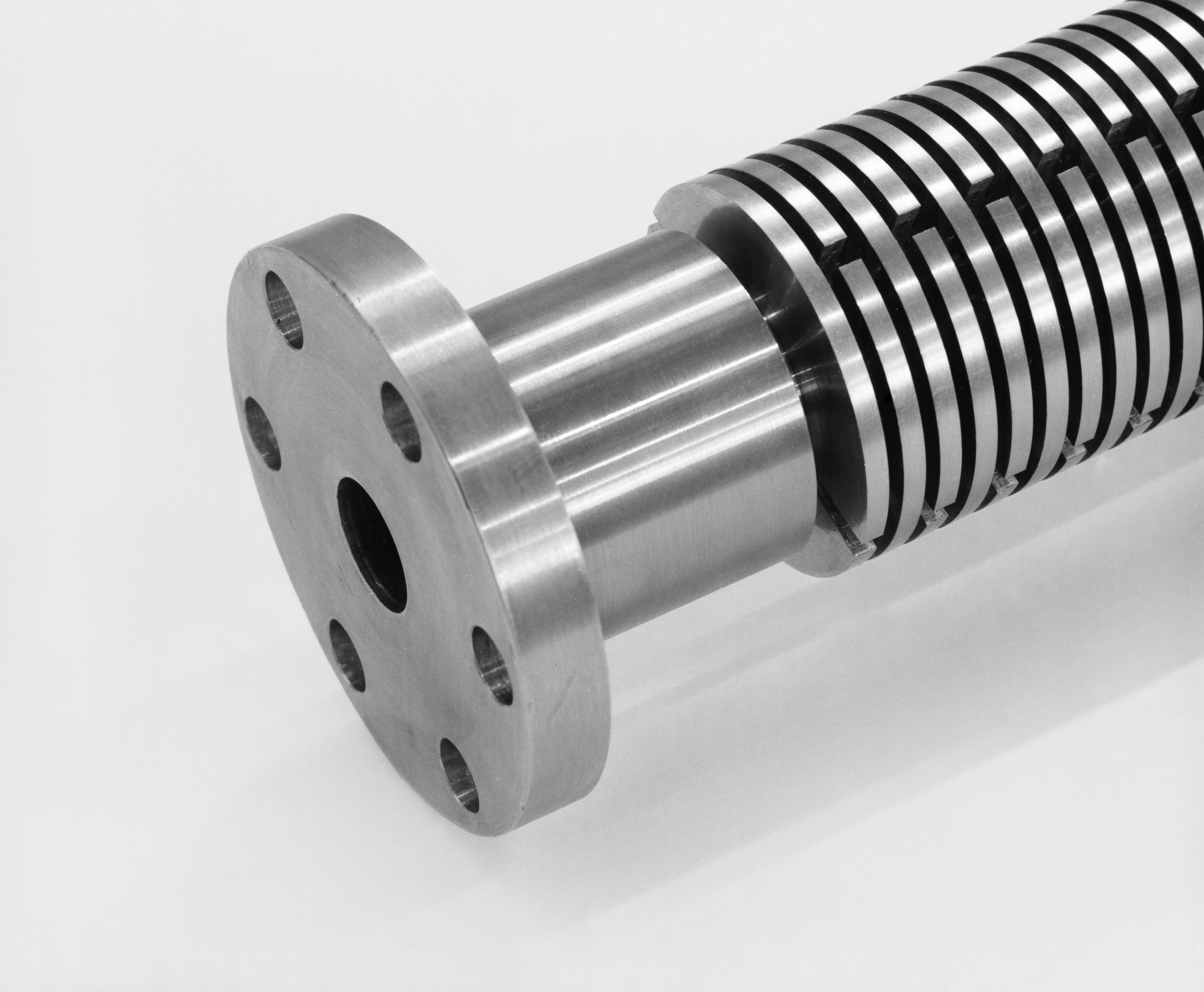
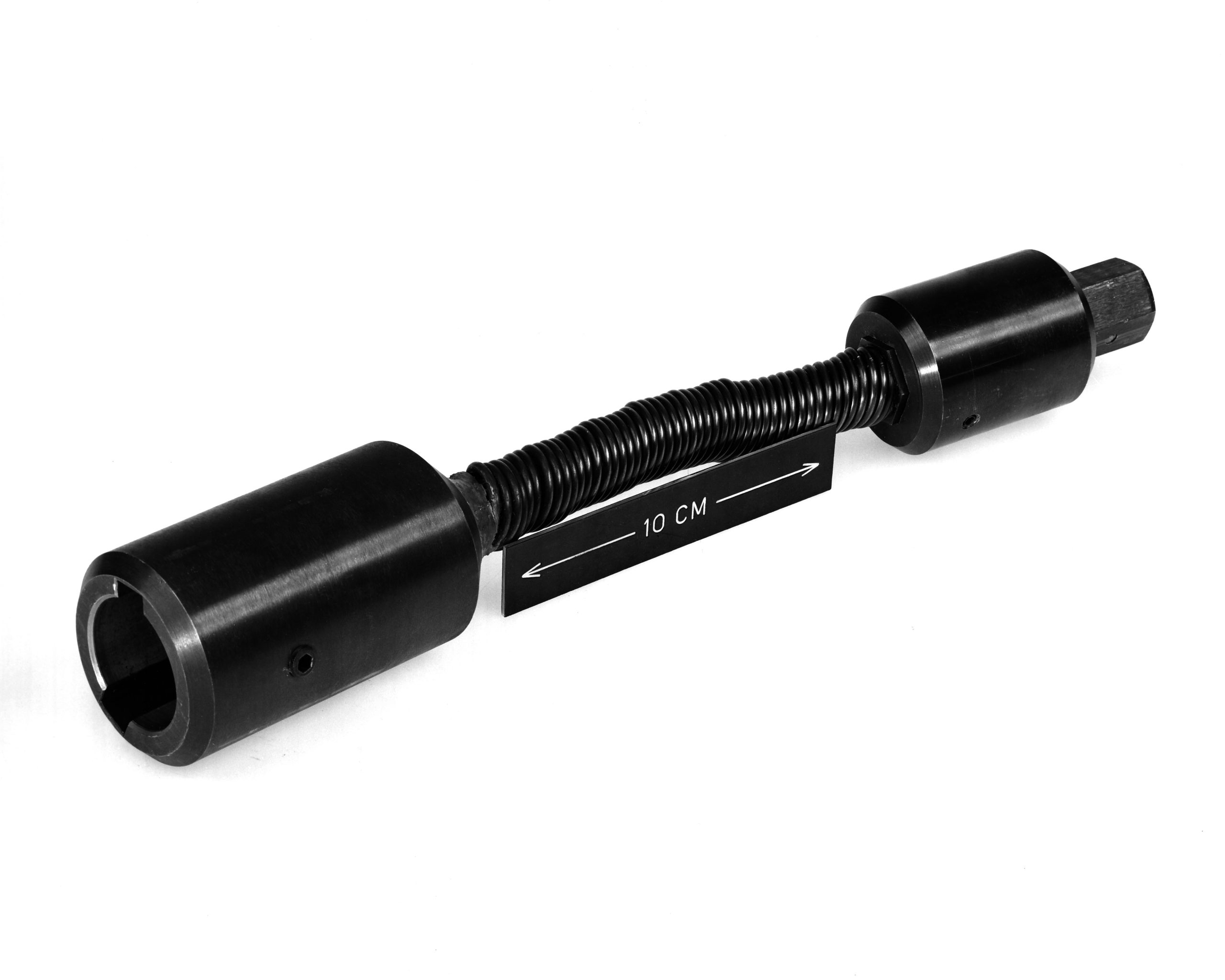
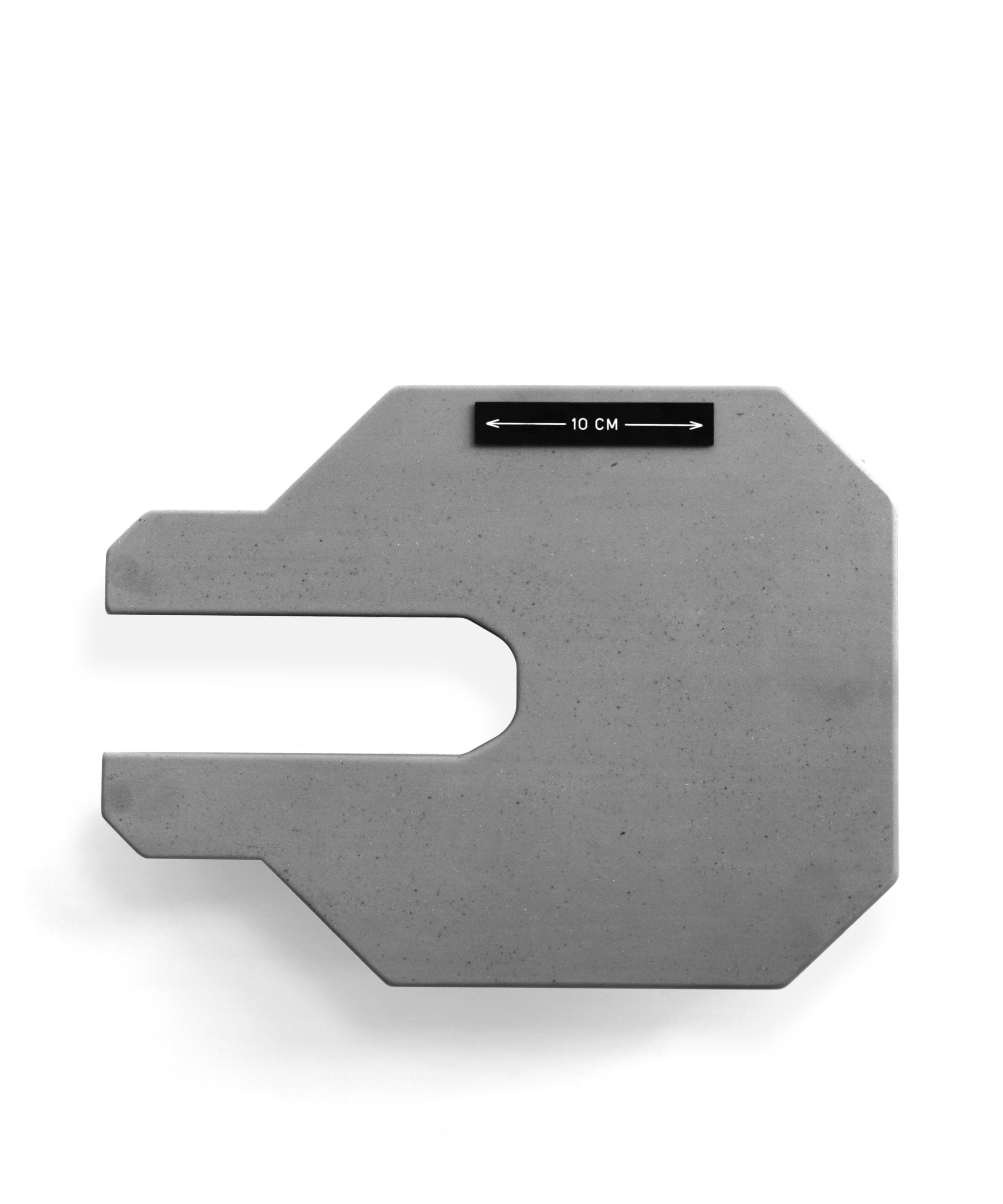
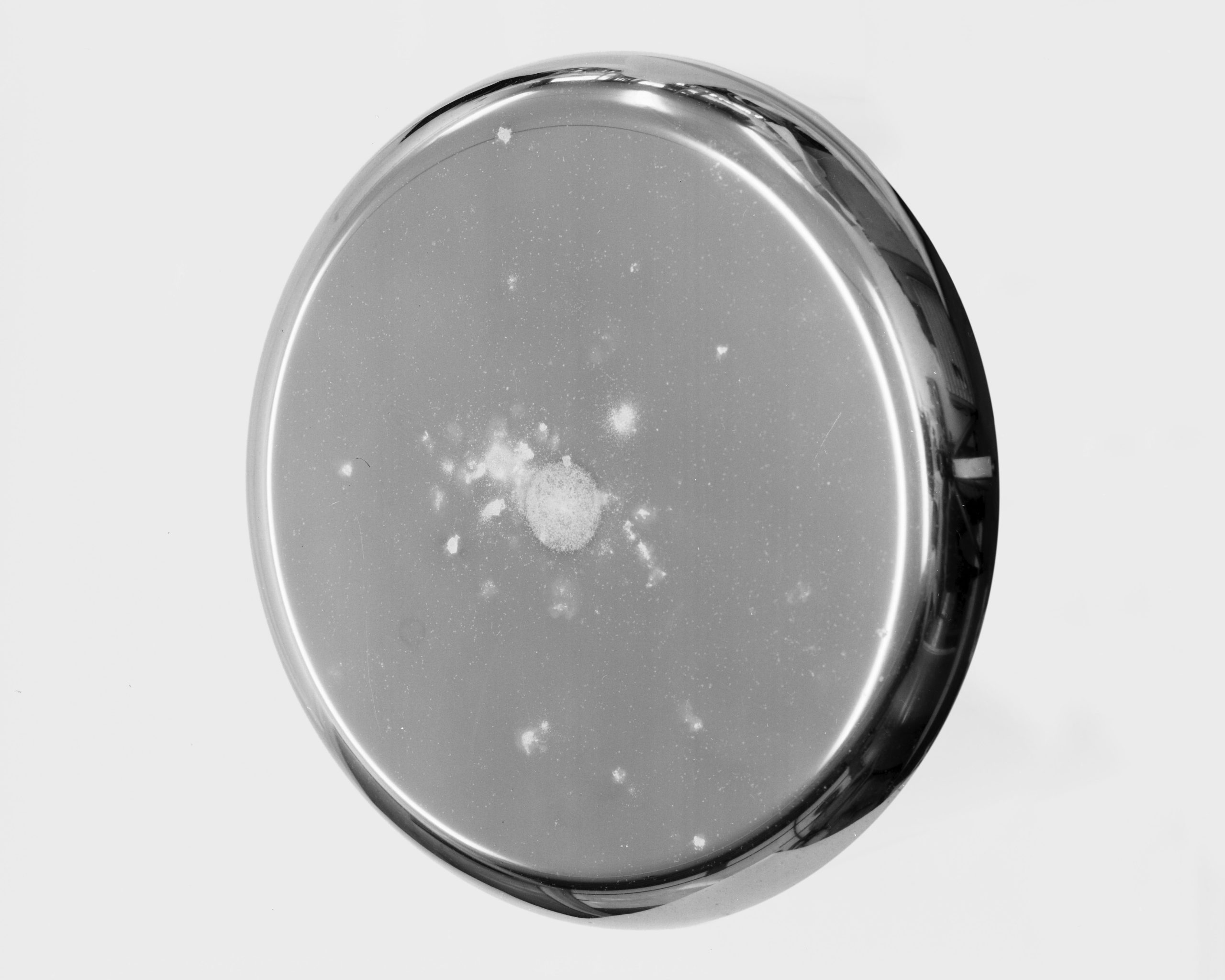
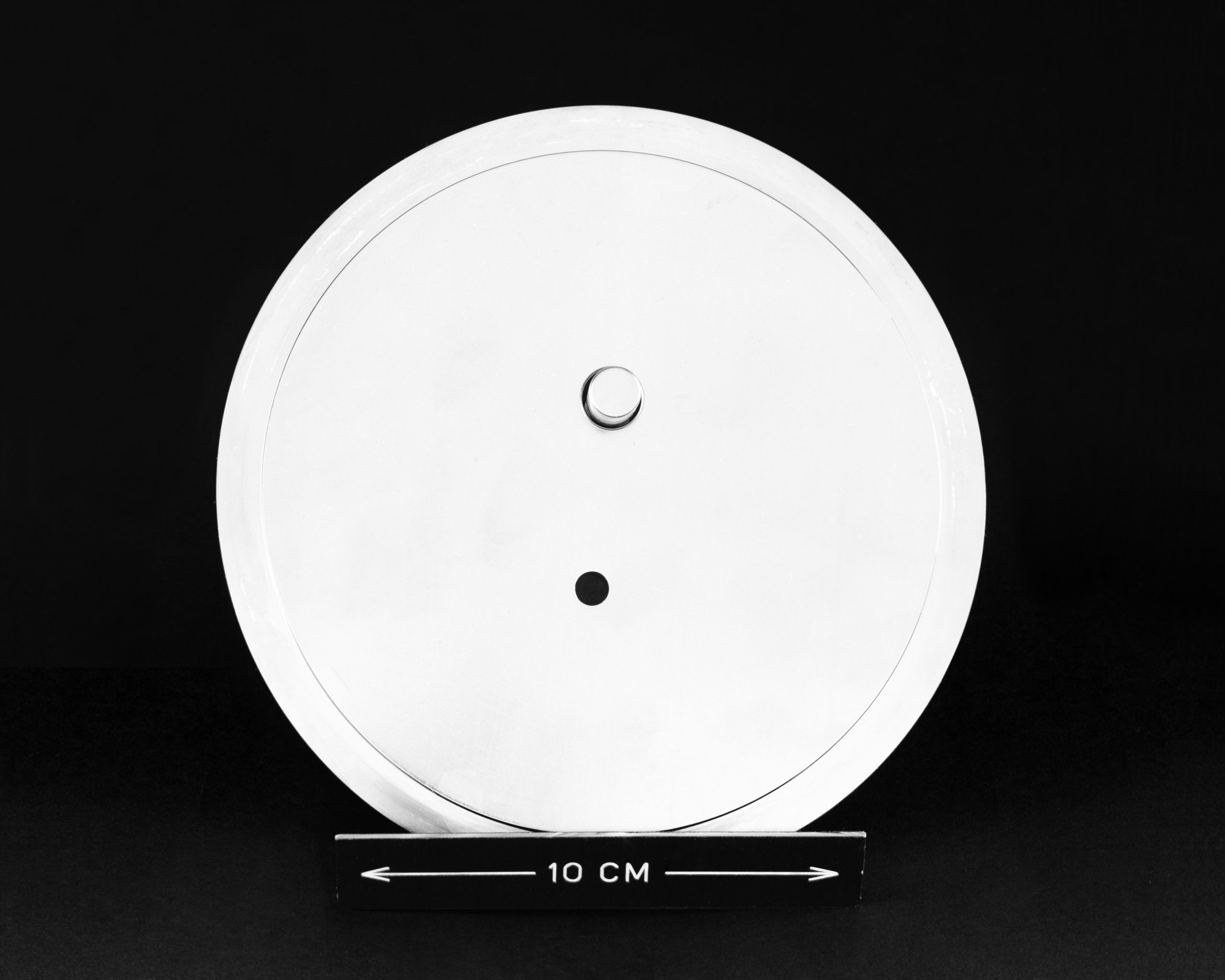
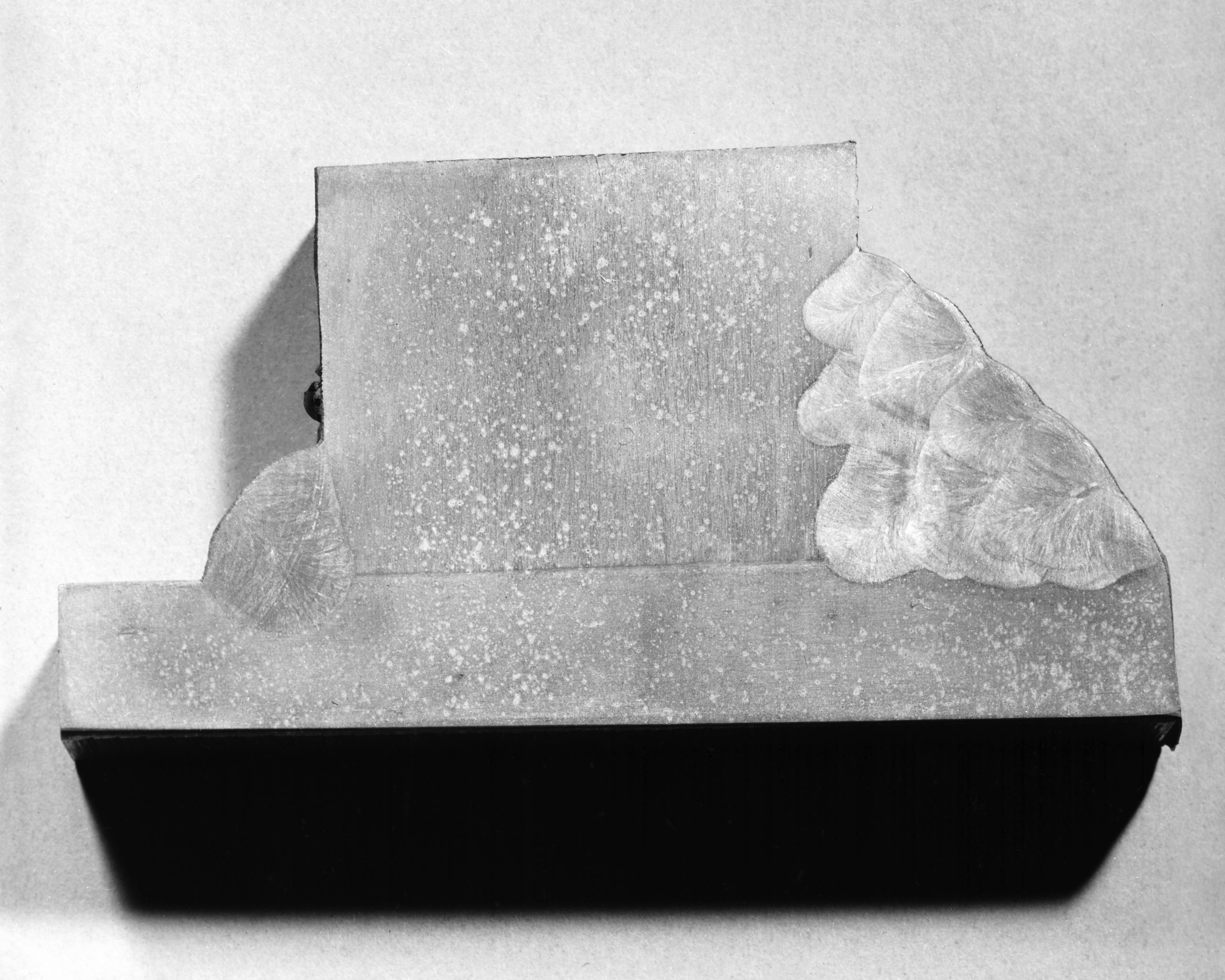
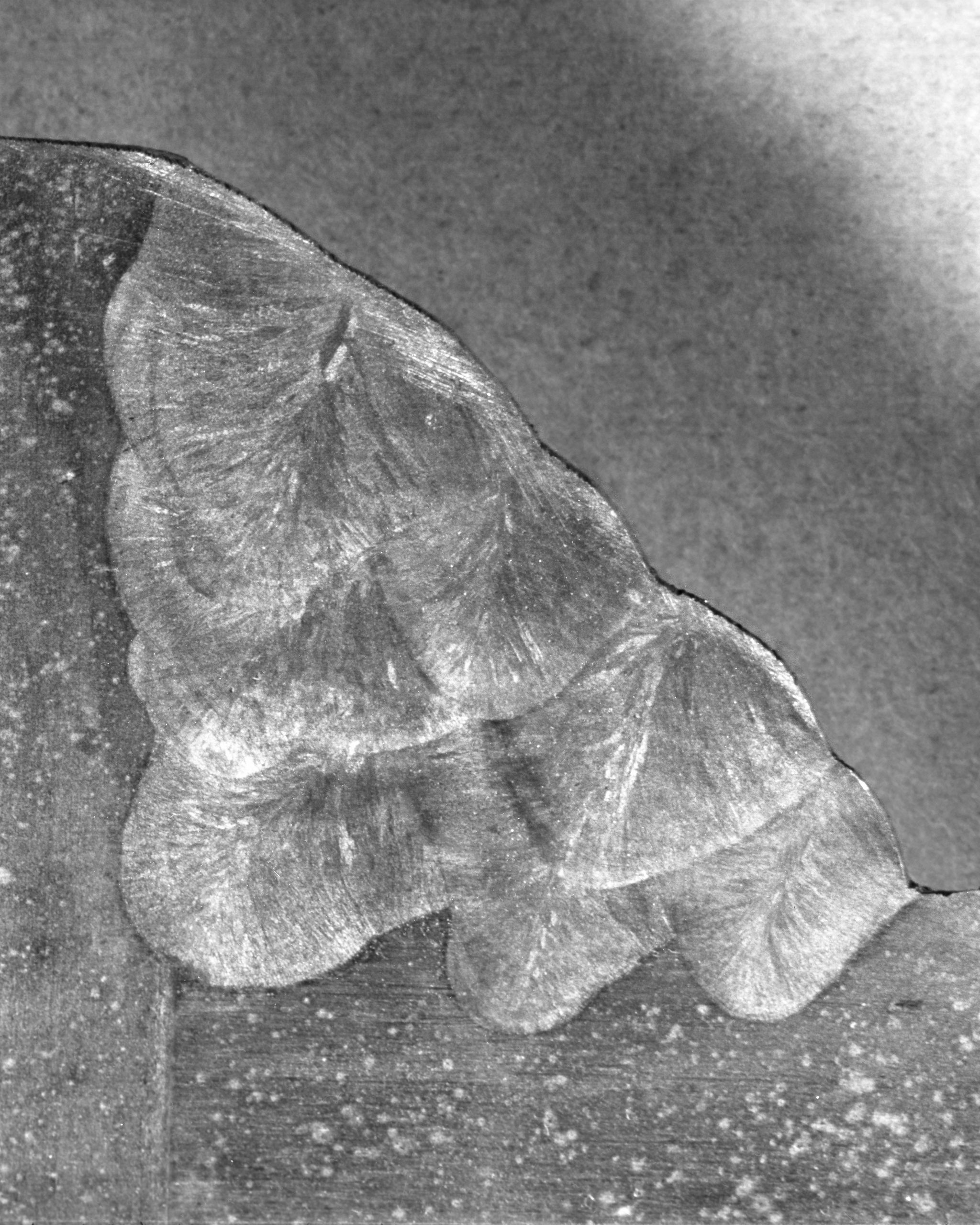
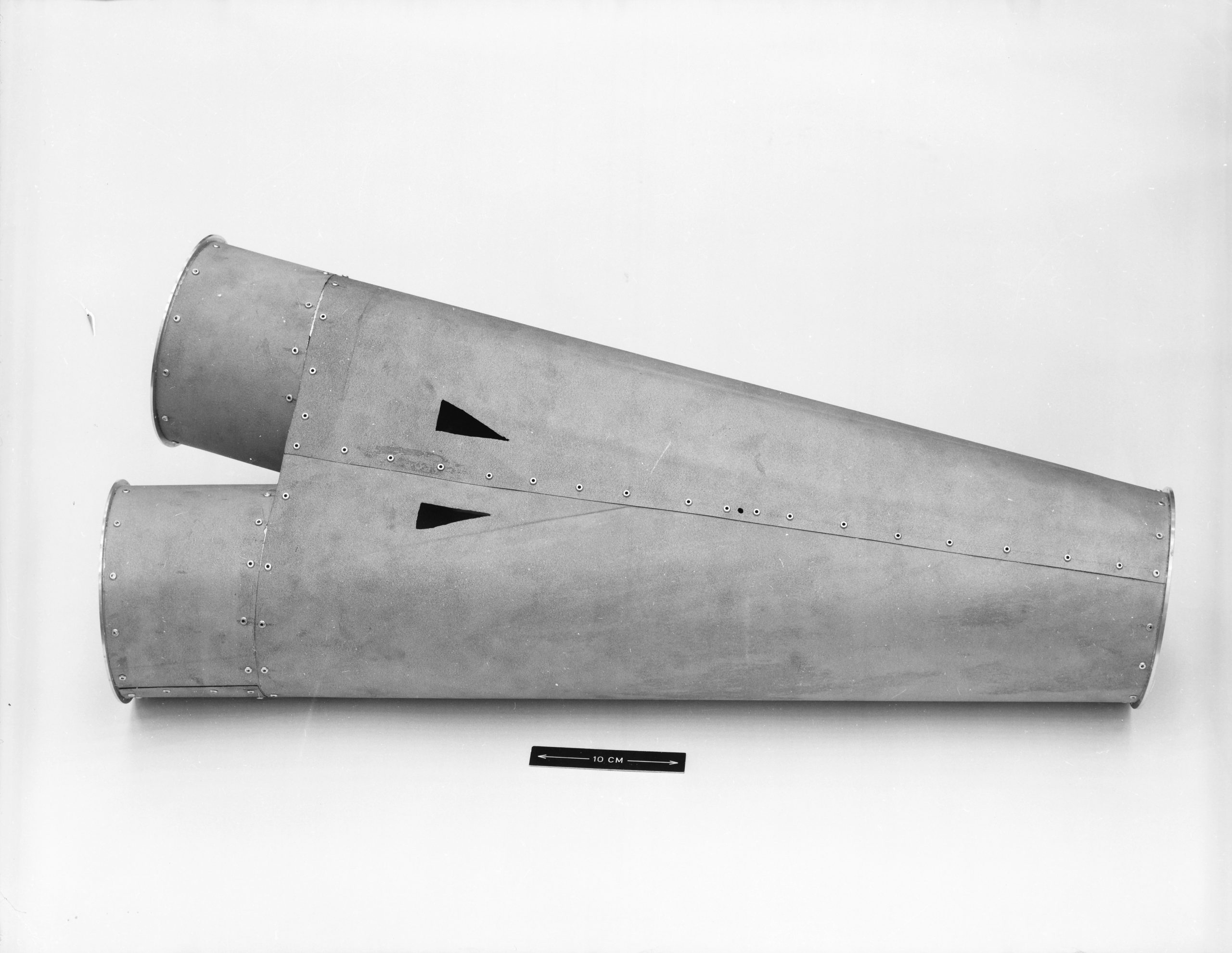
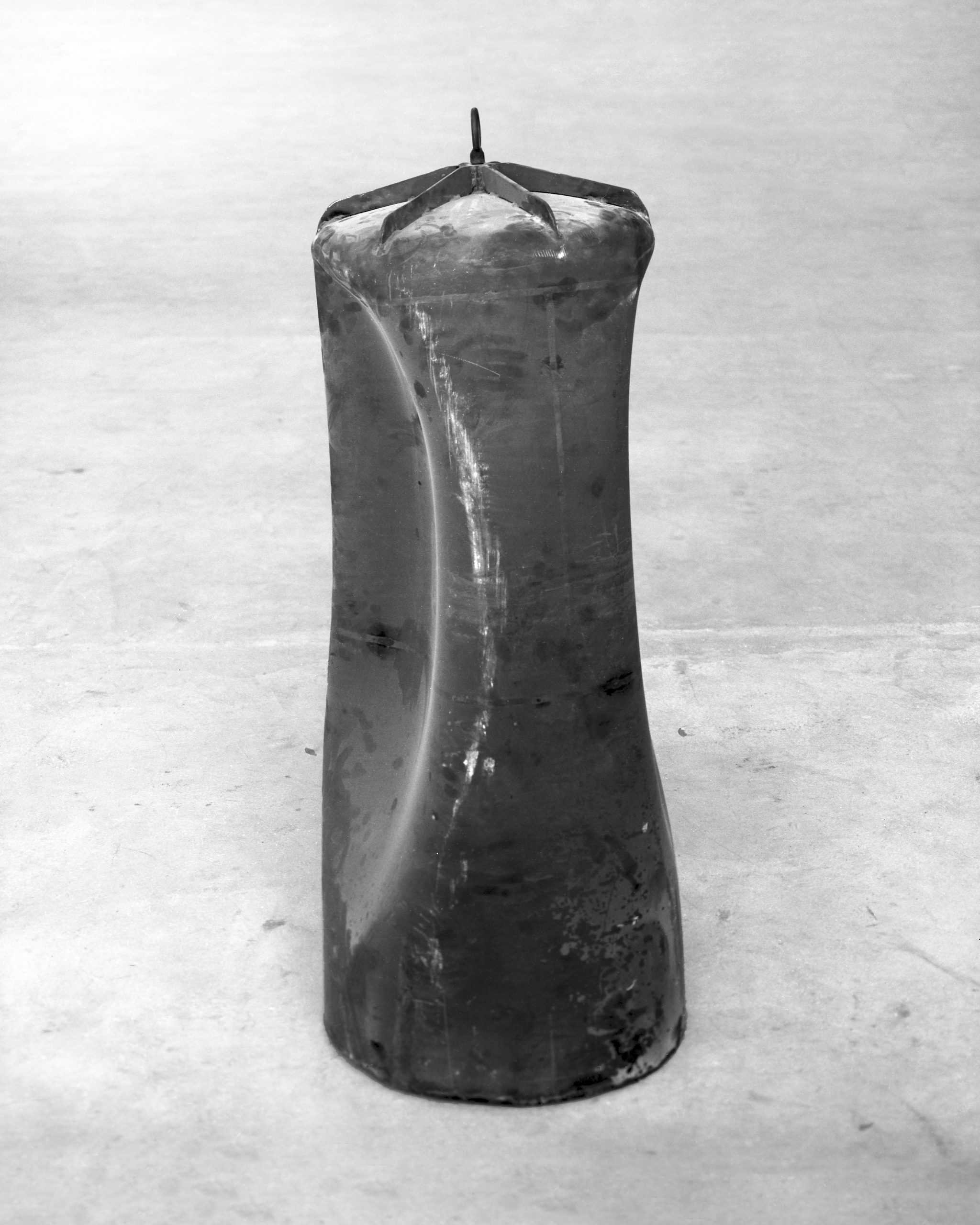
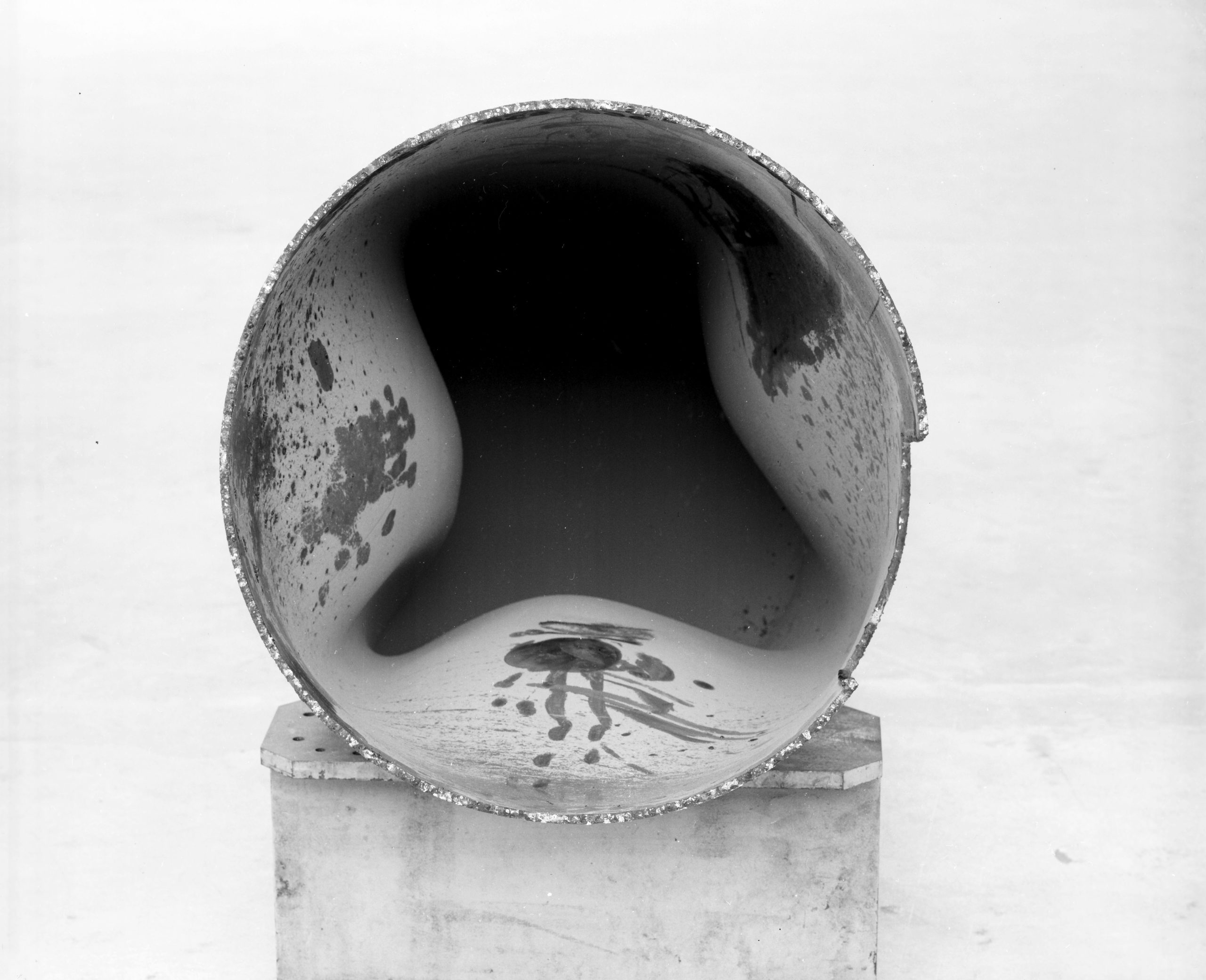
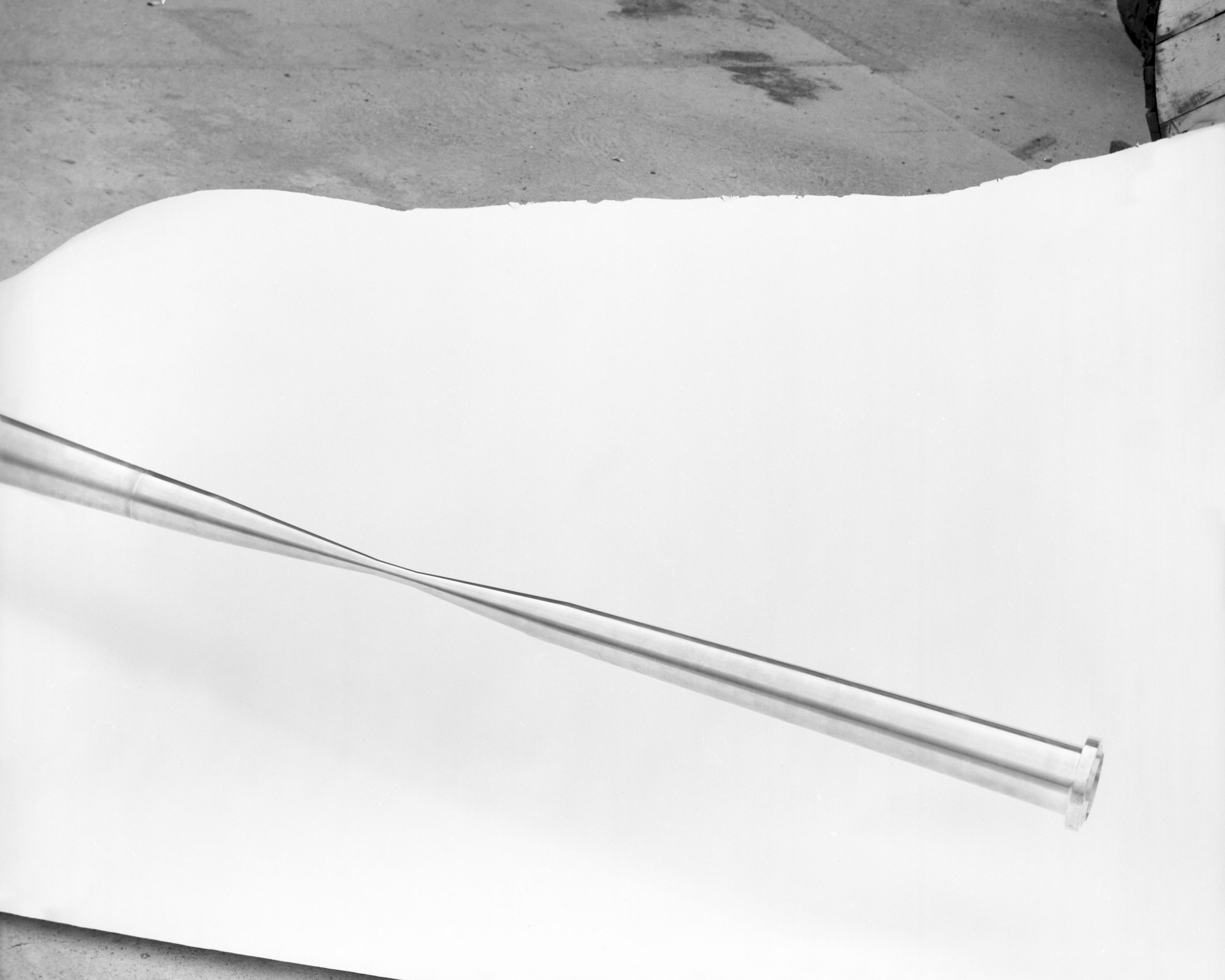
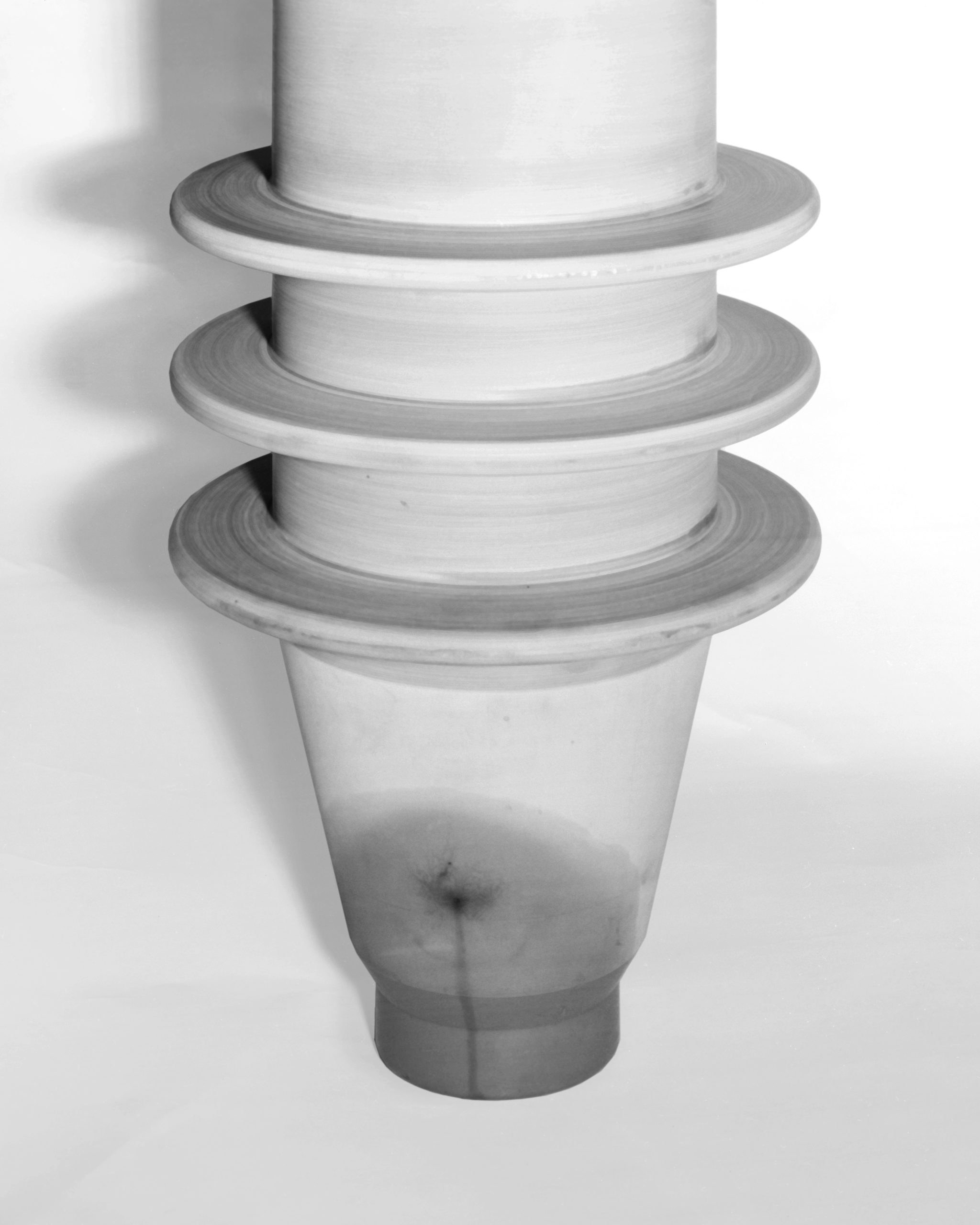
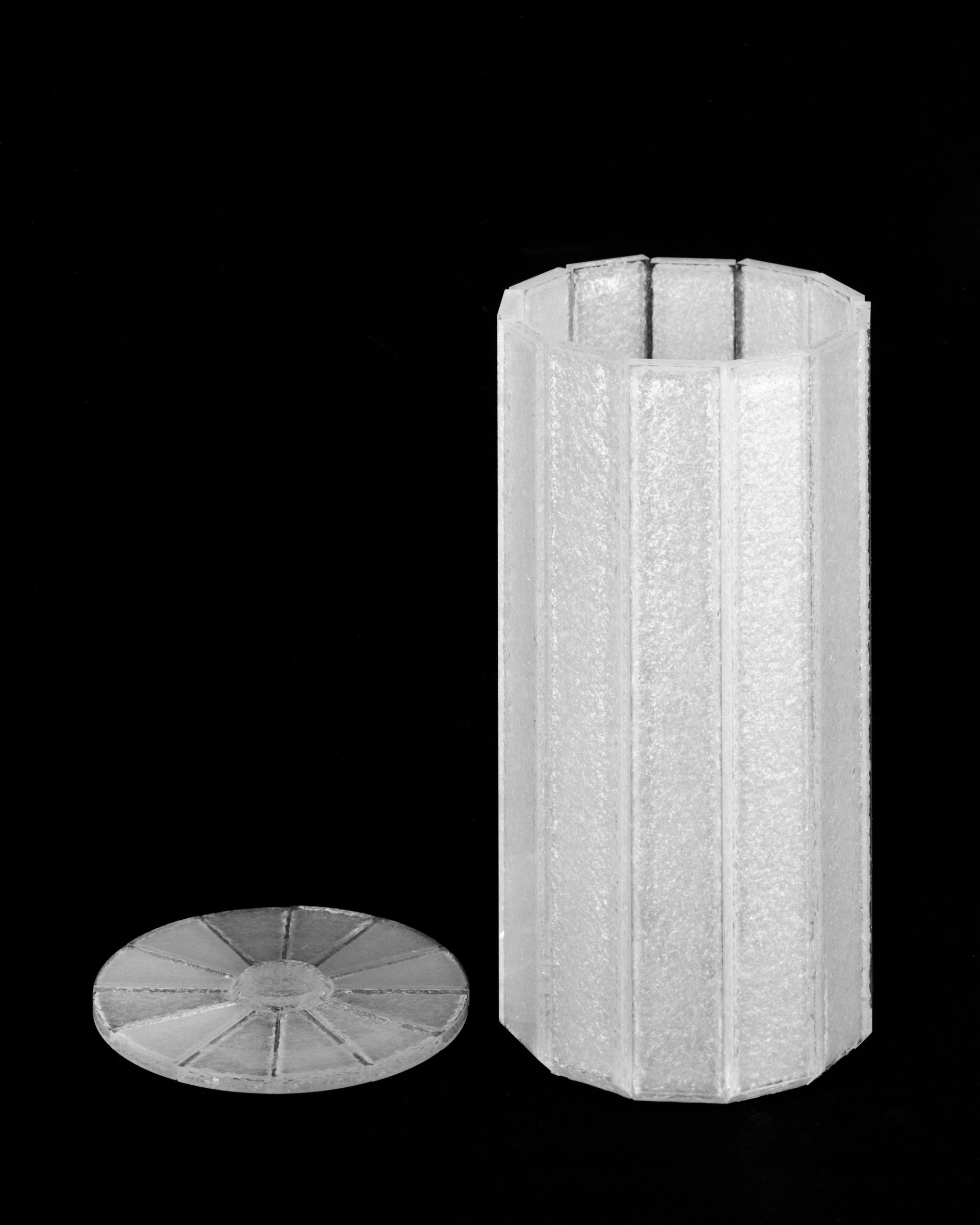
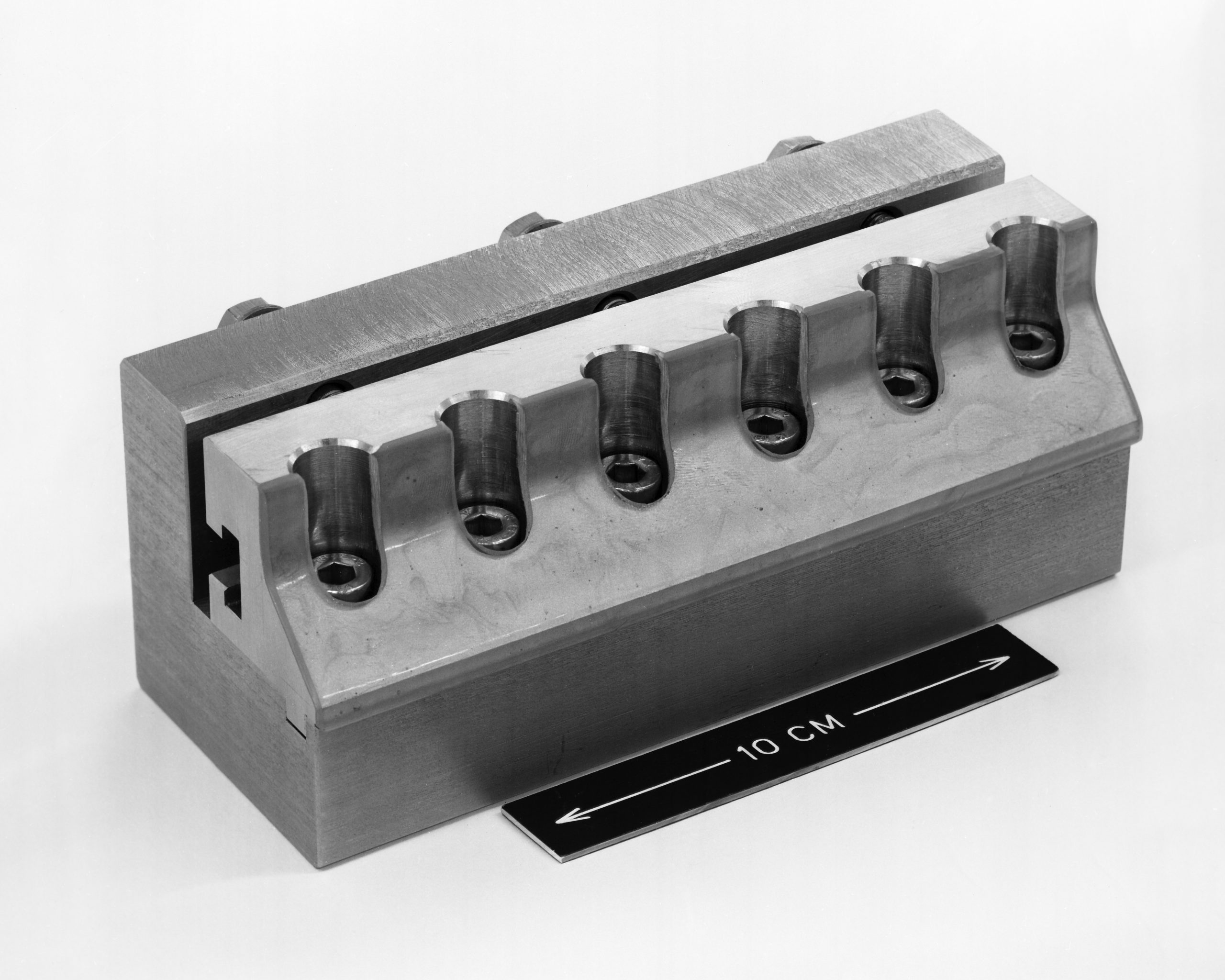
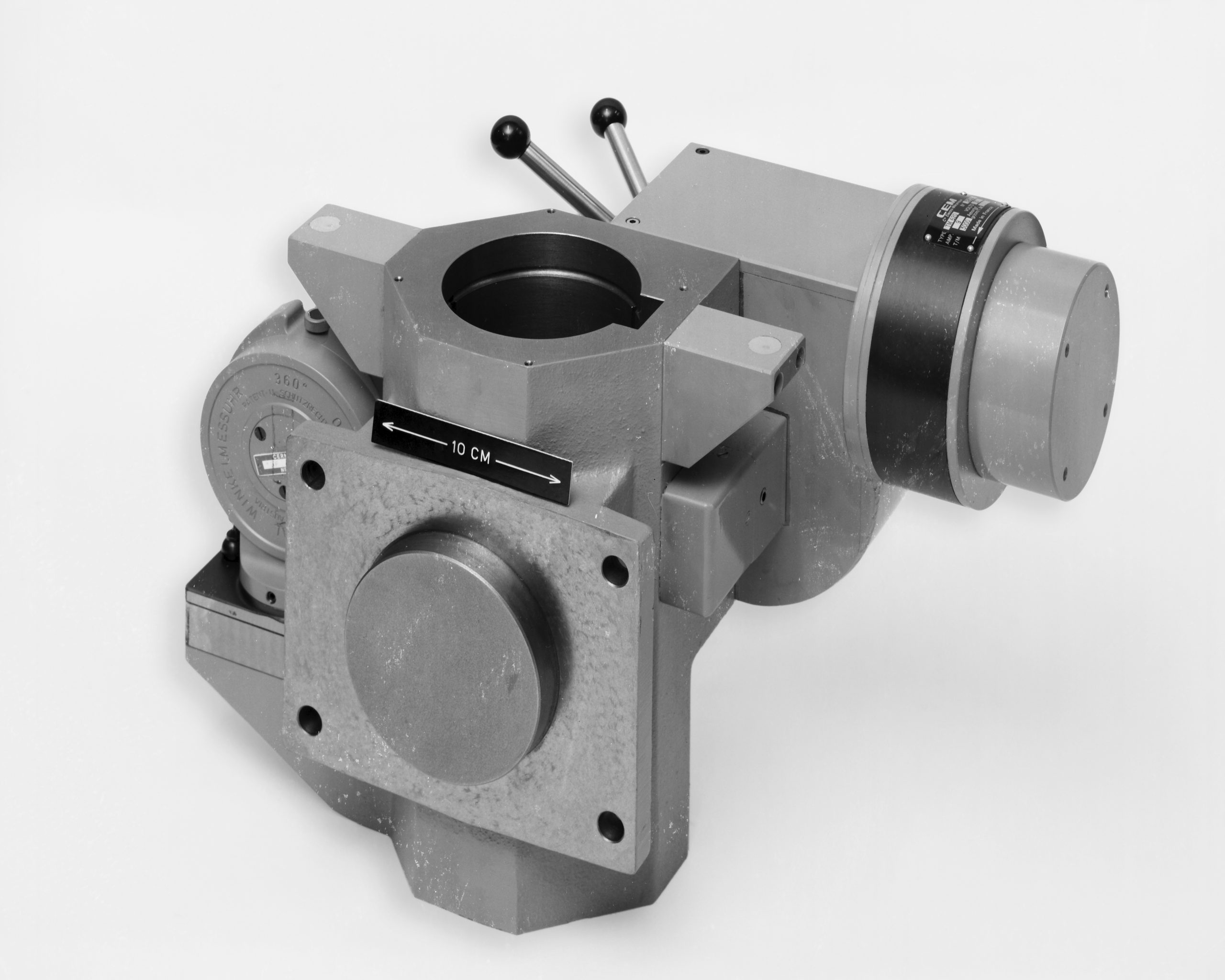
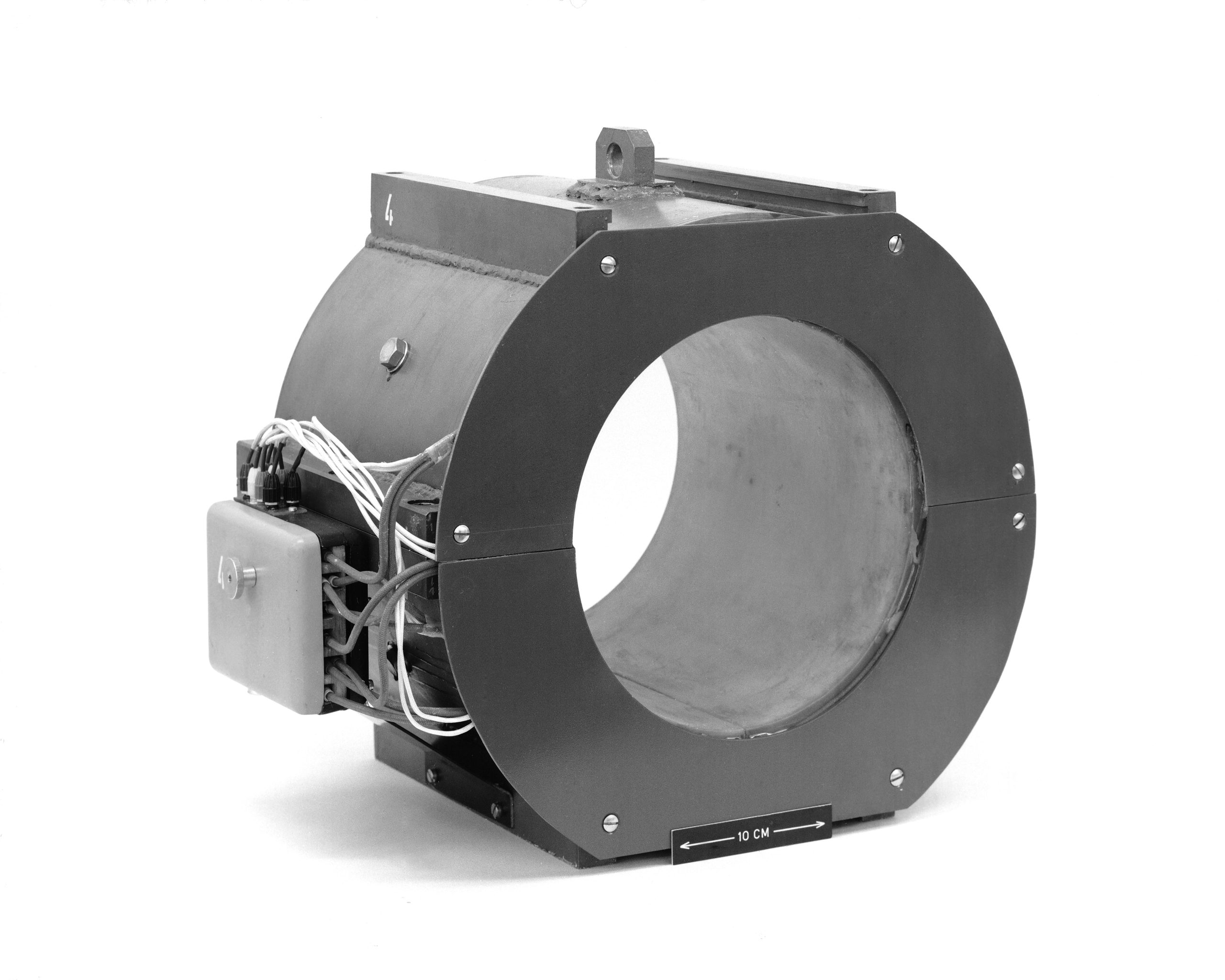
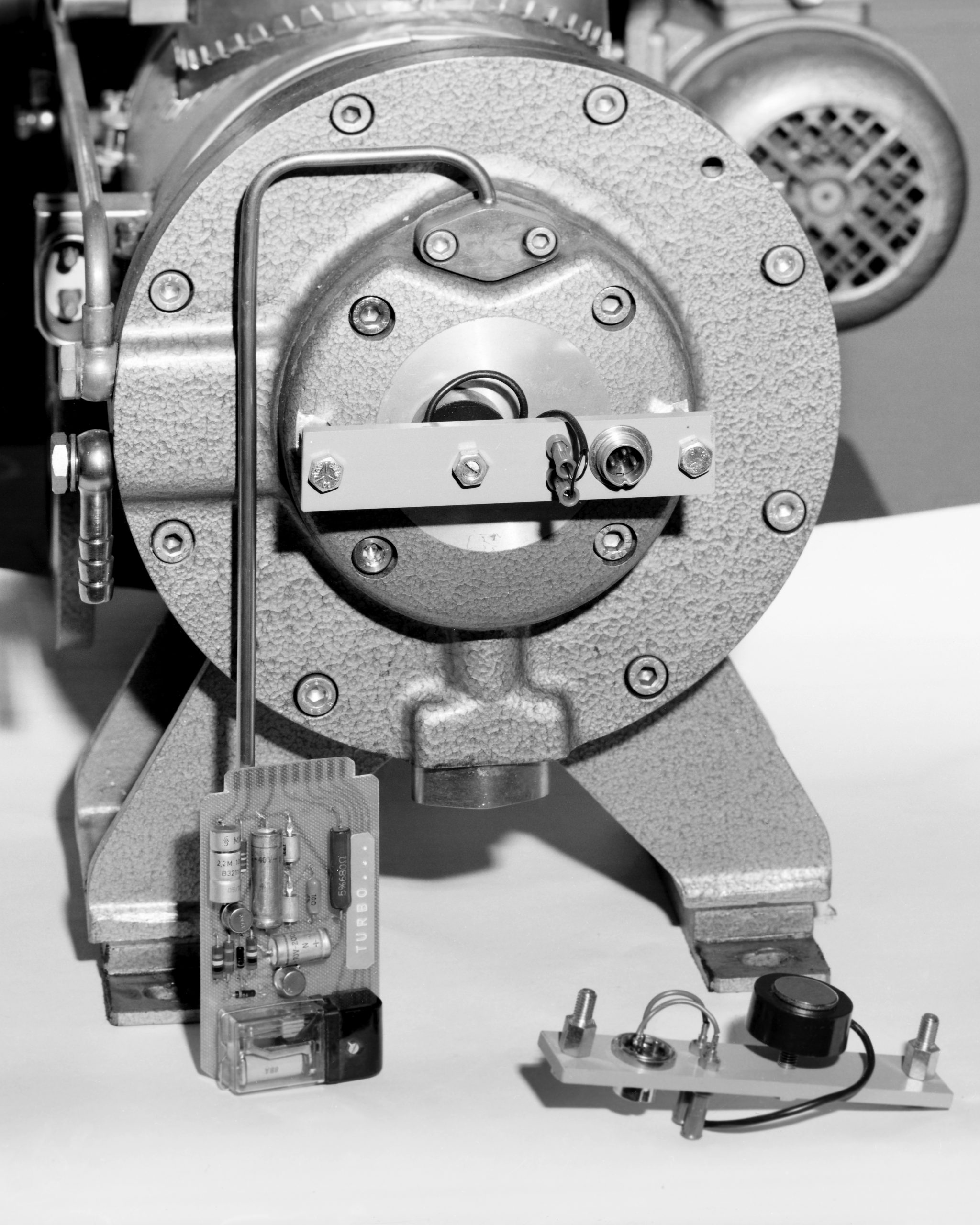
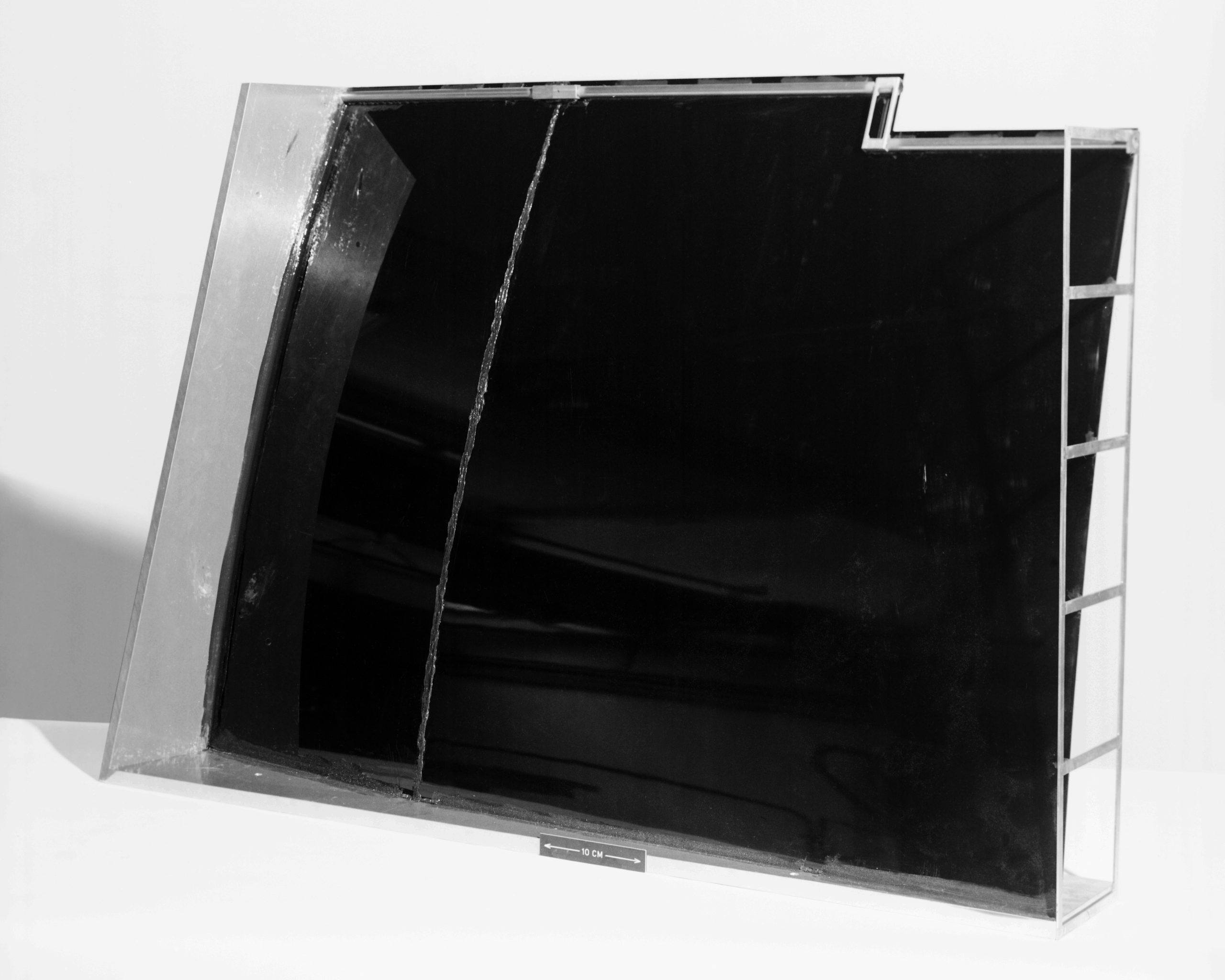
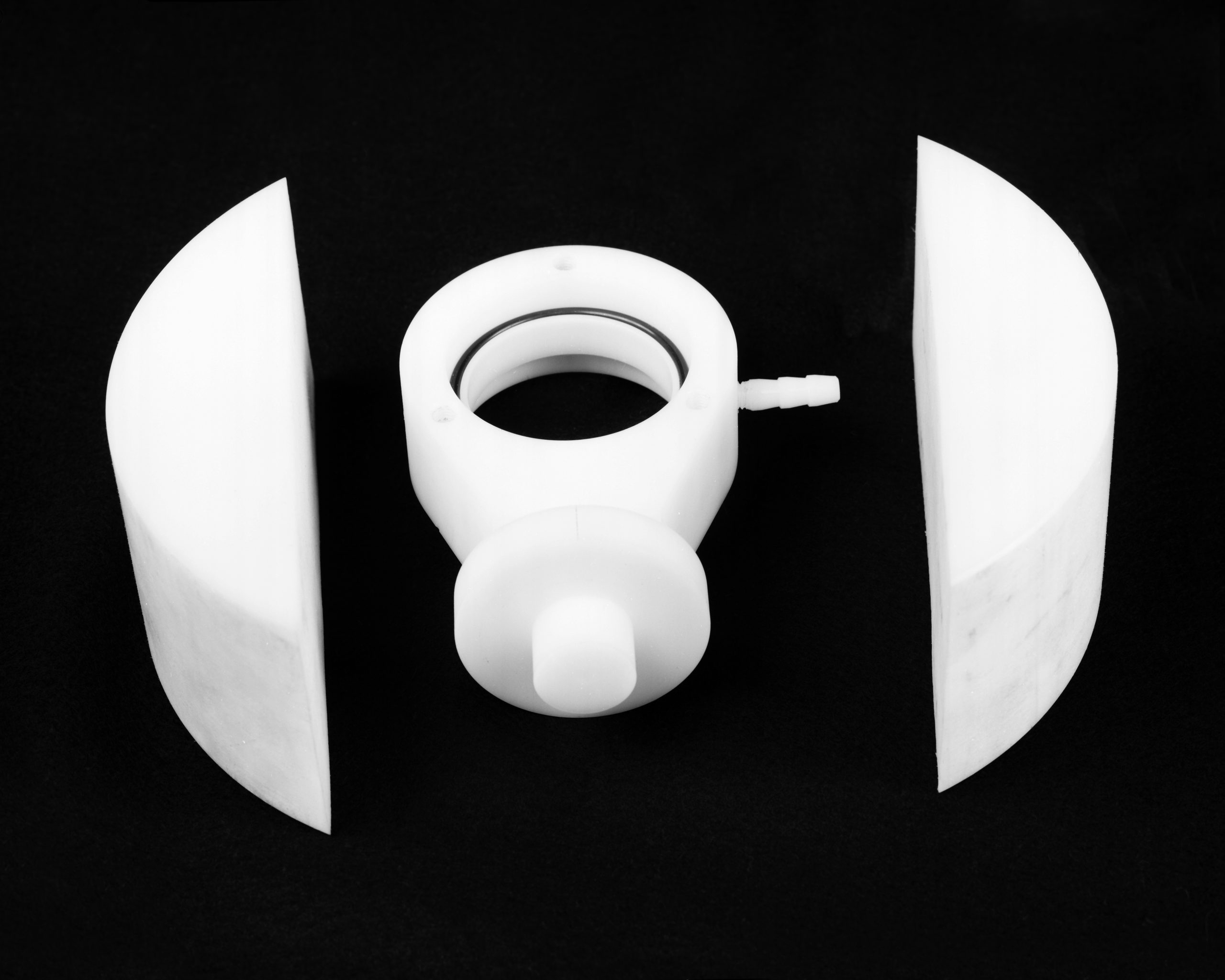
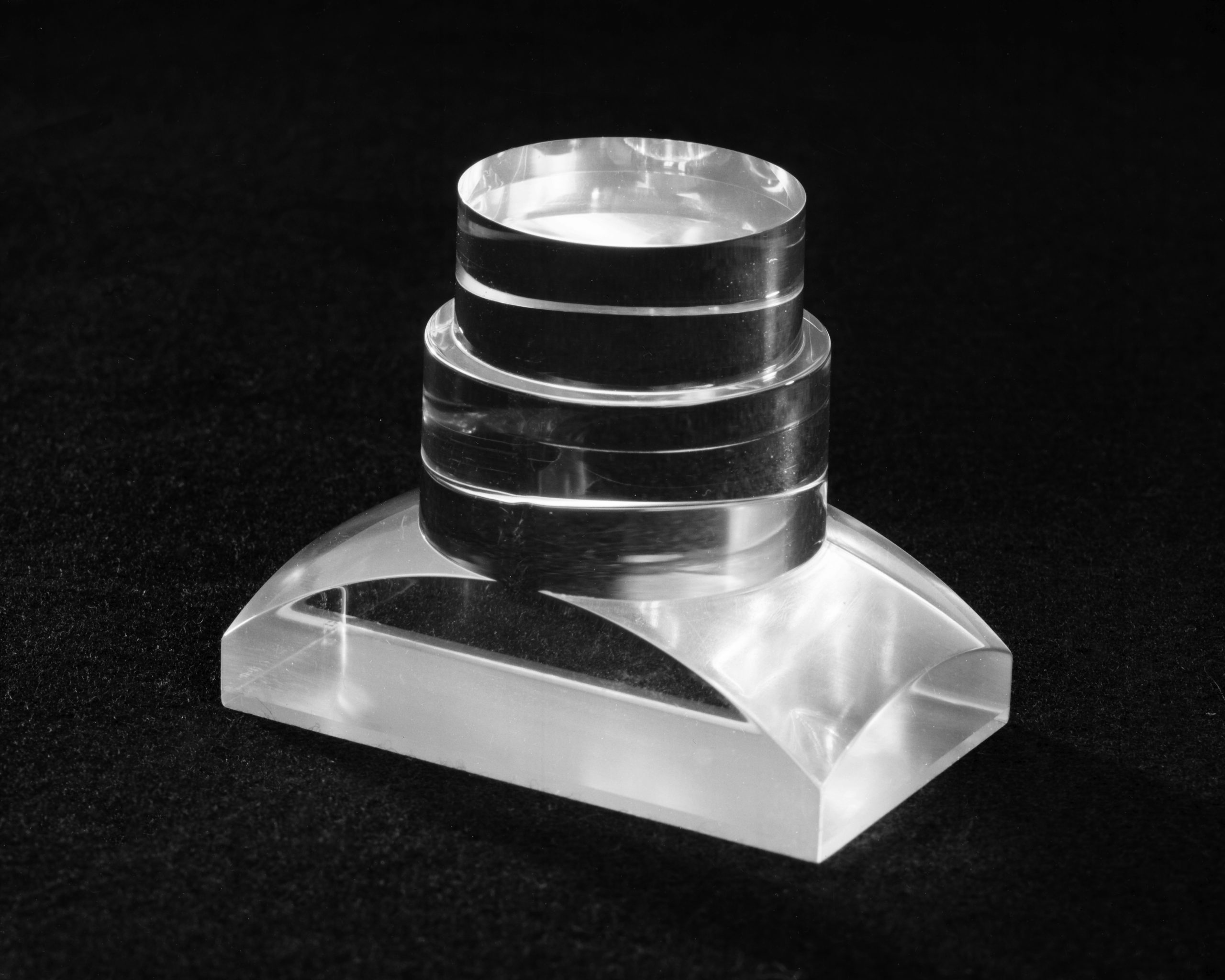
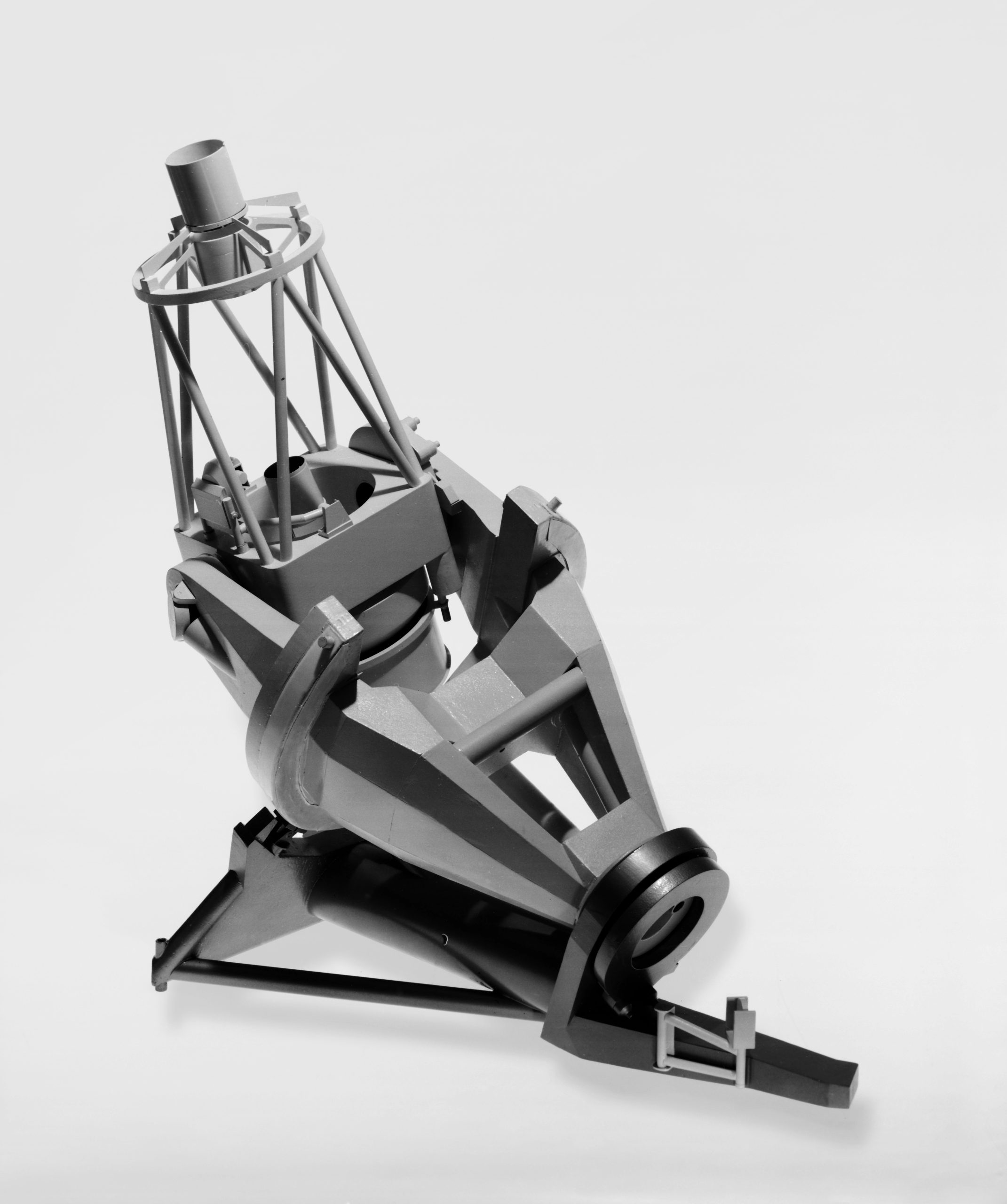
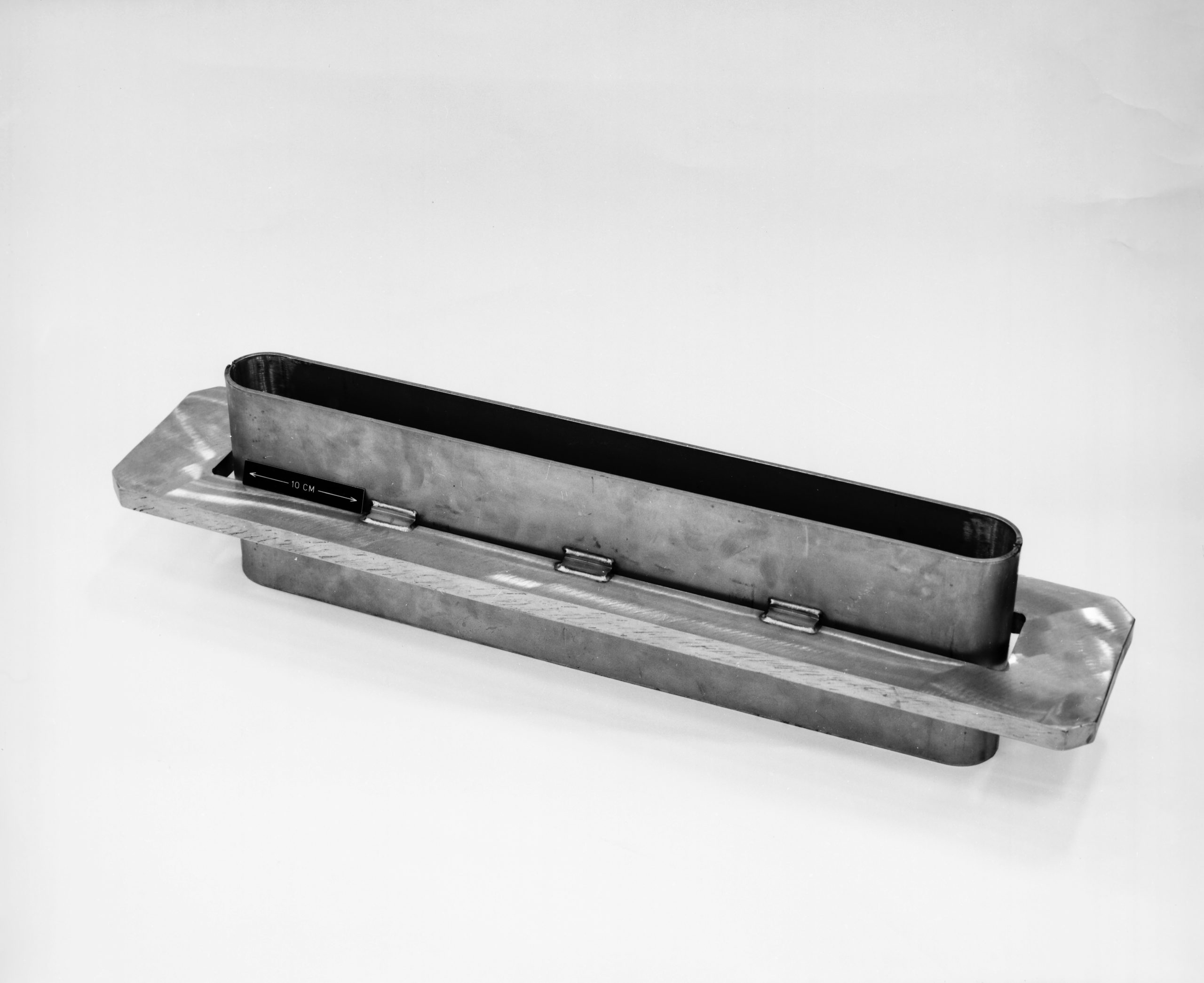
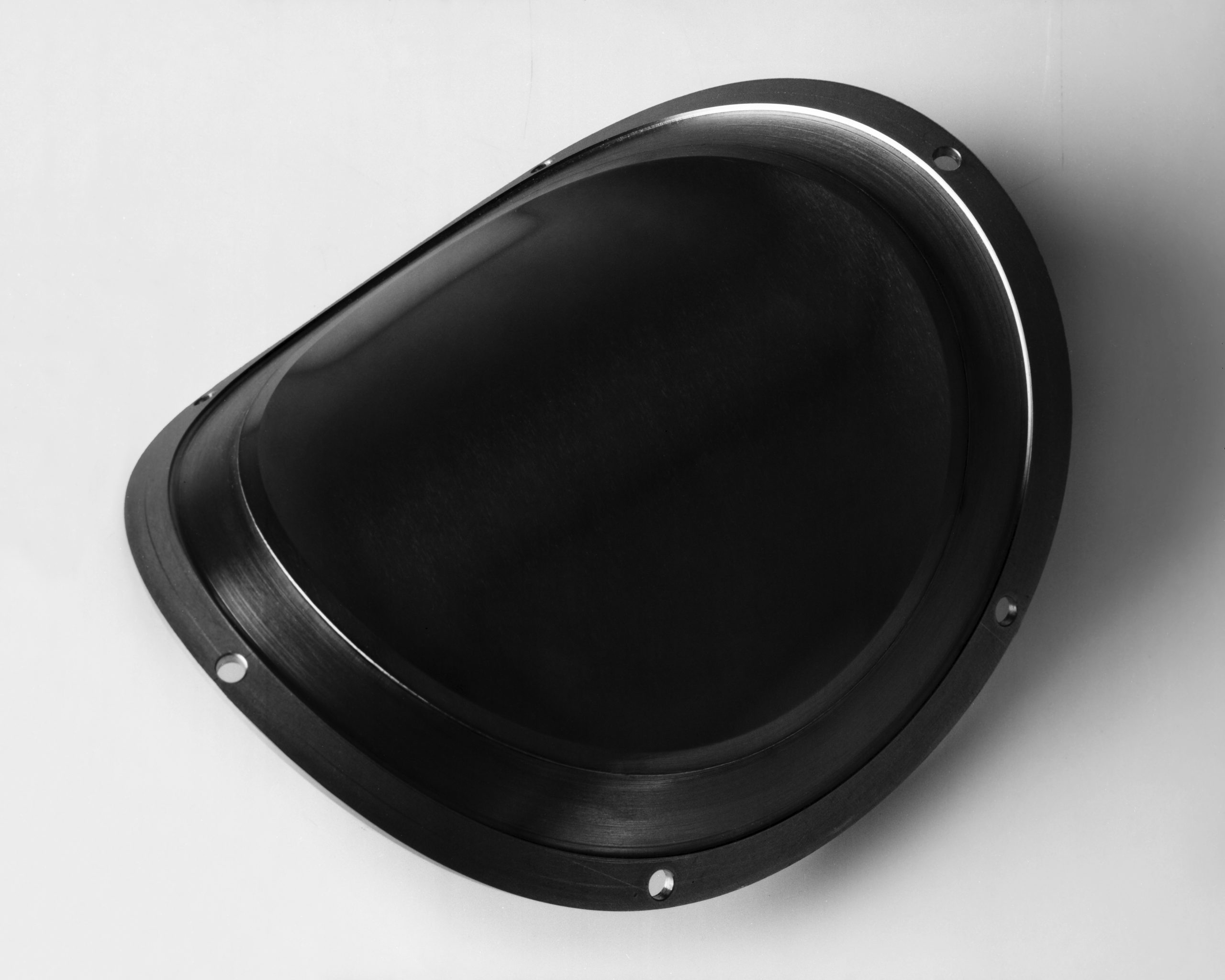
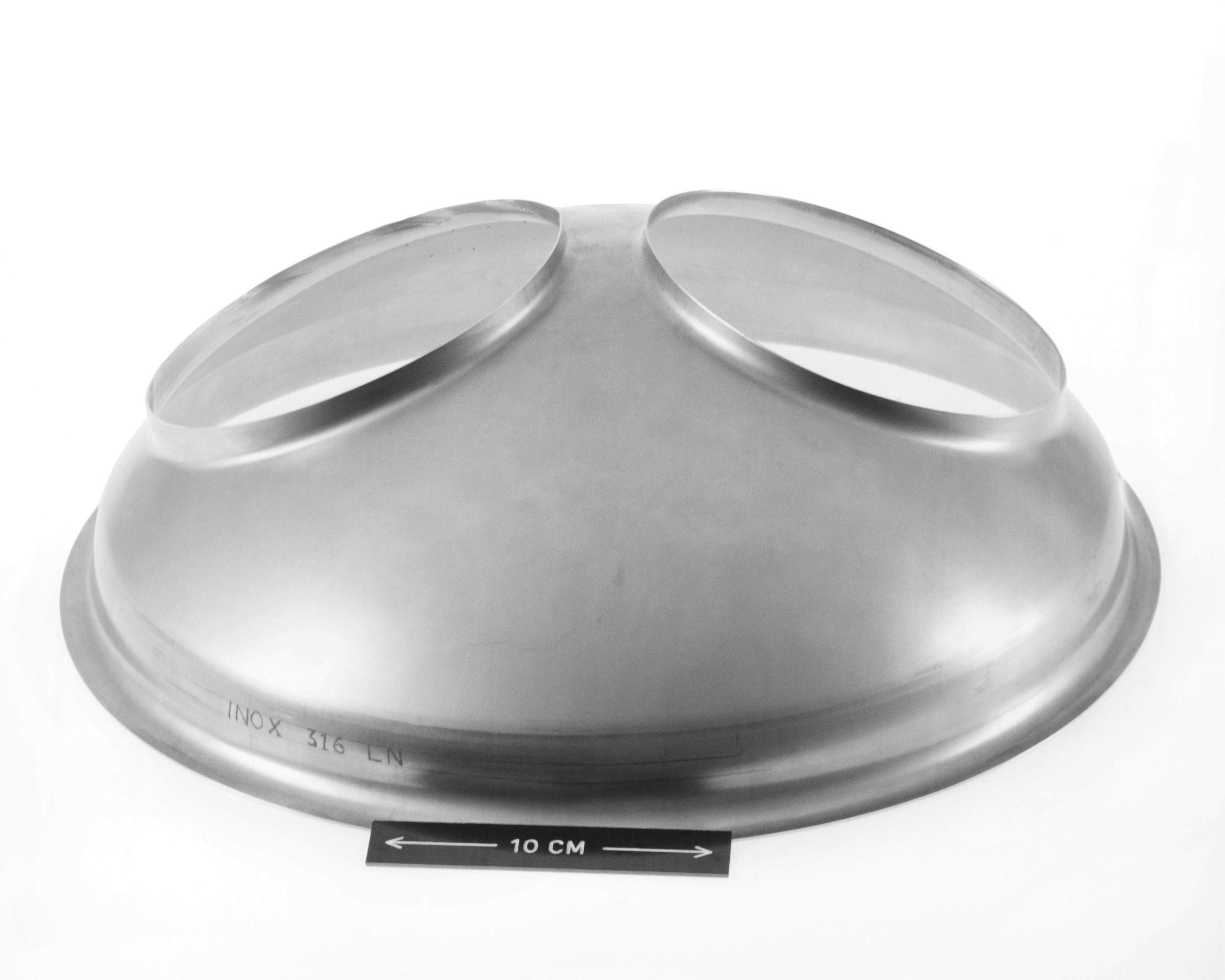
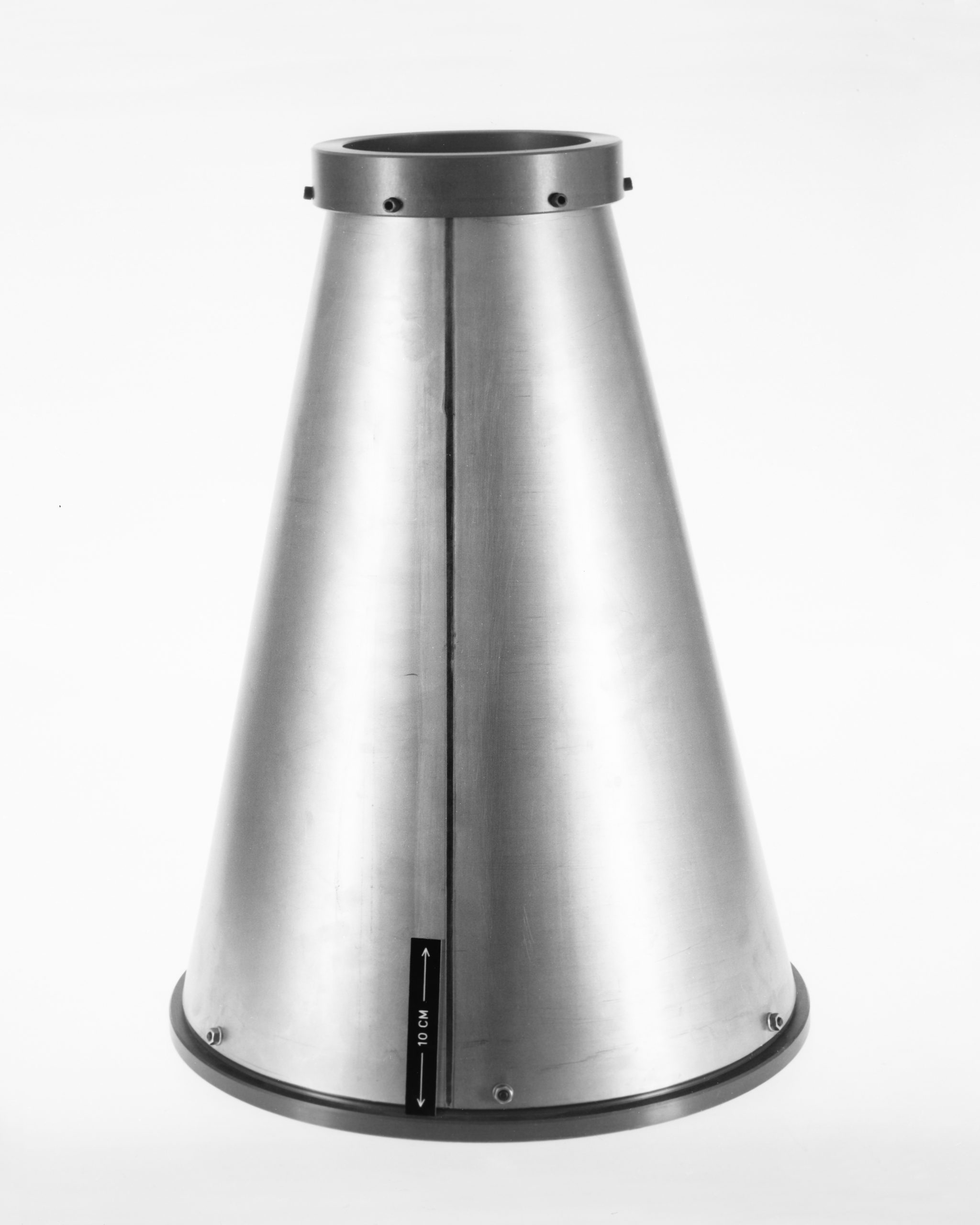
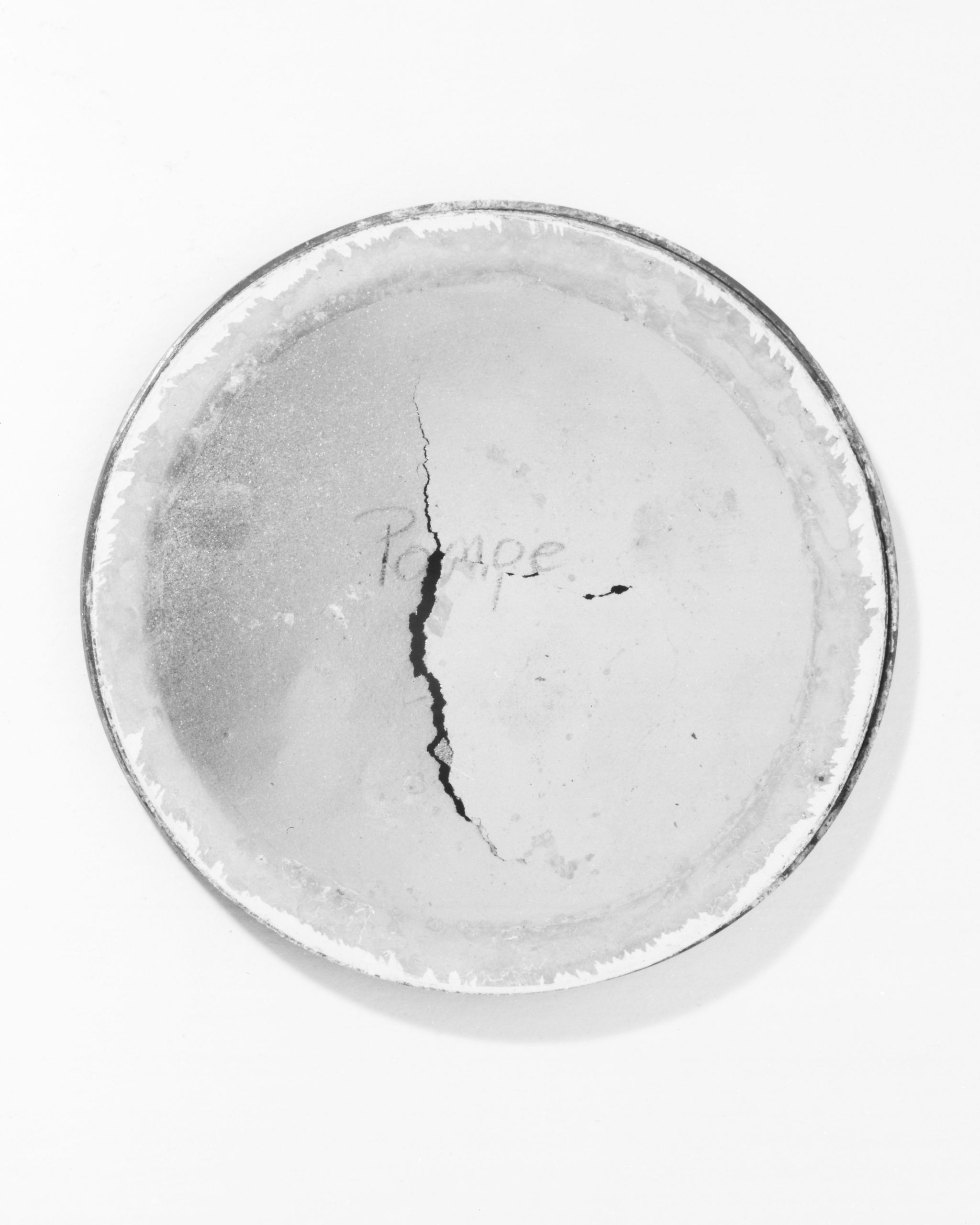
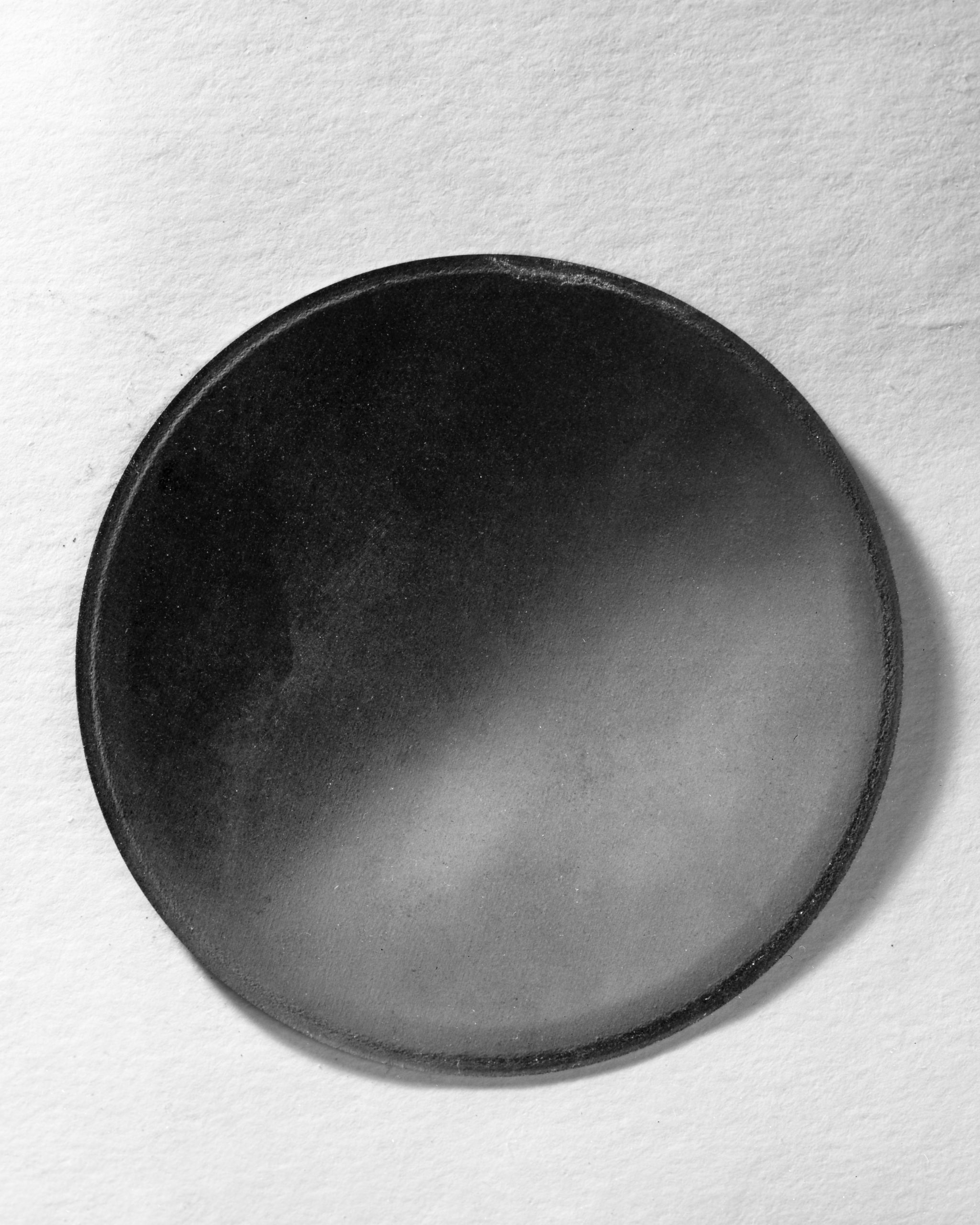
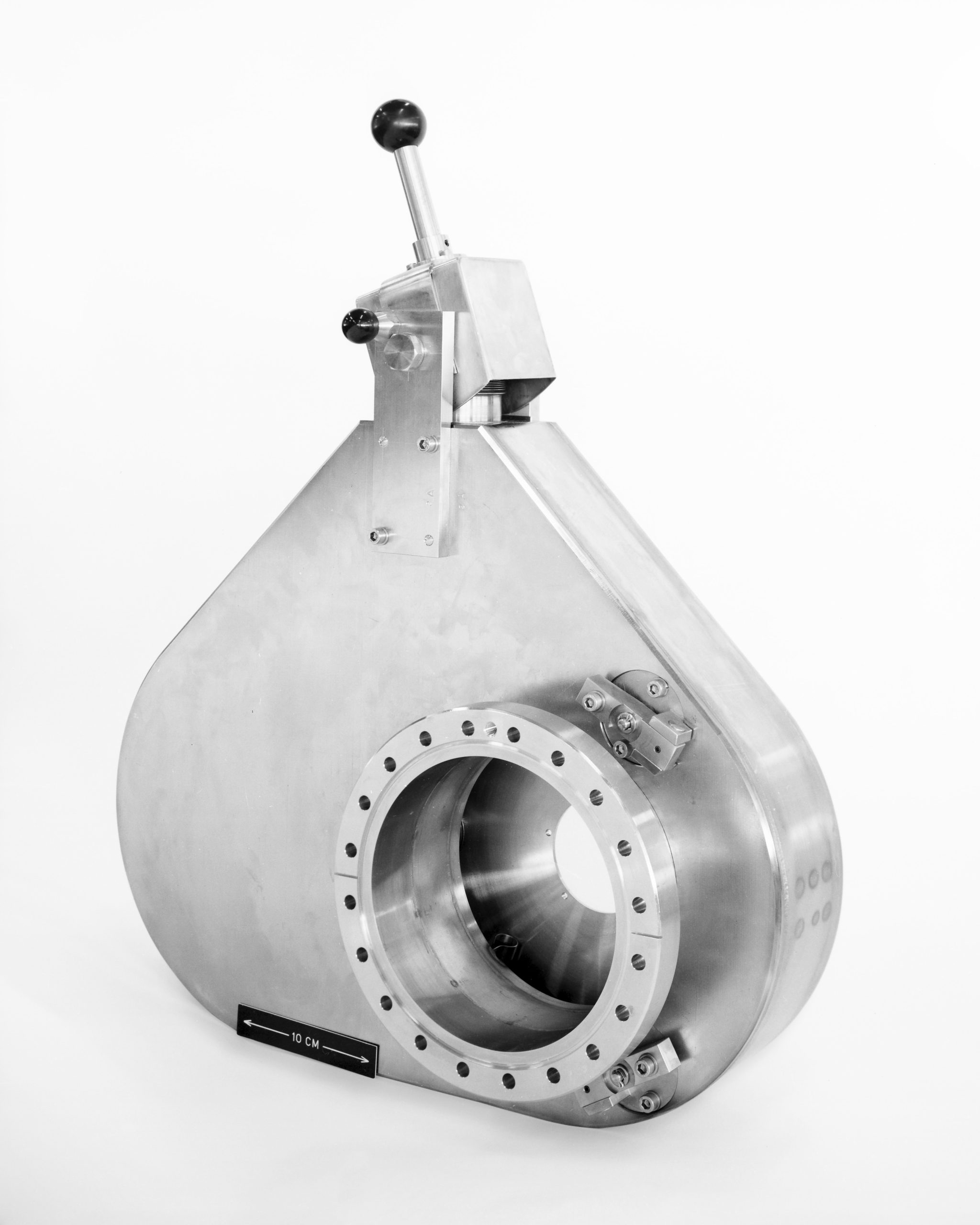
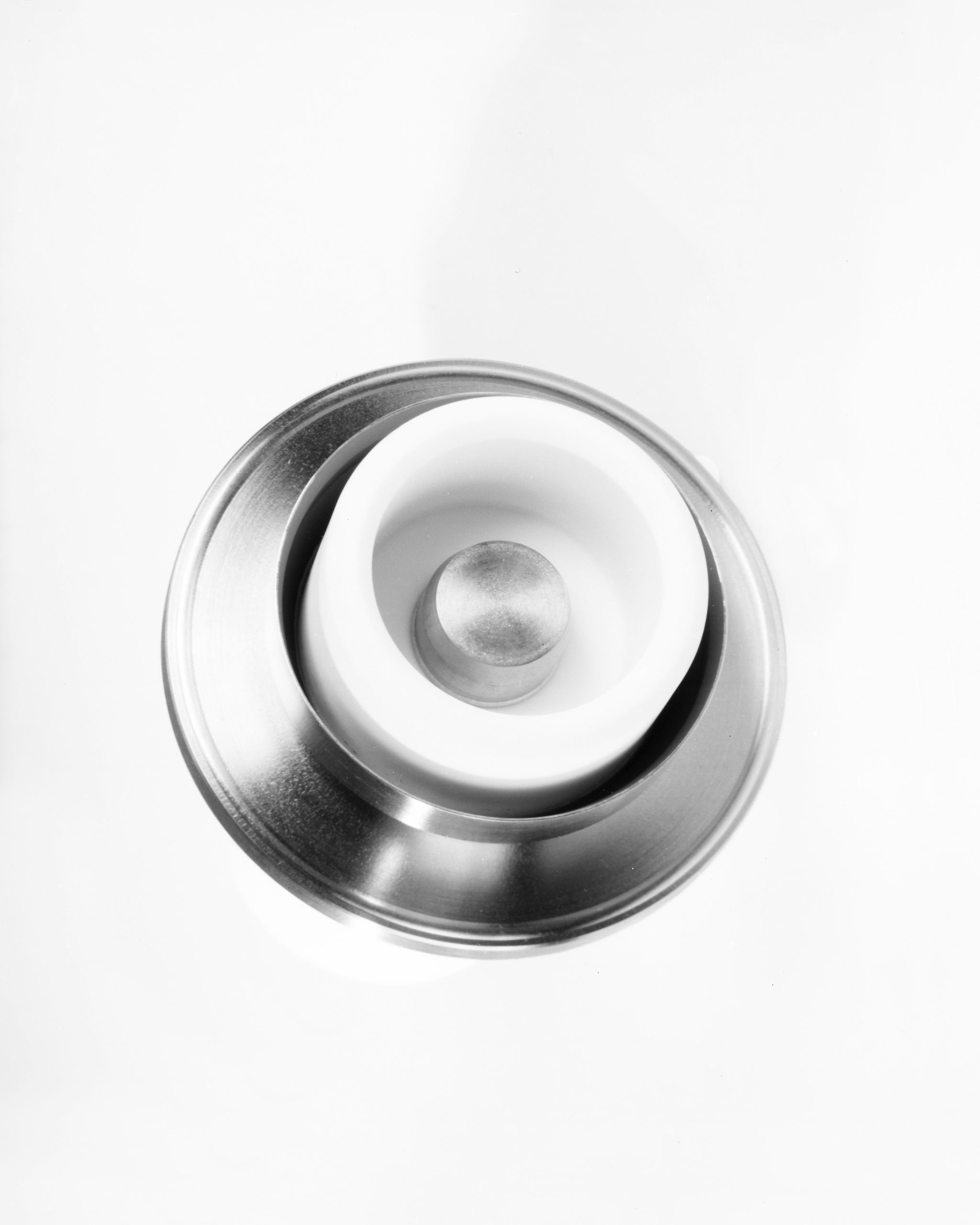
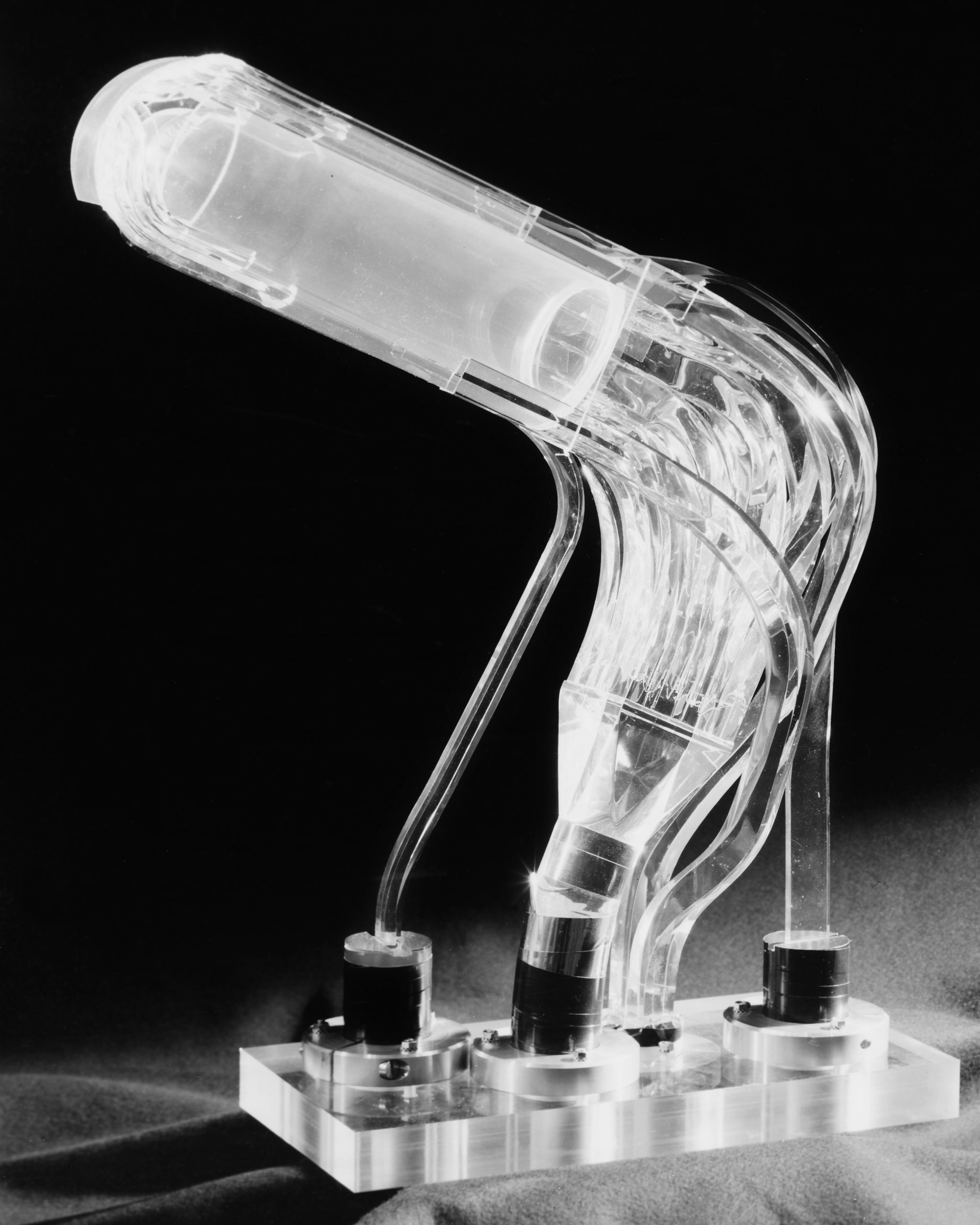
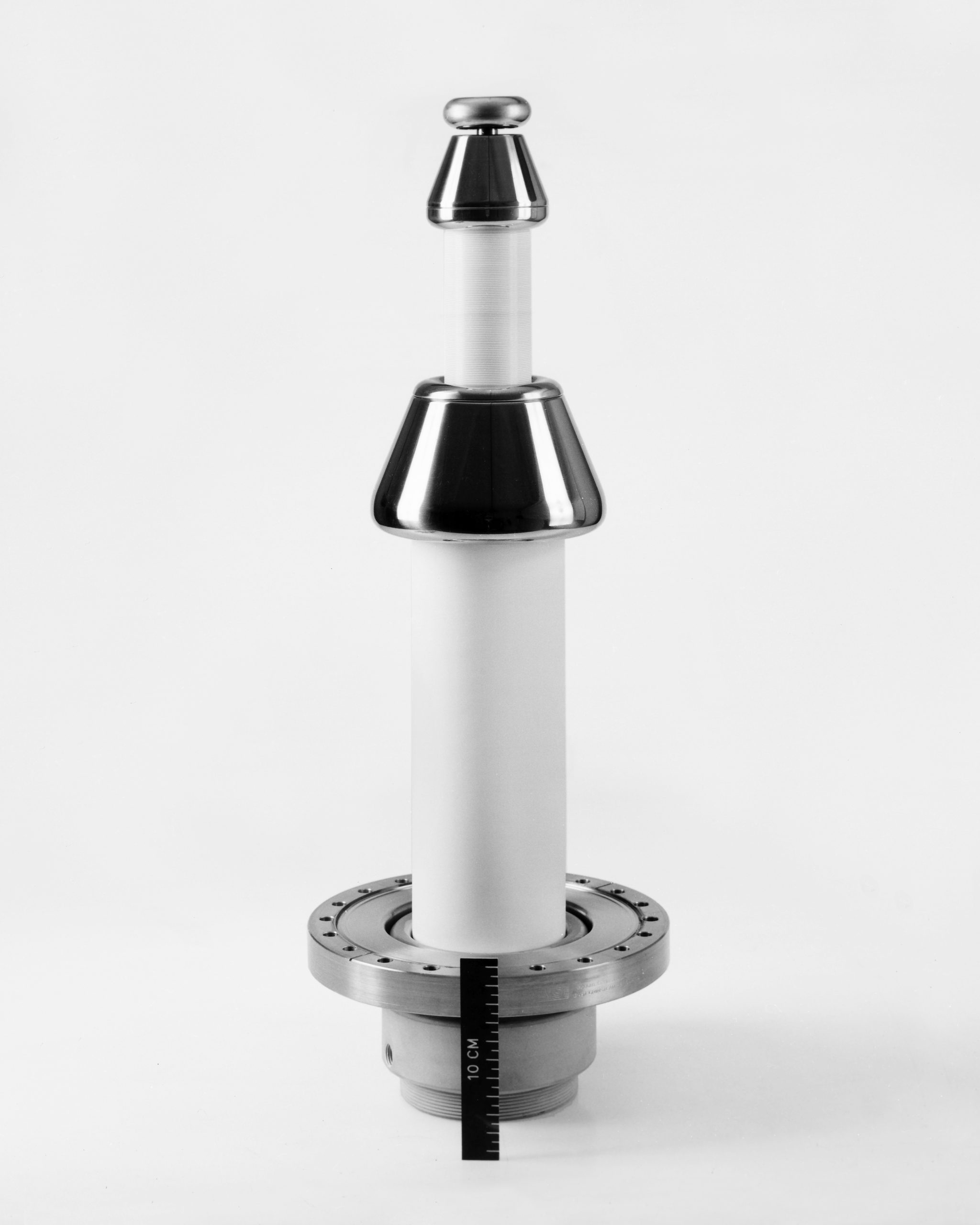
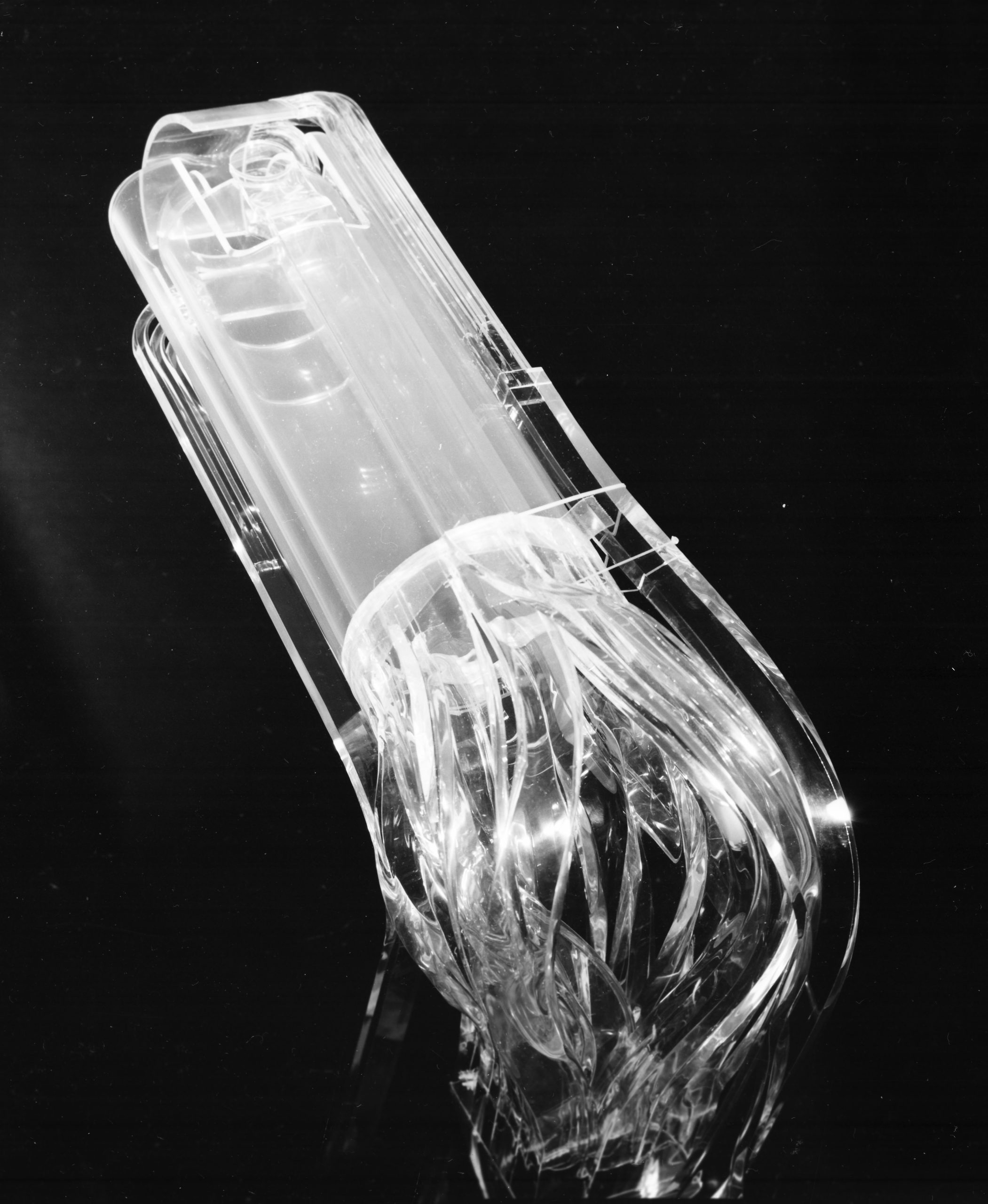
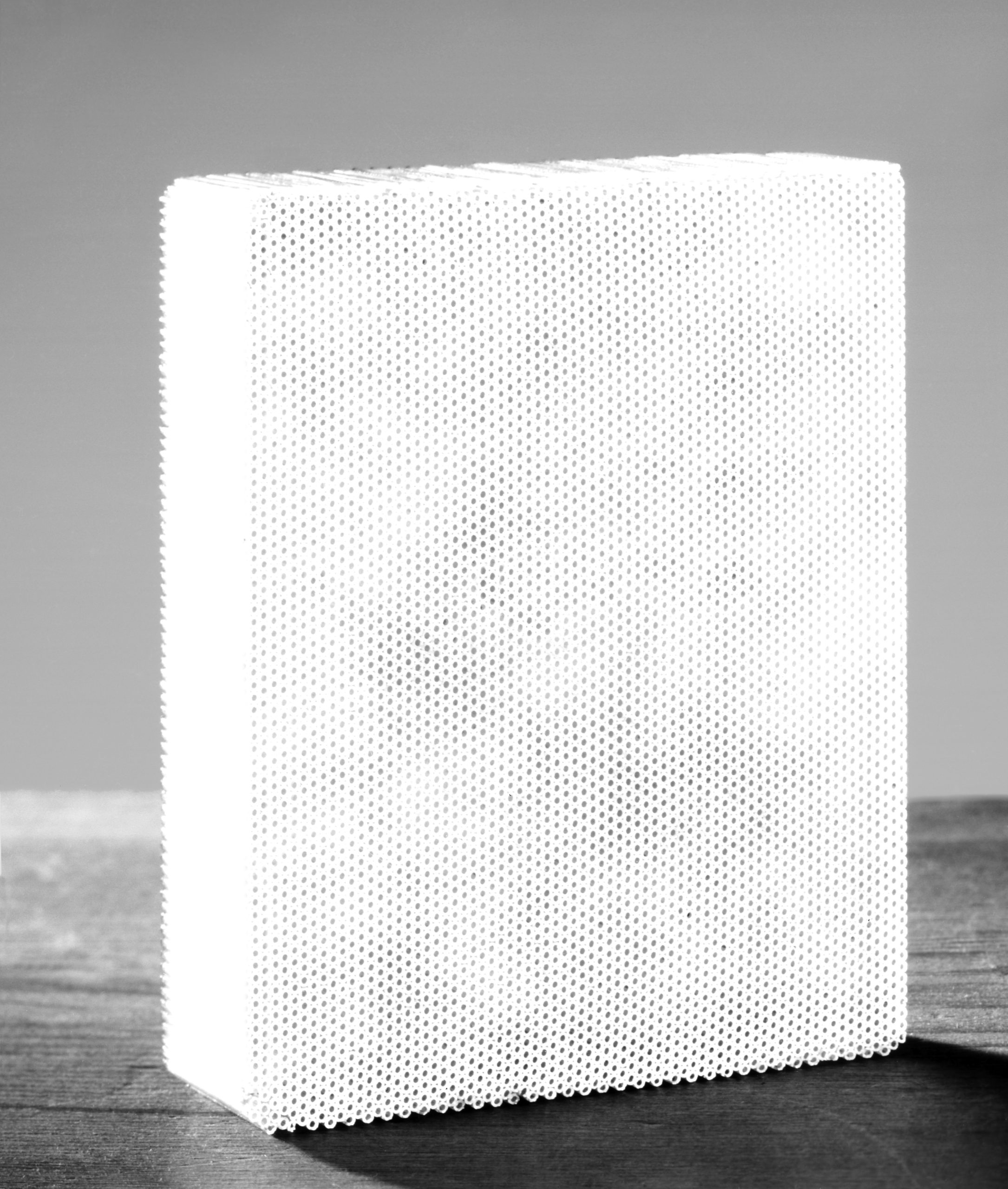
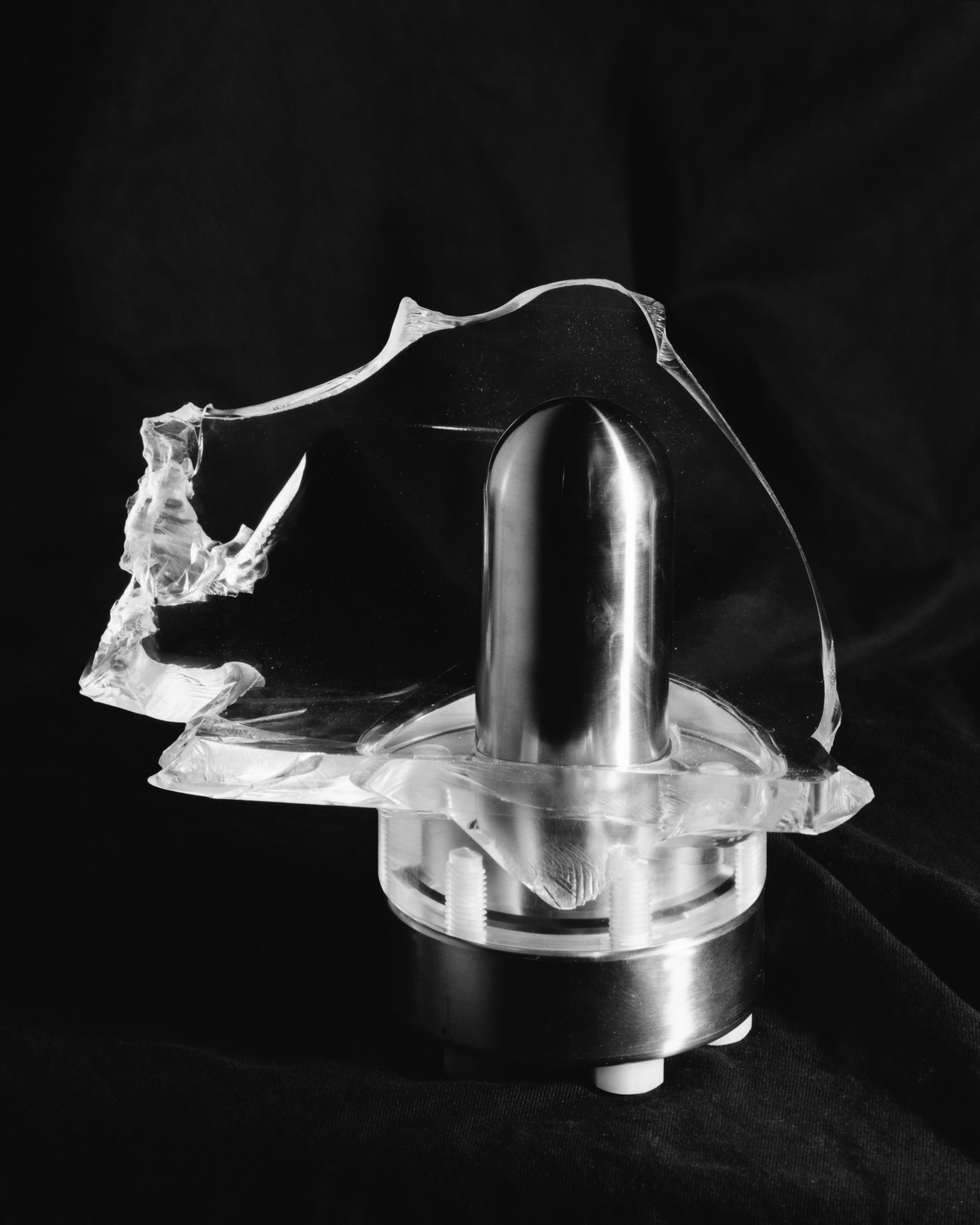
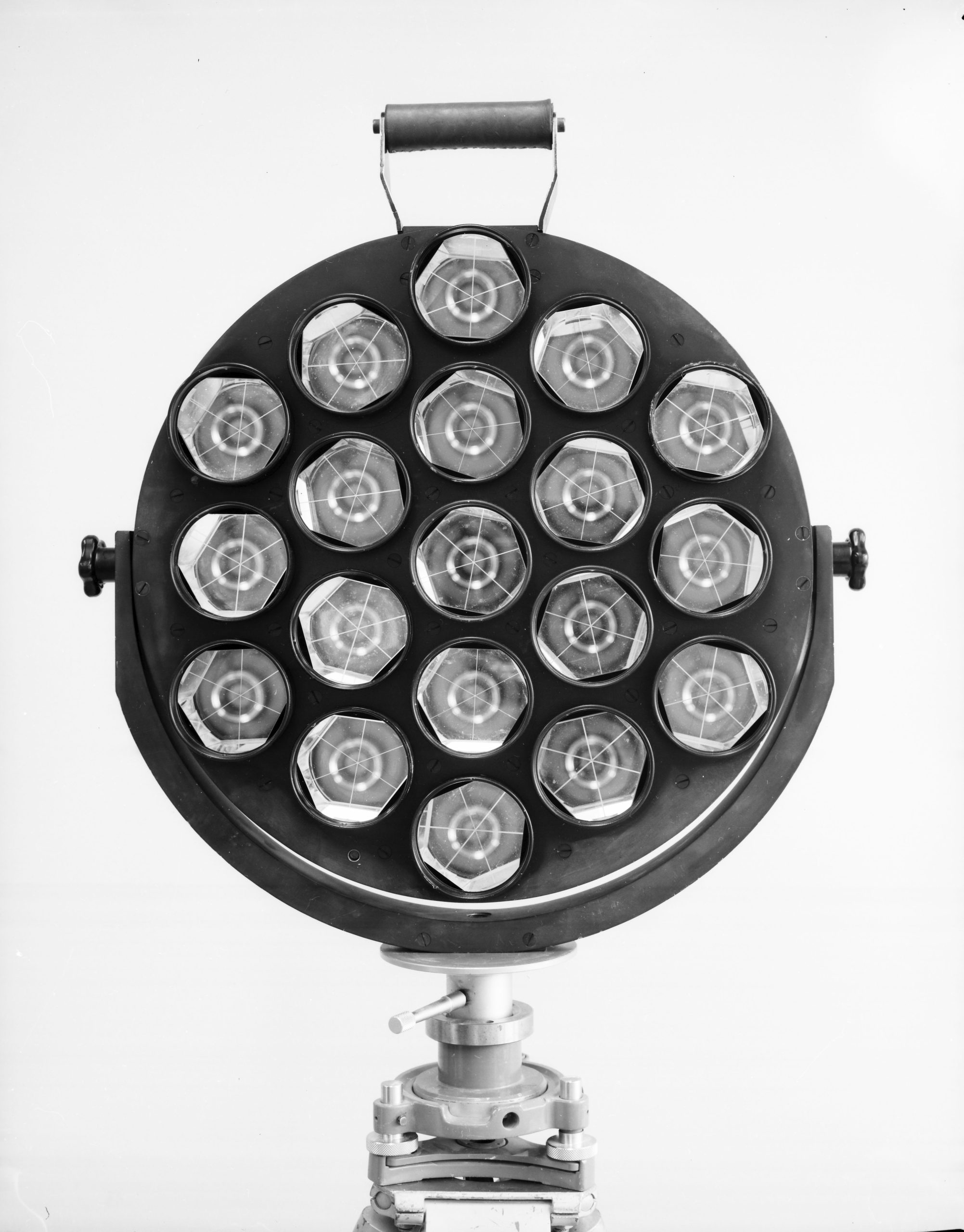
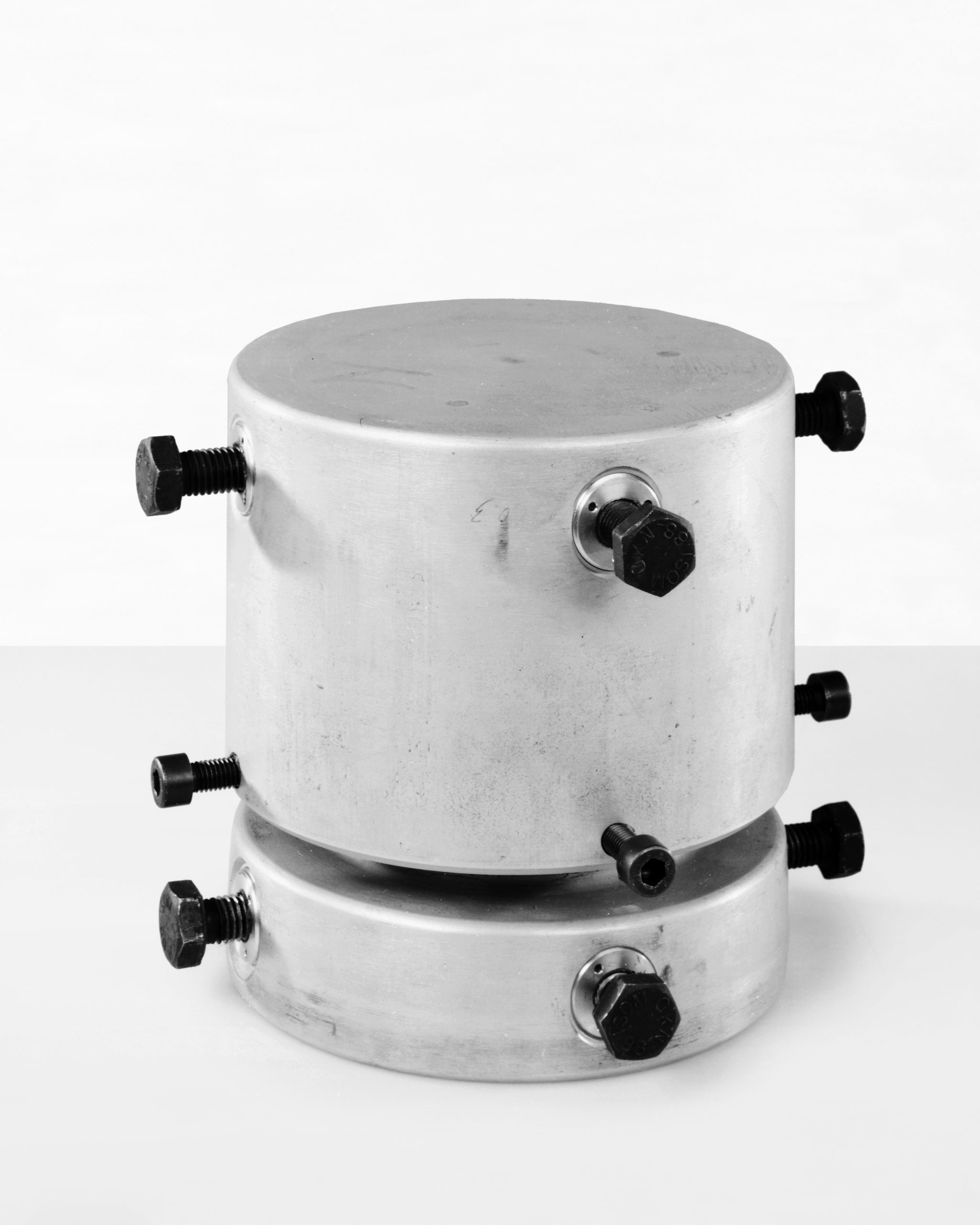
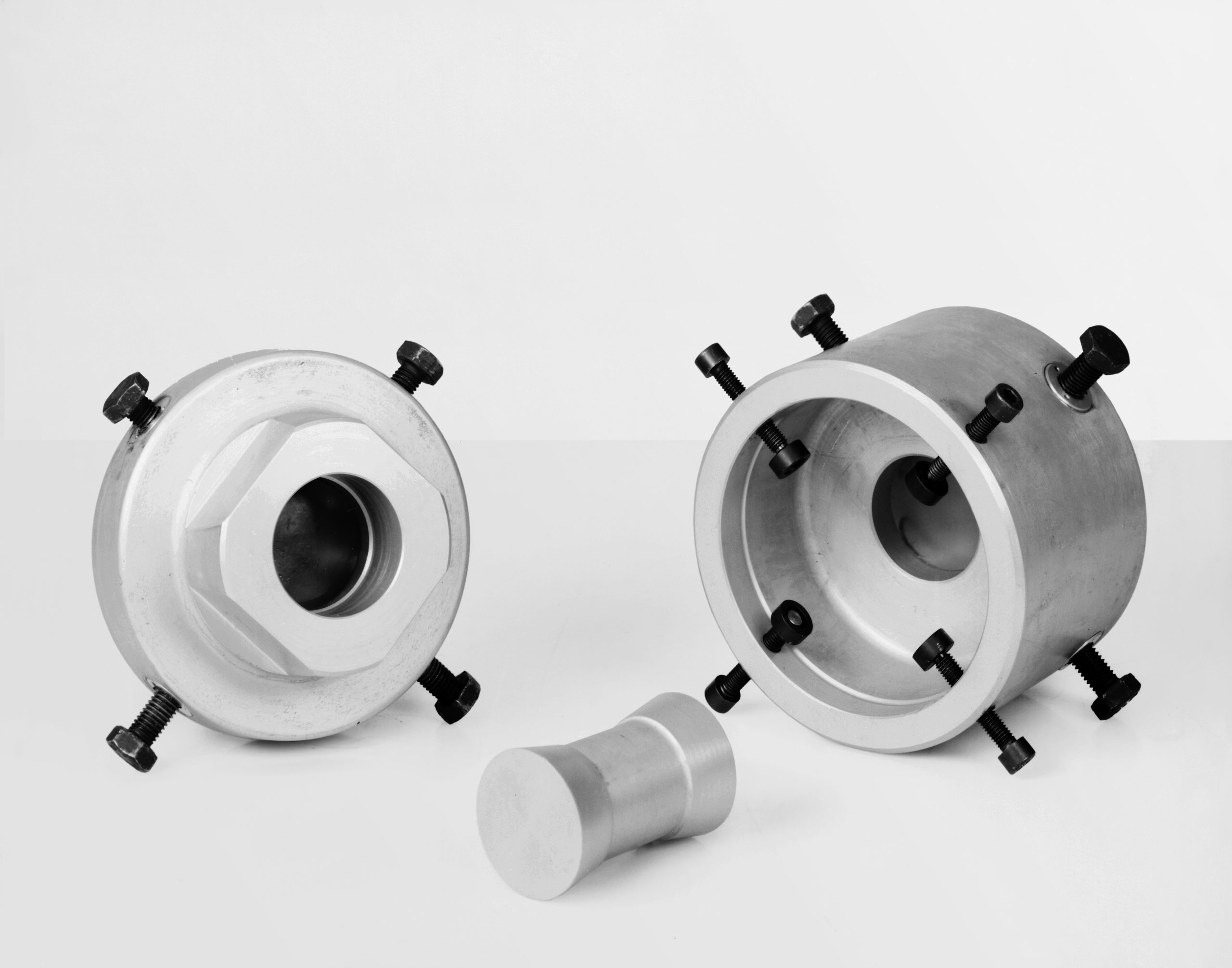
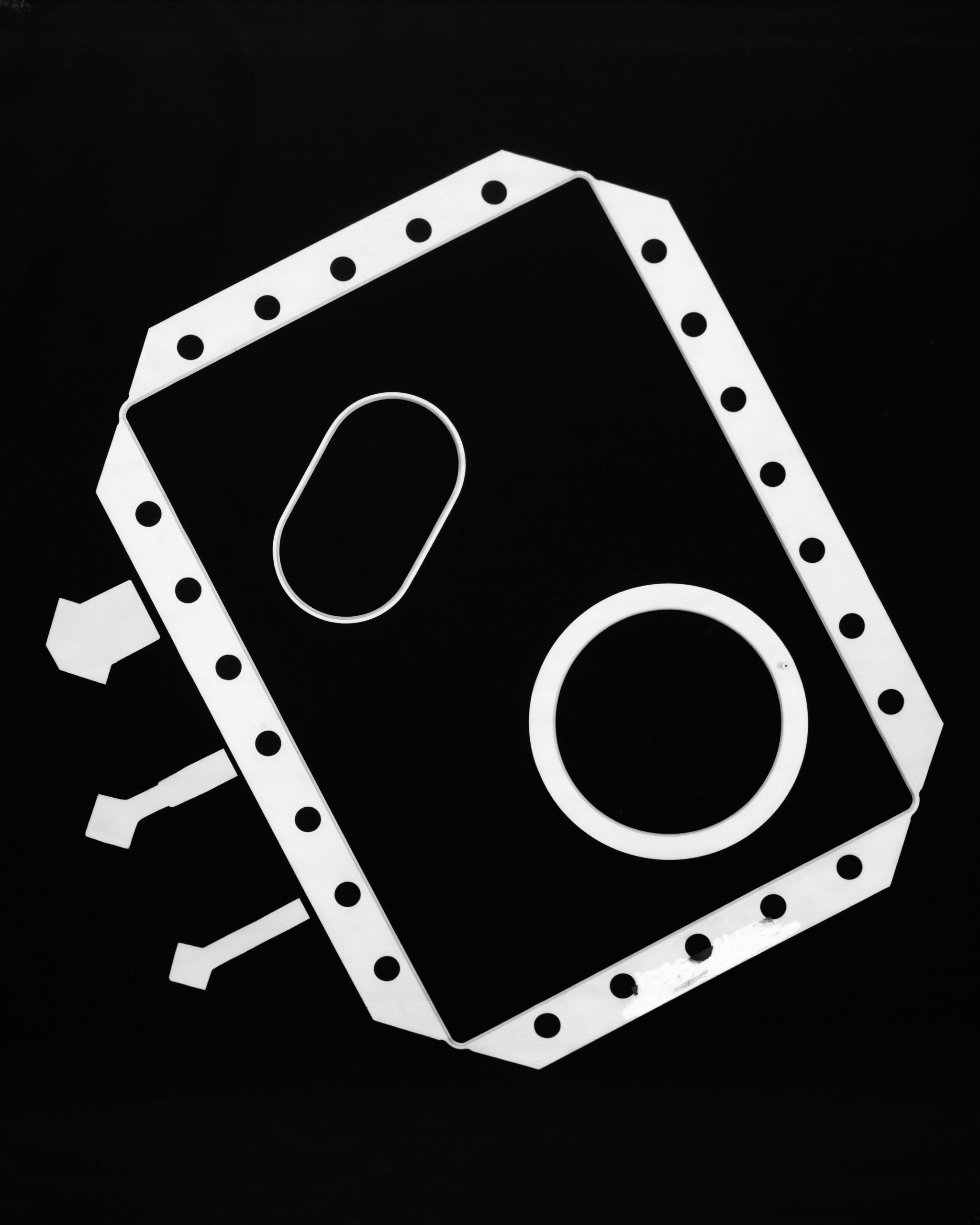
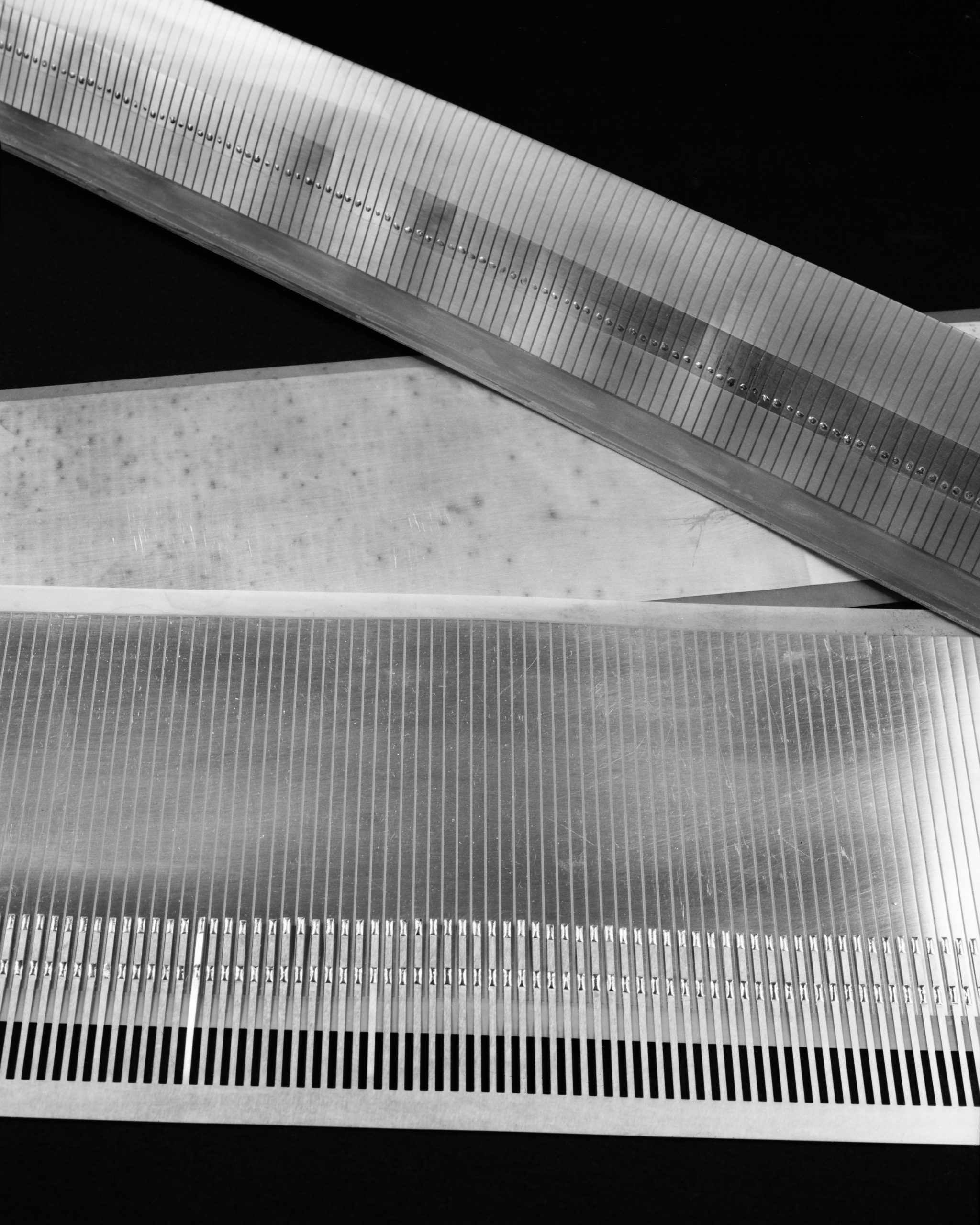
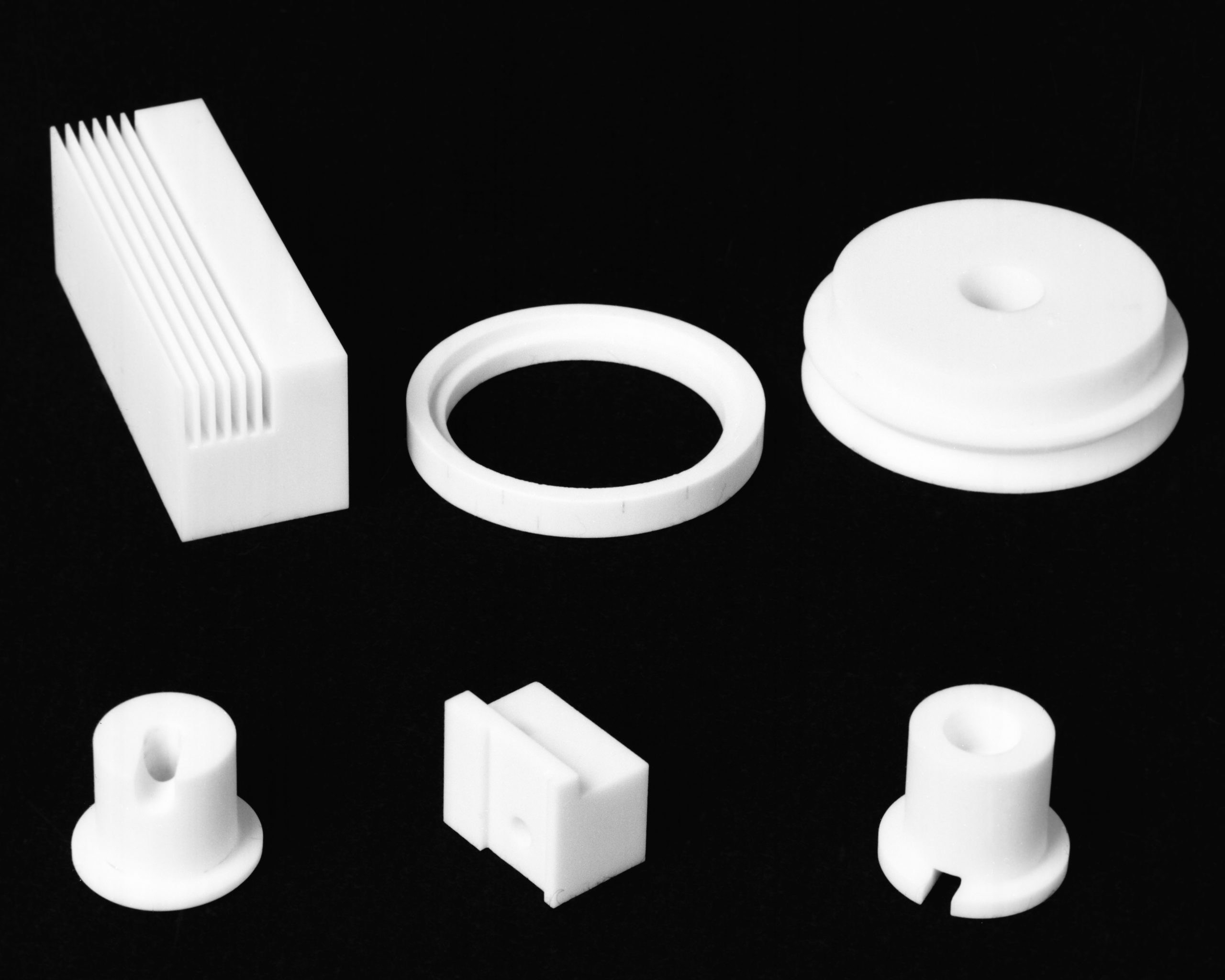
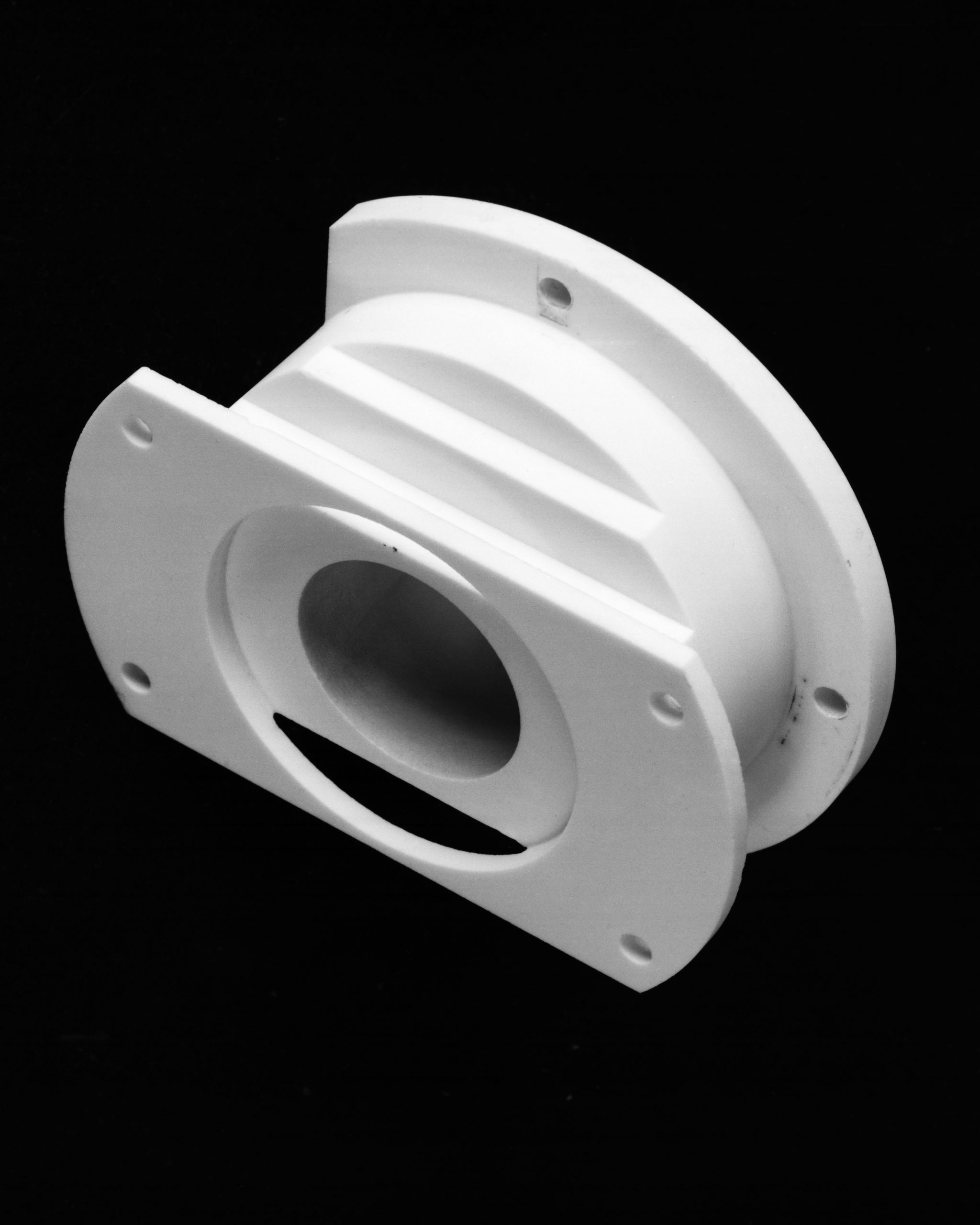
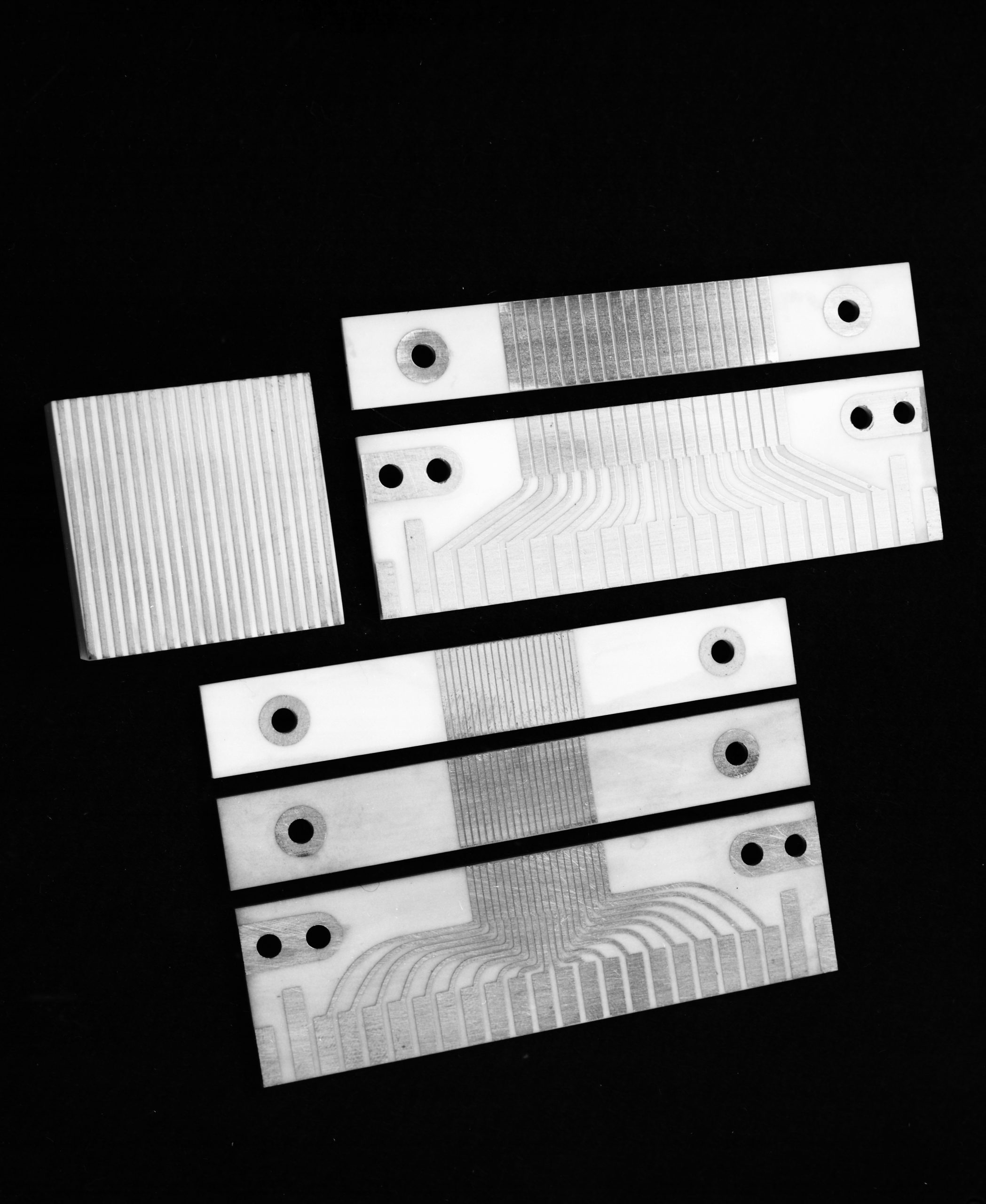
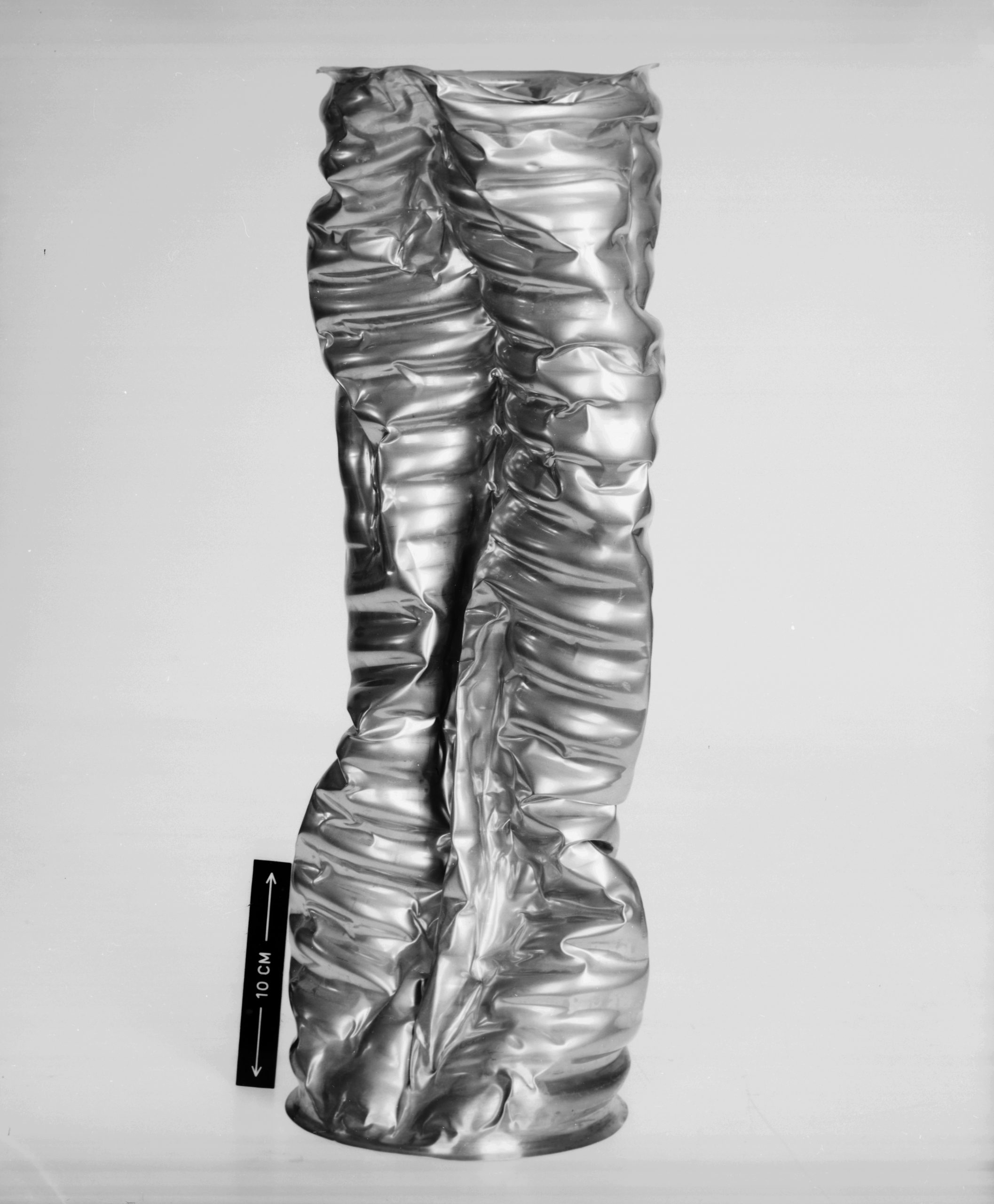
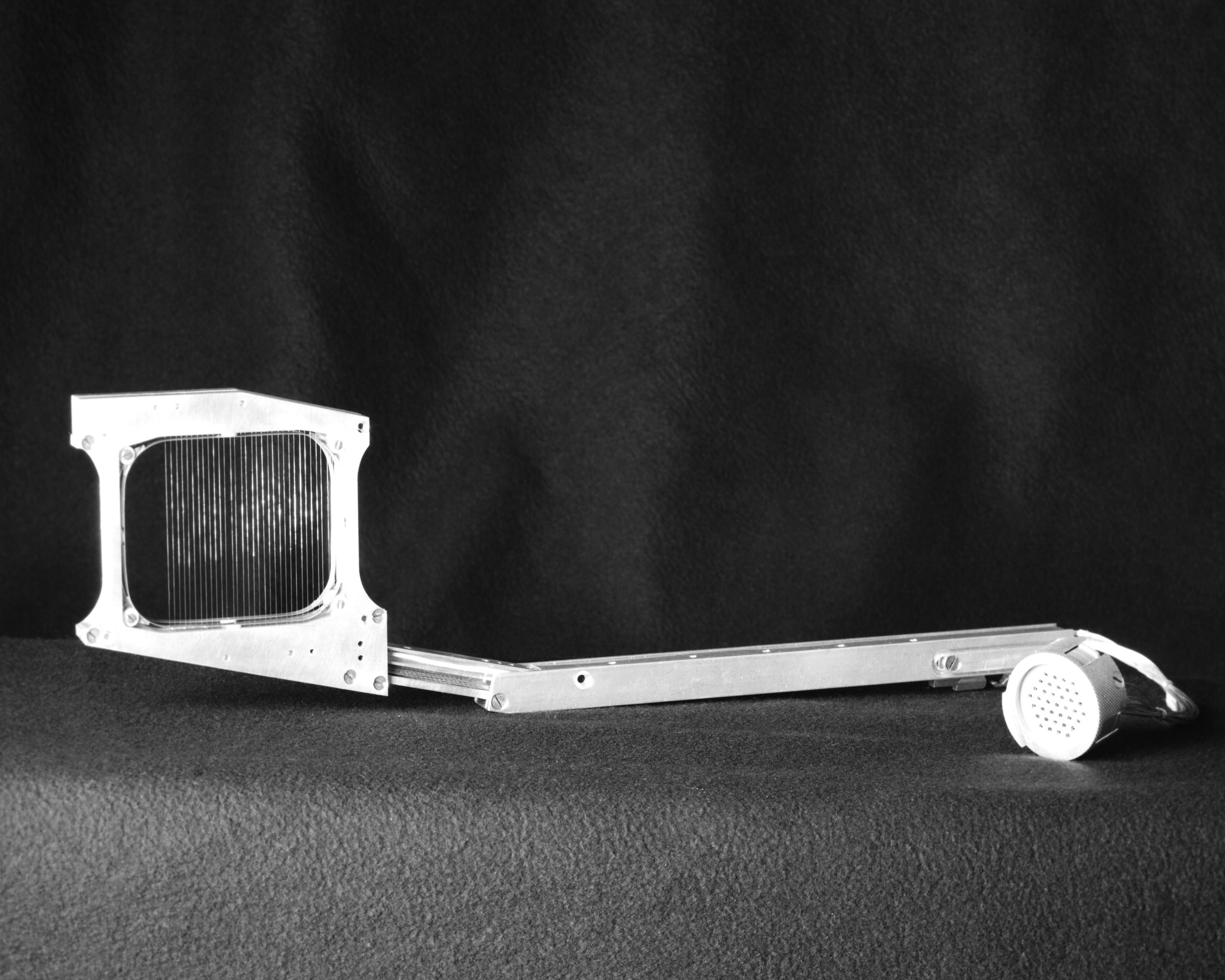
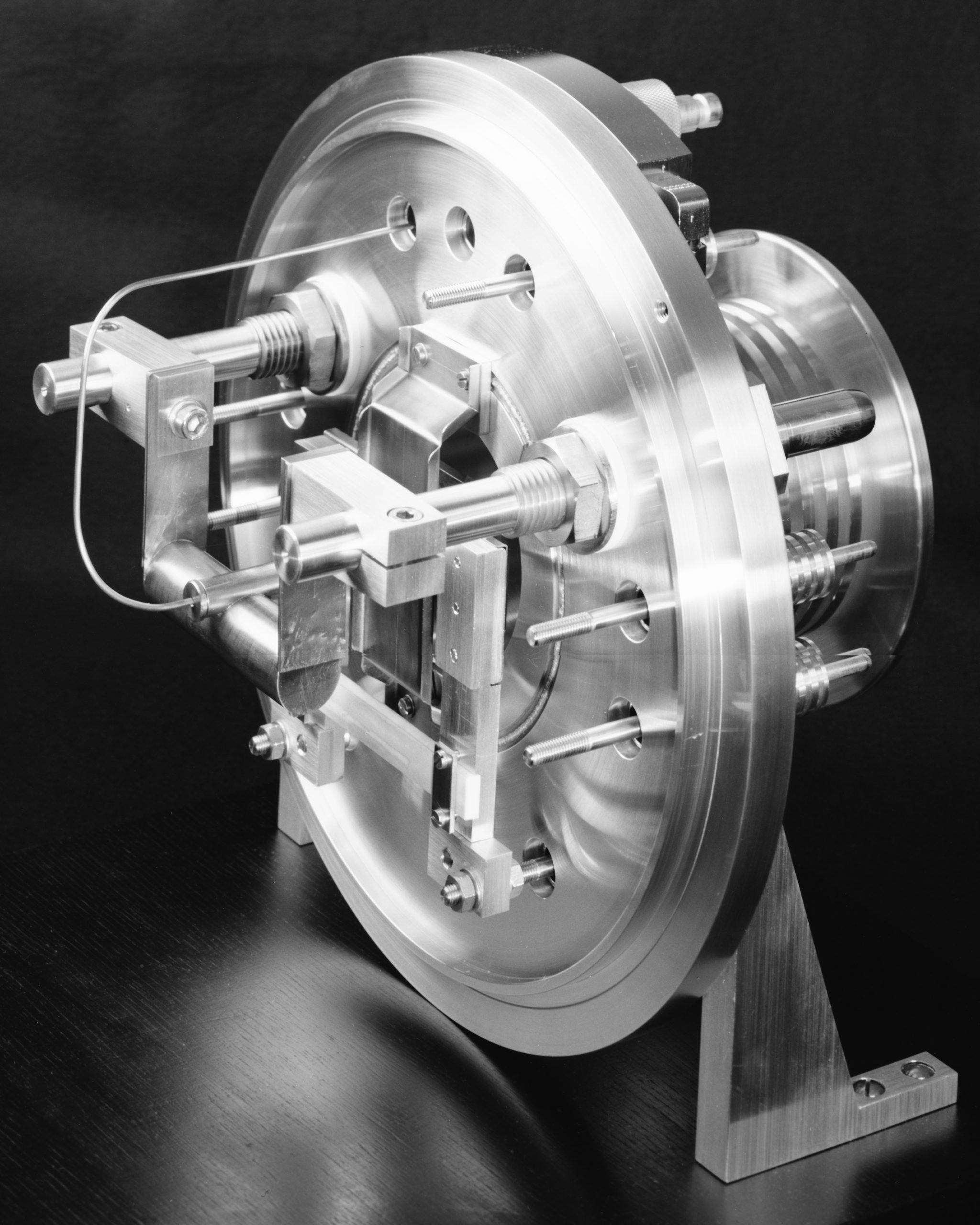
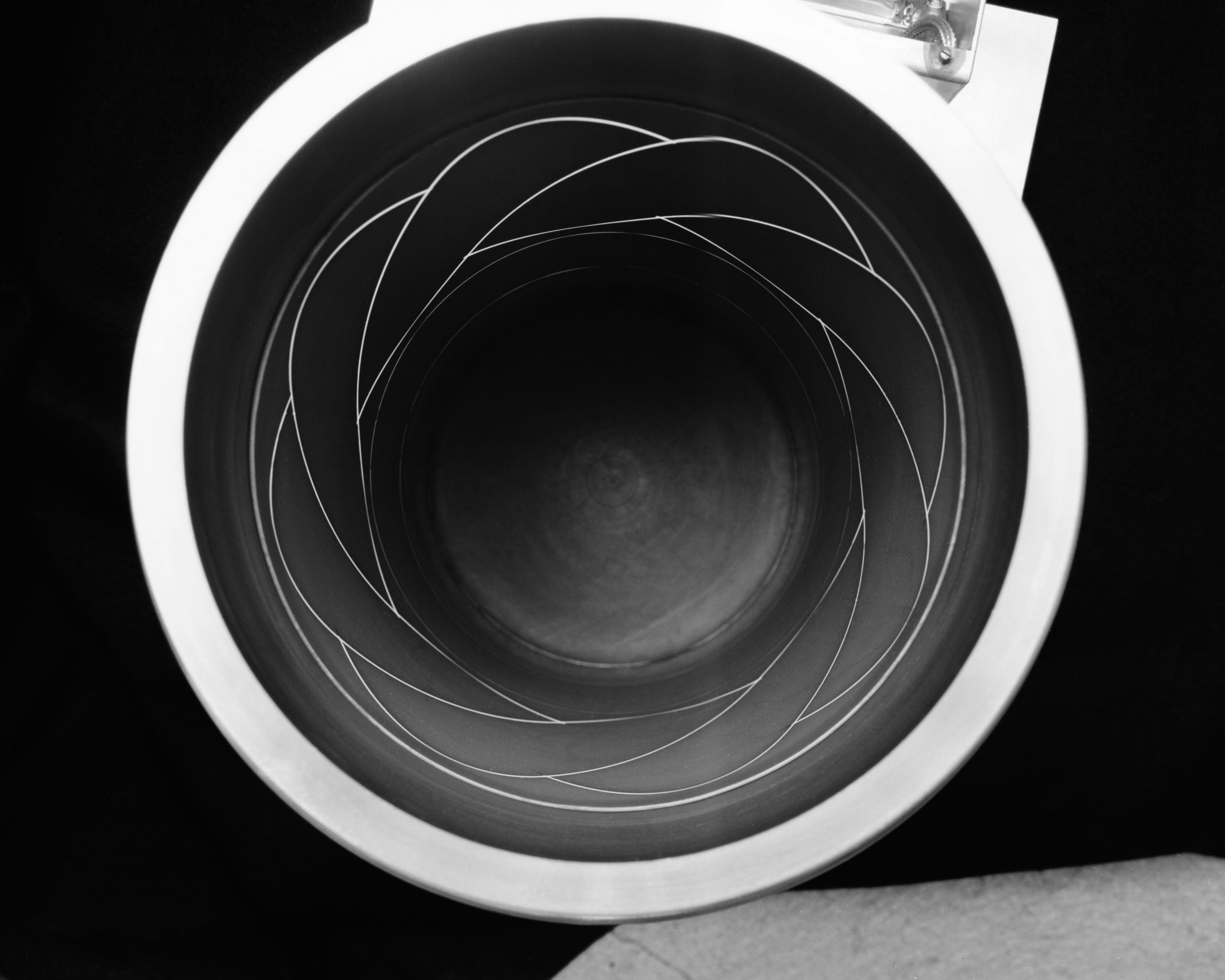
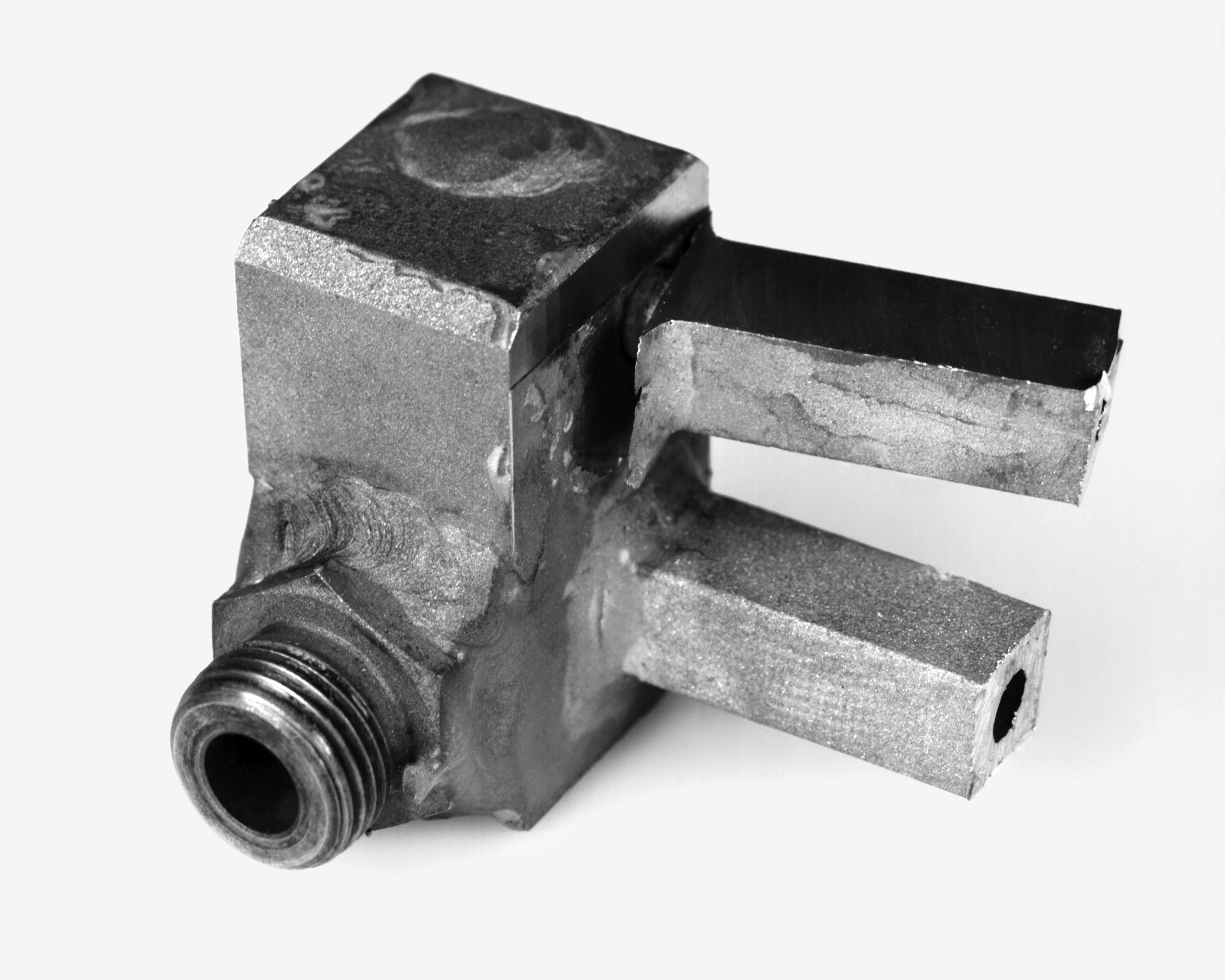
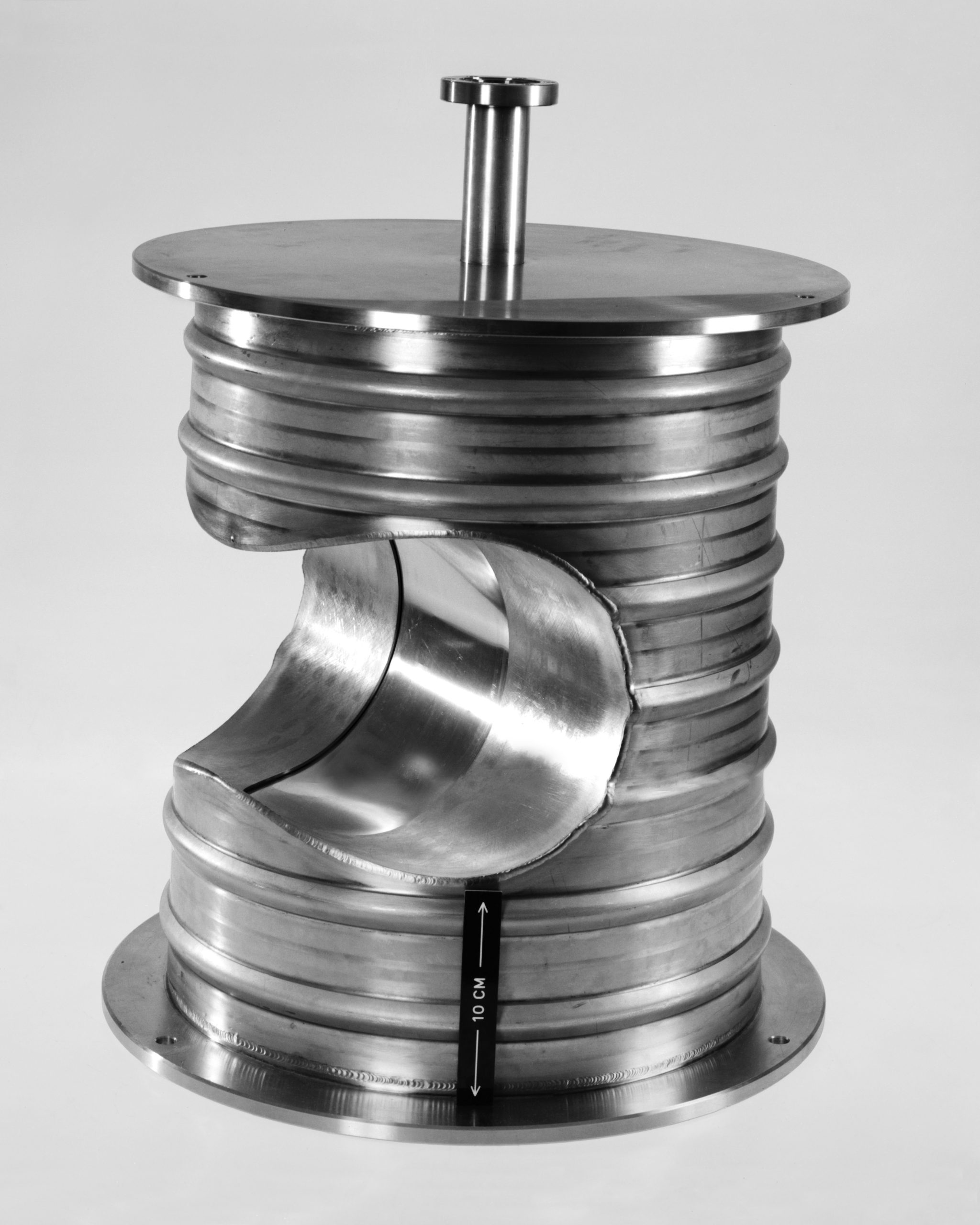
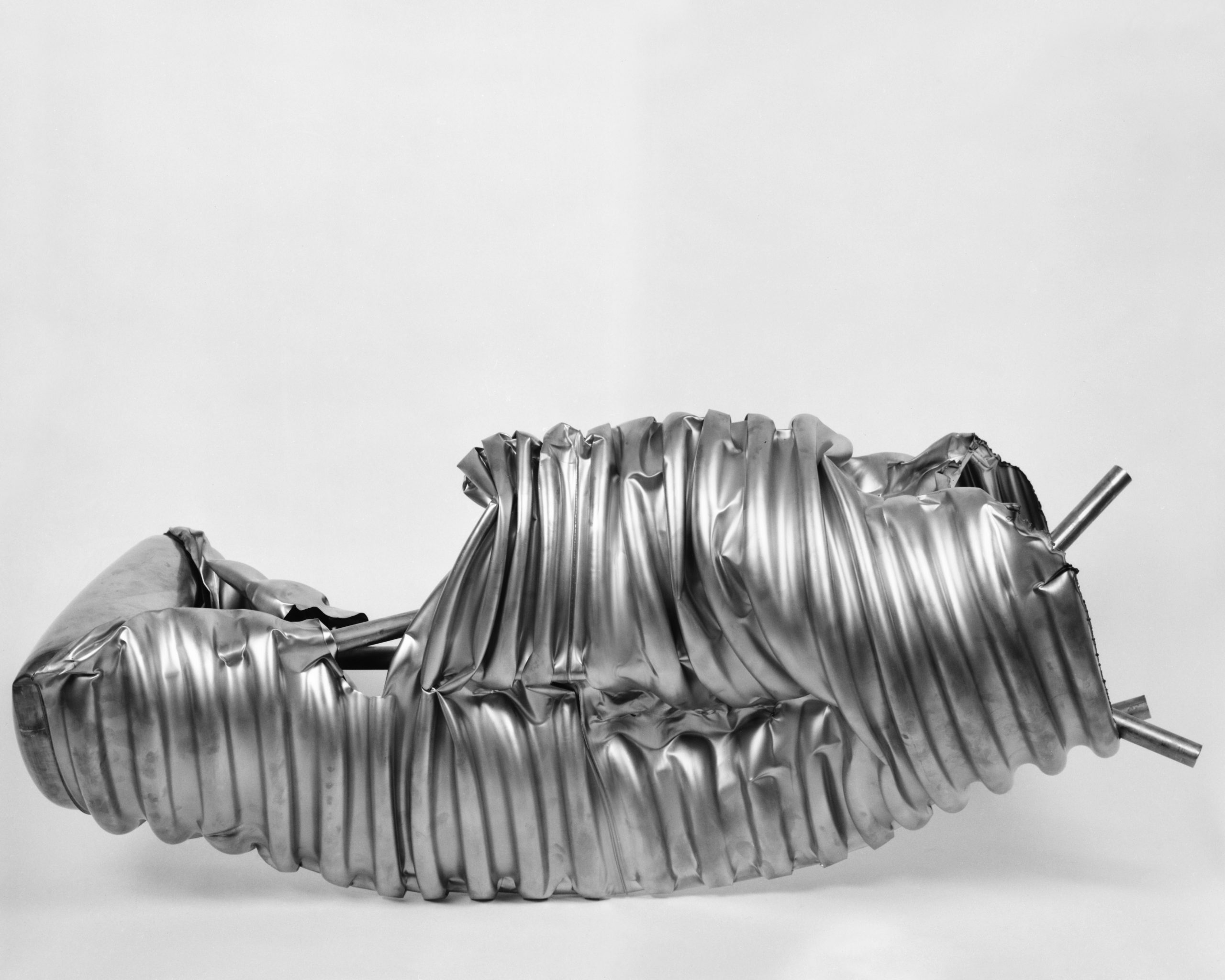
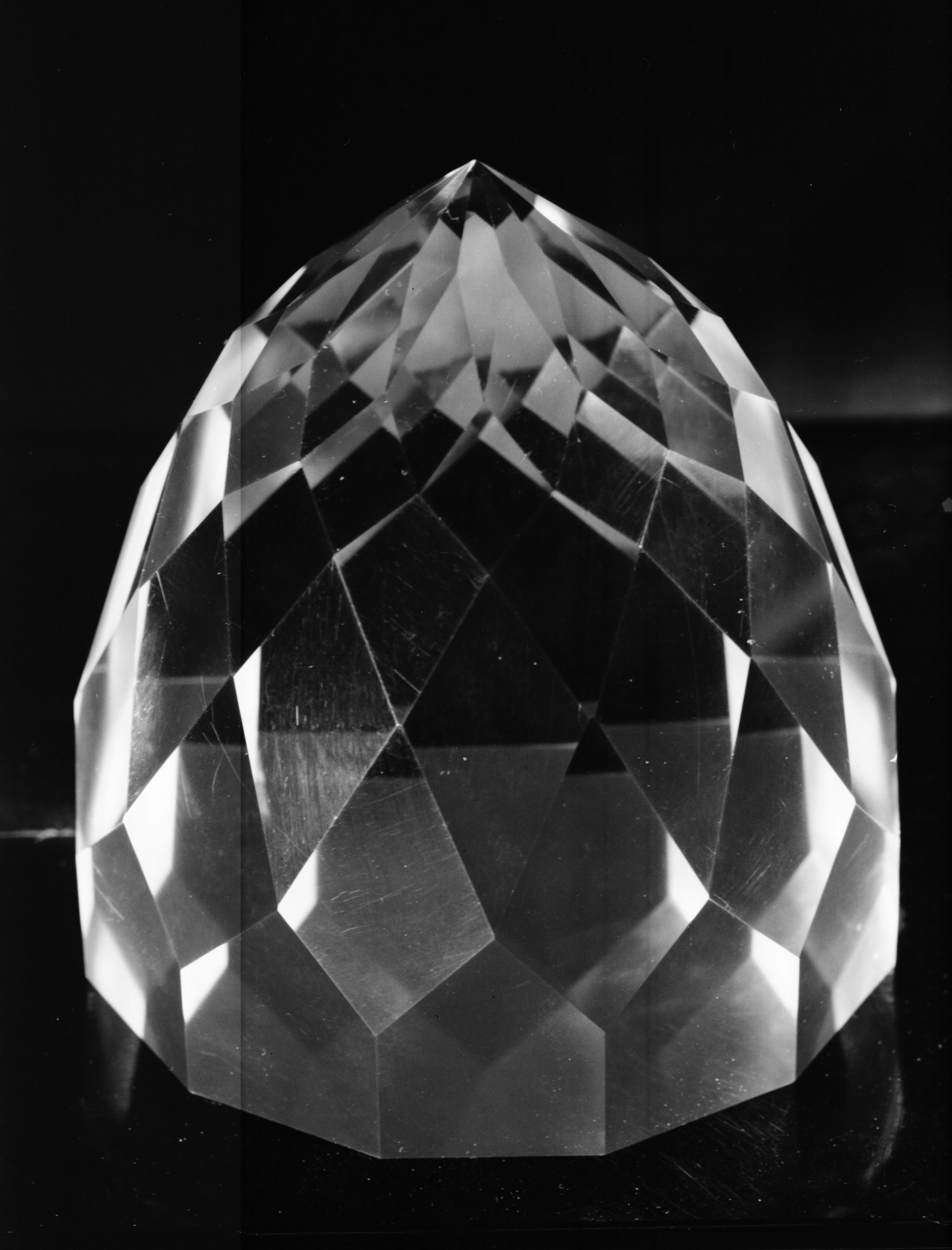
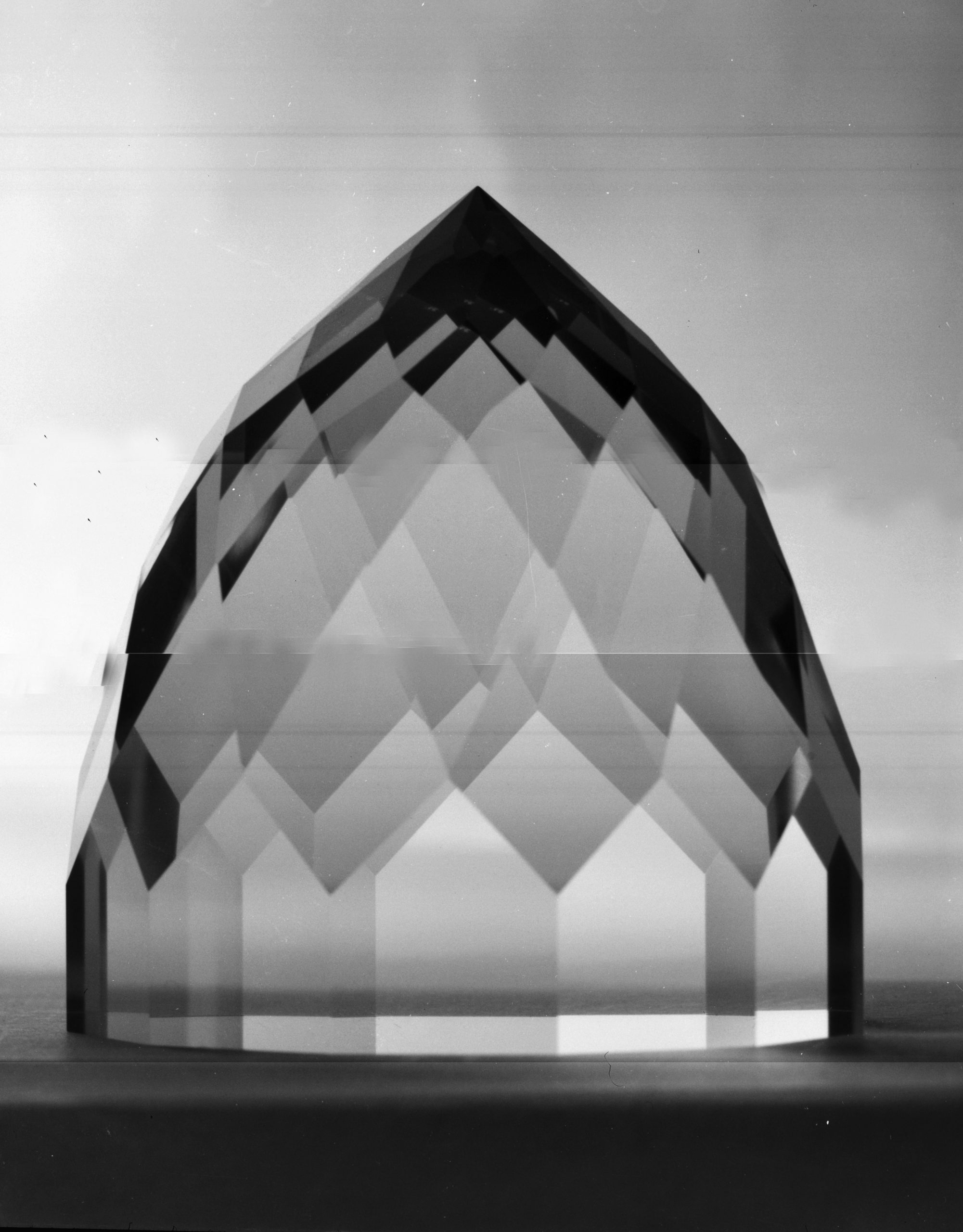
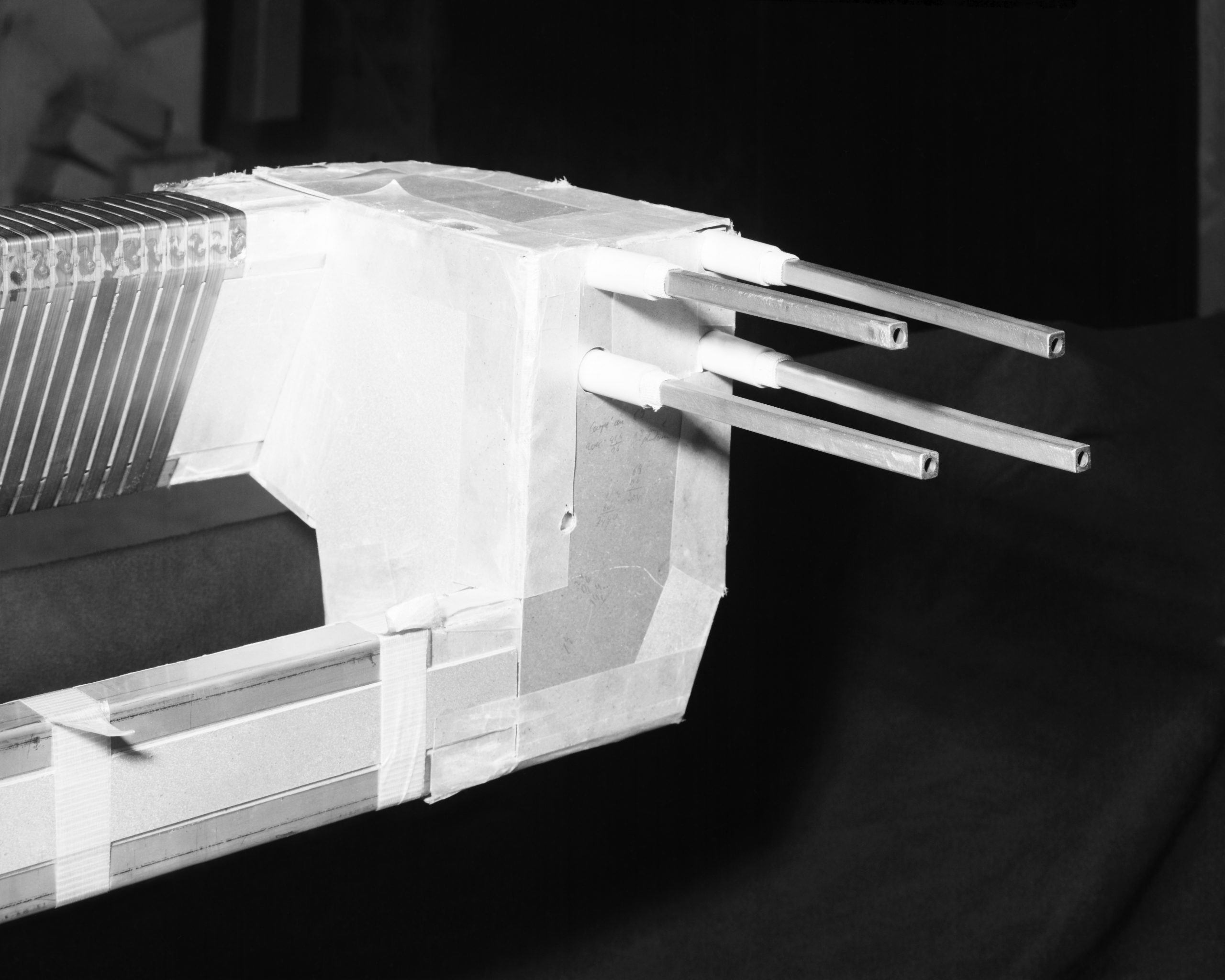
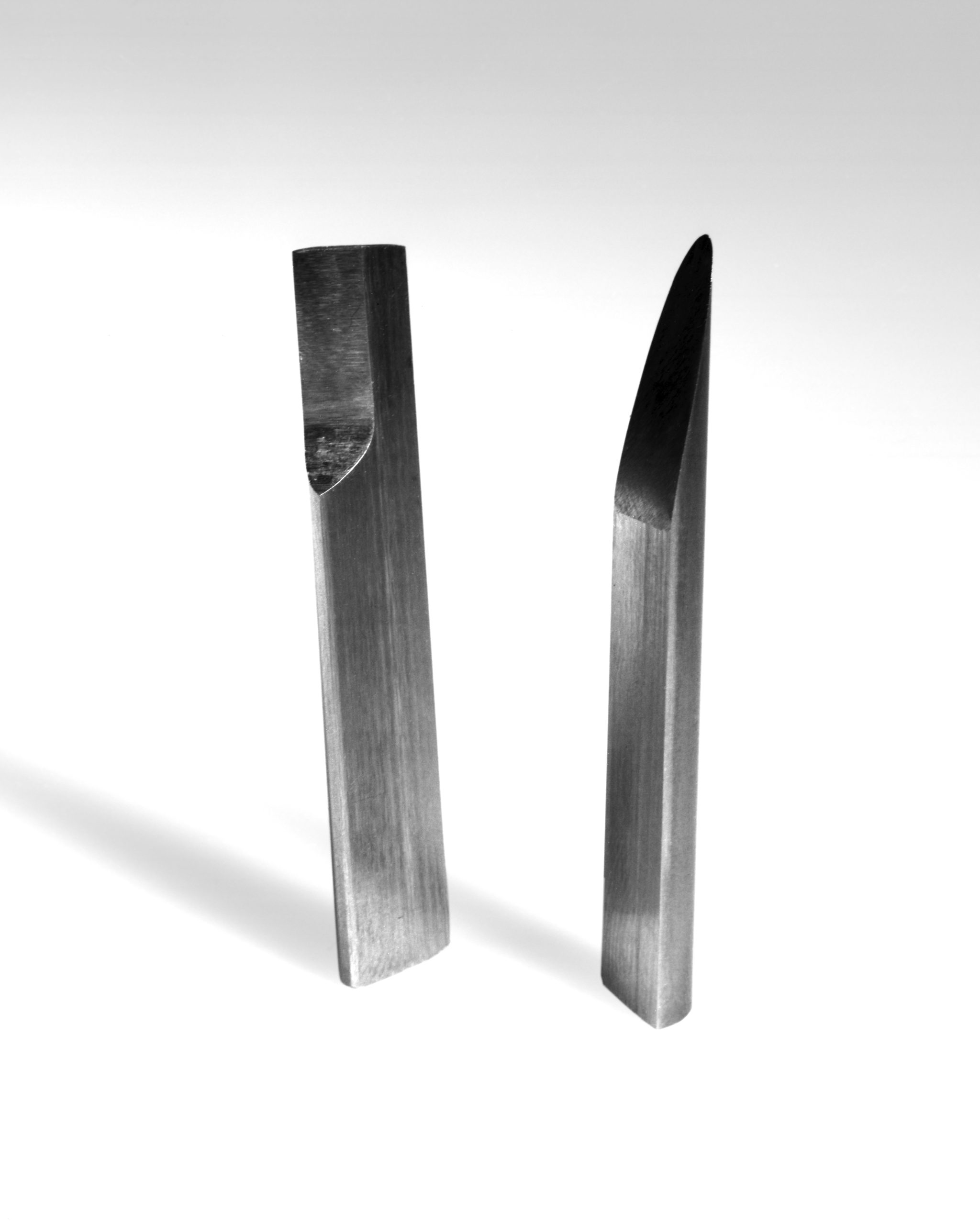
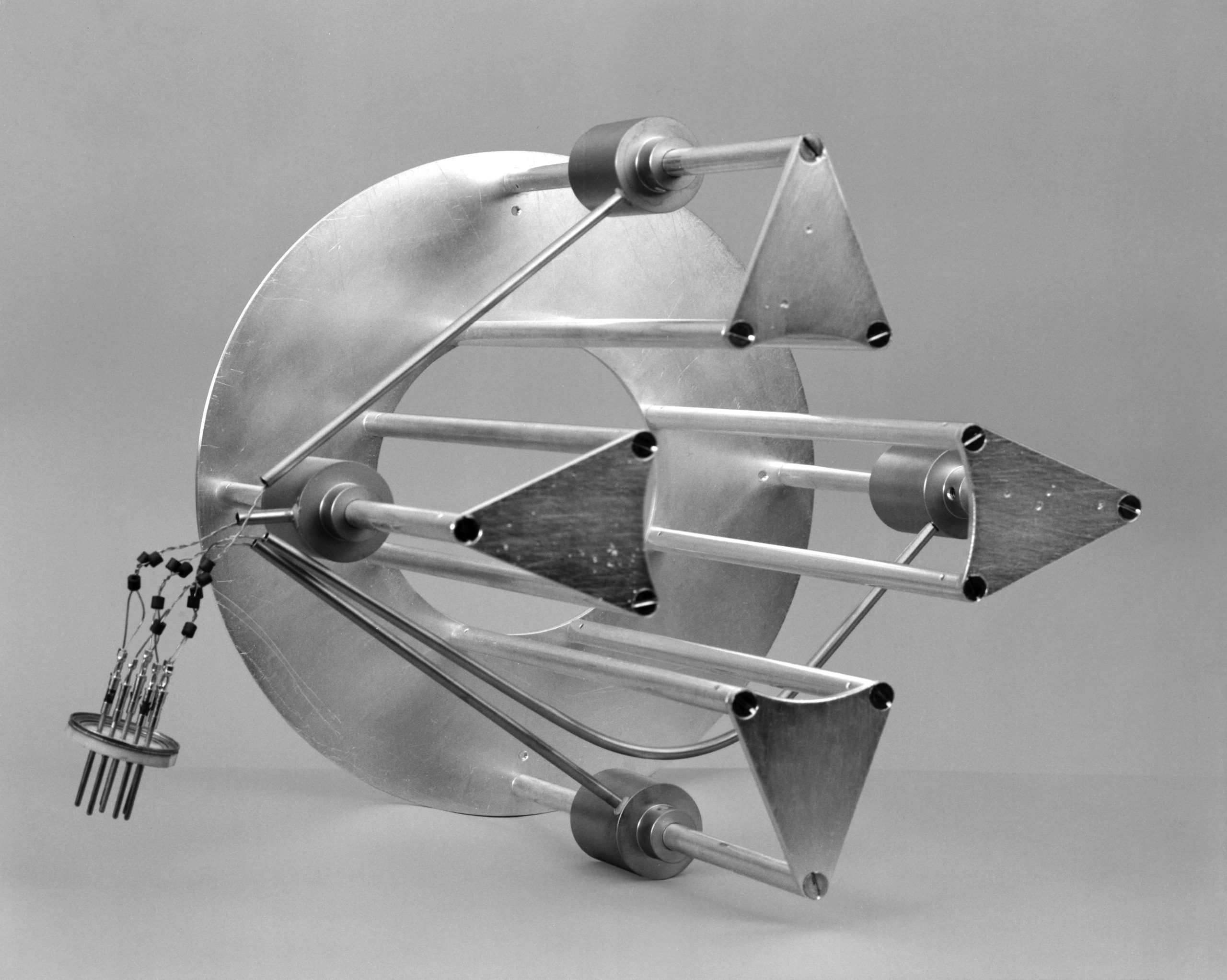
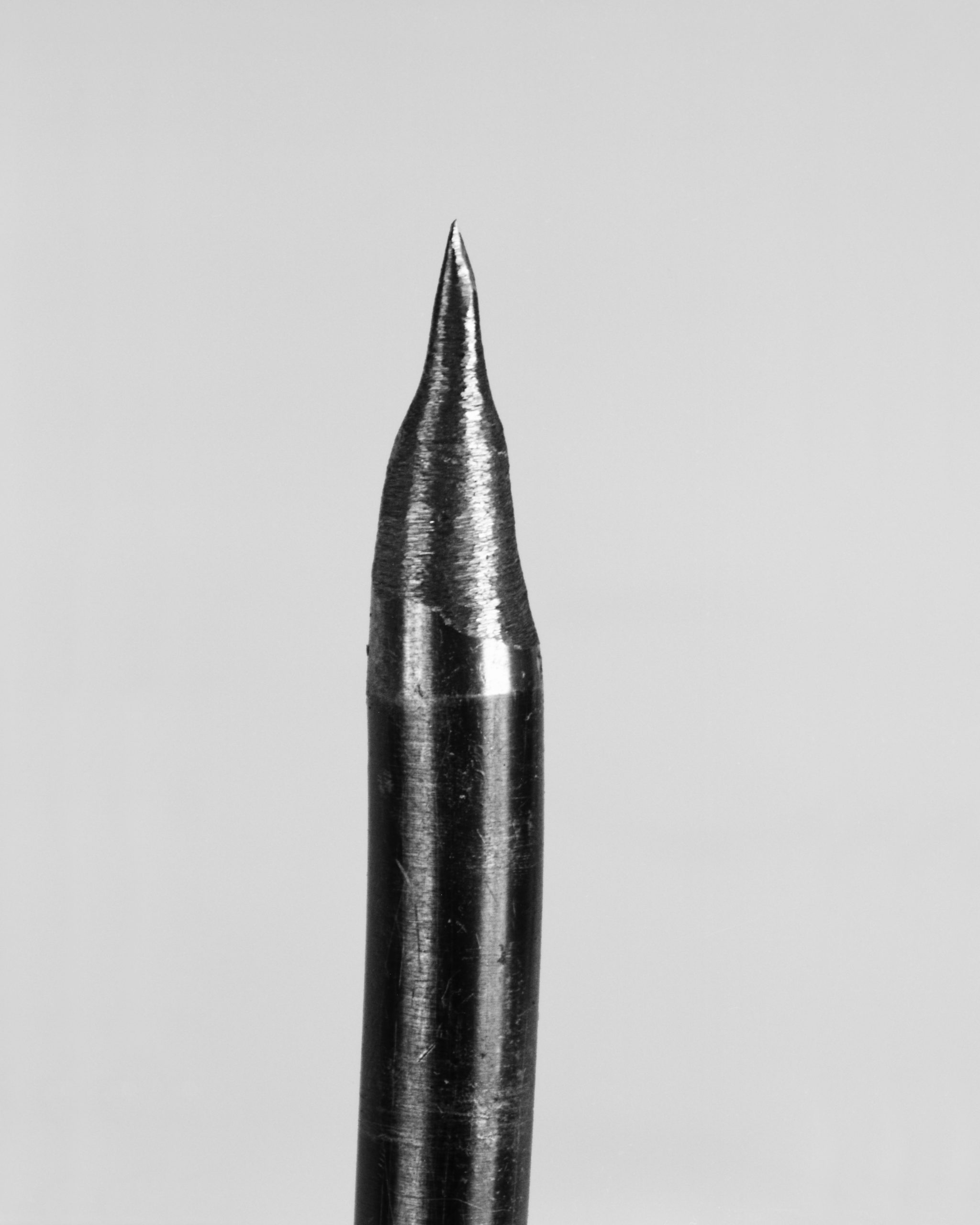
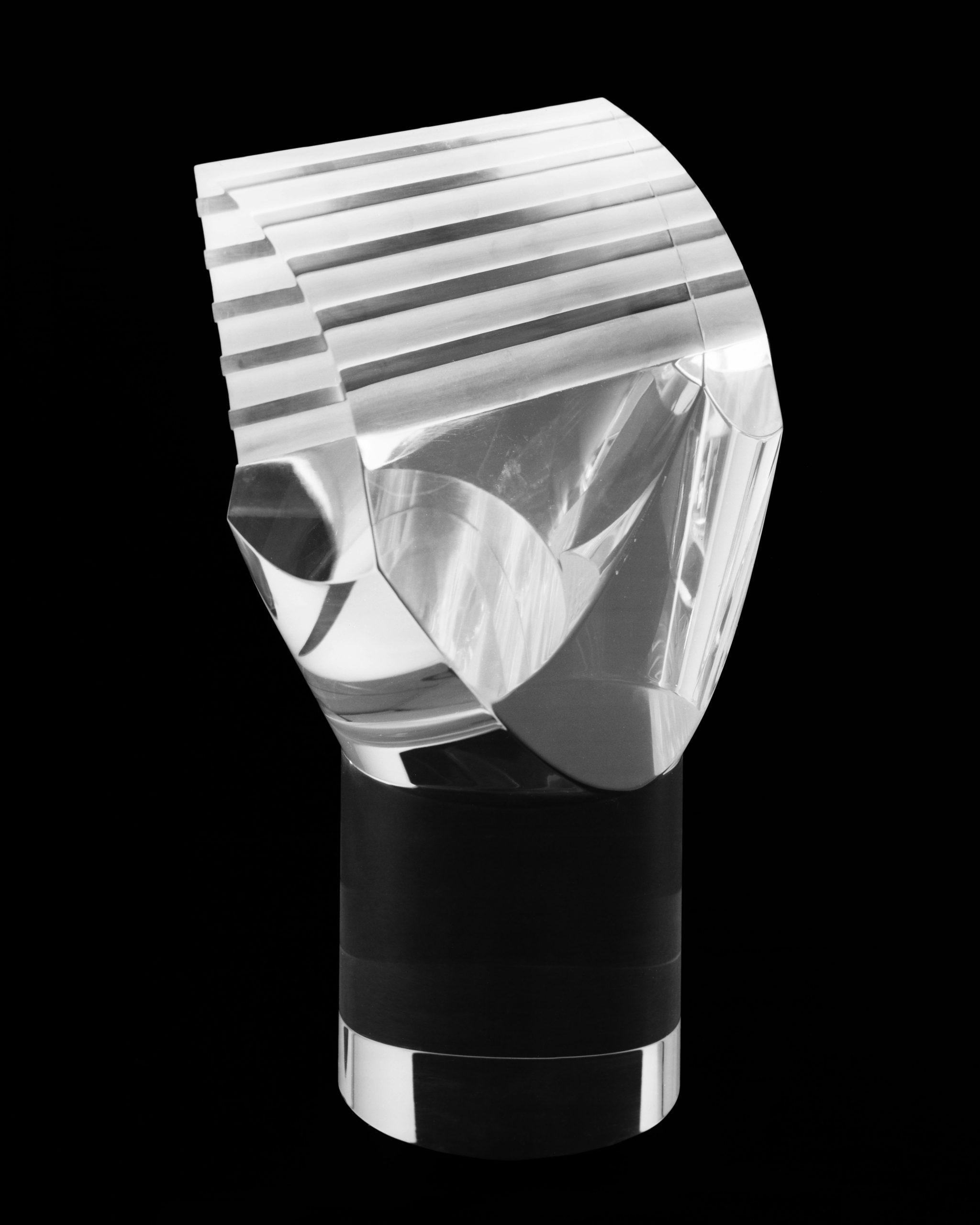
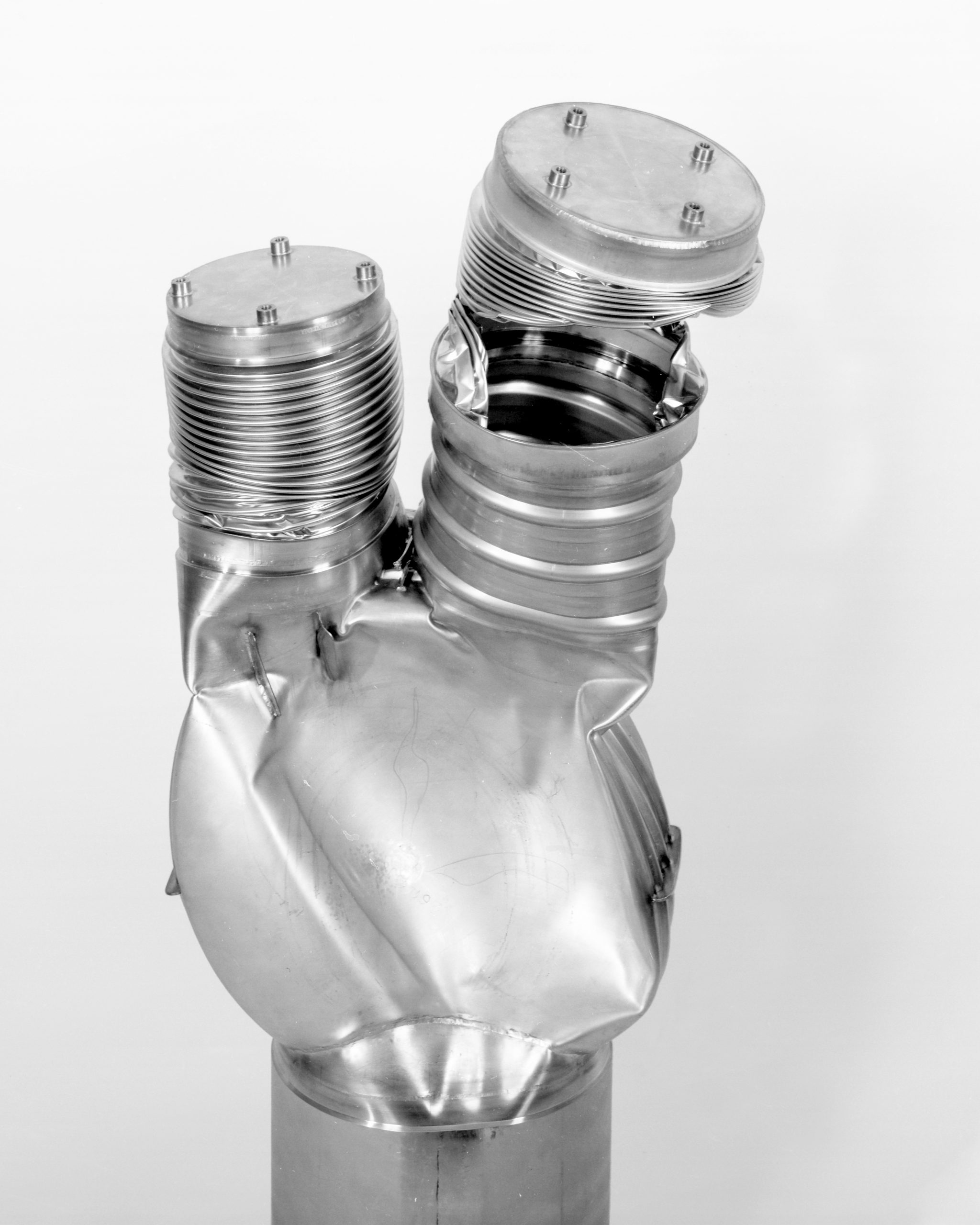
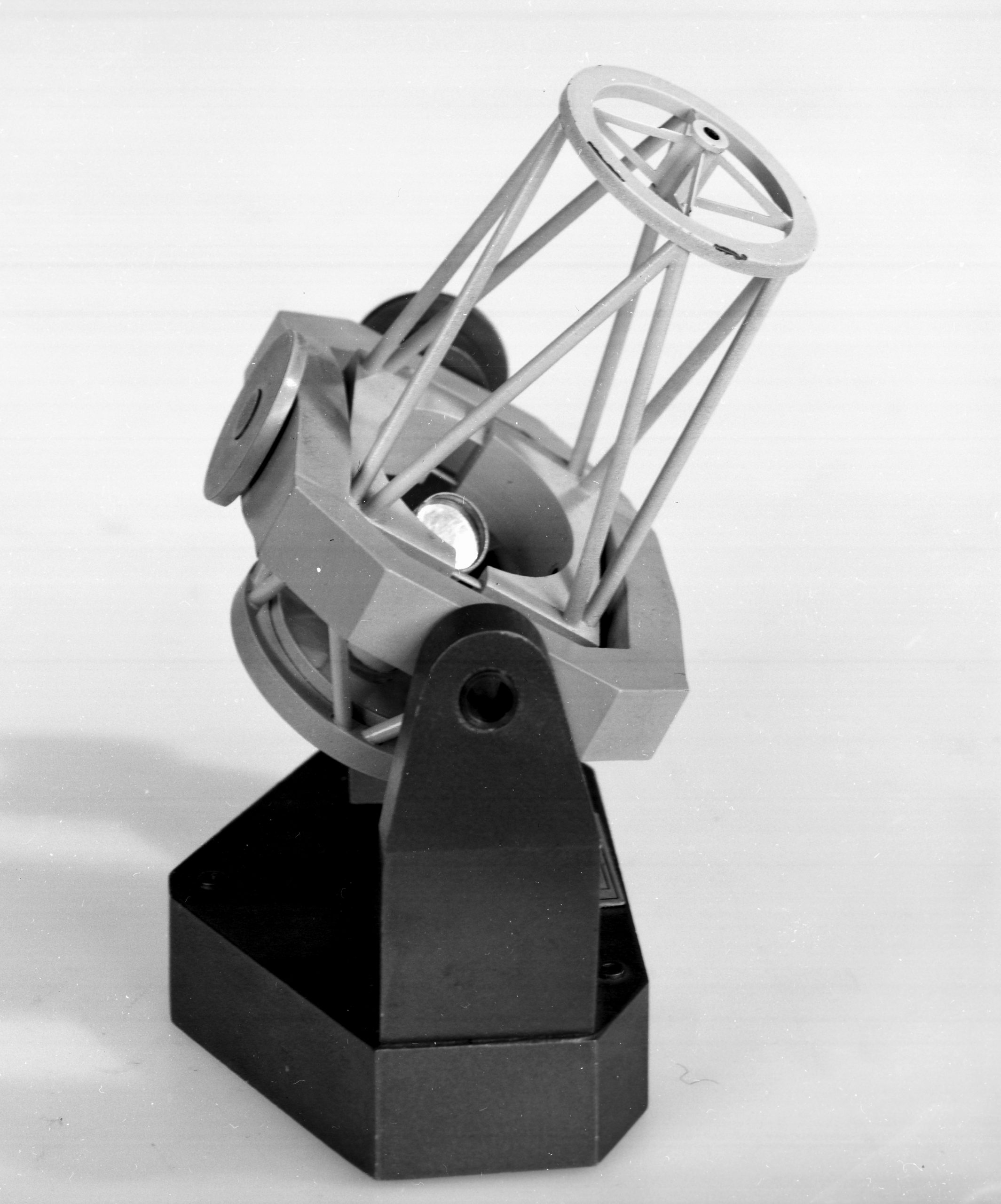
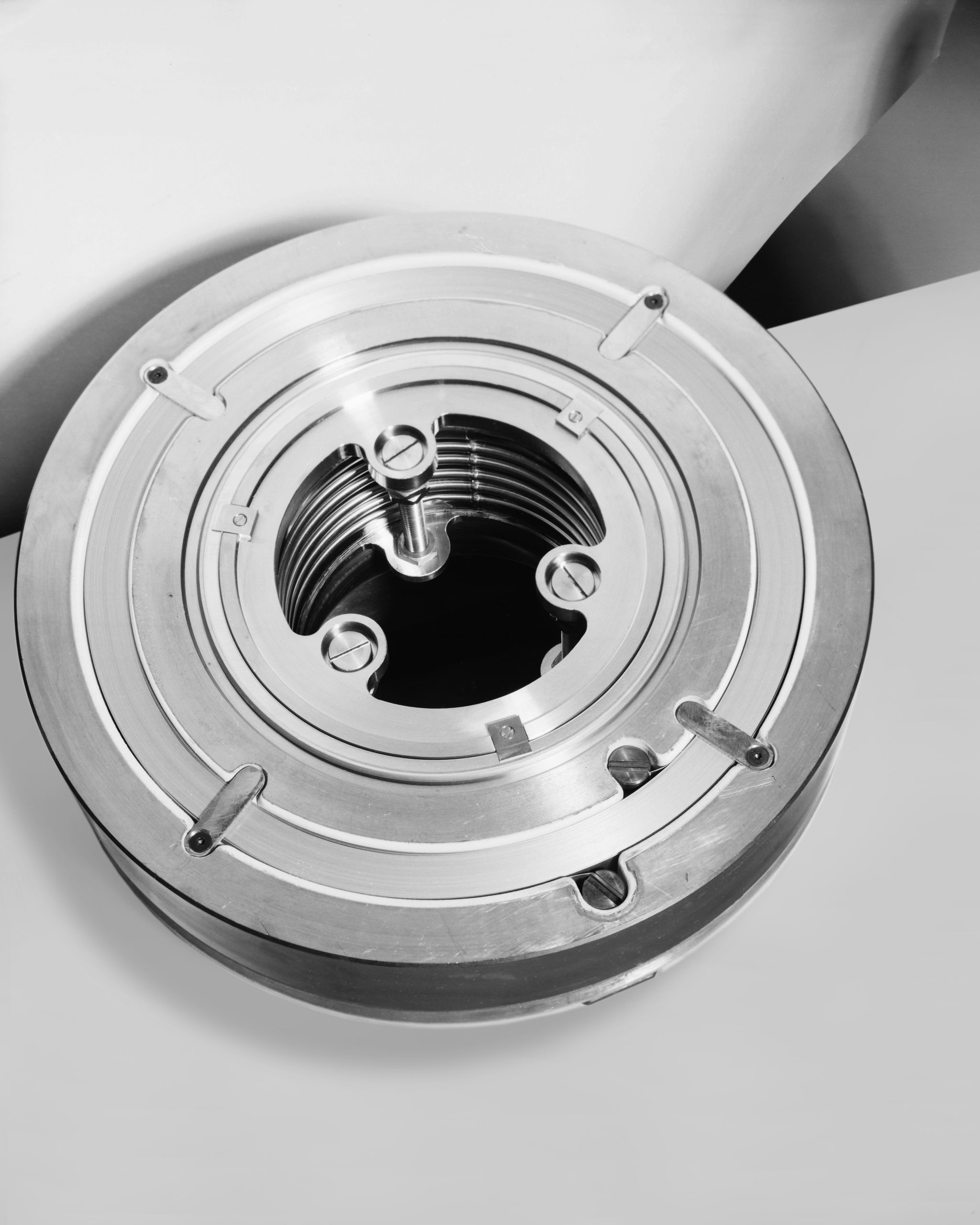
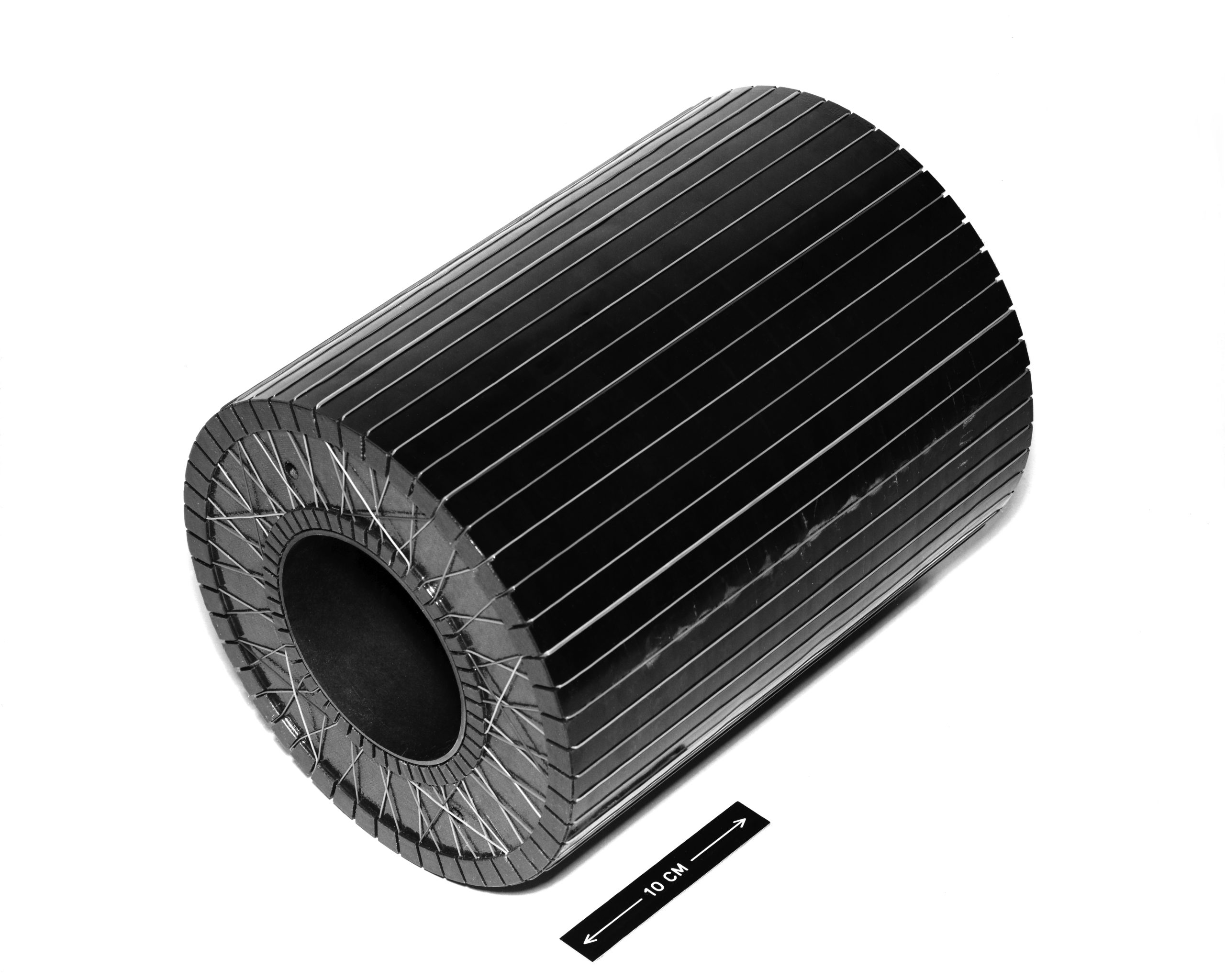
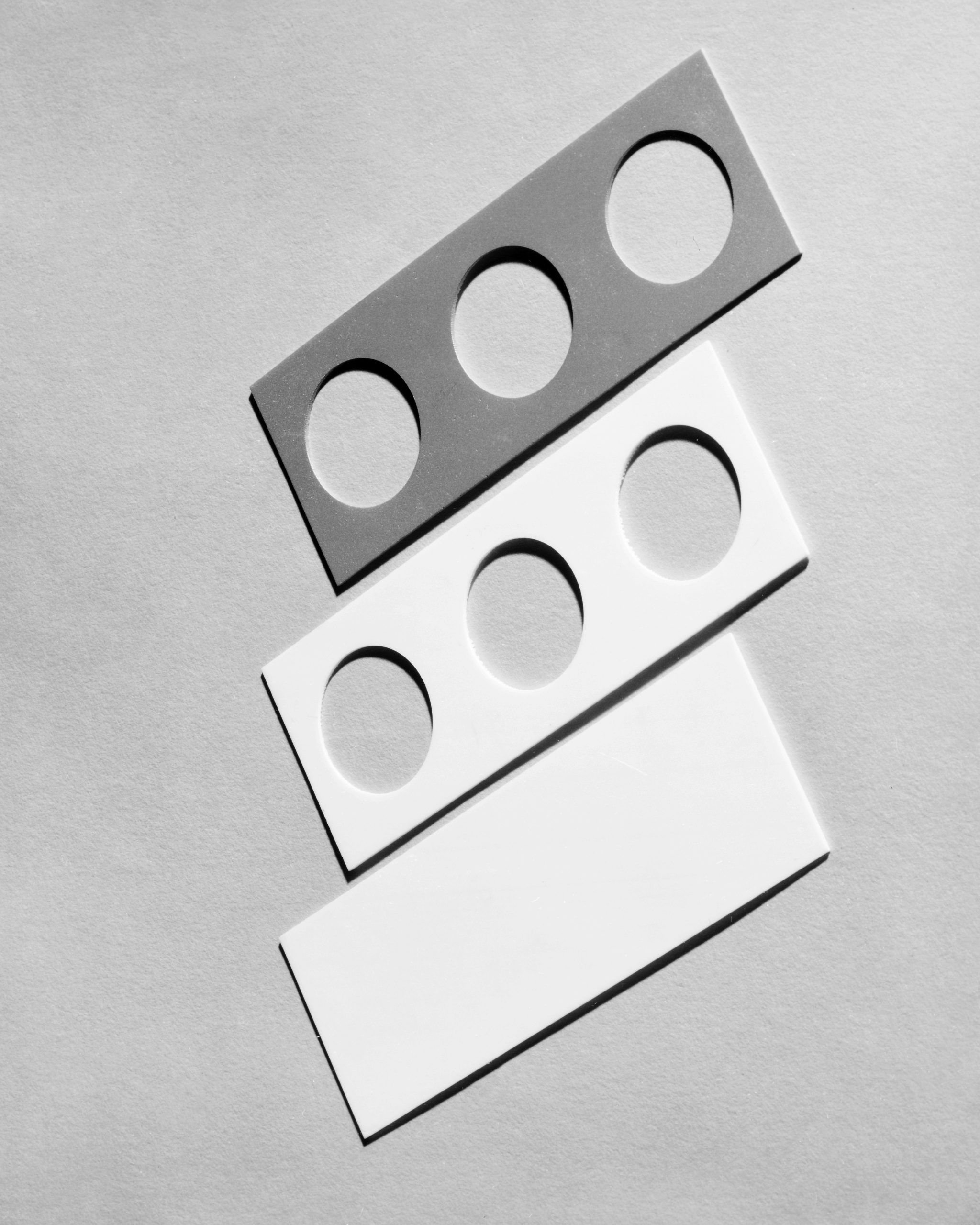
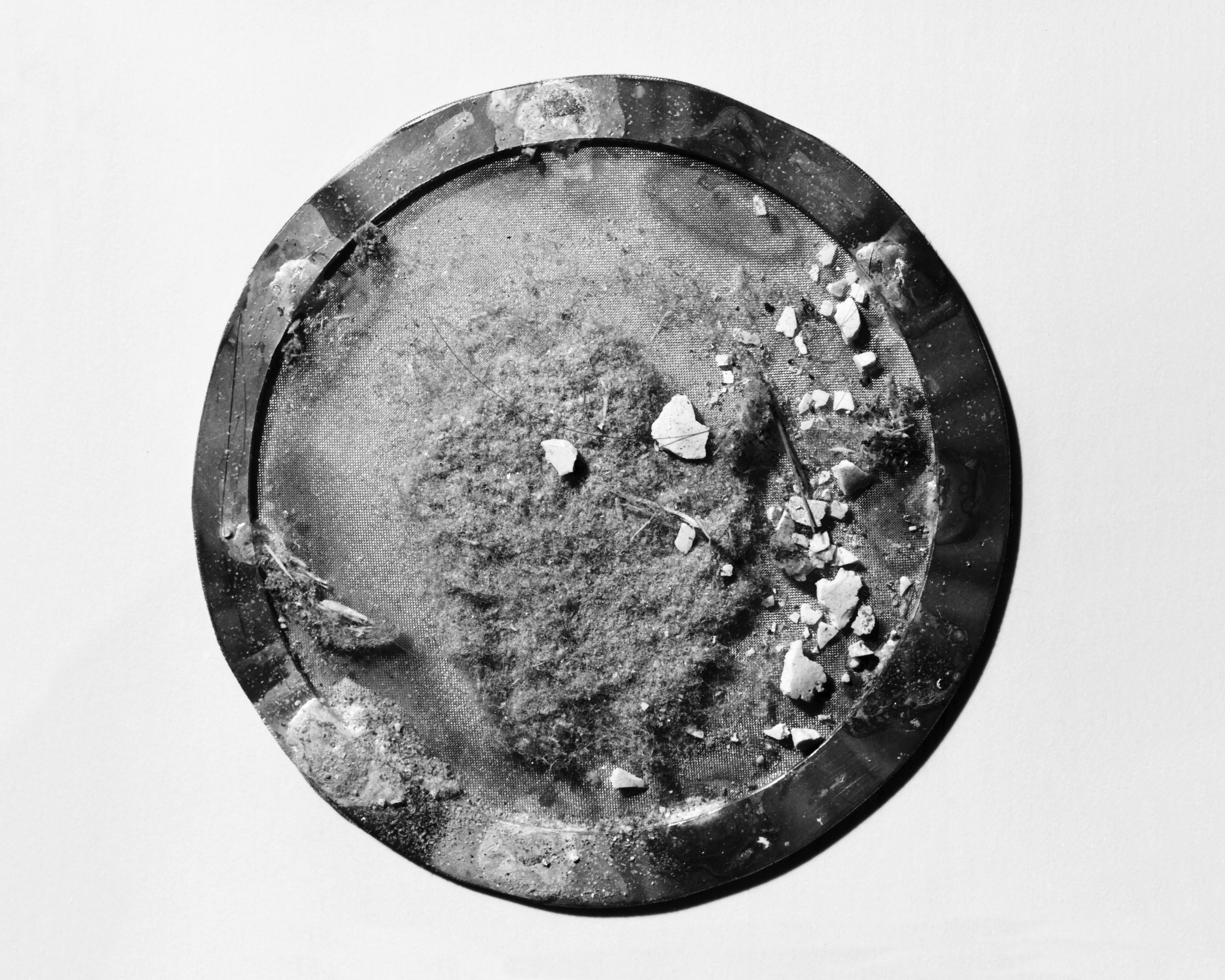
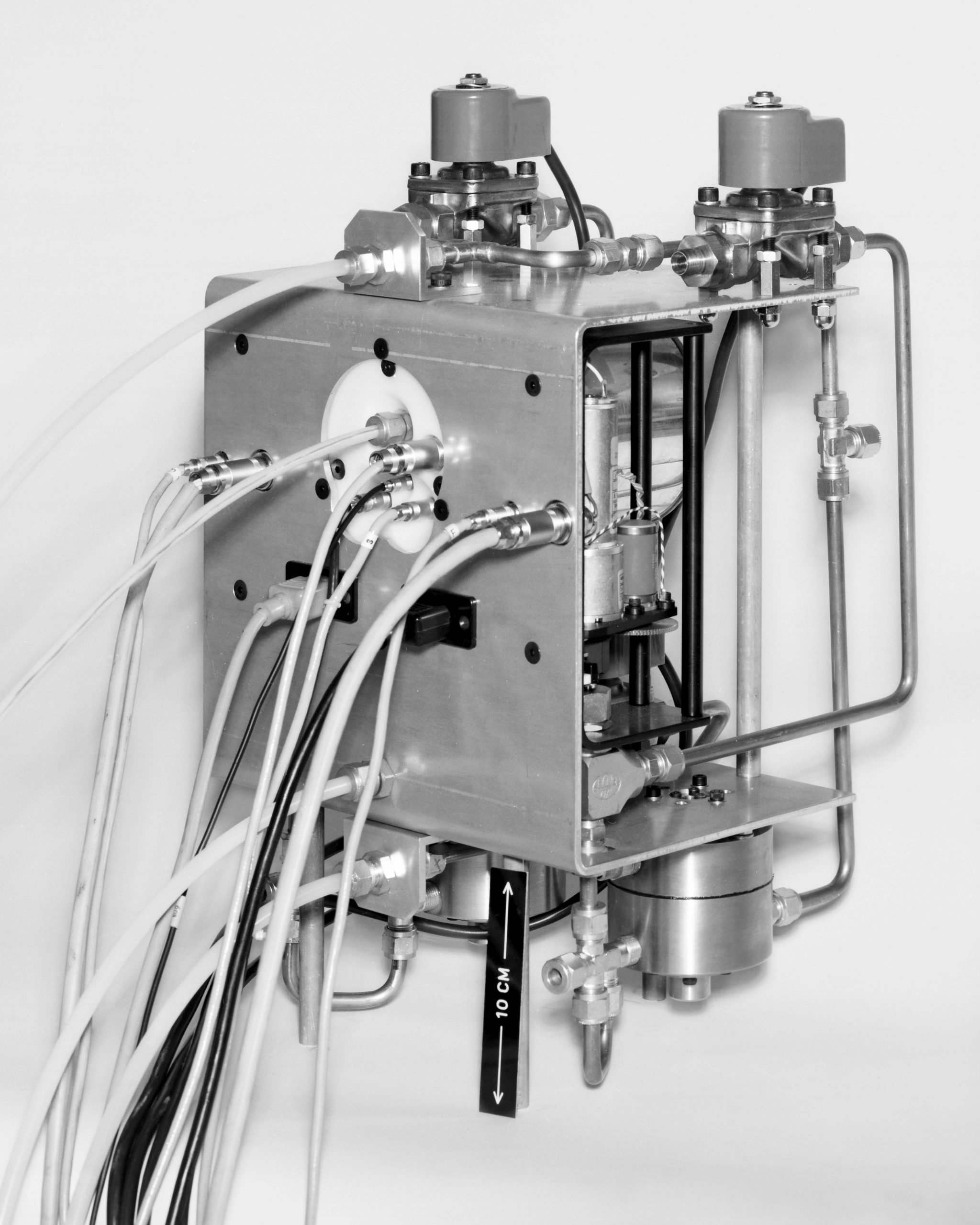
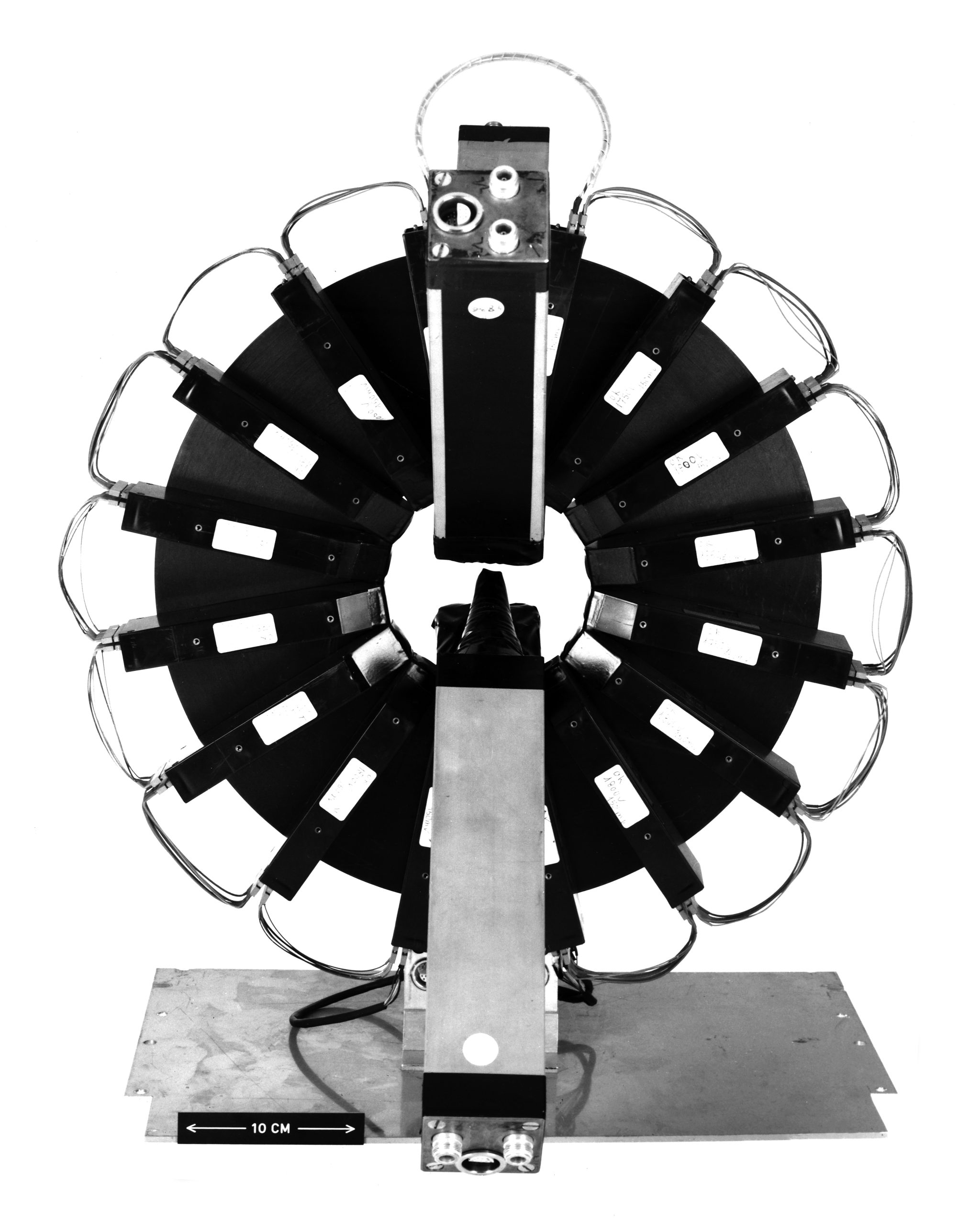
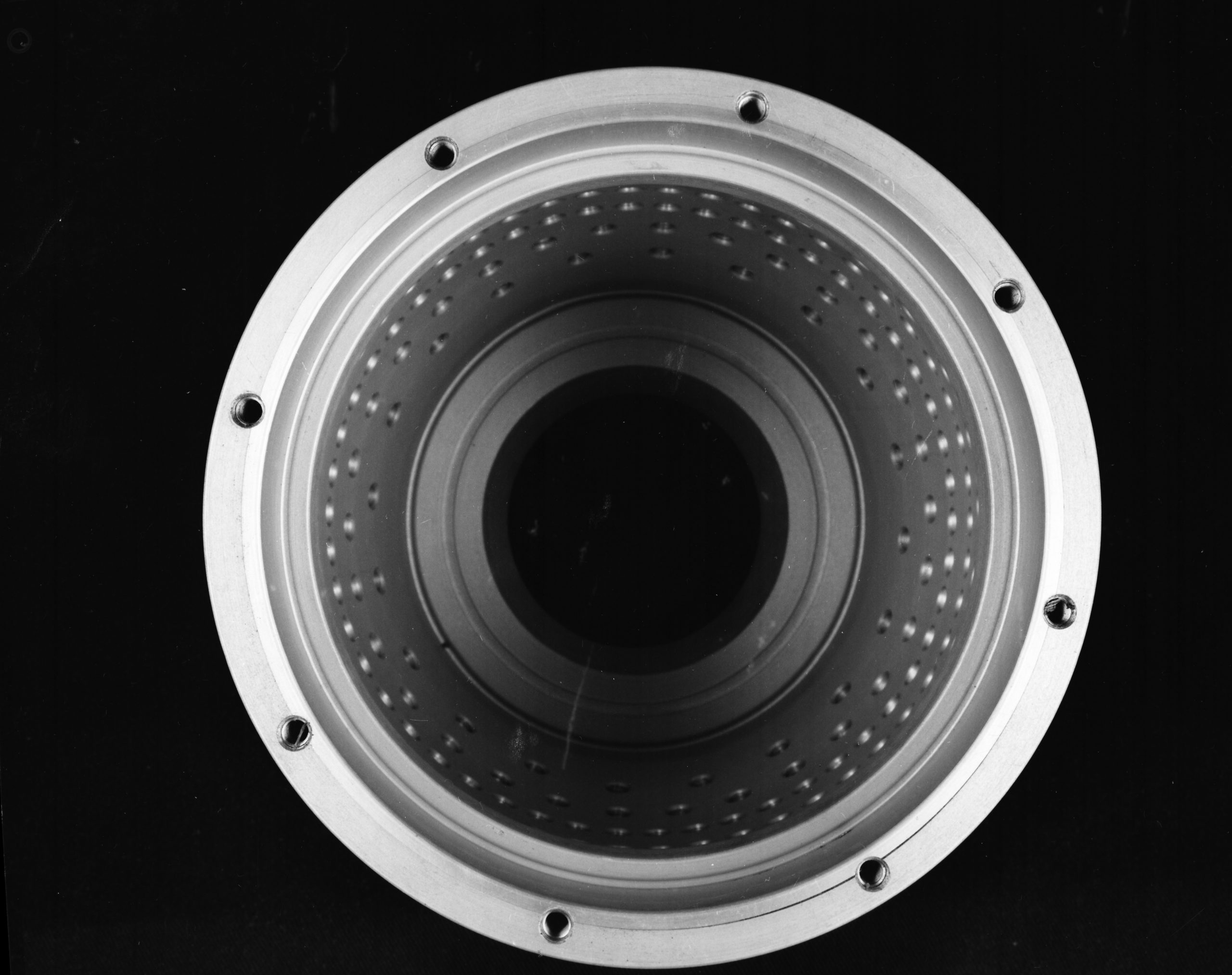
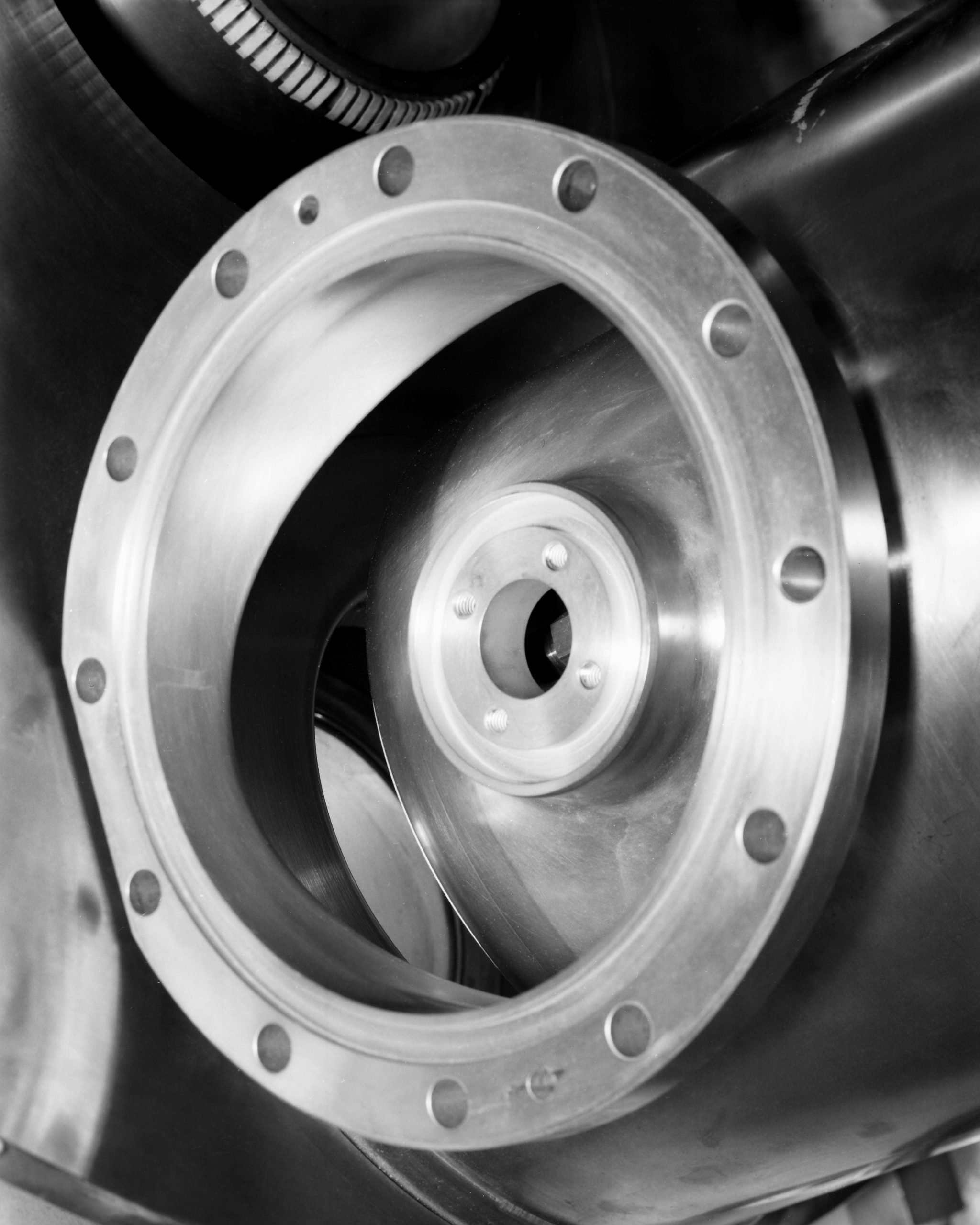
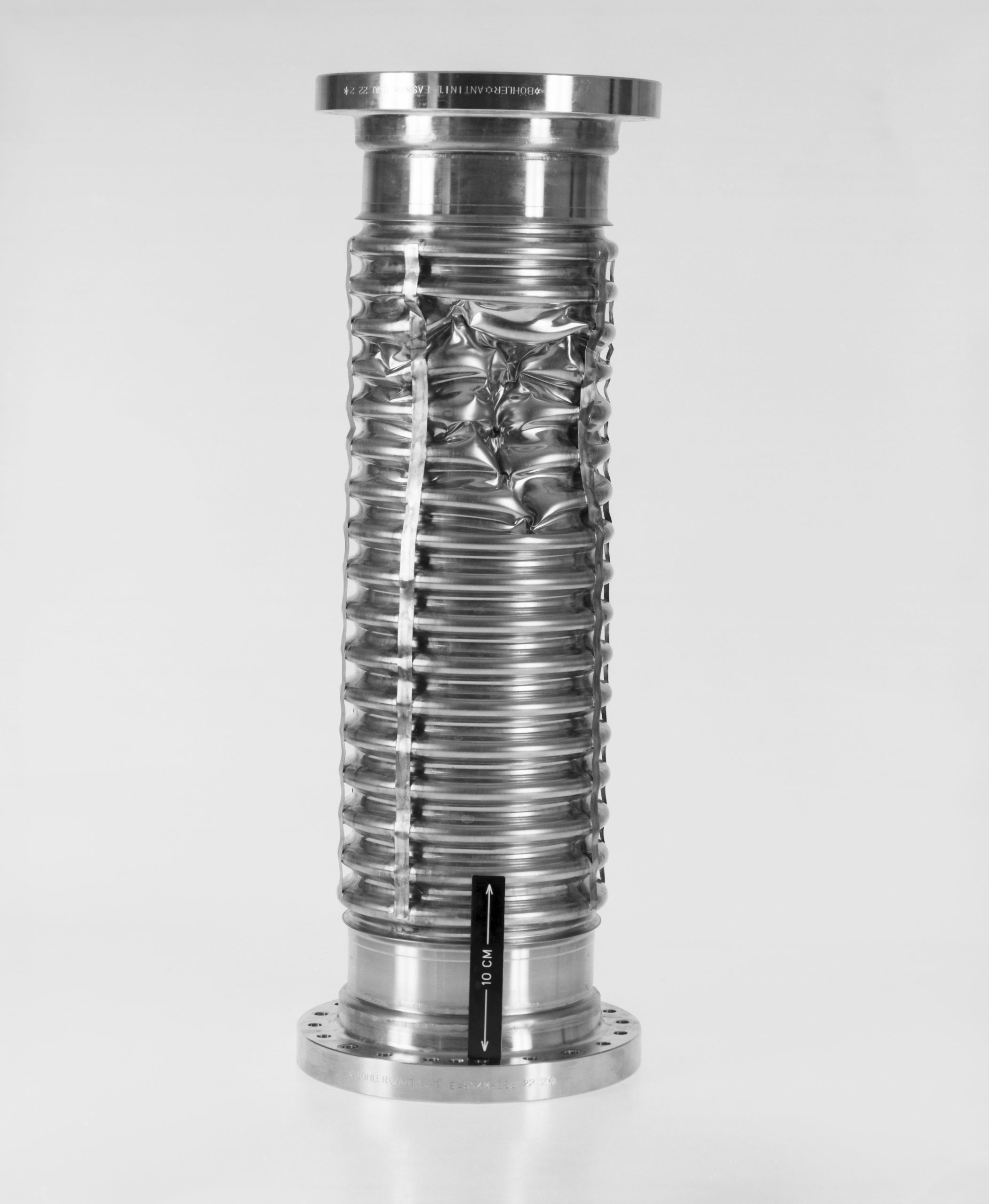
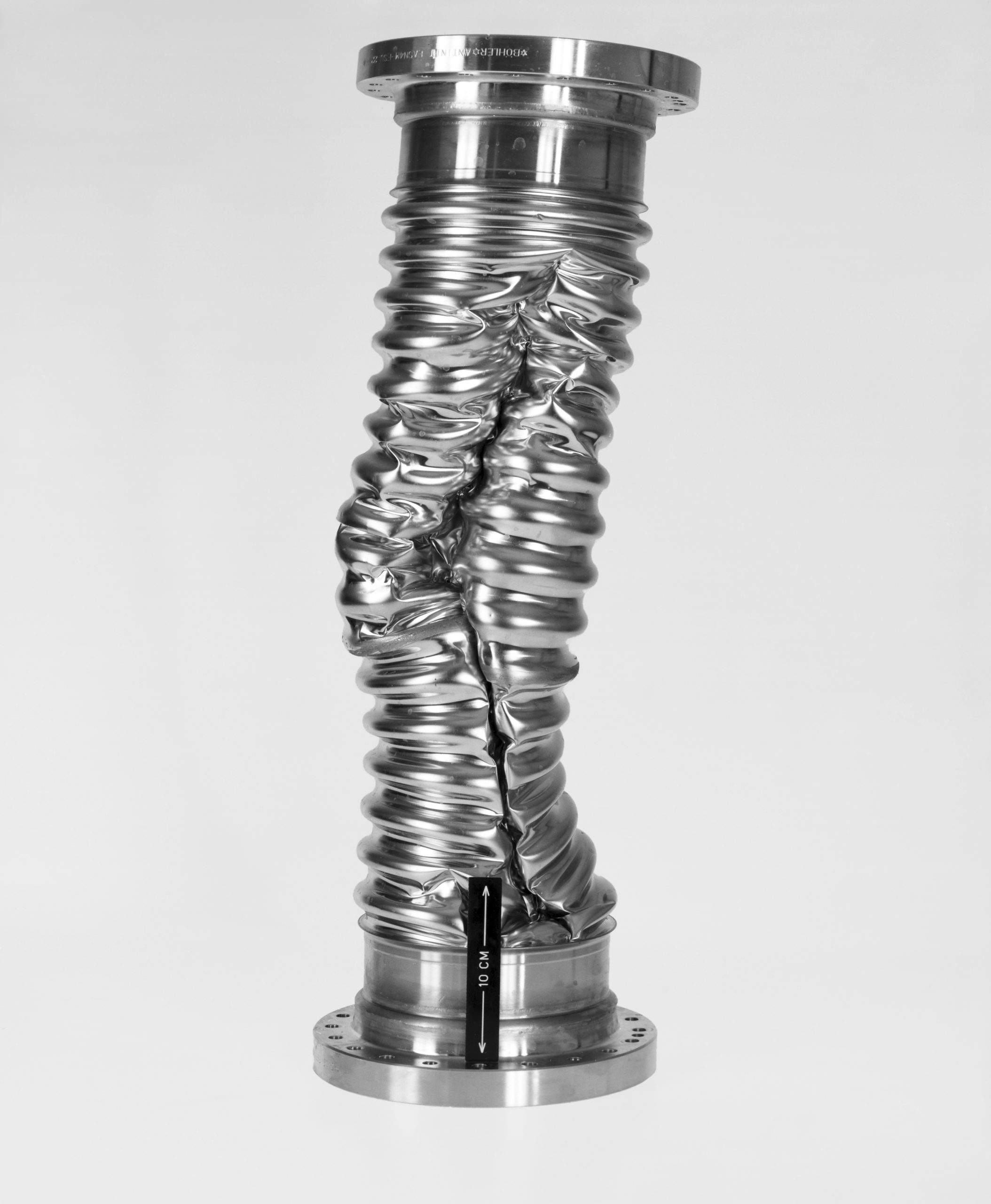
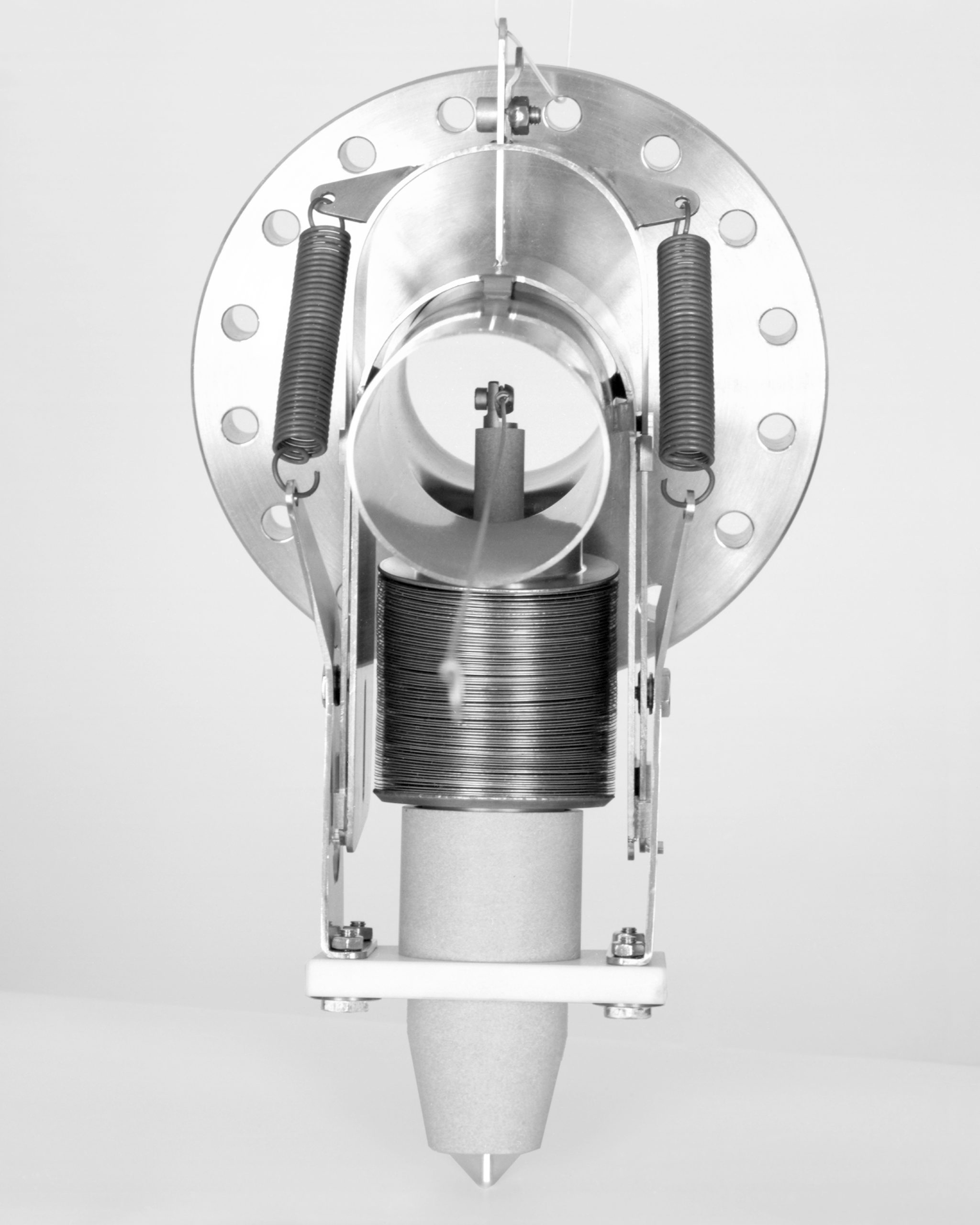
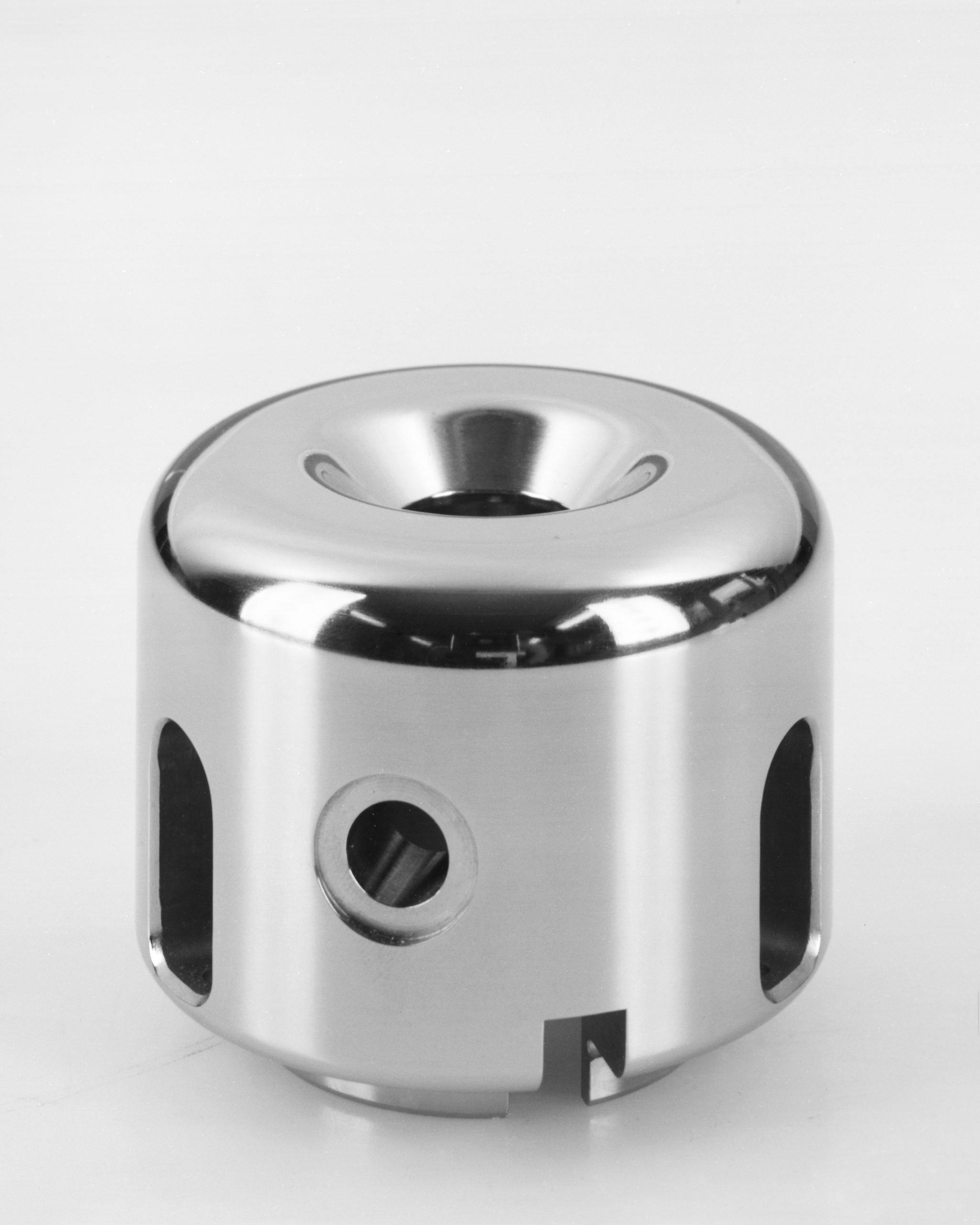
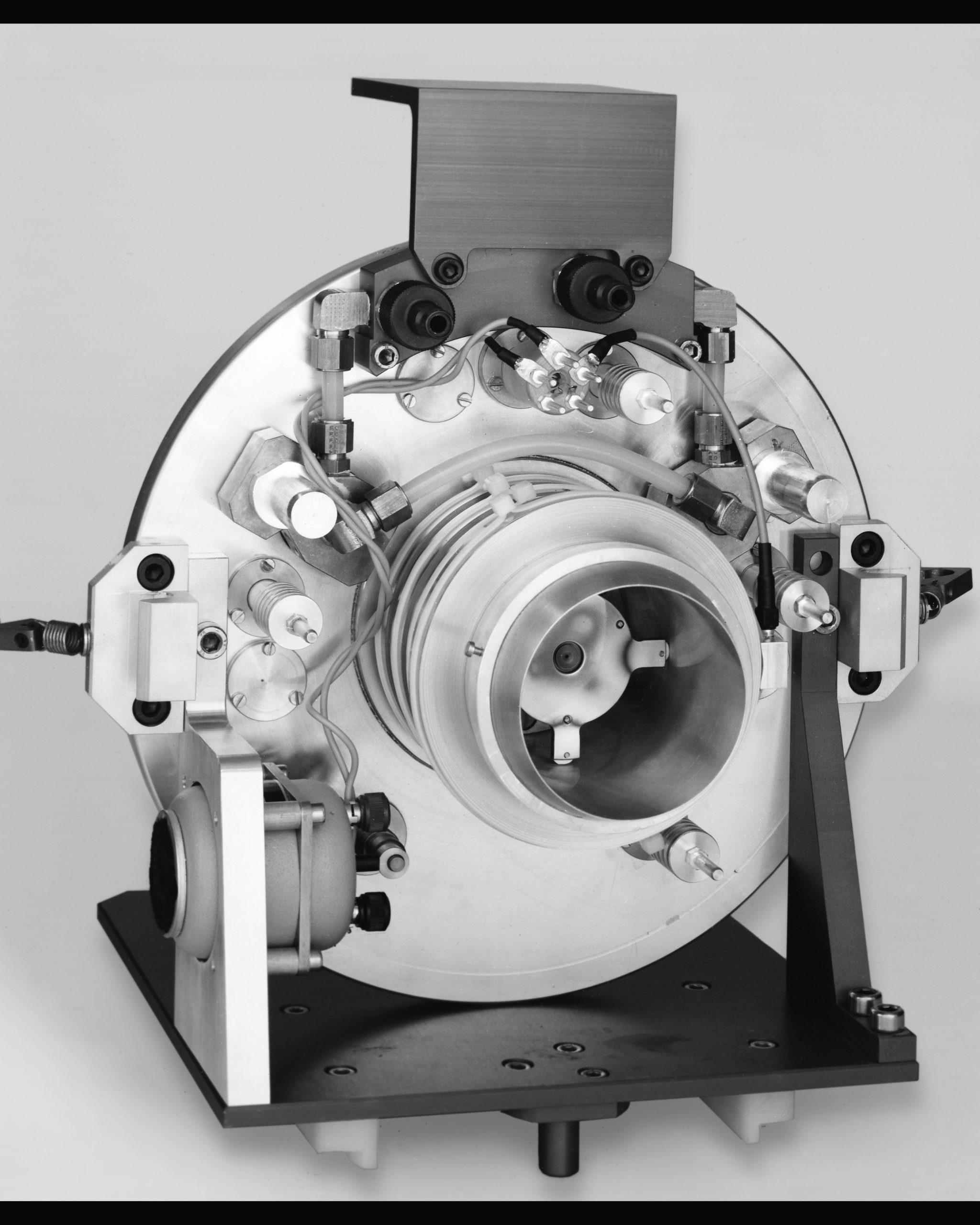
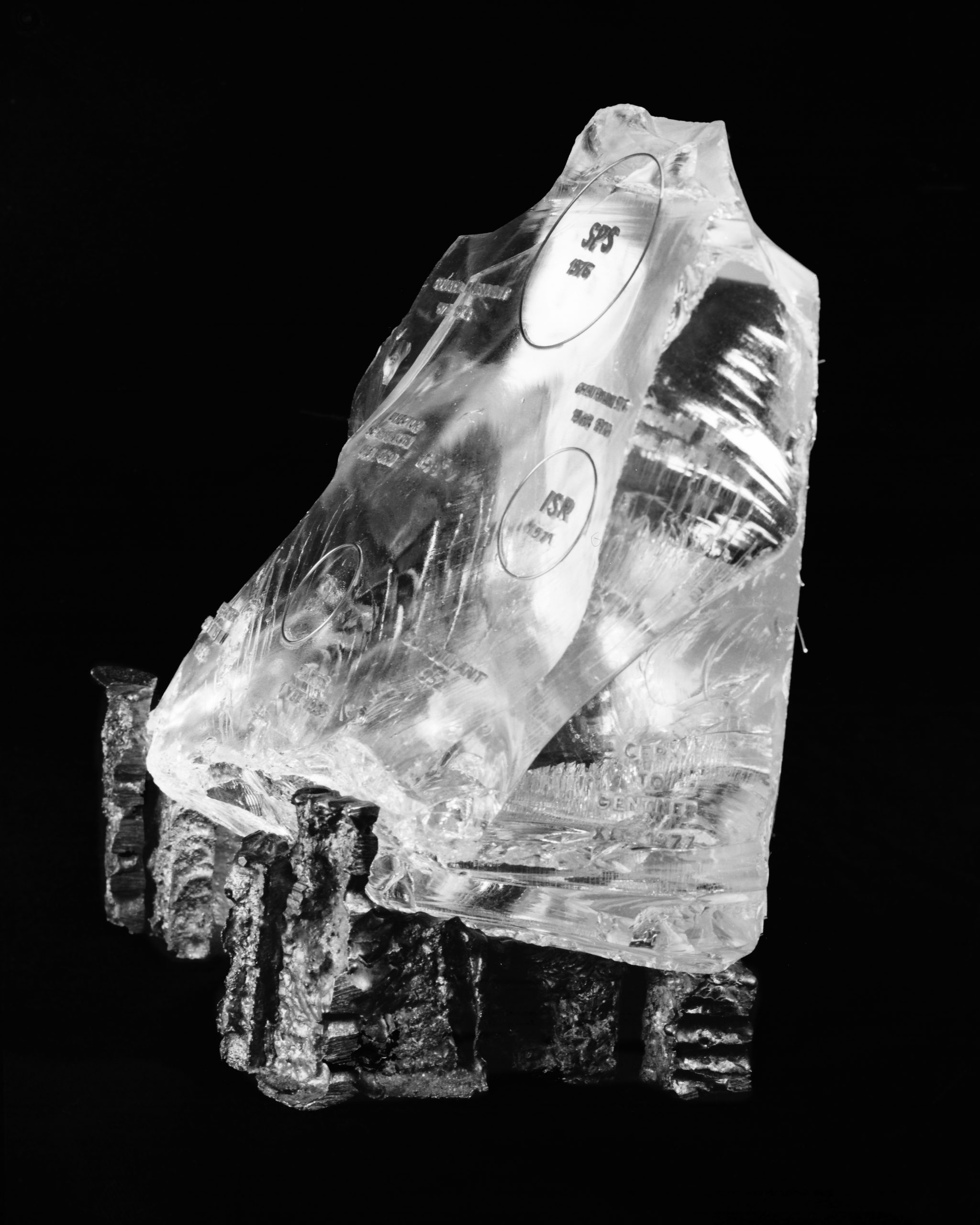
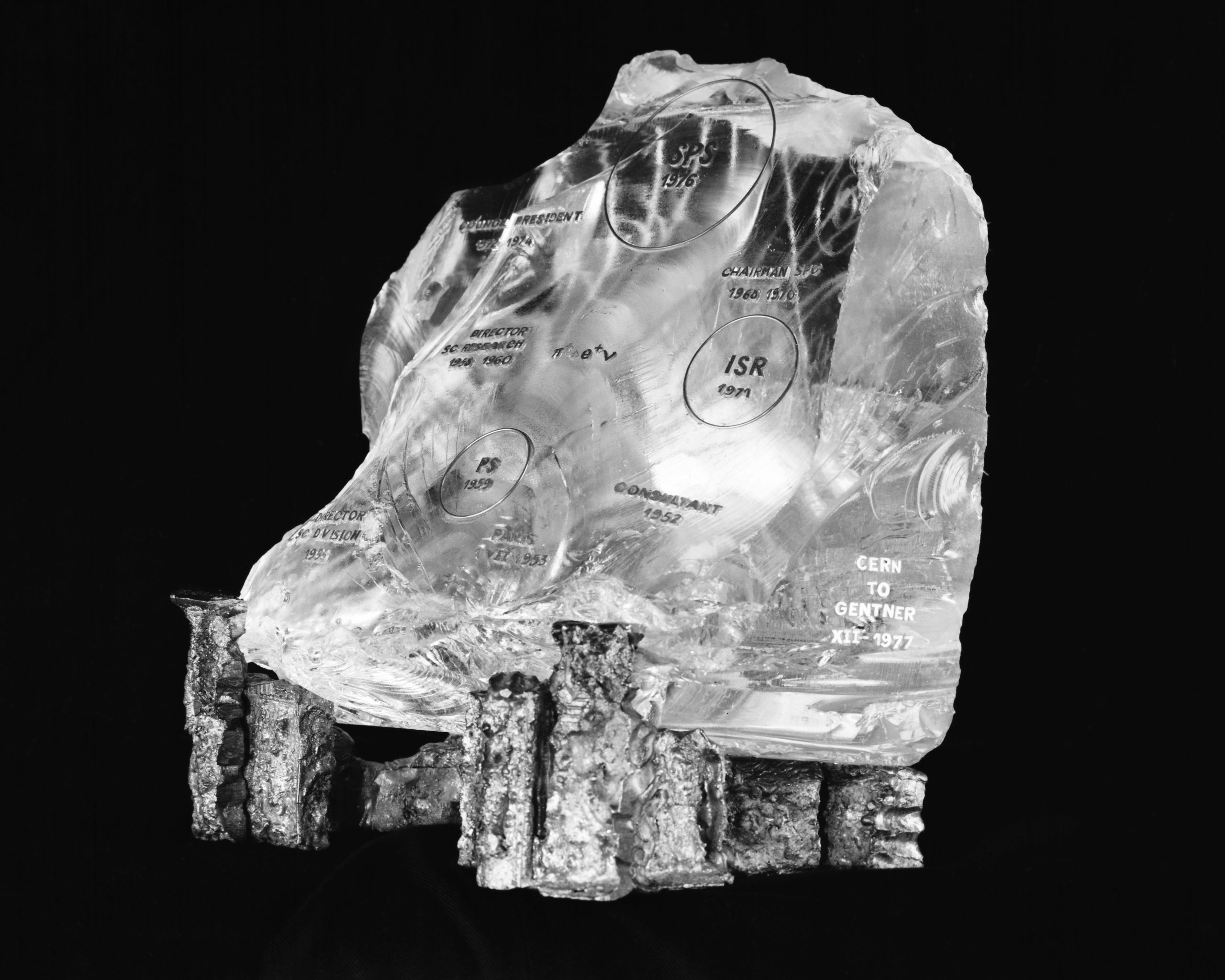
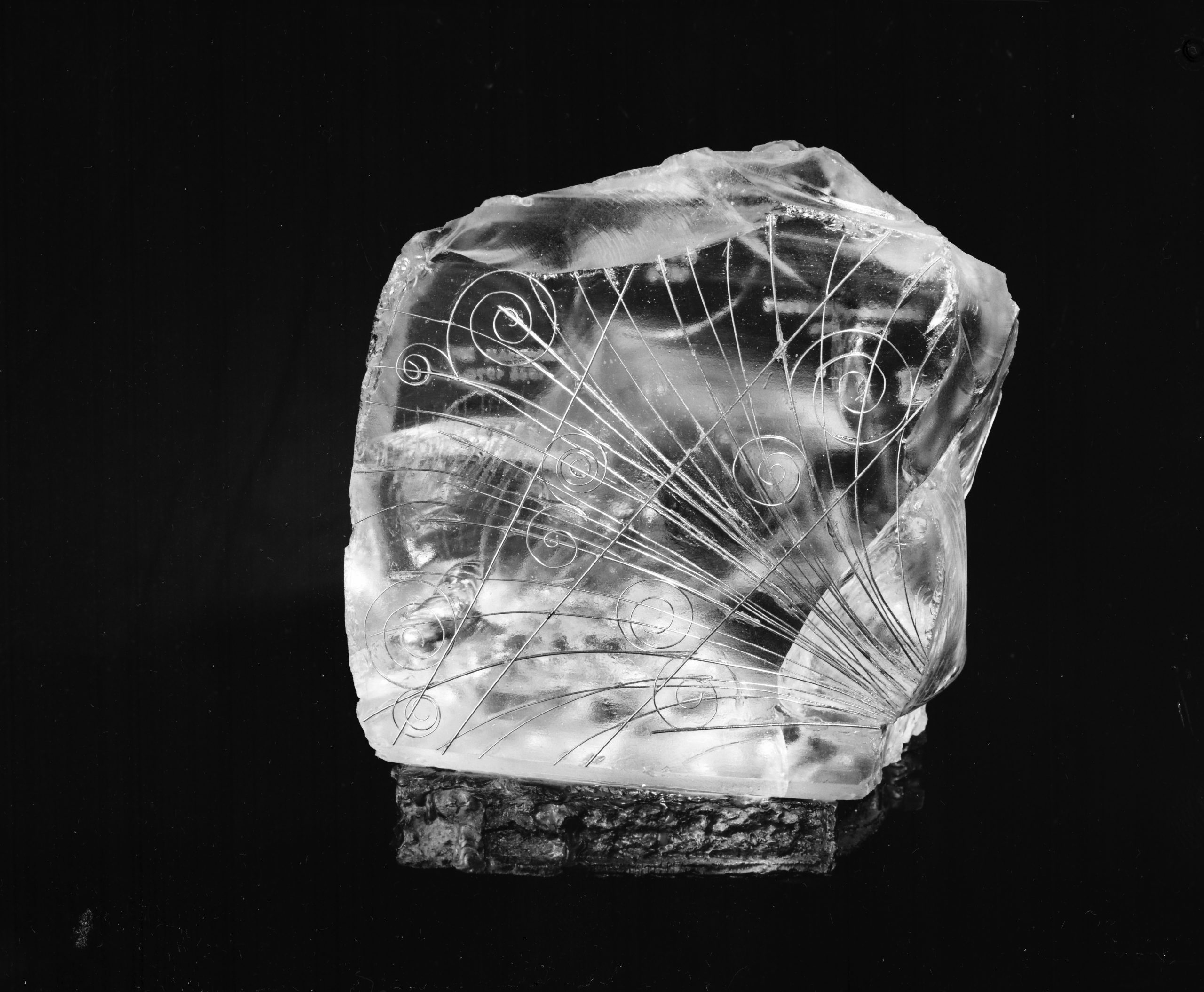
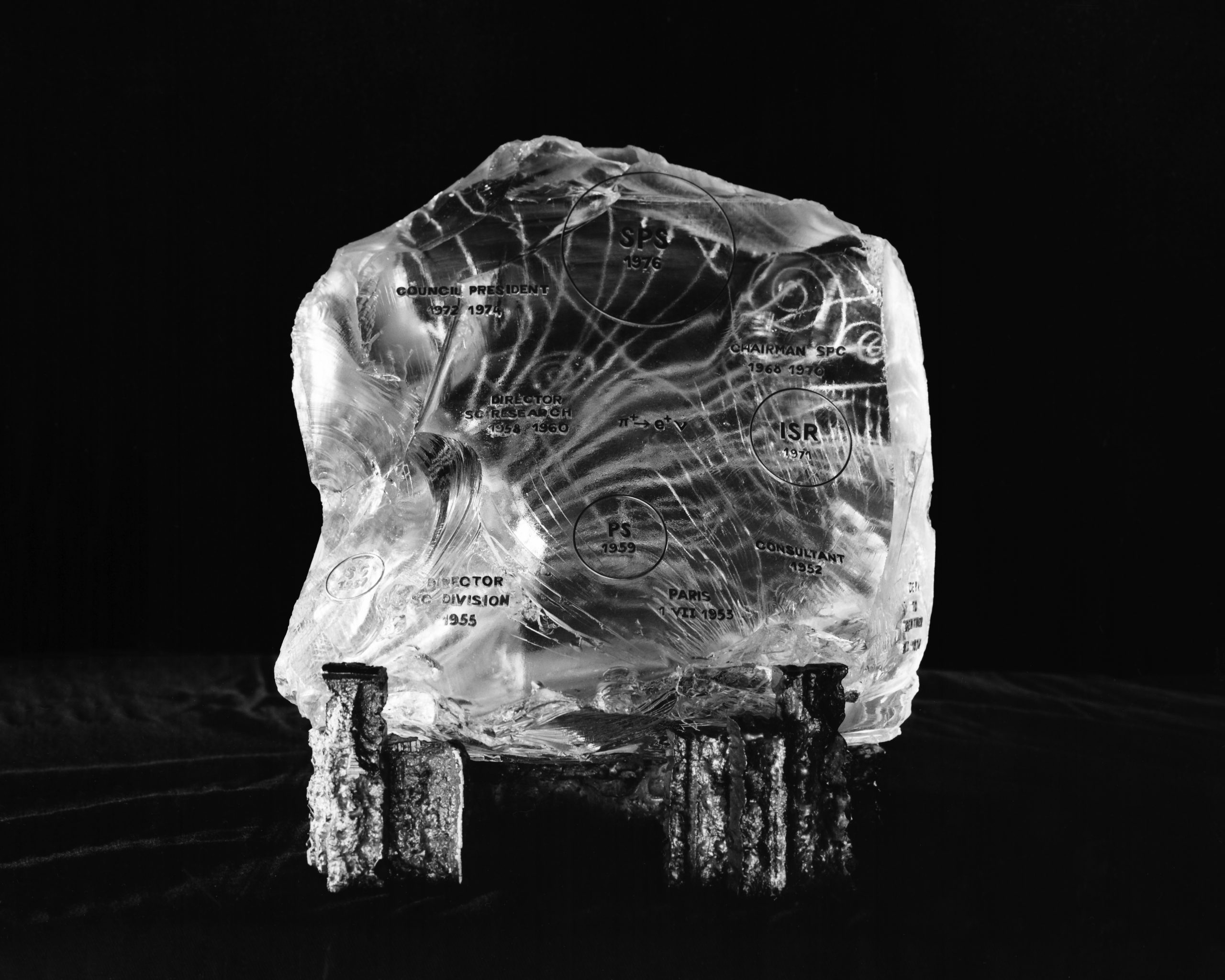
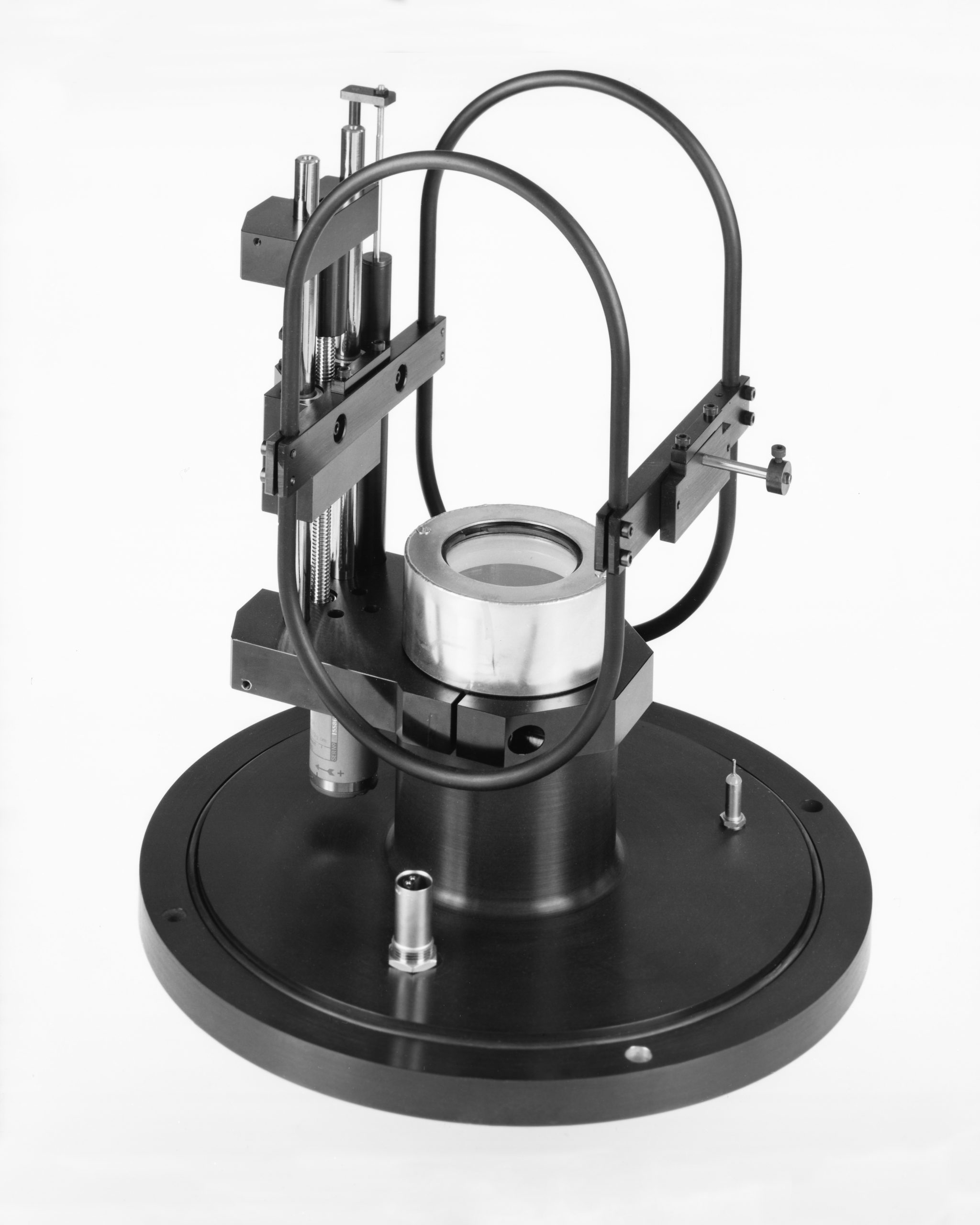
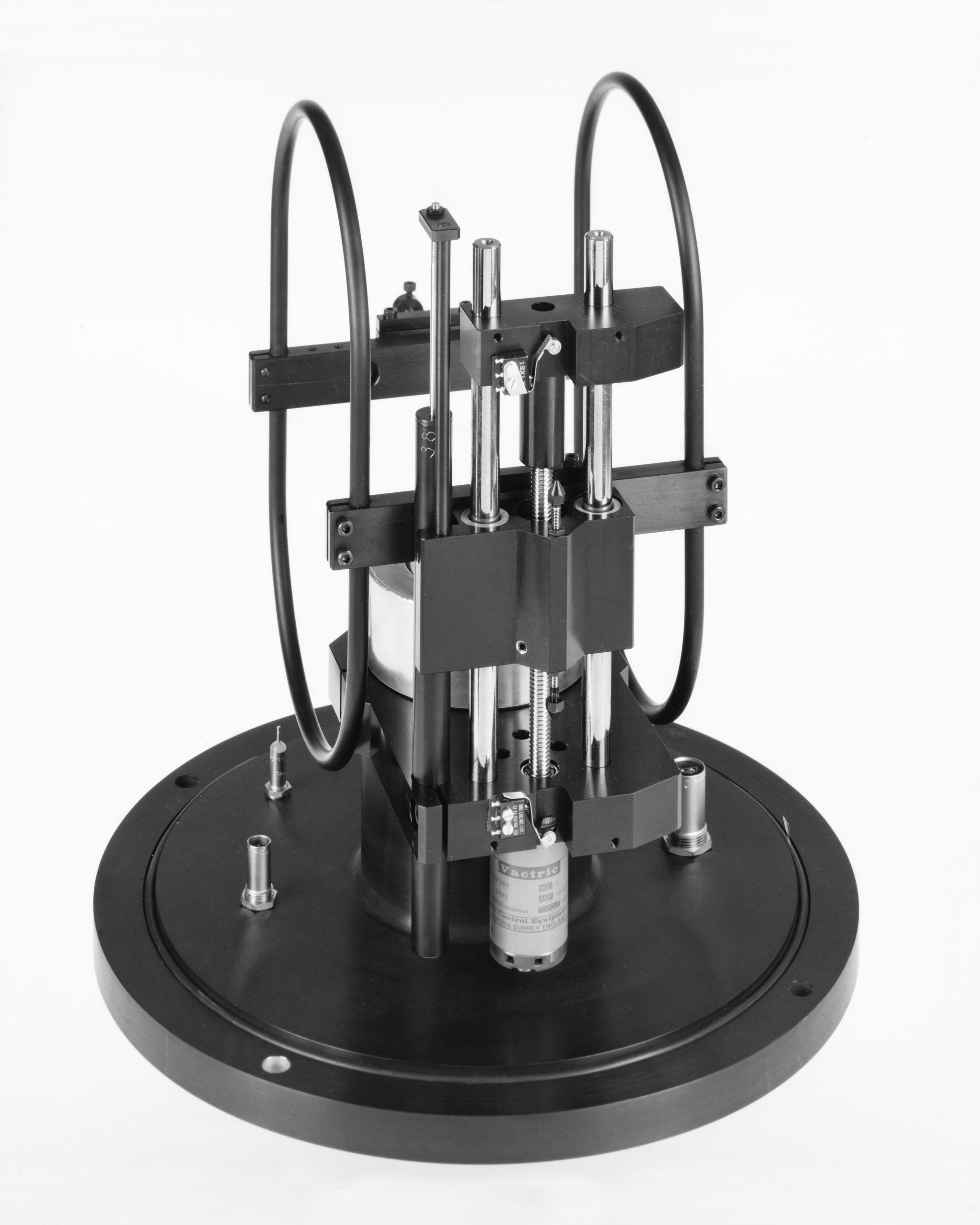
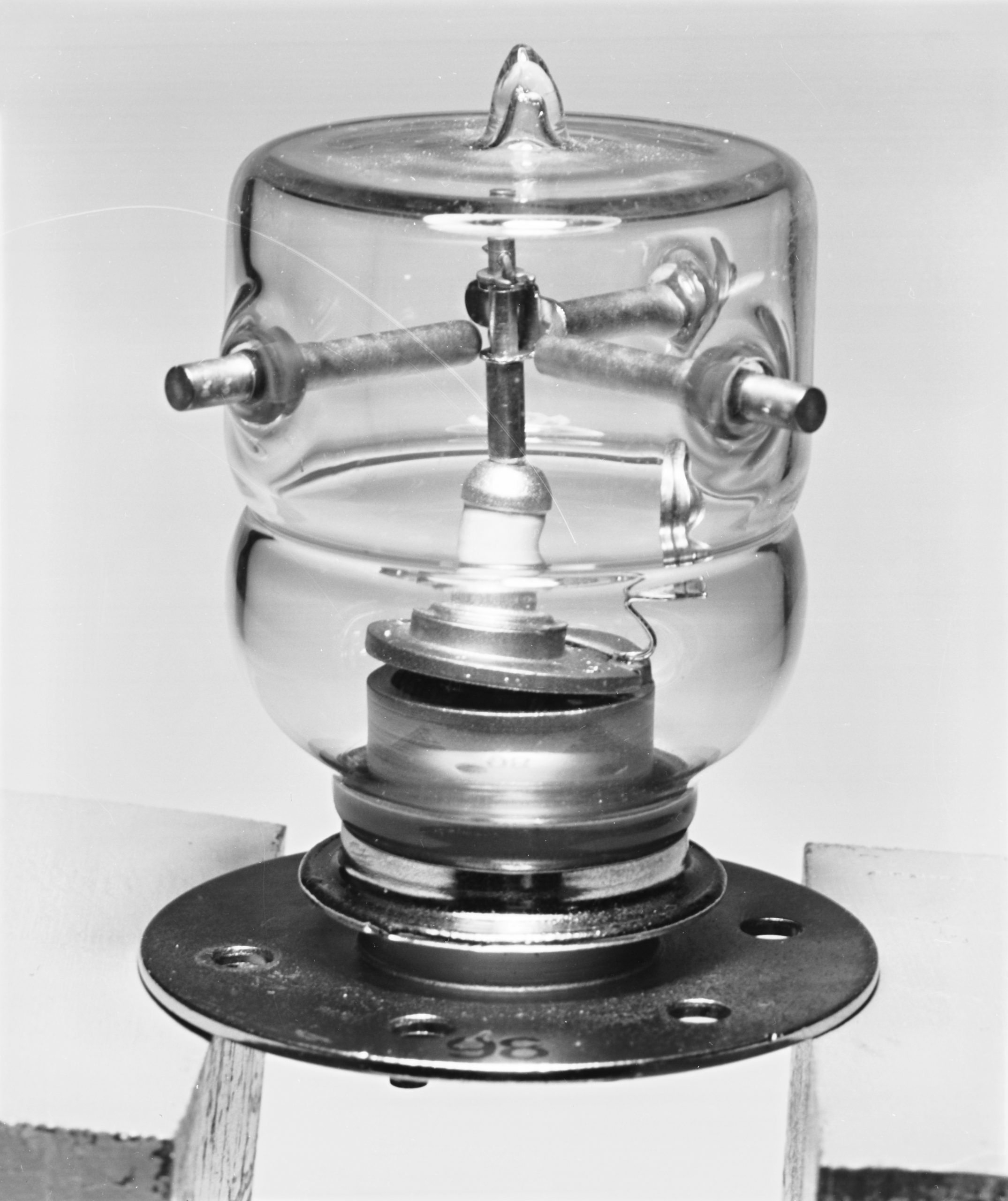
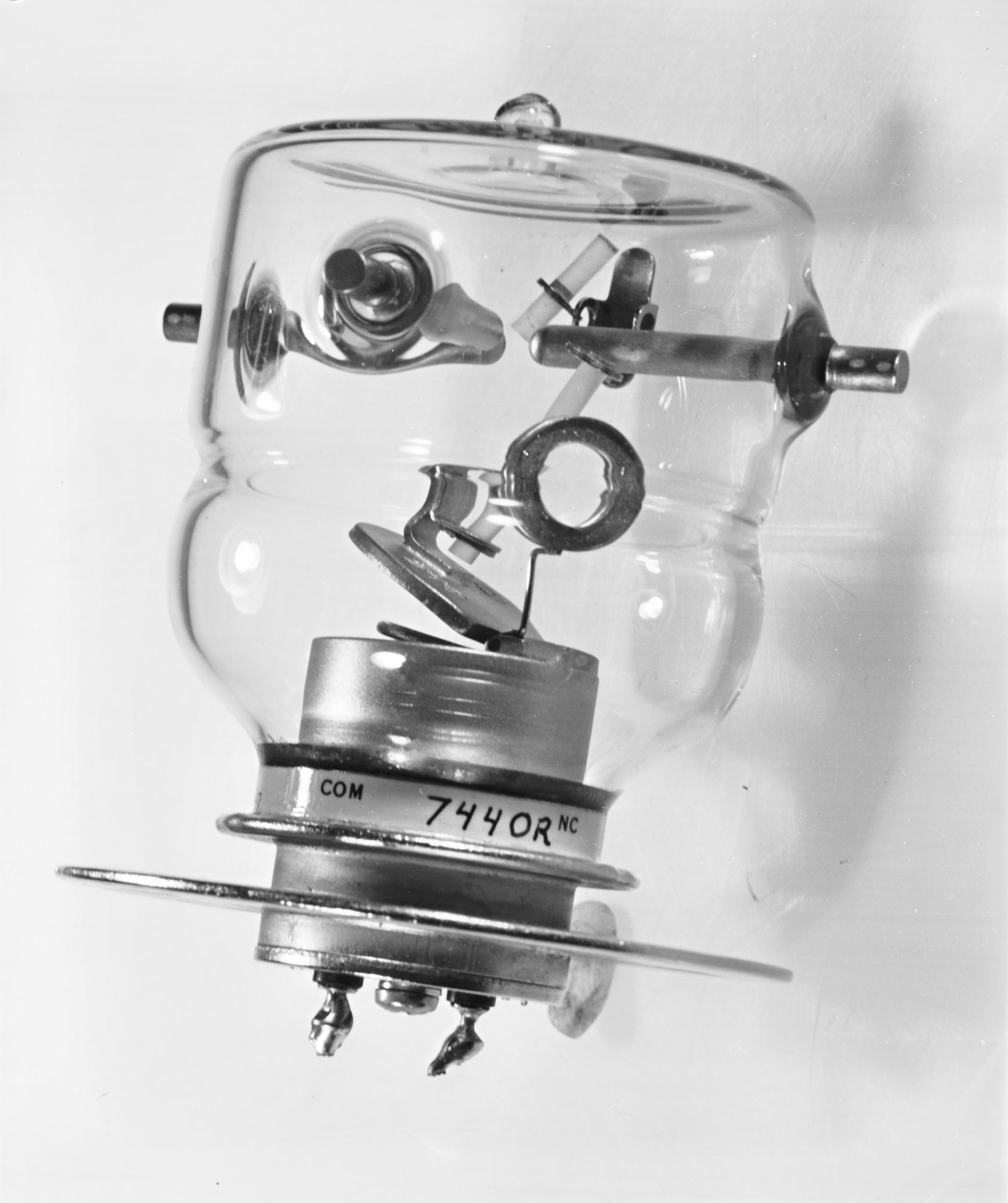
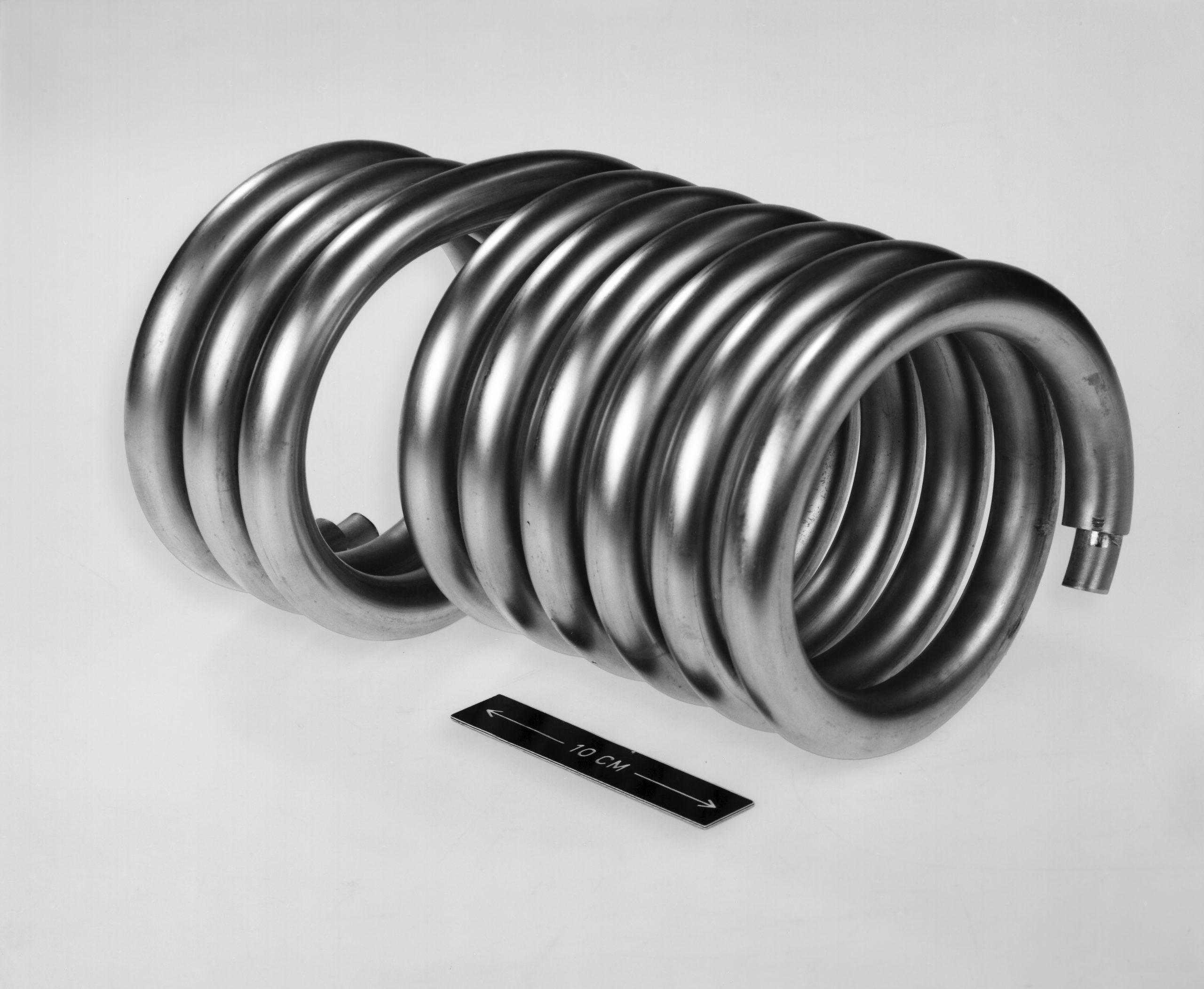
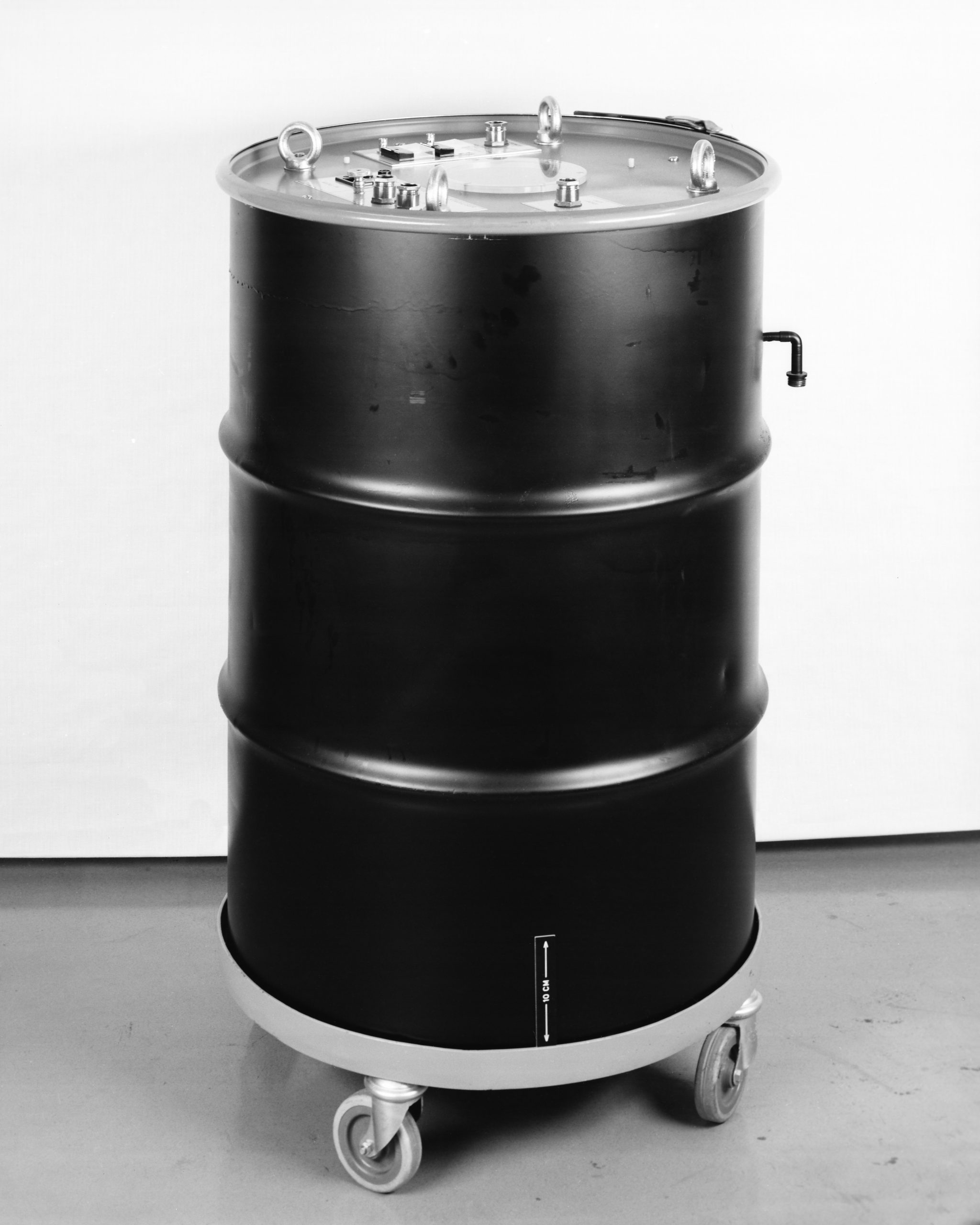
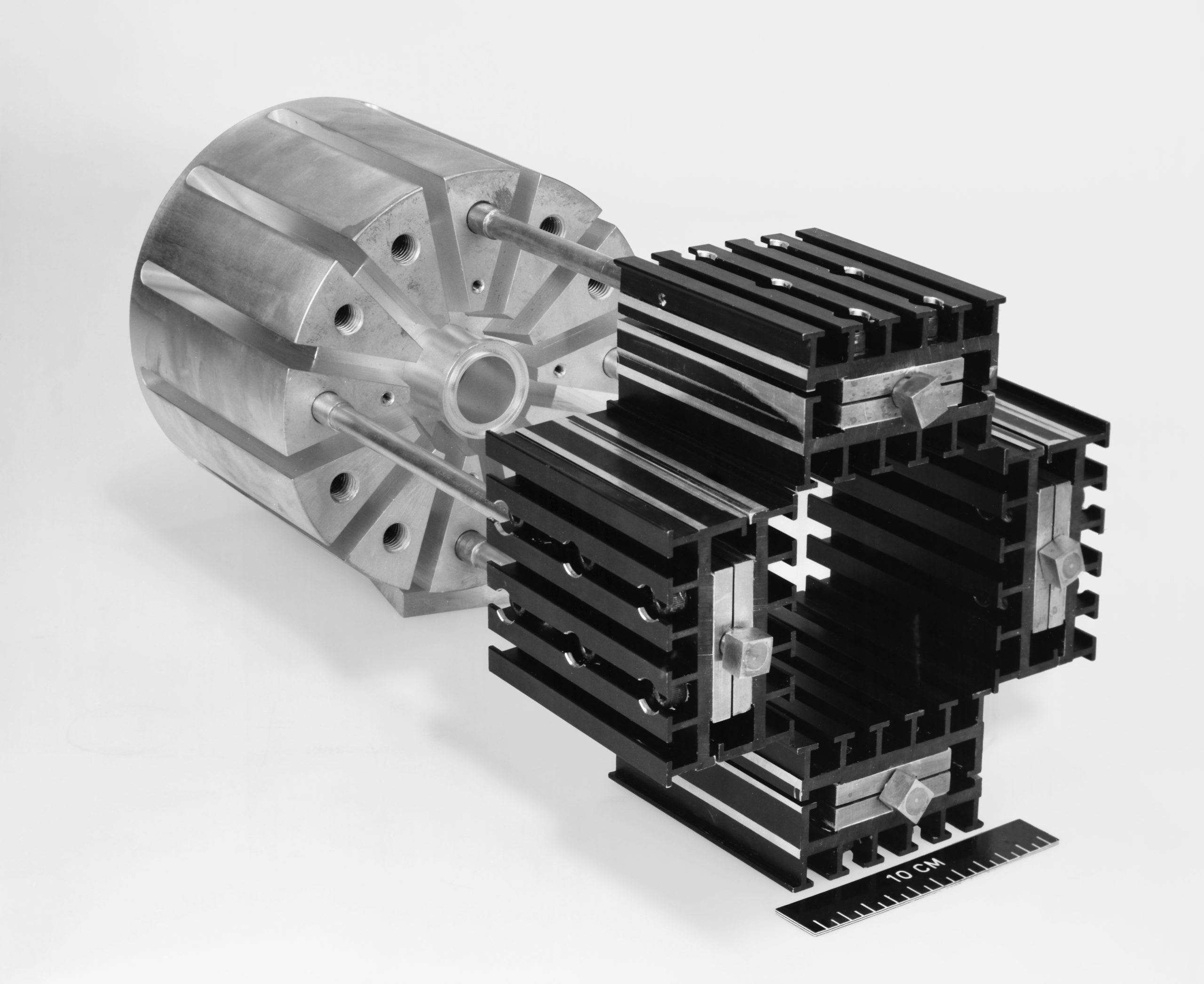
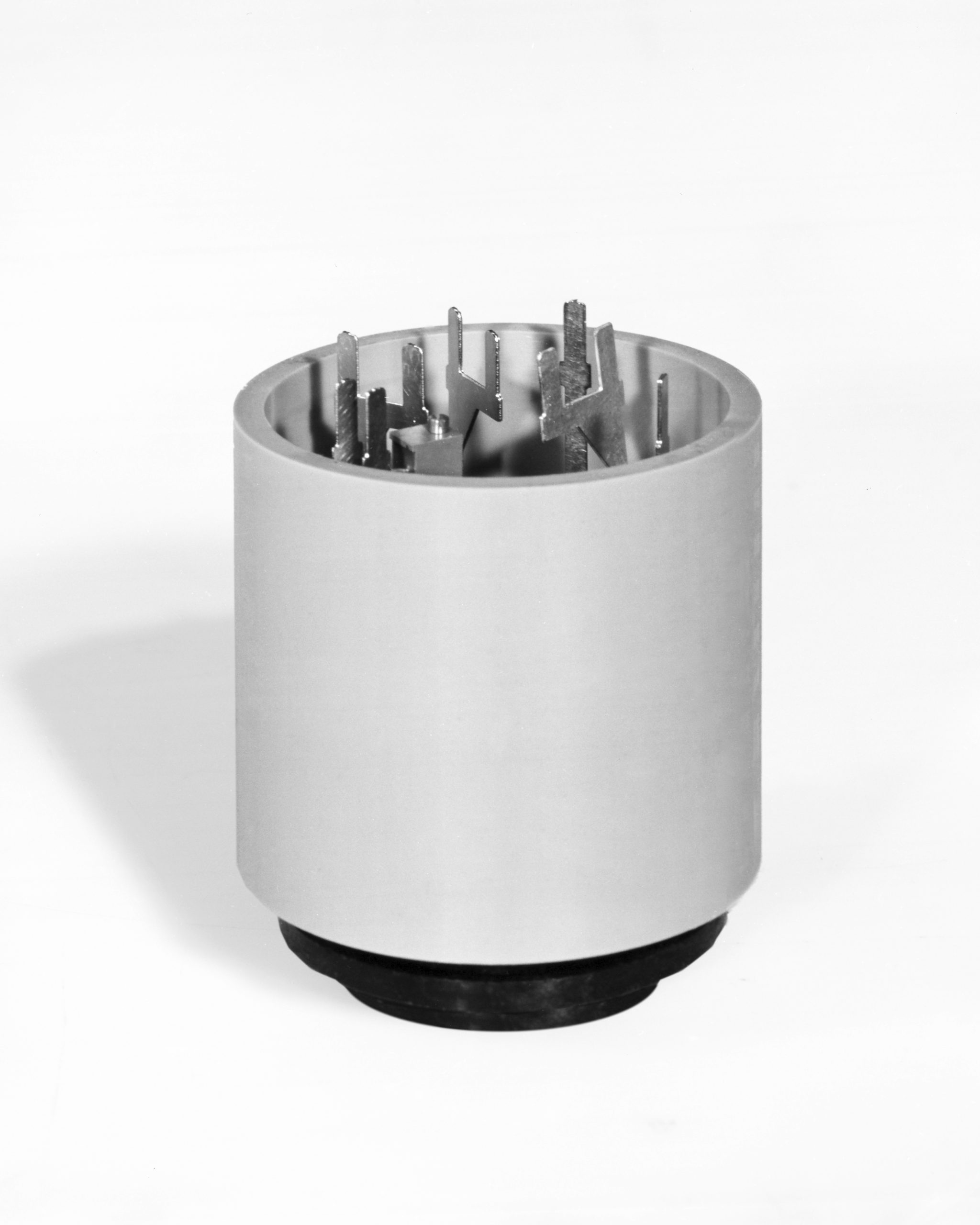
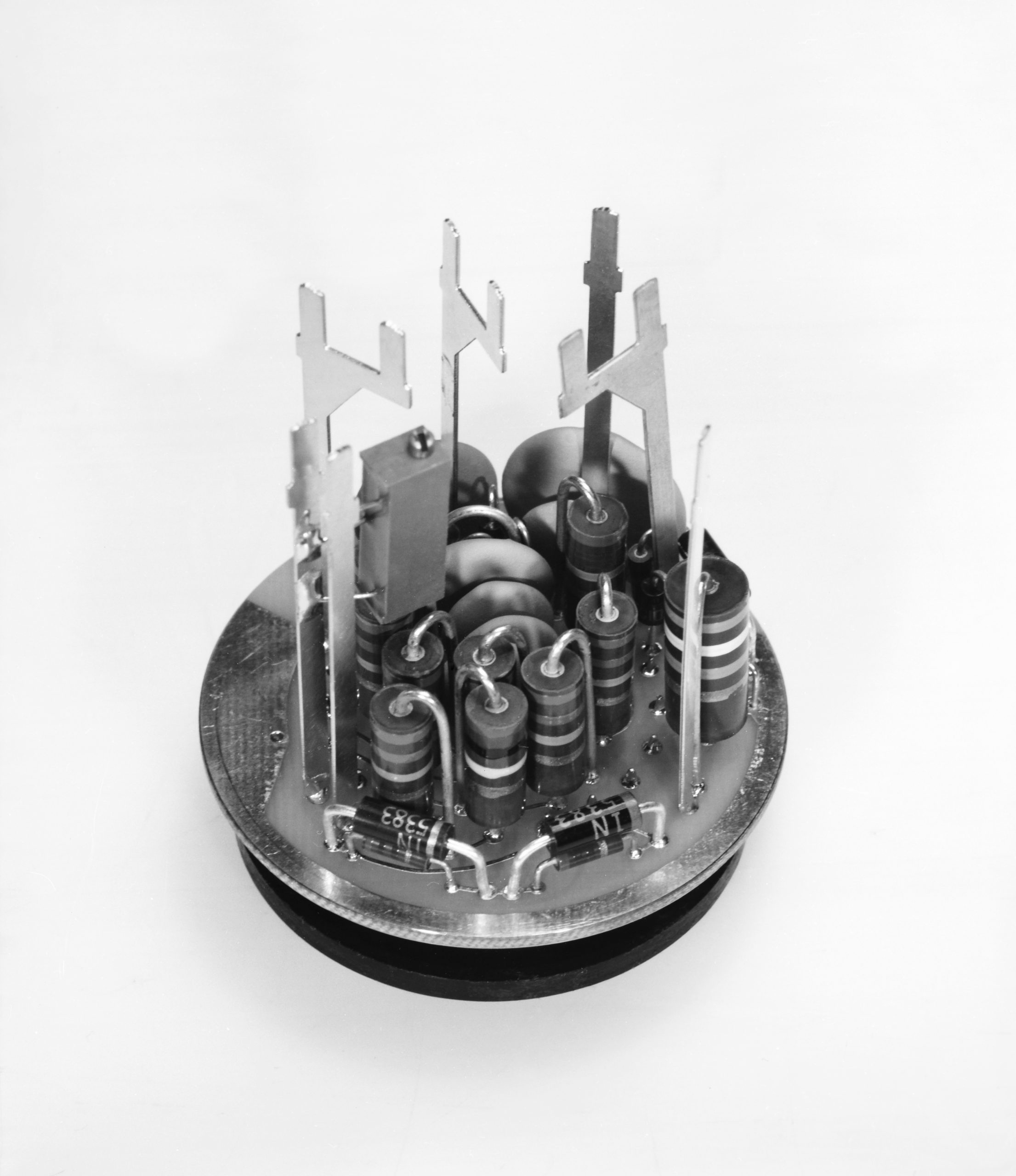
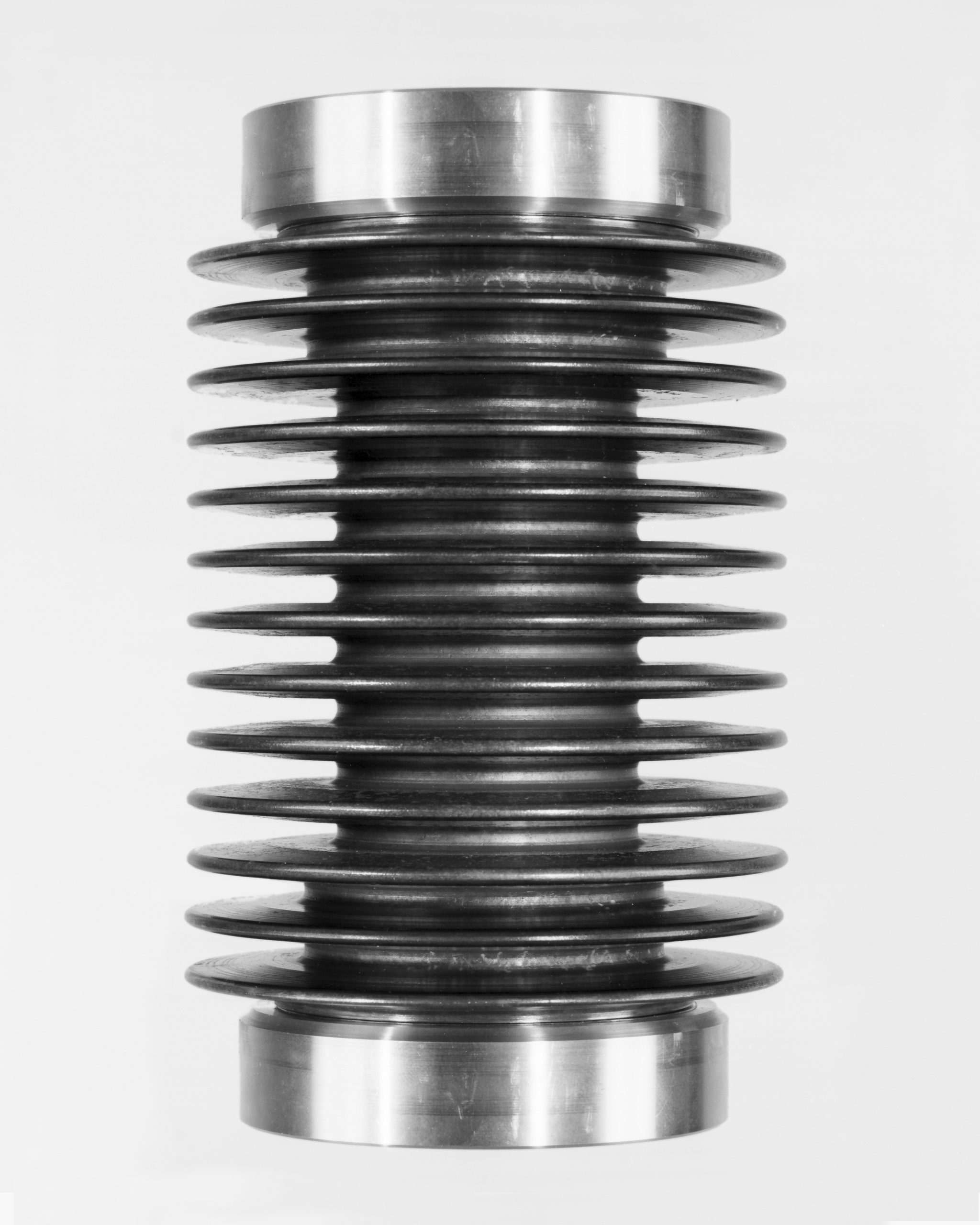
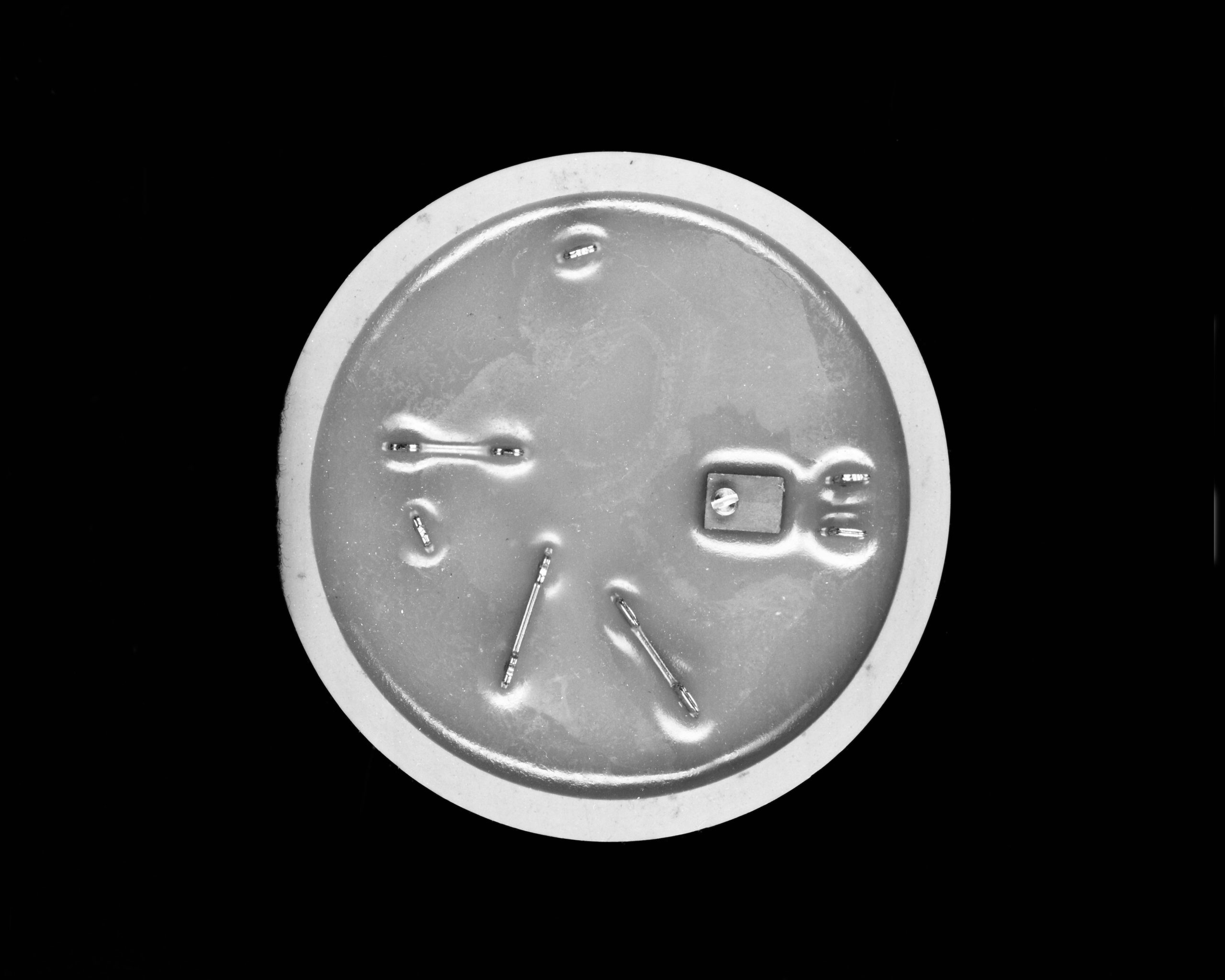
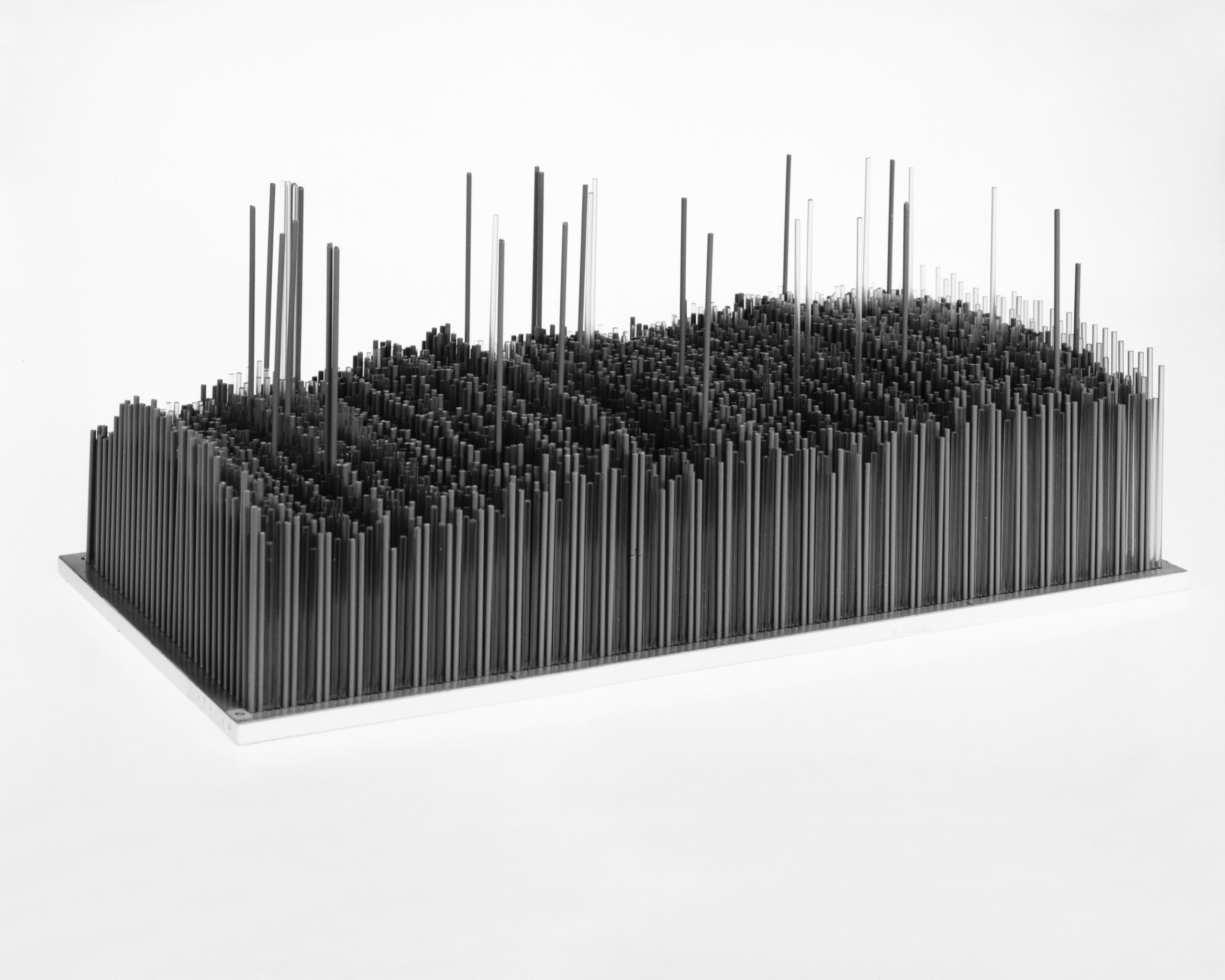
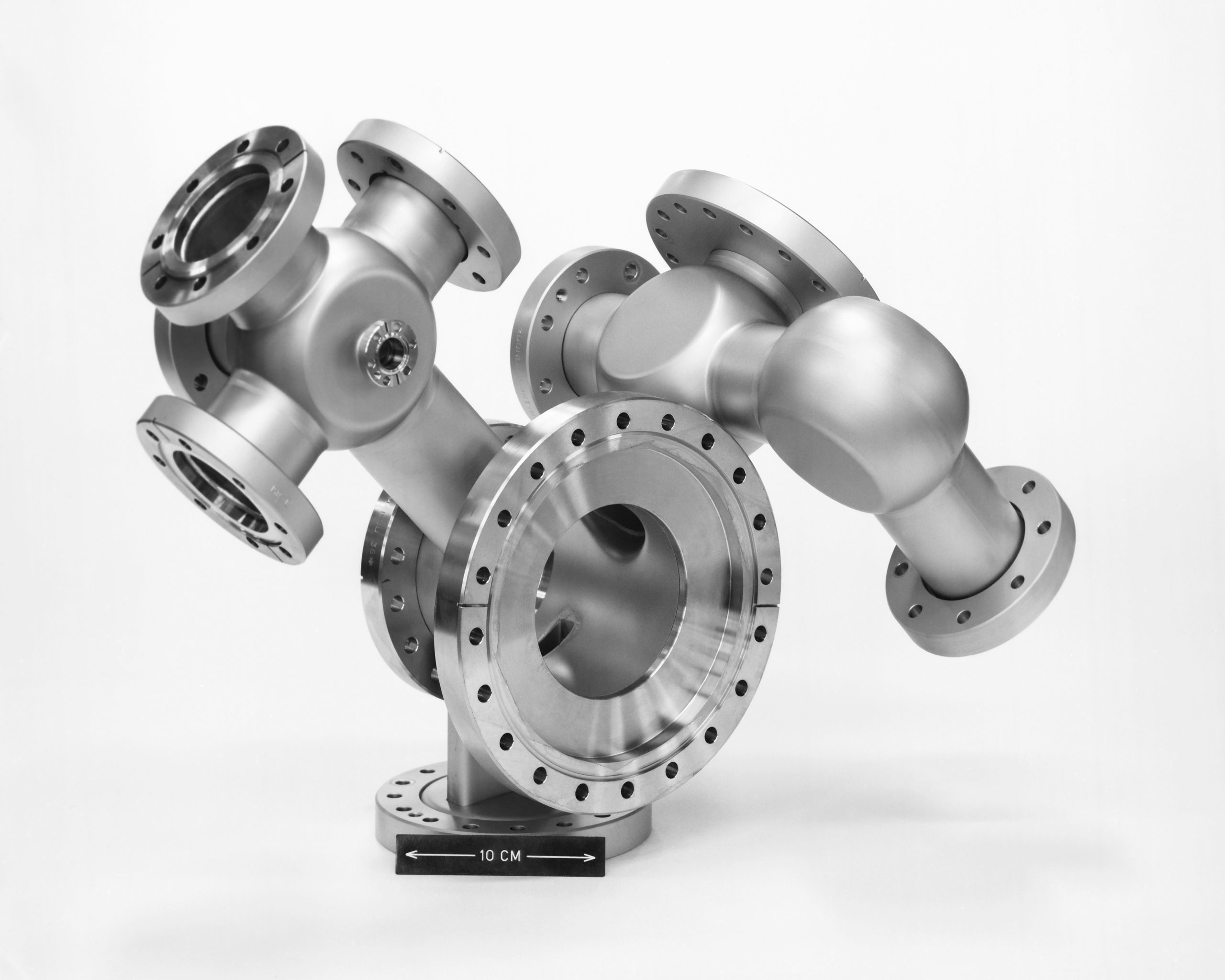
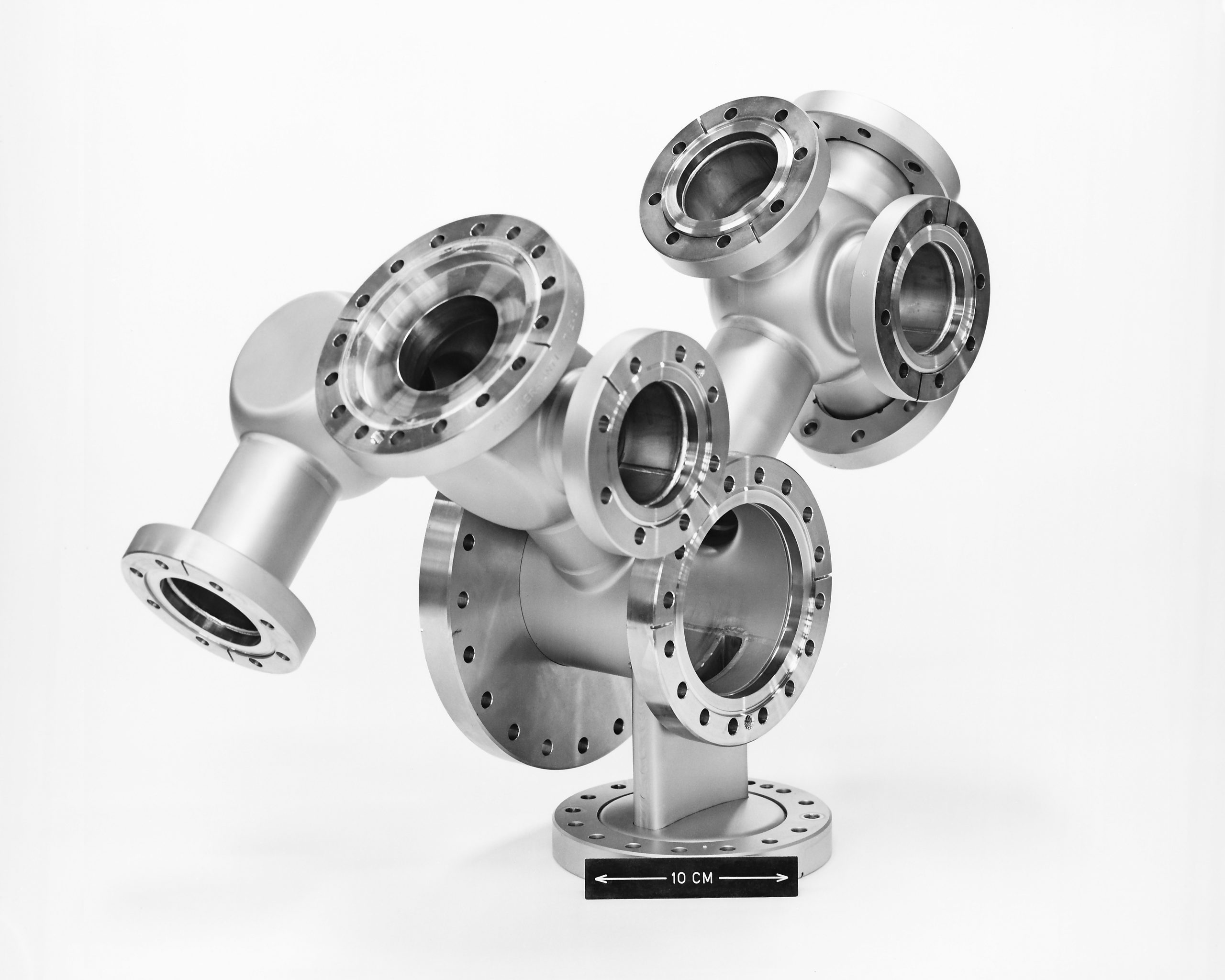
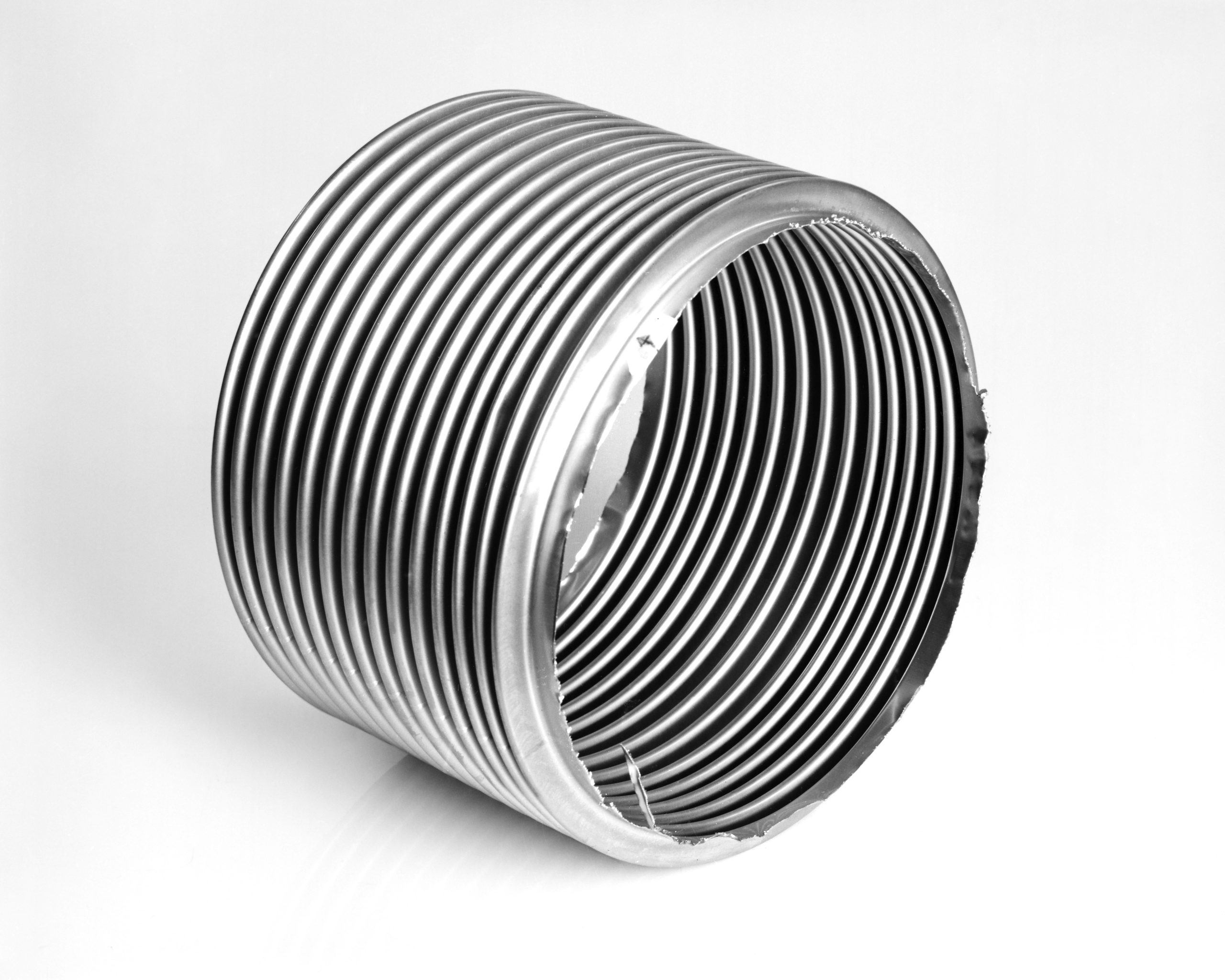
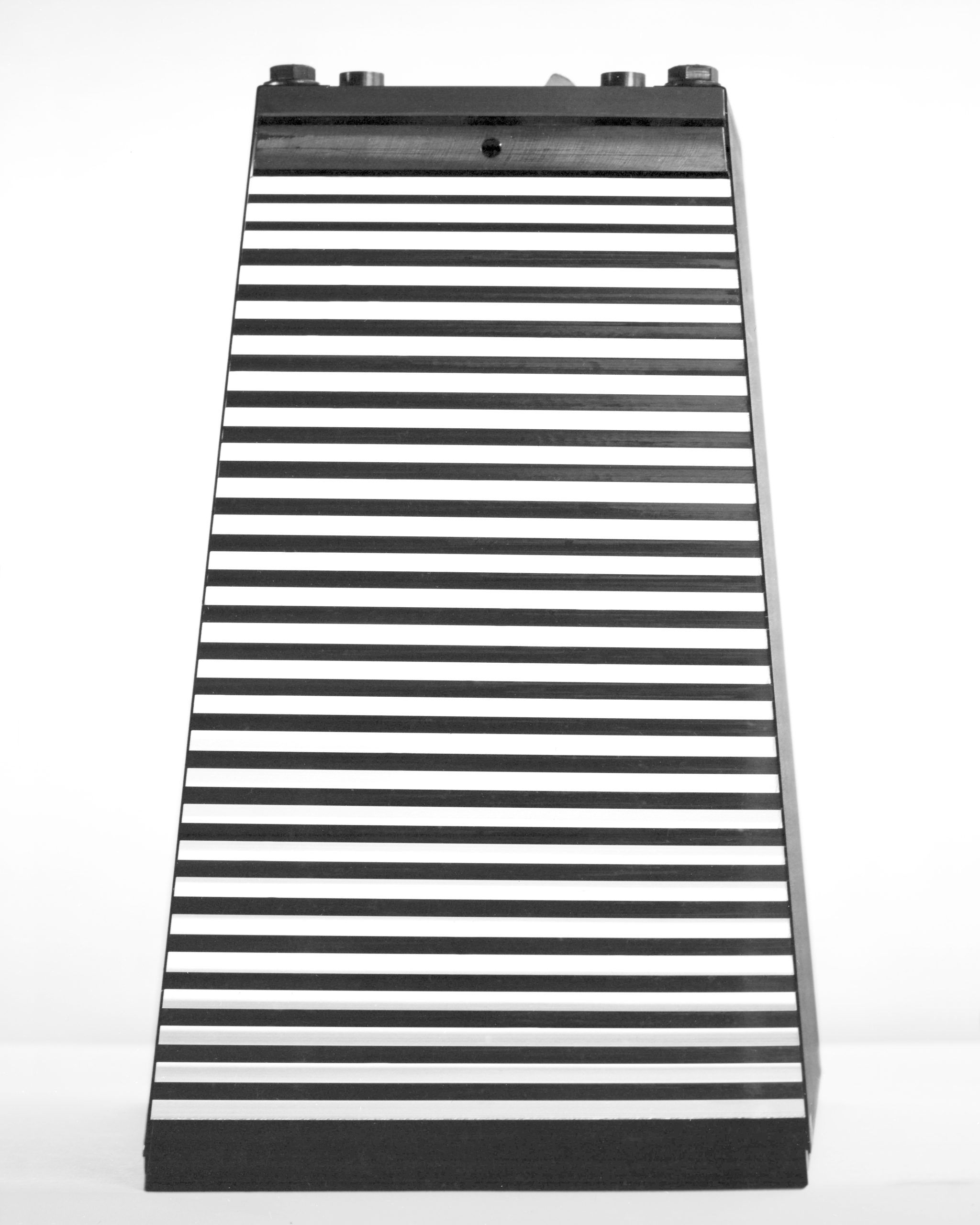
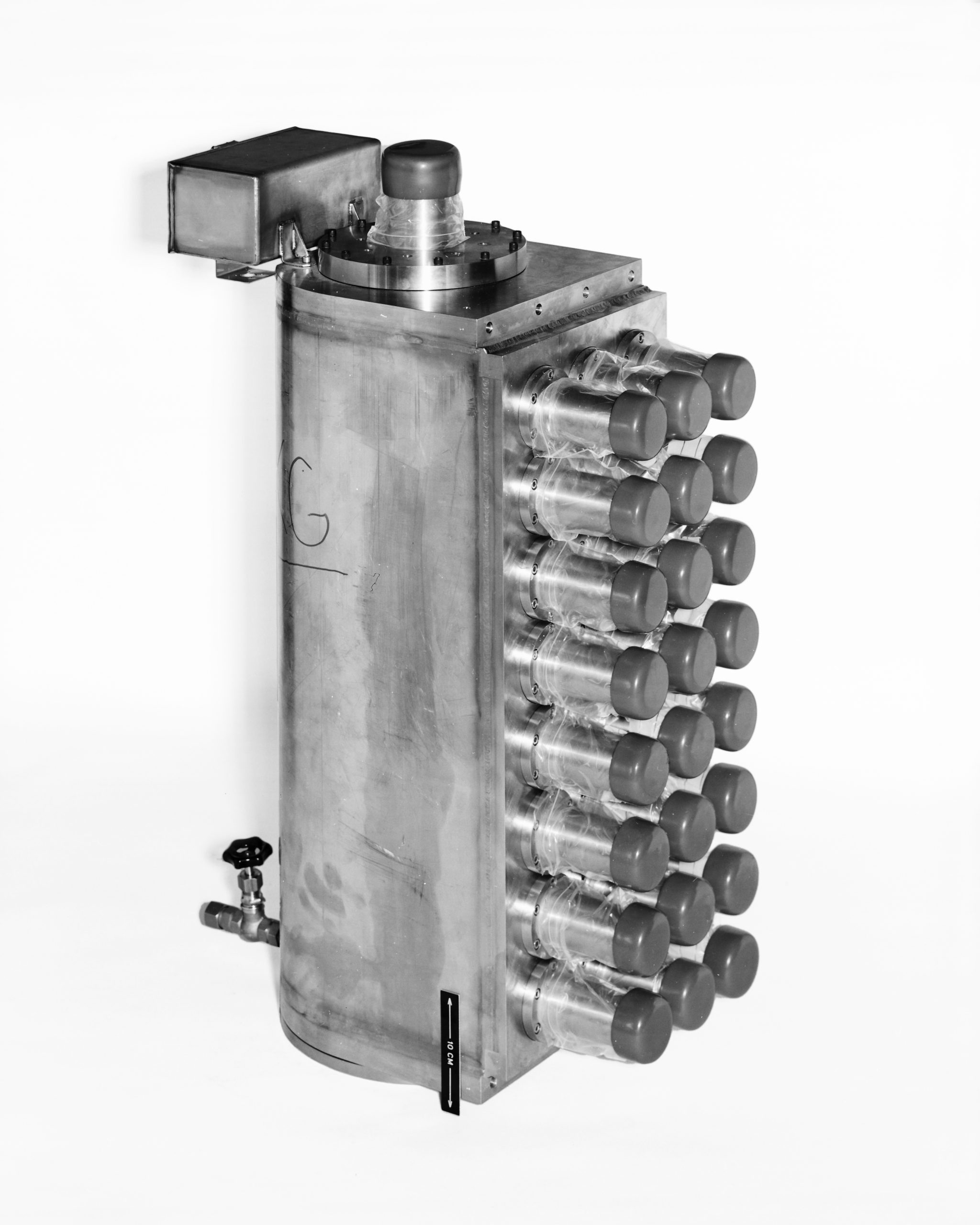
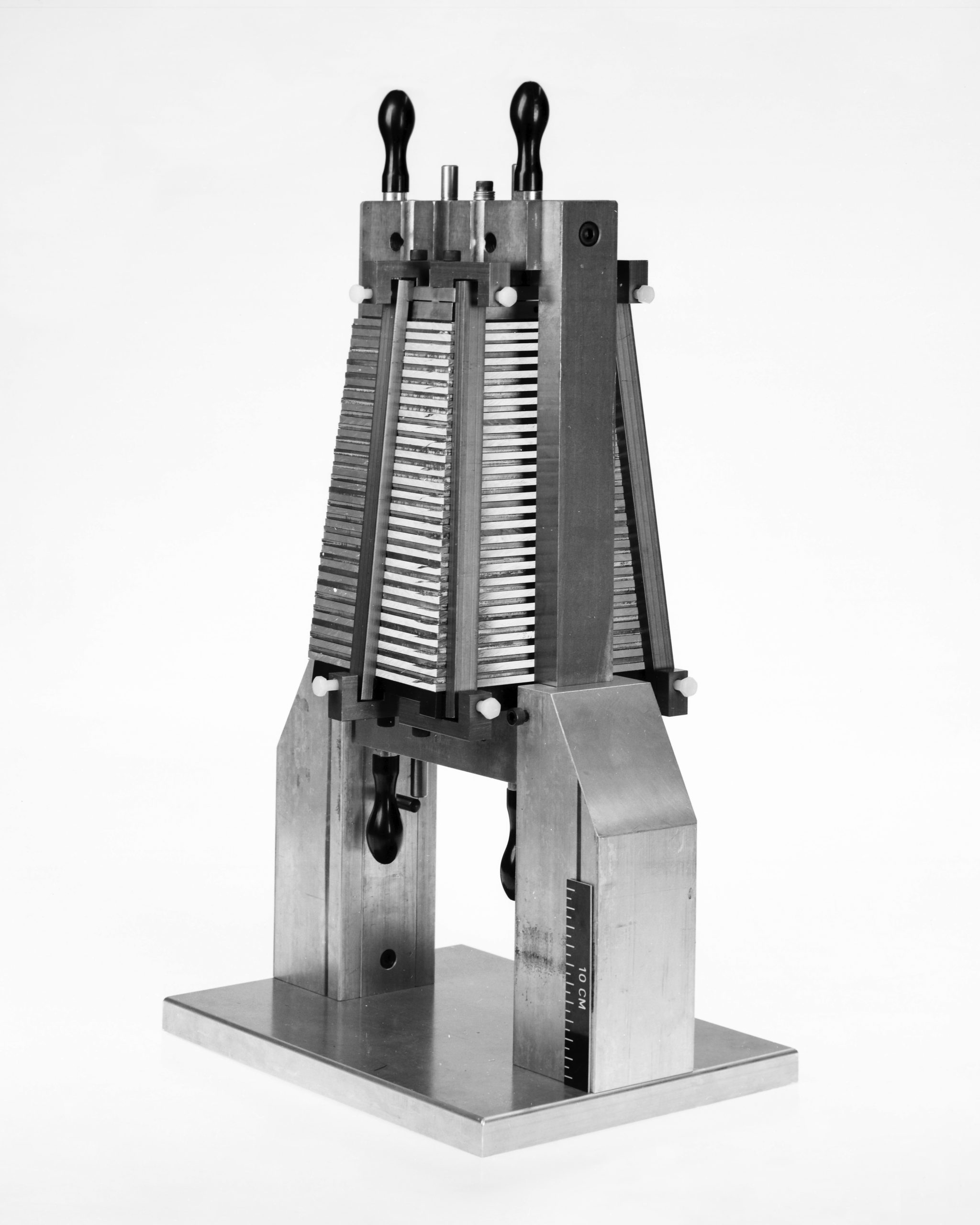
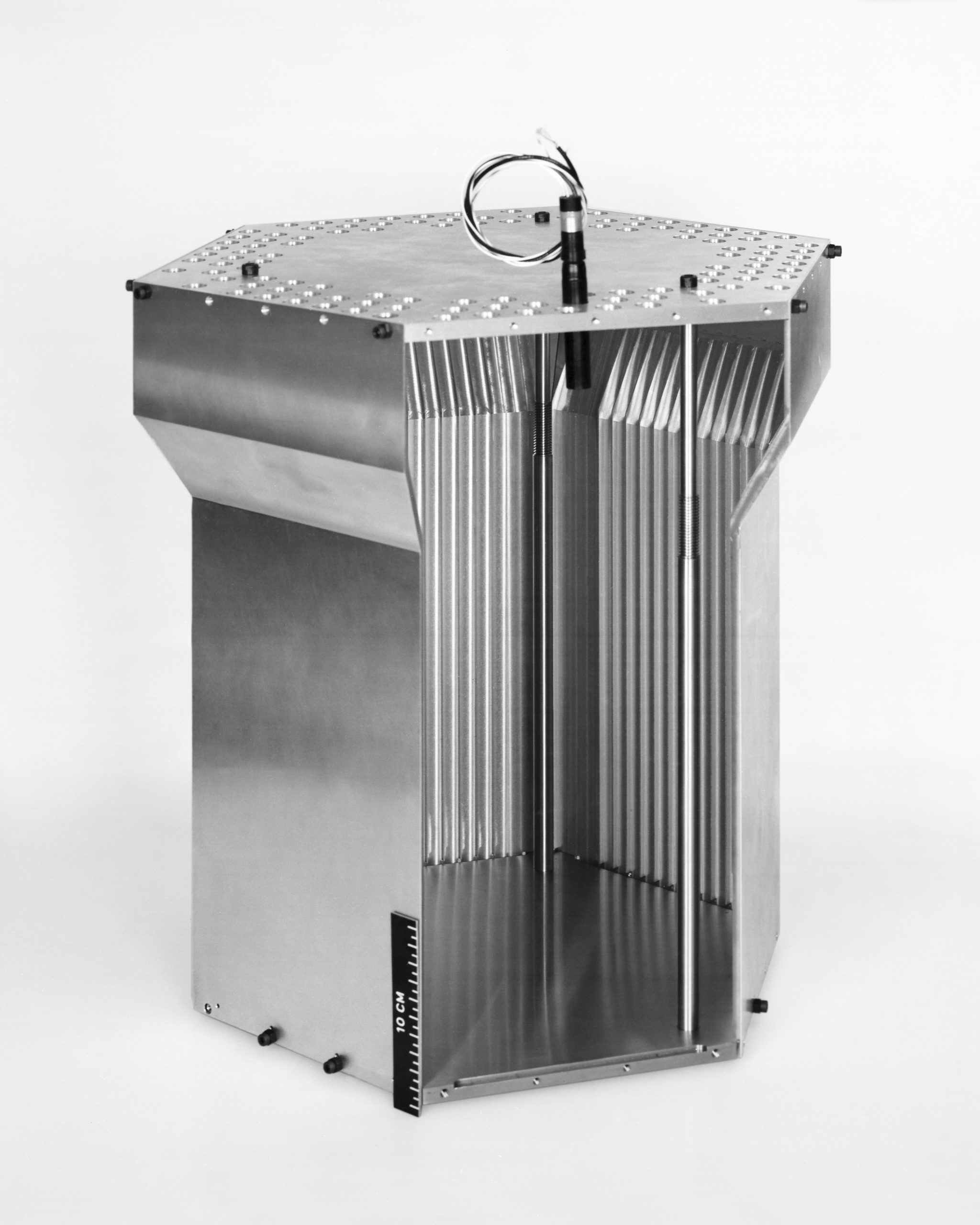
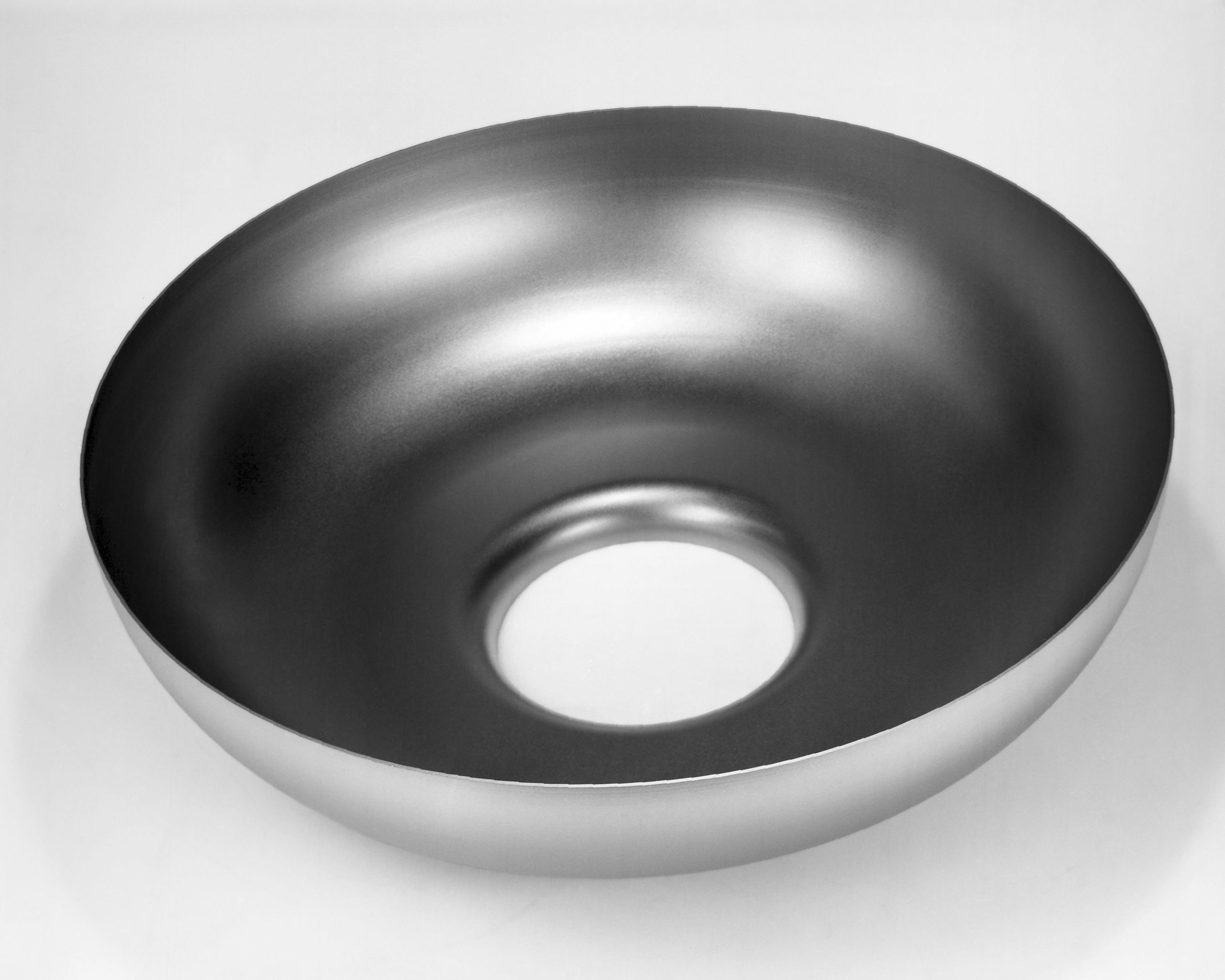
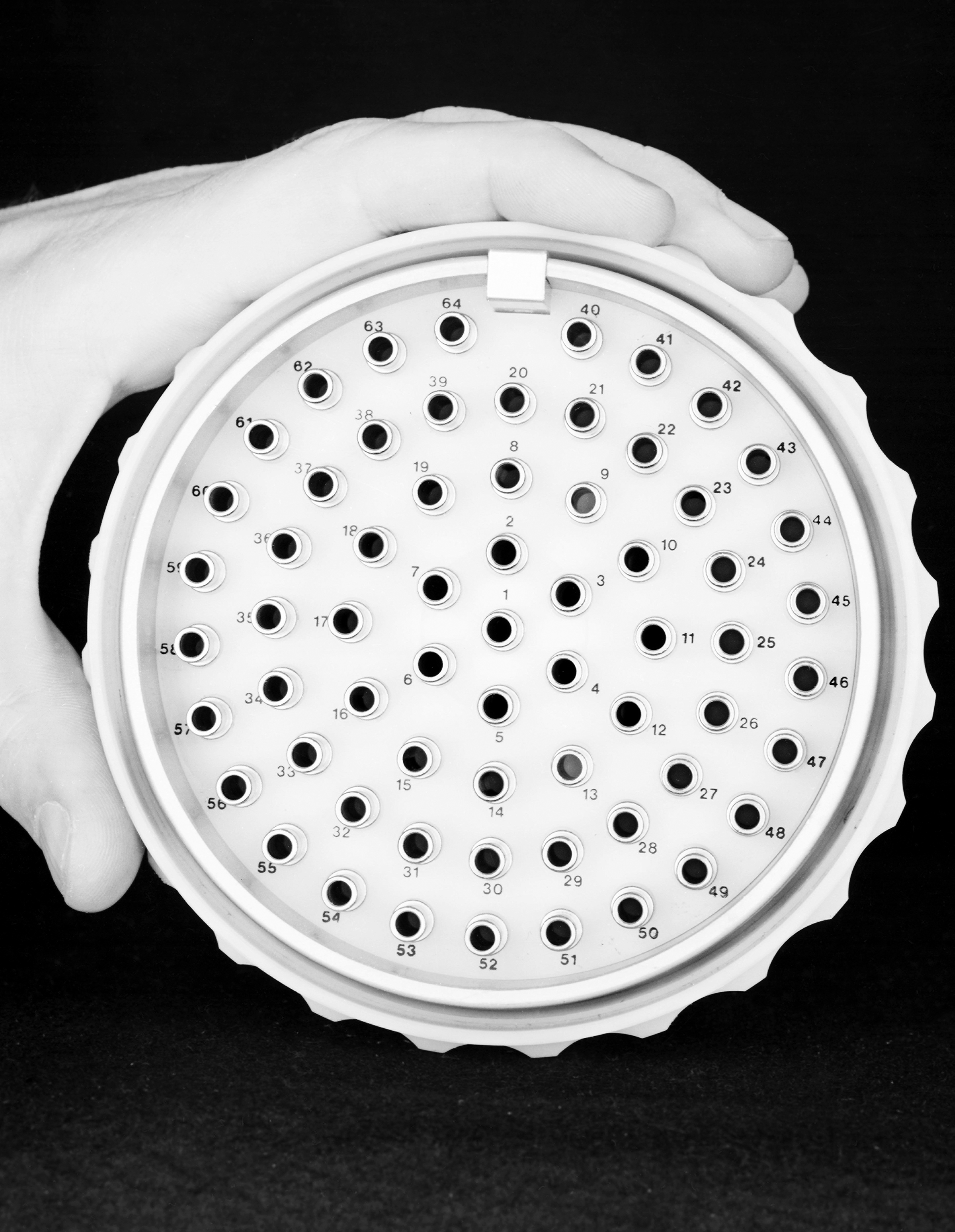
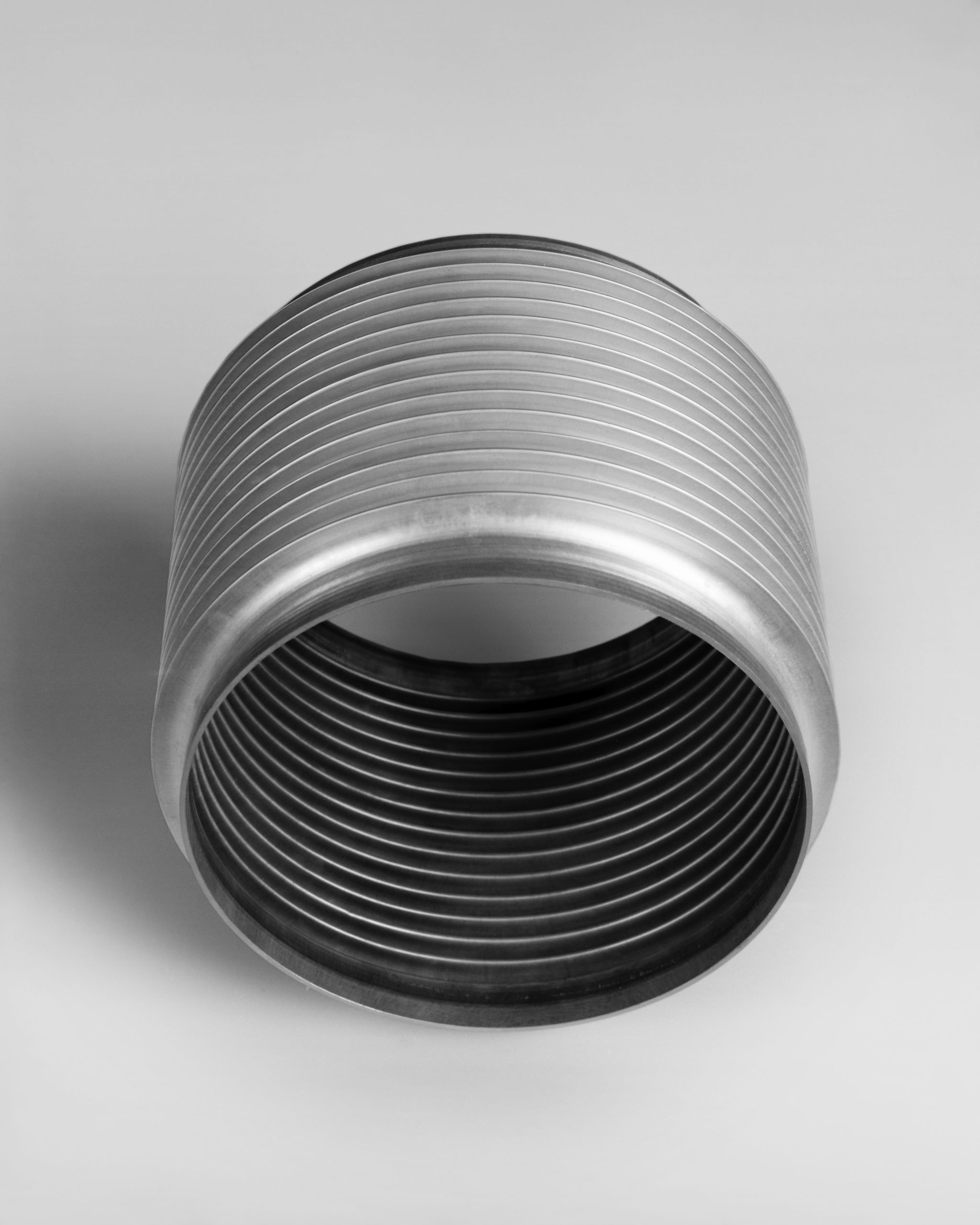
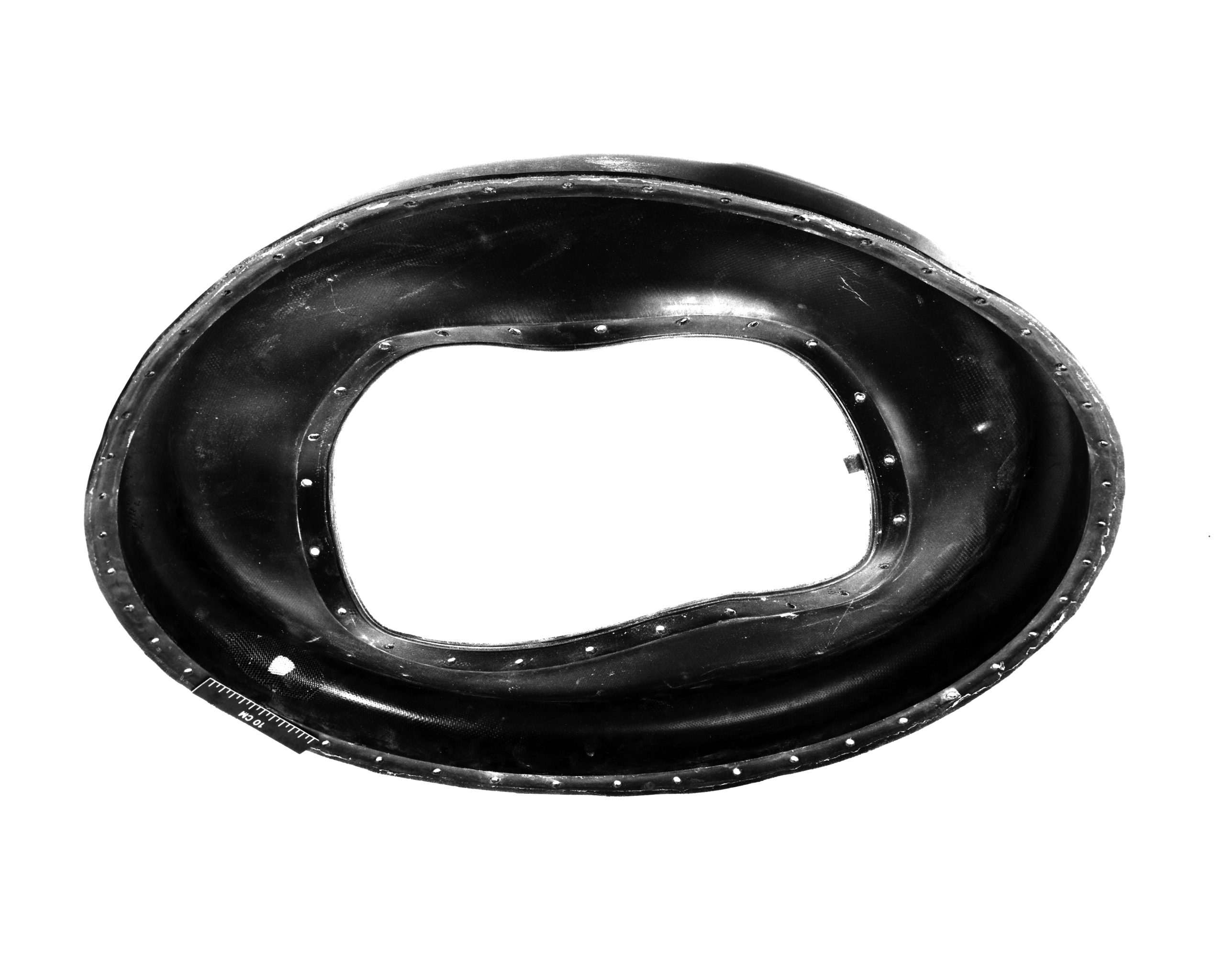
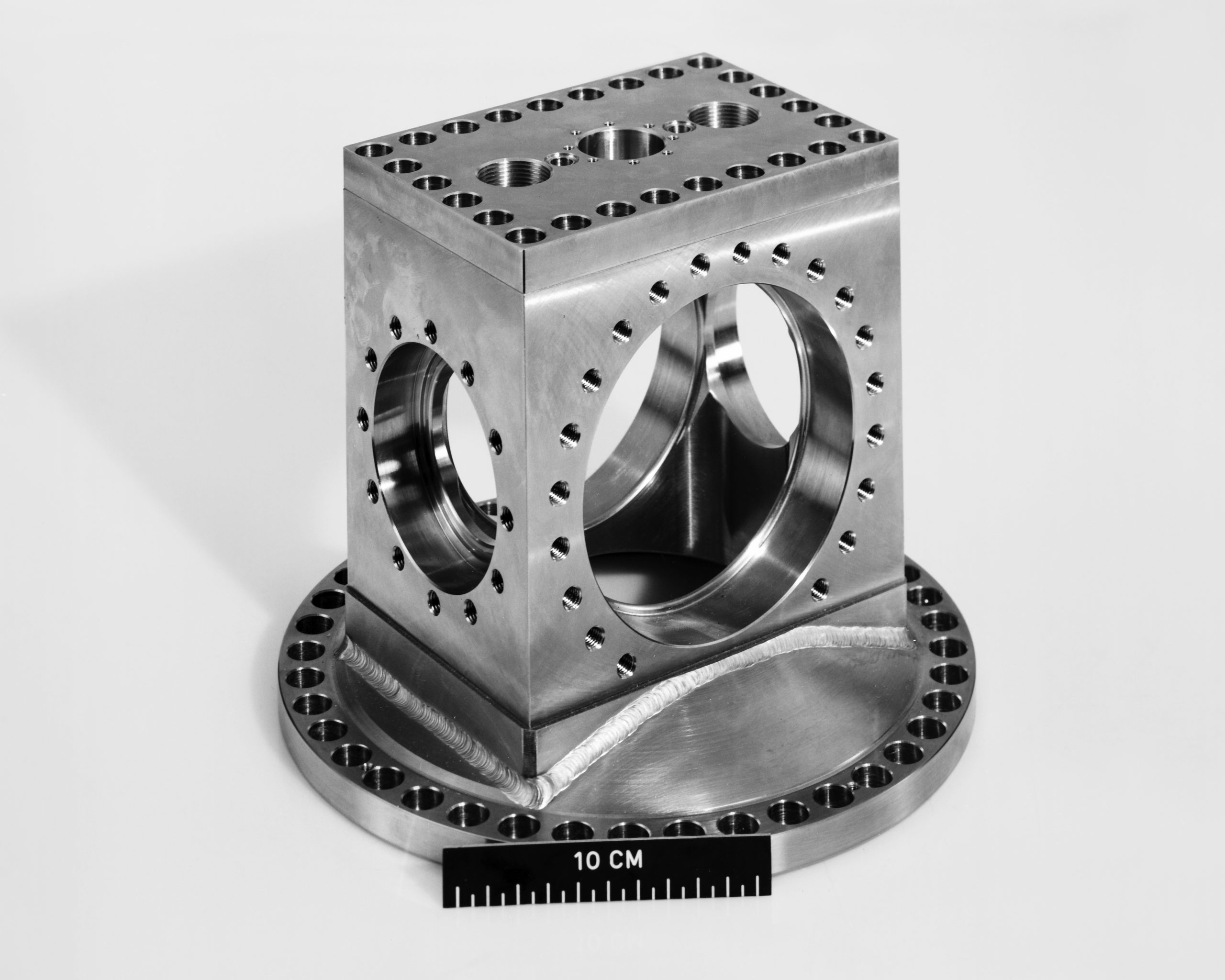
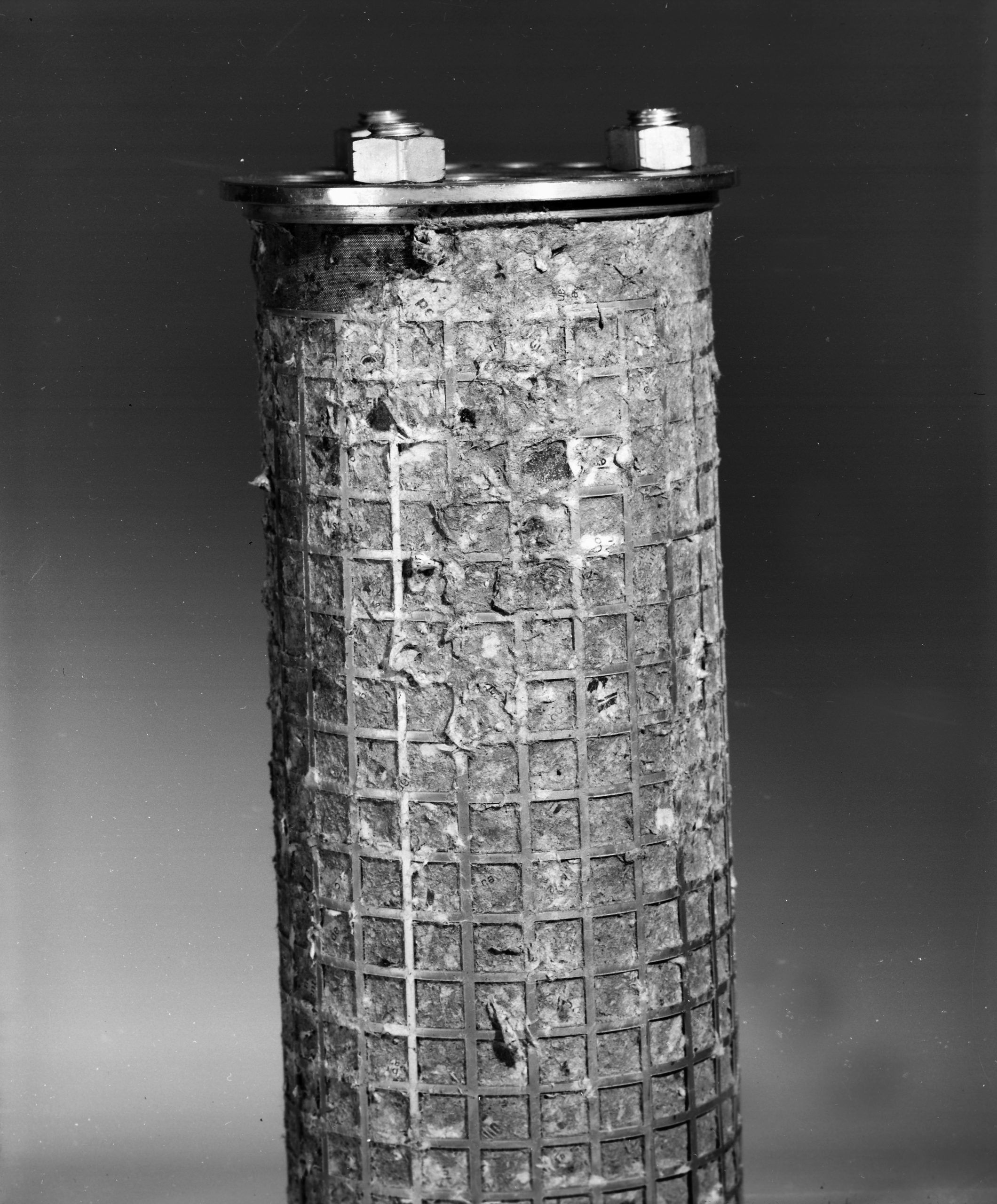
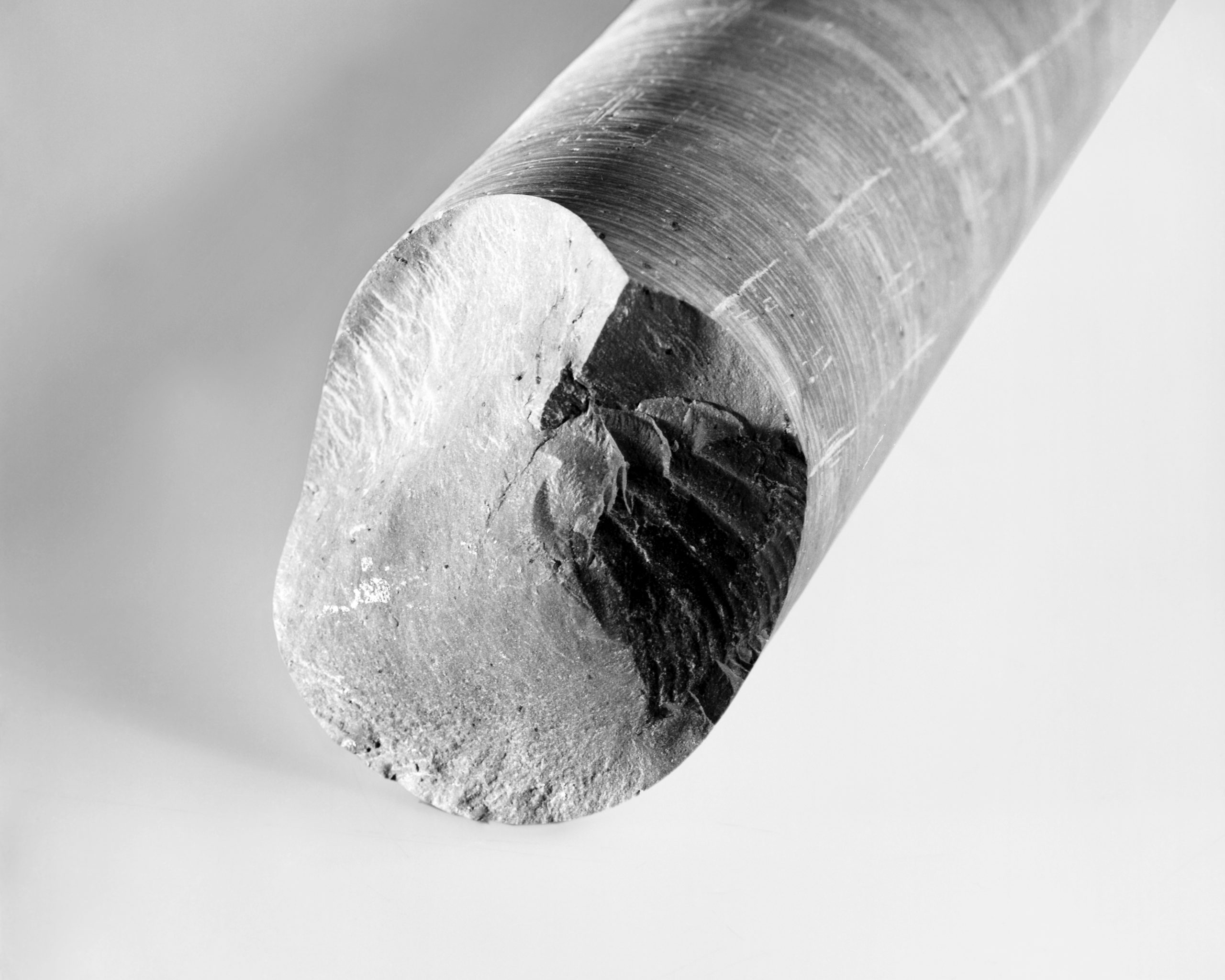
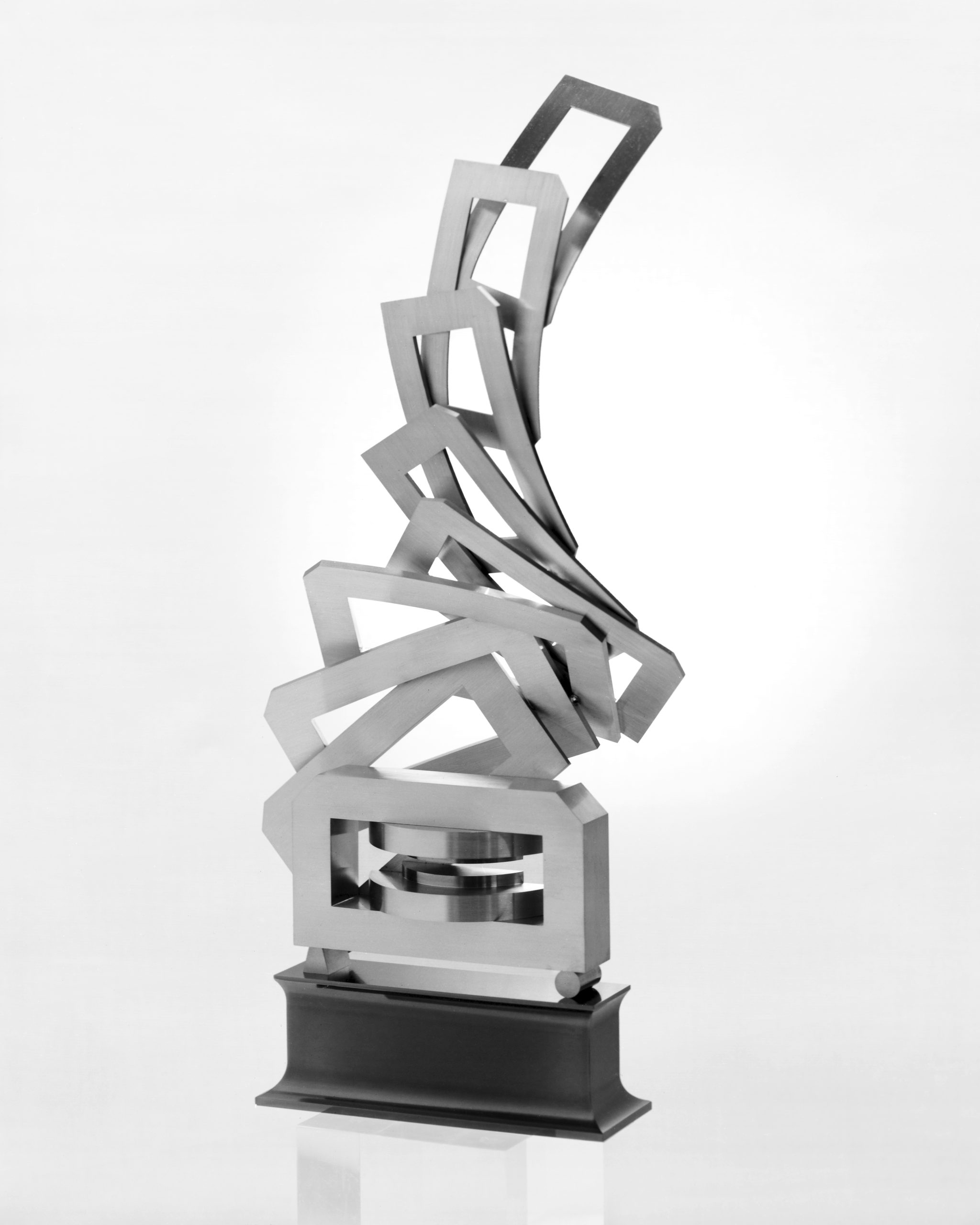
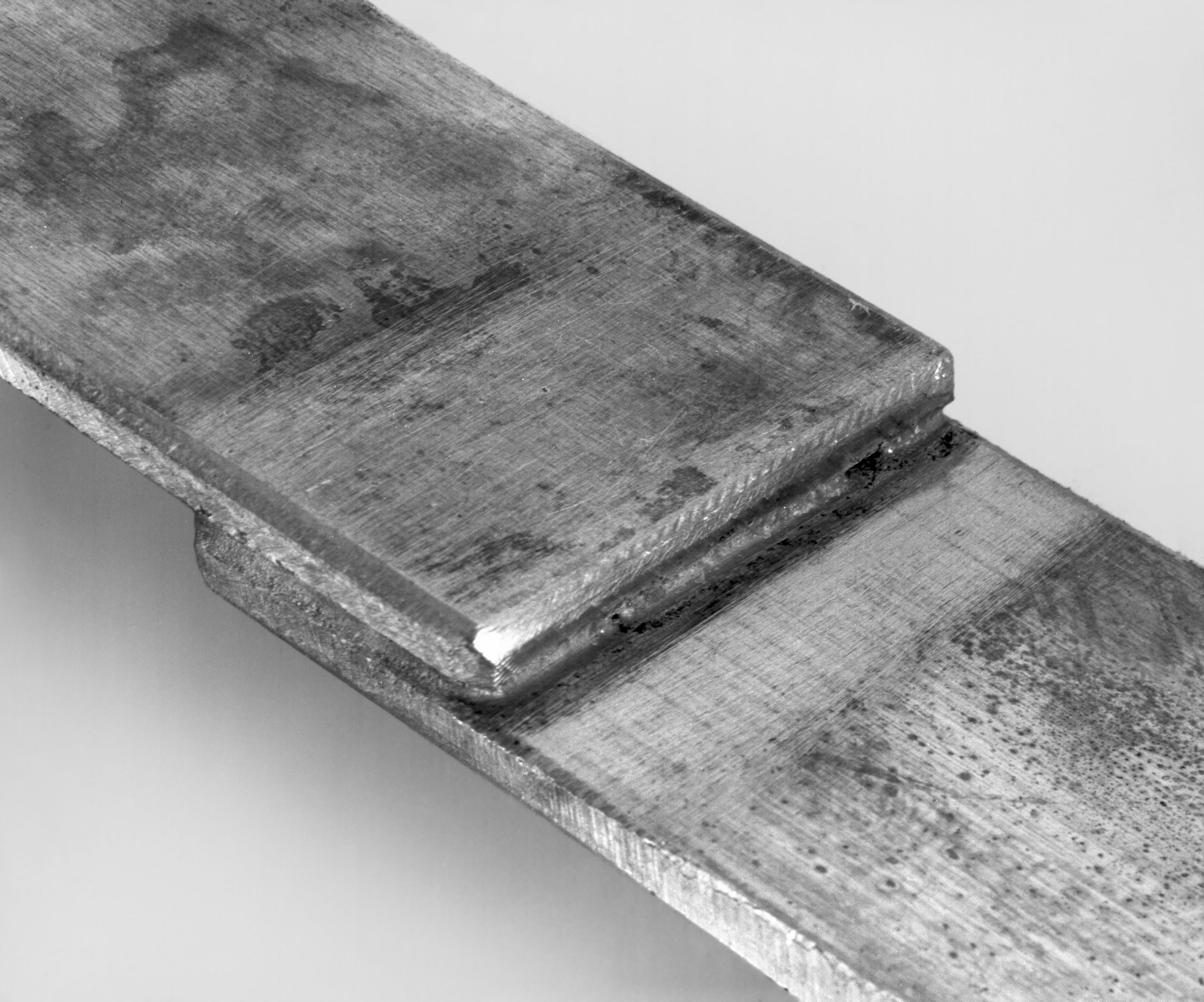
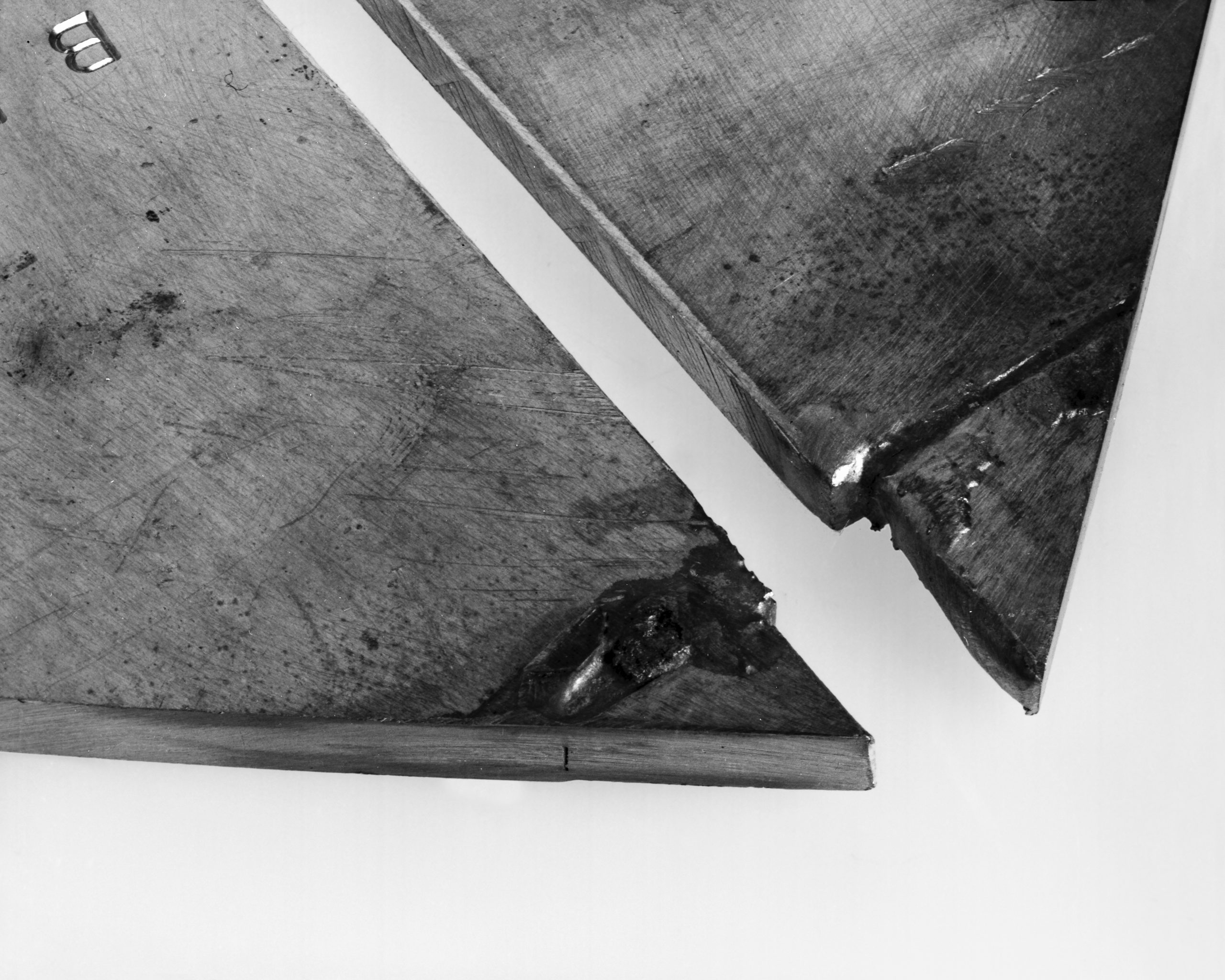
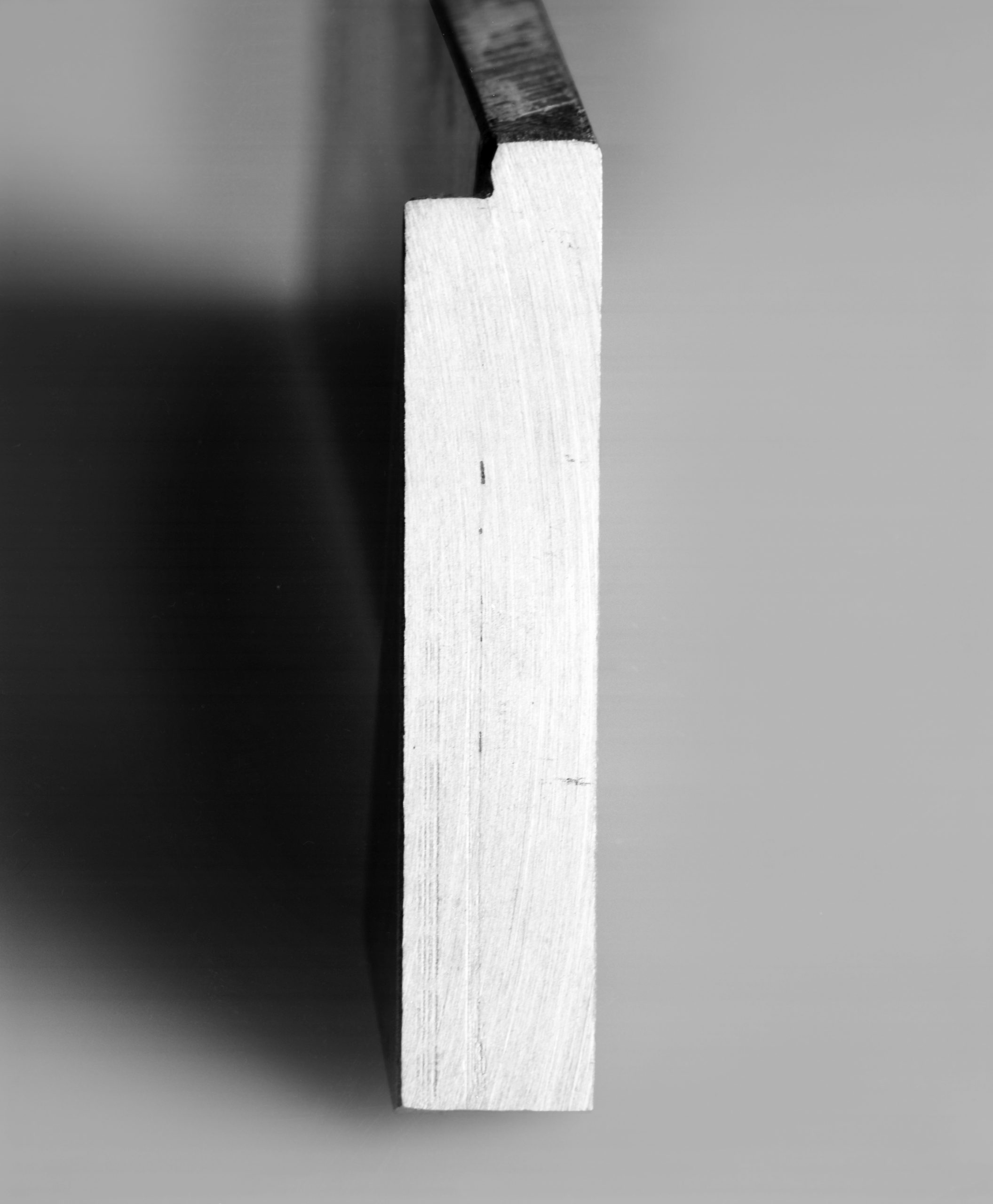
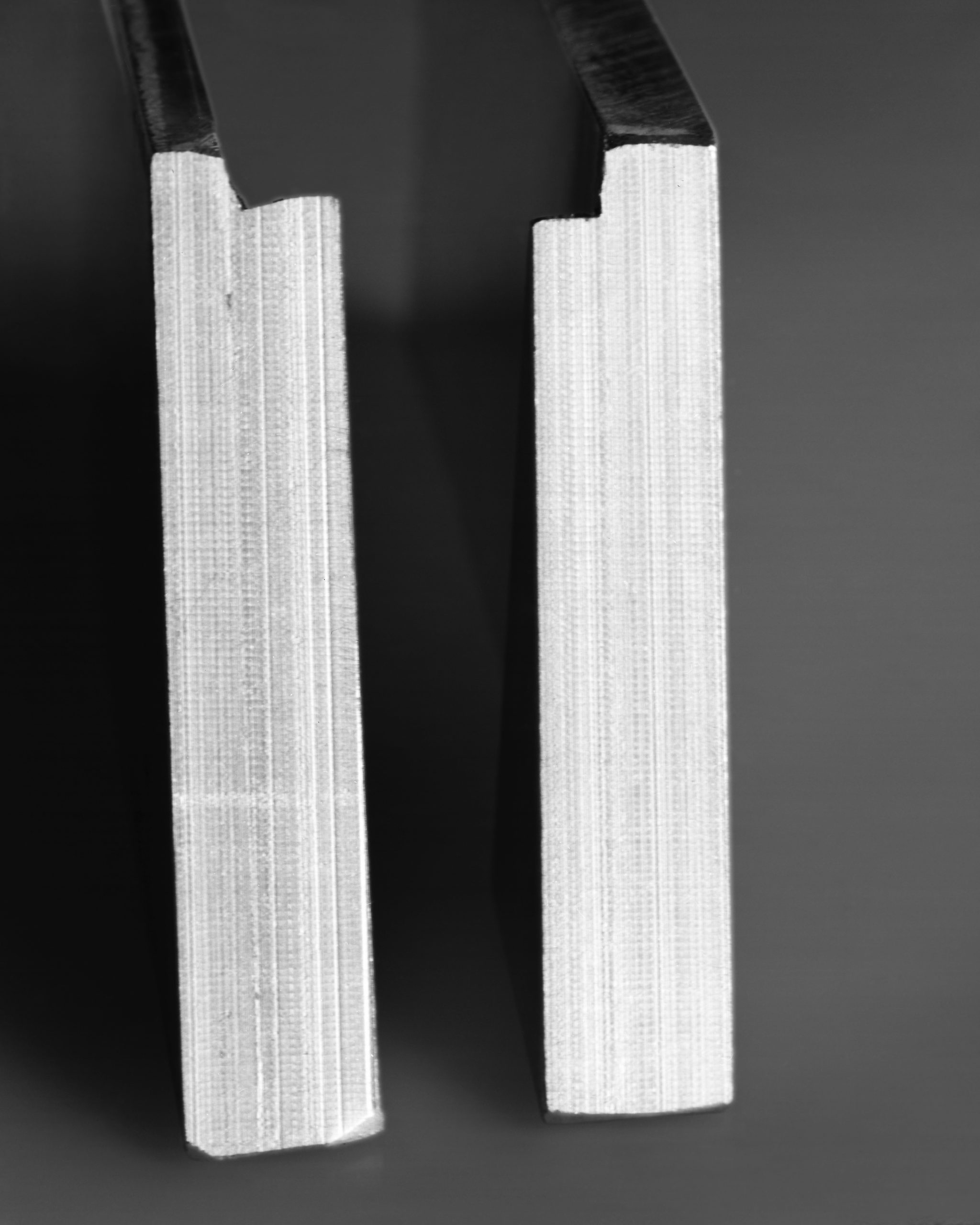
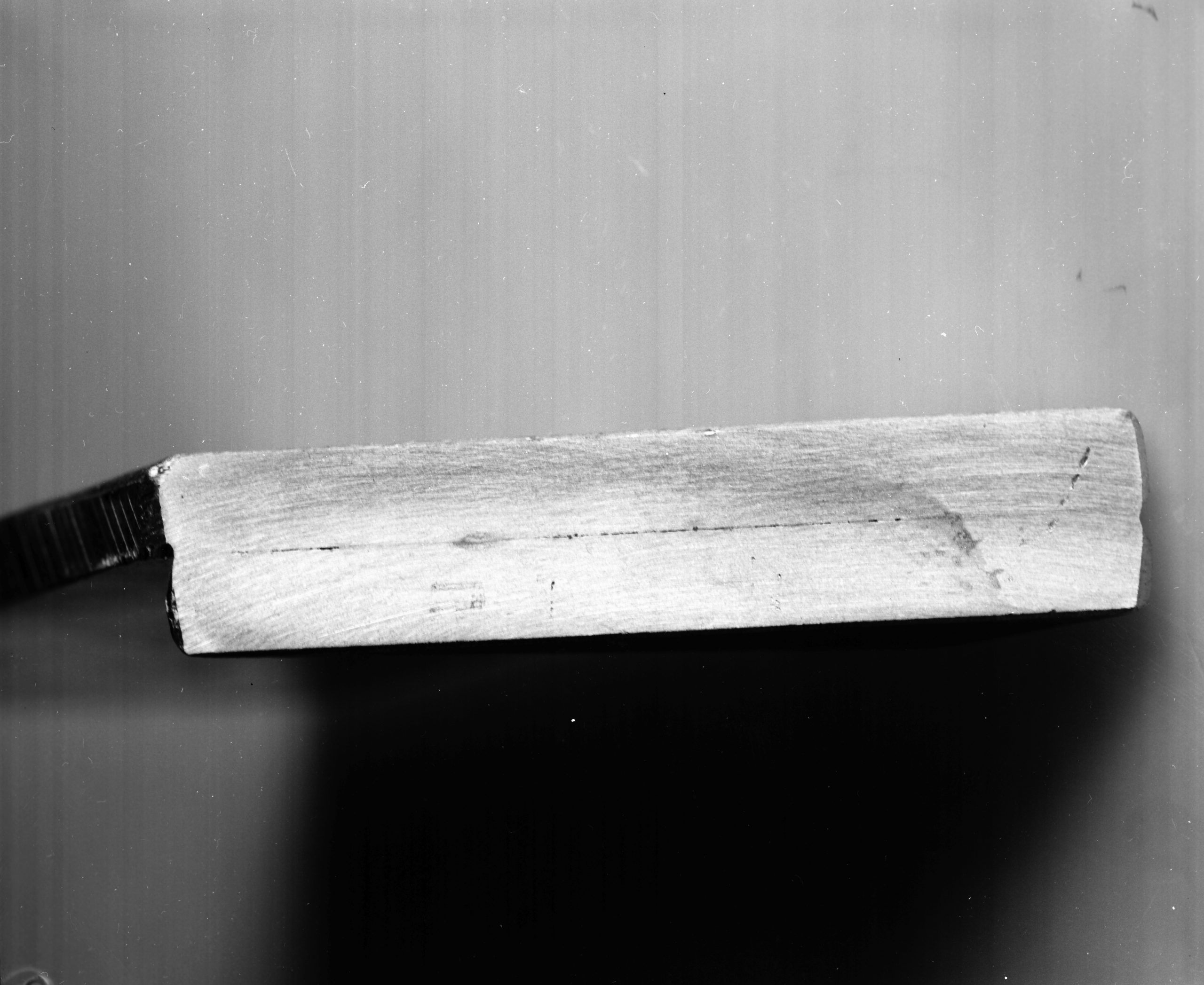
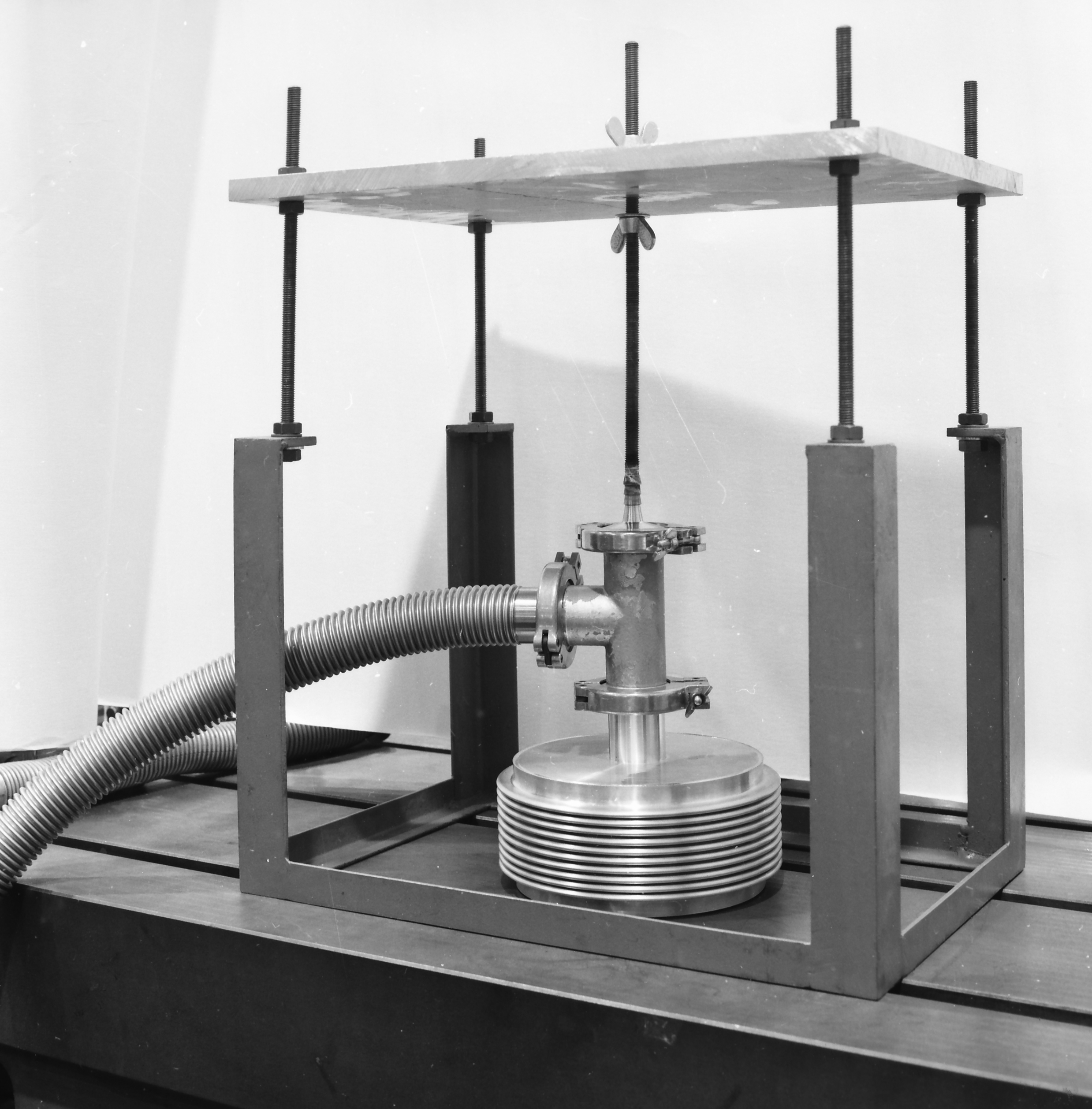
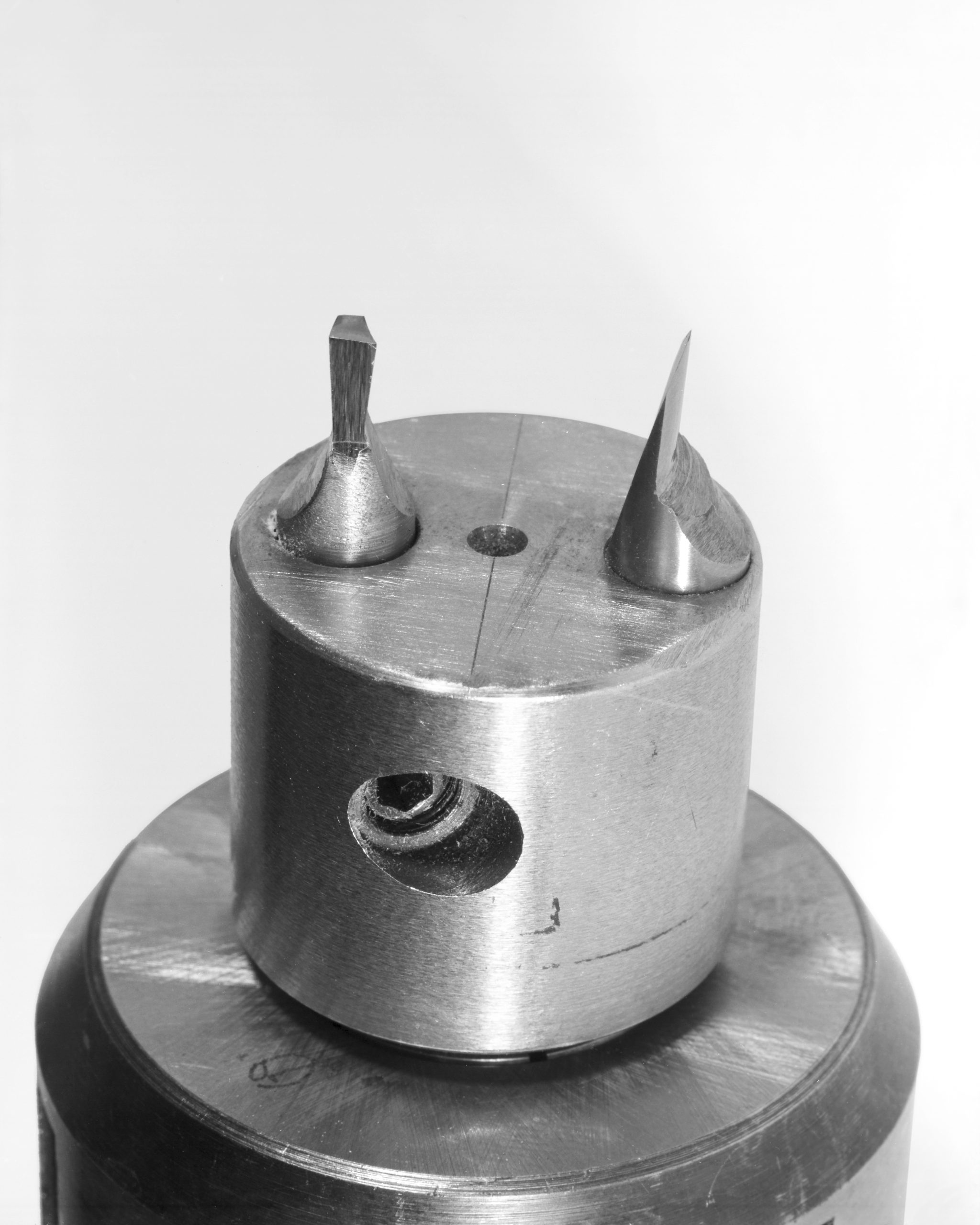
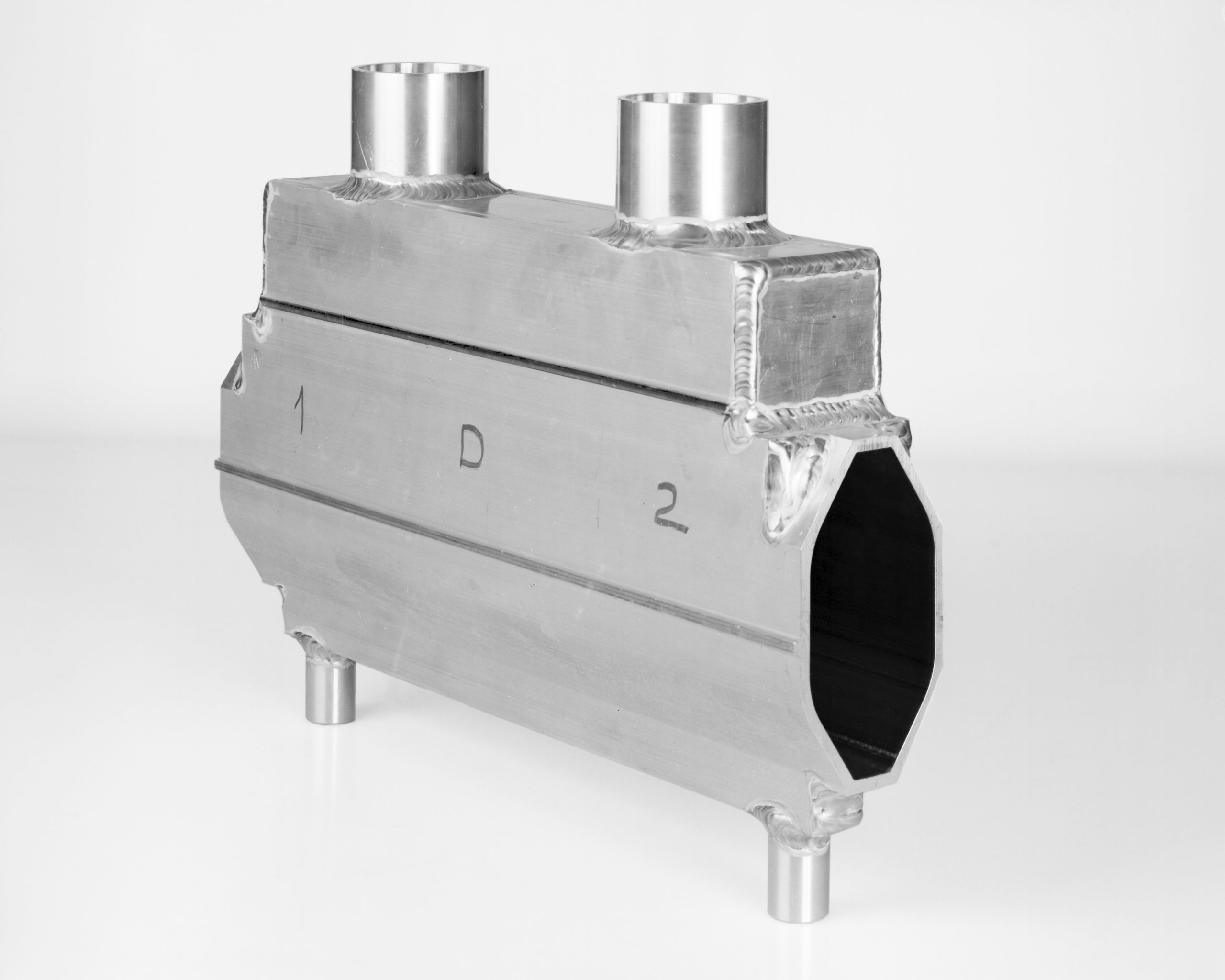
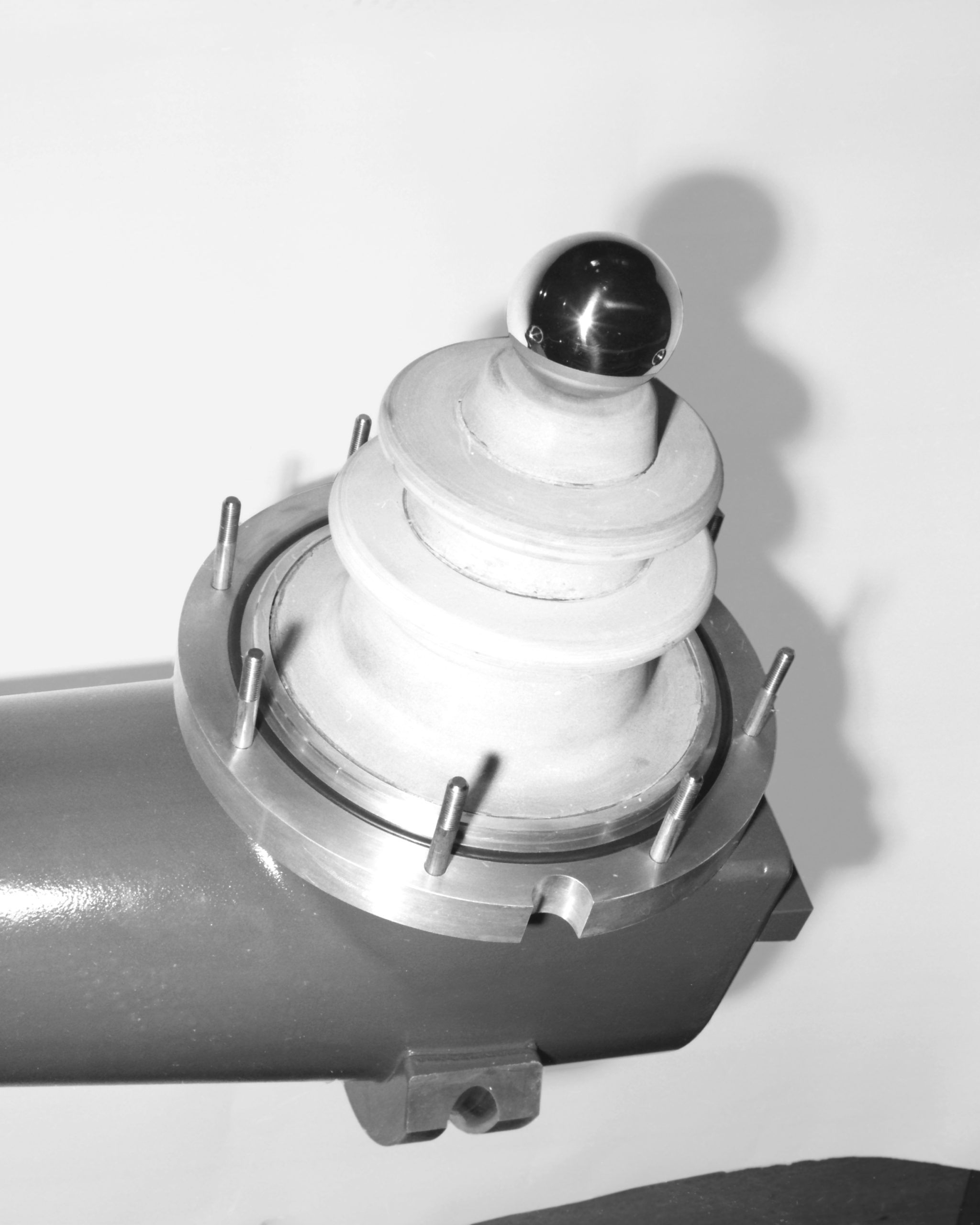
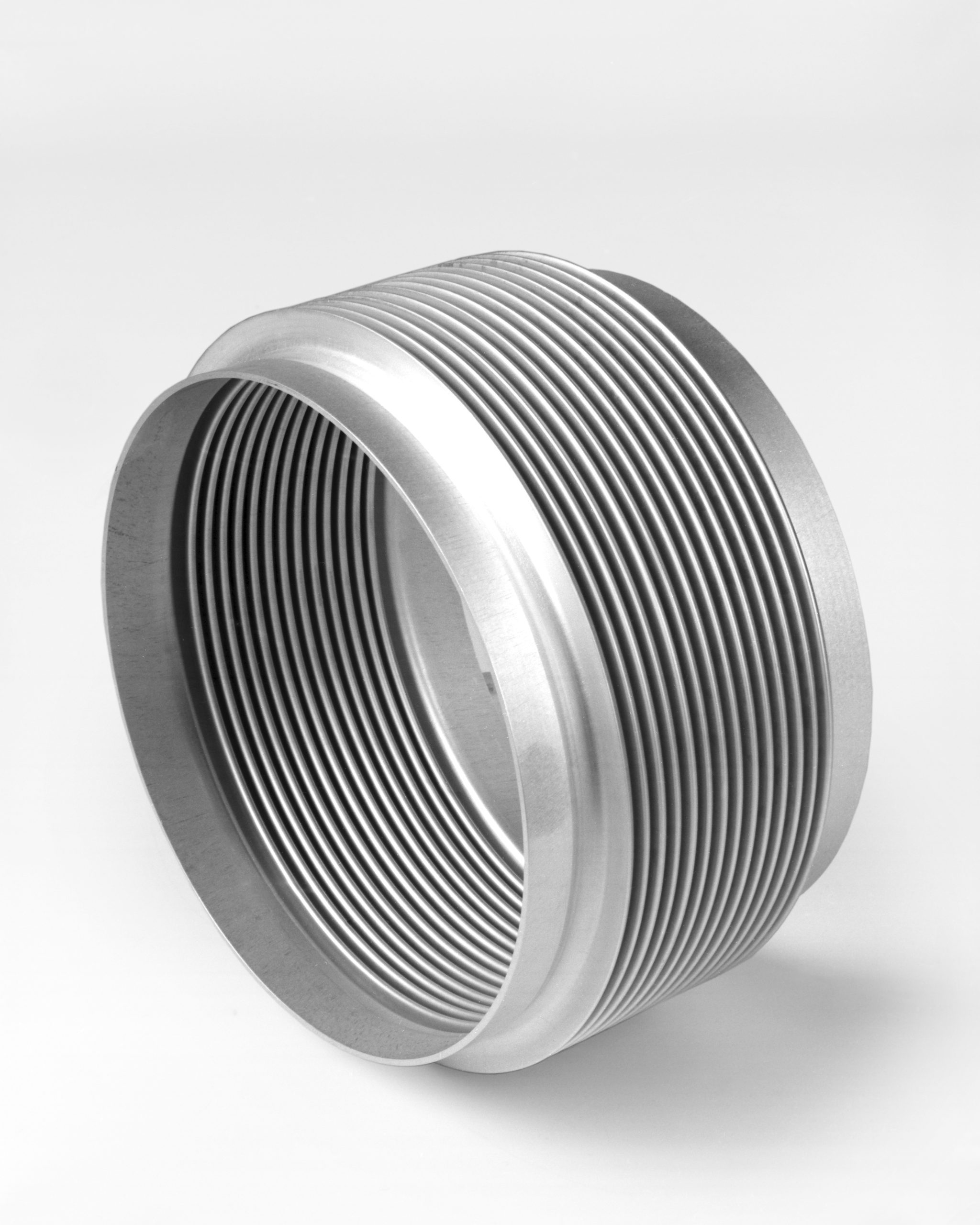
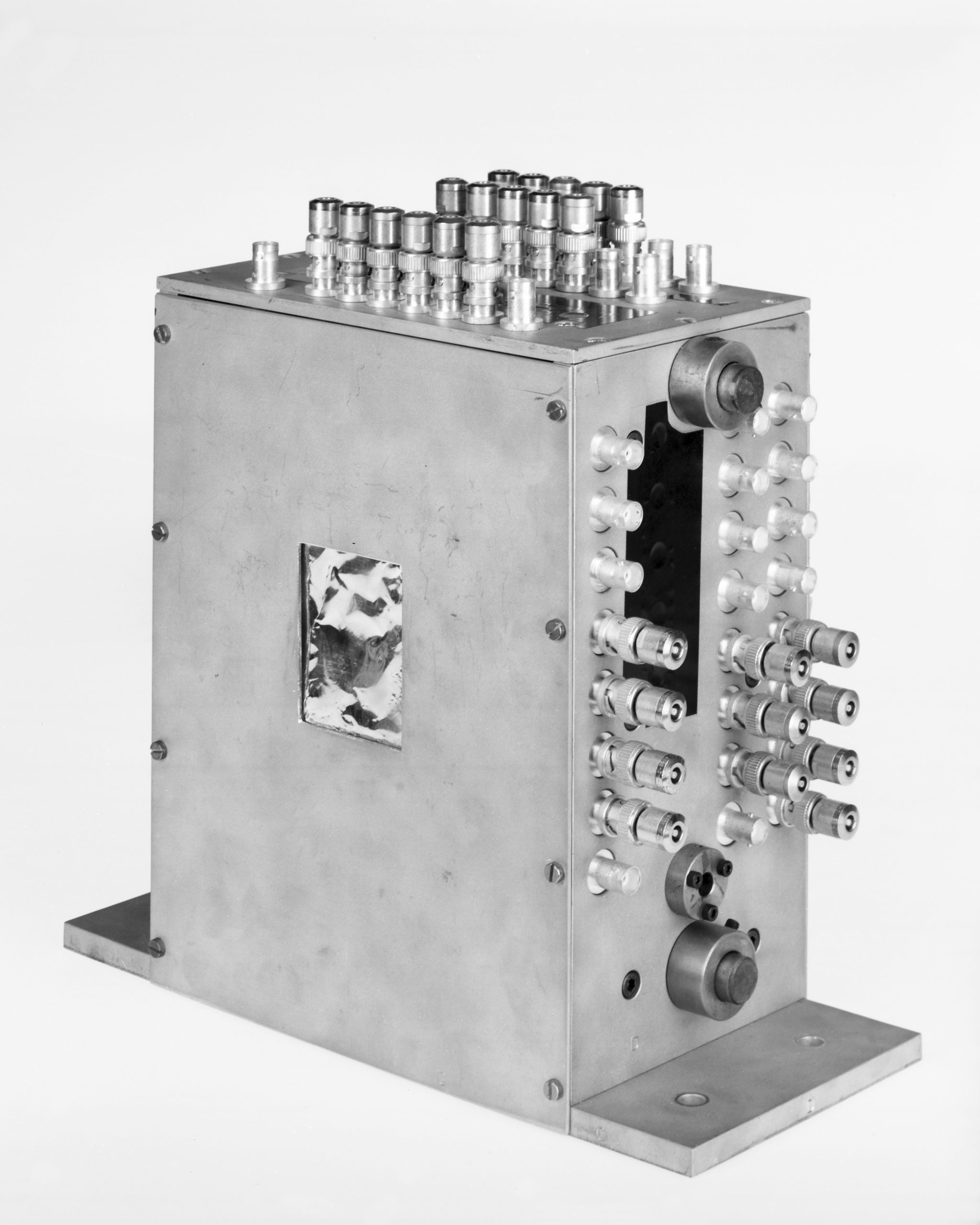
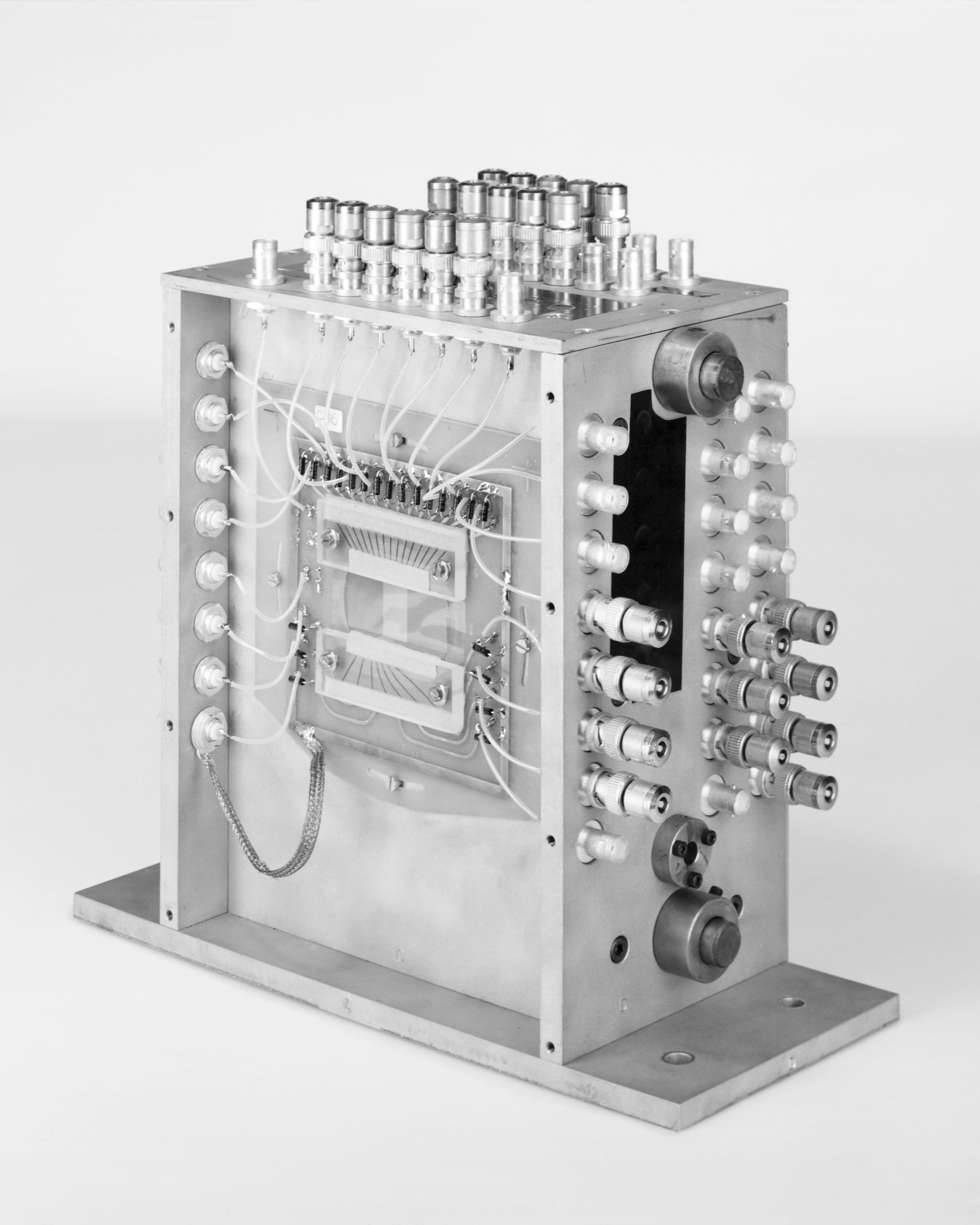
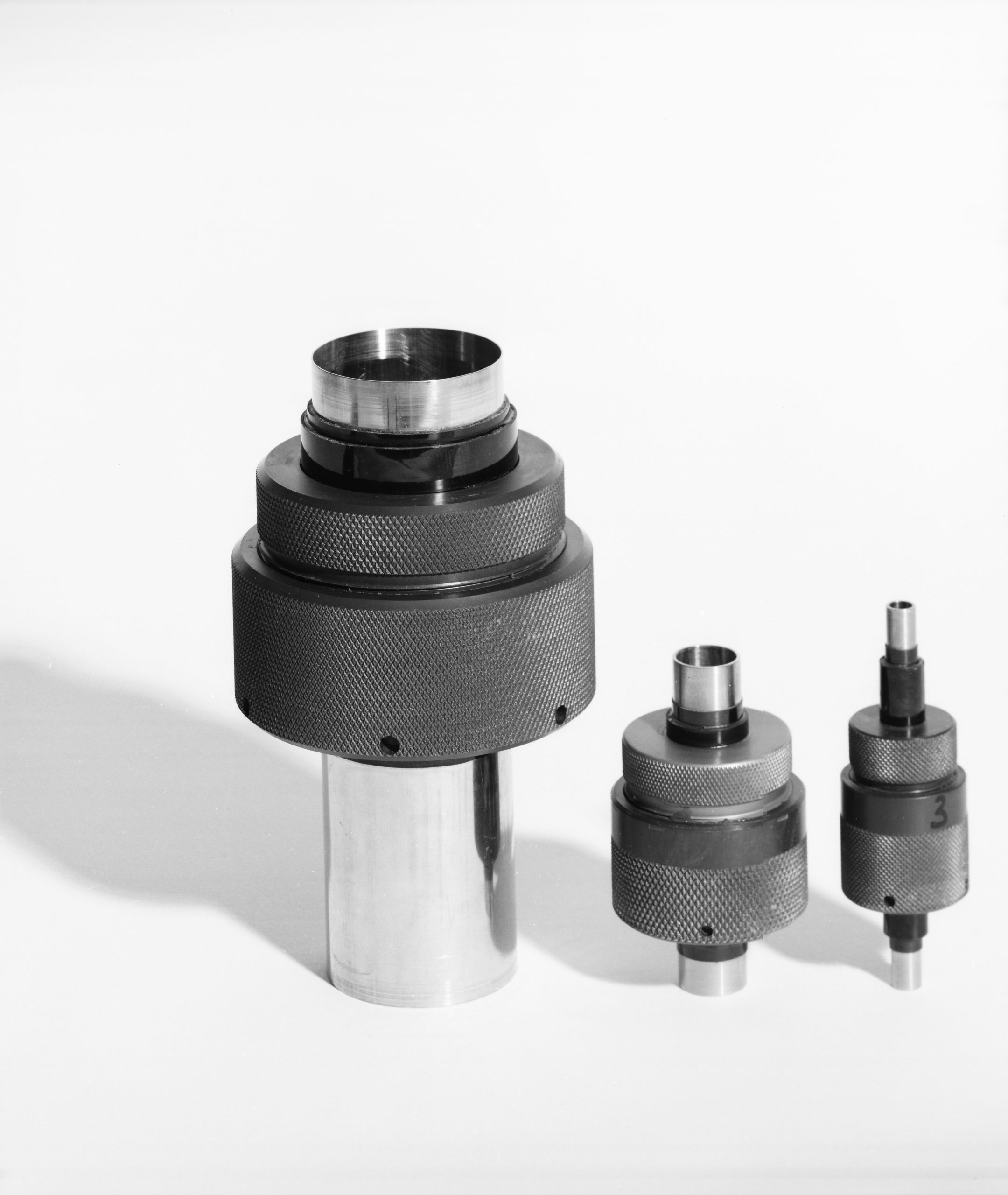
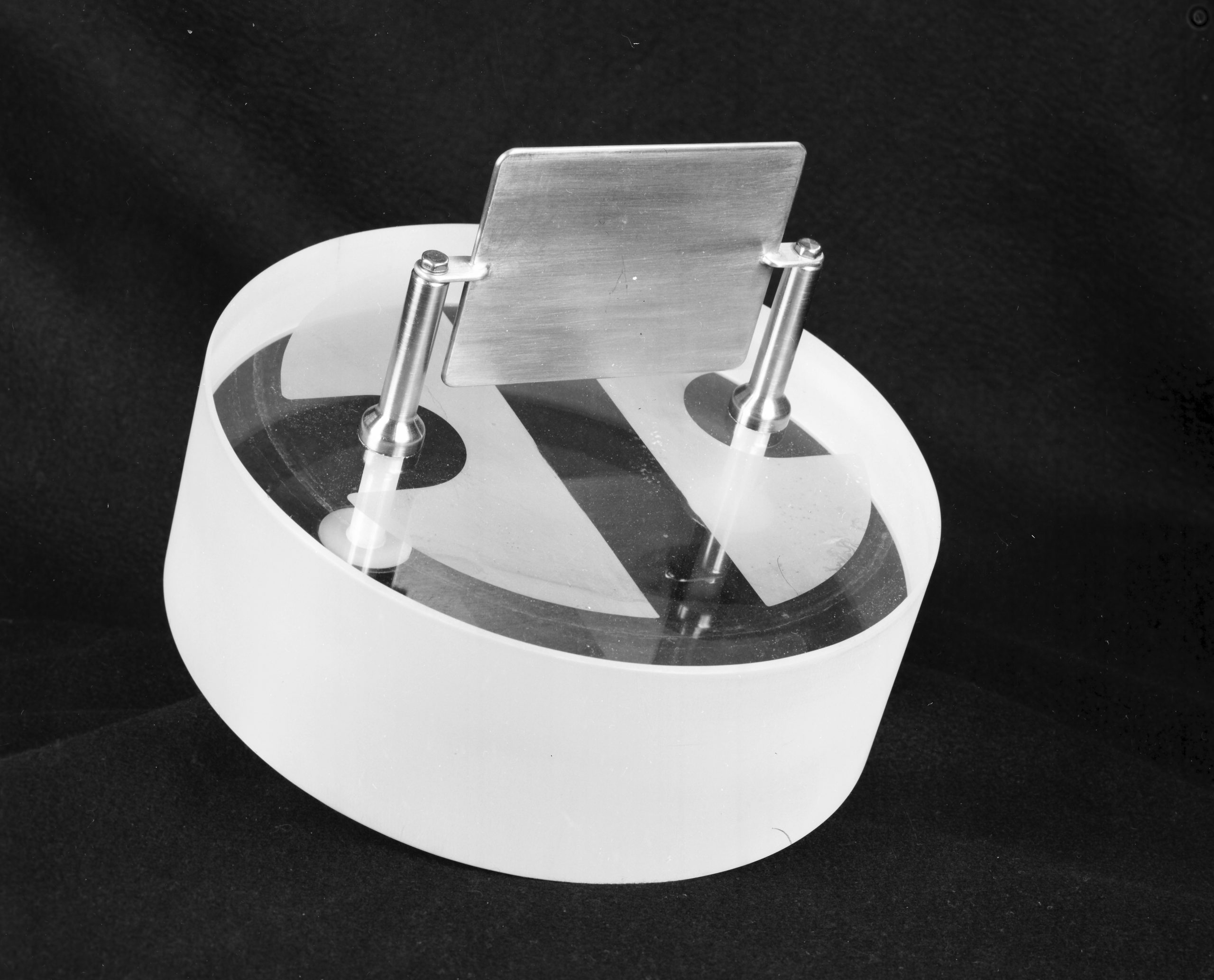
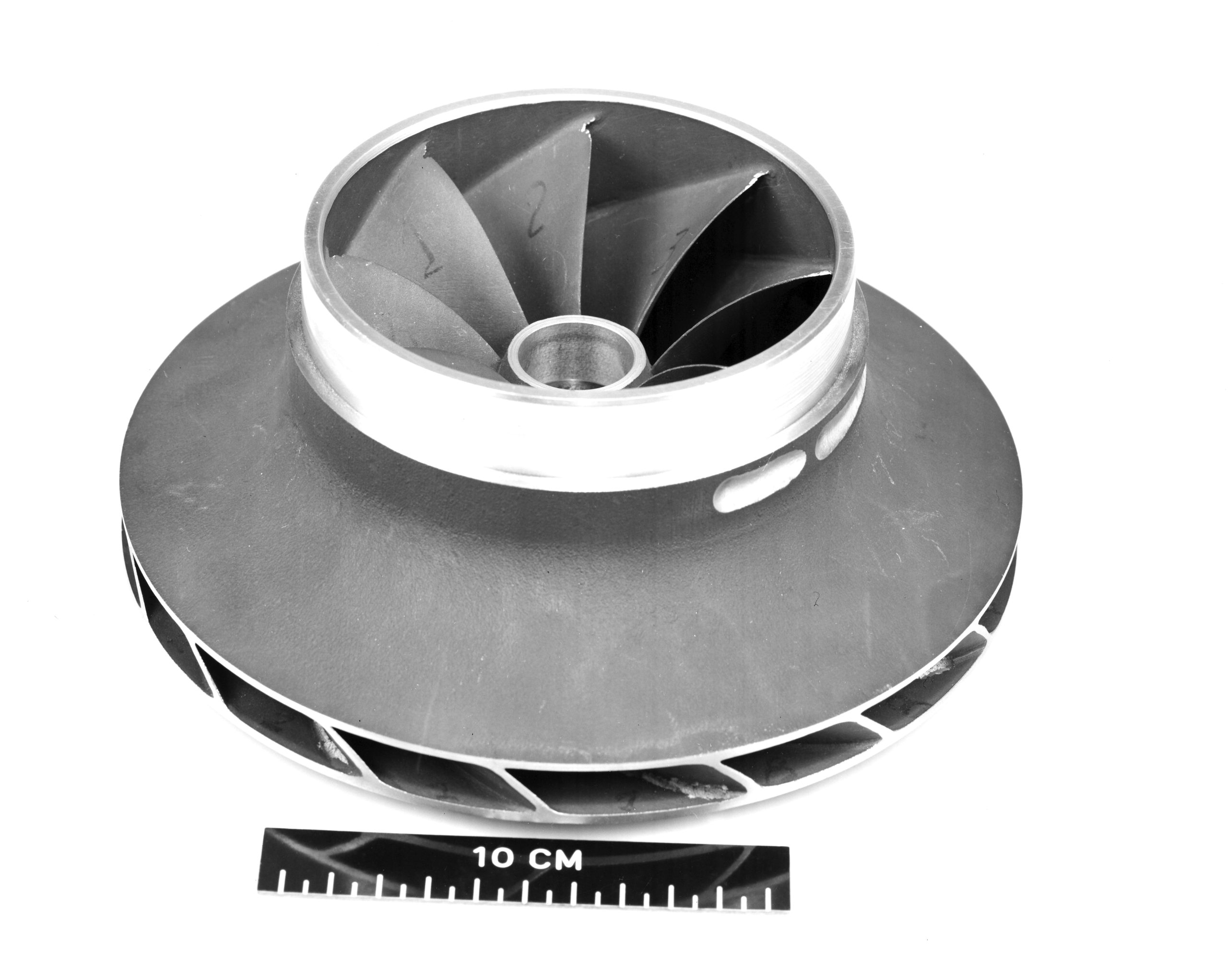
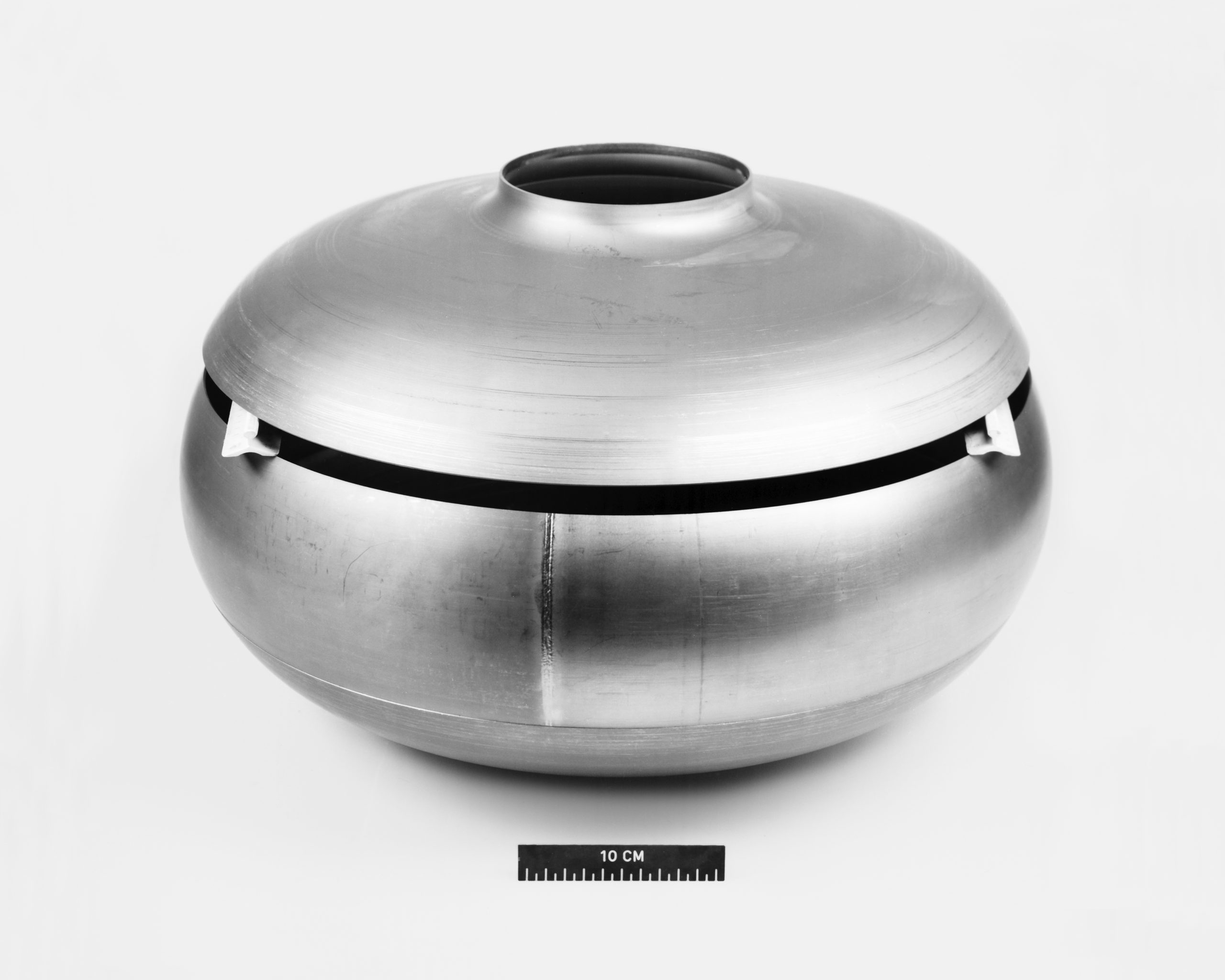
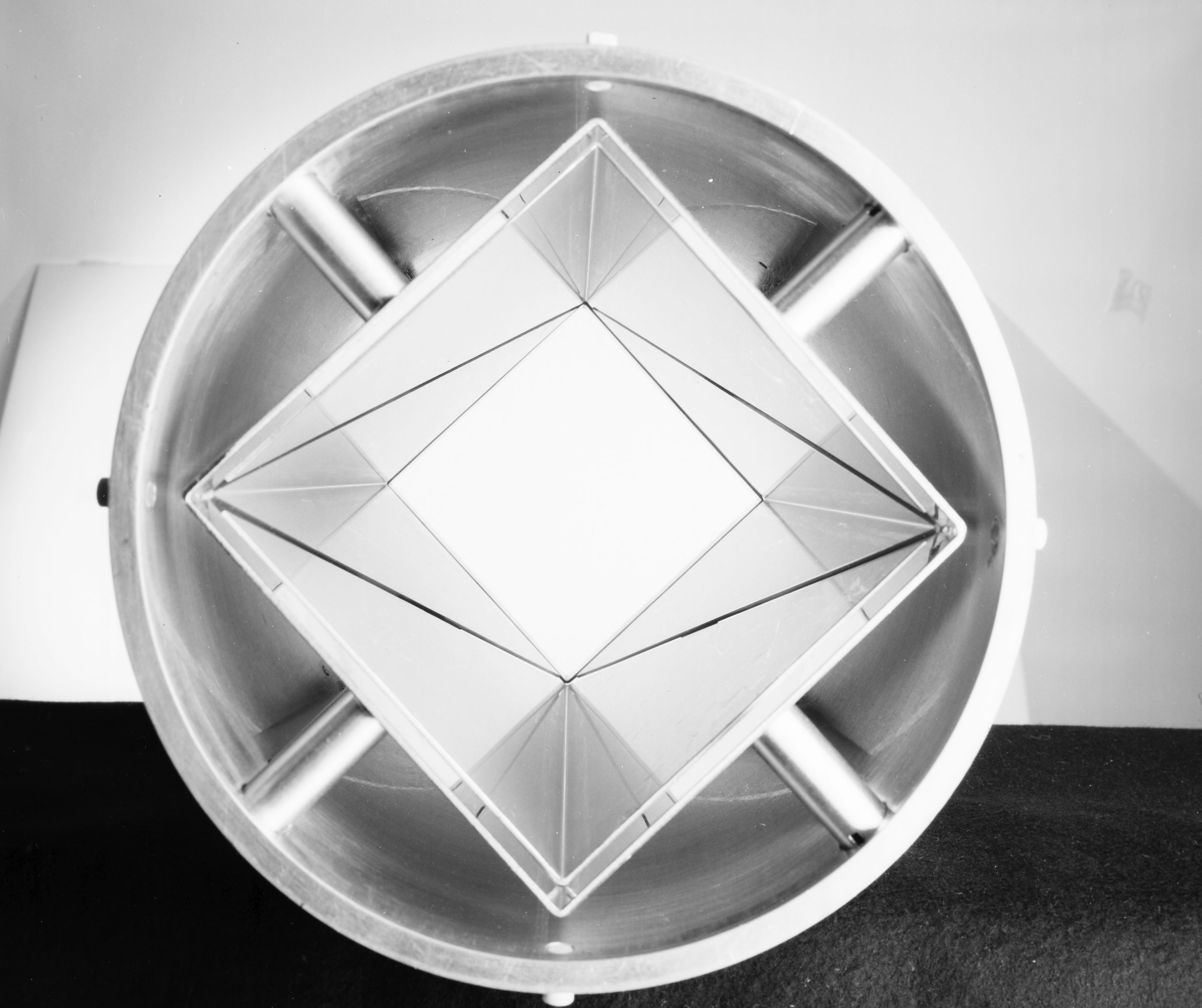
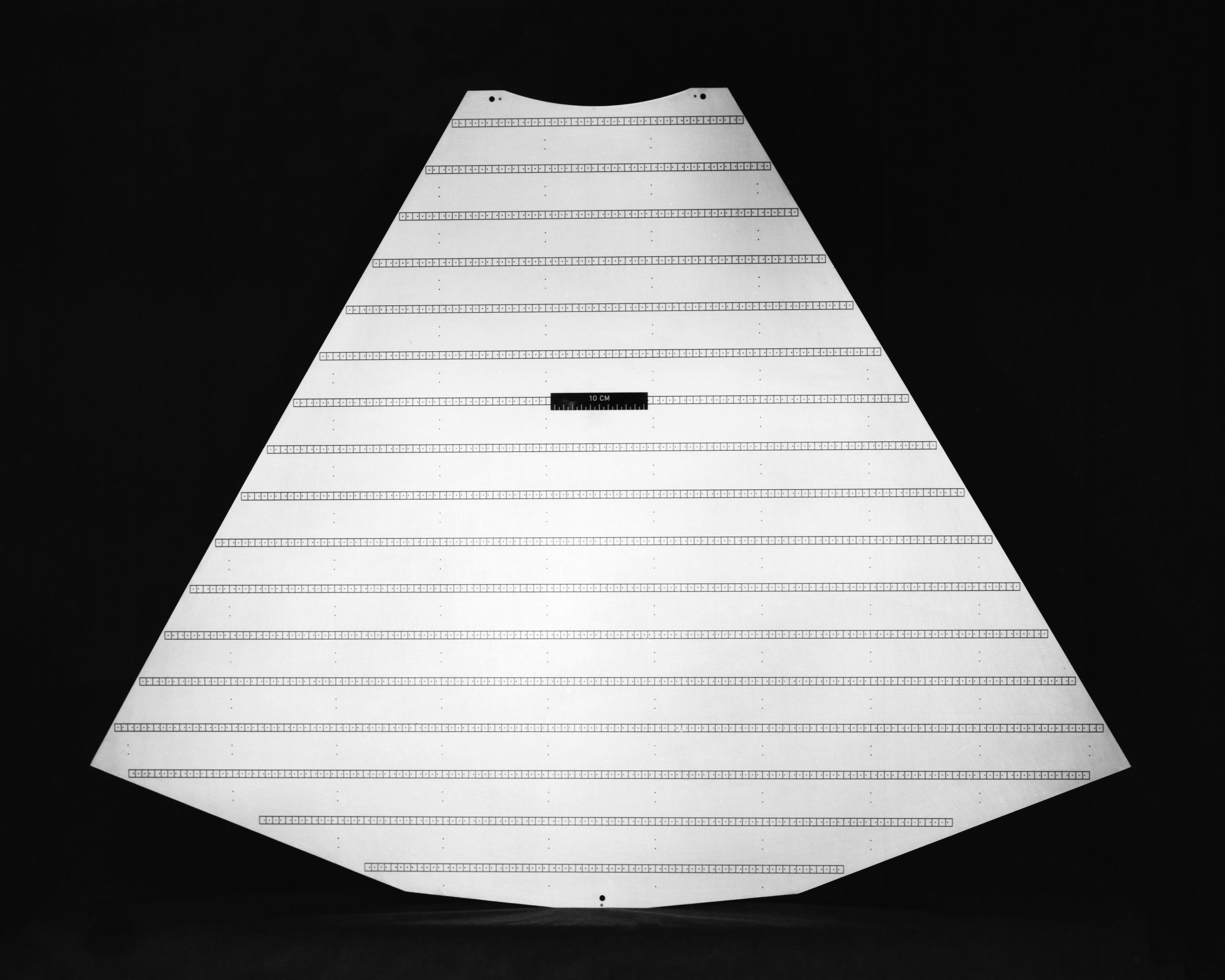
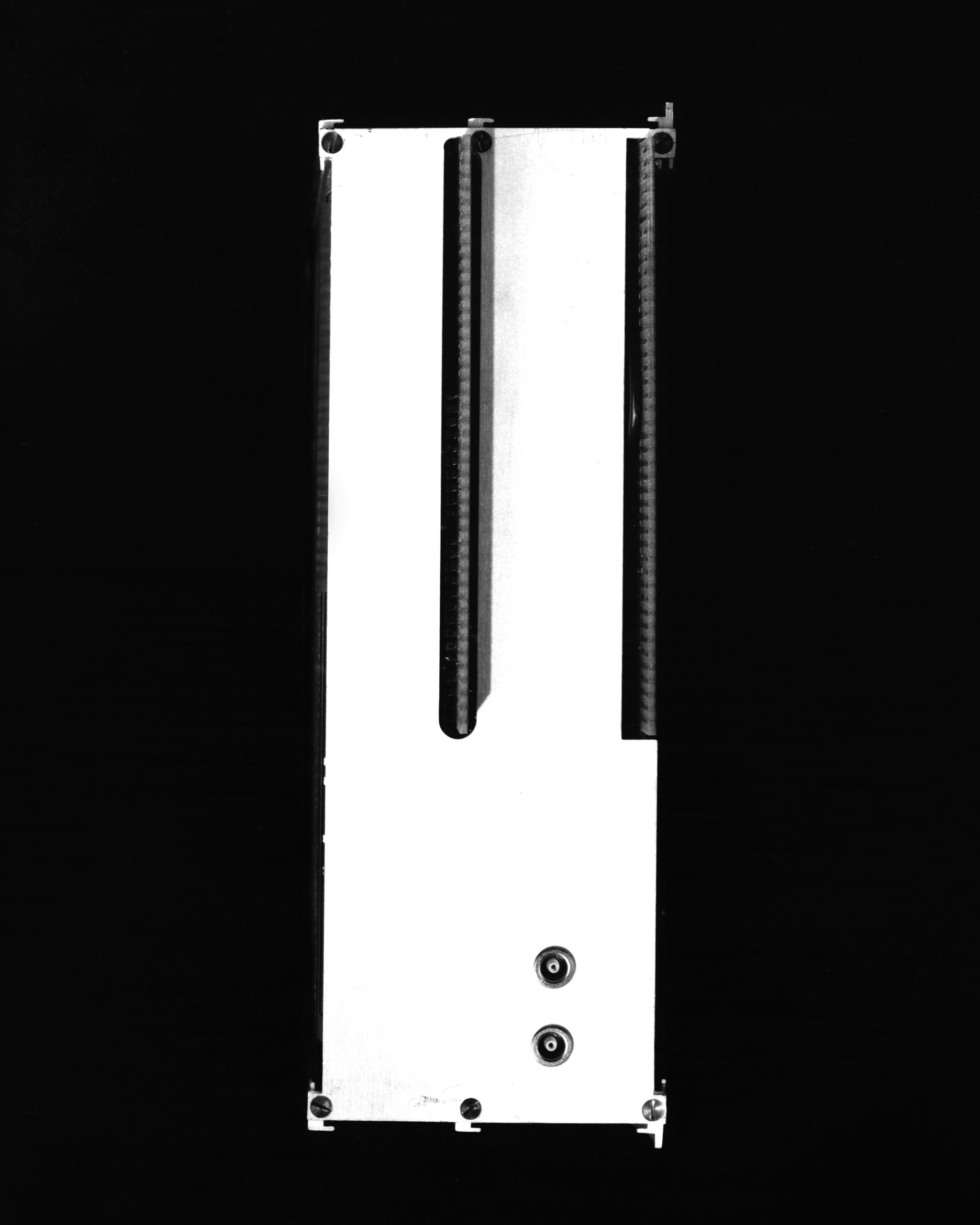
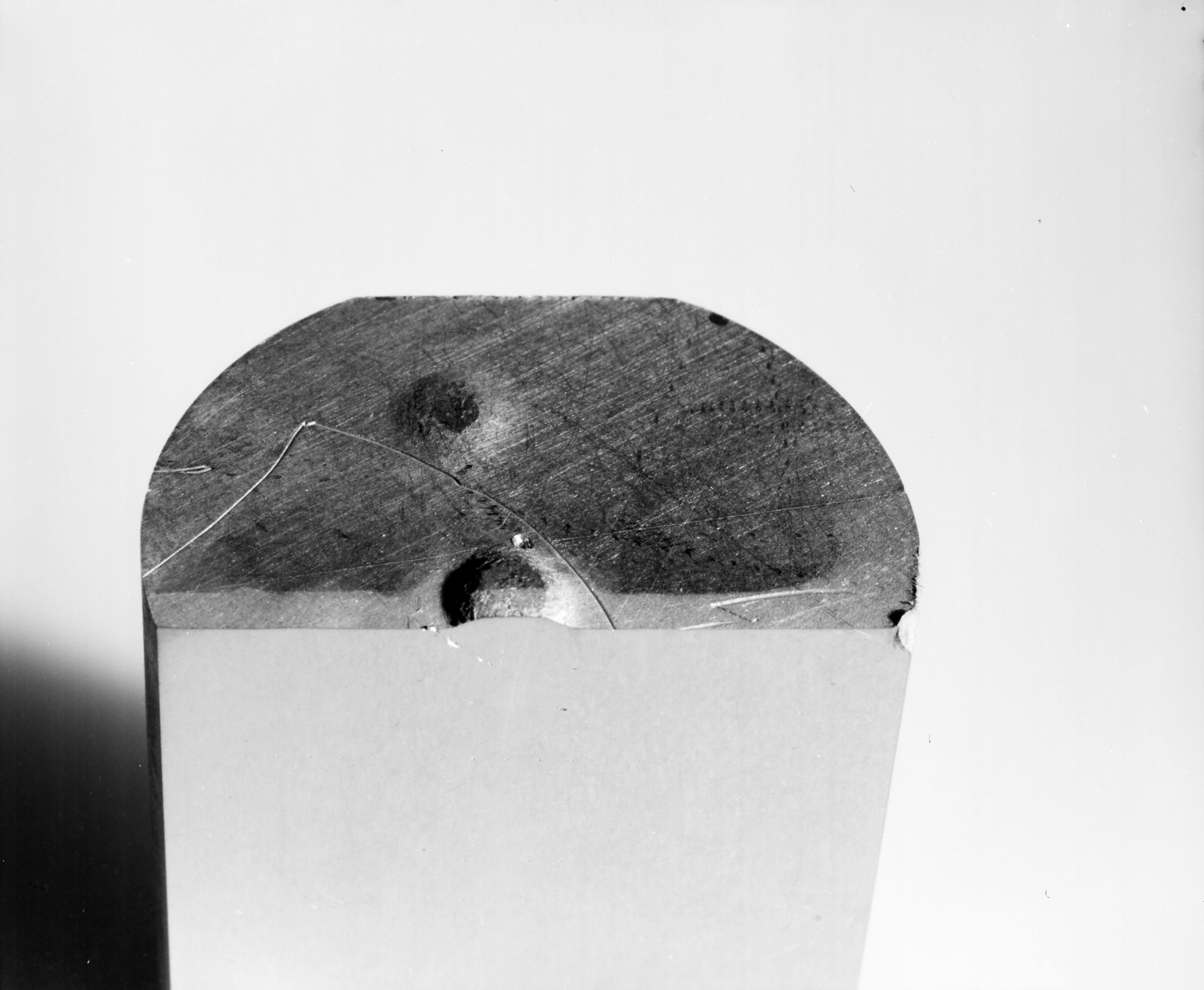
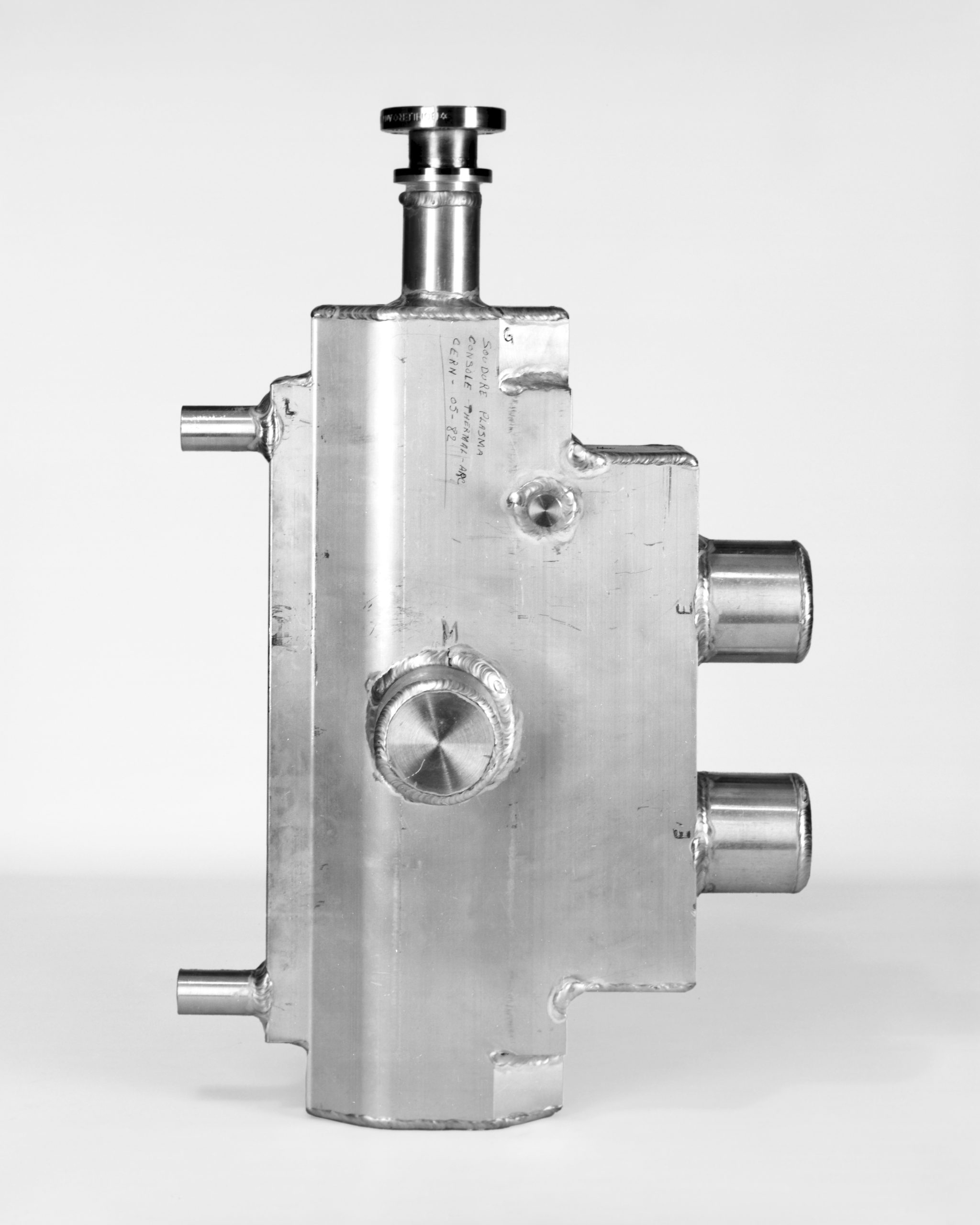
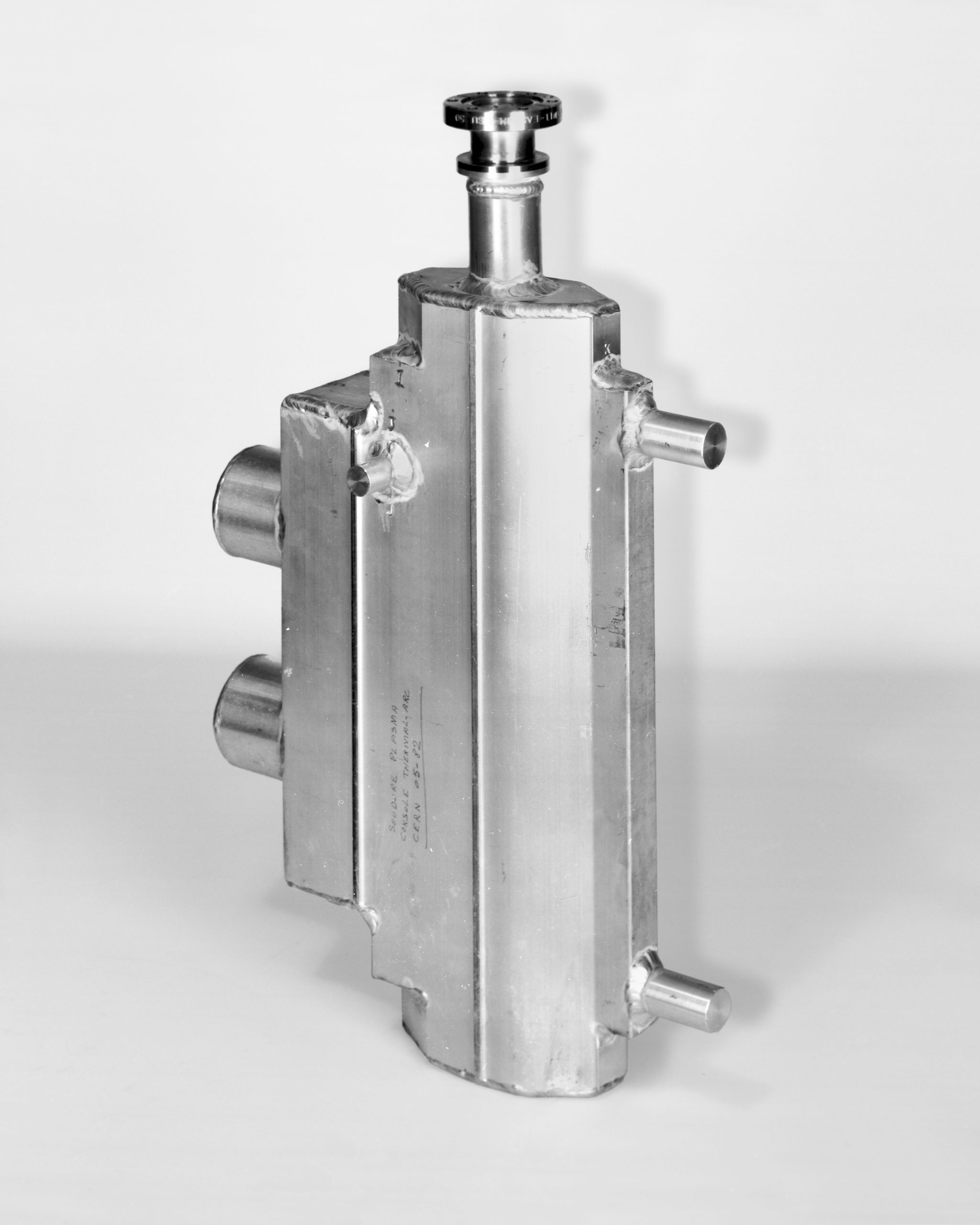
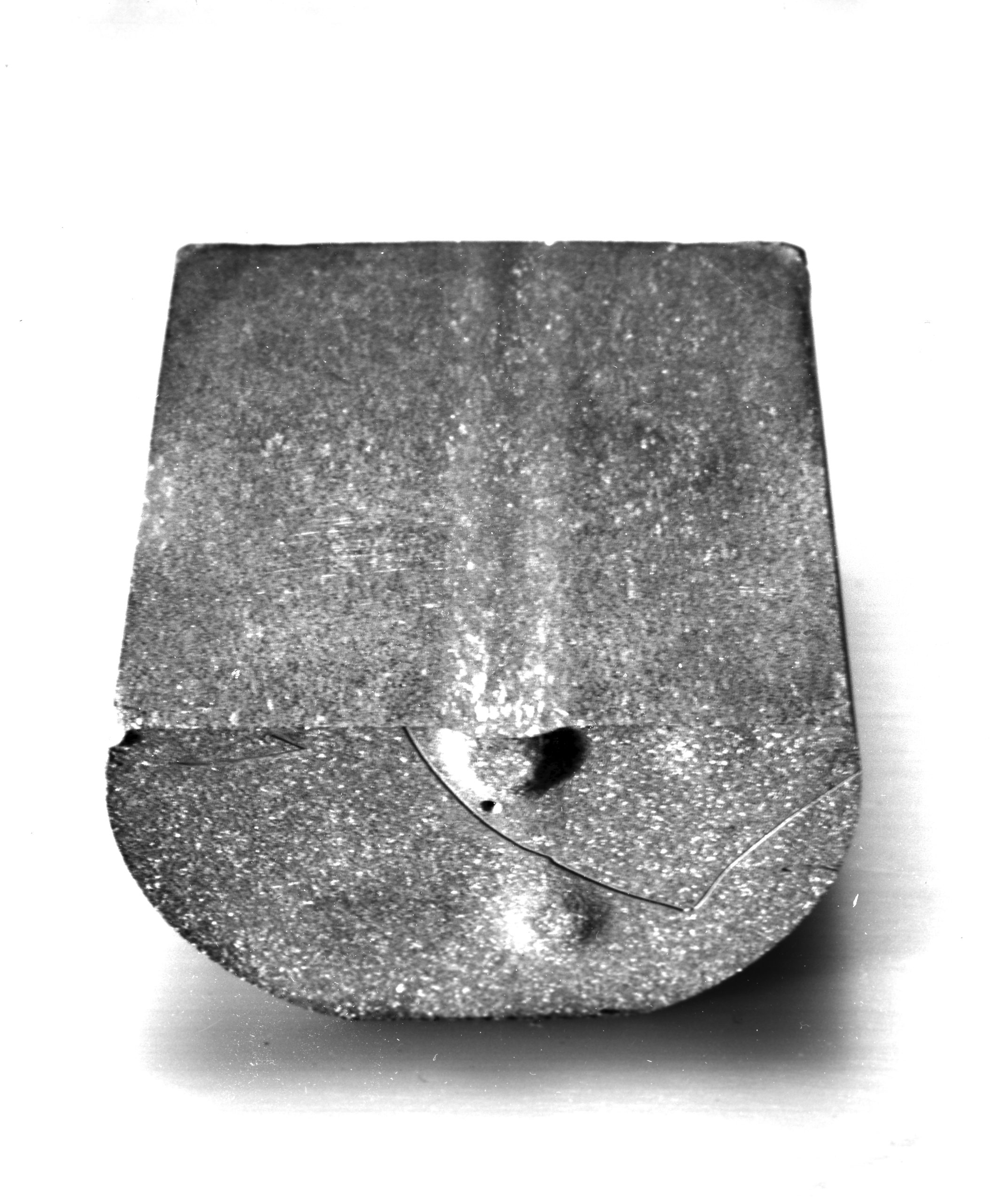
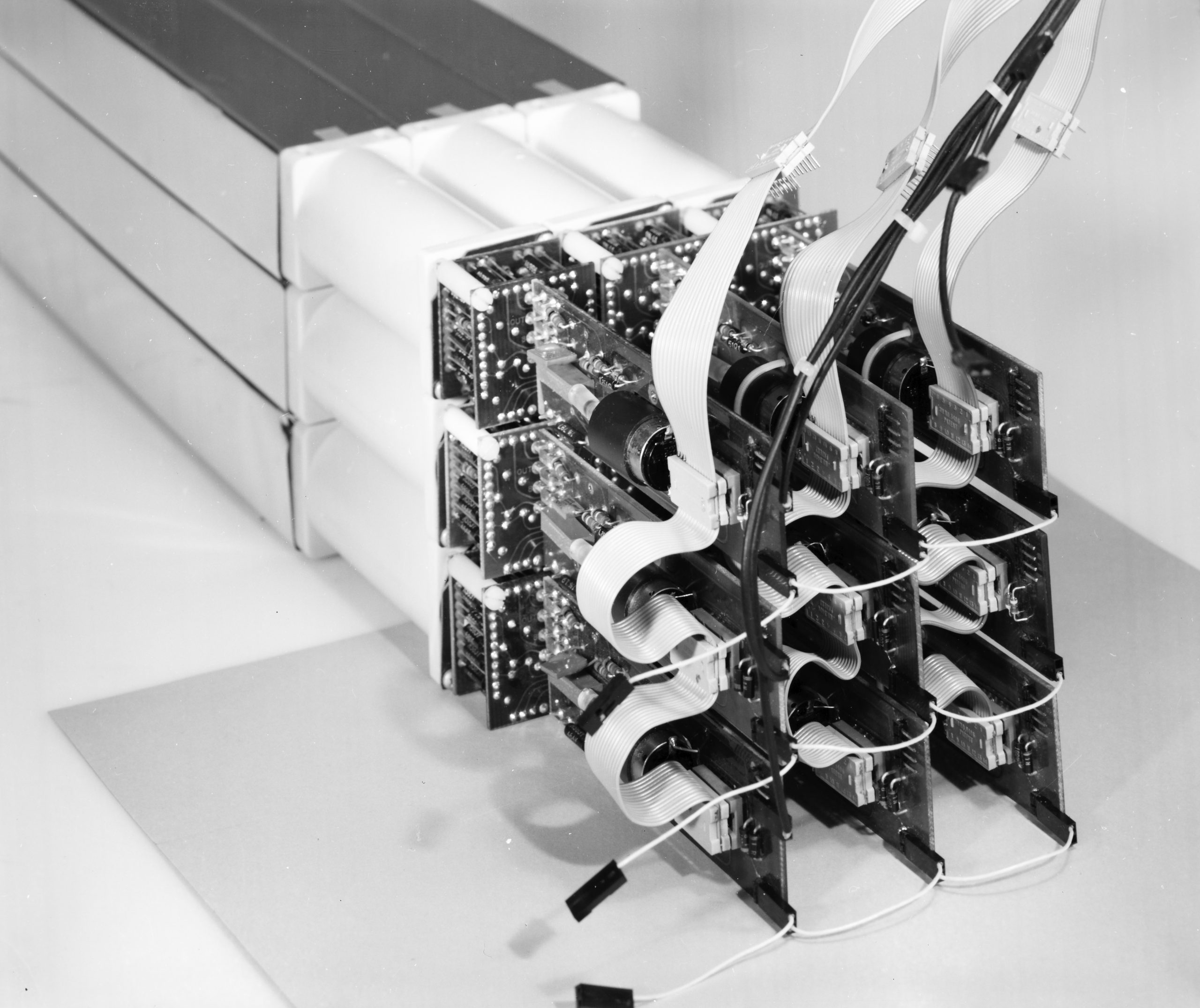
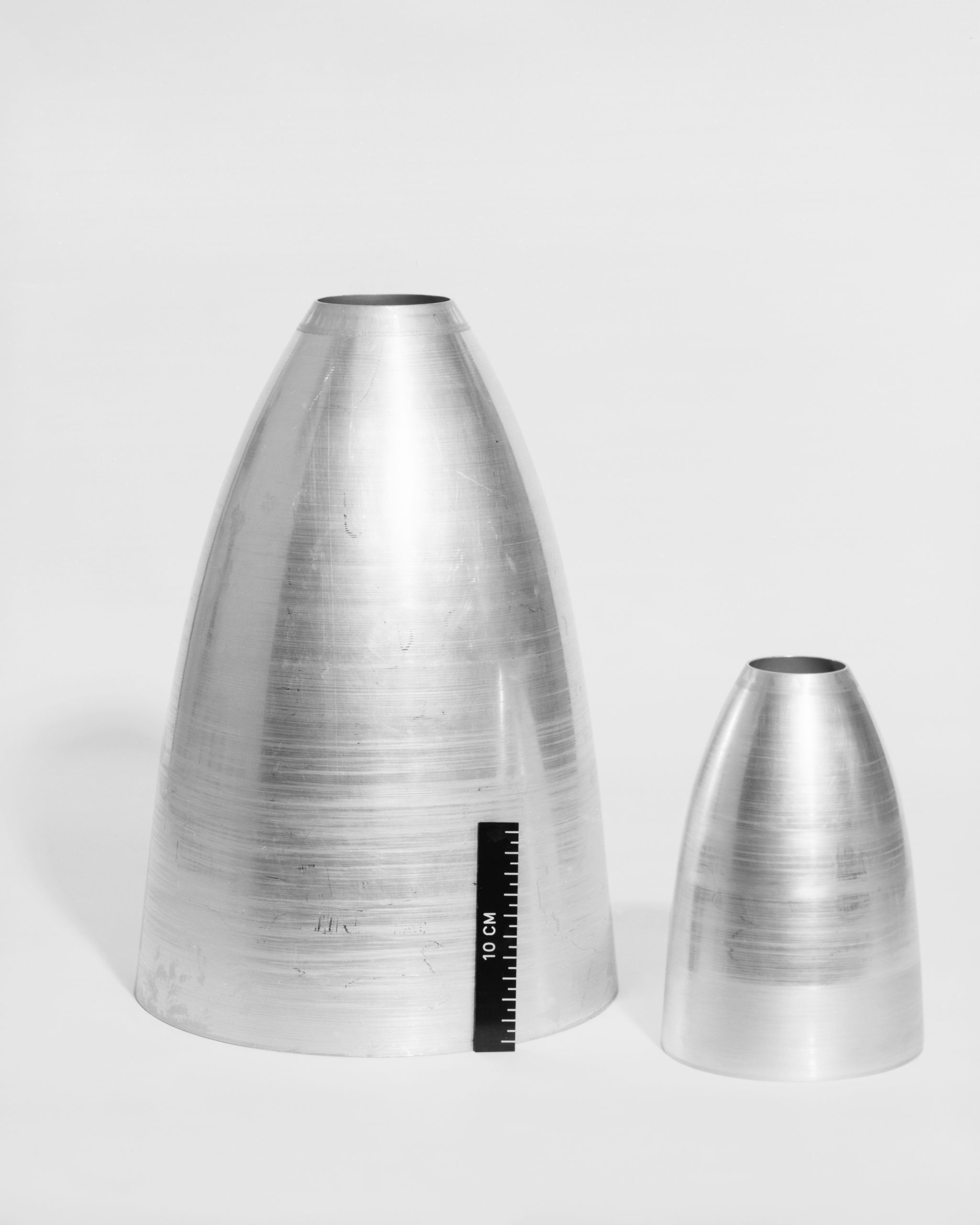
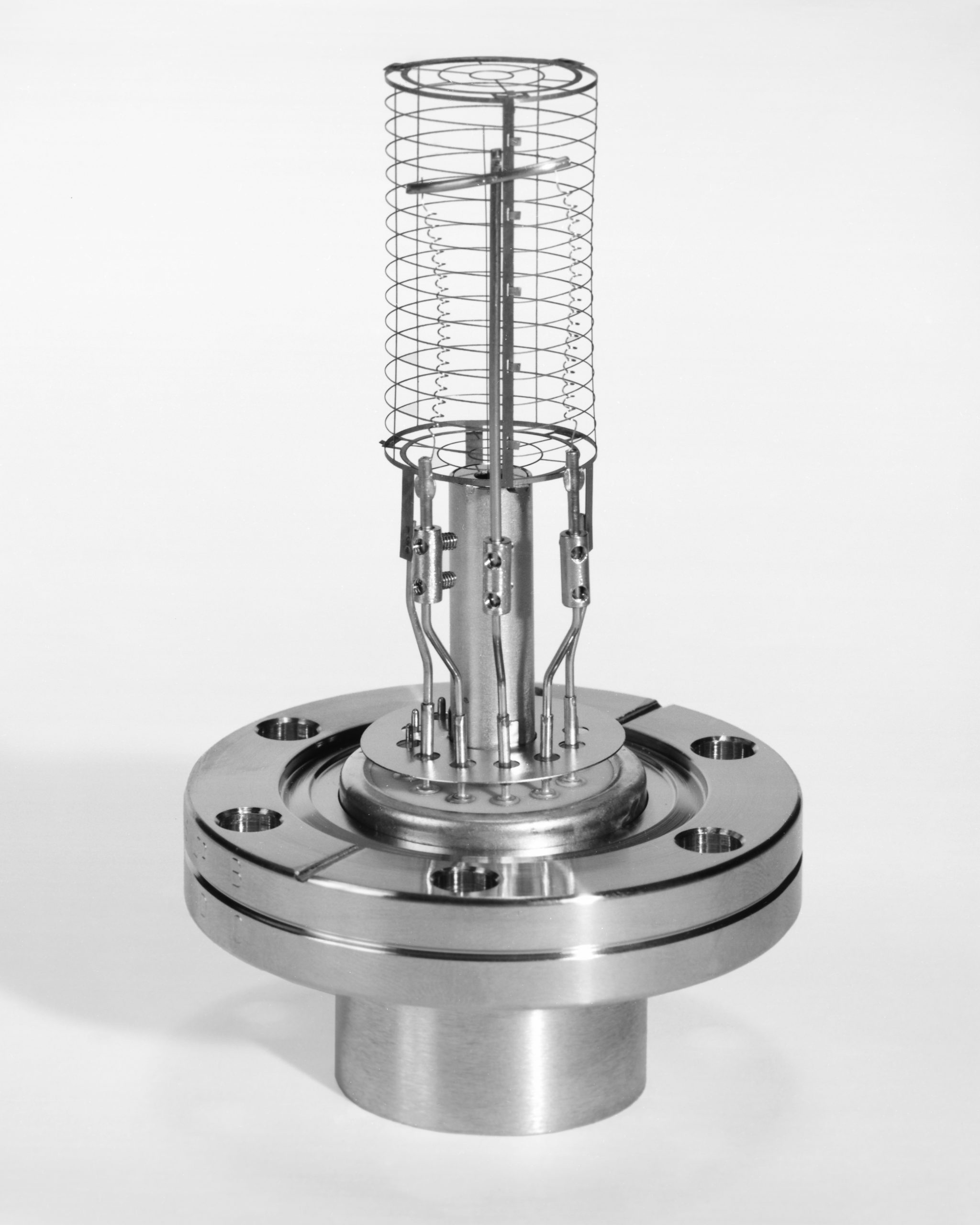
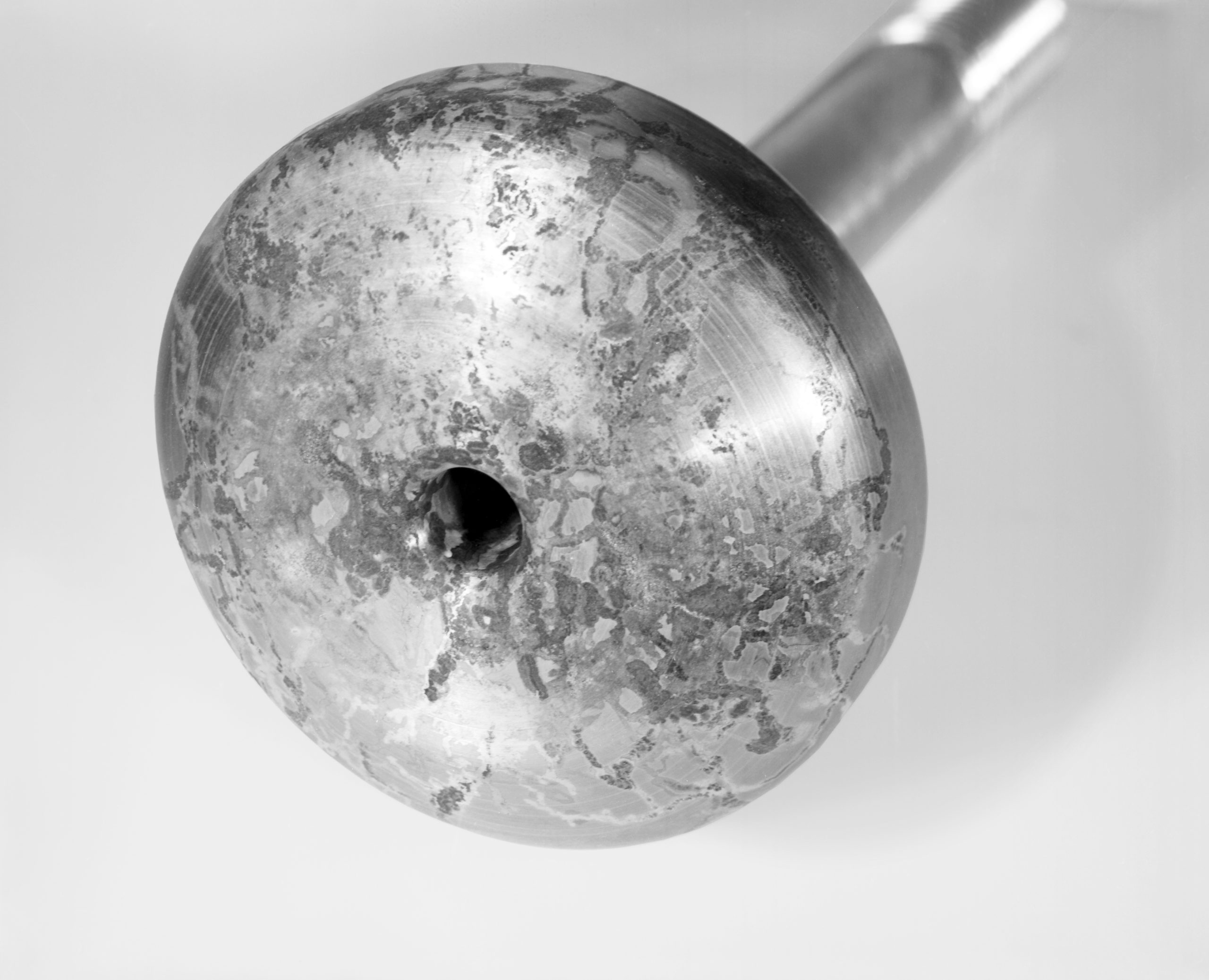
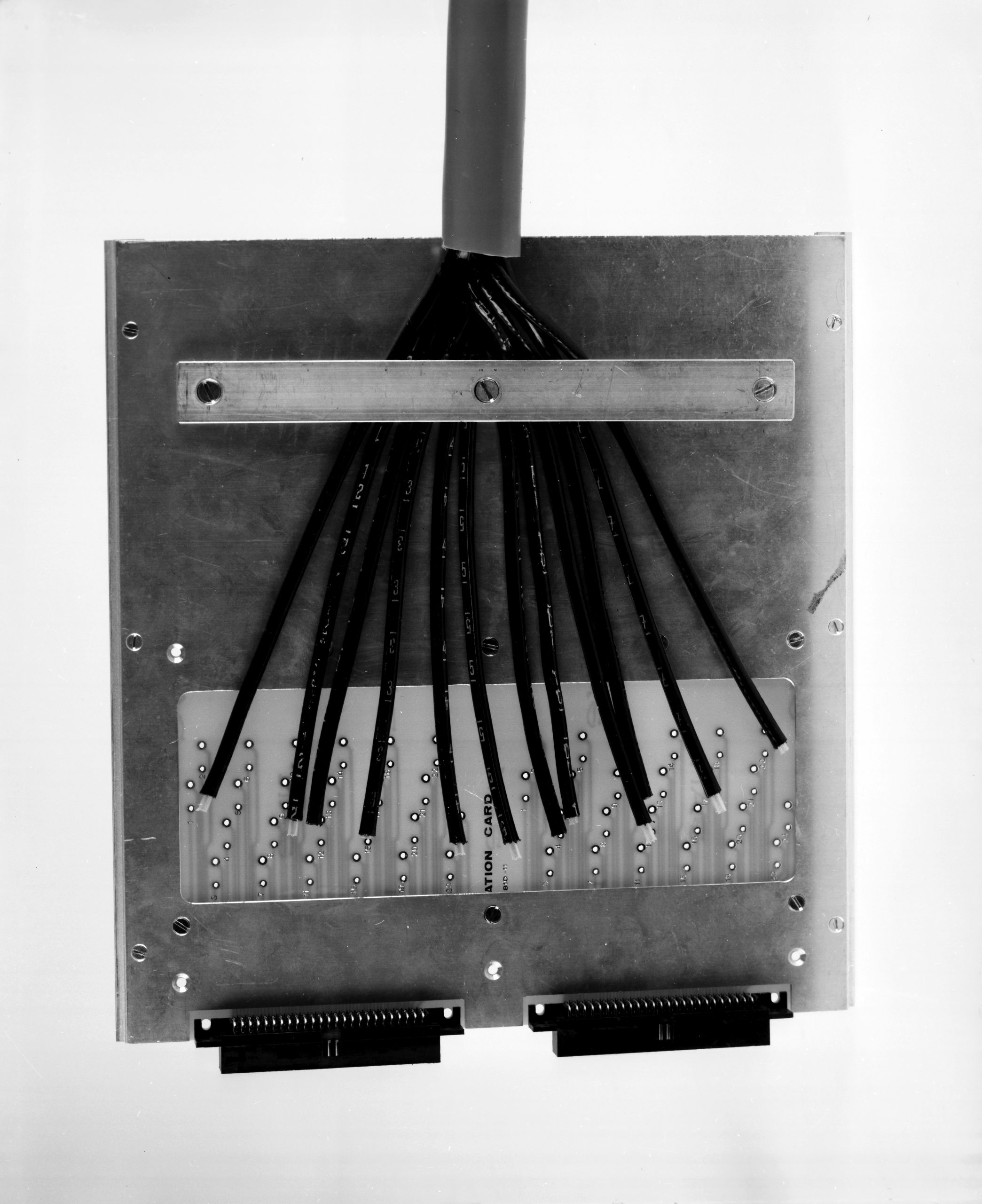
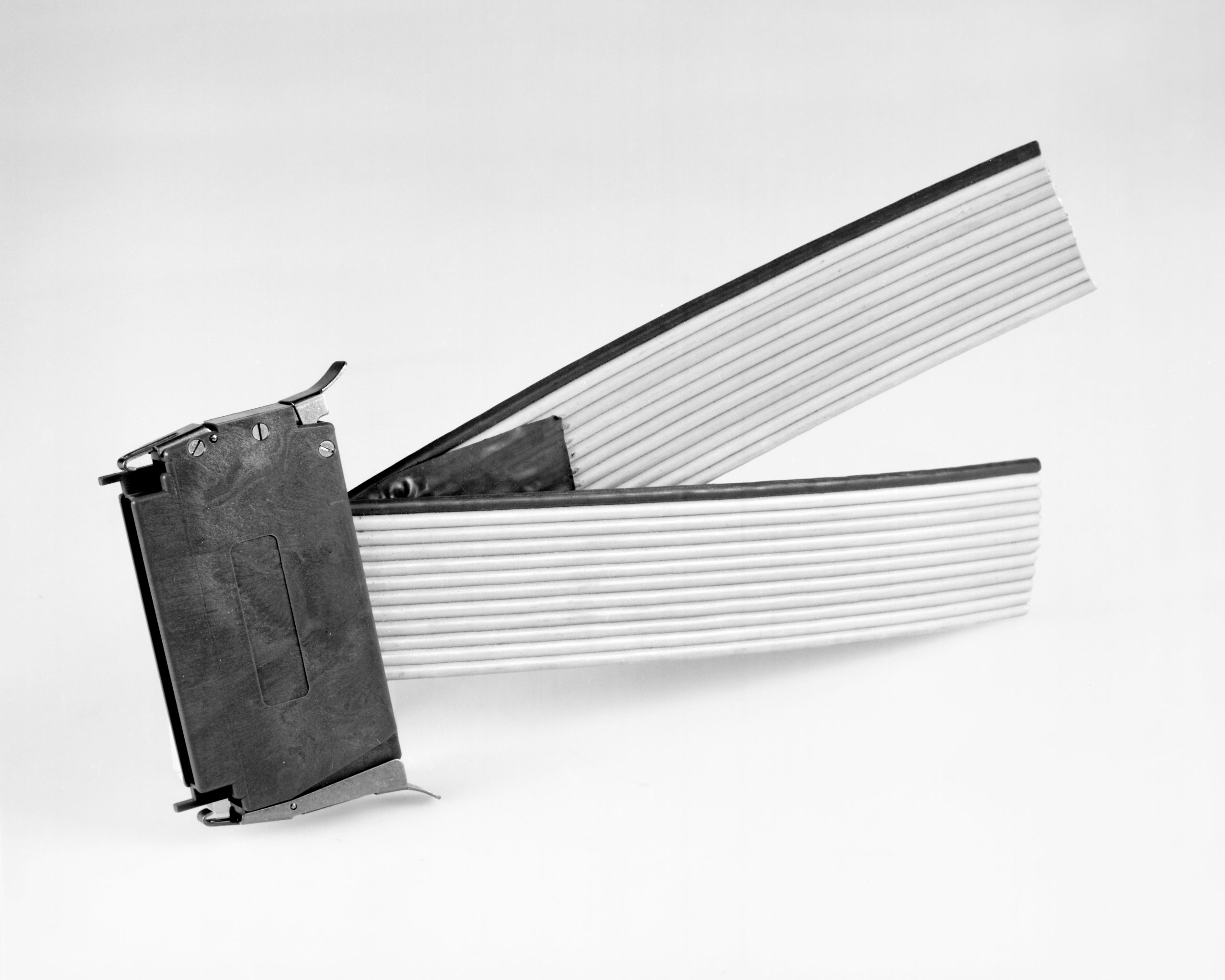
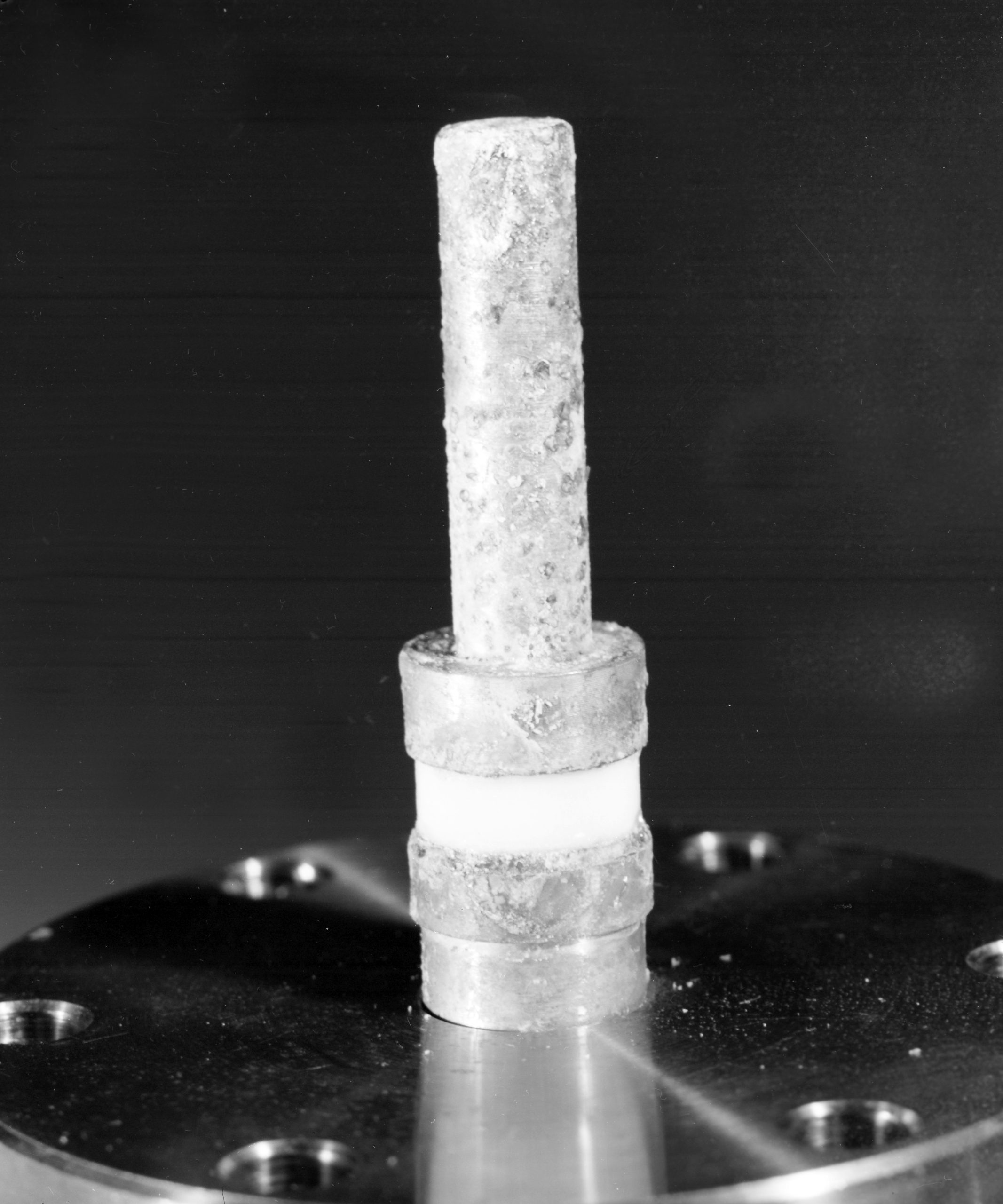
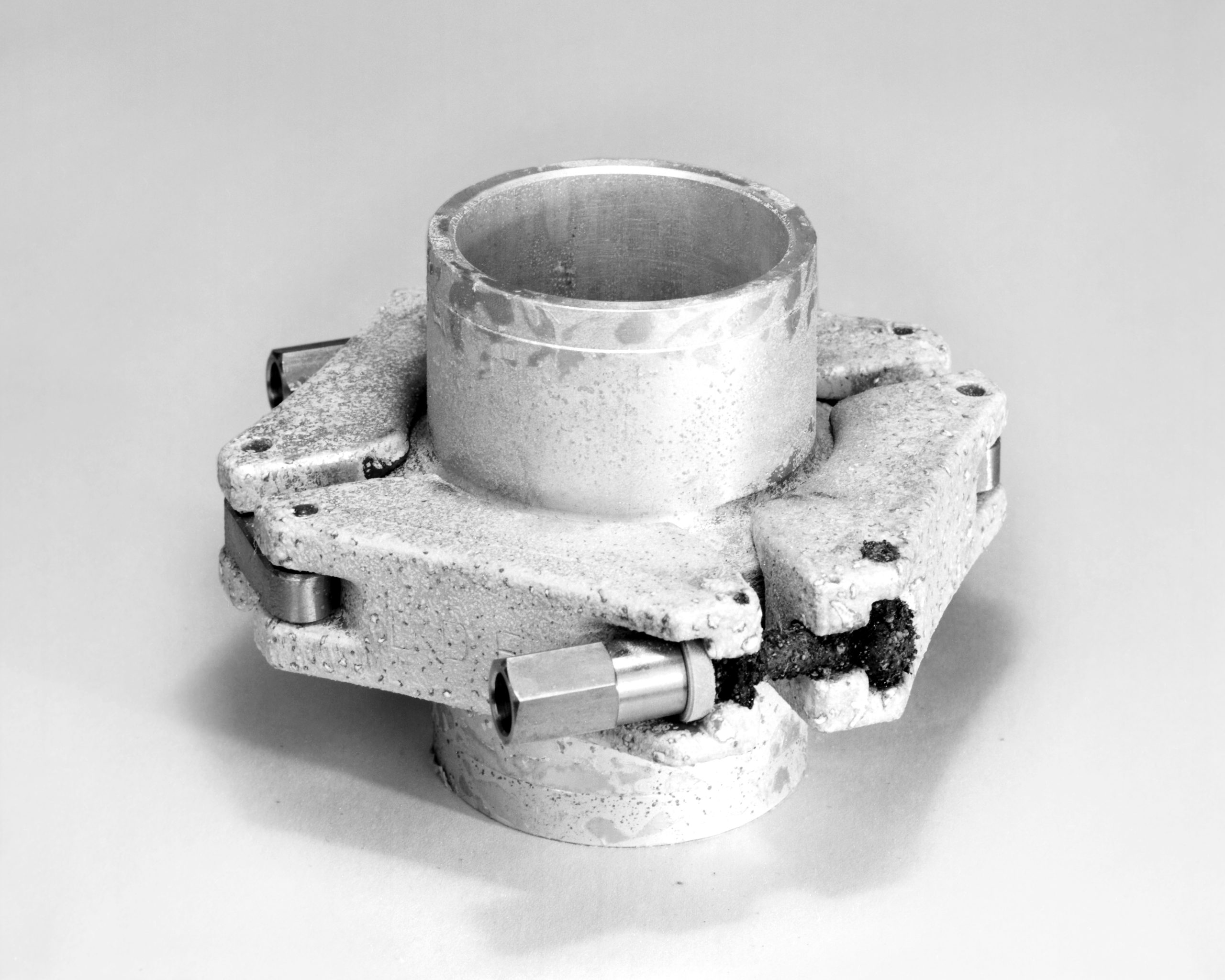
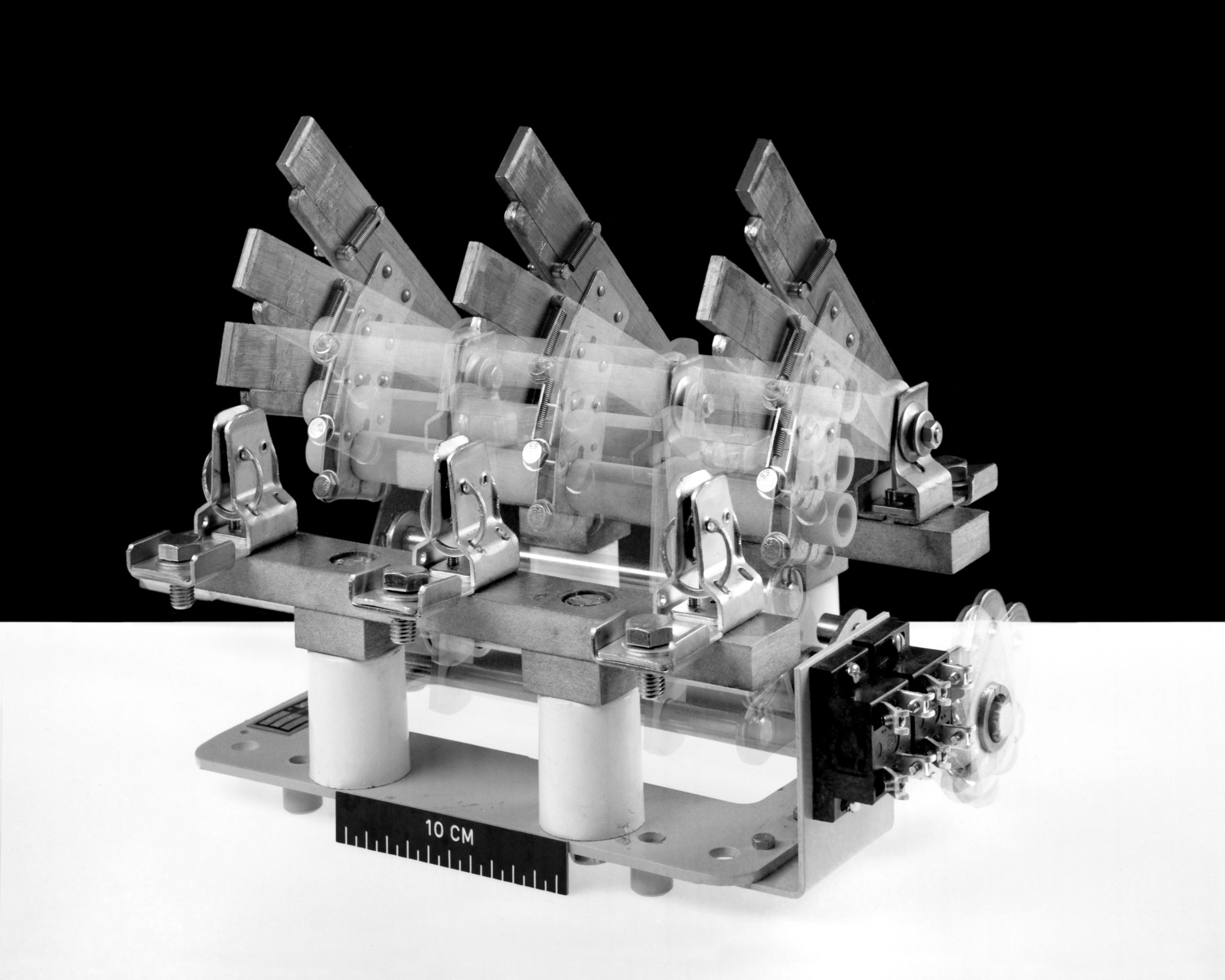
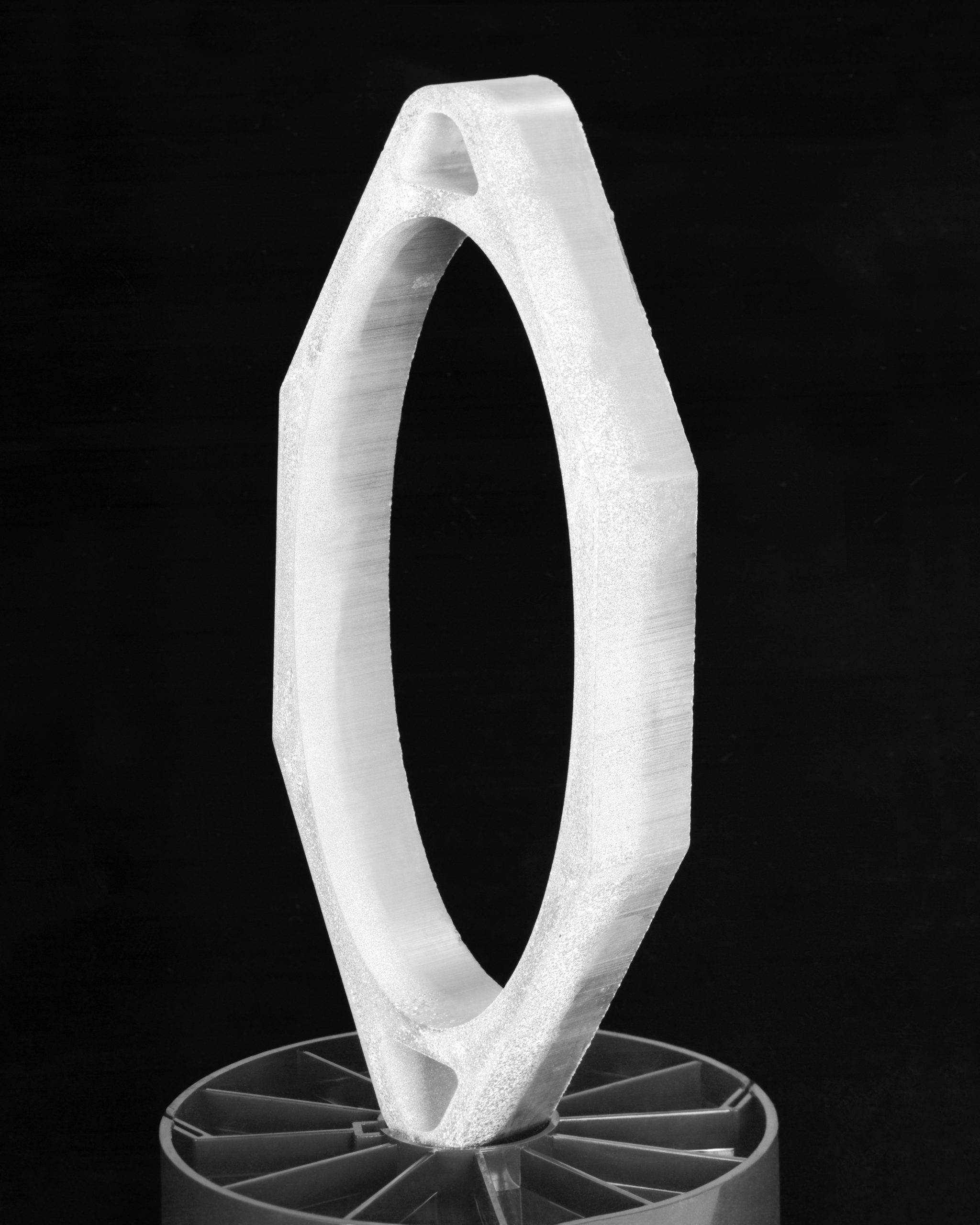
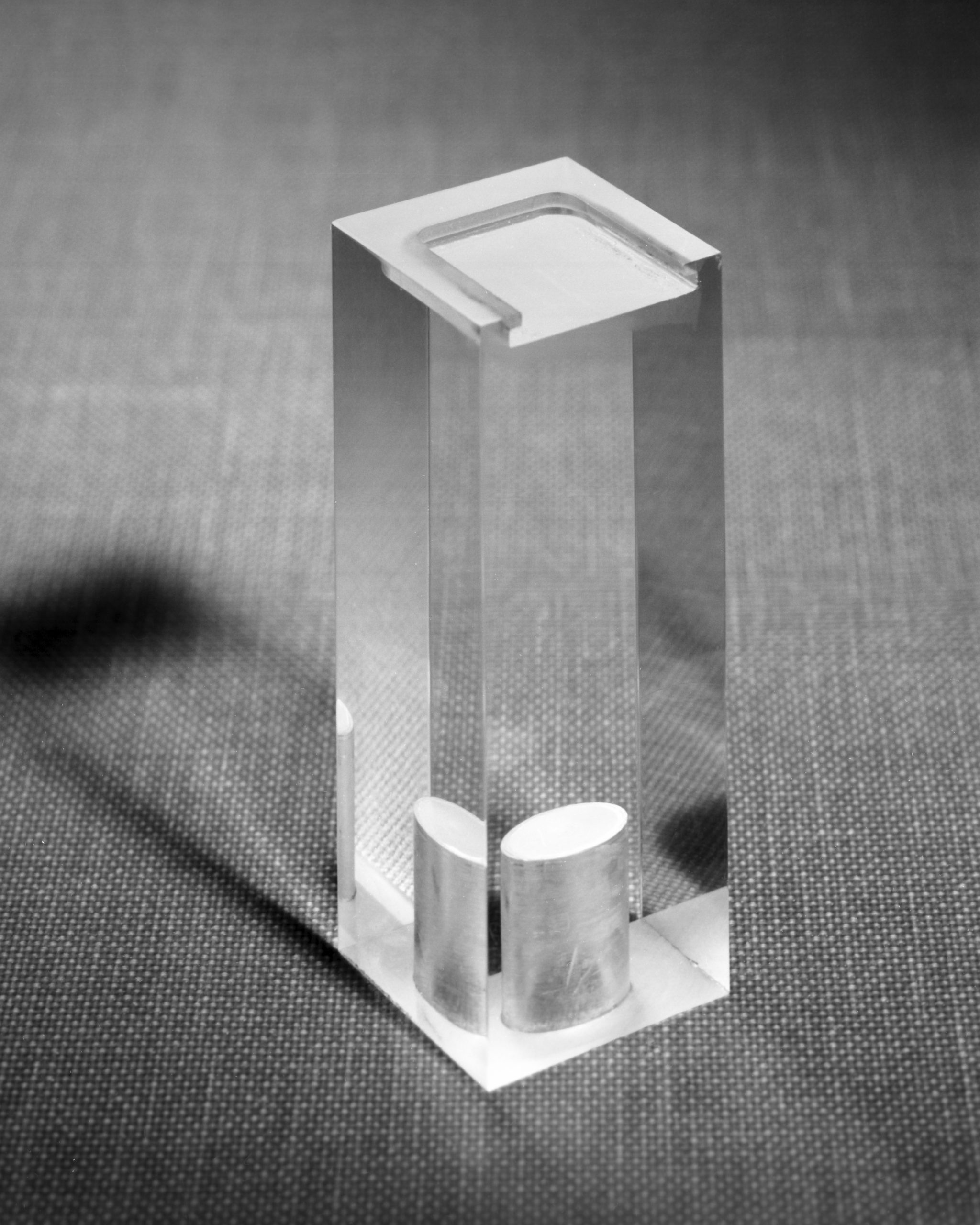
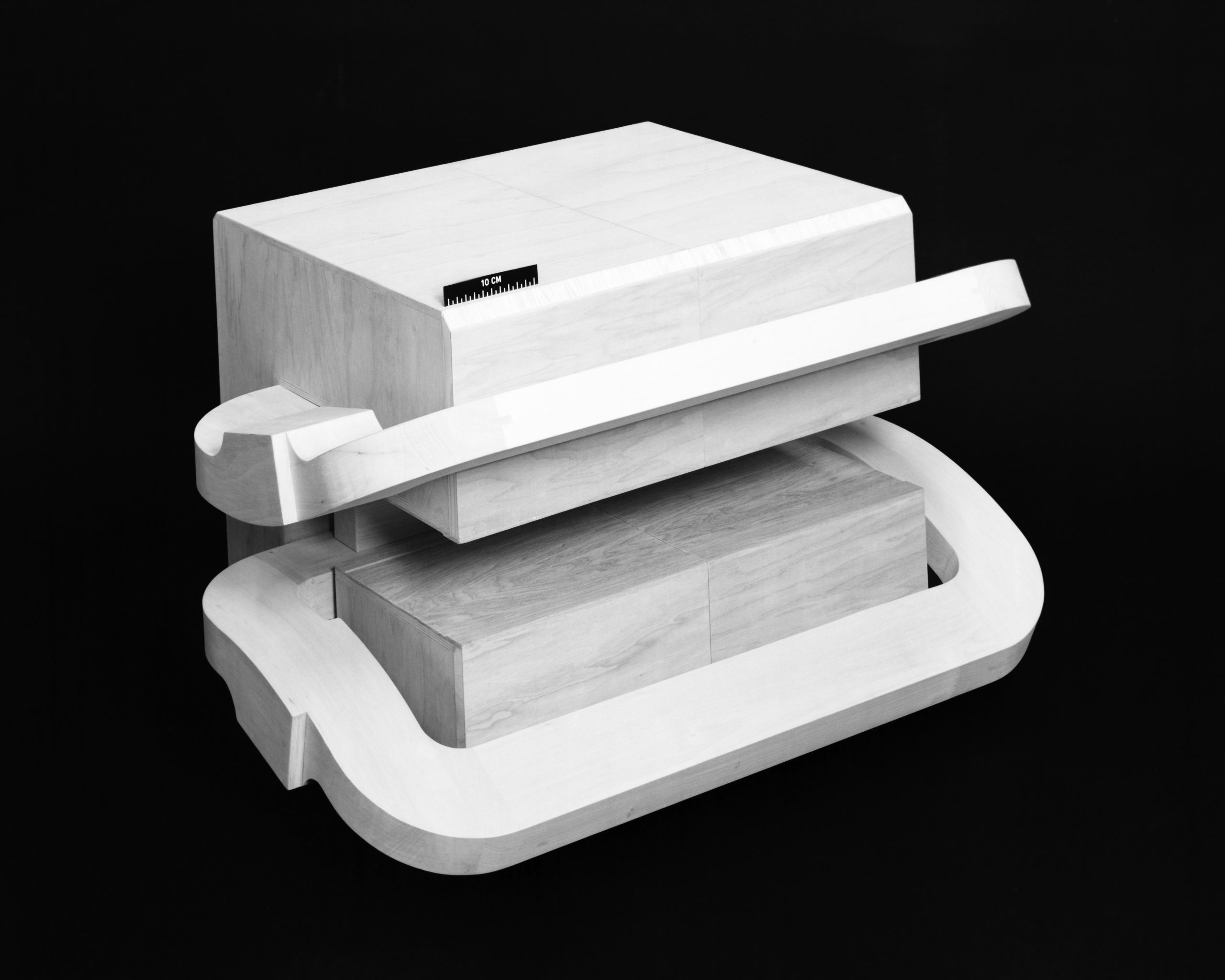
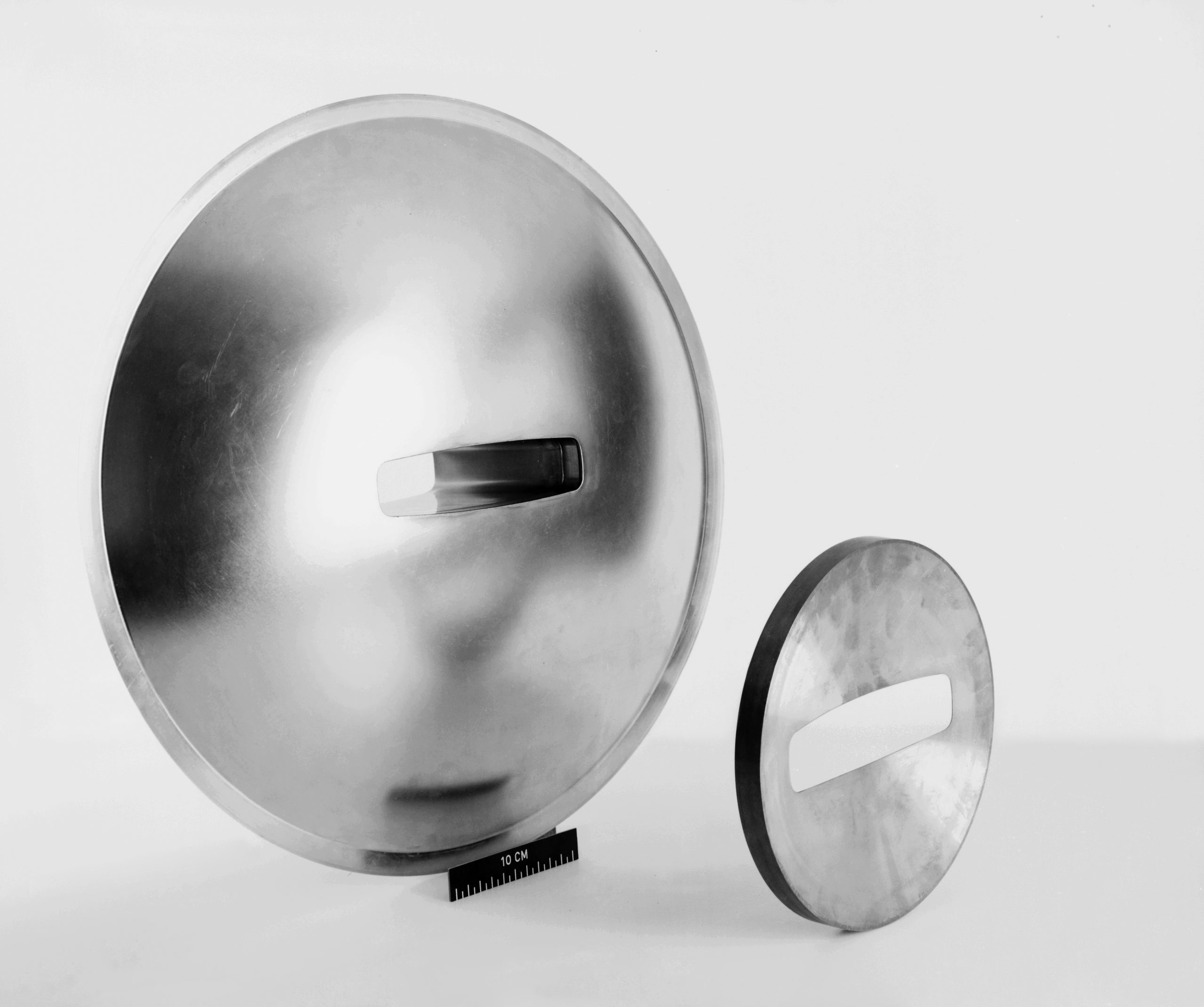
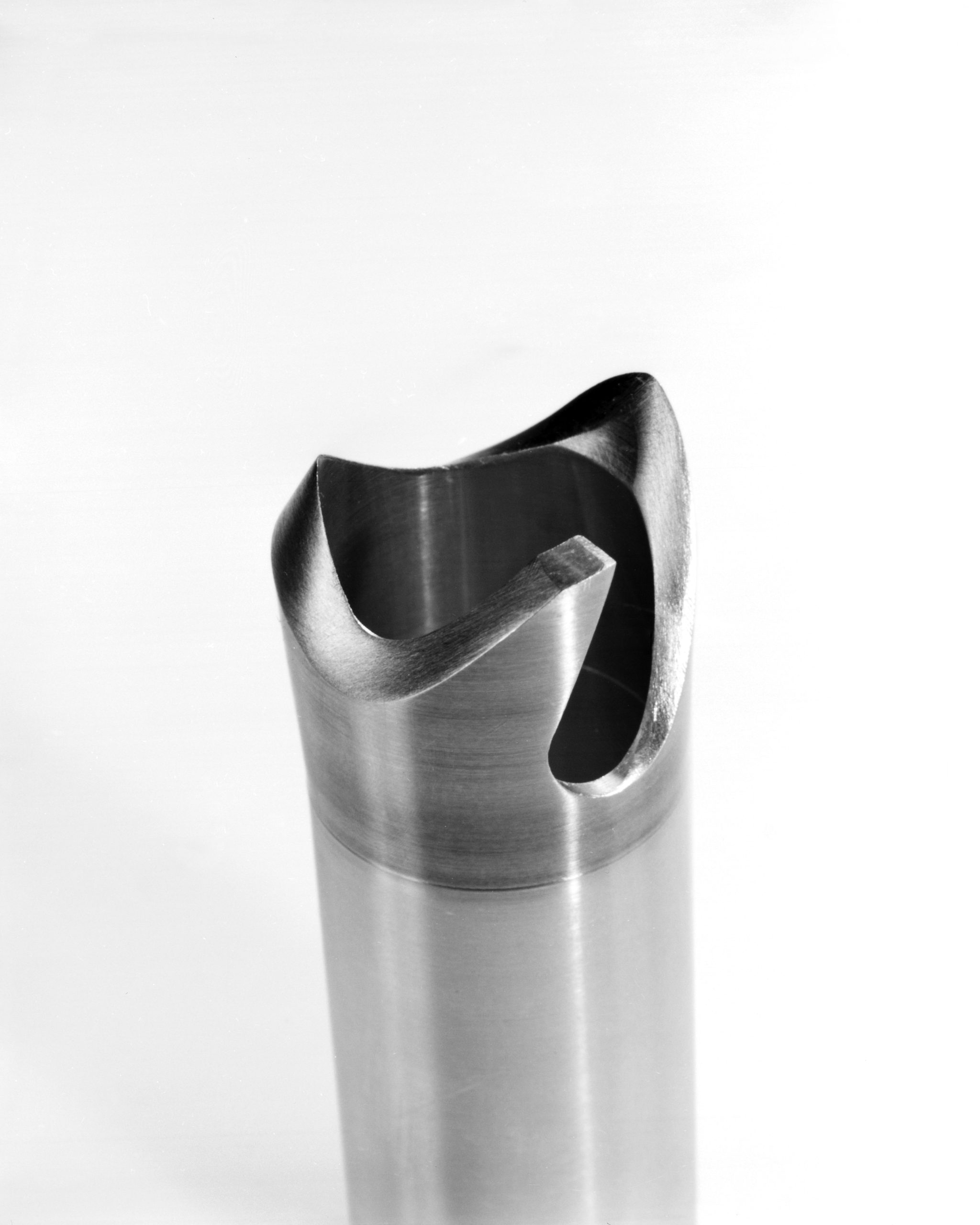
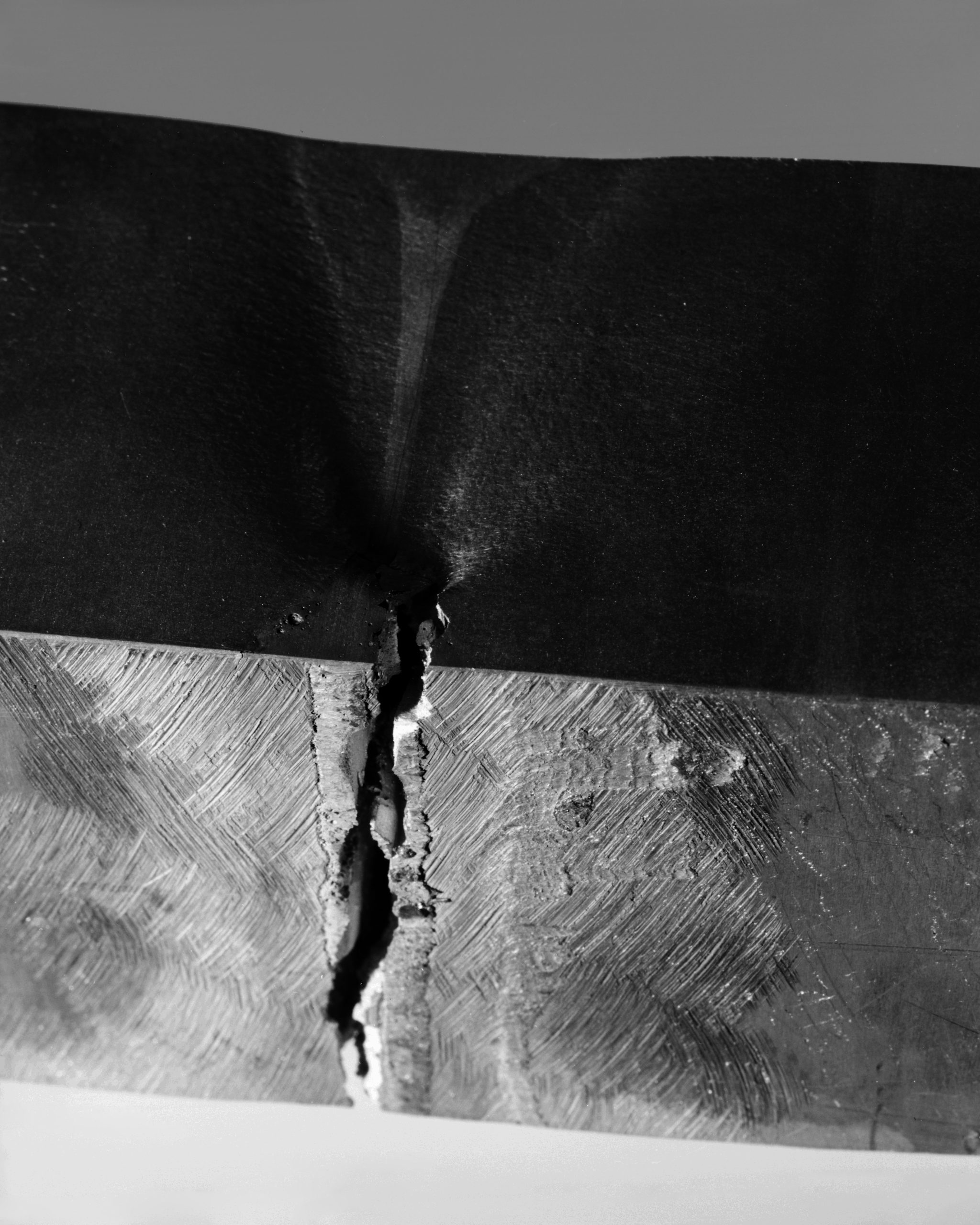
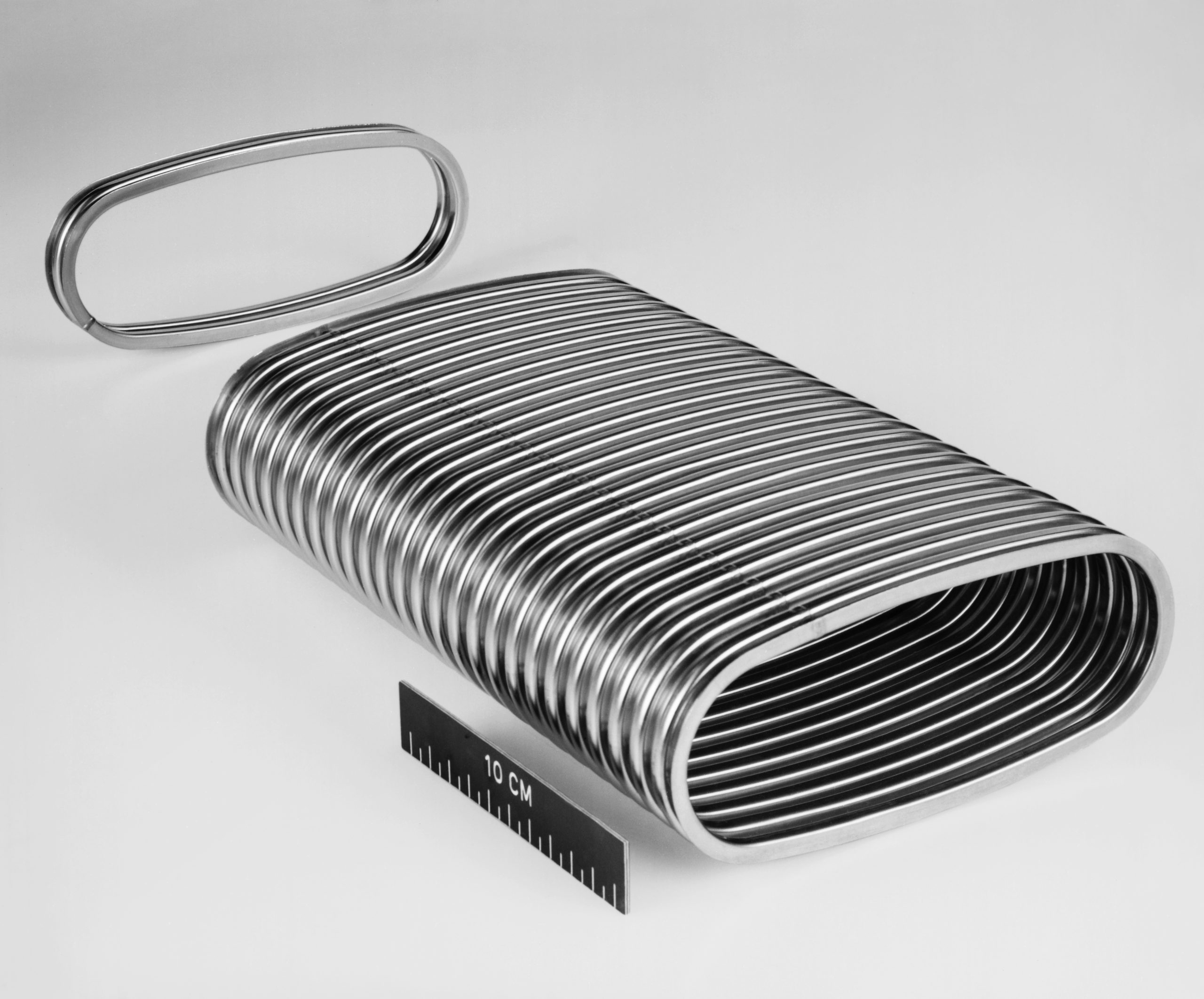
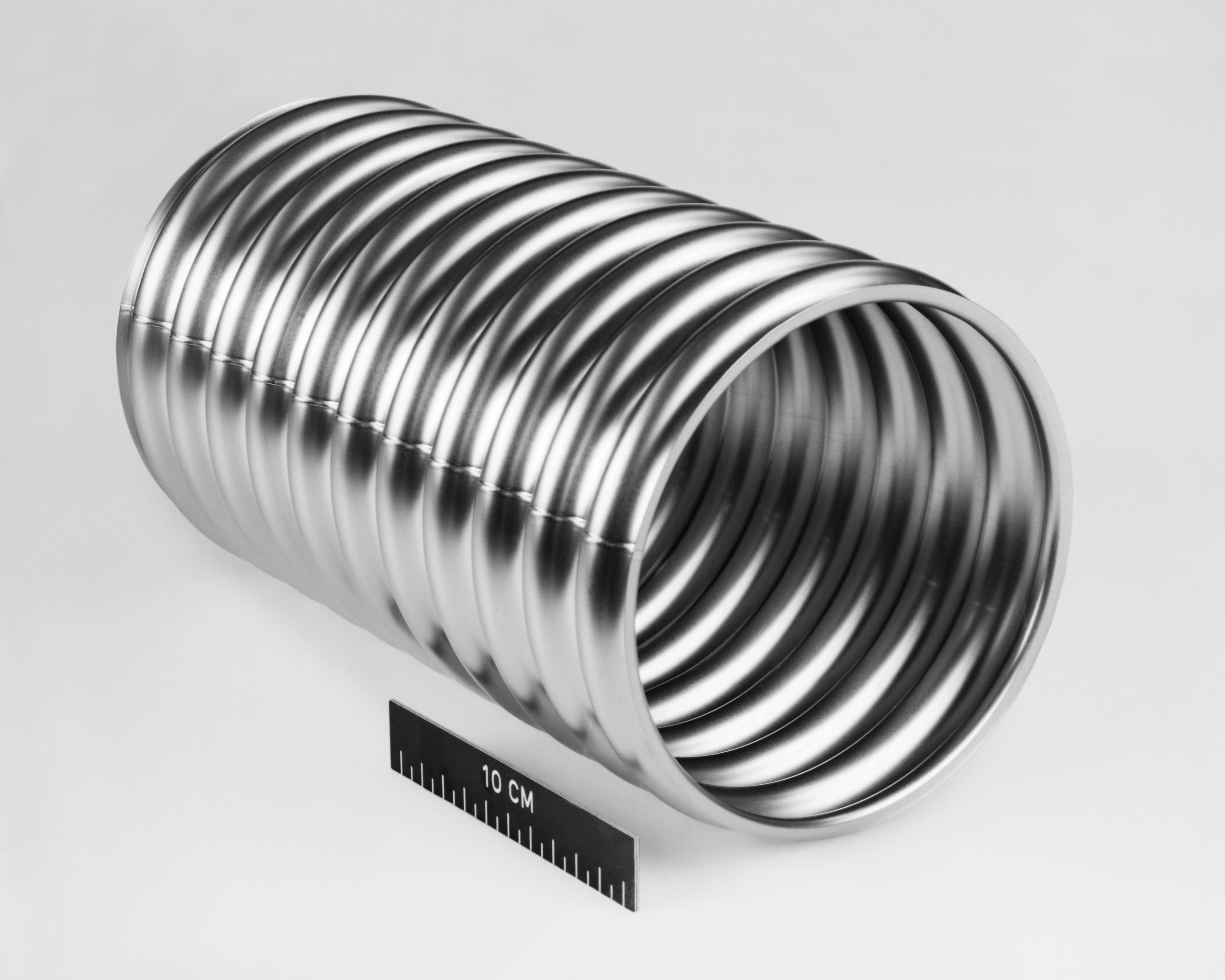
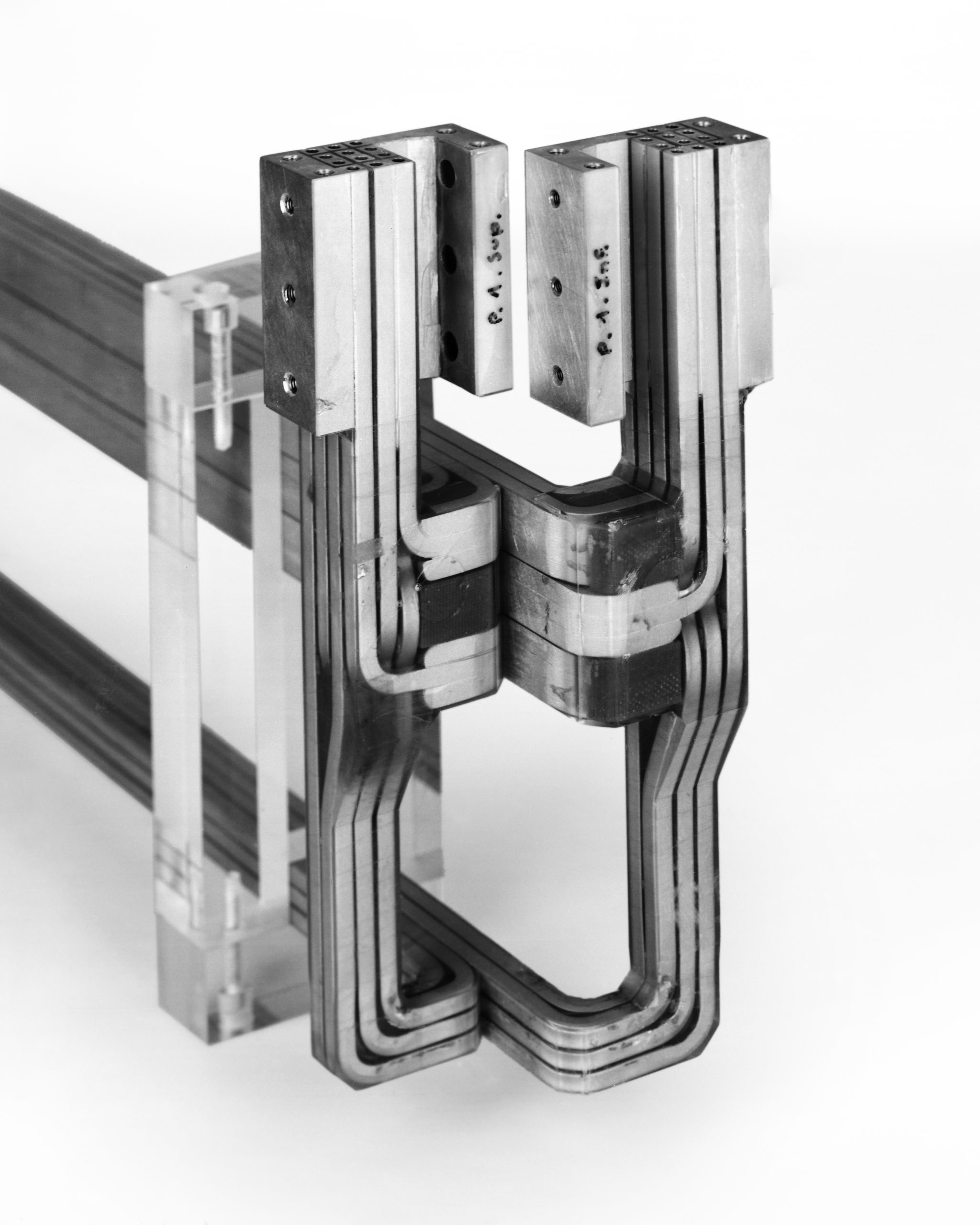
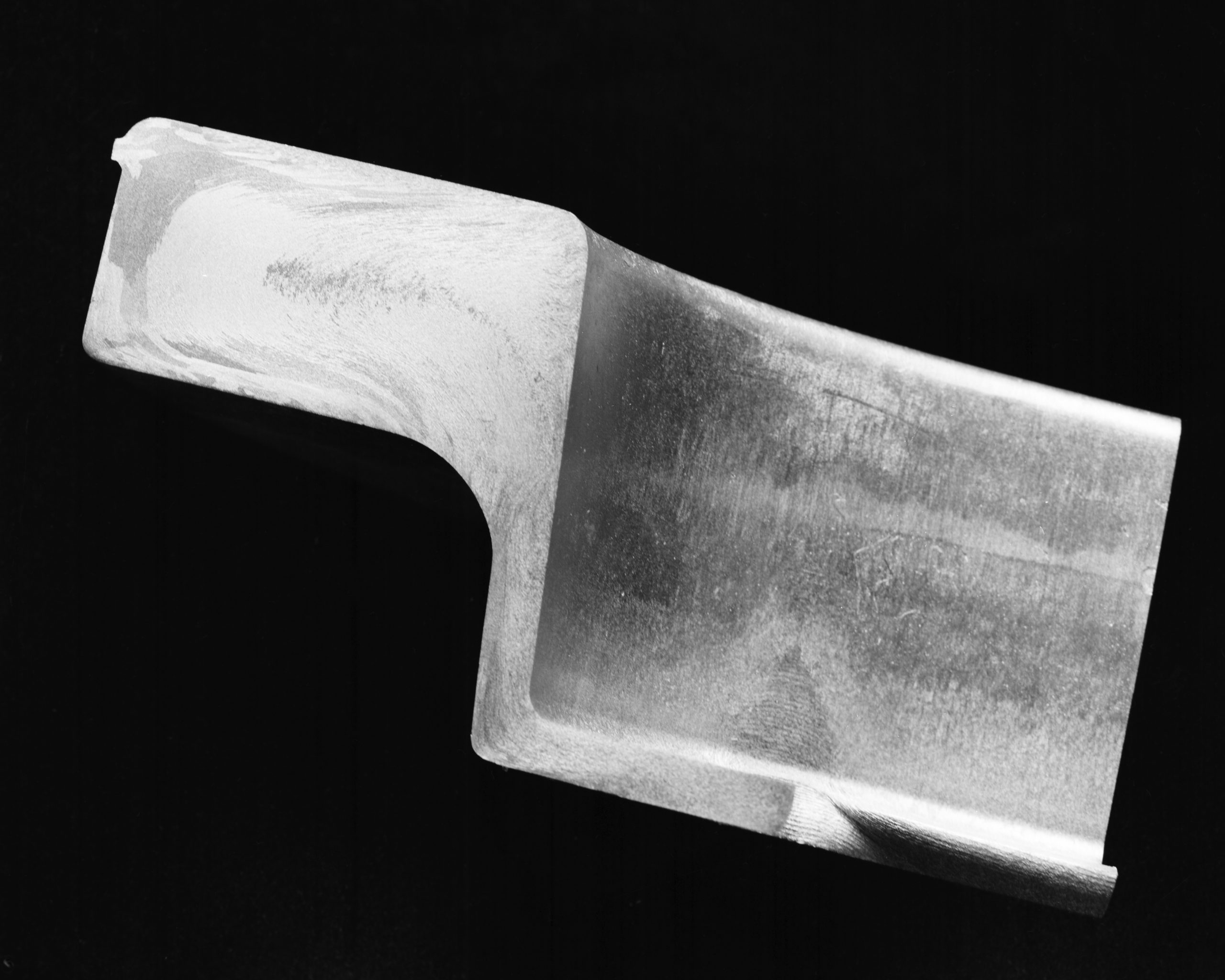
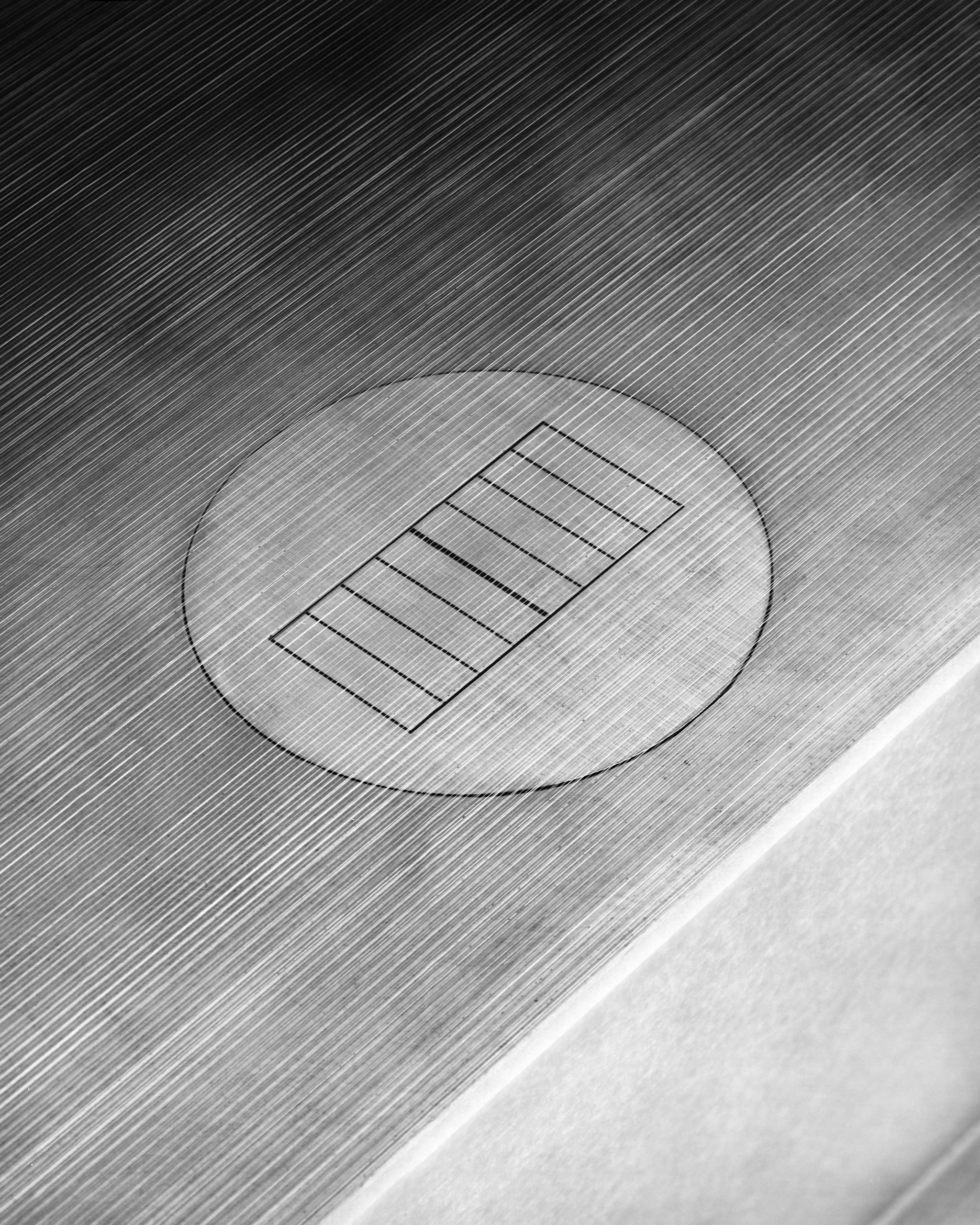
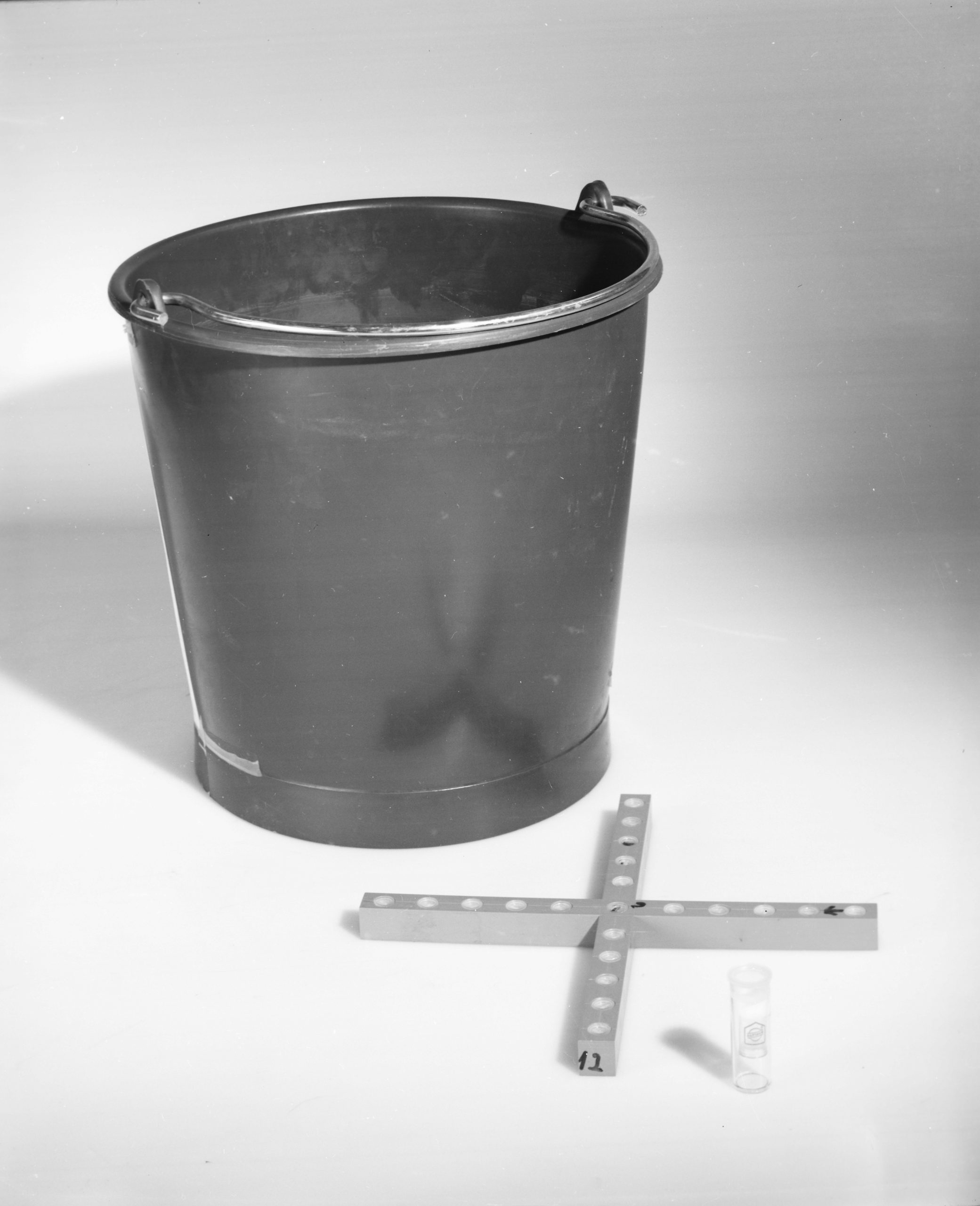
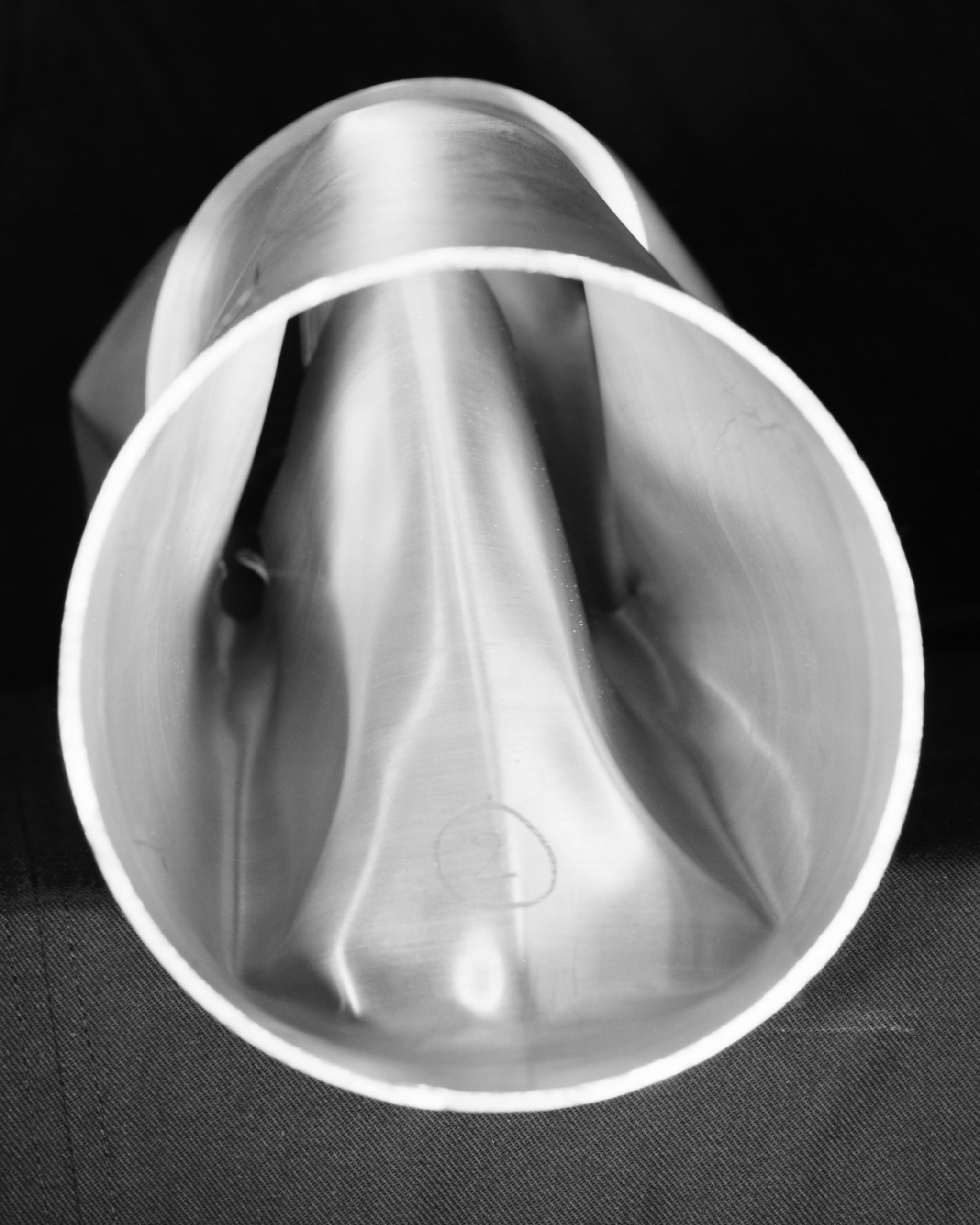
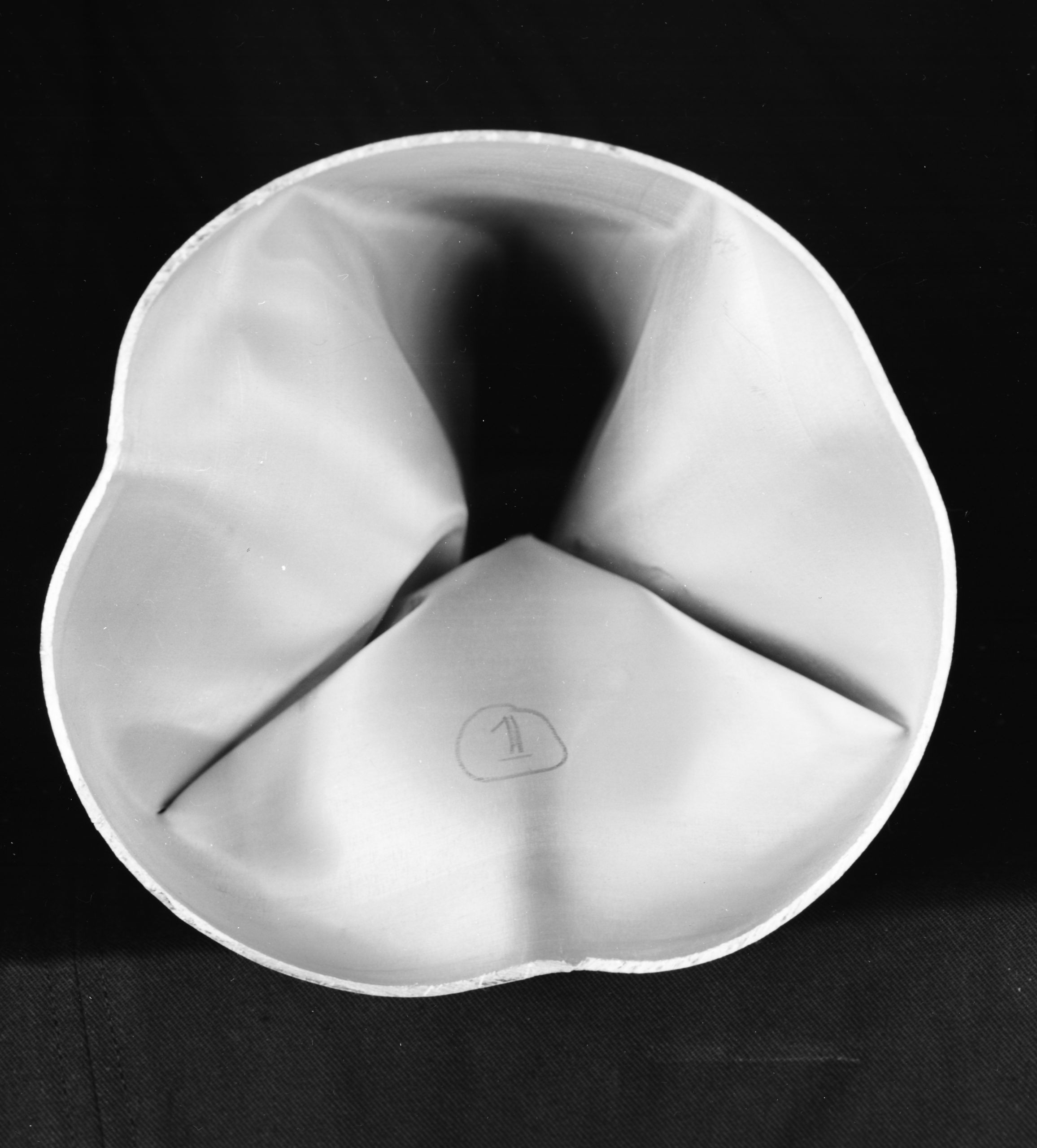
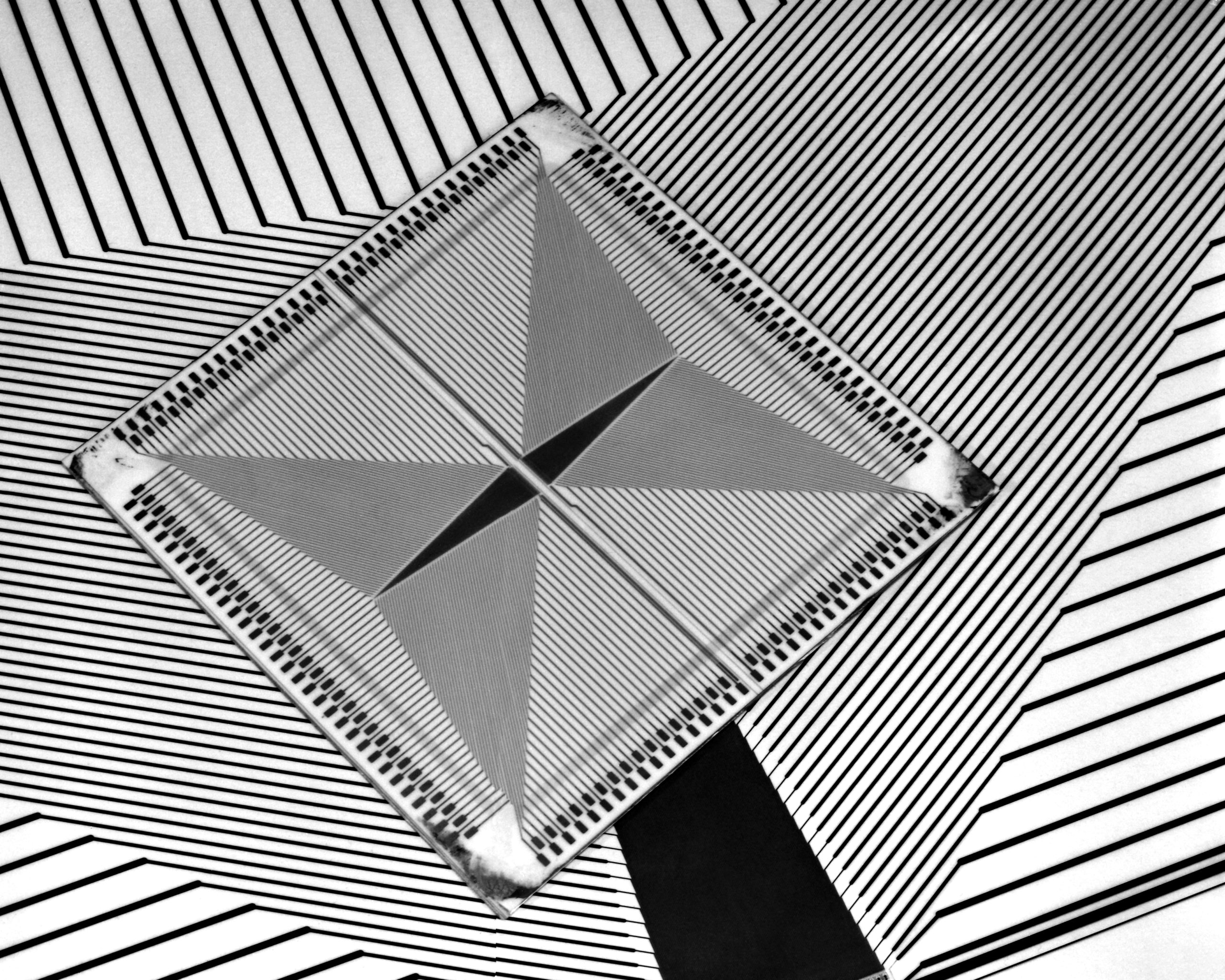
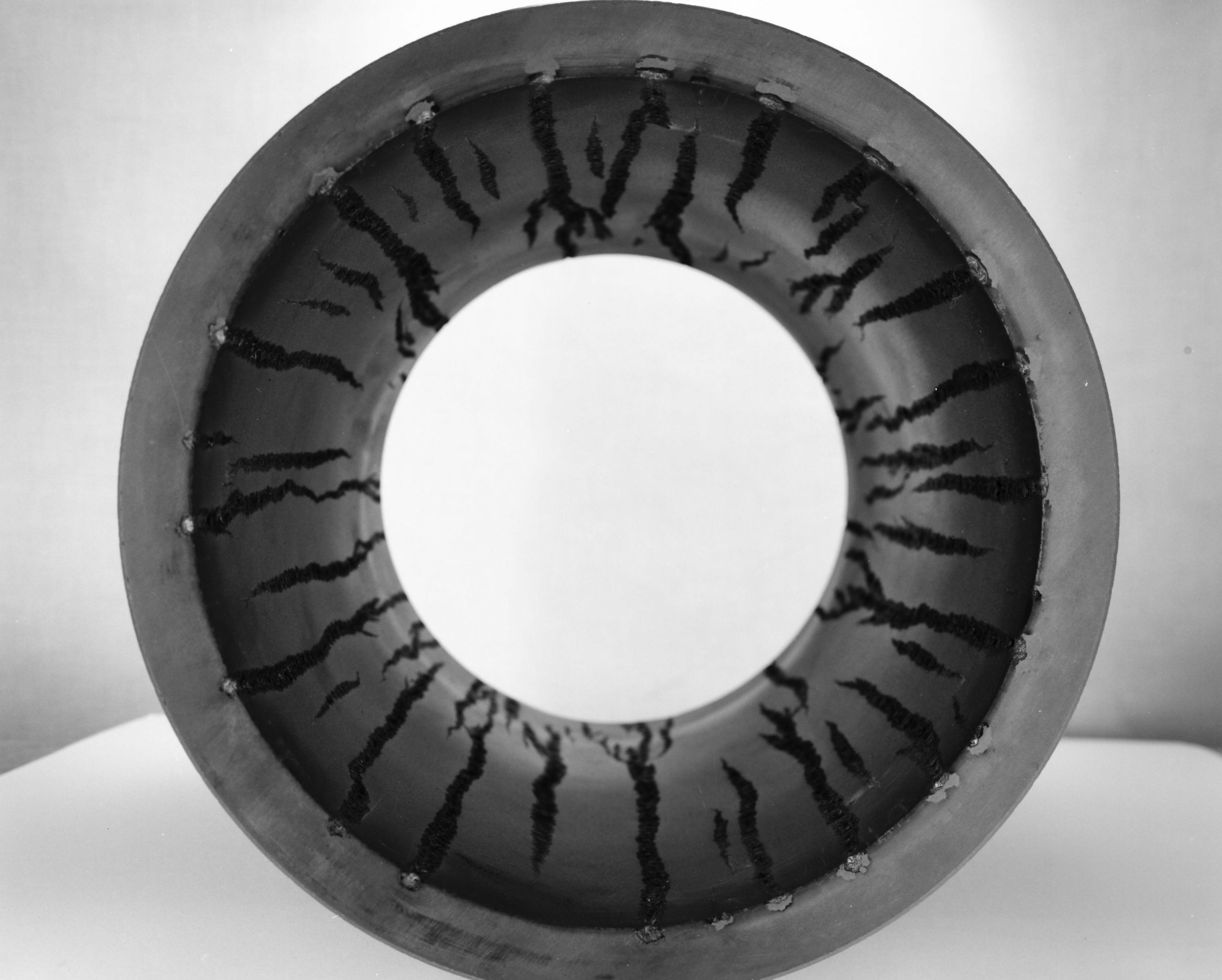
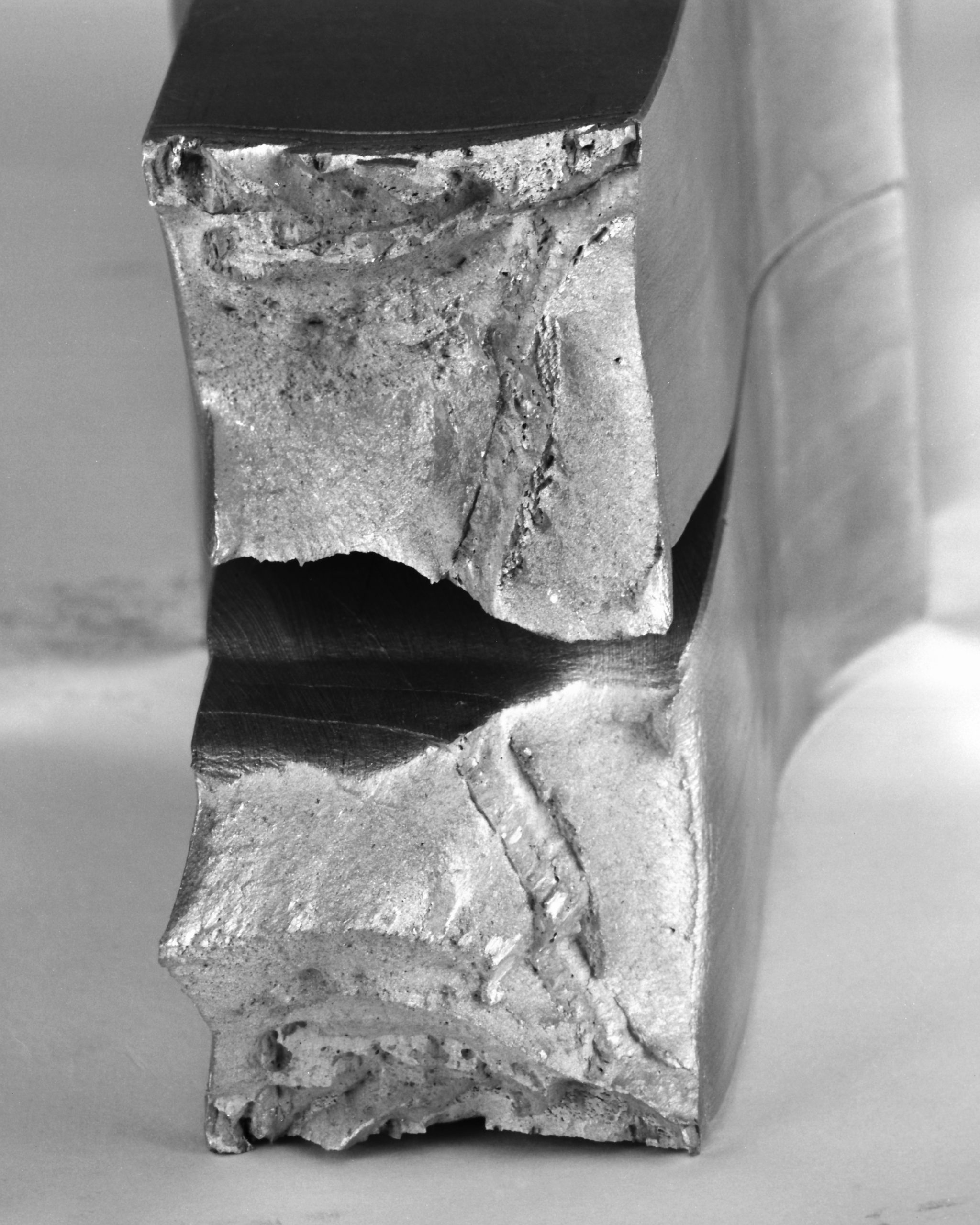
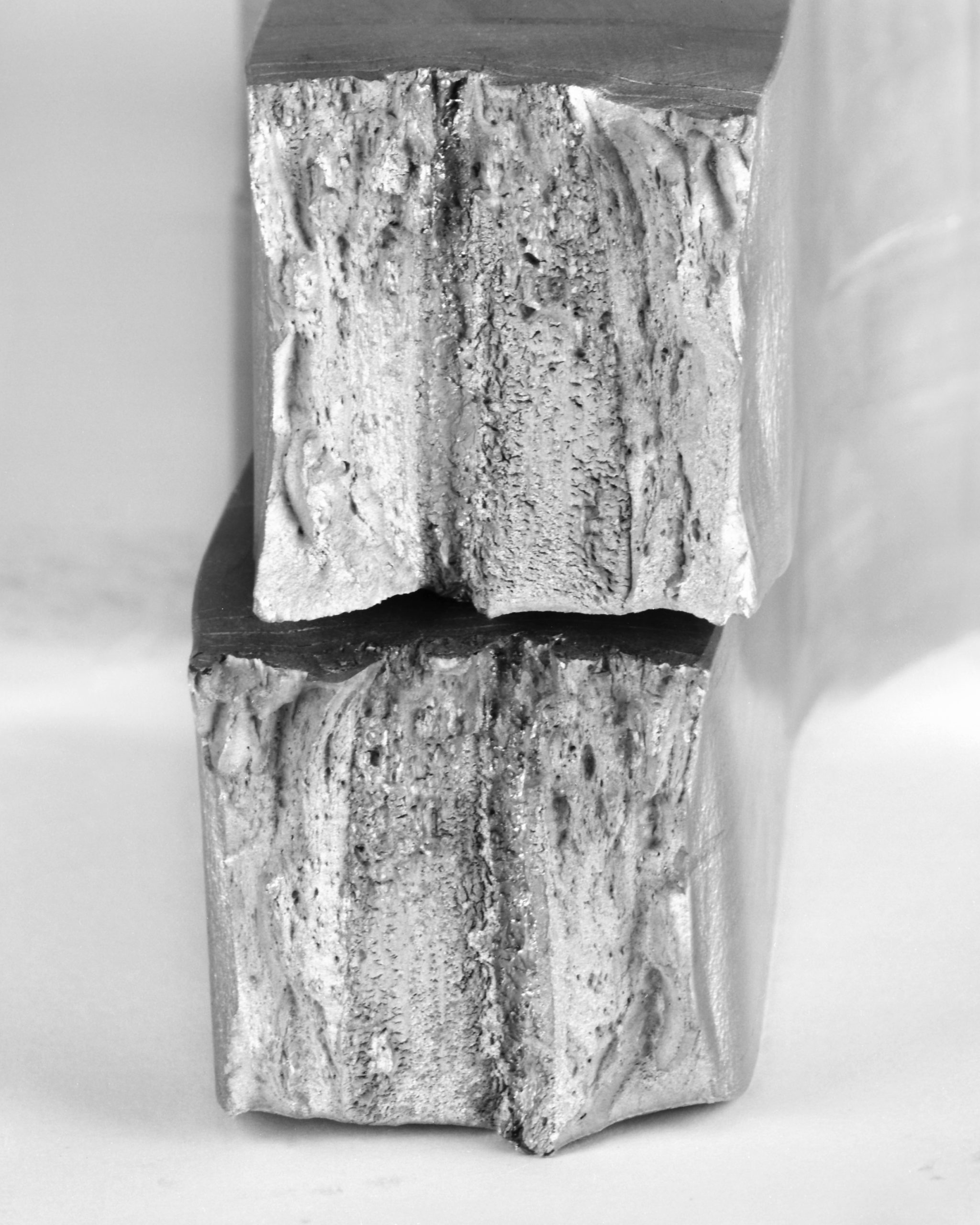
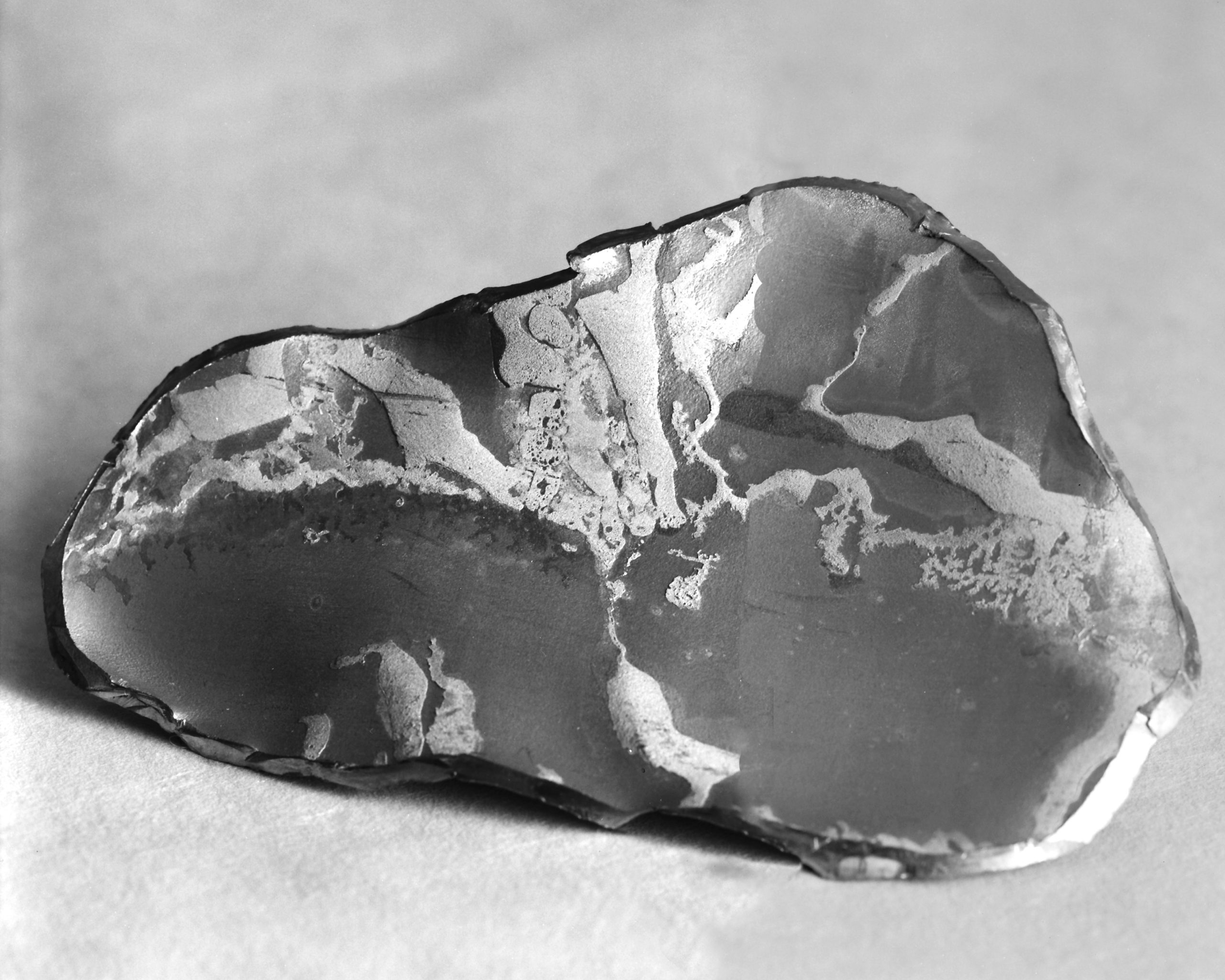
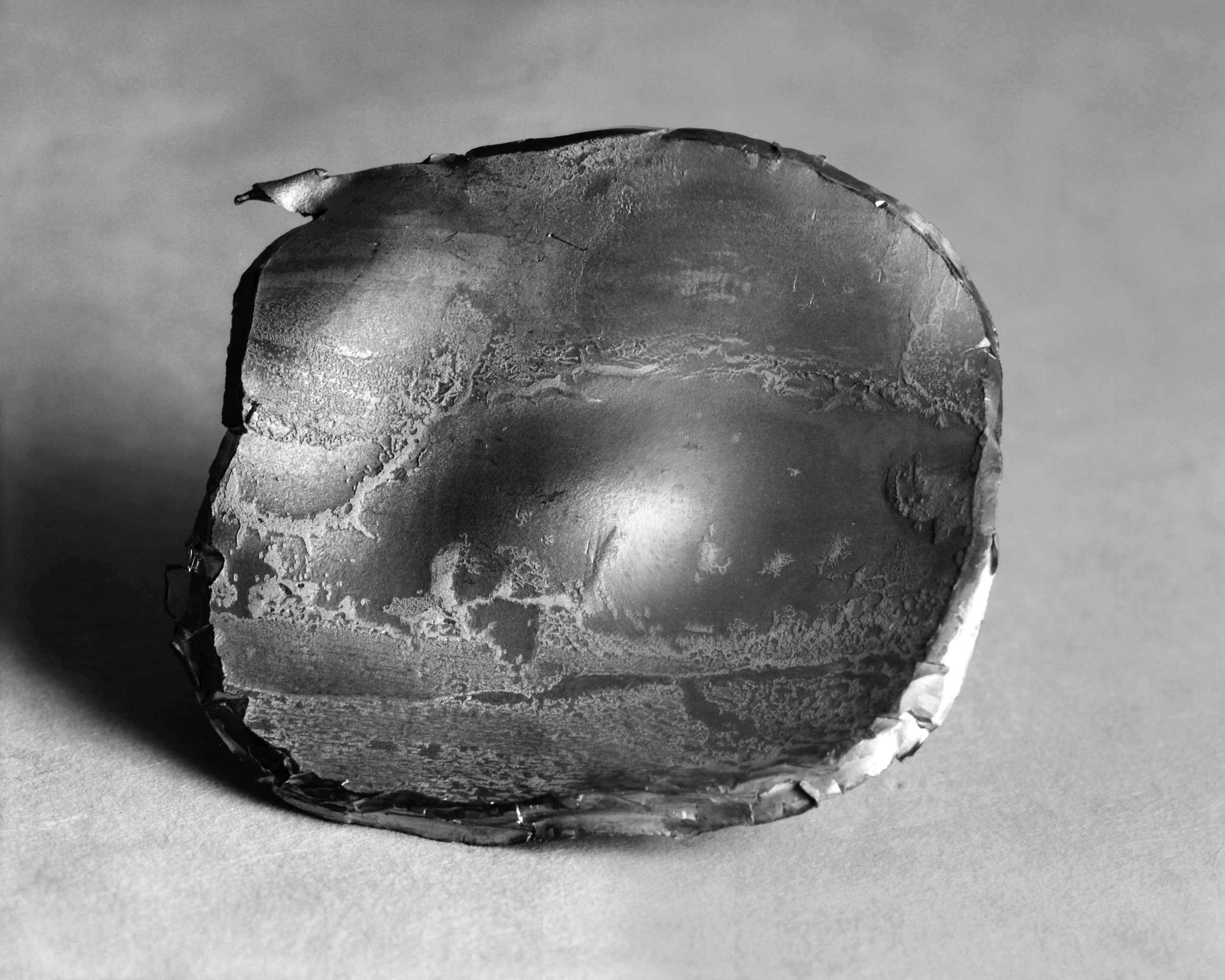
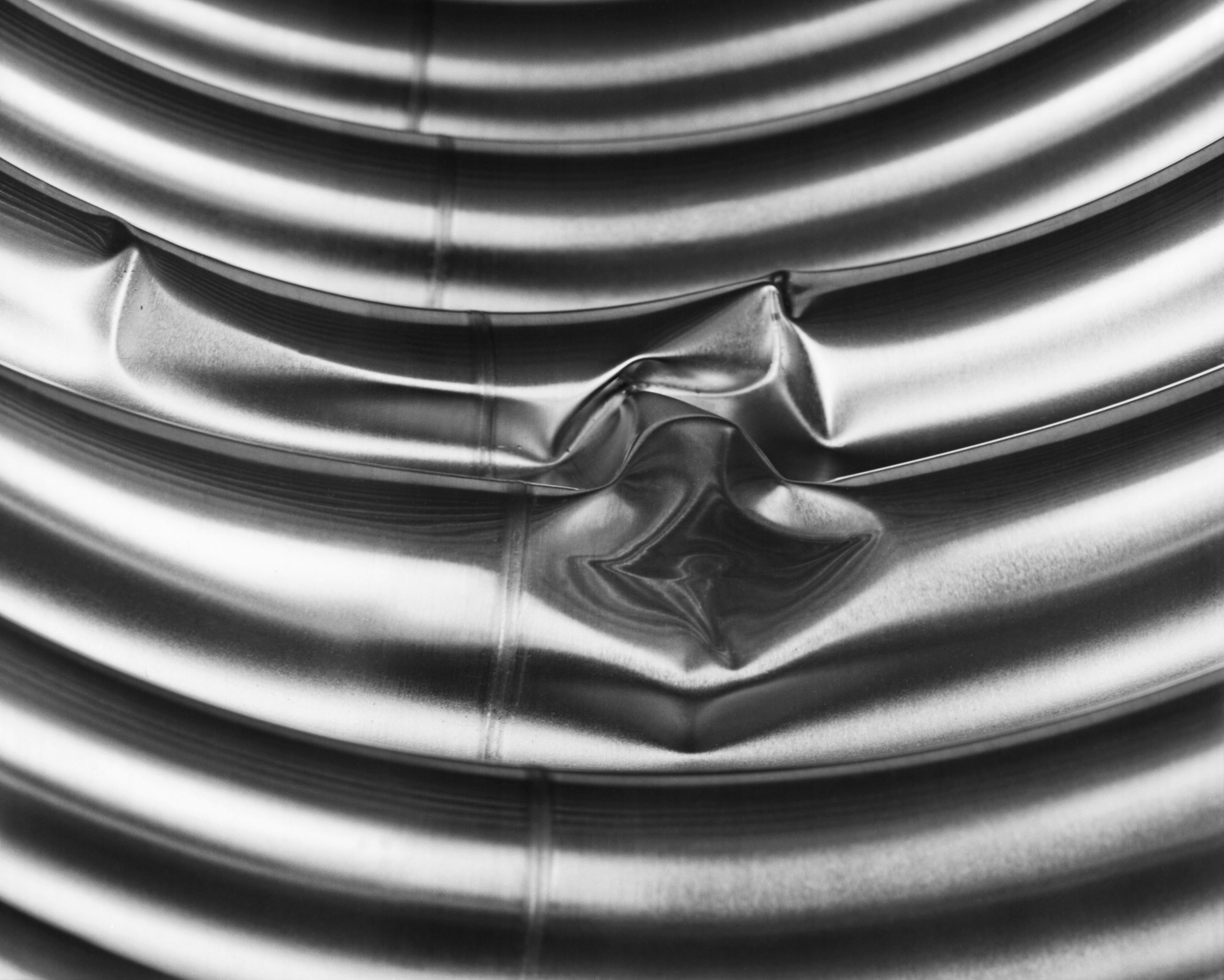
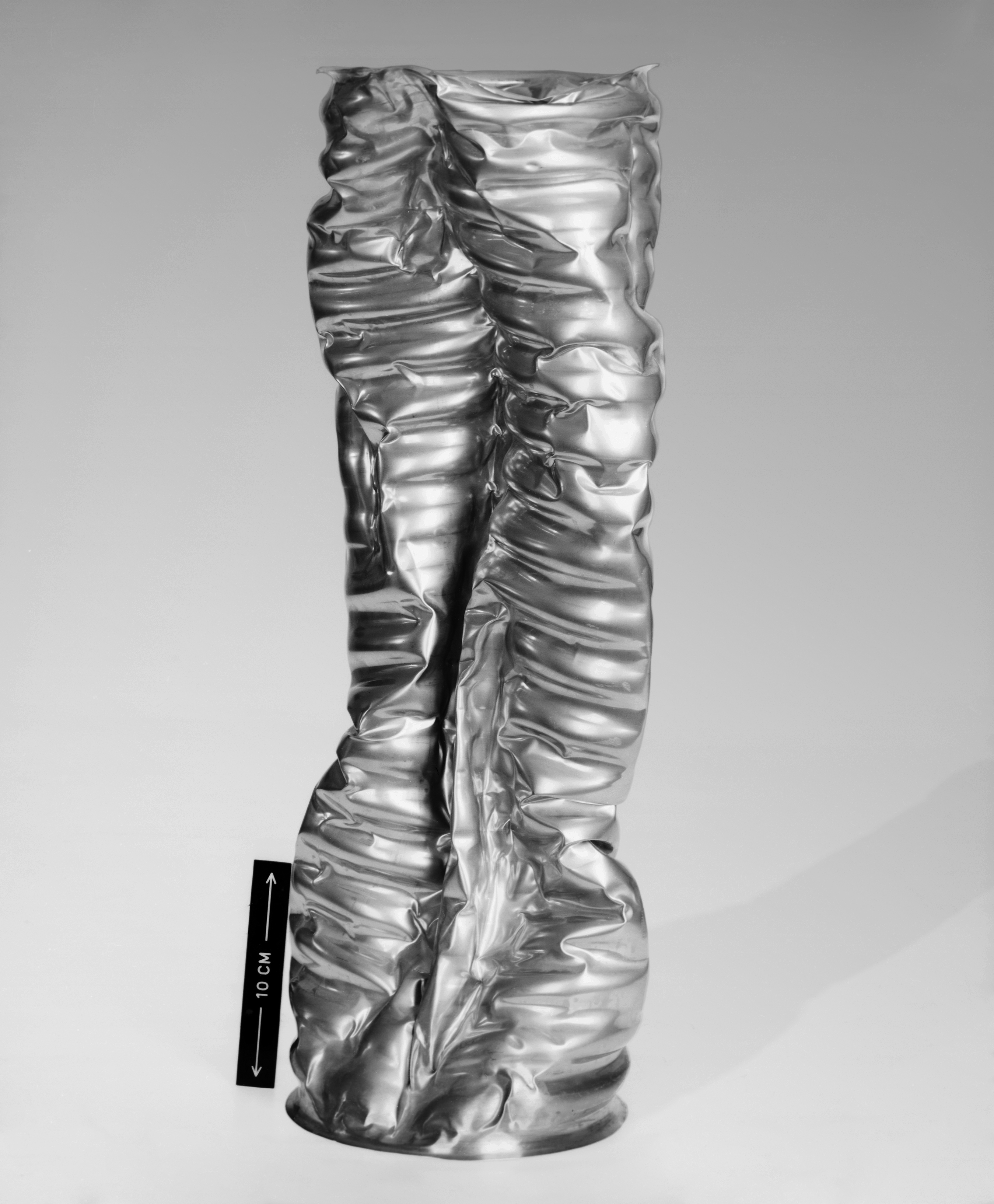
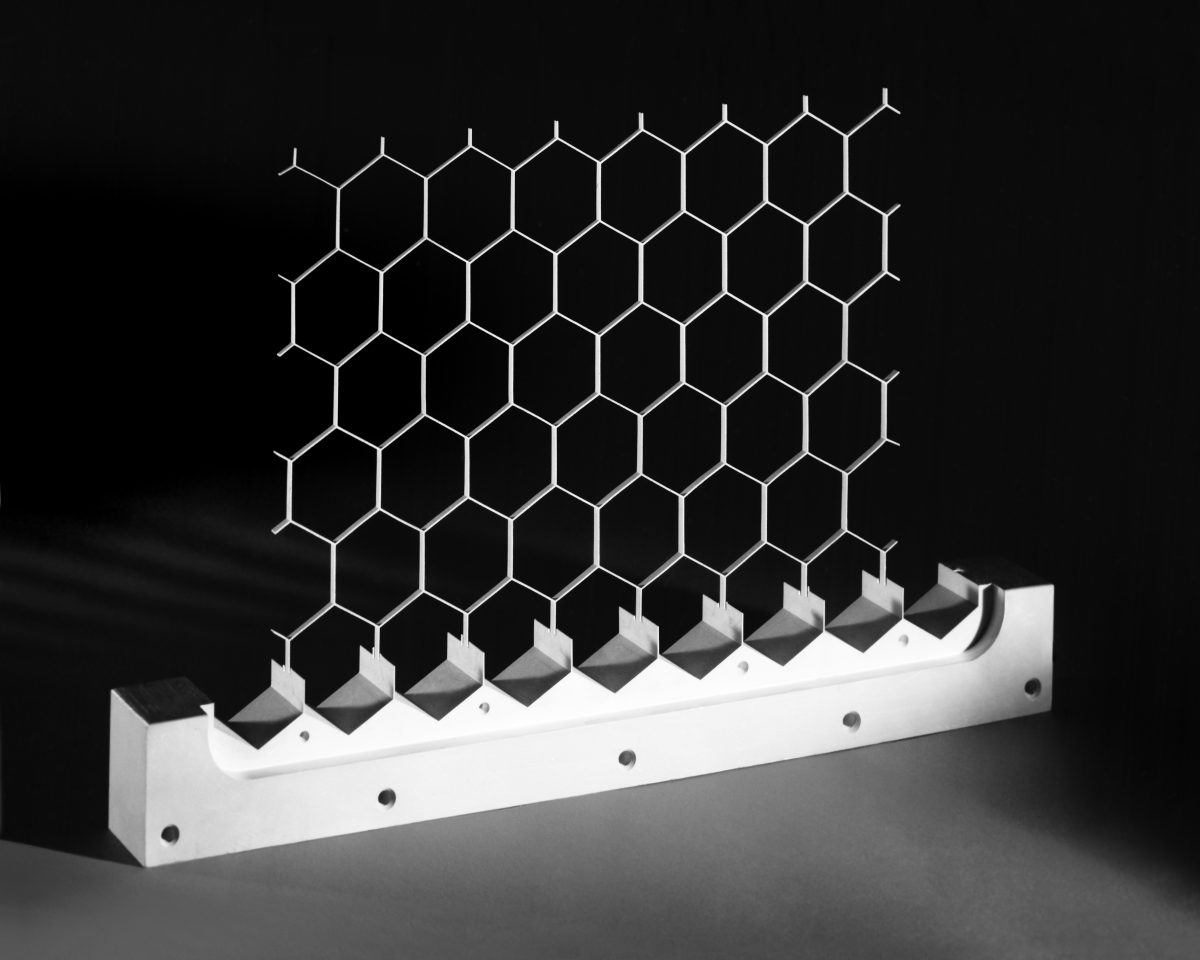
Assembled from eight years of engagement with the photographic archives of CERN — the European Organization for Nuclear Research — this project presents a topographic survey of the material debris of high-energy physics: the failed experiments, fractured components, and obsolete instruments originally engineered for the Large Hadron Collider (LHC).
Within the framework of Quantum Chromodynamics, the fundamental constituents of matter are, by their very nature, inaccessible: quarks remain permanently bound within hadrons, withdrawn from the observable world by the mechanism physicists call confinement. CERN’s apparatus exists precisely to breach this condition: to act as a transparent conduit, engineering the means by which the invisible might be made visible.
The objects catalogued here occupy an ontological paradox. Designed to reveal the unseen, they have entered the archive — and so become visible as objects in their own right — only because they failed. Stripped of scientific function, they can no longer serve as windows onto the quantum realm. Failure arrests them instead in the material world: cracked housings, calibration remnants, dormant lenses stilled mid-task. Stubborn, irreducibly present, they remain beautiful precisely because they no longer point beyond themselves.
Walker Evans’s 1955 photo essay Beauties of the Common Tool isolated familiar hardware — wrenches, pliers, shears — against spare backgrounds to reveal the latent dignity of utility. Here, the isolated objects are hyper-specialised, stripped of all recognisable purpose: not the common tool but the uncommon one. Their function was never legible to the layperson, and their failure has rendered it permanently so.
What follows, then, is offered as notes toward a taxonomy, not the thing itself. Failure does not classify cleanly. It has no serial logic, no periodic table. Each object breaks the frame of the last, resists grouping by cause or function, refuses to settle into a genus. The archive is not a taxonomy completed but one interrupted — a record of the many different routes by which very different apparatus arrive at the same condition: no longer transparent to anything beyond itself.
What remains is not data. It is the sculptural weight of matter that has stopped reaching — an archive of instruments returned, by failure, to the condition of things.
-
-

-
-
-
-
-
-
-
-
-
-
-
-
-
-
-
-
-
-
-
-
-
-
-
-
-
-
-
-
-
-
-
-
-
-
-
-
-
-
-
-
-
-
-
-
-
-
-
-
-
-
-
-
-
-
-
-
-
-
-
-
-
-
-
-
-
-
-
-
-
-
-
-
-
-
-
-
-
-
-
-
-
-
-
-
-
-
-
-
-
-
-
-
-
-
-
-
-
-
-
-
-
-
-
-
-
-
-
-
-
-
-
-
-
-
-
-
-
-
-
-
-
-
-
-
-
-
-
-
-
-
-
-
-
-
-
-
-
-
-
-
-
-
-
-
-
-
-
-
-
-
-
-
-
-
-
-
-
-
-
-
-
-
-
-
-
-
-
-
-
-
-
-
-
-
-
-
-
-
-
-
-
-
-
-
-
-
-
-
-
-
-
-
-
-
-
-
-
-
-
-
-
-
-
-
-
-
-
-
-
-
-
-
-
-
-
-
-
-
-
-
-
-
-
-
-
-
-
-
-
-
-
-