-
work /
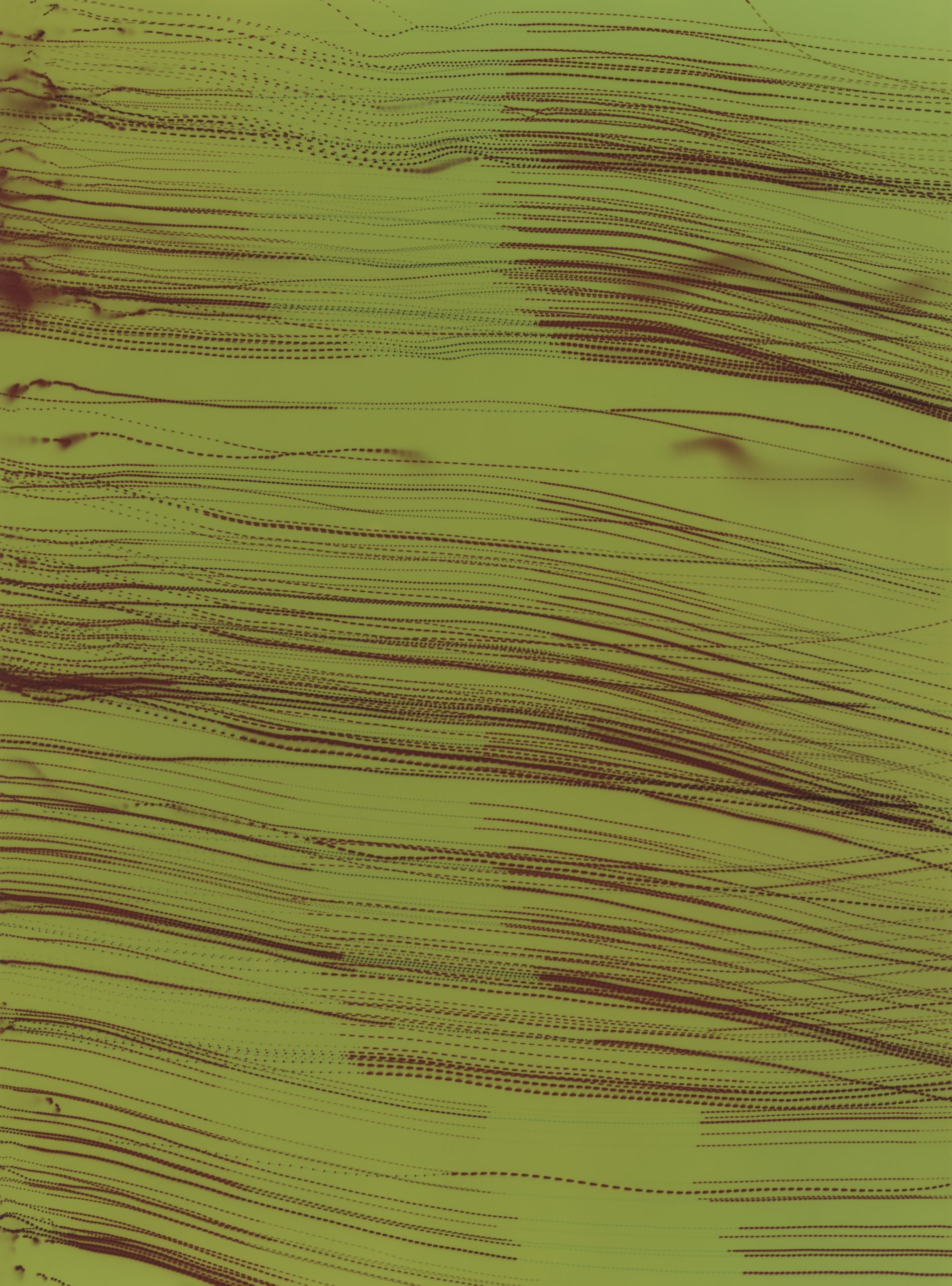
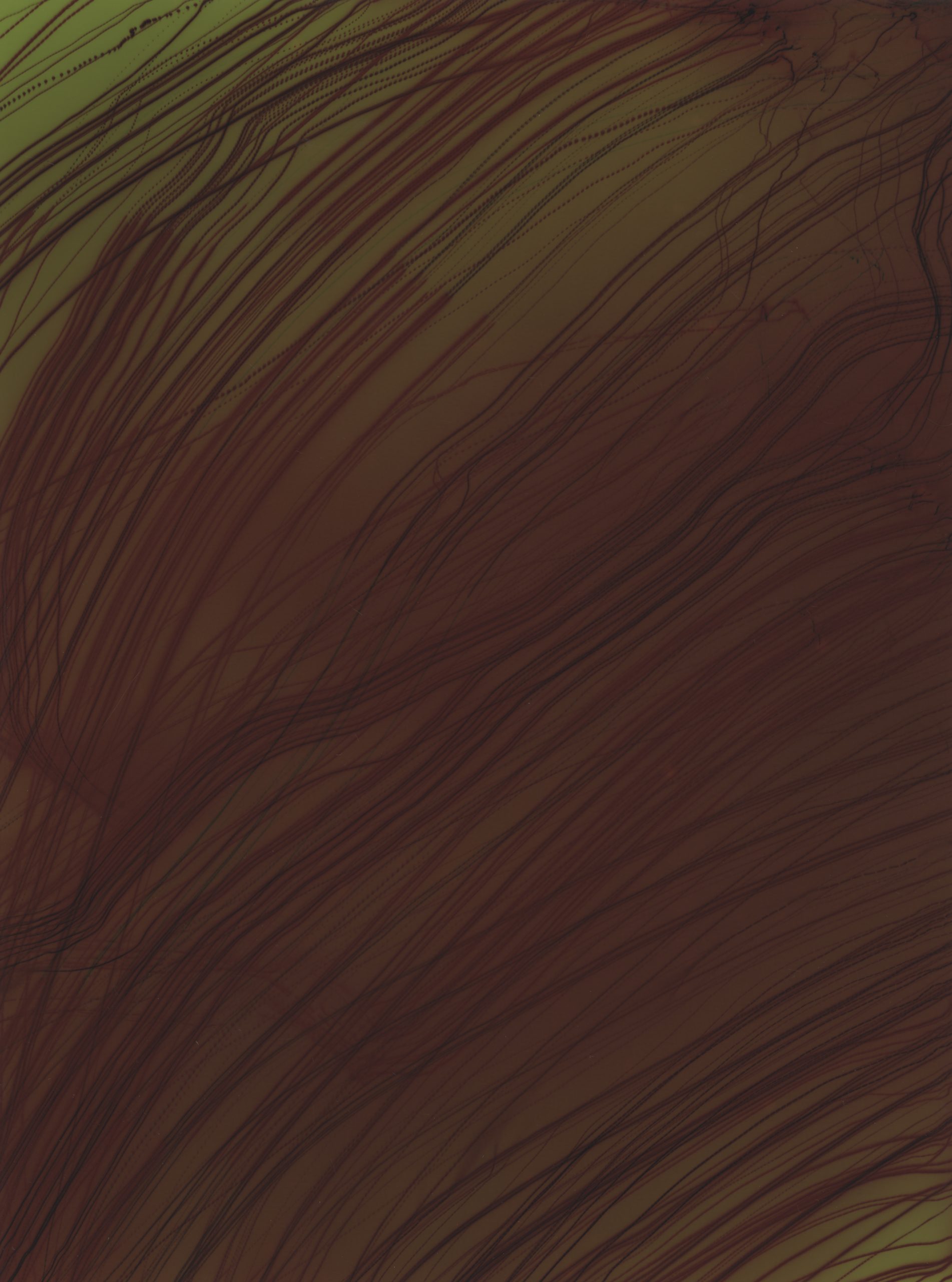
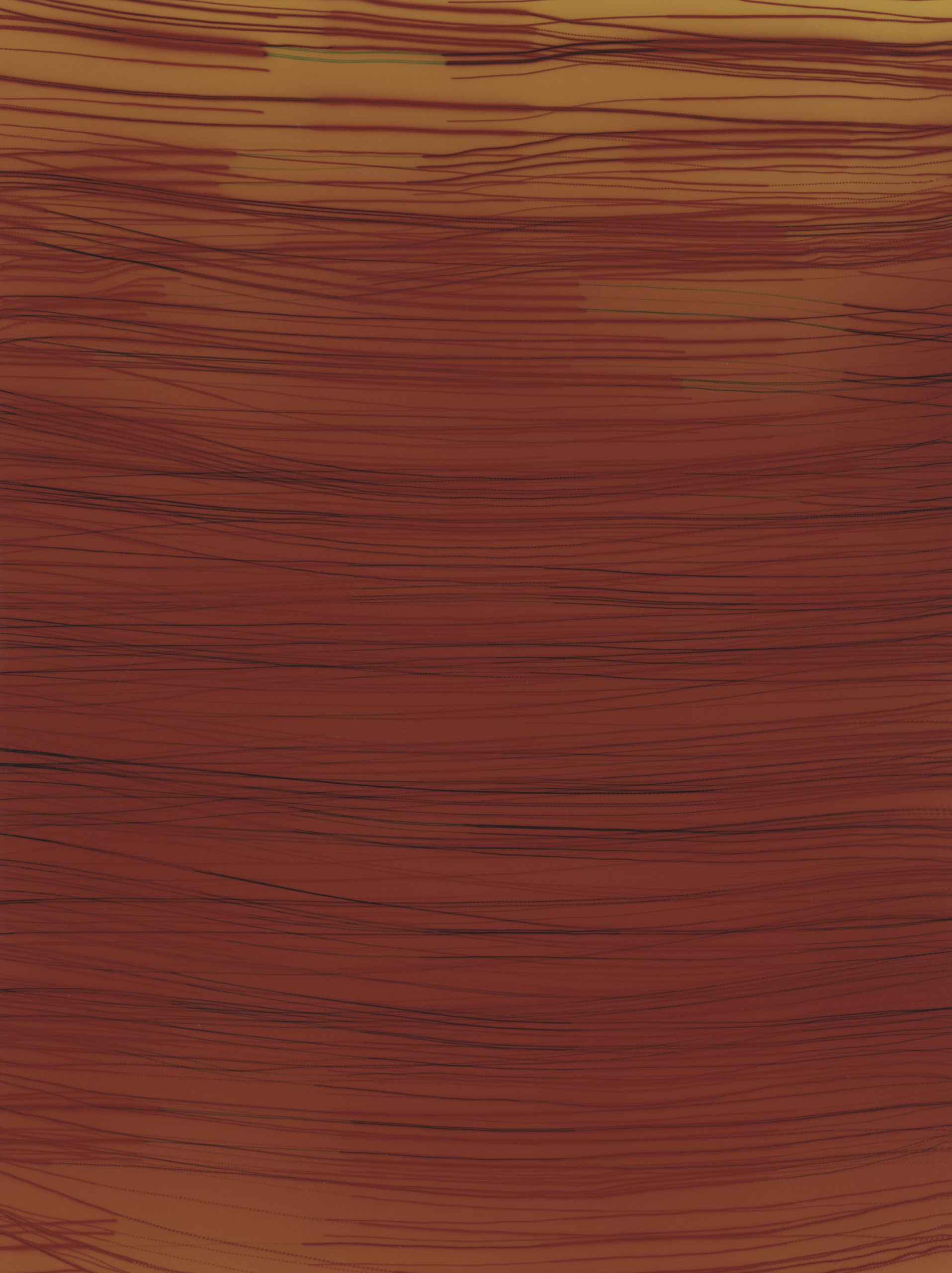
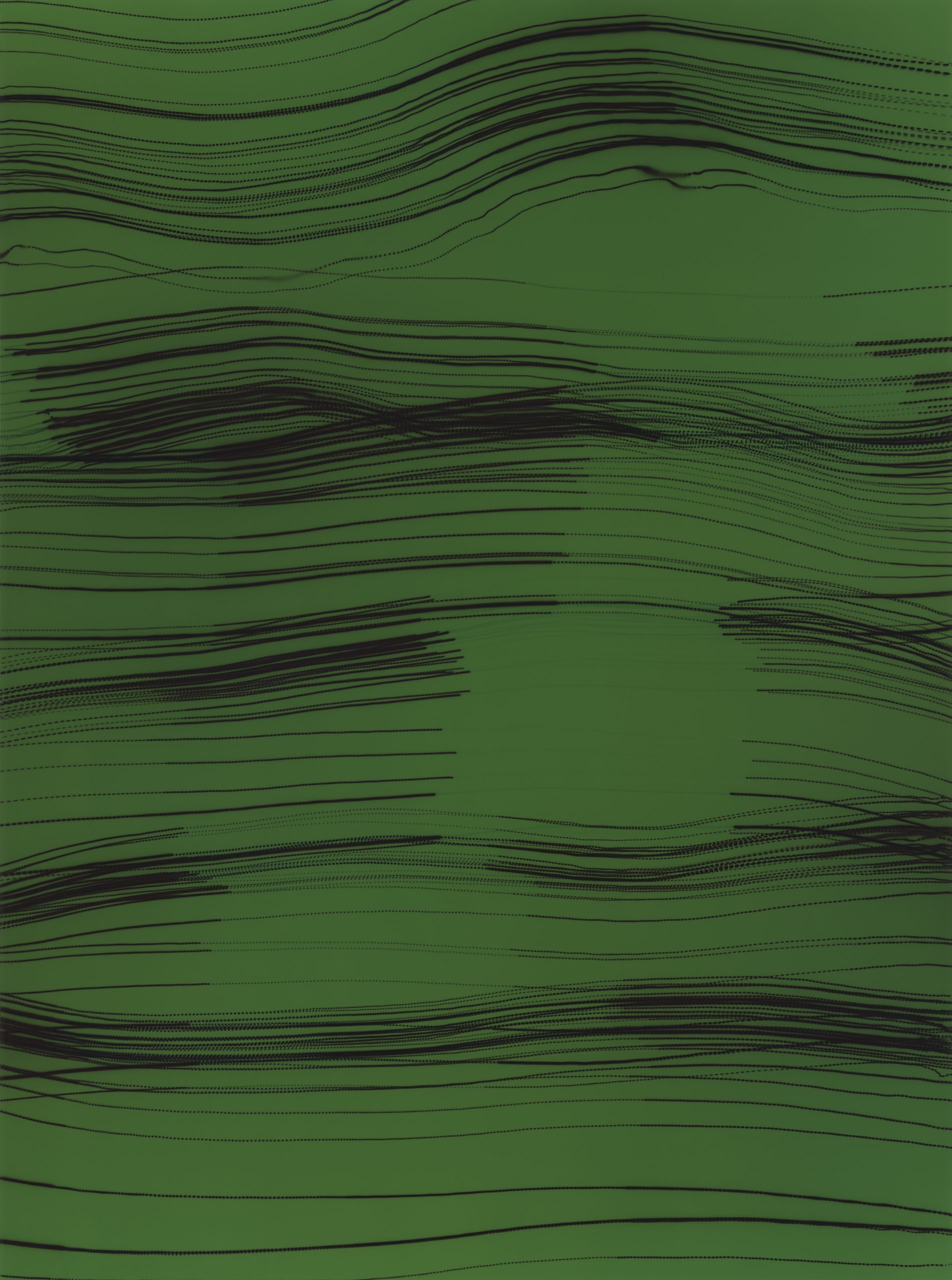
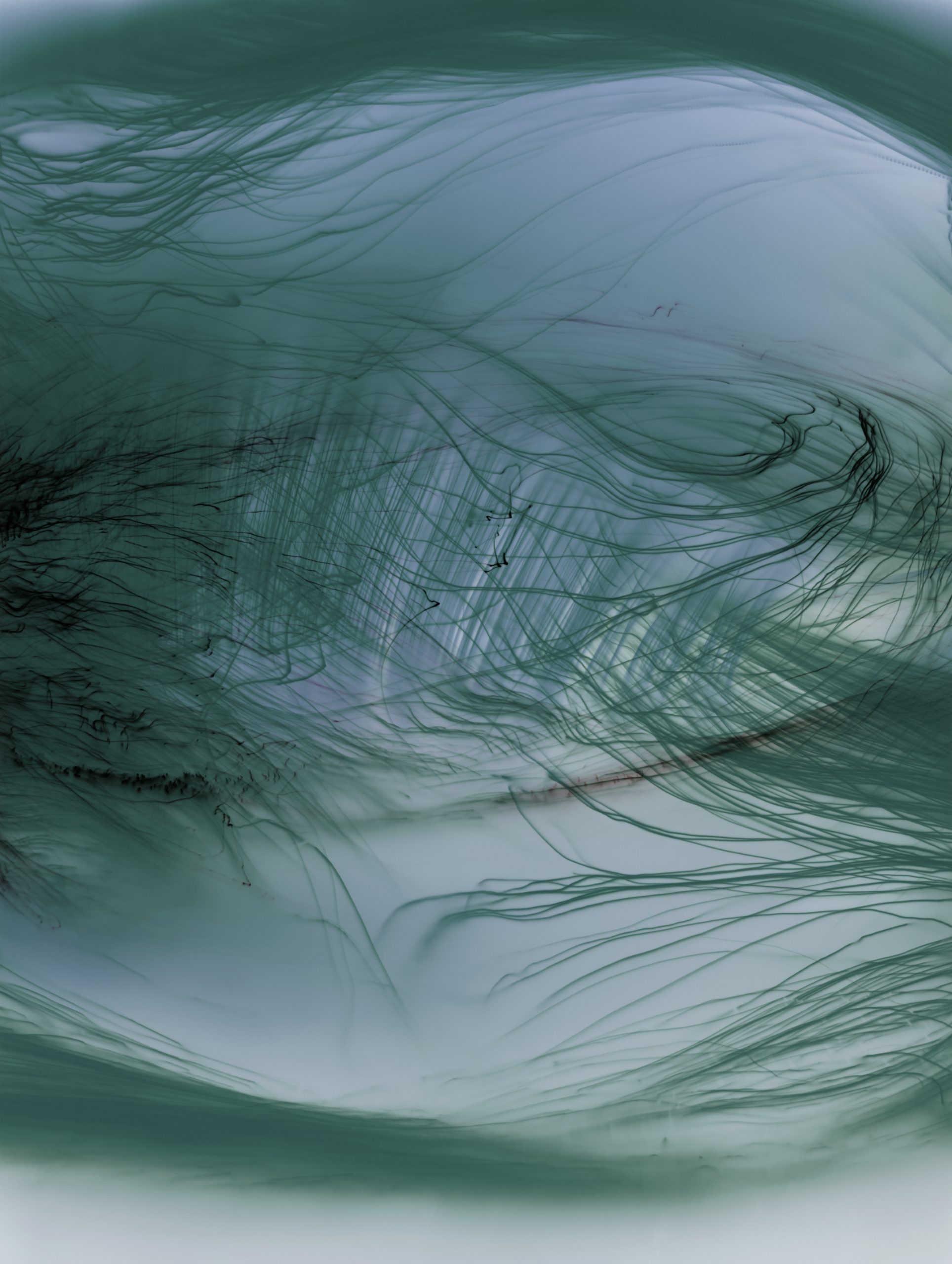
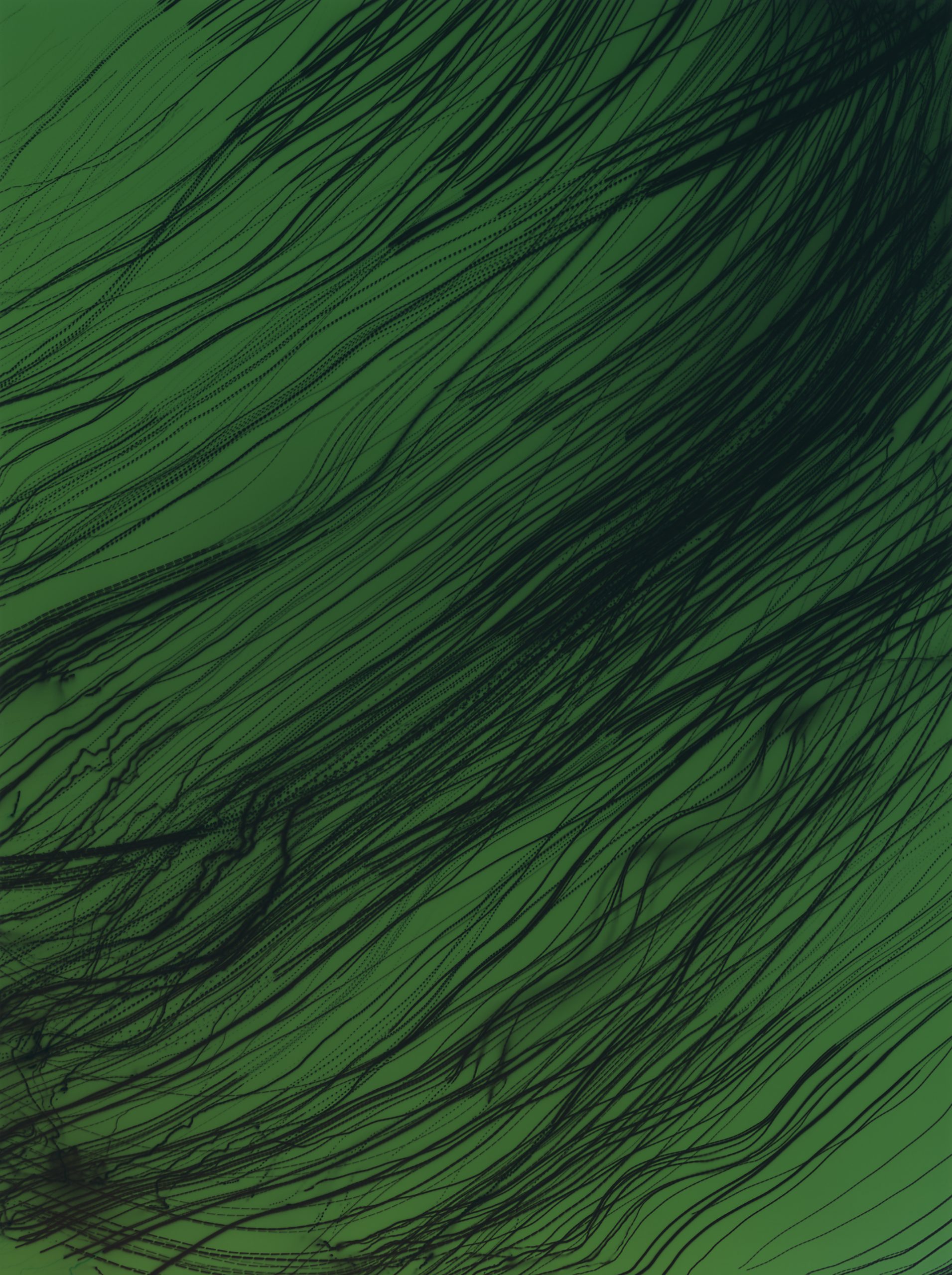
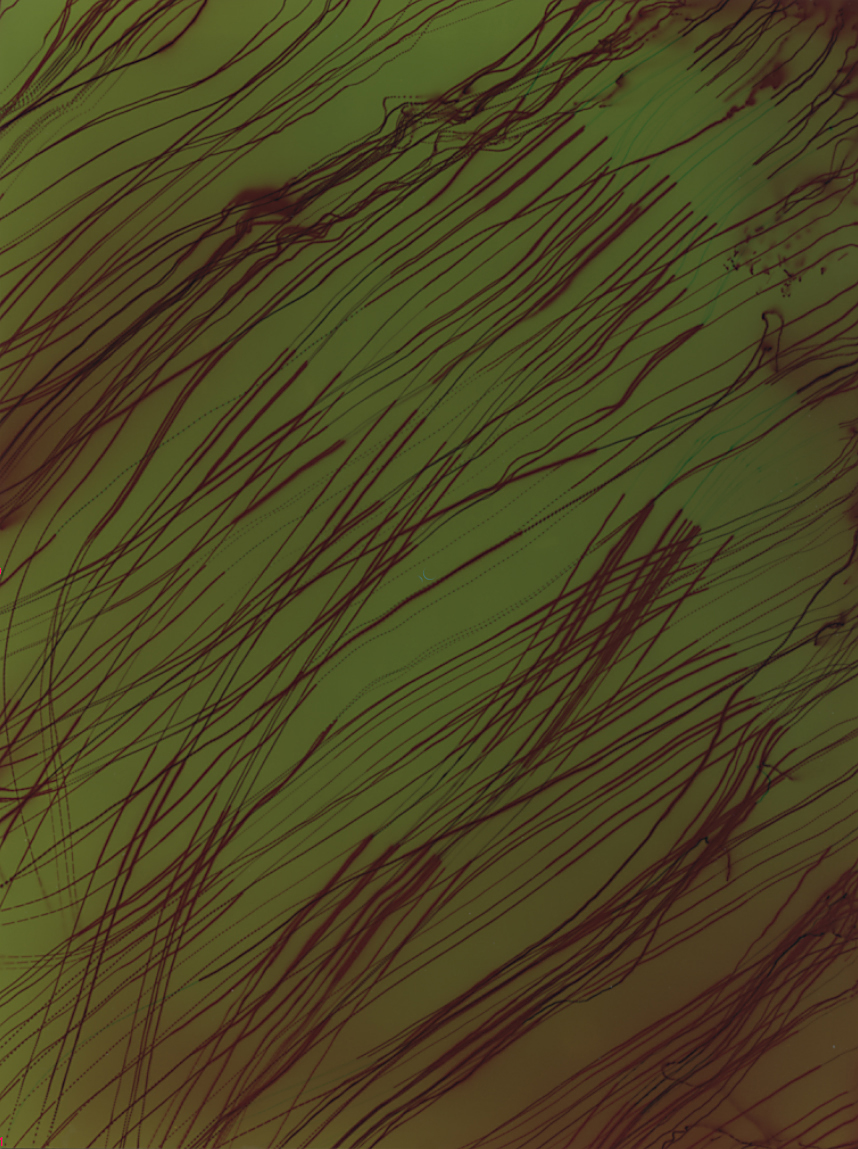
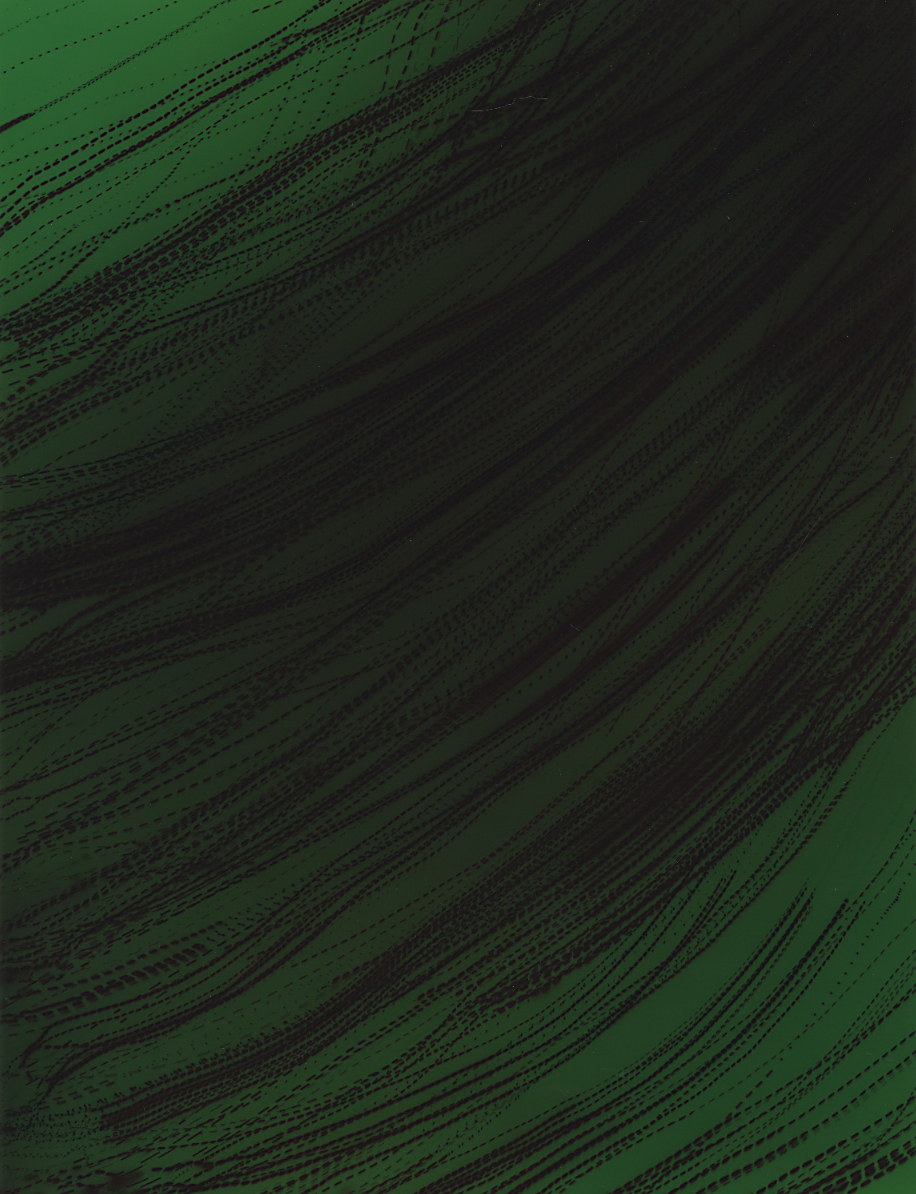
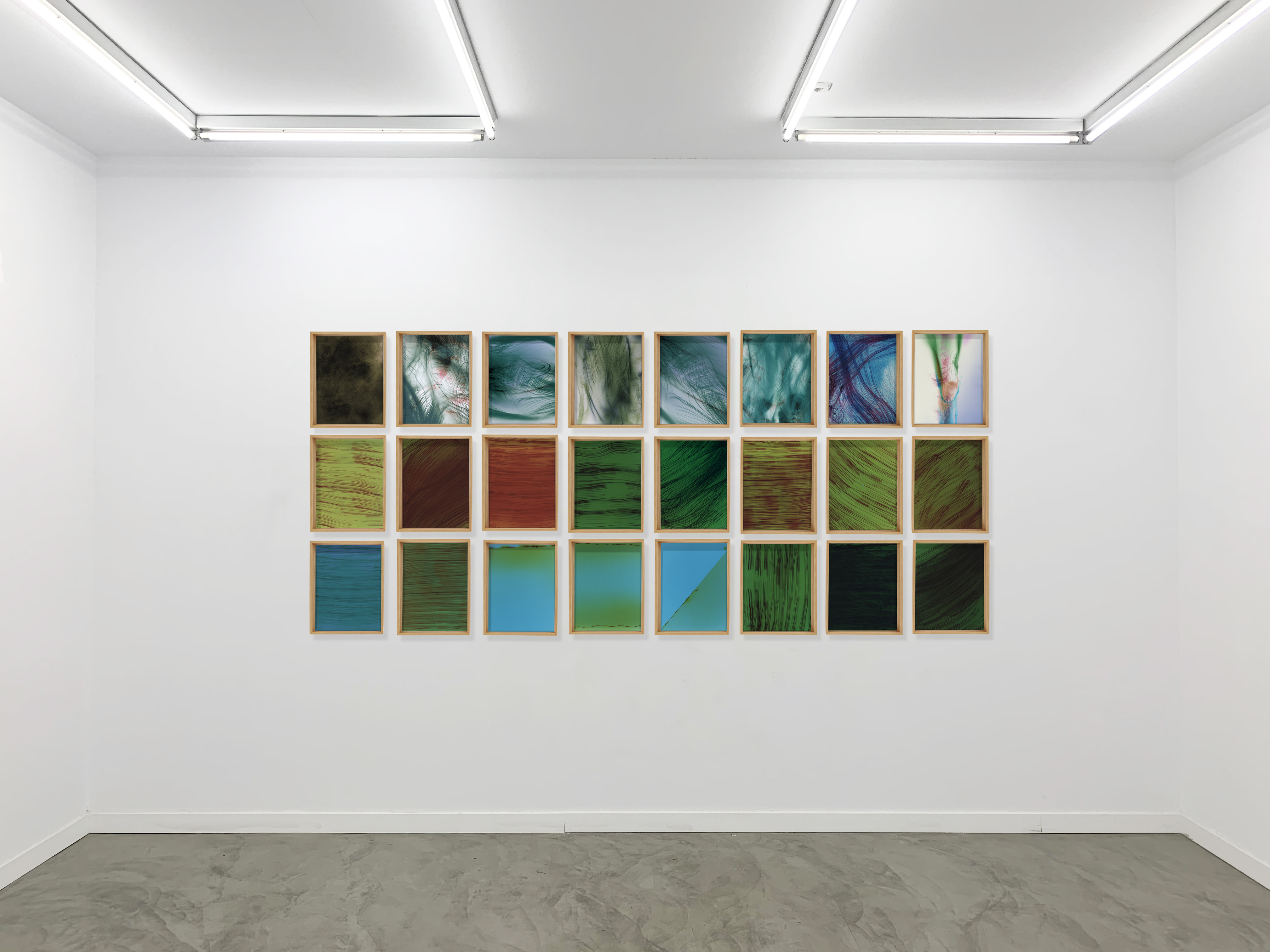
Lipographic Light Studies, 2021
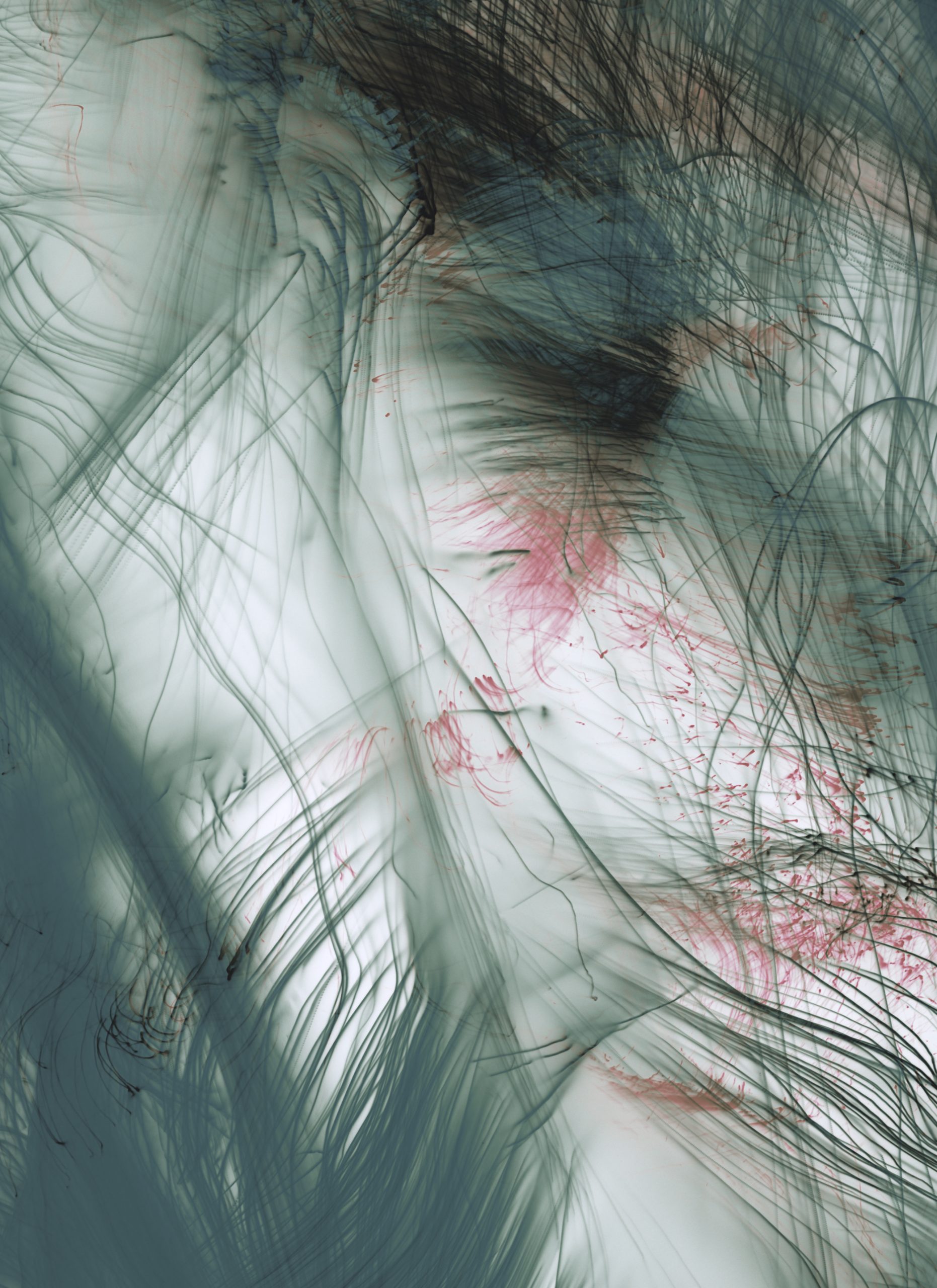
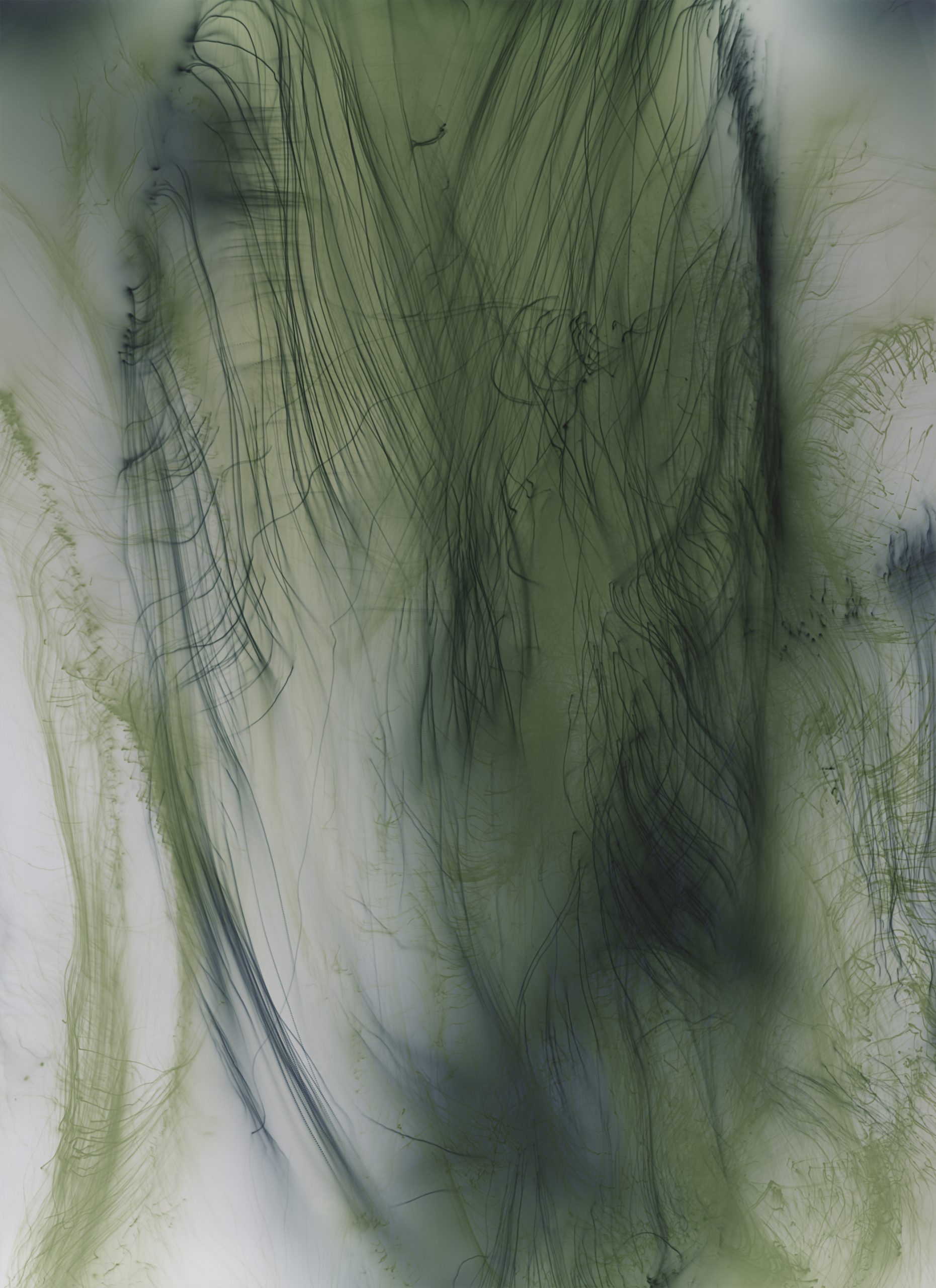
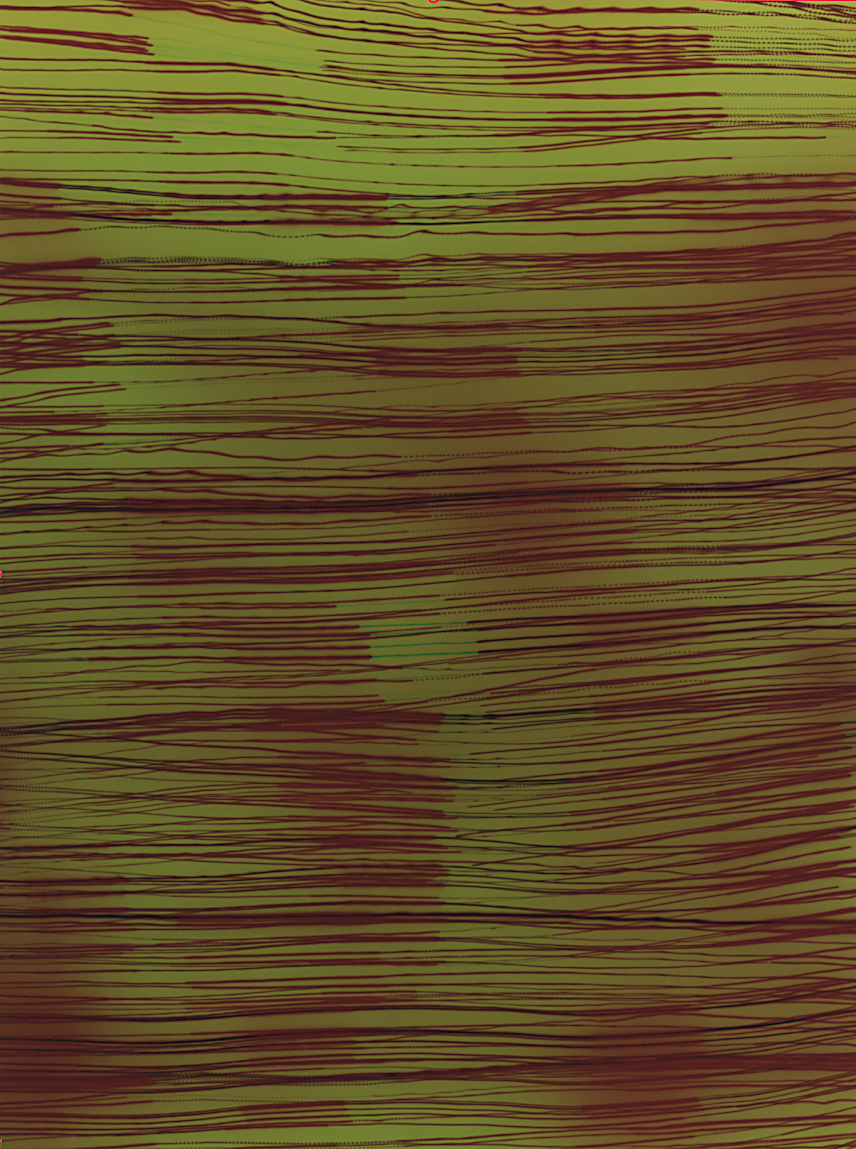
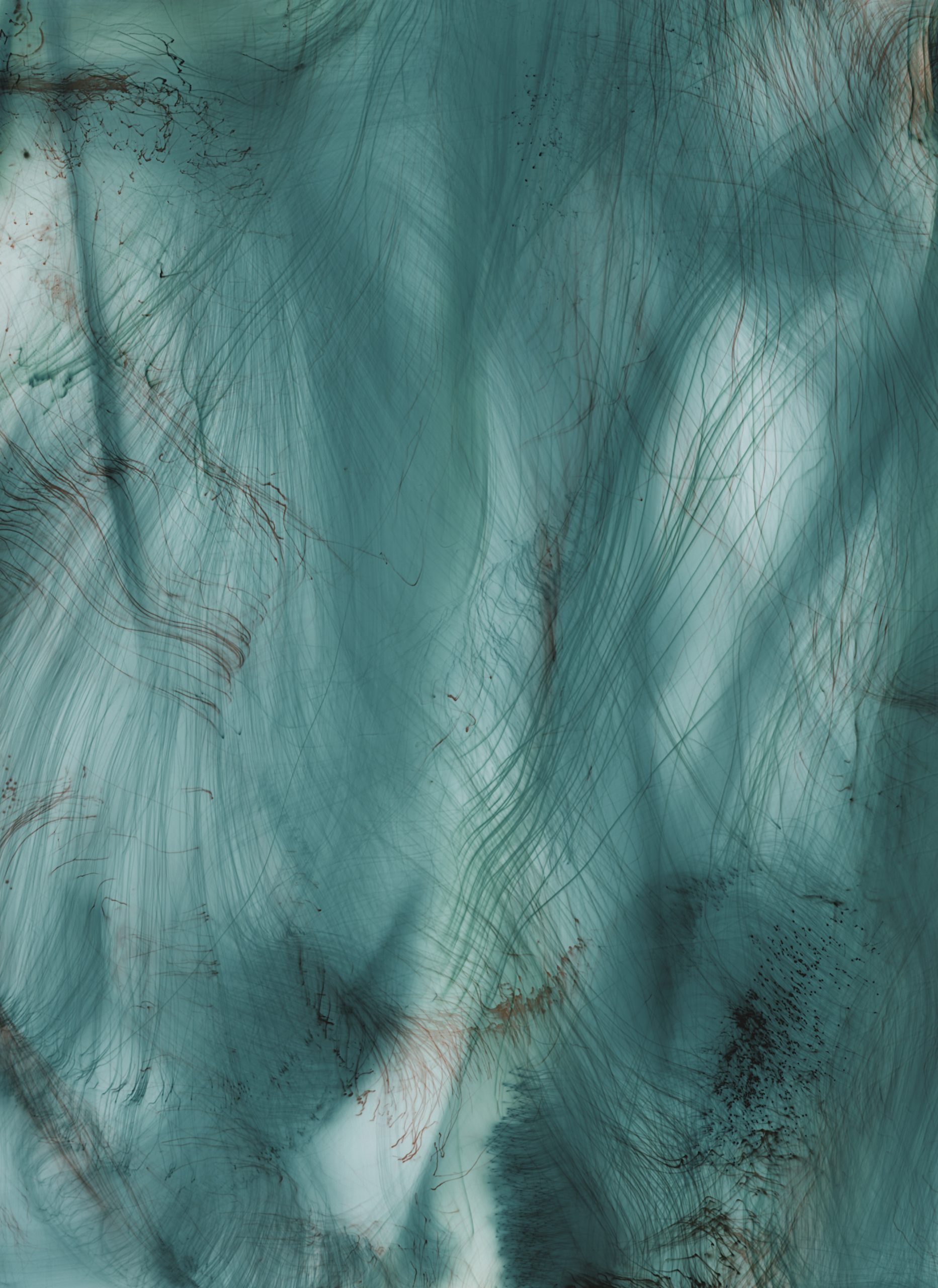
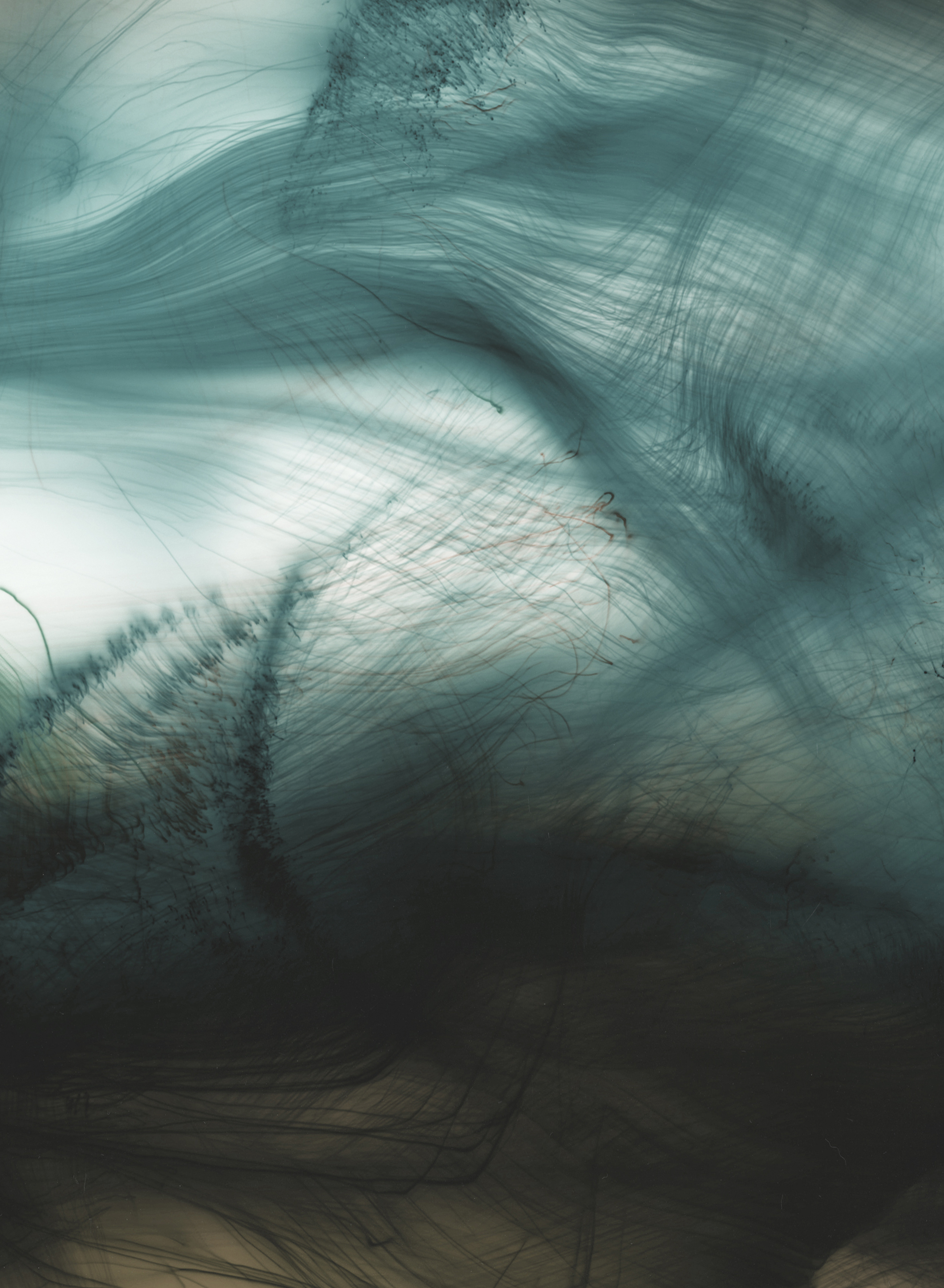
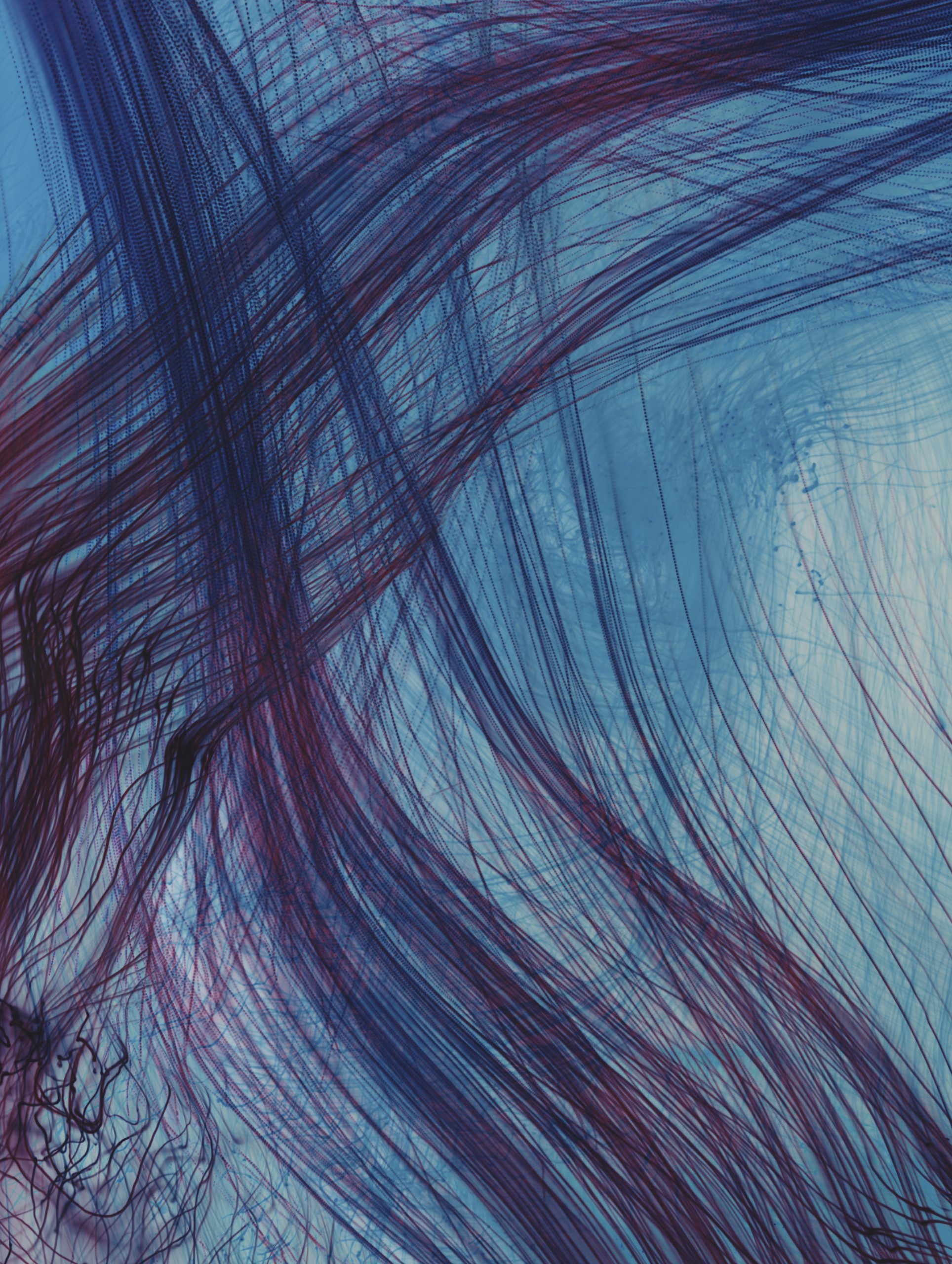
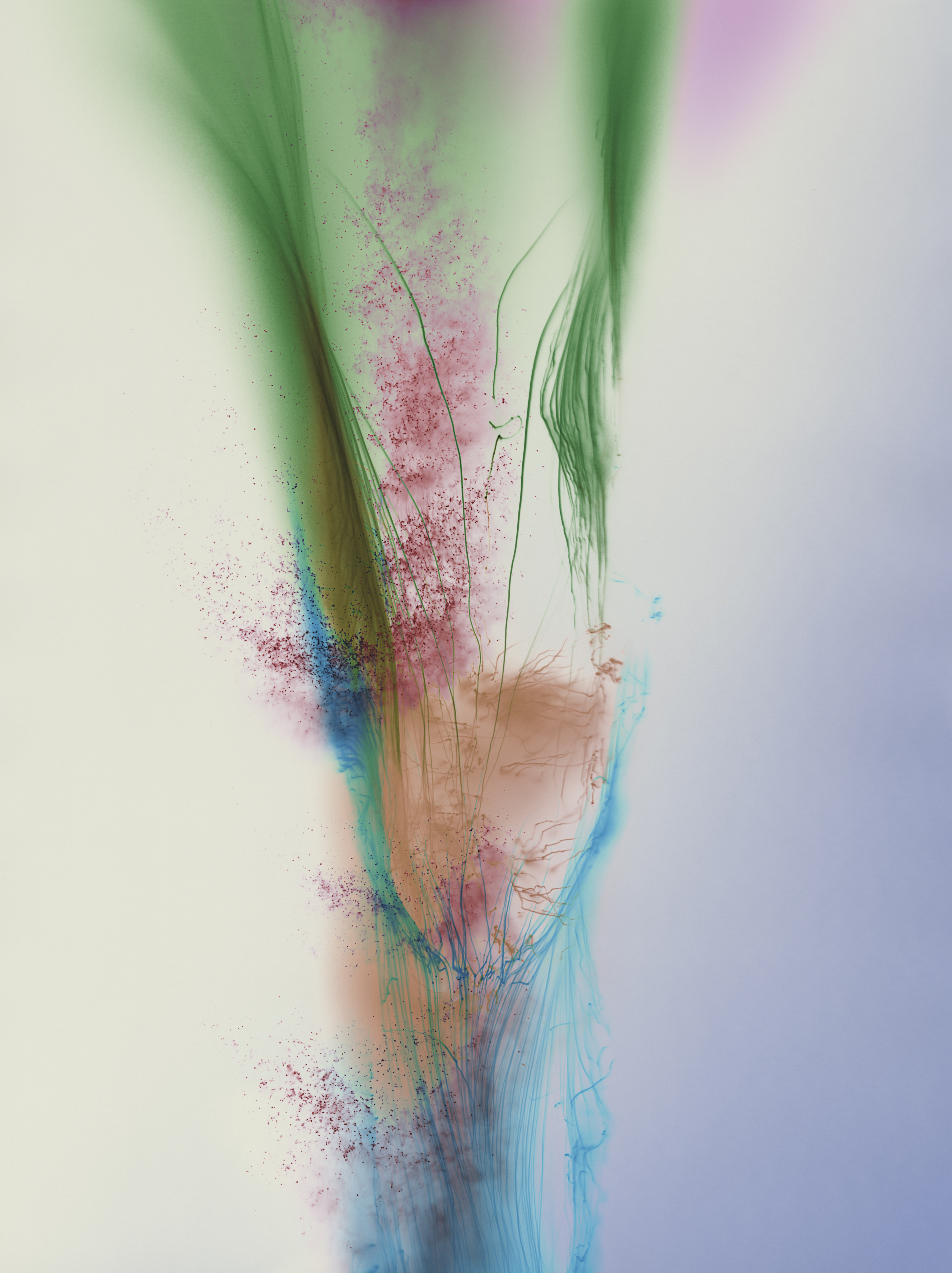
The term “lipograph” was coined by Martins, inspired by Georges Perec’s lipogrammatic practice. A lipogram is a literary device in which a self-imposed constraint is applied to written language in order to unlock new and unexpected possibilities of expression. In La Disparition, Perec famously excised the most common vowel in both English and French — the letter ‘e’ — understood by many as an oblique elegy for his parents, who died in the Holocaust. Without ‘e’, there can be no mère, no père, no Perec.
It is this understanding of constraint as a form of circumlocutory address — a means of testifying to what resists inscription — that shapes Lipographic Light Studies. The series reflects on the abduction, death, and disappearance of Martins’s close friend, the photojournalist Anton Hammerl, during the Libyan war of 2011, and on the broader question of how images might bear witness at the absolute limits of knowledge and representation.
The works were produced by exposing photosensitive paper to varying light sources and wavelengths. Their patterns and colours draw directly on testimonies gathered from journalists who were forcibly abducted from conflict zones. The linear elements function as mnemonic cartography: codes developed by abductees to map the geography of their journeys whilst blindfolded. In this system, dots record bumps in the road; thin lines, dirt tracks; thick lines, paved roads; gaps, terrain that could not be read at all. The non-linear forms, meanwhile, give shape to what captive journalists described seeing through their blindfolds — fragmented, involuntary glimpses: artillery fire bleeding through fabric, traces of blood on clothing, the sand disturbed by bodies in flight.
Underlying the work is a neurological question Martins places at its centre: what happens to the brain when a primary source of input — vision — is suddenly withdrawn? Conventional accounts suggest that the brain will effectively overwrite its representation of a body part that ceases to send signals. And yet, as with those who have undergone amputation, people who lose their sight abruptly continue to experience vivid sensations and images — the nervous system persisting in its testimony long after the source has gone. It is this persistence that the work ultimately maps: the image that endures not as document or proof, but as the trace of an experience that refused to disappear with the person who lived it.
-
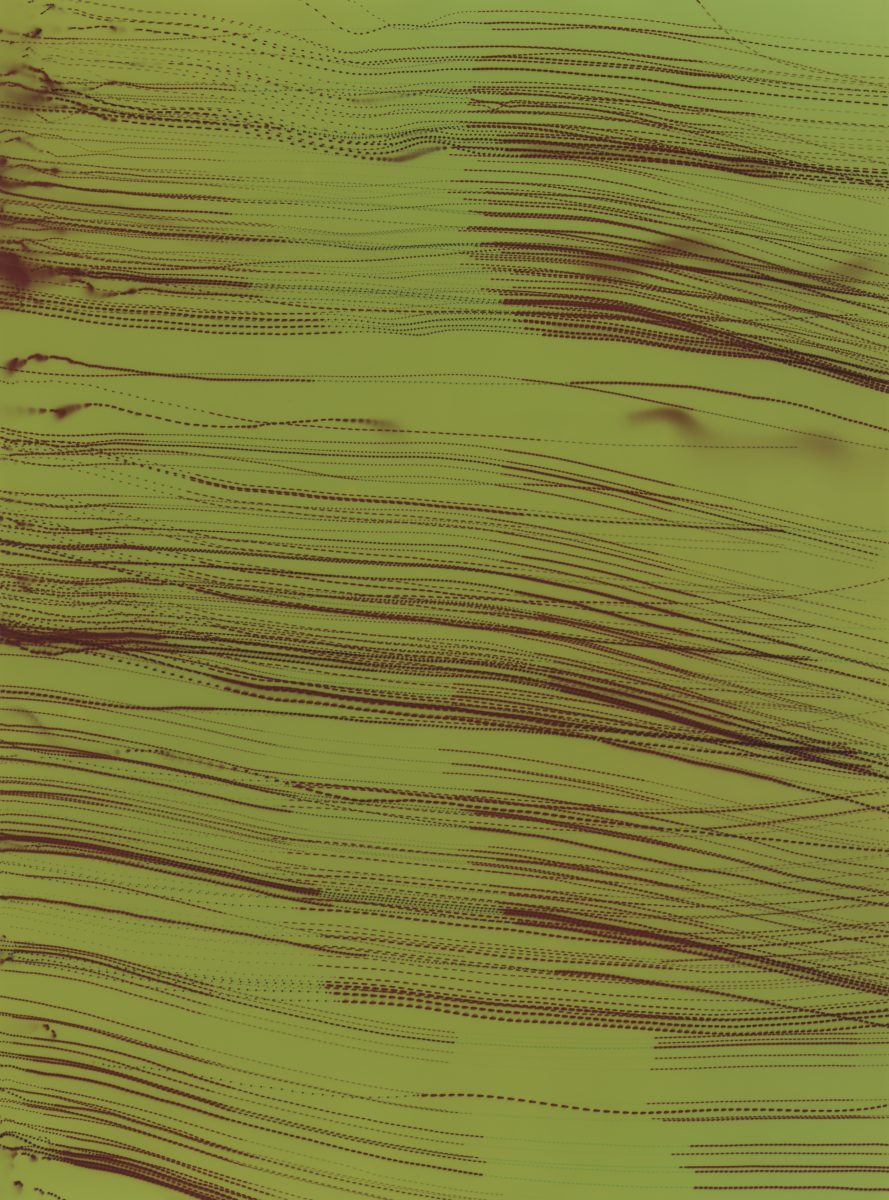
Steep, uneven and slanted terrain with spiky or curved crests.
-

Elevated area of land that rises substantially above the surrounding terrain. Multiple curved and windy roads.
-
Land territory with no or little vegetative cover. Long straight path. Most likely desert.
-
Region of land almost completely covered in trees. Sparse land, with intermittent densely populated towns and small villages. Maybe a natural park.
-
Level area of land with small but noticeable elevation variation that is populated by shrubs.
-
Linen blind.
-
Glimpse of sand and smoke
-
Linen blind.
-
Visual noise/corneal abrasions. Possible phosphenes.
-
Lowlands at the foot of coastal area. Flat land encircled by an ongoing or unreliable ring of steep slopes, or cliffs in various locations.
-
Plains along the coast gradually rising from sea level before meeting higher elevations.
-
Srubby plain along the foot of possible mountain. There are areas with both solid ground and shallow pools of water. Difficult to navigate
-
Flat land. Noisy terrain. Suspected salt lake.
-
Phospenes.
-
Visual noise/corneal abrasions. Possible phosphenes.
-
Cotton blind.
-
Glimpse of artillery fire in the night sky.
-